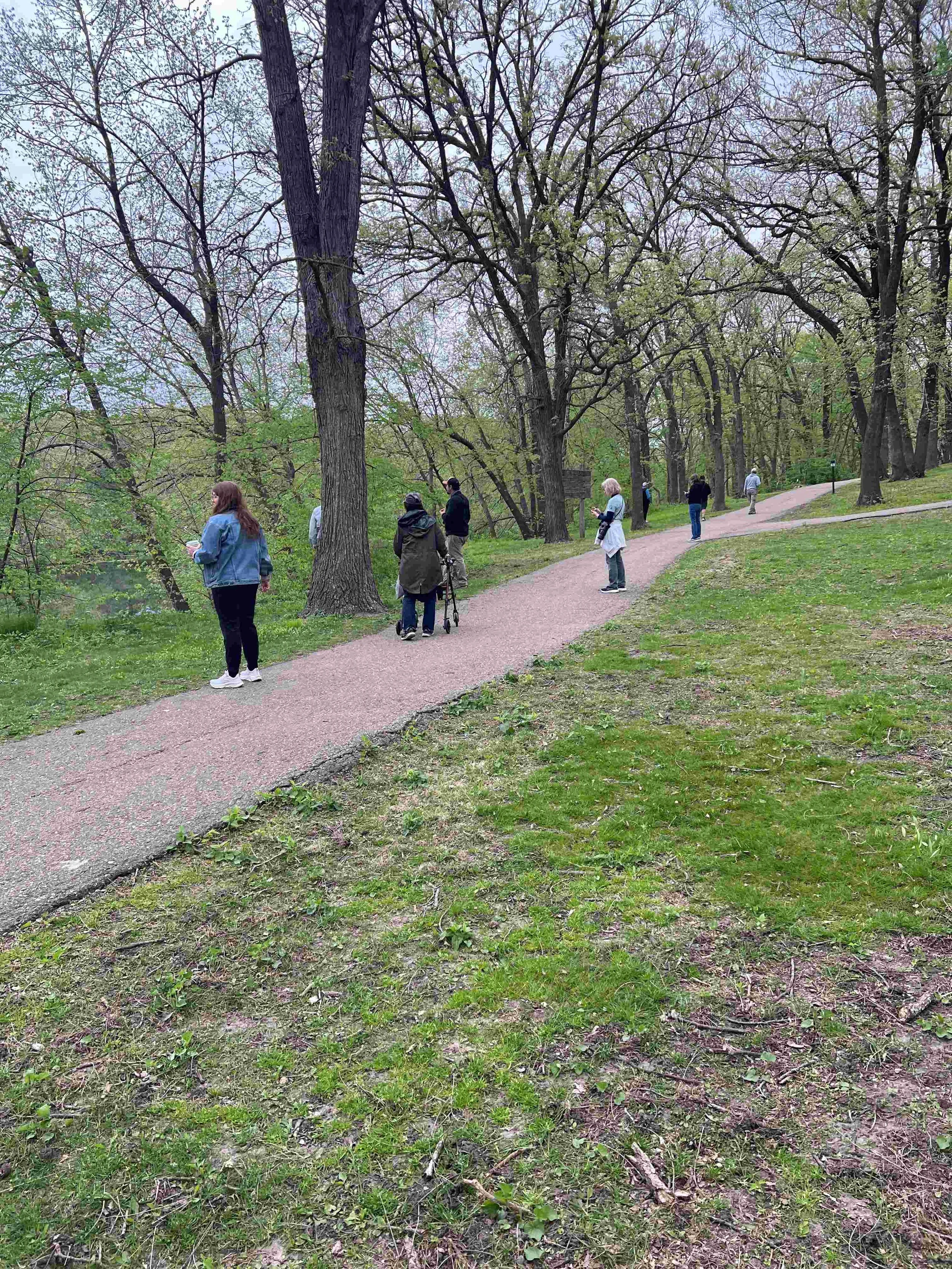
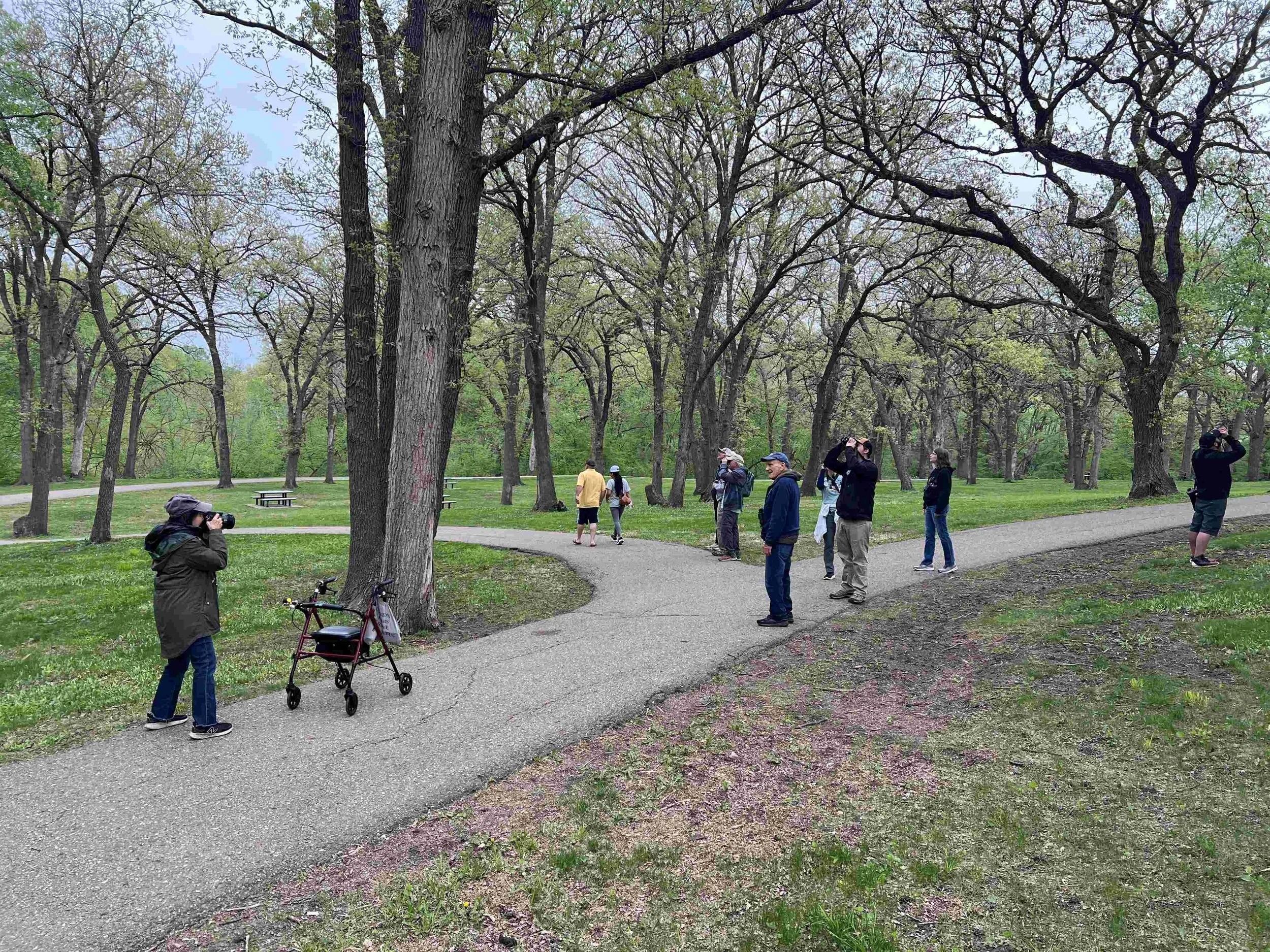
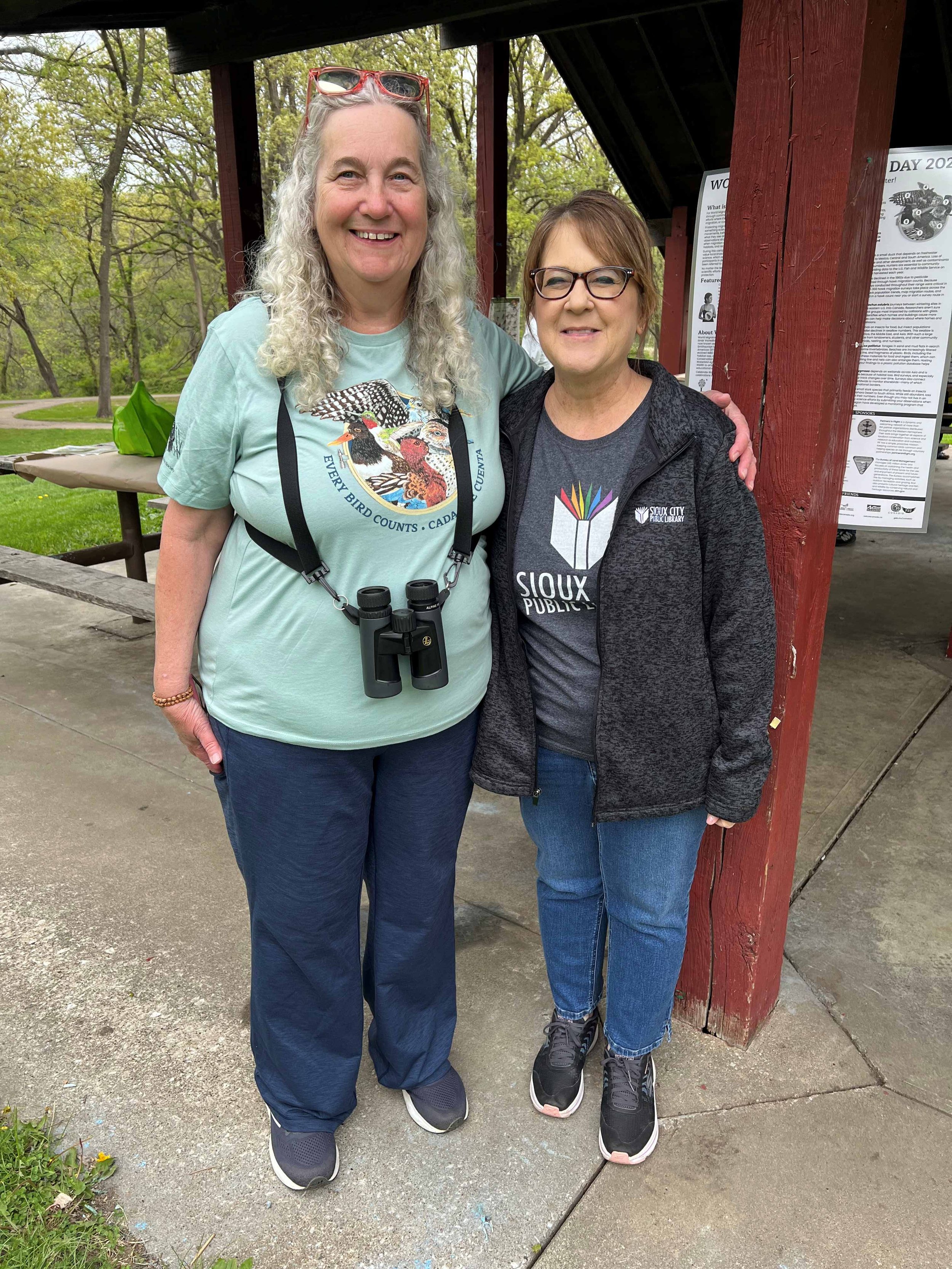
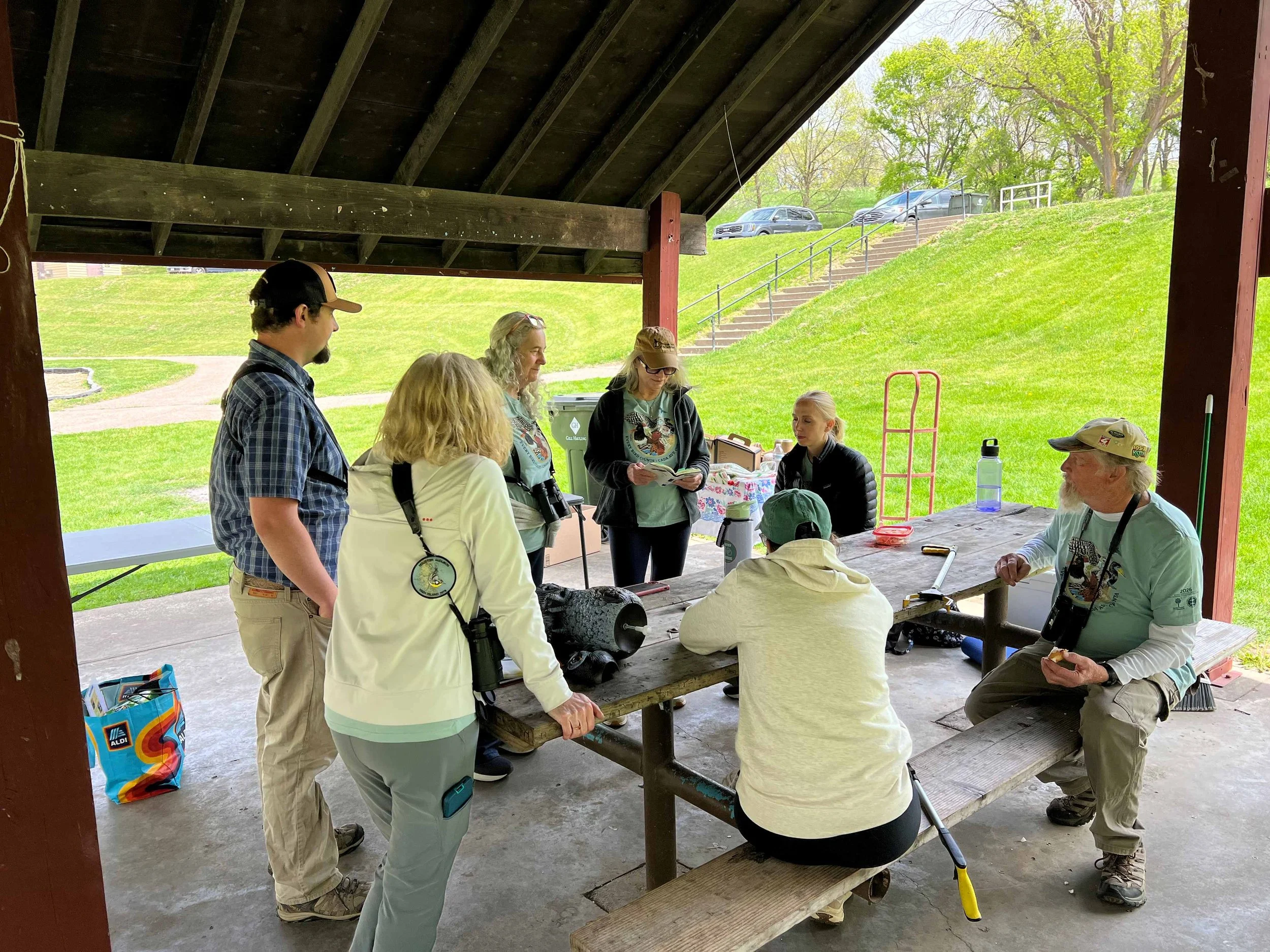
Fall World Migratory Bird Day Event
every bird counts! Your observations Matter!
saturday, october 10, 2026
8:00 am - 1:00 pm
pammel valley shelter, stone state park
5001 Talbot rd, sioux city, ia 51103
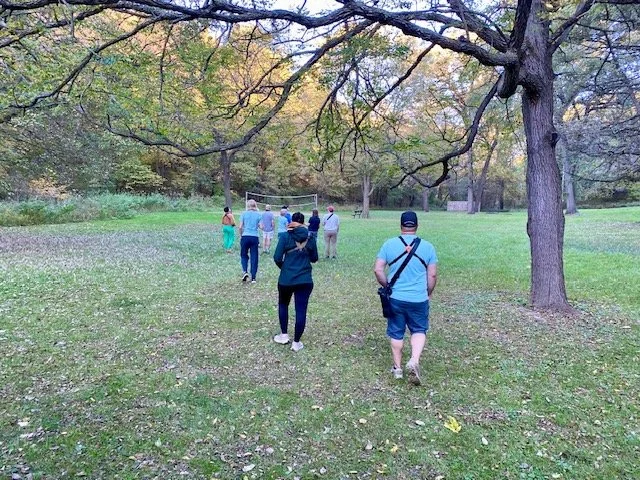
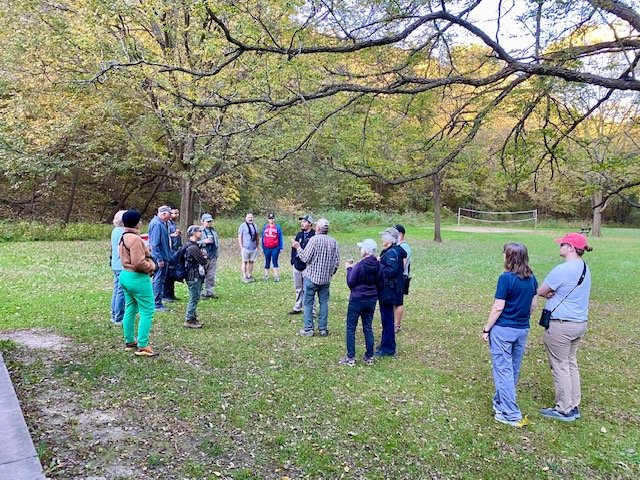
guided bird walks at 8:00 am and 10:00 am with Bill huser and tucker lutter
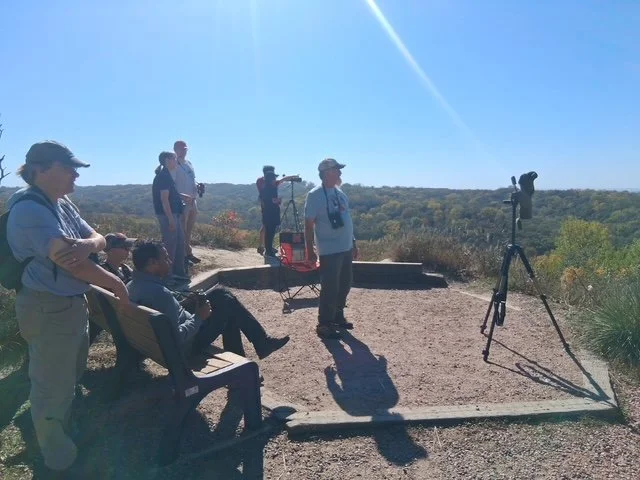
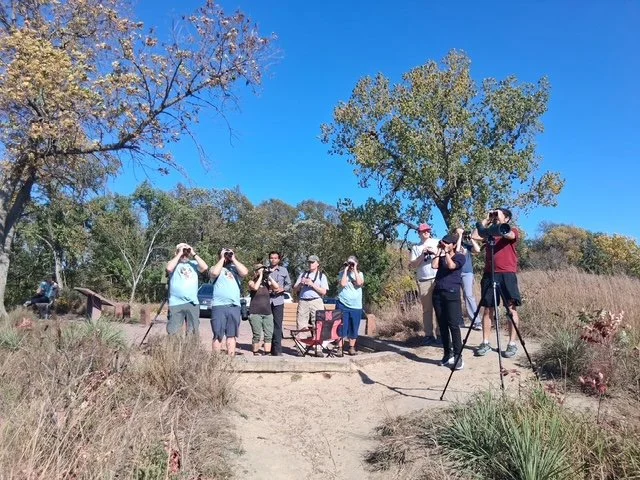
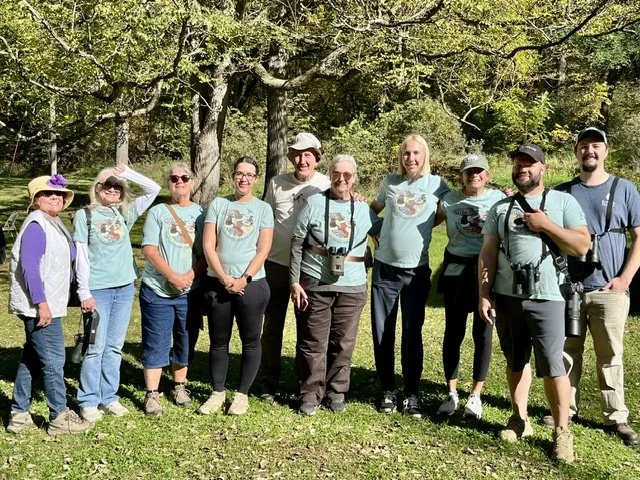
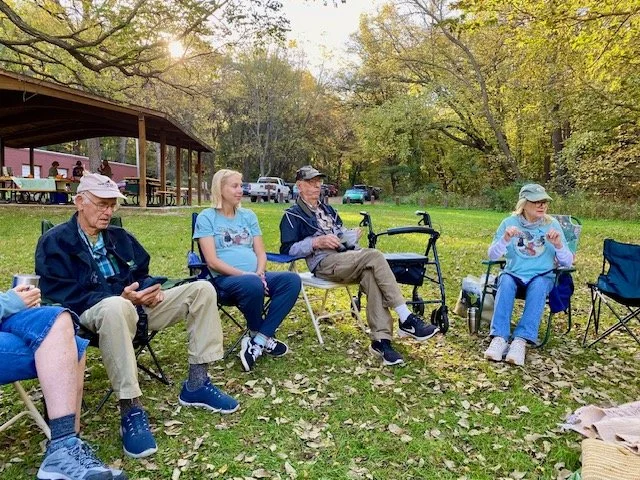
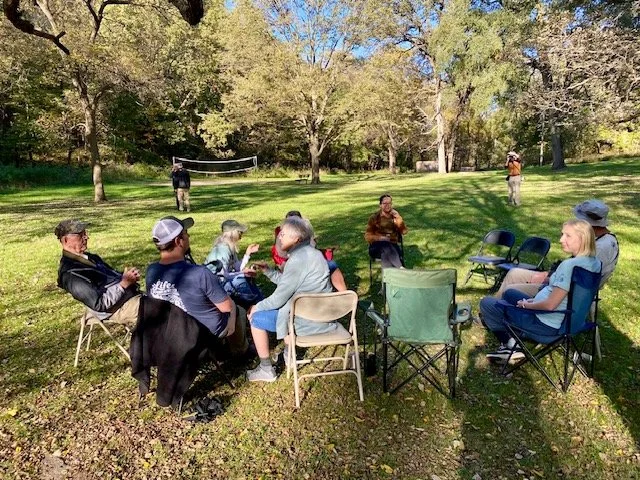
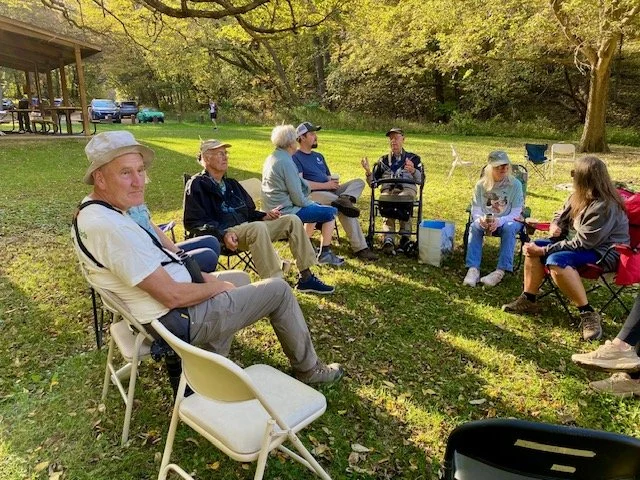
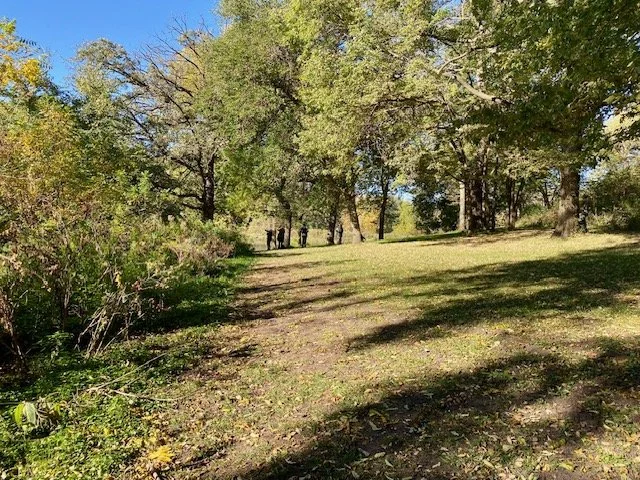
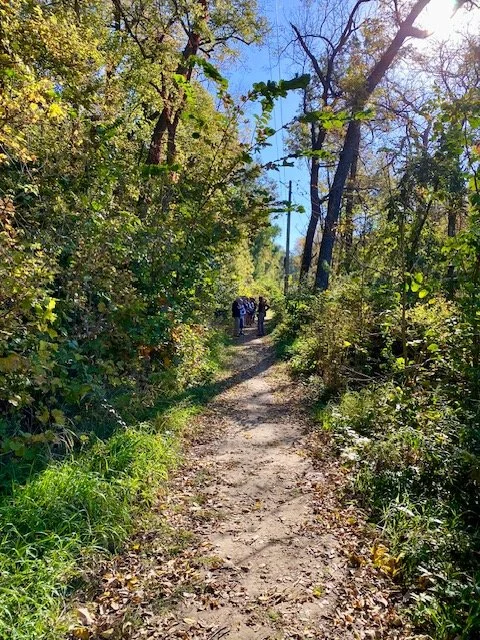
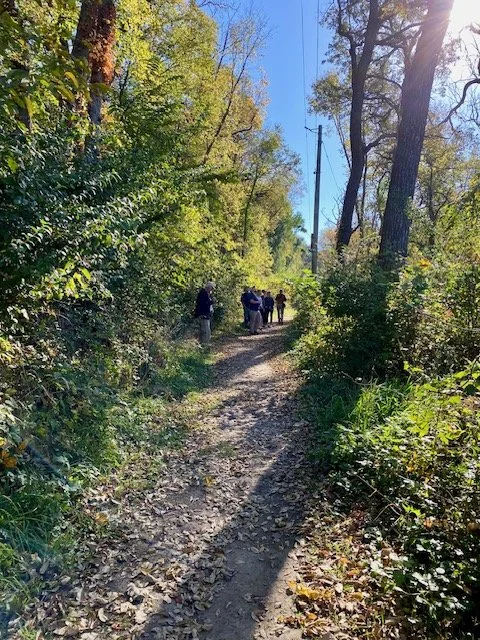
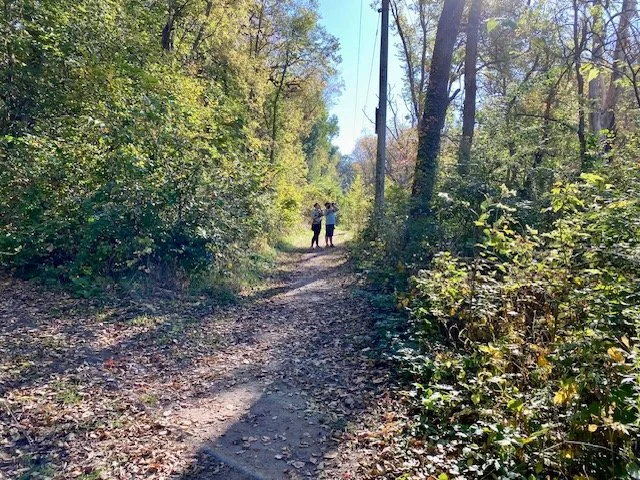
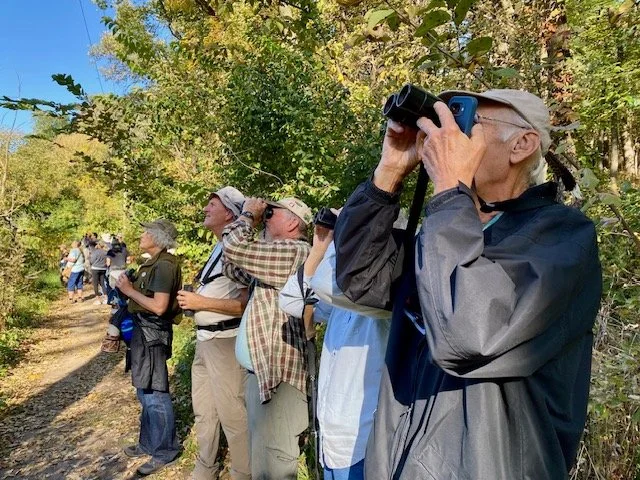
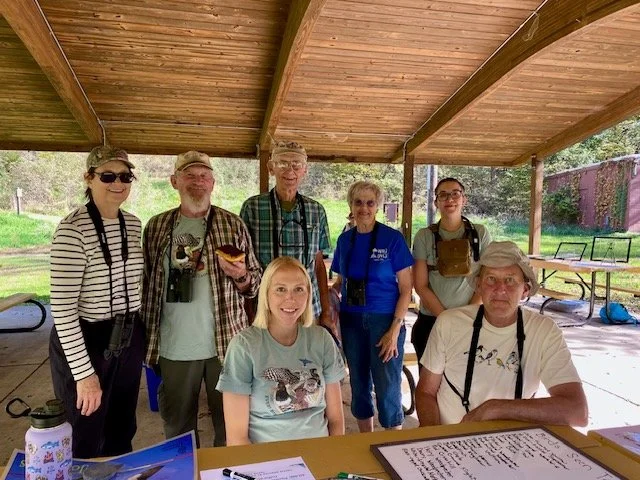
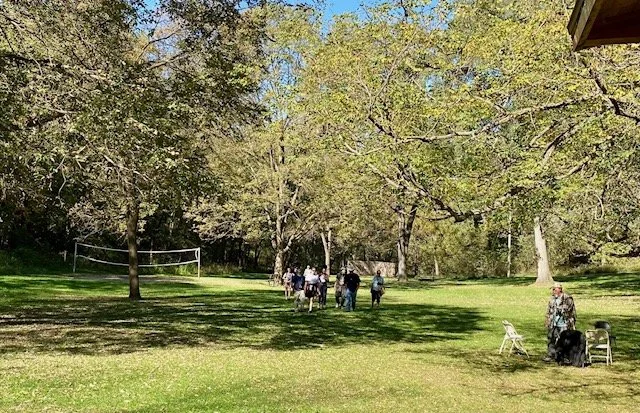
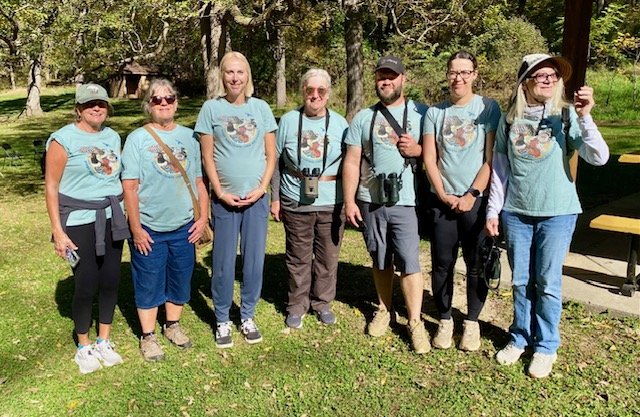
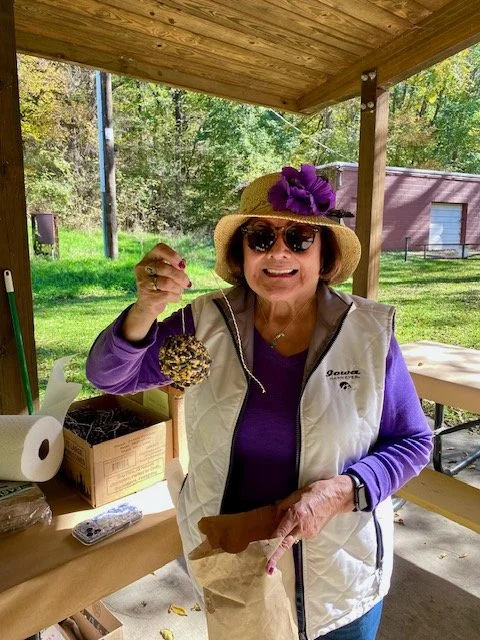
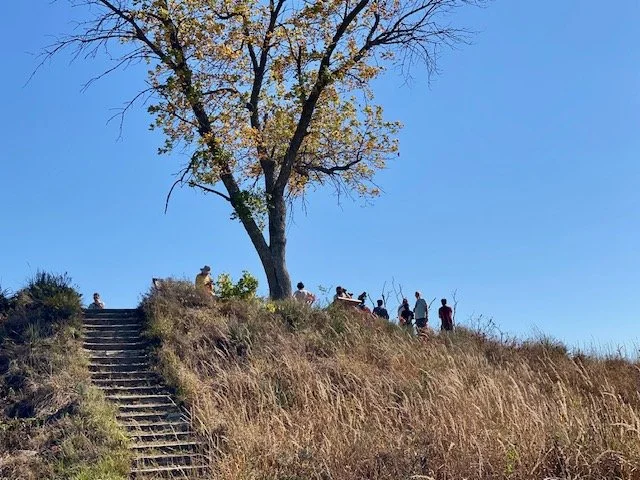
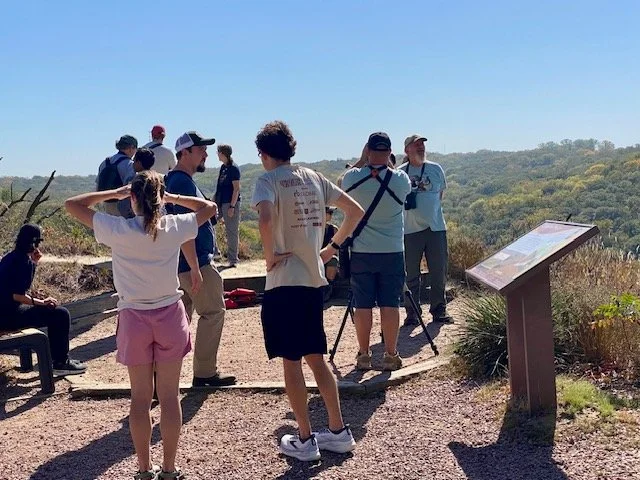
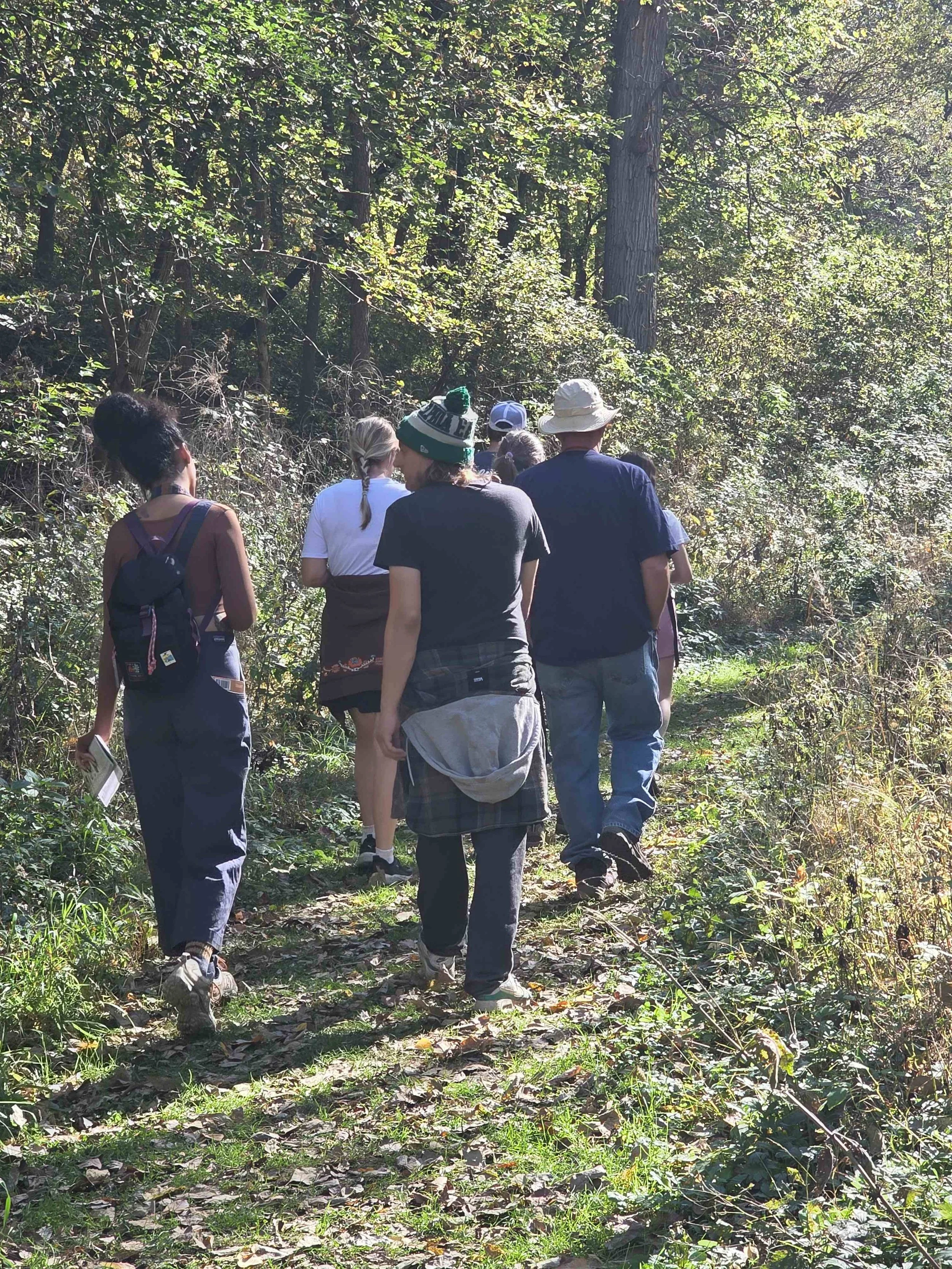
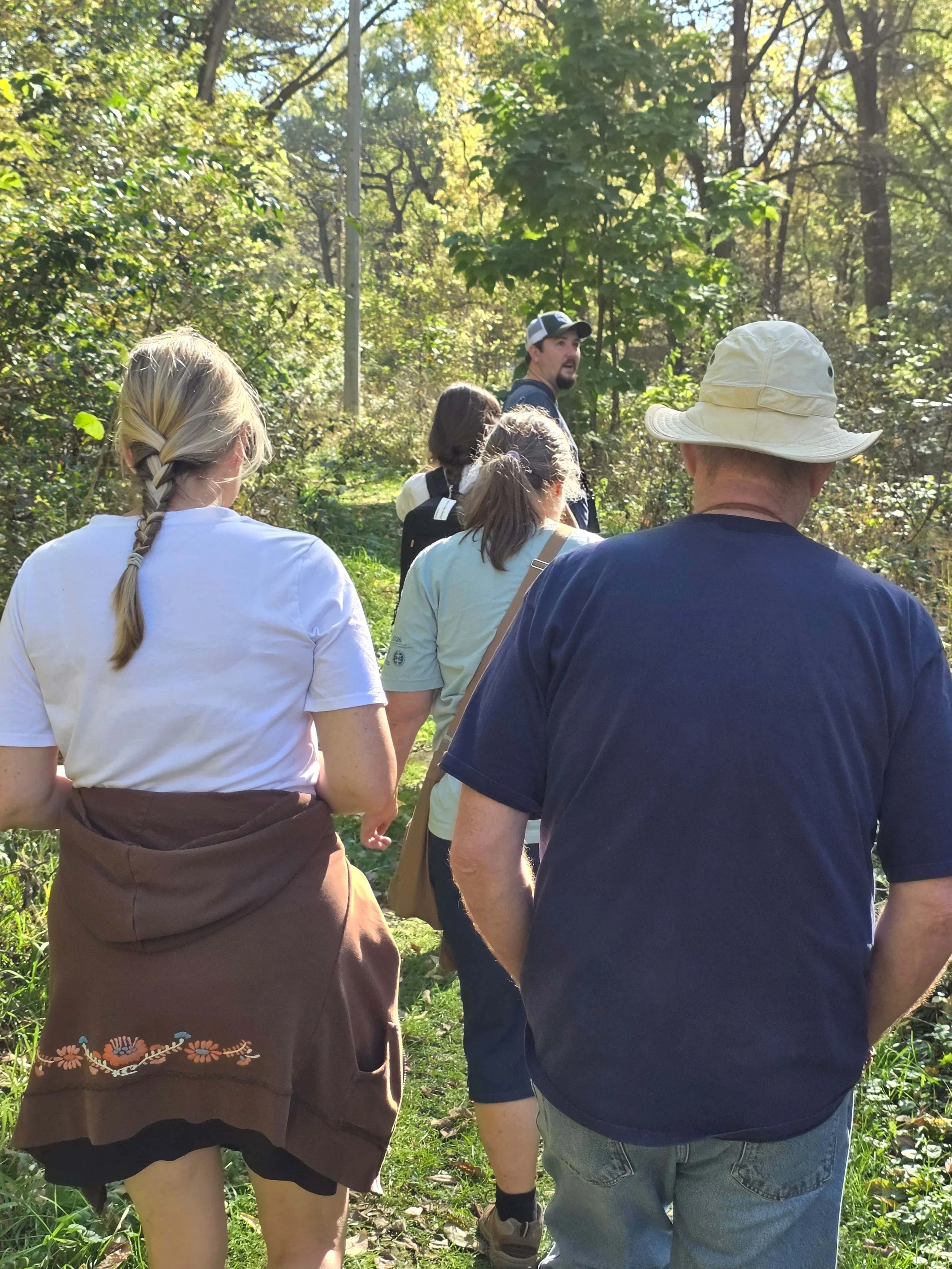
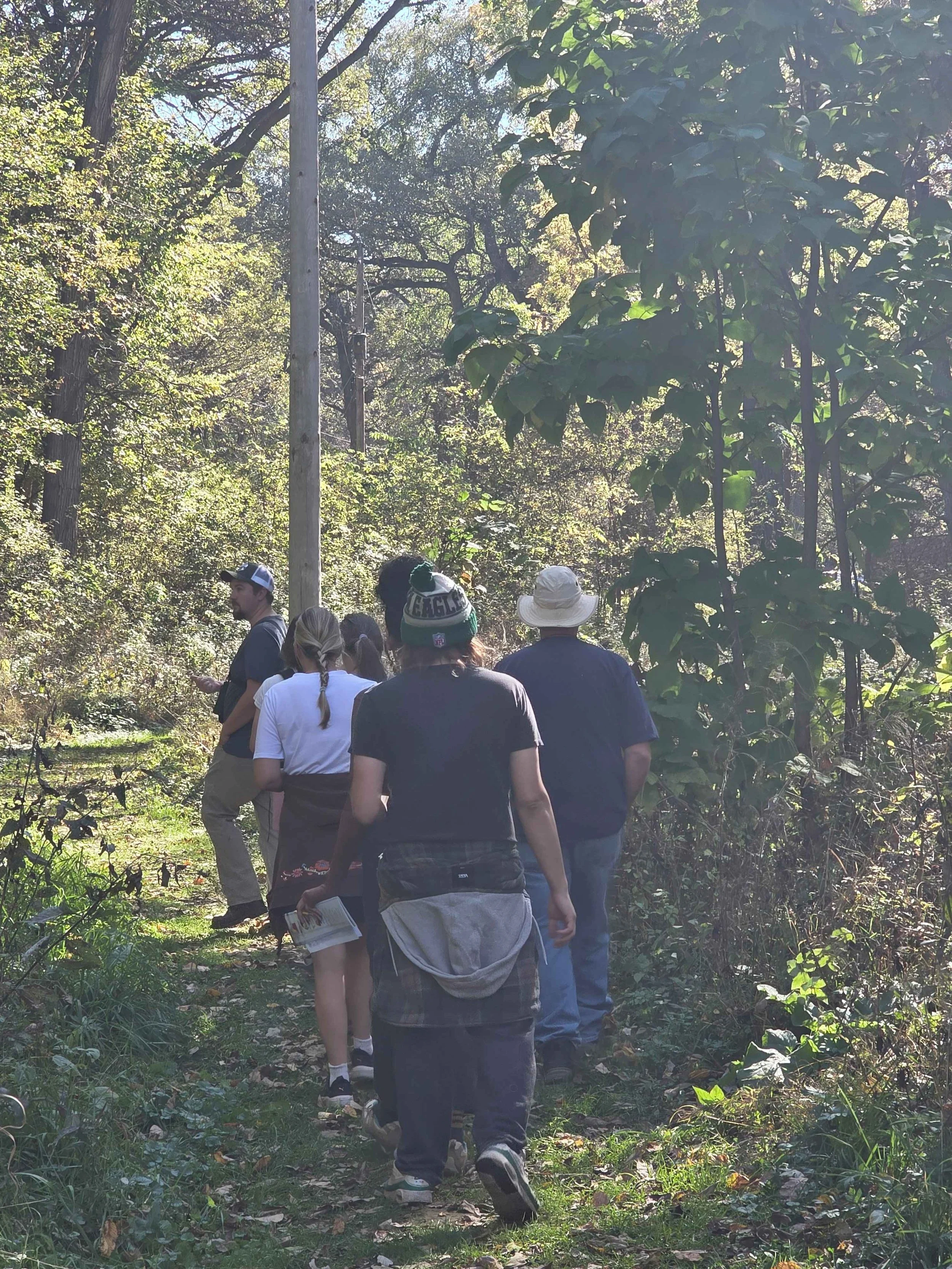
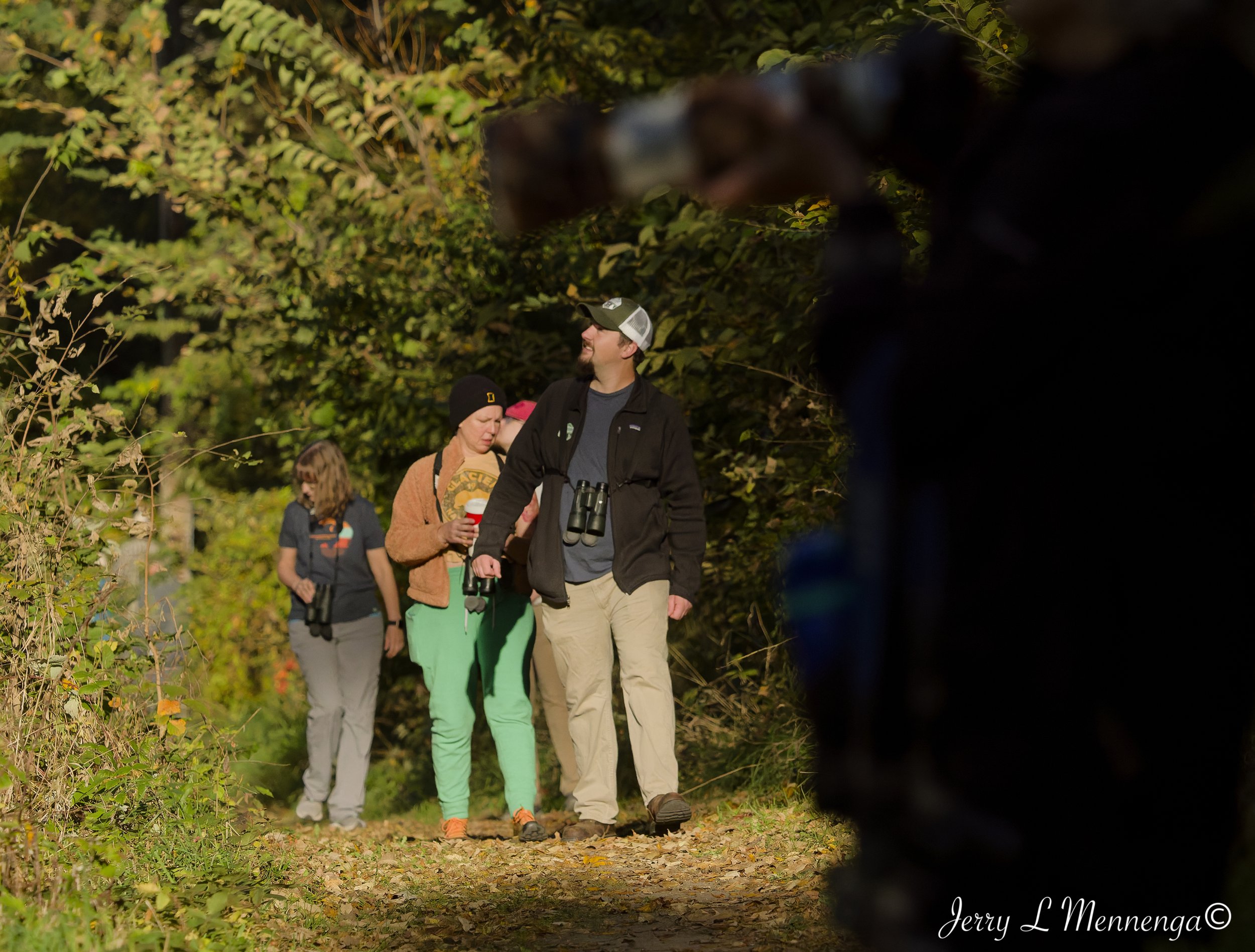
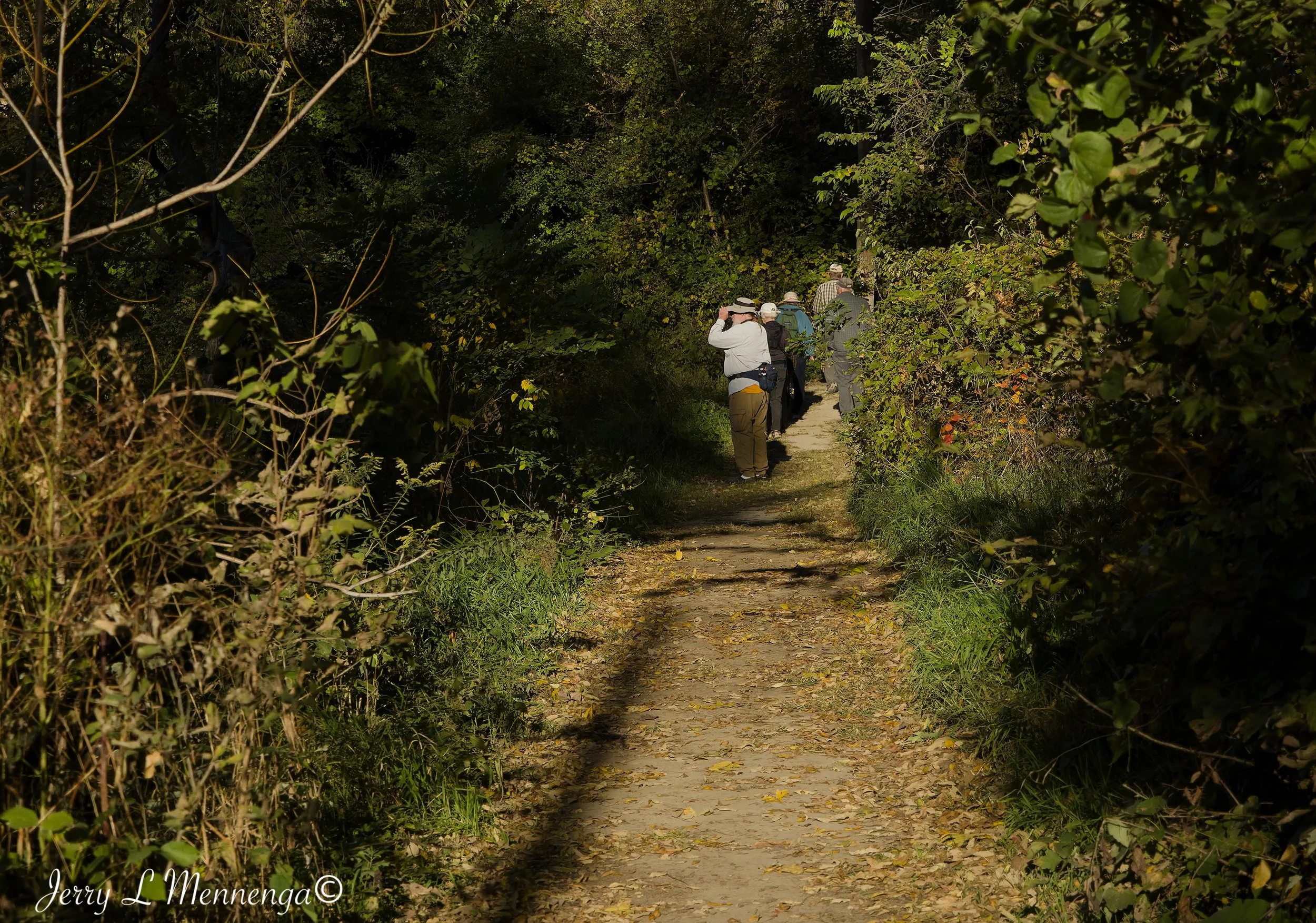
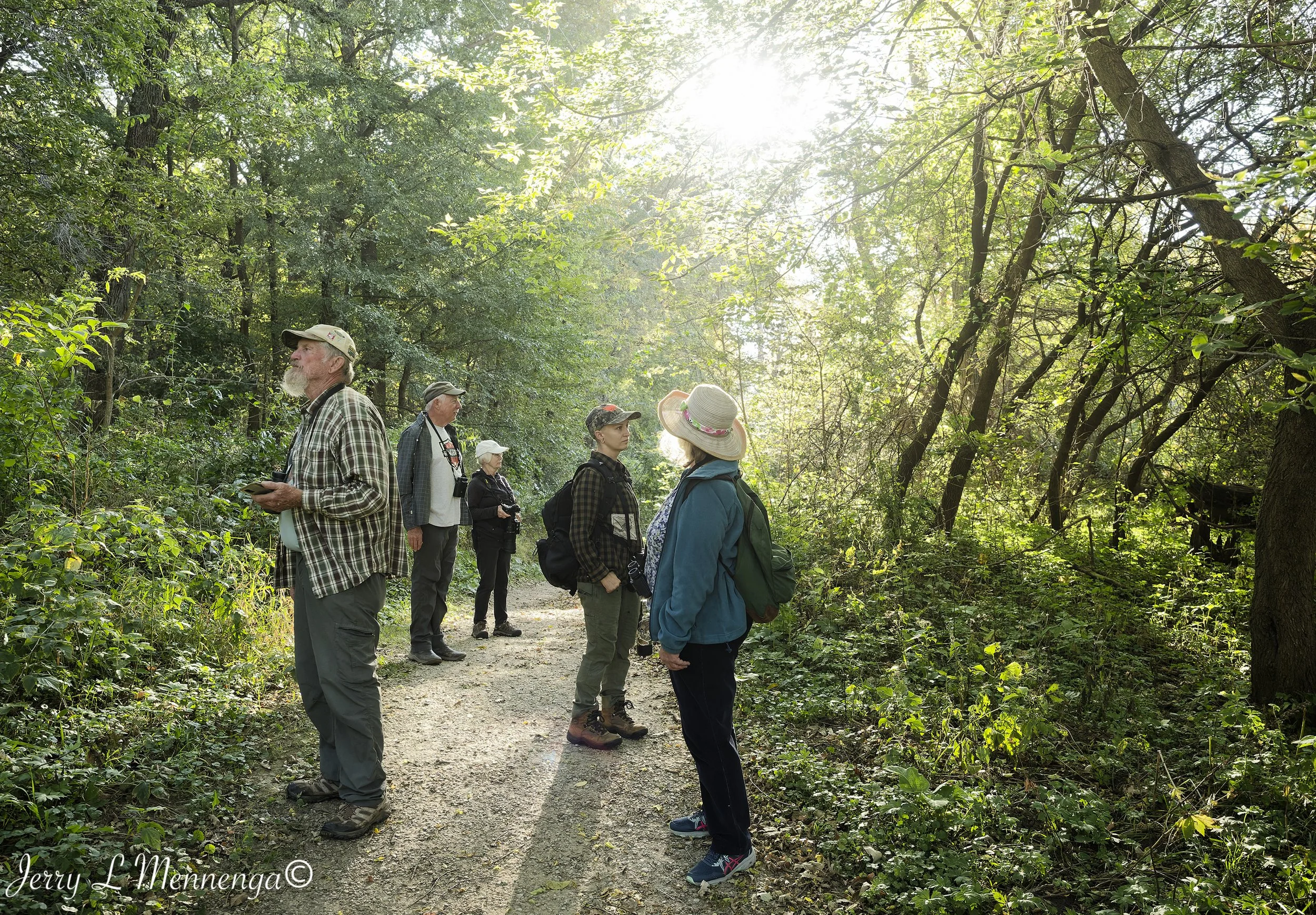
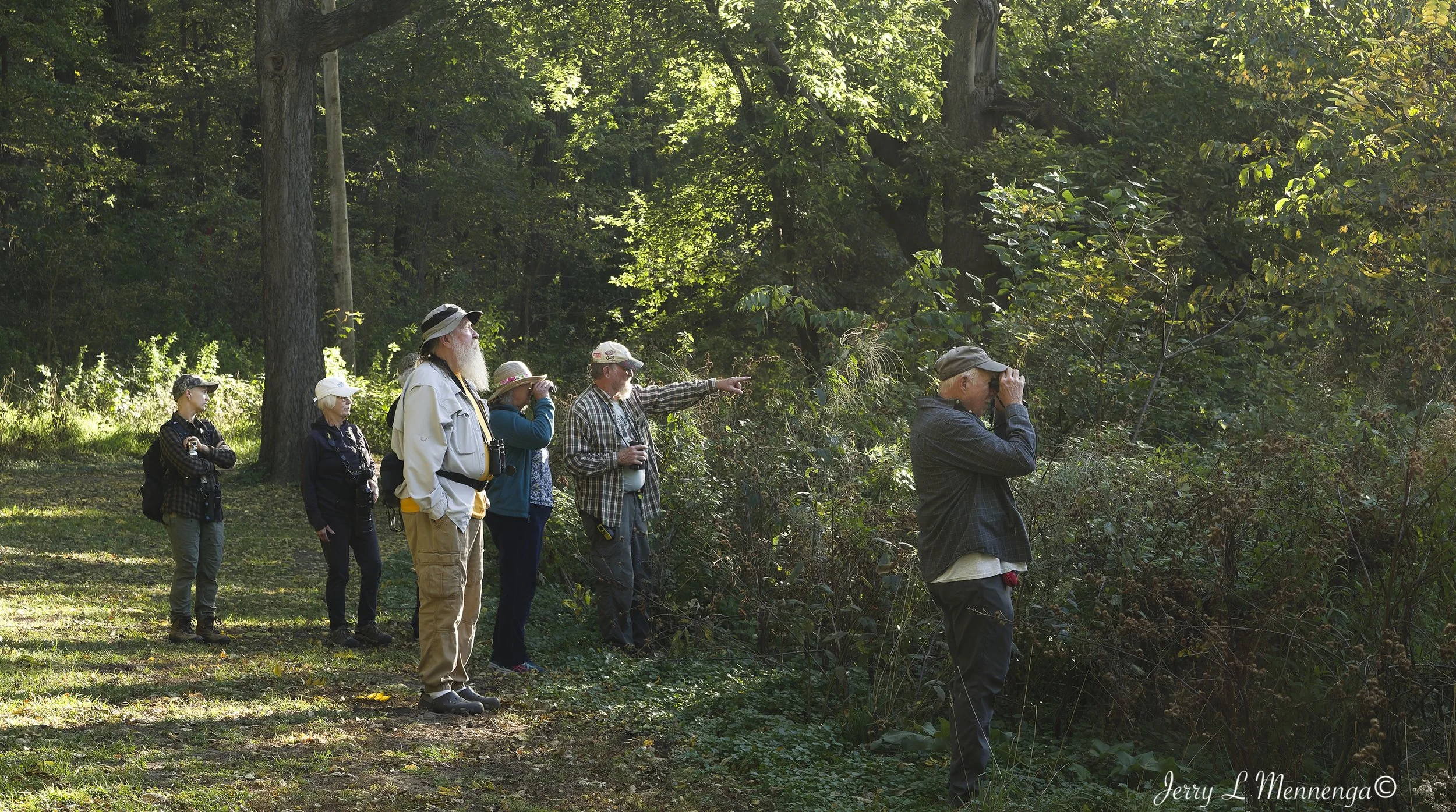
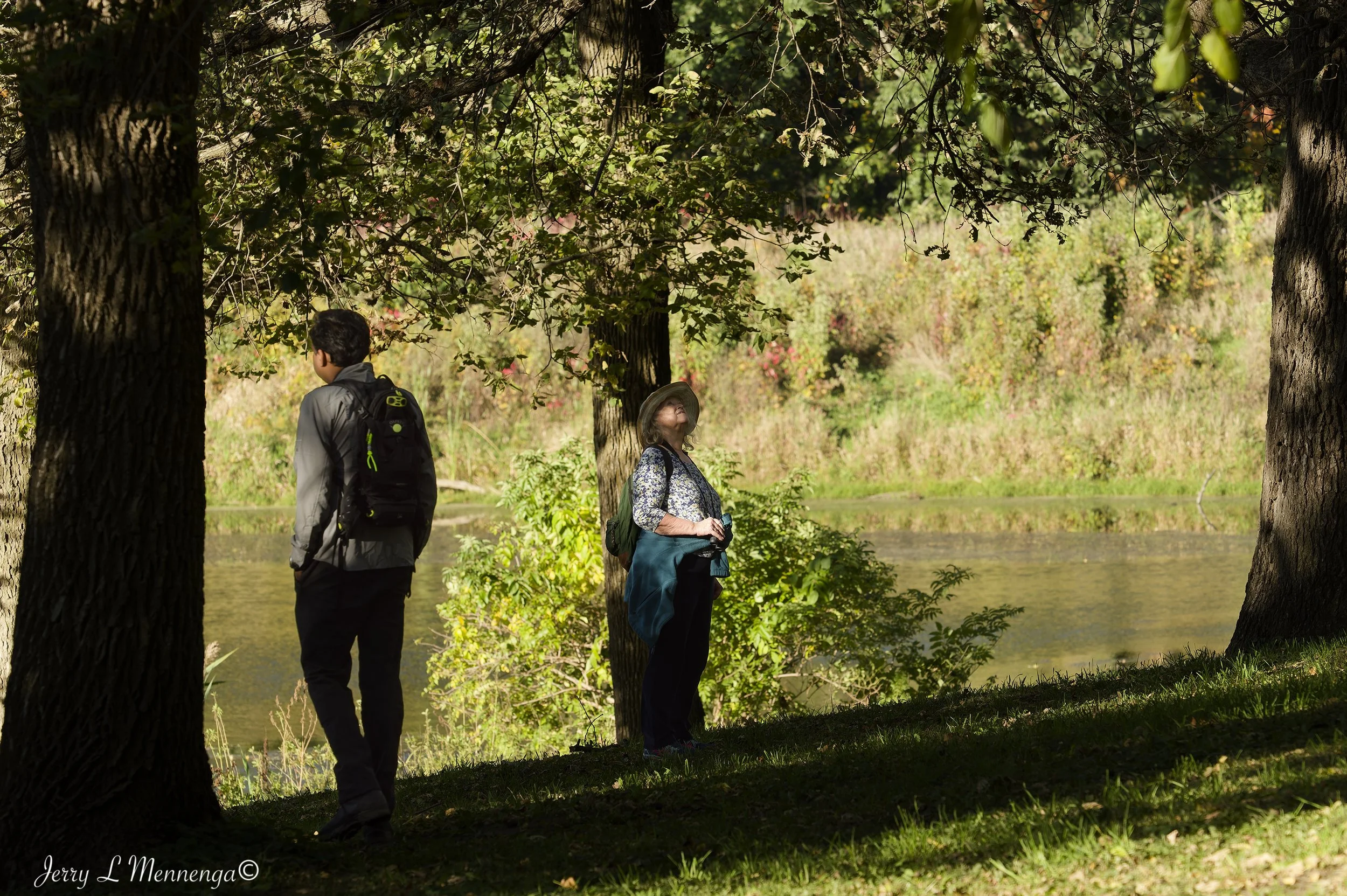
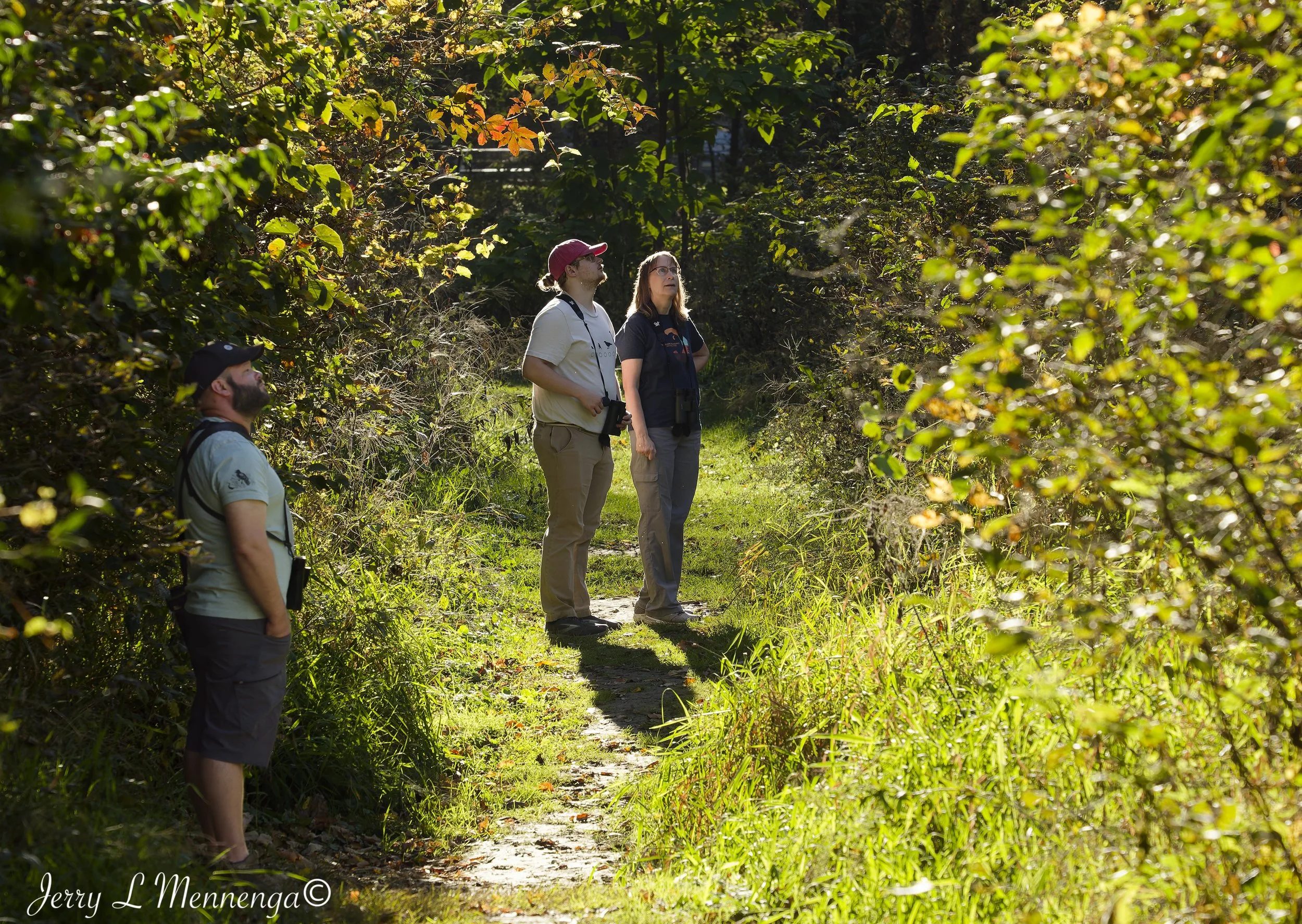
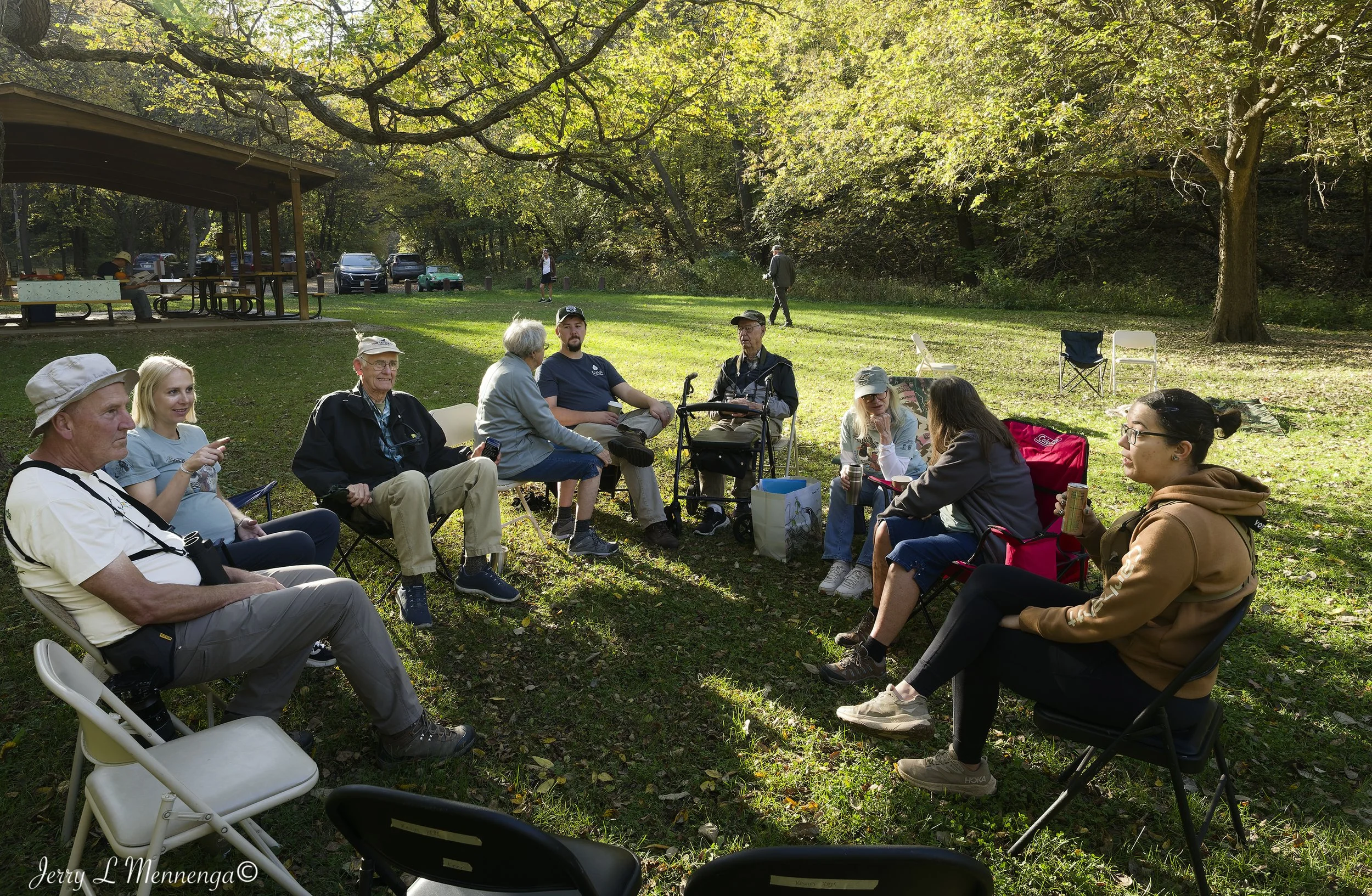
The 8:00 am session was split into two separate groups of birders, and Tucker led the 10:00 am group. Approximately 40-45 birders total.
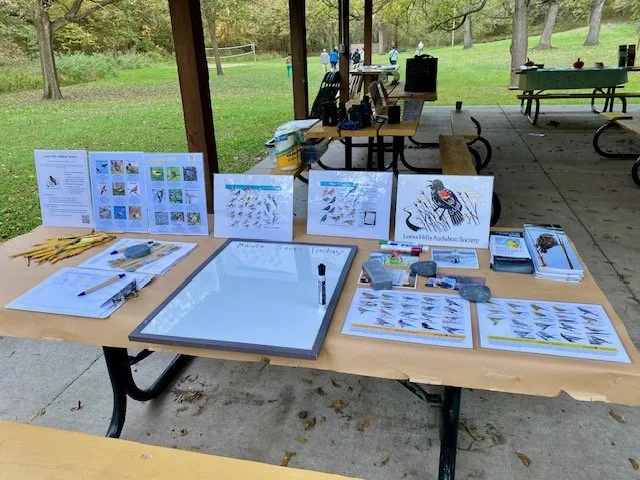
bird sit at 9:00 am with sharon polifka
Twelve people enjoyed this relaxing session
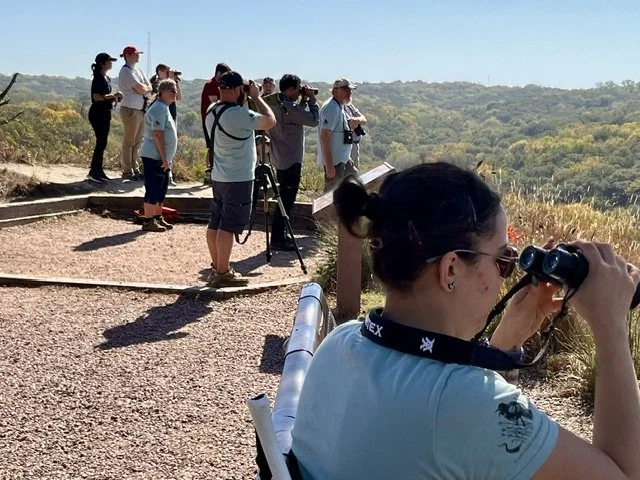
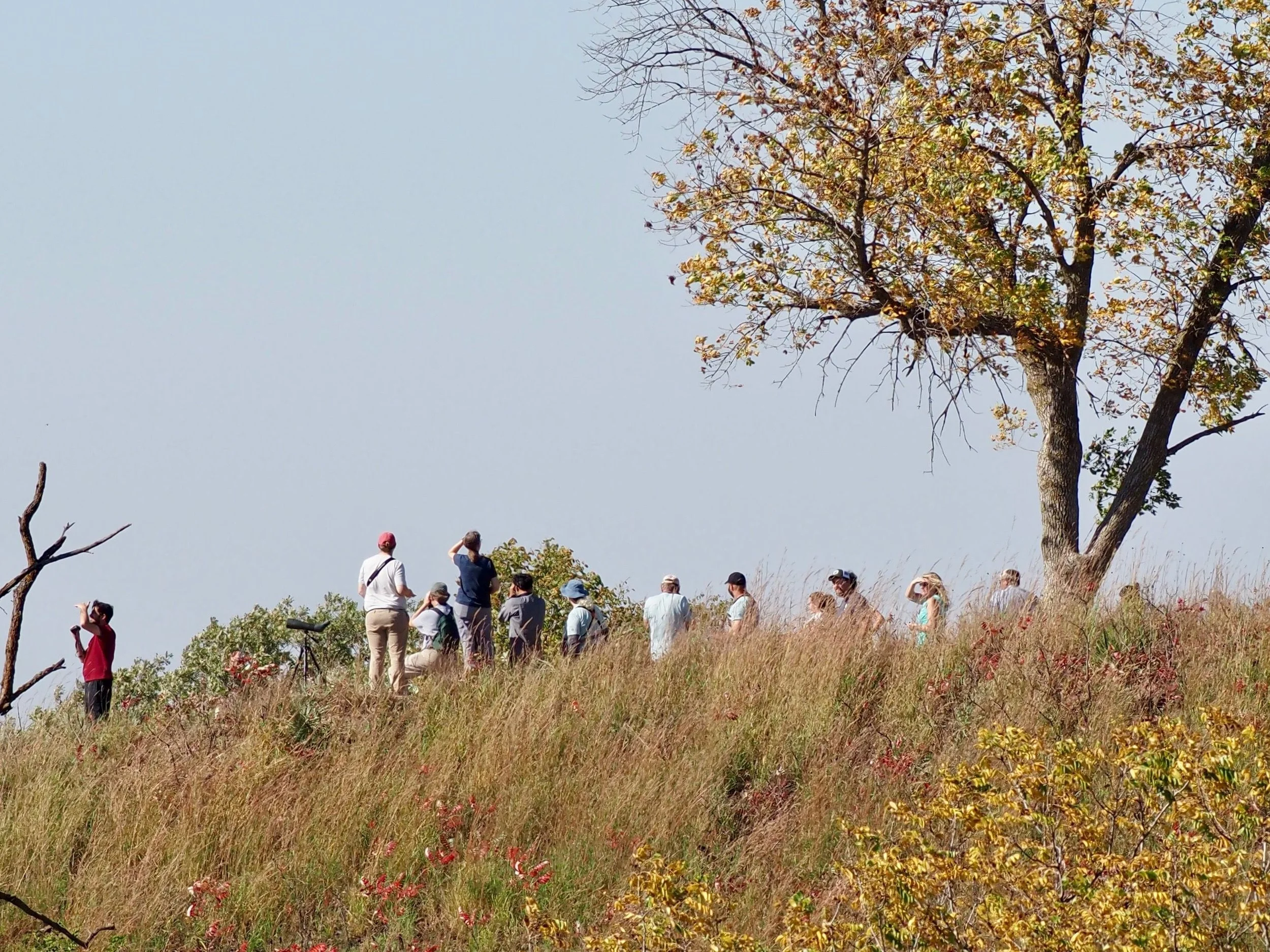
hawk watch at 12 noon with bill huser and tucker lutter
Fifteen people attended this session
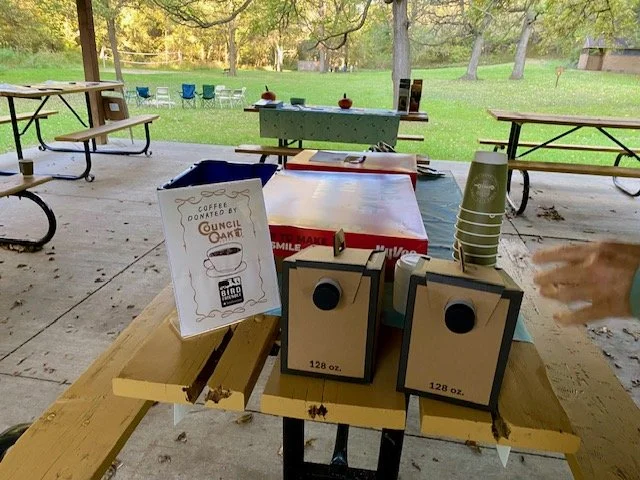
coffee was provided by council oak coffee supply in sioux city
Thank you!
outing report by bill huser, outing coordinator
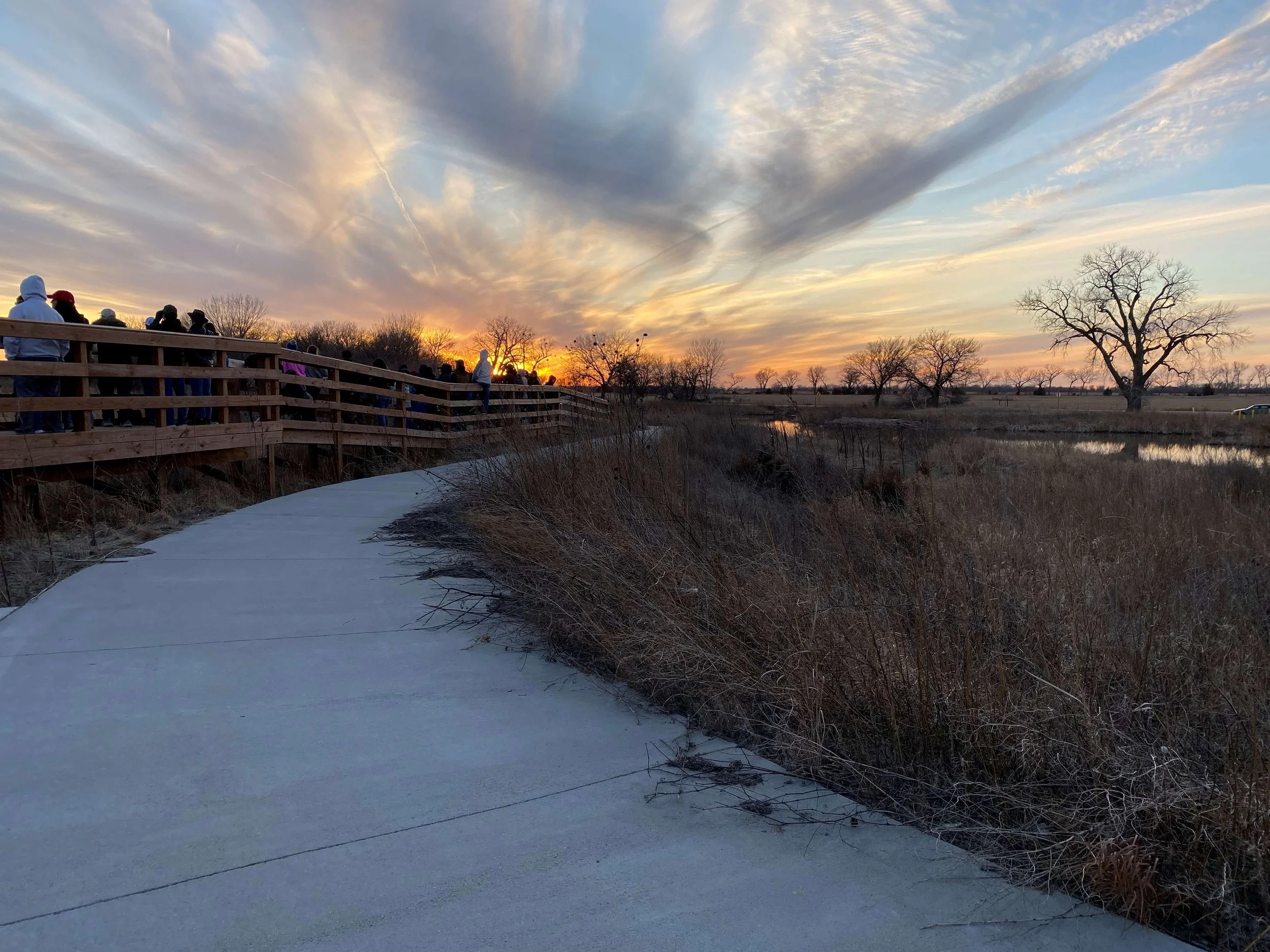
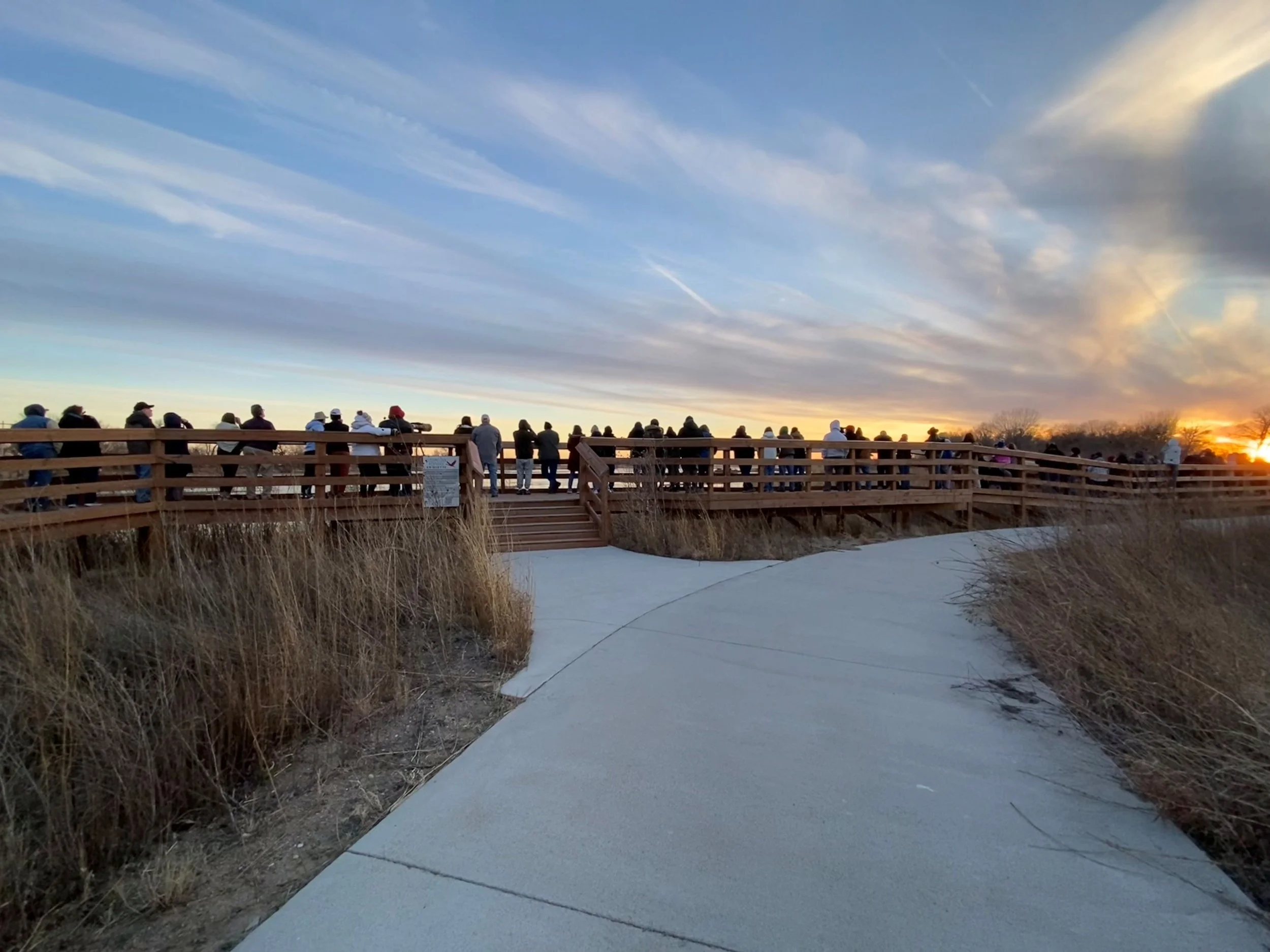
Central to our recognizing migratory birds on this special day, was finding examples currently migrating through Stone State Park. The Park’s woods offer cover and foraging opportunities for birds that have travelled far and need to rest and re-fuel for their remaining journeys. Also, the sky above the park is traversed by southbound travelers during the course of this day.
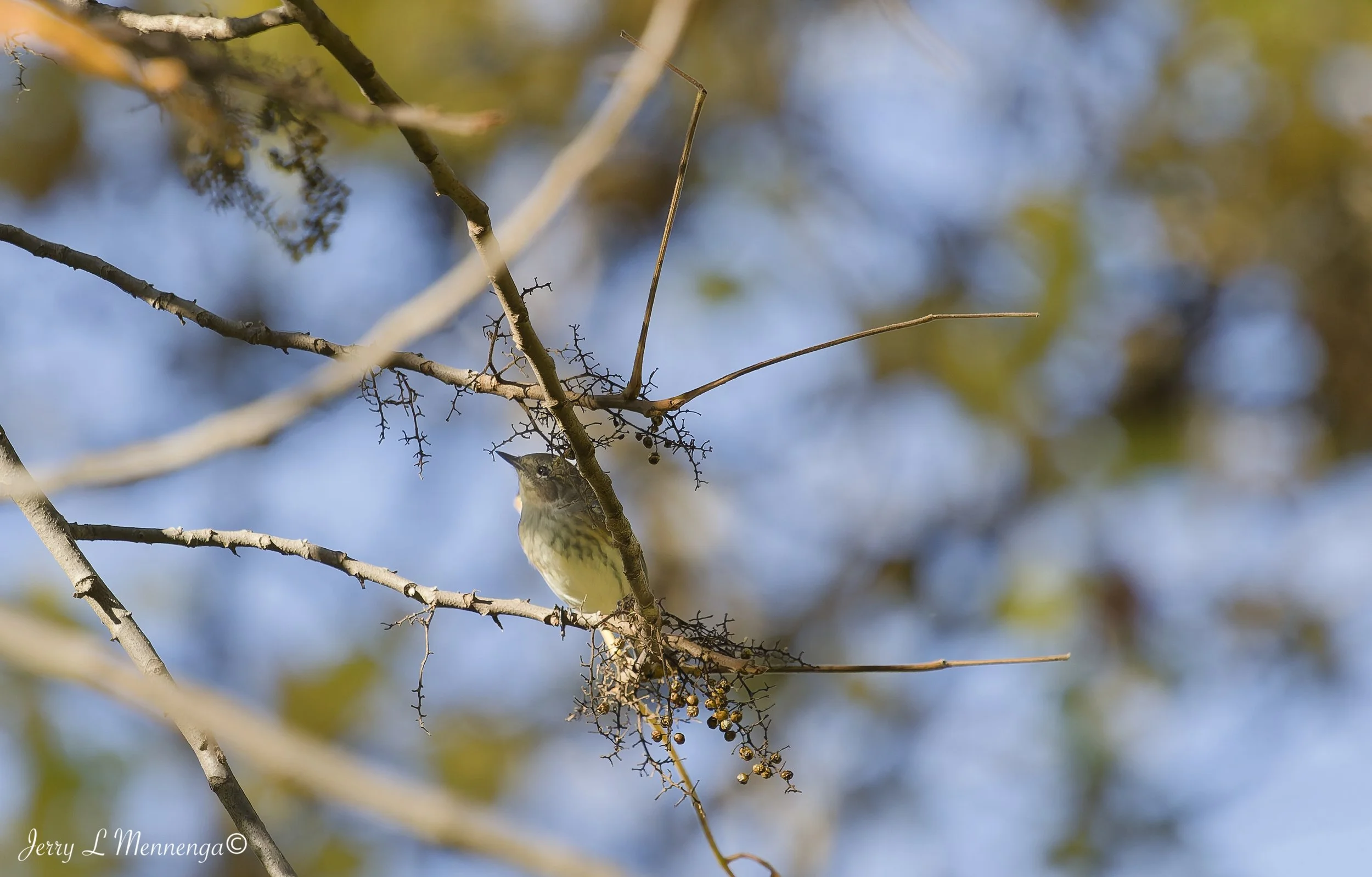
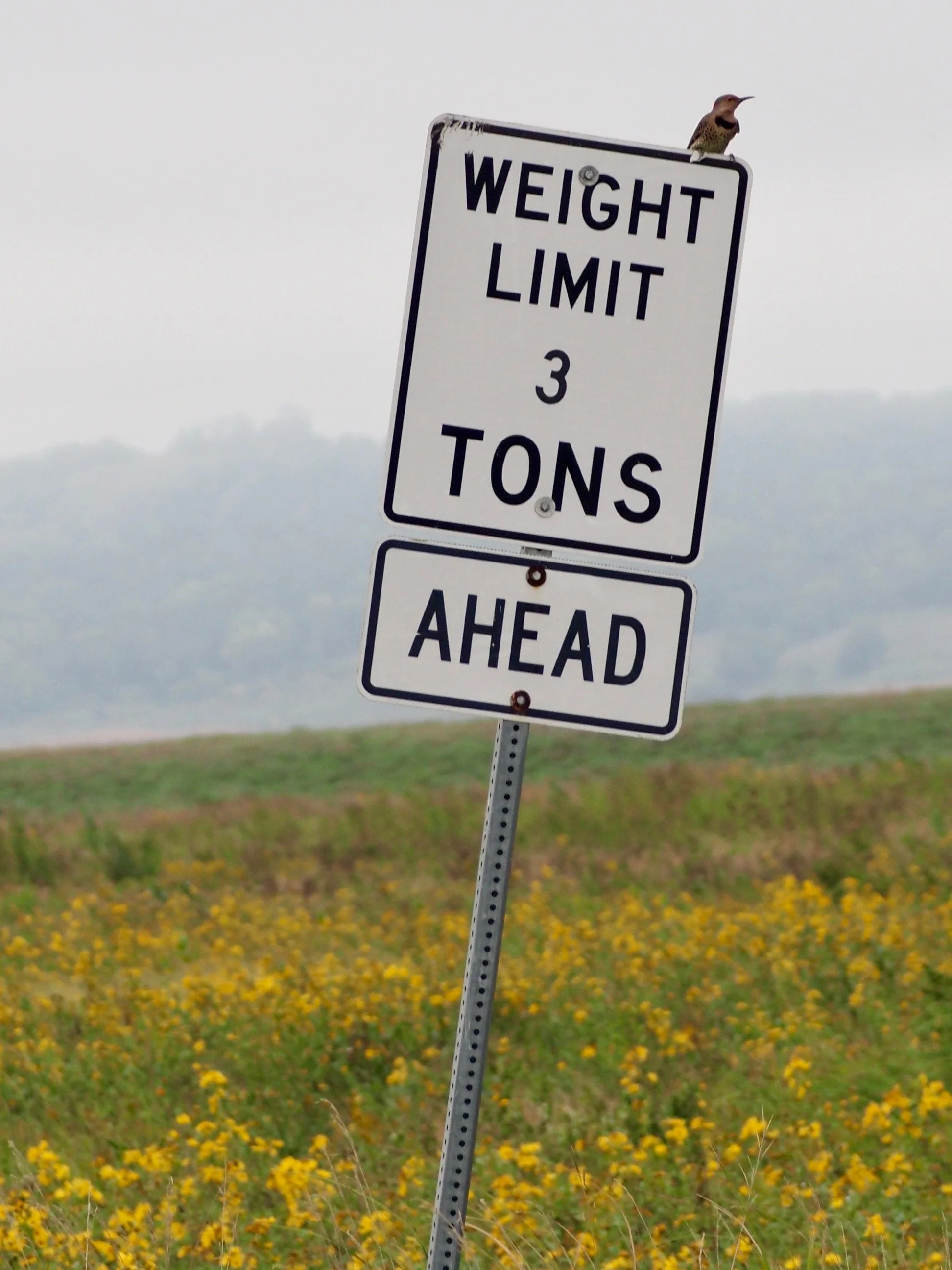
Our walks found several species that are only seen as migrants in our area. The Yellow-rumped and Orange-crowned Warblers found were the last of the twenty or so species of warblers to pass through on their way from boreal breeding grounds to the milder climates where insects abound throughout the winter. These two species can afford to be later by adapting their diet to include berries and other non-insect food. Other species that forage primarily on insects and must migrate included the Blue-headed Vireo, Ruby-crowned and Golden-crowned Kinglet, Yellow-bellied Sapsucker, Northern House Wren, Northern Flicker and Loggerhead Shrike that we were able to locate.
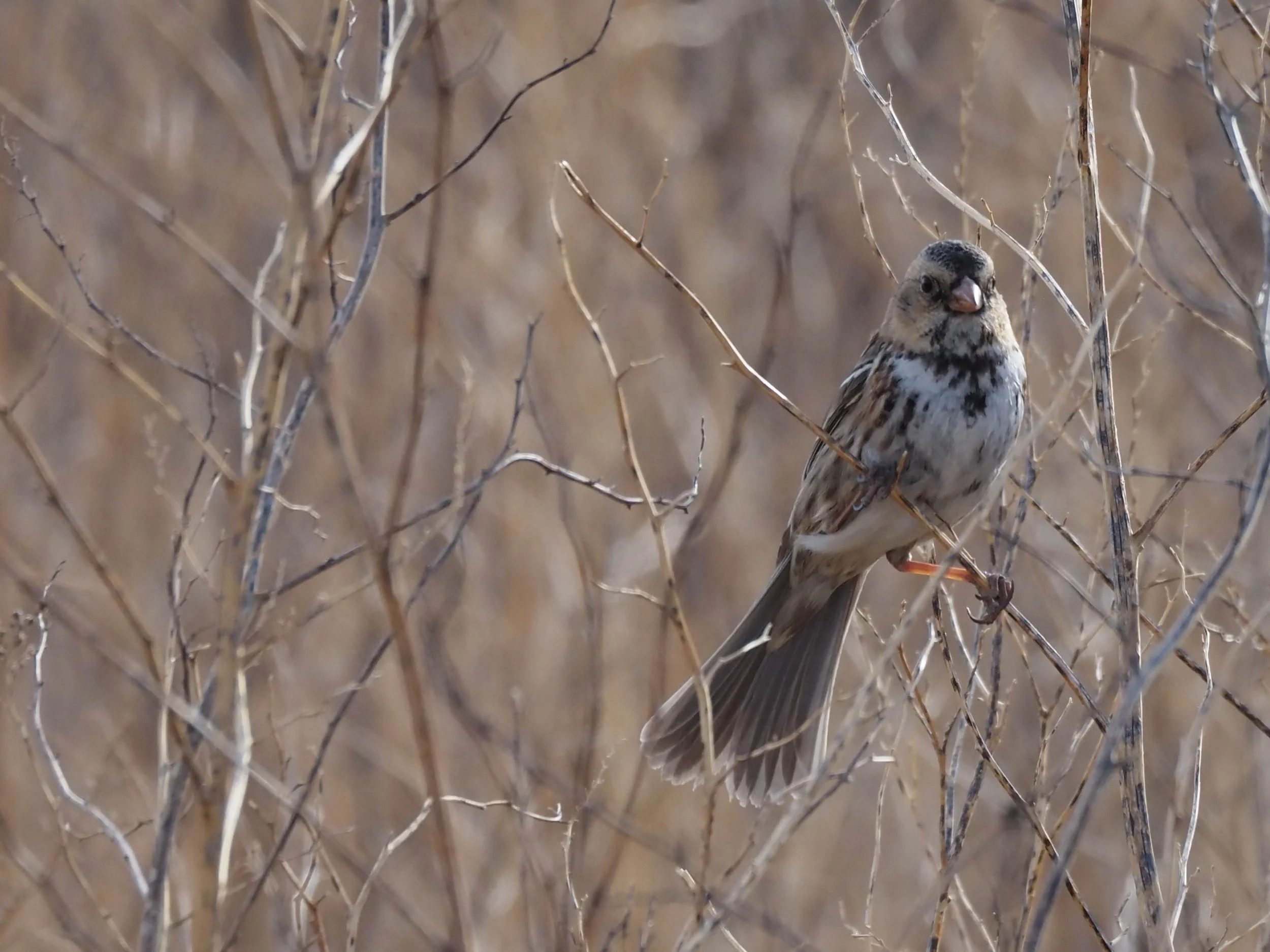
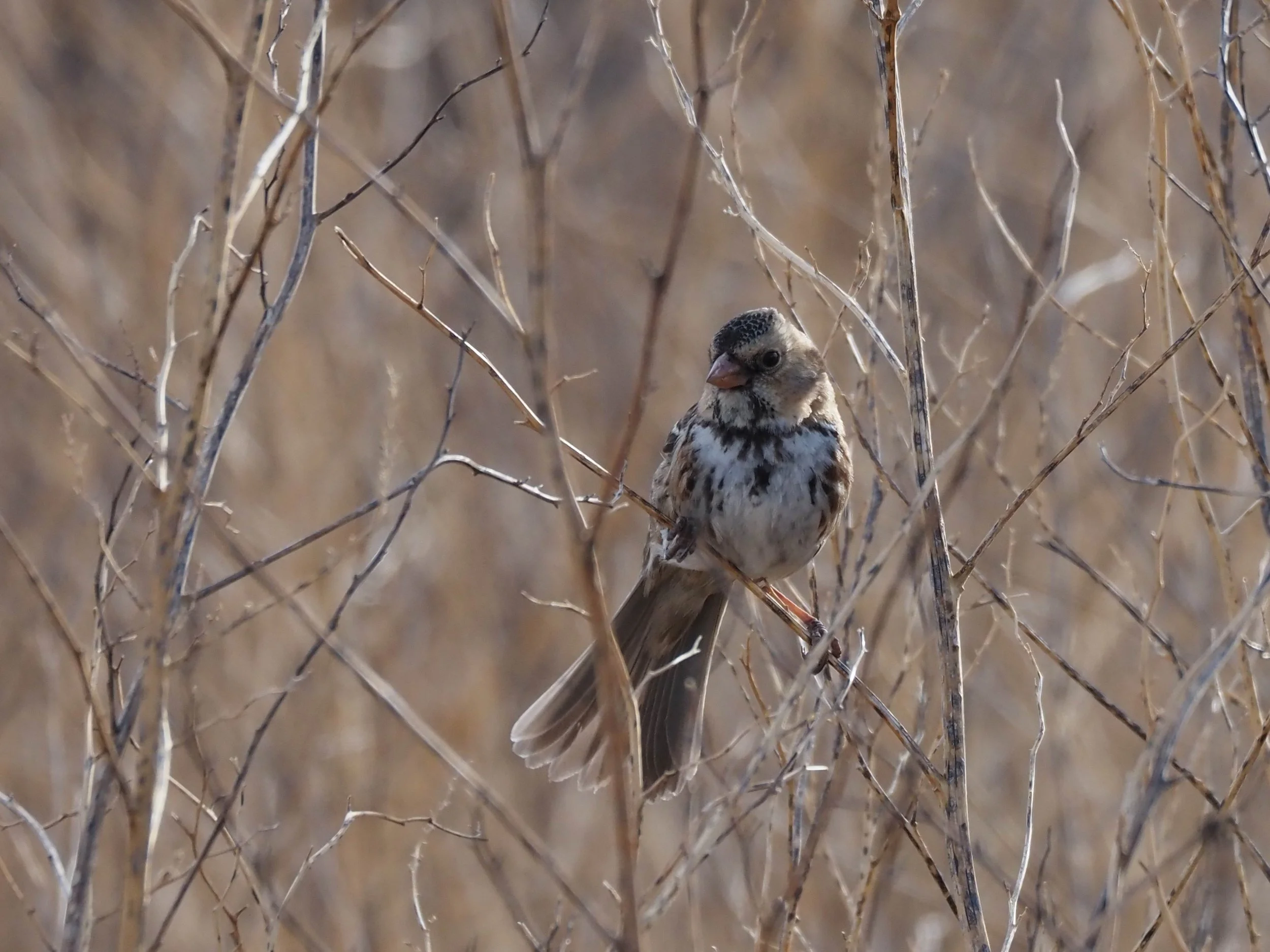
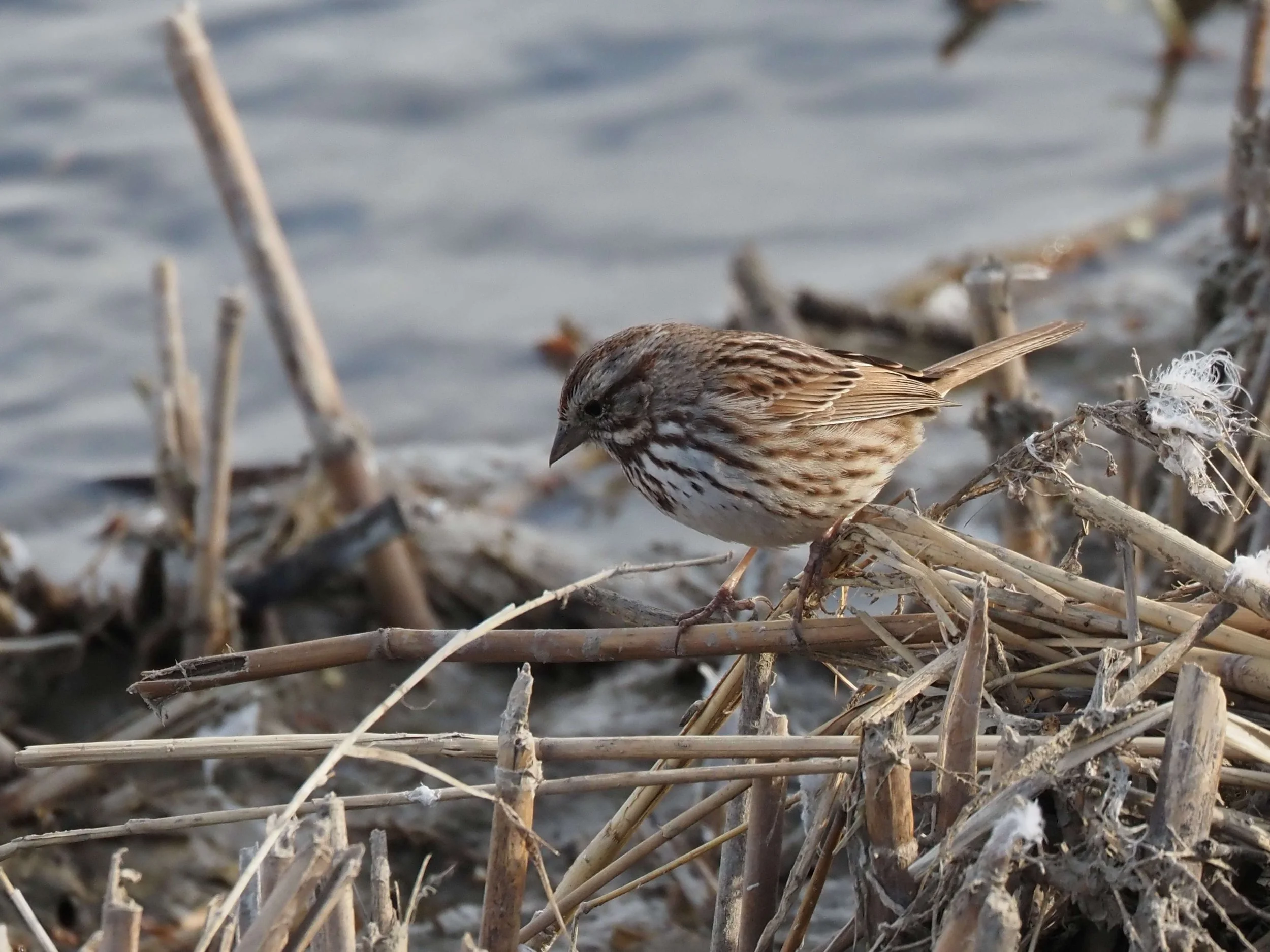
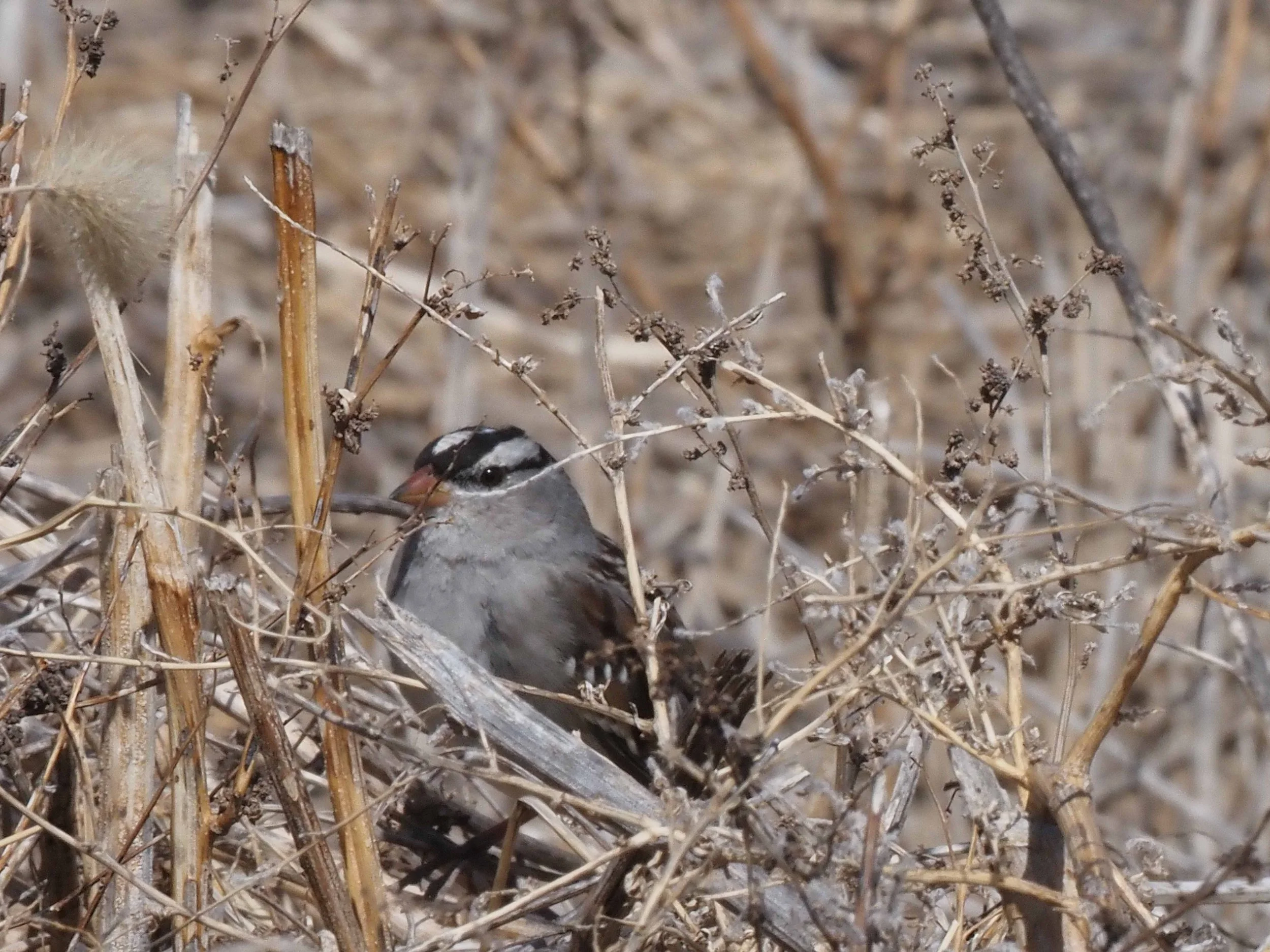
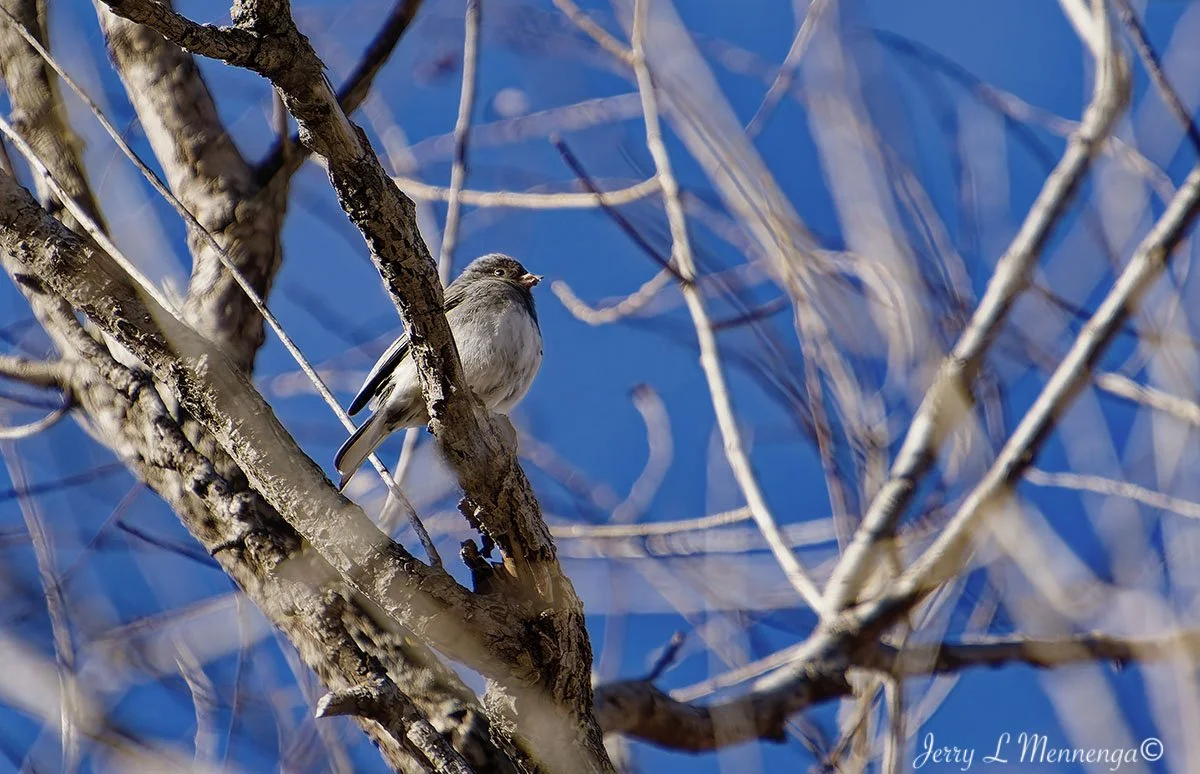
Even the seed eaters move southward to find more abundant seeds and less snow cover than their boreal breeding grounds provide. We saw White-throated and Song Sparrows and Eastern Towhees on their way south and Dark-eyed Junco that had migrated south to here!
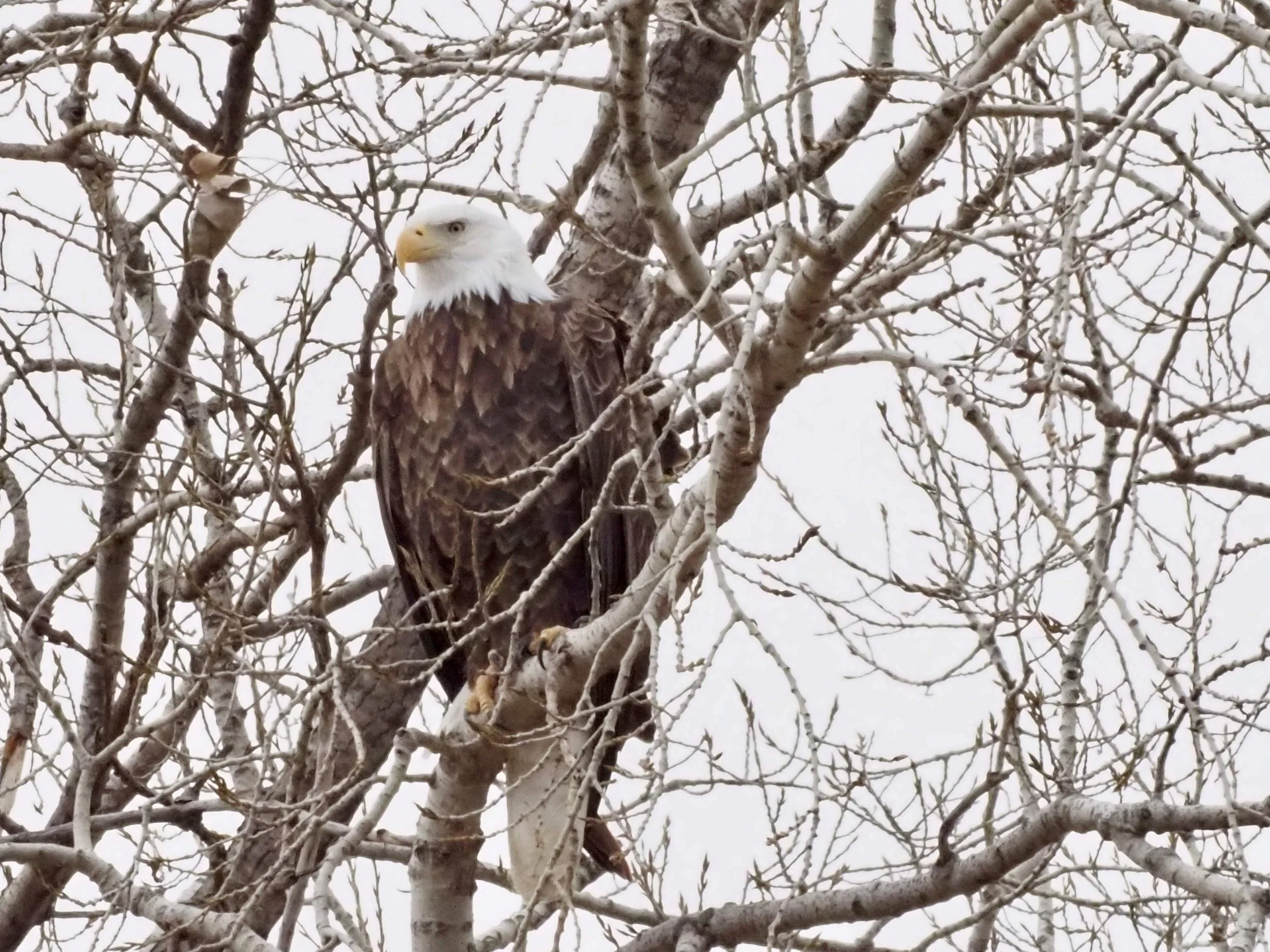
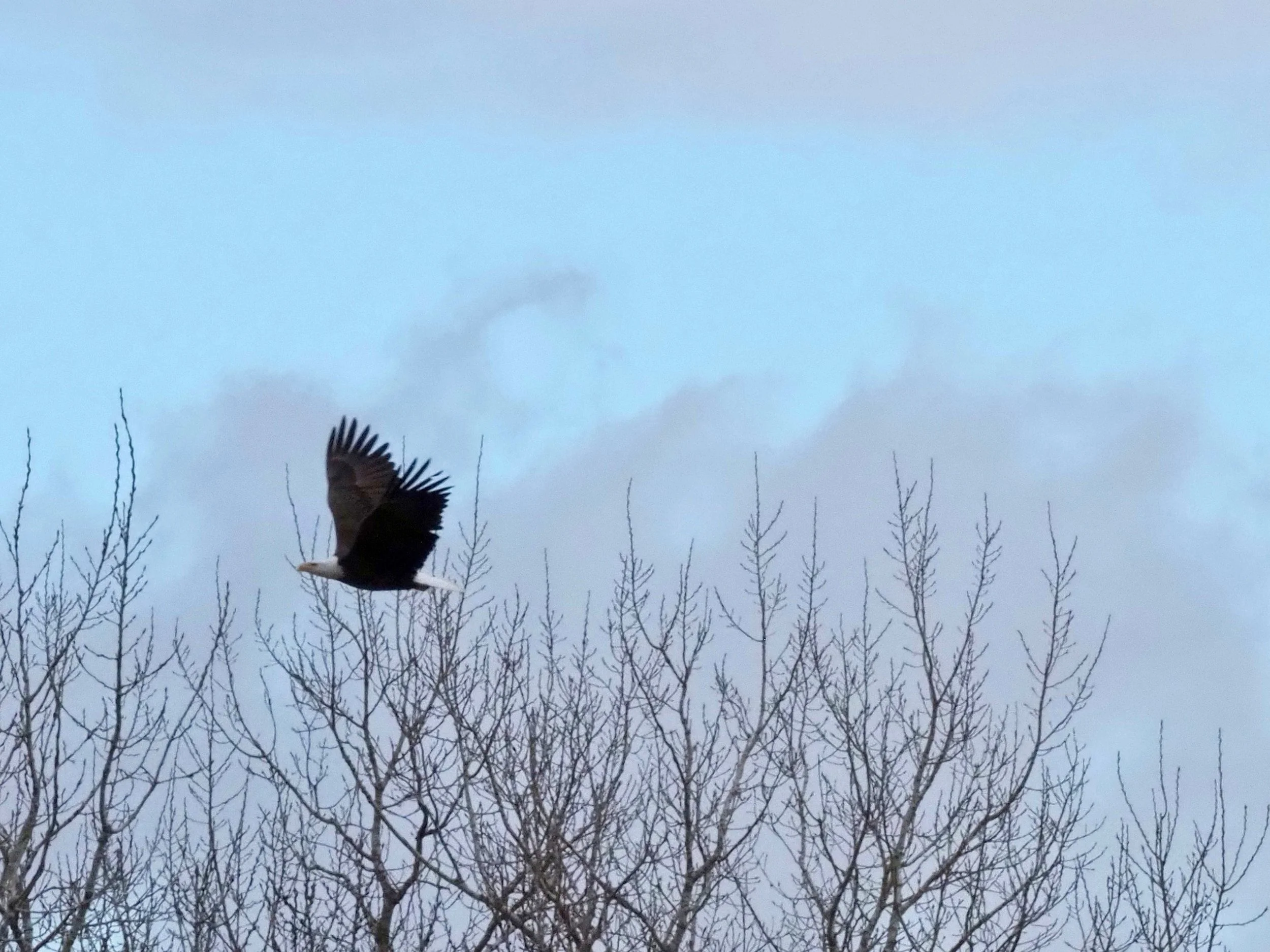
Hawks, eagles and vultures likewise migrate in search of more abundant prey and perhaps more daylight hours for their daytime hunting. Our groups recorded passing Northern Harriers, Sharp-shinned Hawks, Red-tailed Hawks, Merlin and Bald Eagle. Turkey Vultures, with weaker feet and beaks, prefer carcasses that are not frozen solid for easier tearing and consumption.
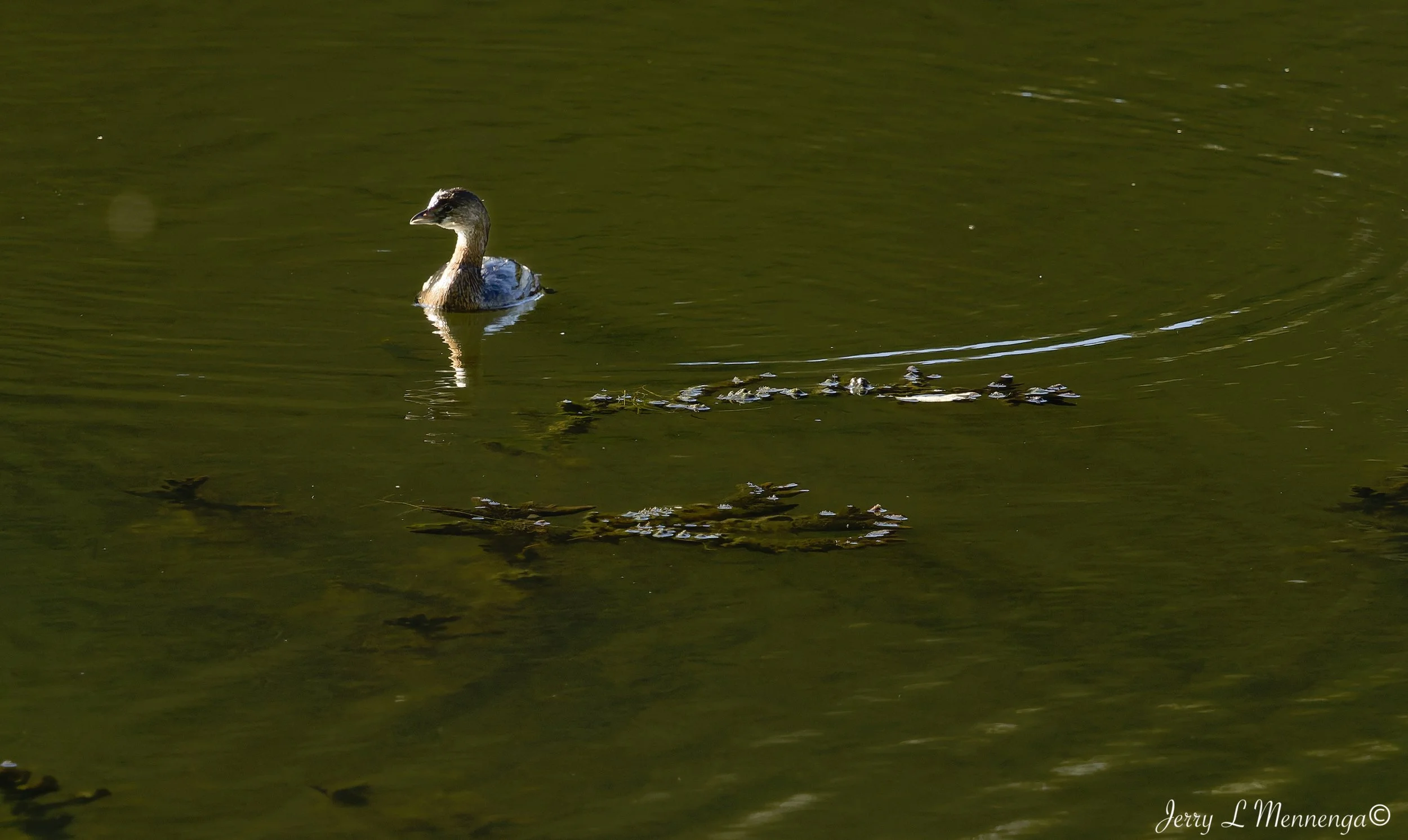
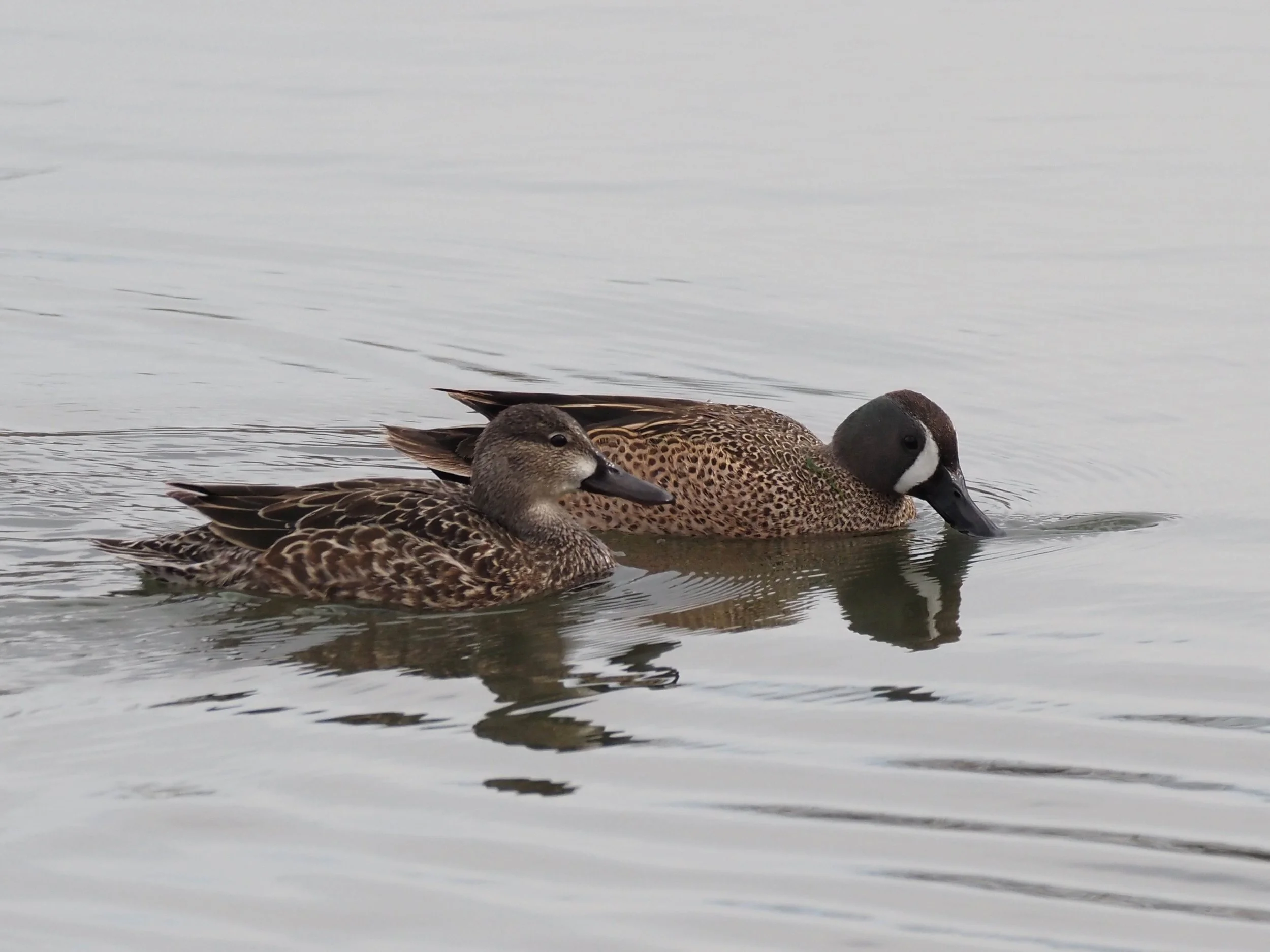
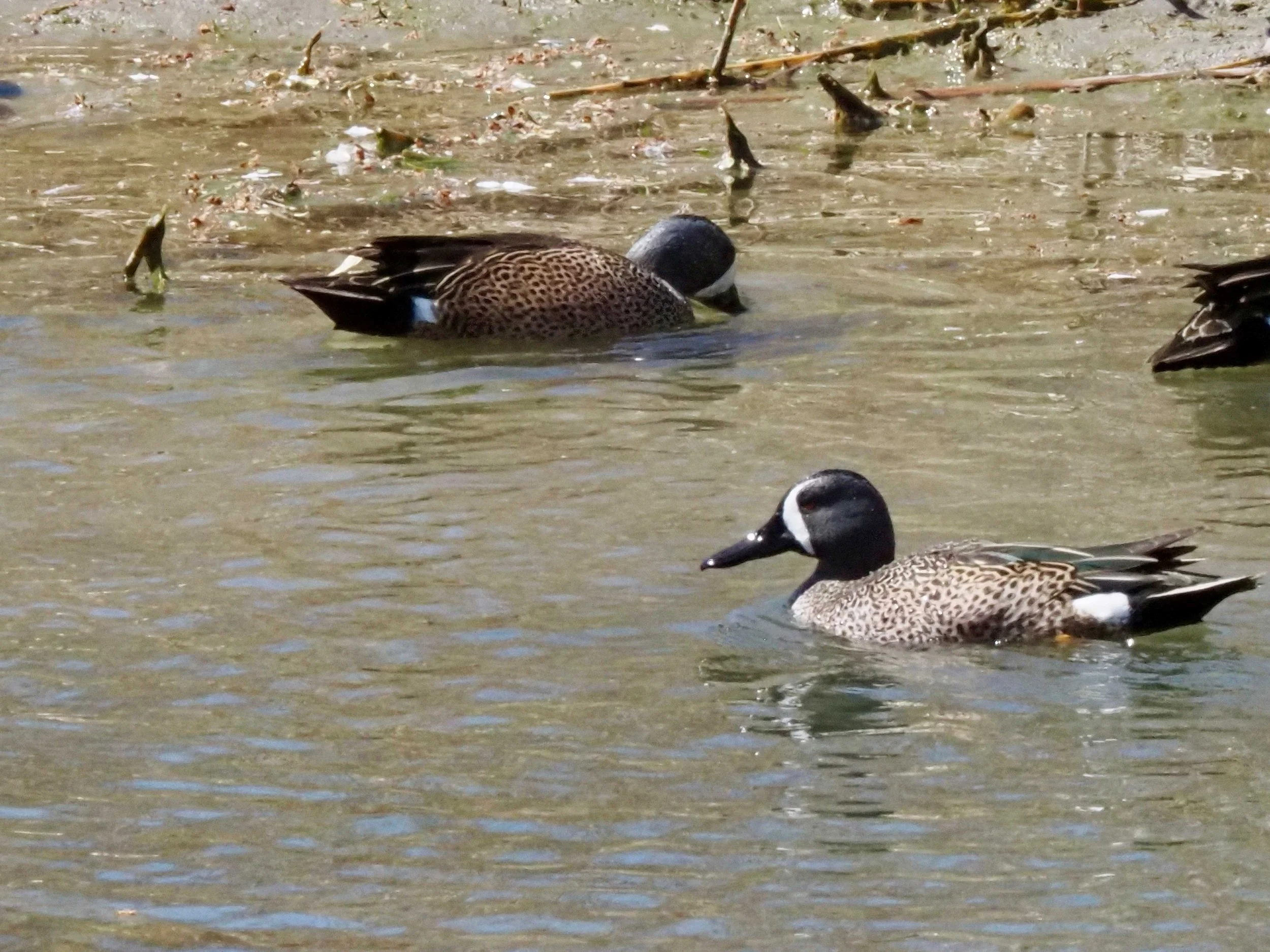
We also found a few water-dependent birds headed for milder climes where open water does not freeze. Blue-winged Teal, Wood Ducks, Pied-billed Grebes and Belted Kingfisher were recorded at Pammel Valley’s Turtle Lake.
Another species was recorded with an unconventional migration. Red Crossbills were heard overhead as they wandered east, west, south or north in search of more abundant cone crops in coniferous trees. Warmer temperatures, insects or open water are not needed.
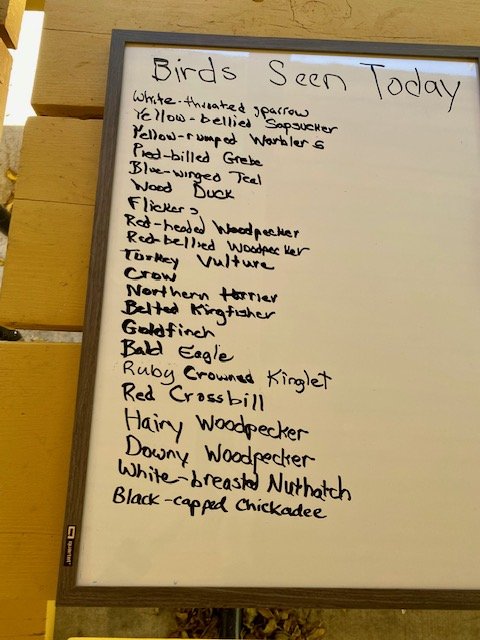
In all, our bird walks found 37 species, among which at least 24 were headed somewhere and were to be celebrated on this World Migratory Bird Day.
For a complete list with numbers seen and sites recorded, see https://ebird.org/tripreport/584346
More than 37 participants: Marla & Kevin Kerr, Robert Sopher & Kayla Sheehan, Bill & Dotty Zales, Sharon Polifka, Ellen and John Green, Jeri Watkins, Jillian Murphy, Sampath, Mark Dixon, Robyn Raskin, Suzanne, Sharon Polifka, Sarah Hubert, Vikki and Tim Jacobs, Maria Rundquist, Ed Sibley, Steve Zyarch, Laurie Brinkman, Amelia Landsverk, Jeanne Bockholt, Kari Leuer, Jerry Probst, Pam Miller-Smith, Sheetal Raskar, Aditya Sharma, Mary, Leesa McNeil, Jon Nylen, Bob Nikolson, Jerry Mennenga, Tucker Lutter and Bill Huser. Plus more!
Species list with targets and highlights in bold:
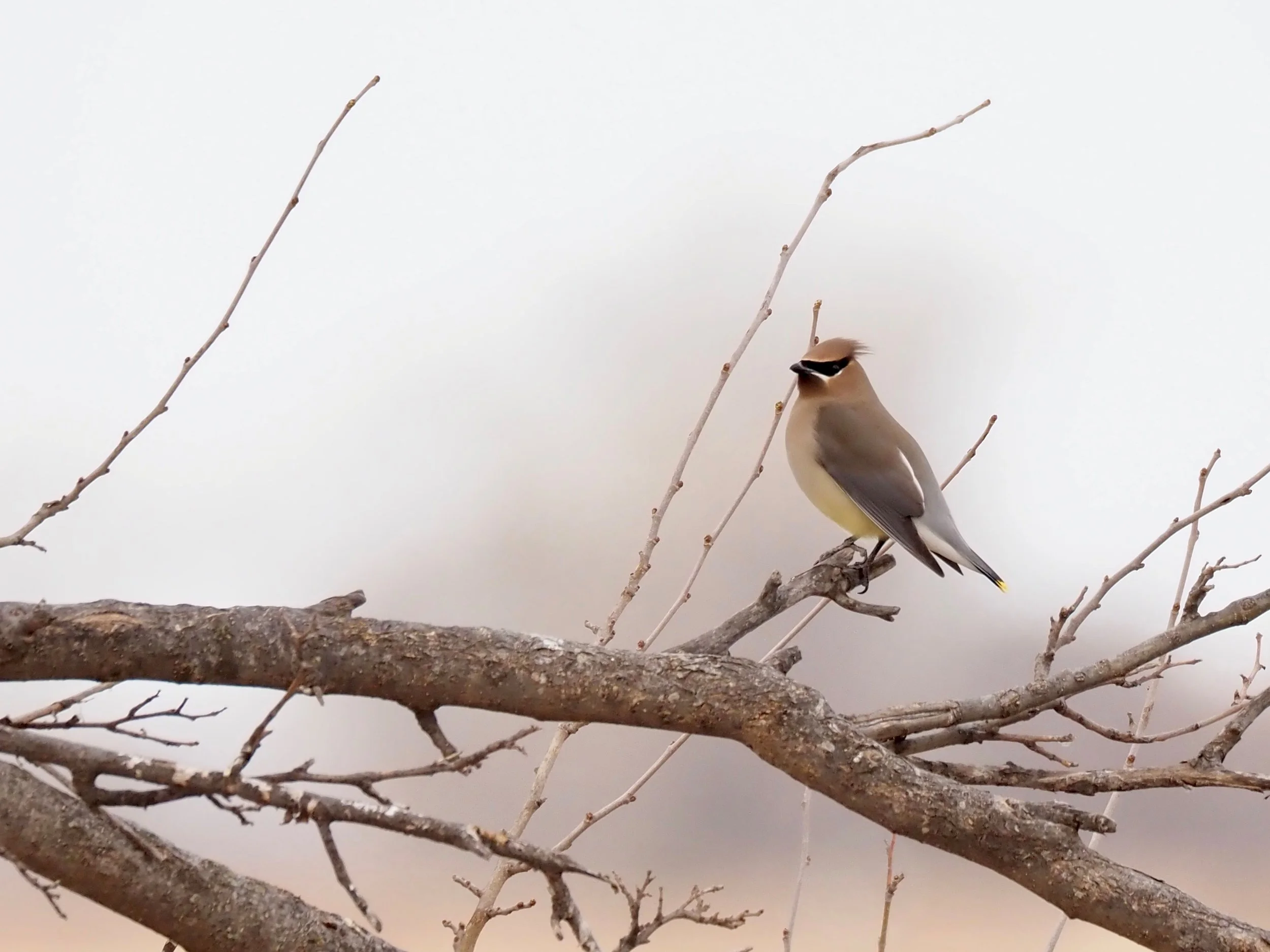
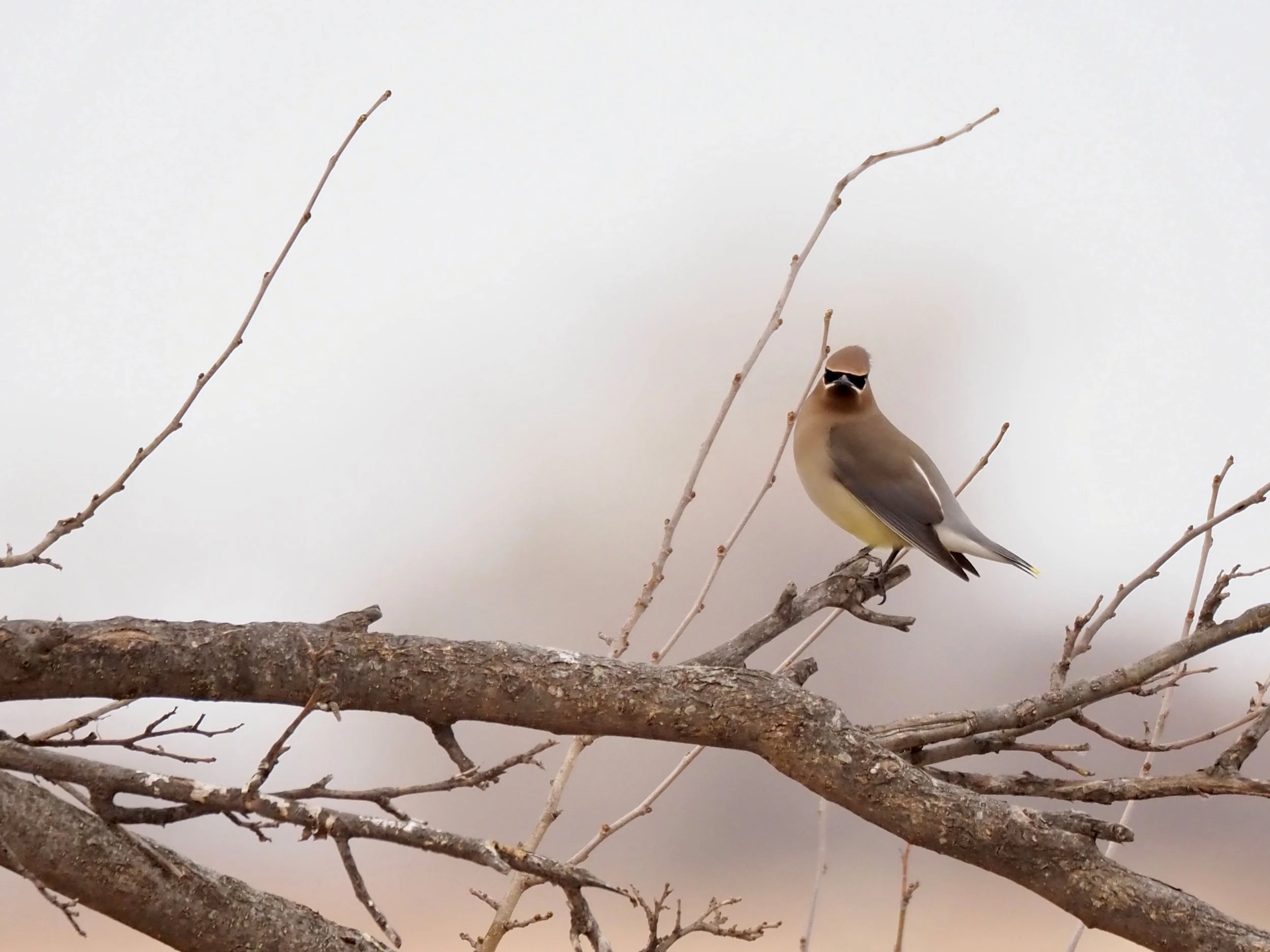
Wood Duck, Blue-winged Teal, Pied-billed Grebe, Turkey Vulture, Sharp-shinned Hawk, Northern Harrier, Red-tailed Hawk, Bald Eagle, Belted Kingfisher, Yellow-bellied Sapsucker, Red-bellied Woodpecker, Downy Woodpecker, Hairy Woodpecker, Northern Flicker, Merlin, Blue-headed Vireo, Loggerhead Shrike, Blue Jay, American Crow, Black-capped Chickadee, Ruby-crowned Kinglet, Golden-crowned Kinglet, White-breasted Nuthatch, Northern House Wren, European Starling, Eastern Bluebird, American Robin, Cedar Waxwing, House Finch, Red Crossbill, American Goldfinch, Dark-eyed Junco, White-throated Sparrow, Song Sparrow, Eastern Towhee, Orange-crowned Warbler, and Yellow-rumped Warbler.
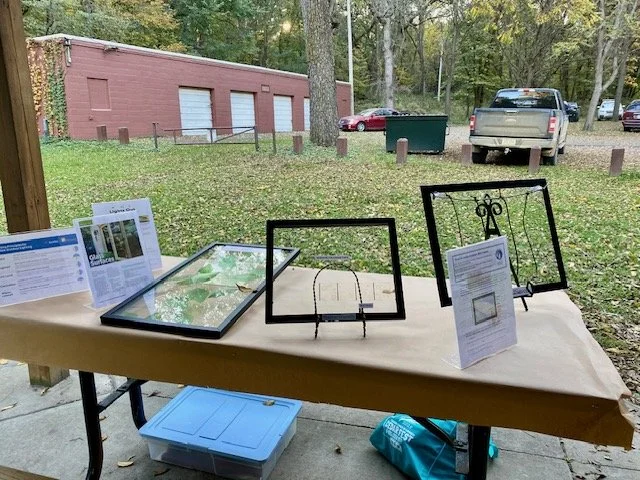
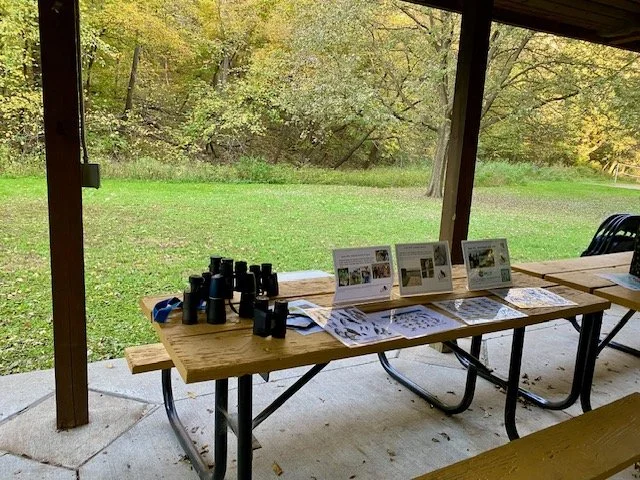
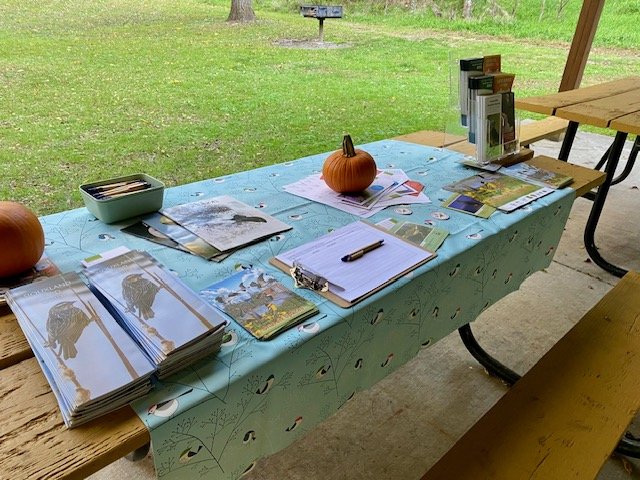
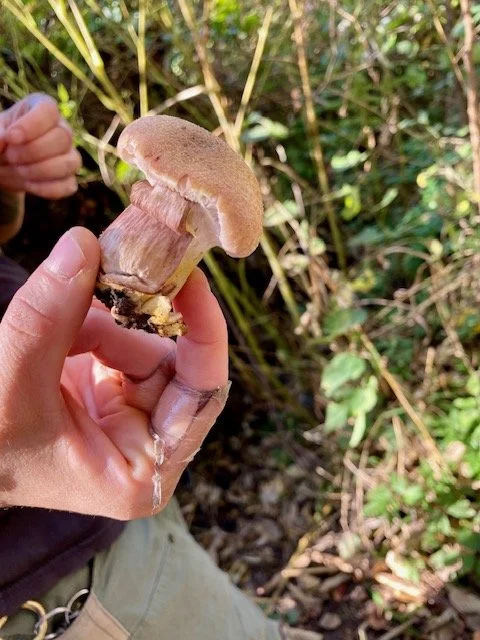
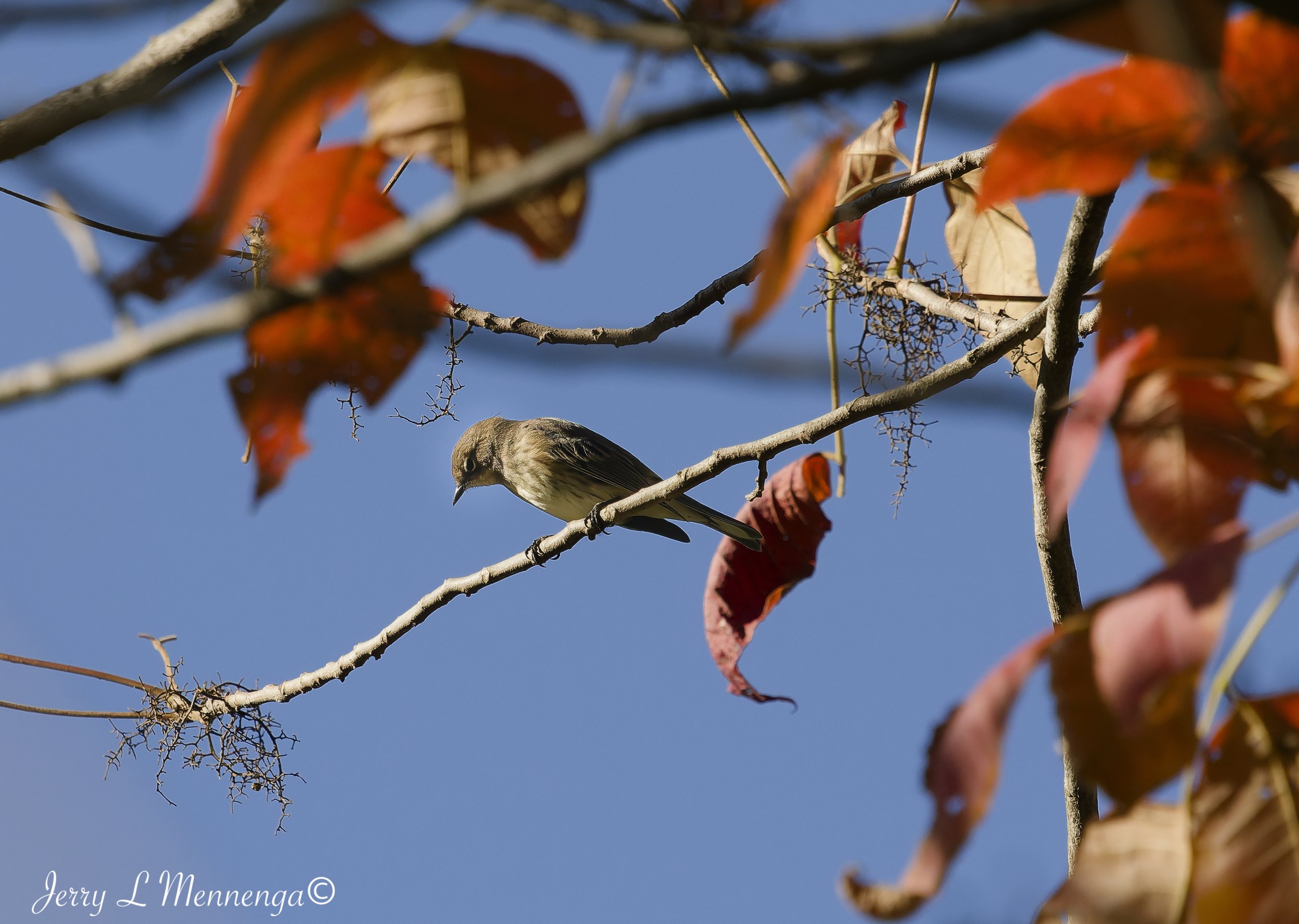
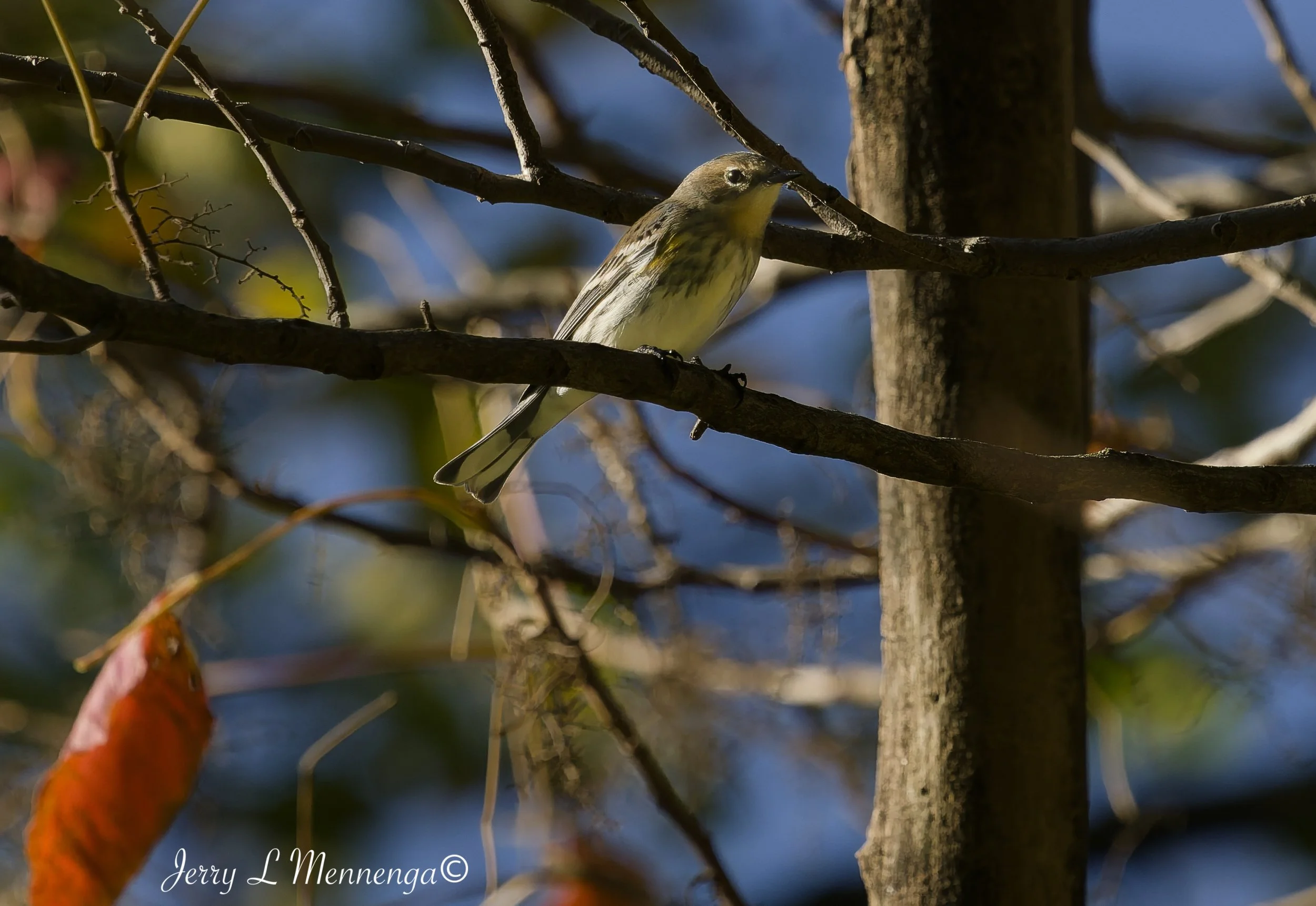
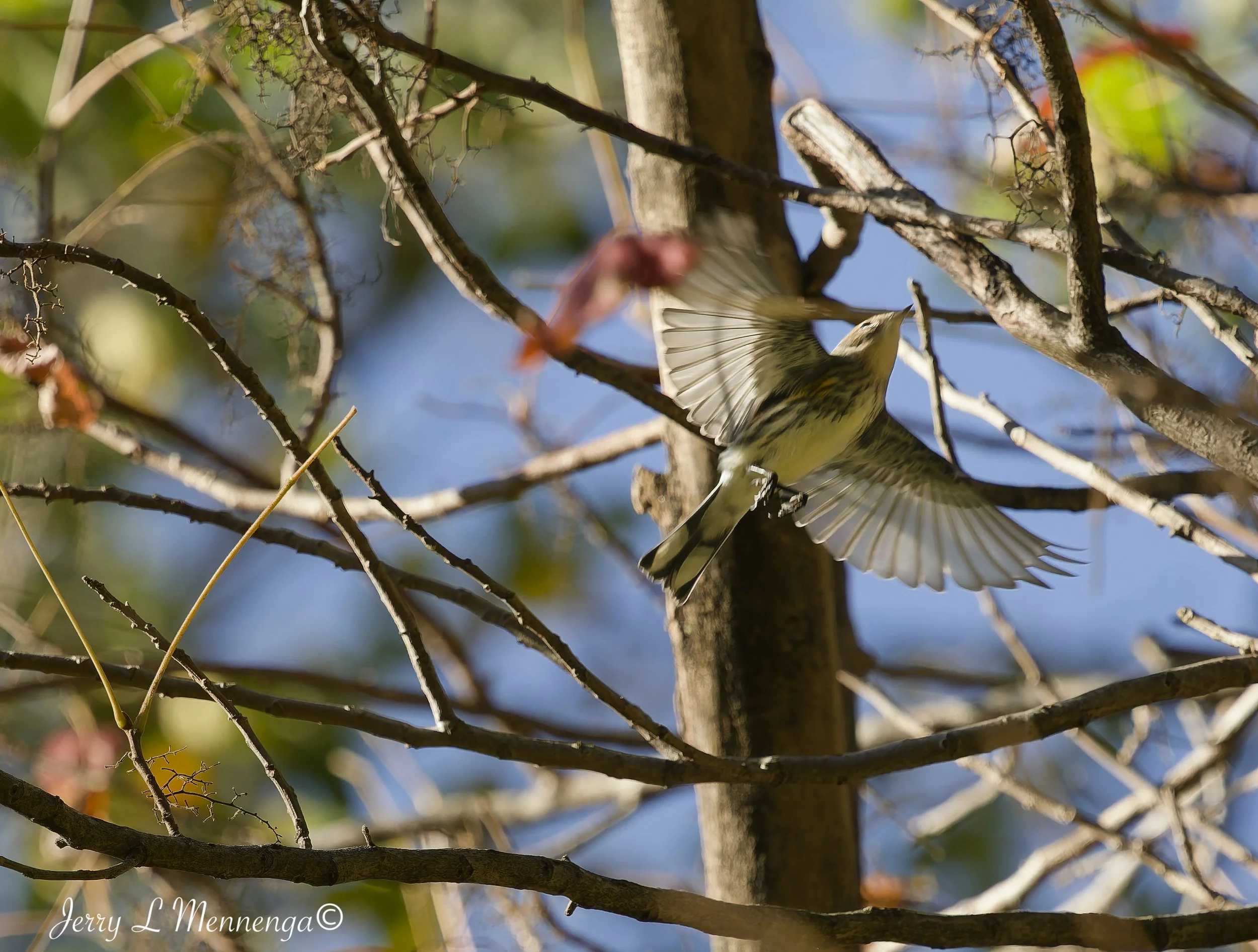
Below images copyright 2026 by Pam Miller-Smith, Tucker Lutter, Jeanne Bockholt, Kevin Kerr and Marla Kerr; used with permission.
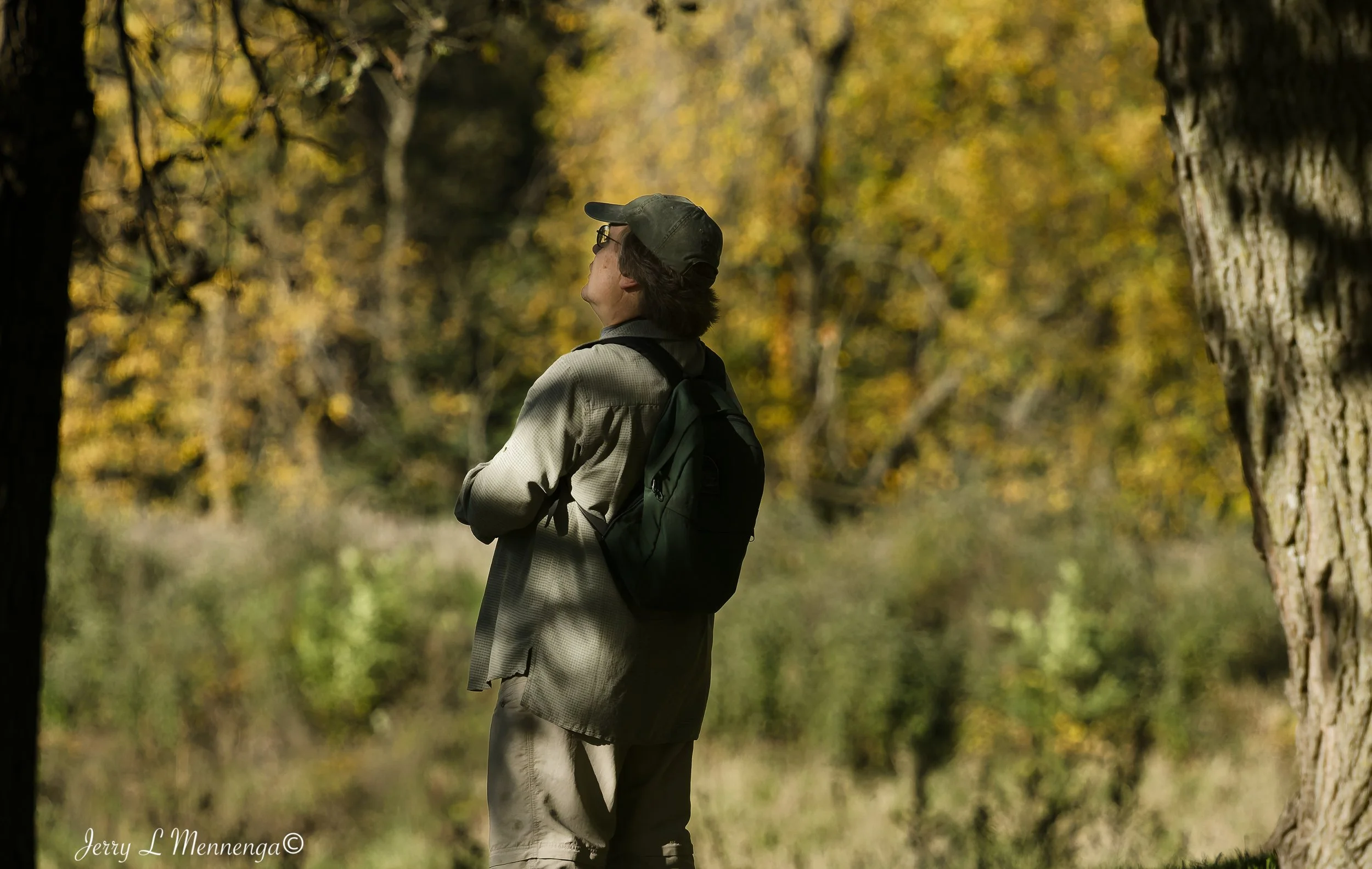
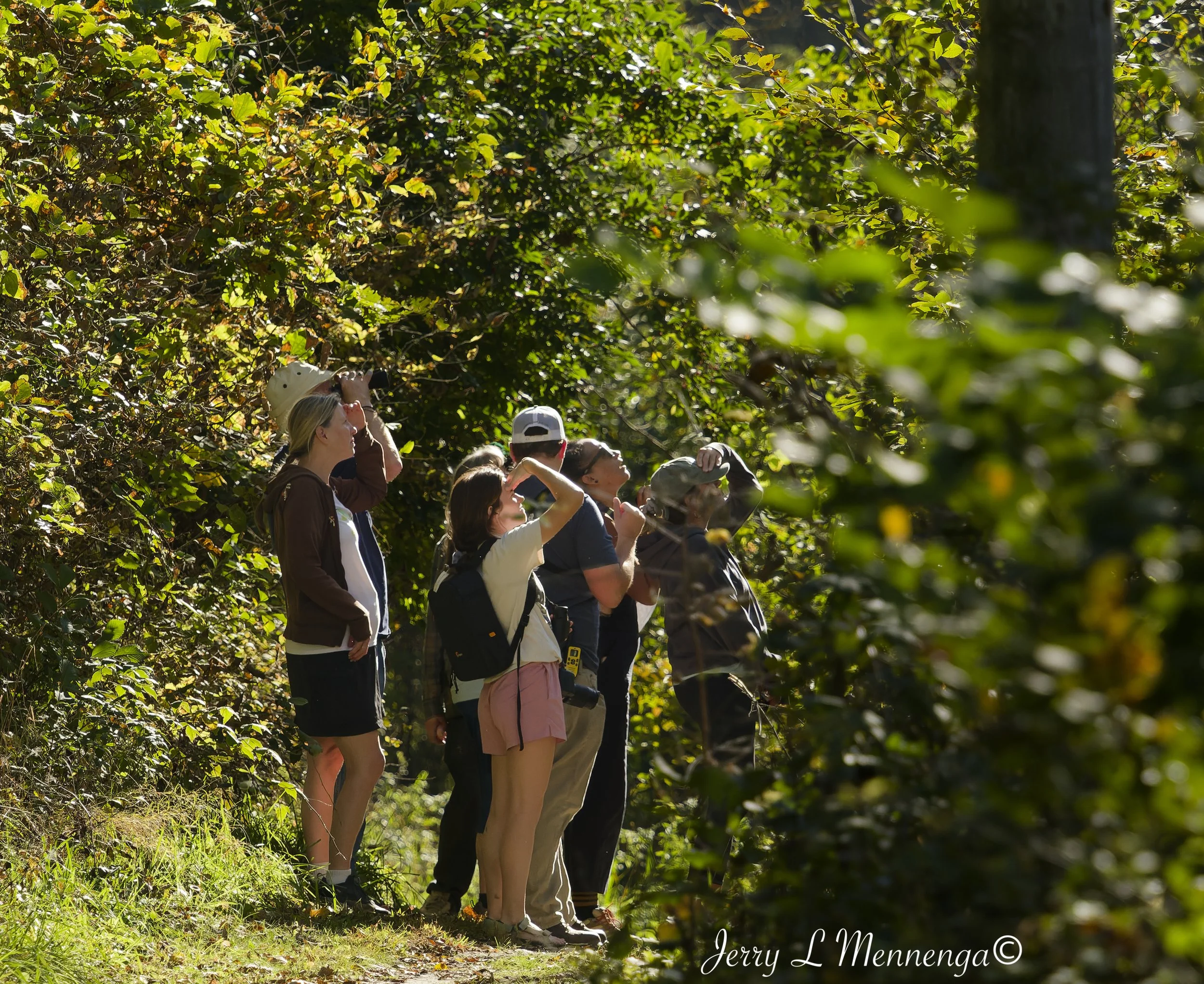
Below images copyright 2026 by Jerry L Mennenga, used with permission.
https://lostinsiouxland.wordpress.com/ OR https://www.jerrylmennengaphotographer.com/
Outing to the Broken Kettle Grasslands
and Zales Prairie Hills
Saturday, September 19, 2026
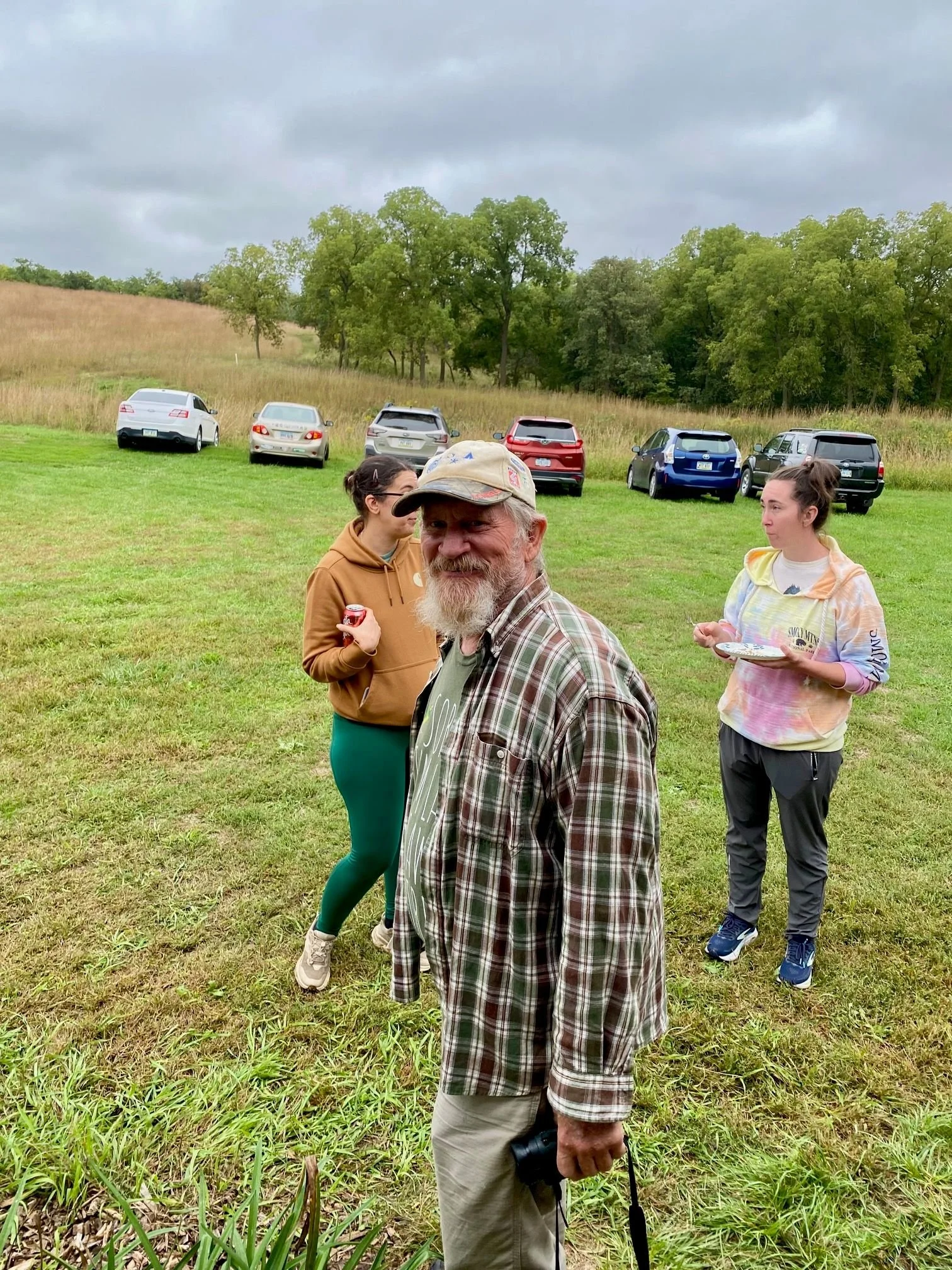
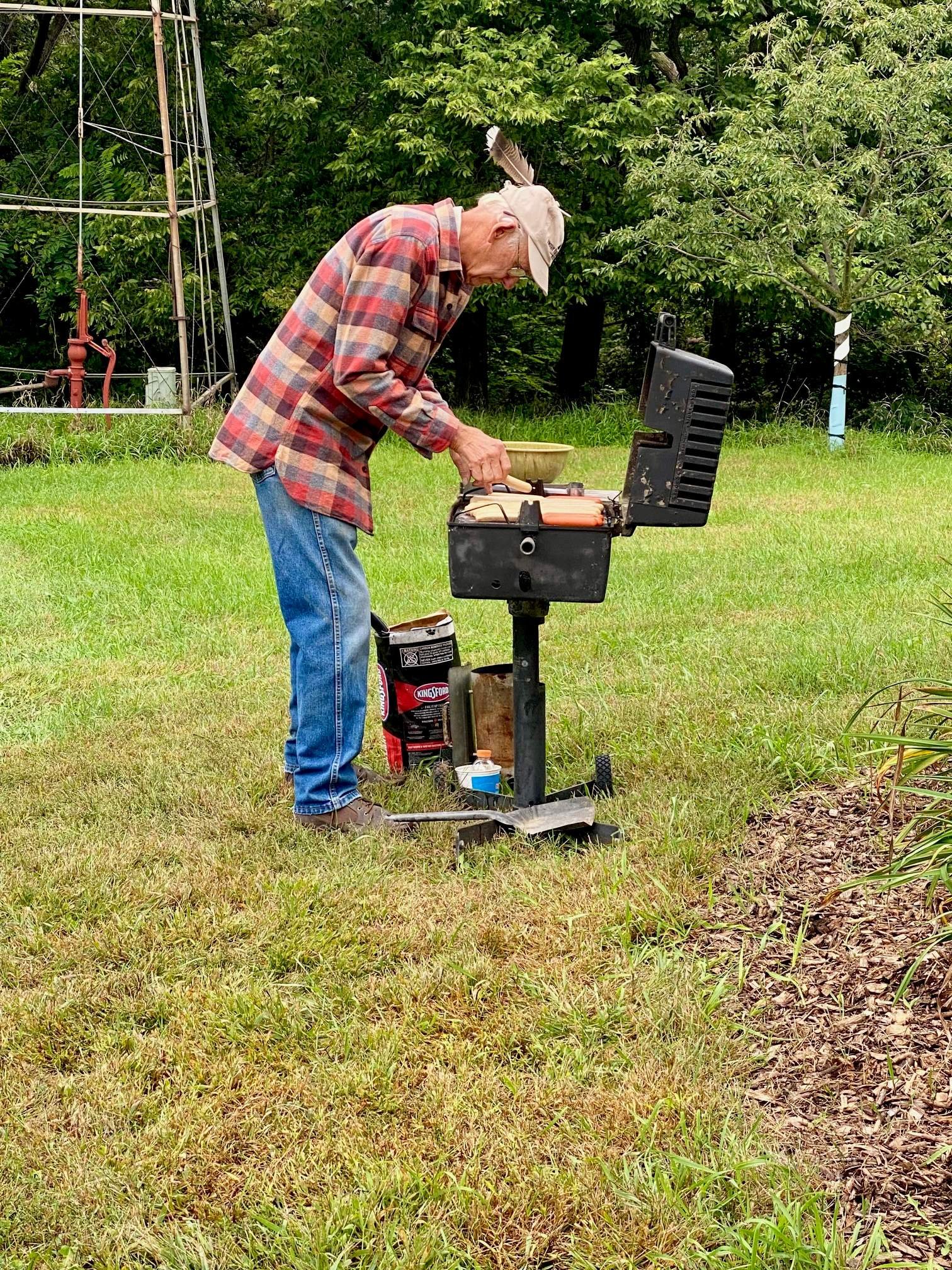
Once again Dotty and Bill Zales proved that “If you cook it, they will come.”
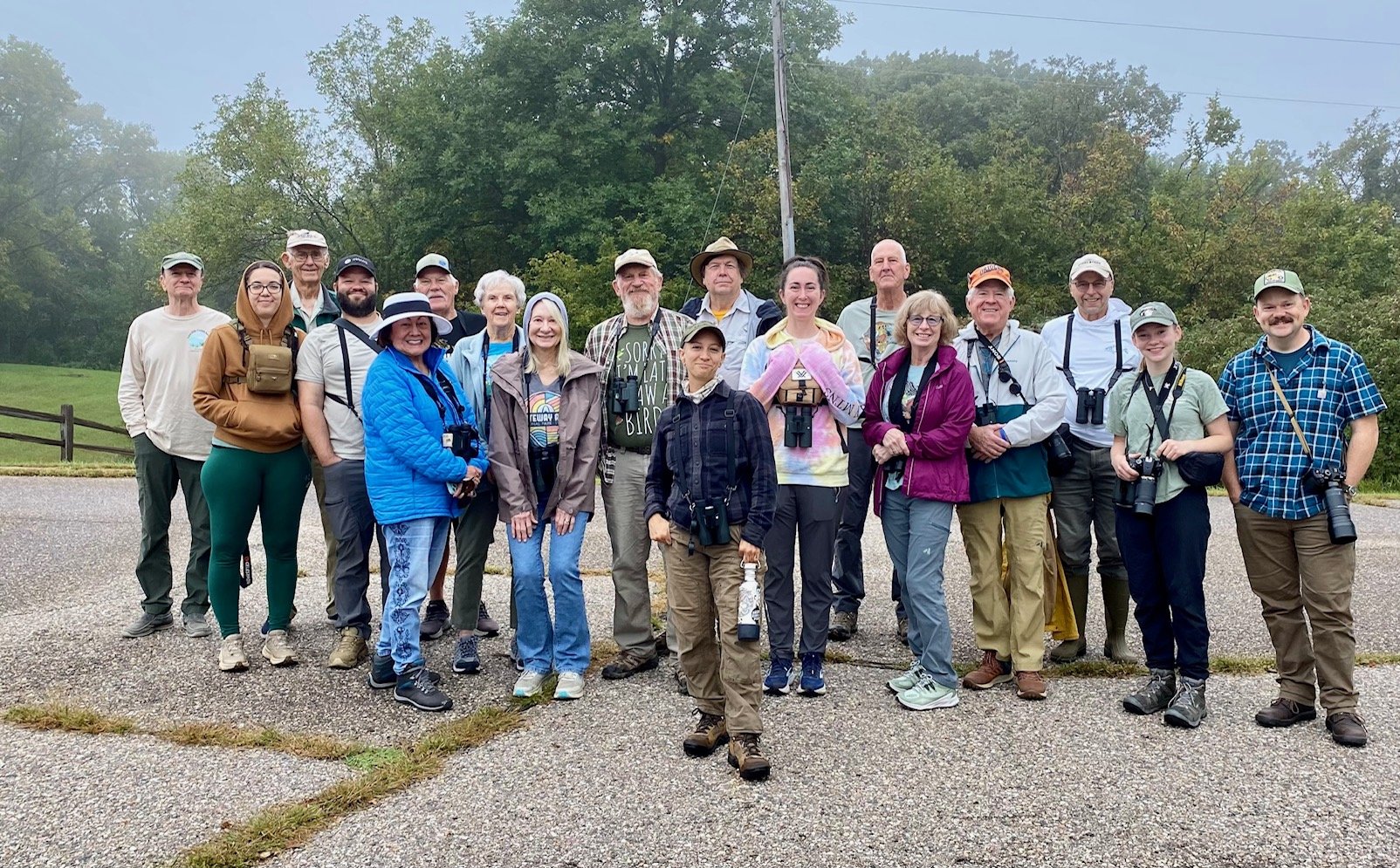
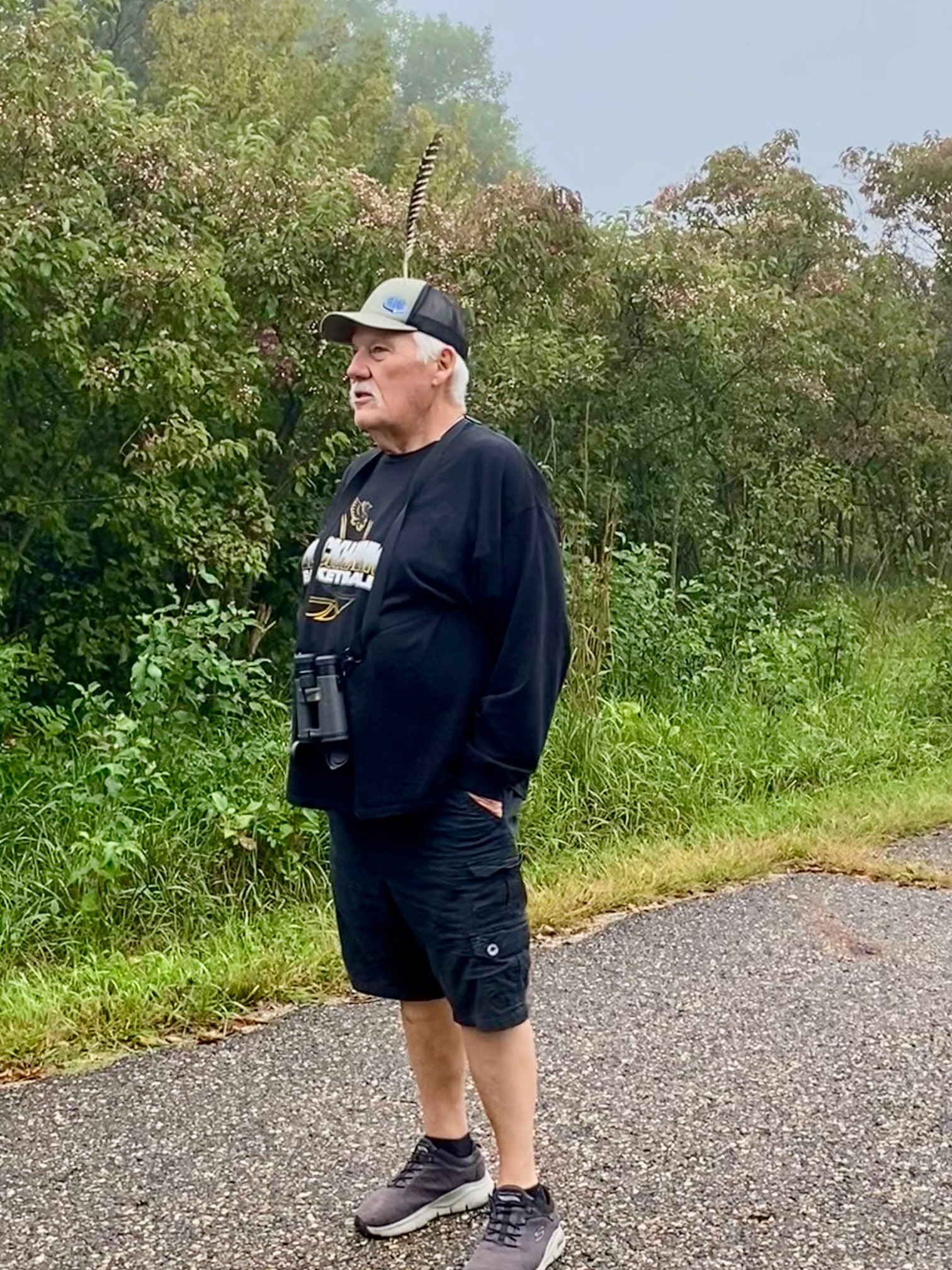
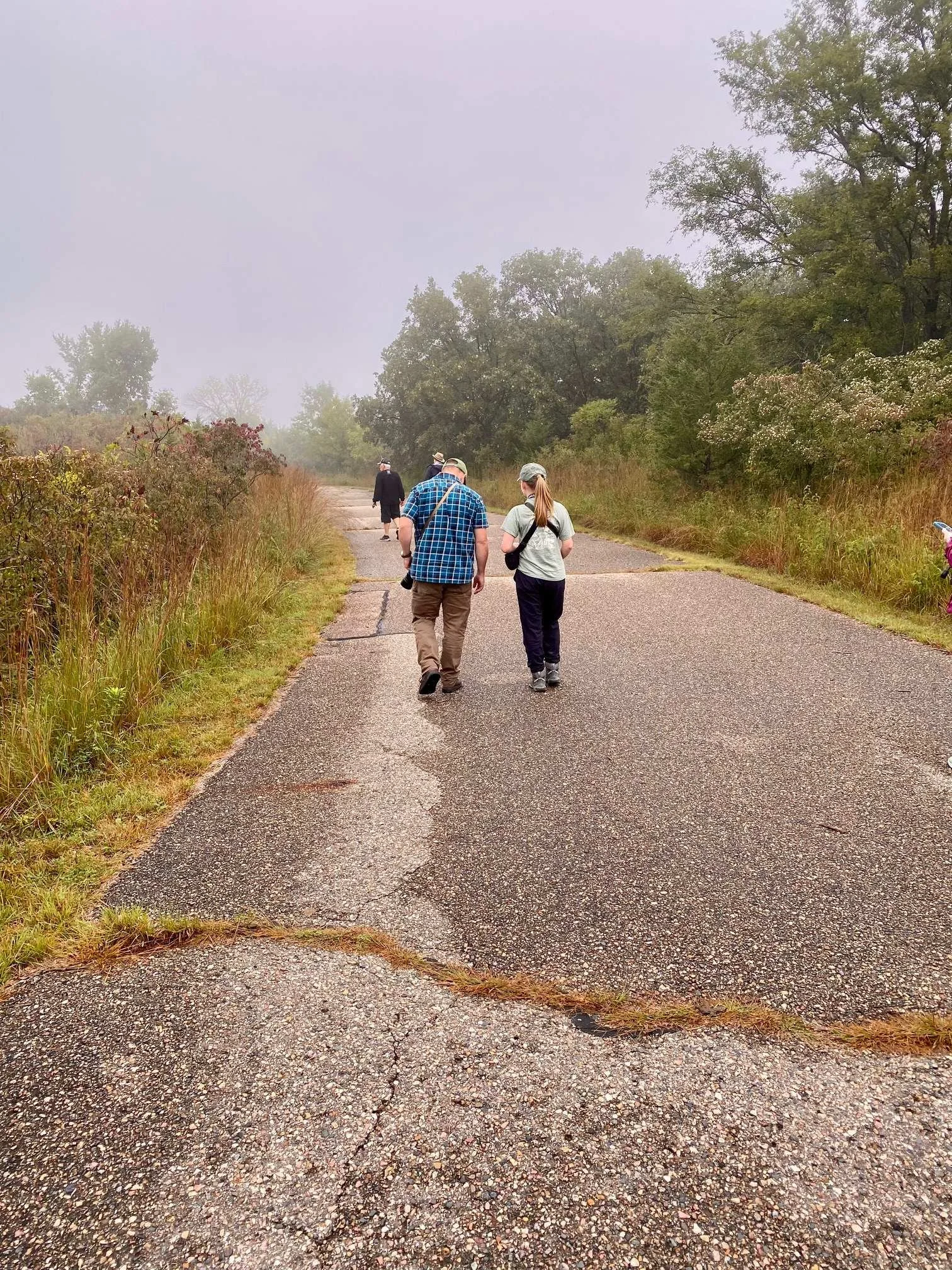
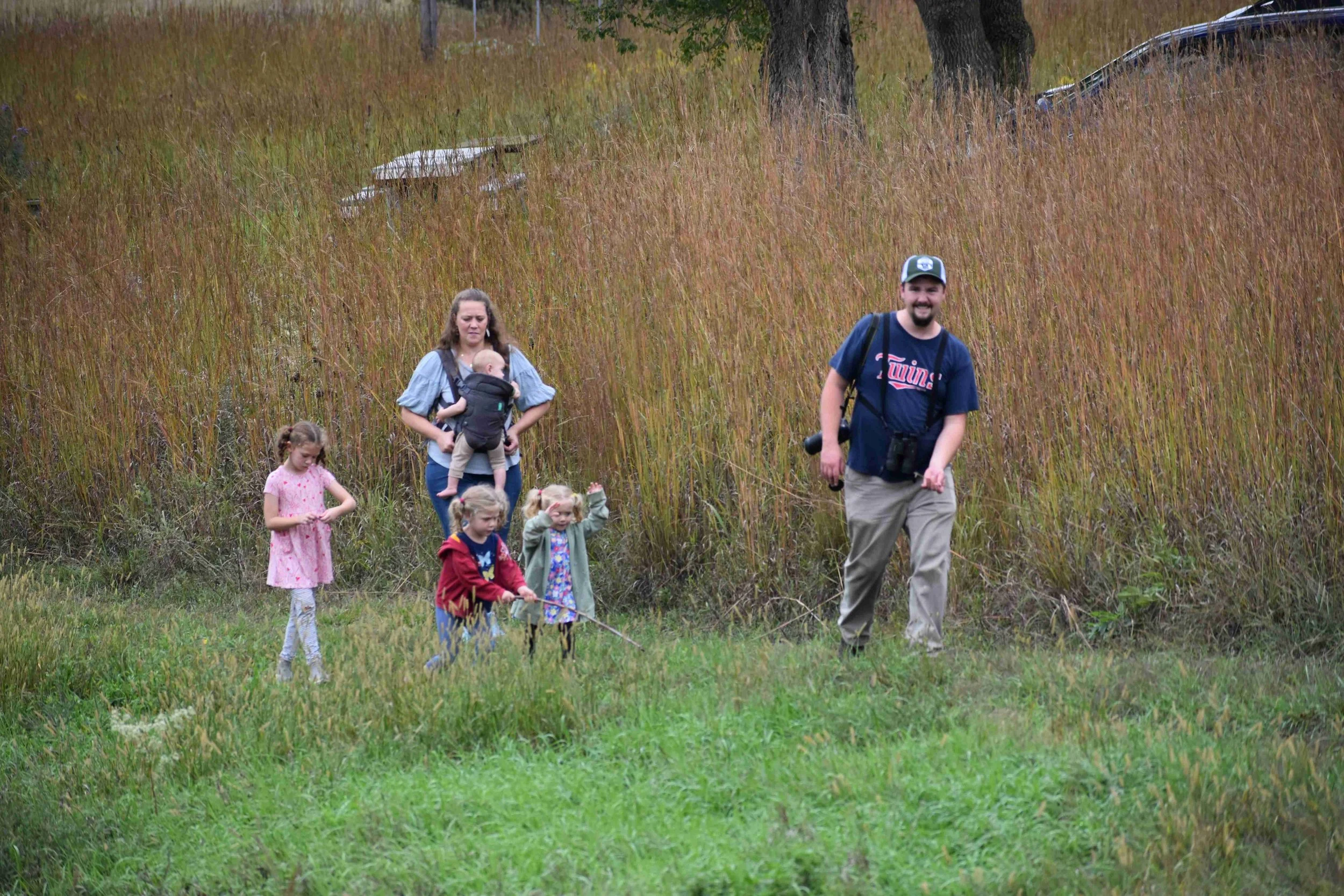
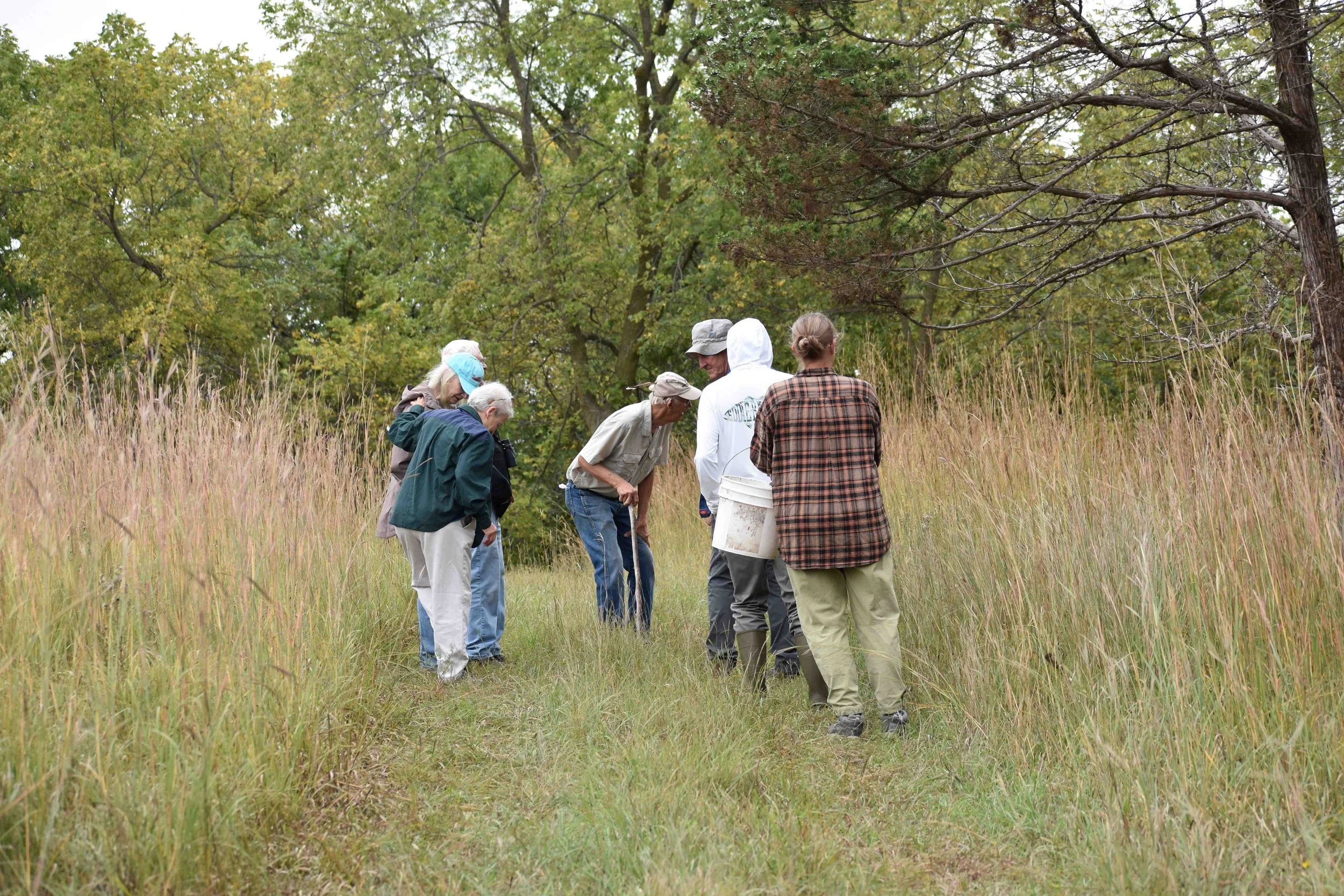
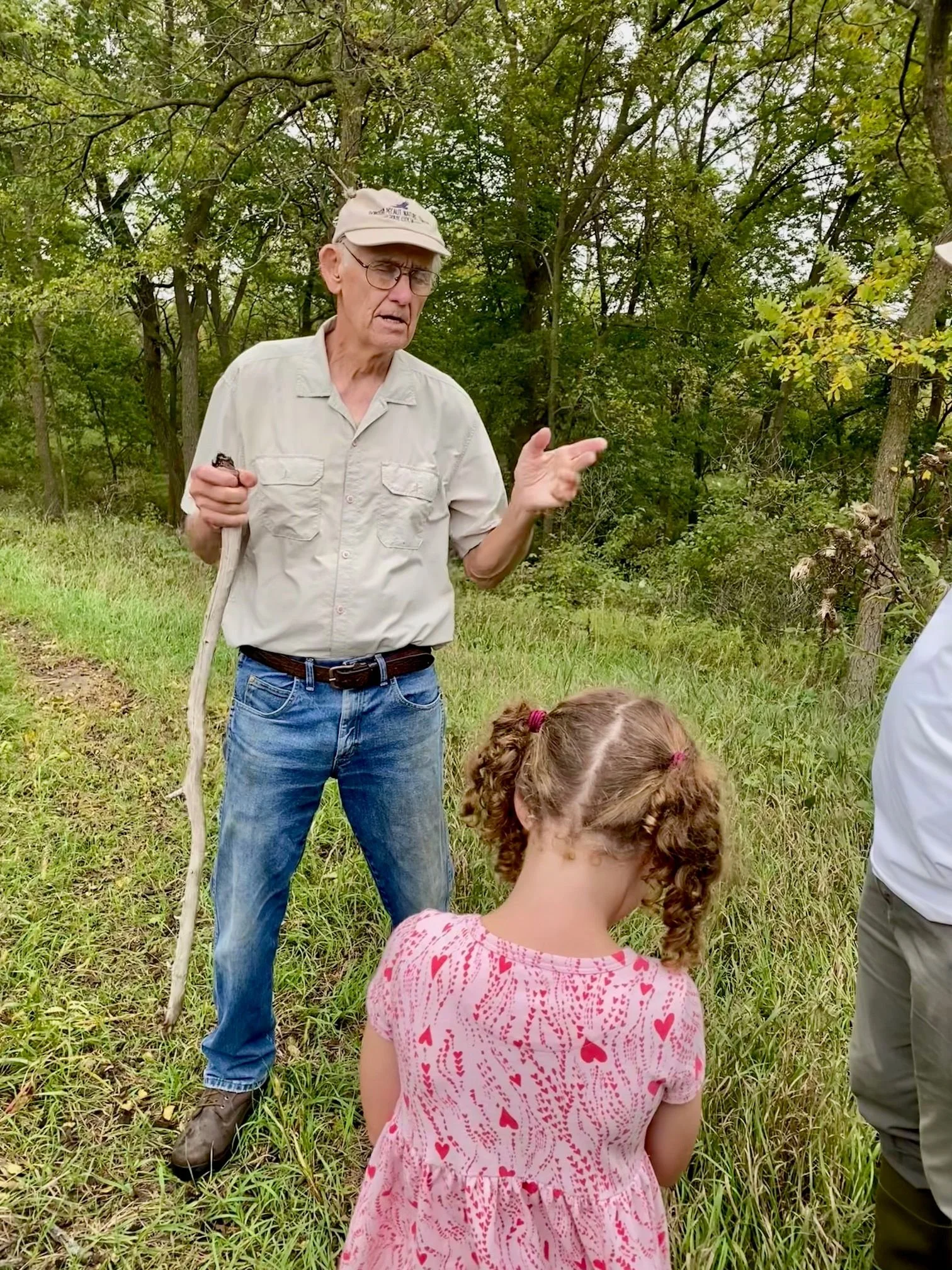
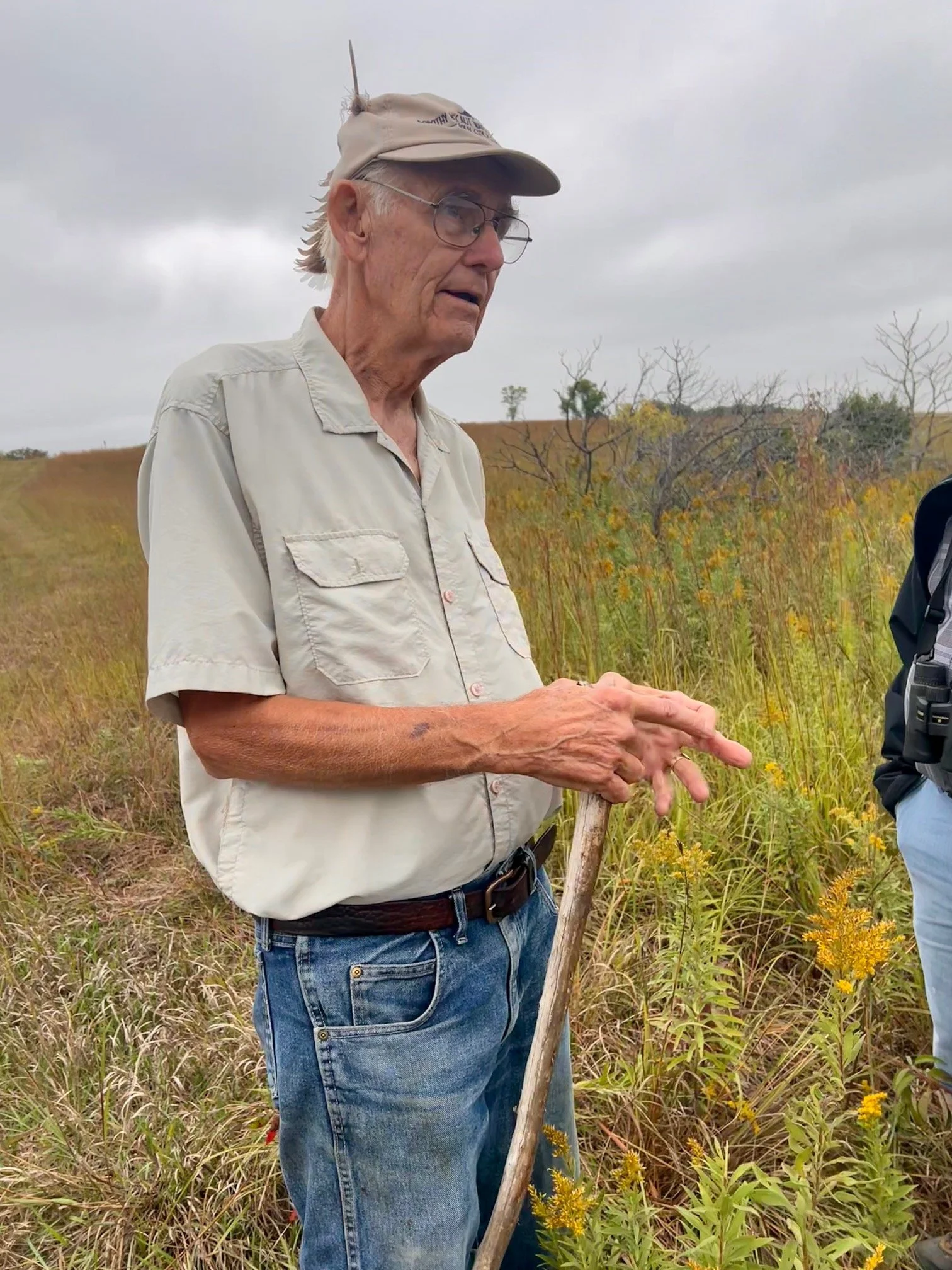
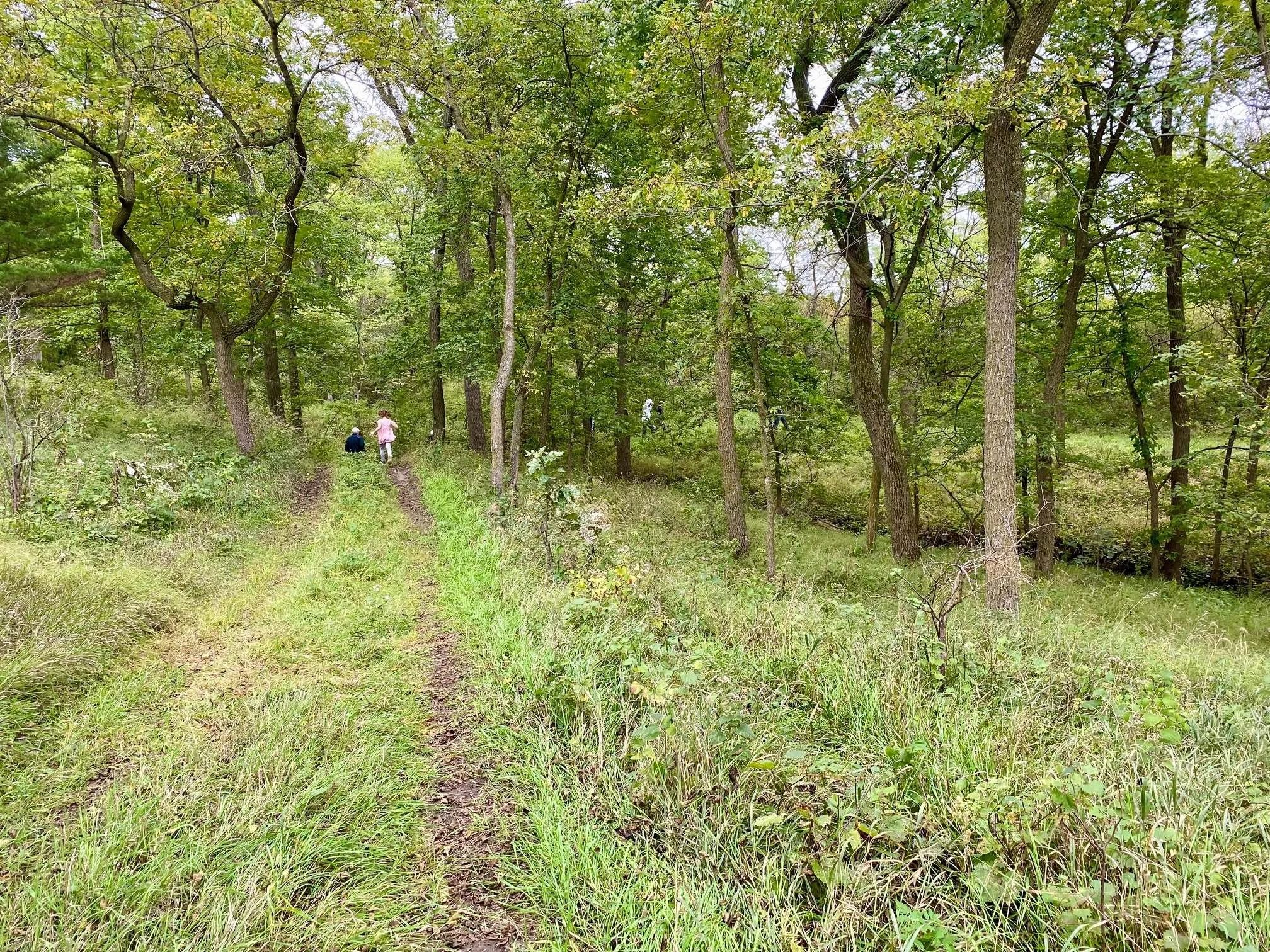
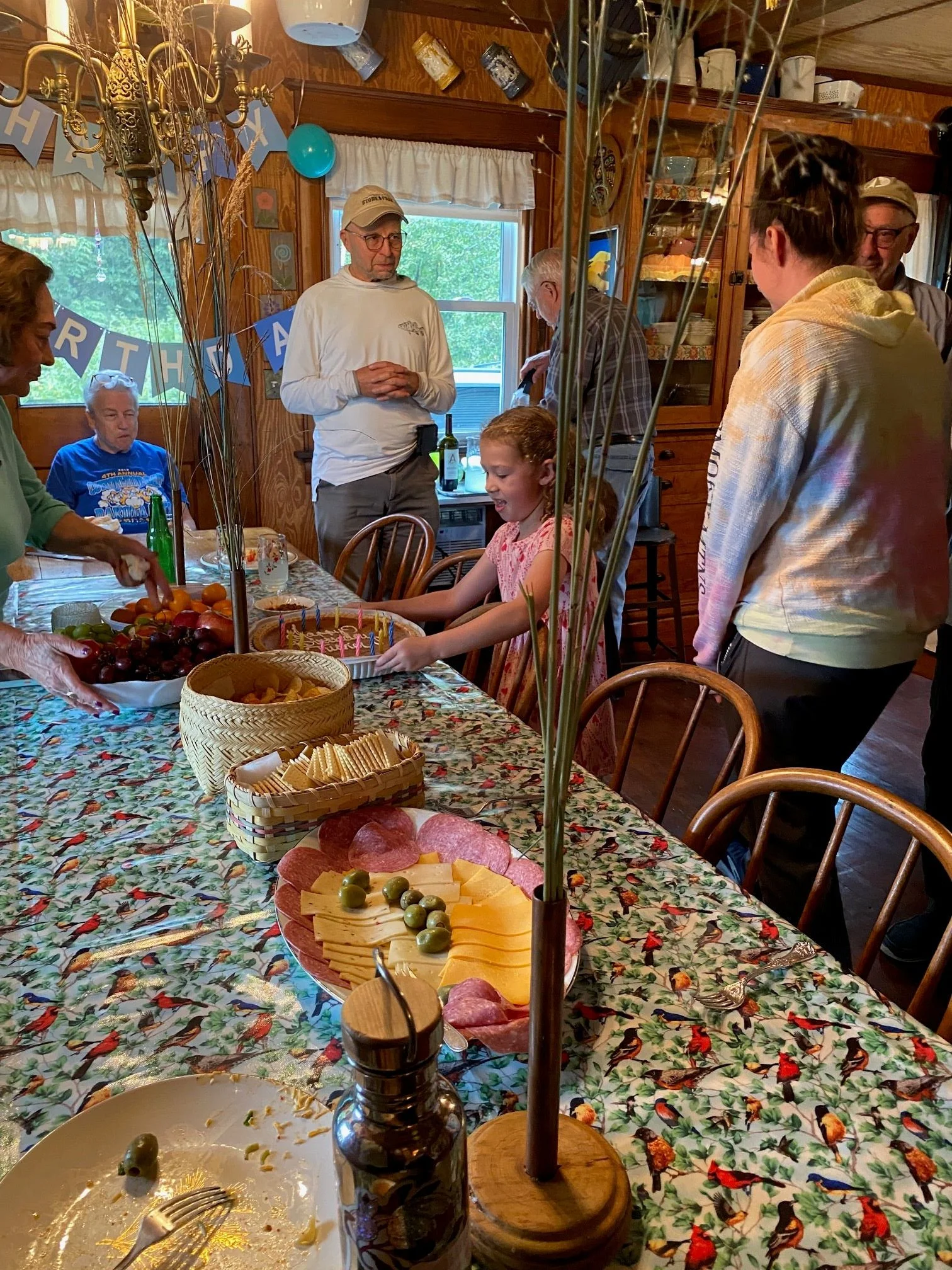
Although this outing was billed as an outing to look for migrating birds, the highlight of the outing was always going to be the cookout, side dishes, desserts and fellowship served at Bill and Dotty’s Prairie Hills Guest House. But to save the best till last, we did begin this foggy morning by visiting Camp Joy Hollow. Eighteen participants proved to be a bit cumbersome for a bird walk where visibility was limited by trees and fog, so we split into two groups and set out on foot in opposite directions.
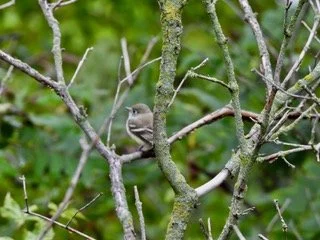
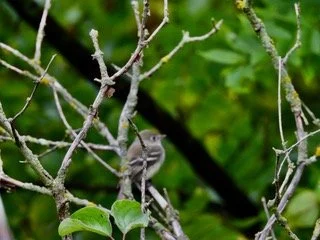
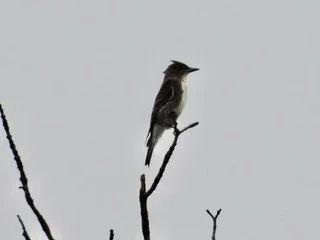
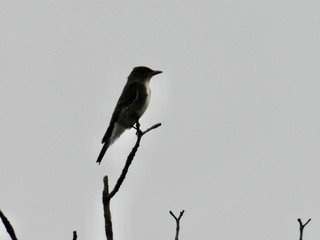
My group started southward birding the woodland edge before descending into “the Hollow” with its dense woods and flowing stream. A pair of Sharp-shinned Hawks drew our attention first, and we watched these recent arrivals hunt the same birds we were looking for. Birds were therefore scarce and continued to be as we descended into the deep ravine. However, the appearance of three Pileated Woodpeckers changed our luck as we saw one flying directly over us. But it wasn’t until we climbed back out of the ravine that we found much bird activity, which included Nashville Warblers, a Summer Tanager, Least Flycatcher, Blue-headed Vireo, Philadelphia Vireo, Ruby-crowned Kinglet, Red-breasted Nuthatch, and Olive-sided Flycatcher.
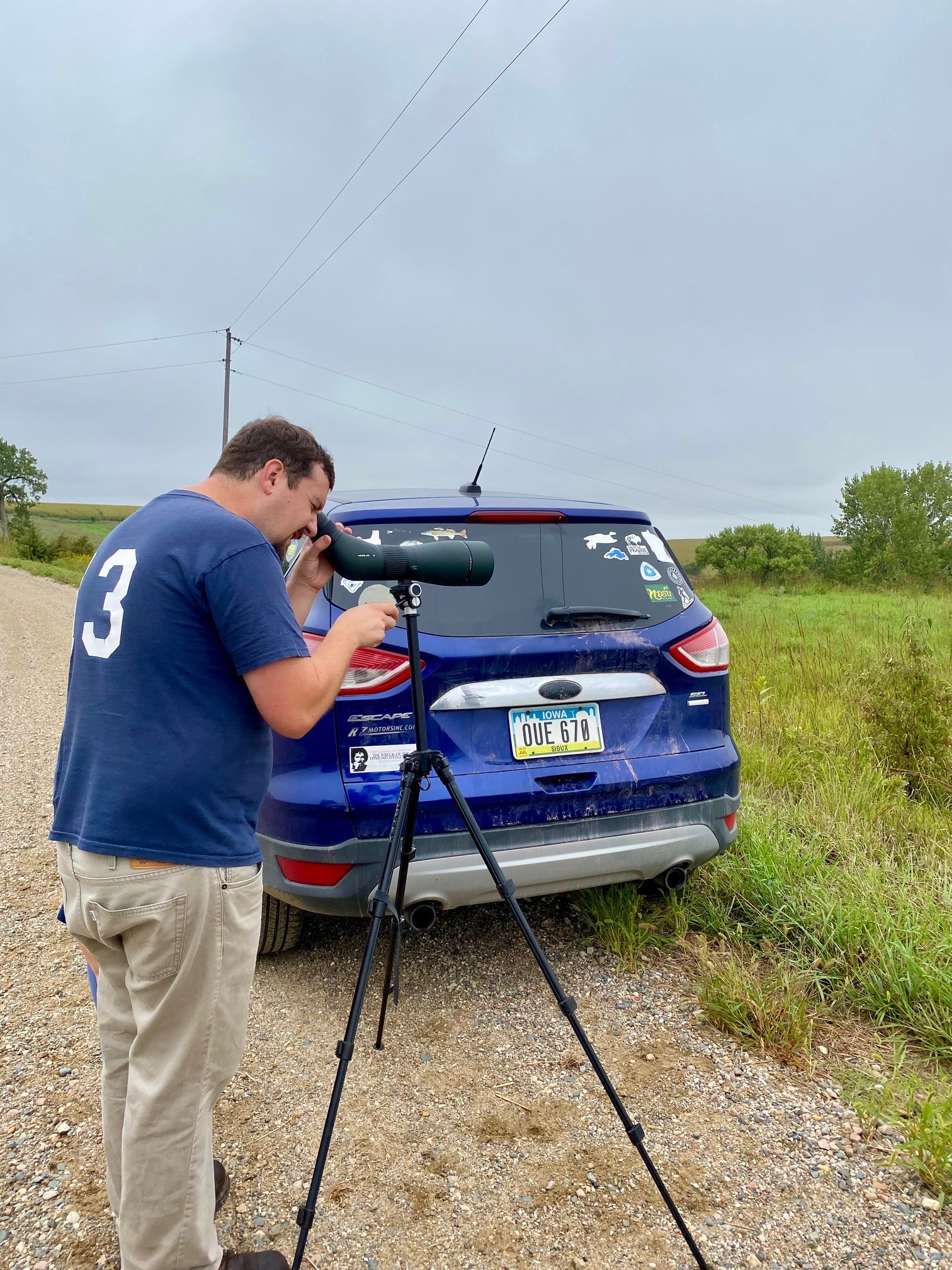
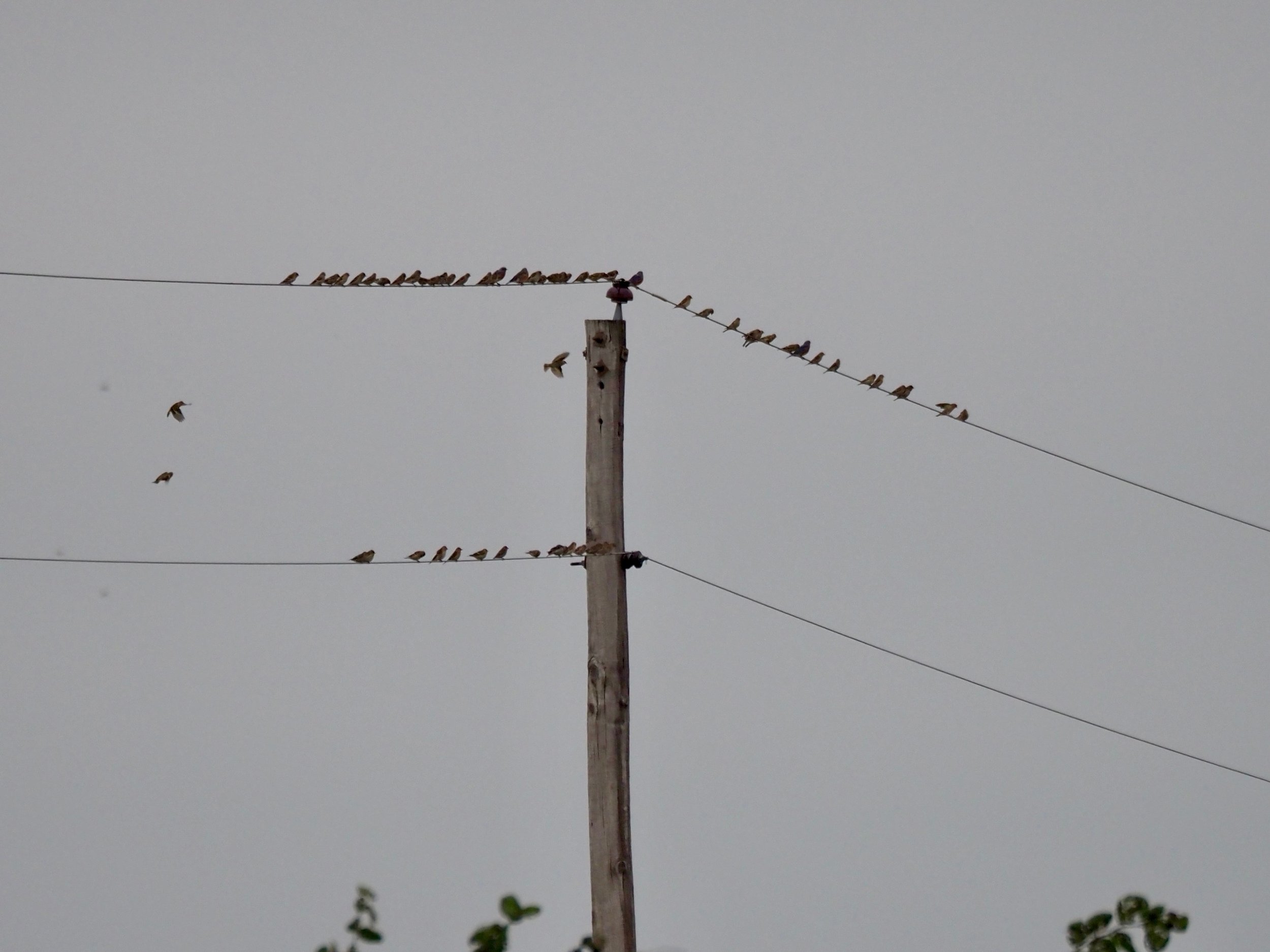
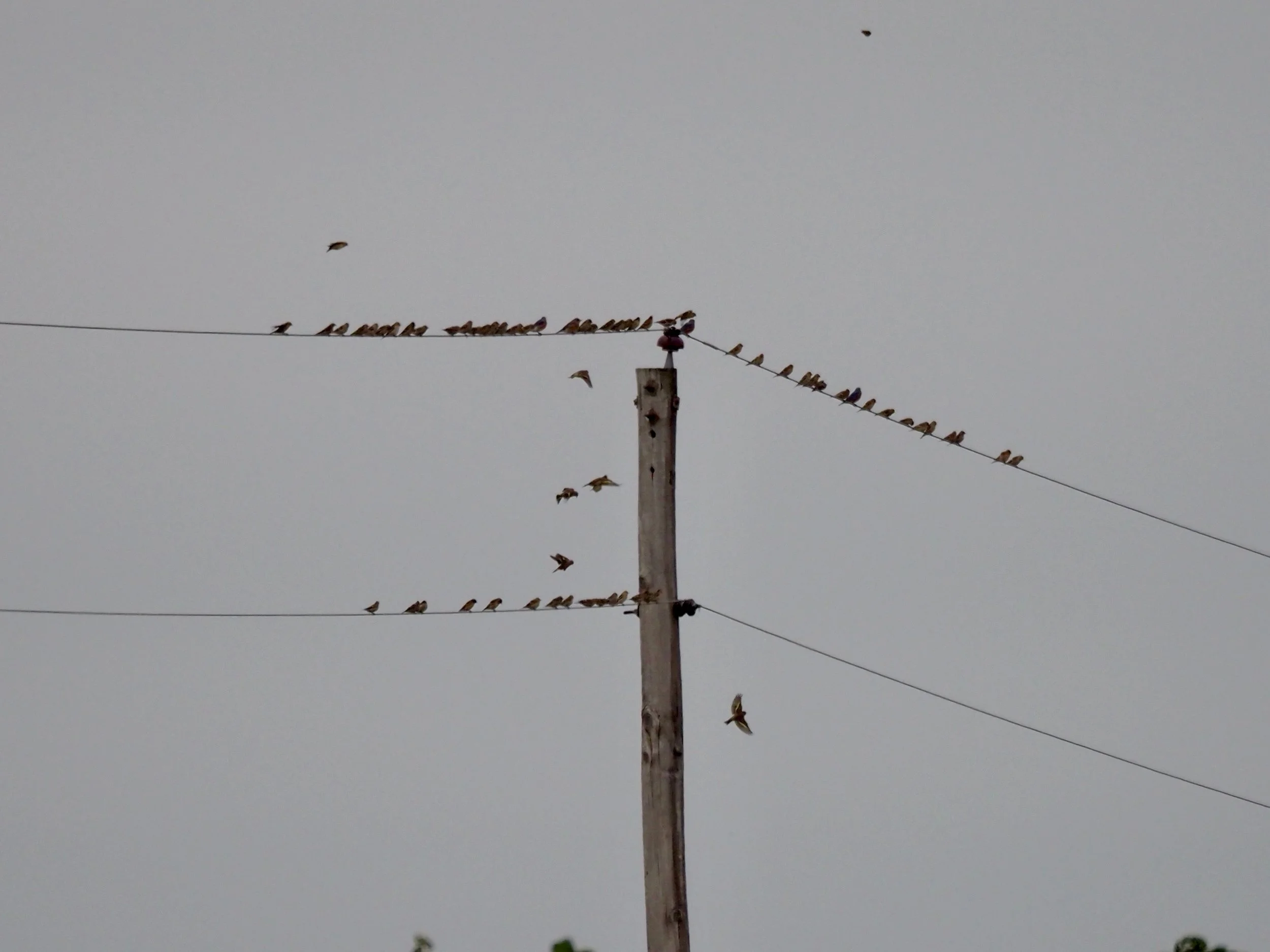
Bob Livermore and Tucker Lutter’s group had started northward where they recorded many of the same species listed above but added Yellow-bellied Sapsucker and Bay-breasted Warbler. They also did more birding along Butcher Road, and there, saw two large flocks, each numbering over a hundred, in flight and as they descended onto power lines. They found that the birds weren’t the expected American Goldfinches, but rather their close relative, Pine Siskins, which wander into our area in only one of three winters. Maybe, this winter we will have them at our feeders.
In all, 48 species were recorded by the group.
For a complete list with numbers seen and sites recorded, see https://ebird.org/tripreport/574758
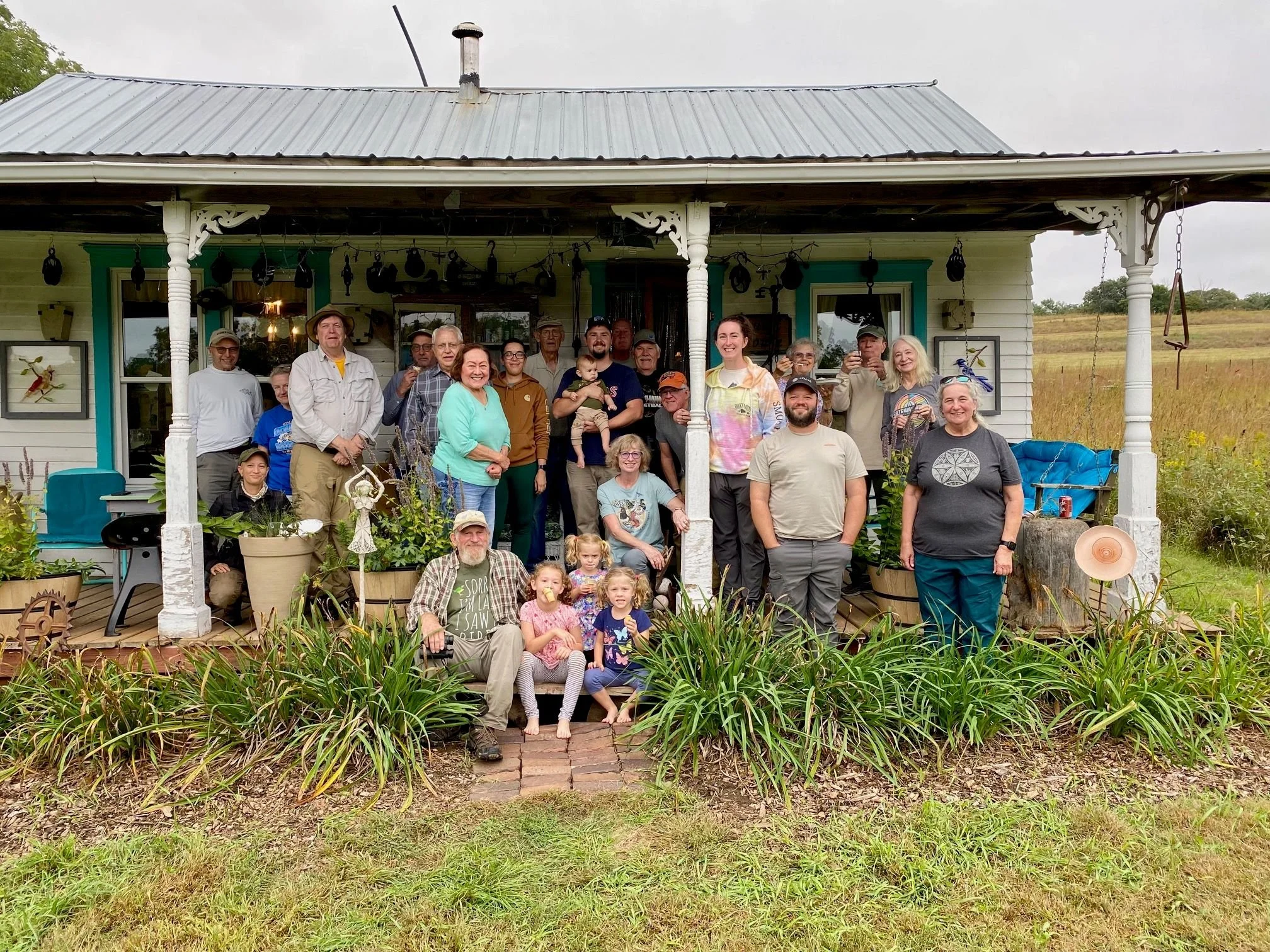
26 Participants: Marla & Kevin Kerr, Robert Sophere & Kayla Sheehan, Rex Rundquist & Maria Runquist, Bill & Dotty Zales, Jeanne Bockholt, John & Sharon Polifka, Thora & Micah Larson, Jillian Murphy, Jessica Butler, Bob Livermore, Tucker Lutter and Bill Huser. Ed Sibley, Eric Wissing, Cathy McKnight, Laura, Lili, Giana, Felicity and Fulton Lutter joined us at Prairie Hills.
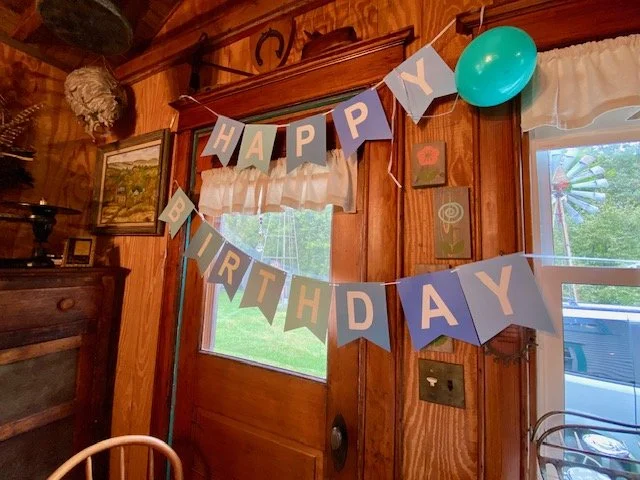
Note: All 26 were willing participants in Tucker’s Surprise Birthday celebration!!!
Species list with targets and highlights in bold:
Wild Turkey, Ring-necked Pheasant, Mourning Dove, Great Blue Heron, Turkey Vulture, Sharp-shinned Hawk, Cooper’s Hawk, Northern Harrier, Red-tailed Hawk, Yellow-bellied Sapsucker, Red-headed Woodpecker, Red-bellied Woodpecker, Downy Woodpecker, Hairy Woodpecker, Pileated Woodpecker, Northern Flicker, American Kestrel, Olive-sided Flycatcher, Eastern Wood Pewee, Least Flycatcher, Eastern Phoebe, Blue-headed Vireo, Philadelphia Vireo, Red-eyed Vireo, Blue Jay, American Crow, Black-capped Chickadee, Barn Swallow, Ruby-crowned Kinglet, White-breasted Nuthatch, Red-breasted Nuthatch, House Wren, European Starling,Gray Catbird, Brown Thrasher,Eastern Bluebird, American Robin, Cedar Waxwing, House Sparrow, Red Crossbill, Pine Siskin, American Goldfinch,Field Sparrow, Vesper Sparrow, Eastern Towhee,Nashville Warbler, Bay-breasted Warbler, Summer Tanager.
Outing Report by Bill Huser, Outings Coordinator
Below images copyright 2026 by Marla and Kevin Kerr, and Rex and Maria Rundquist, used with permission.


Outing to Snyder Bend and Owego Wetland Area
Saturday, august 15, 2026
Up until about 1960, Snyder Bend was a ‘bend’ in the main channel of the Missouri River. At that time, the Army Corps of Engineers had dug a shorter, straighter channel a few hundred yards to the south to aid river barge navigation. When the river was diverted to the new channel, a man-made oxbow lake was formed. Woodbury County soon established a park and swimming beach there, greatly improving access to the lake and riverine habitats for sportsmen, swimmers and birders.
Since those days, the open water, sandbars, stabilized sand dunes, cattail marshes, riparian cottonwood forests and other habitats have been a big draw for birders. Though floods, sedimentation, droughts, riverbed degradation, plant succession, and power plant effluent have all greatly impacted the area over the past 60 years, Snyder Bend’s habitats still draw a great diversity of birds, and hence, us birders.
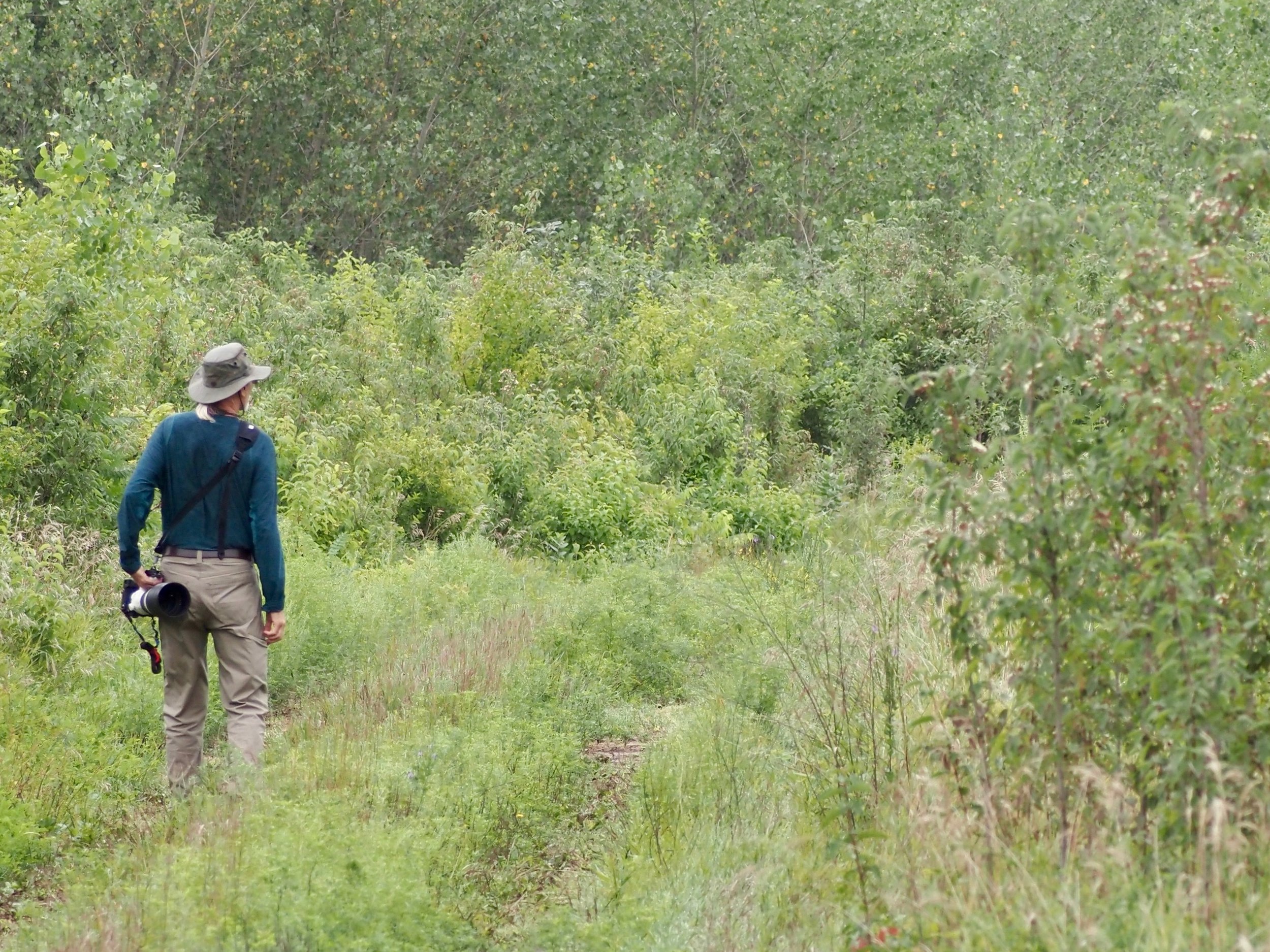
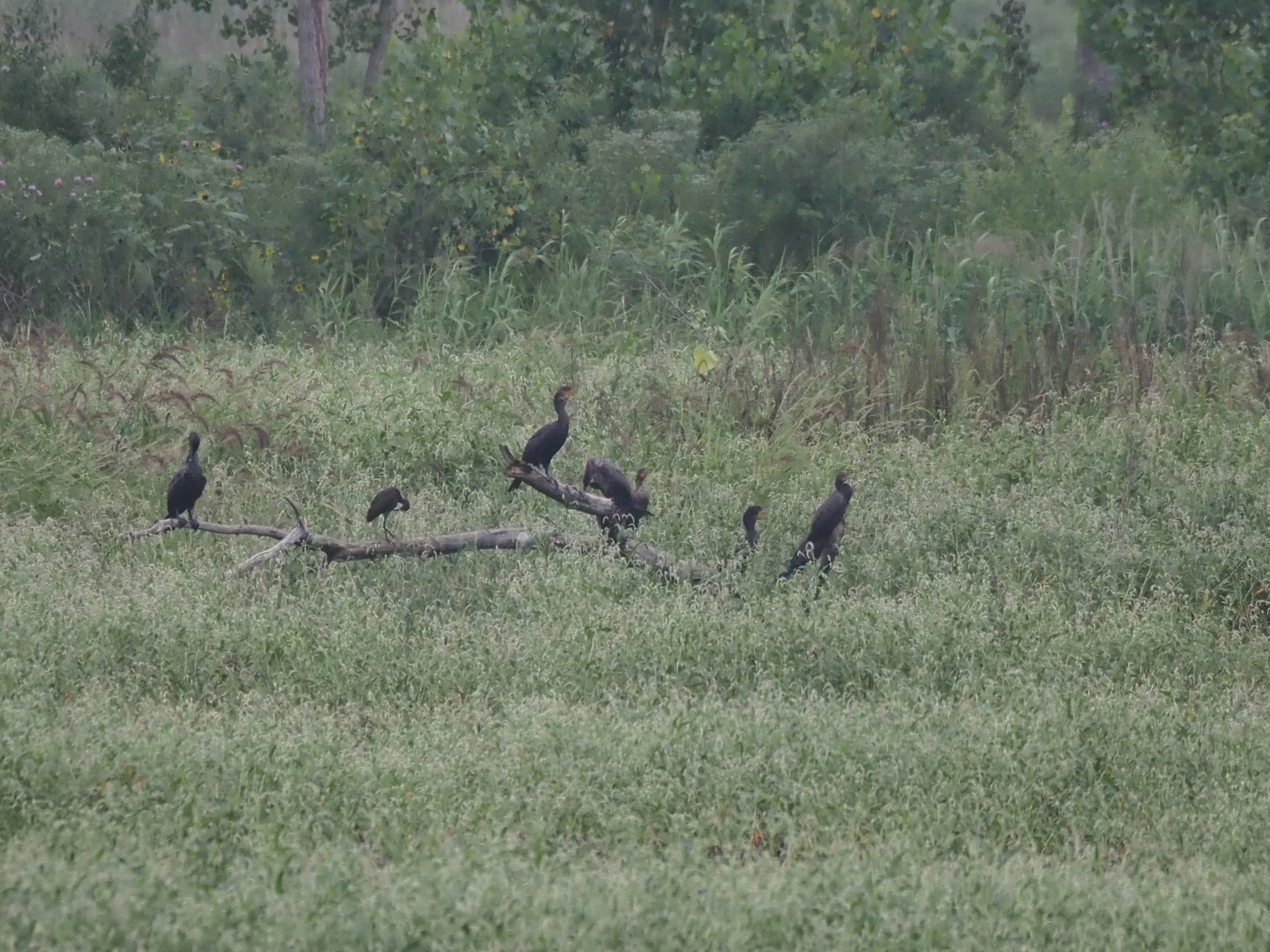
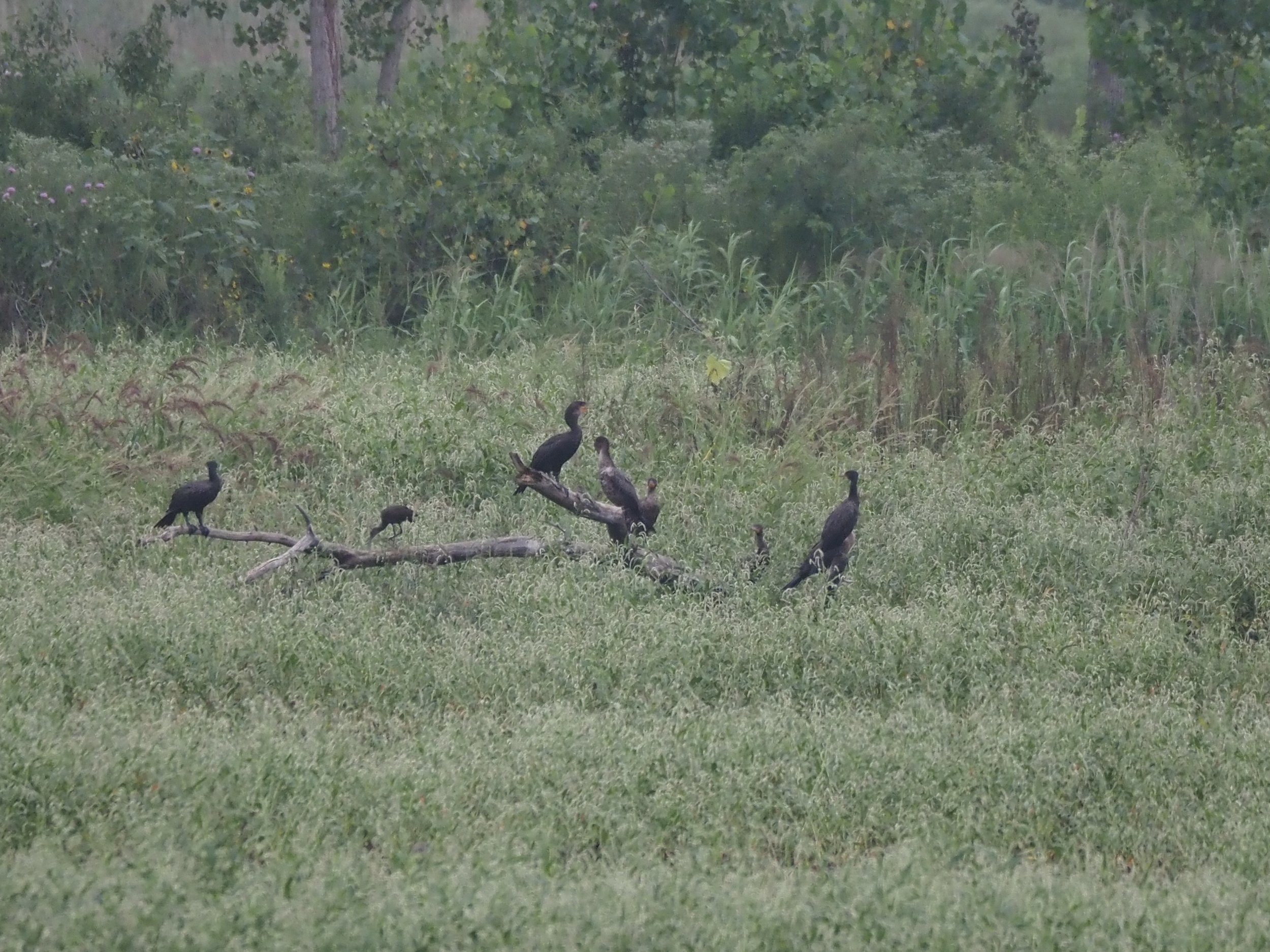
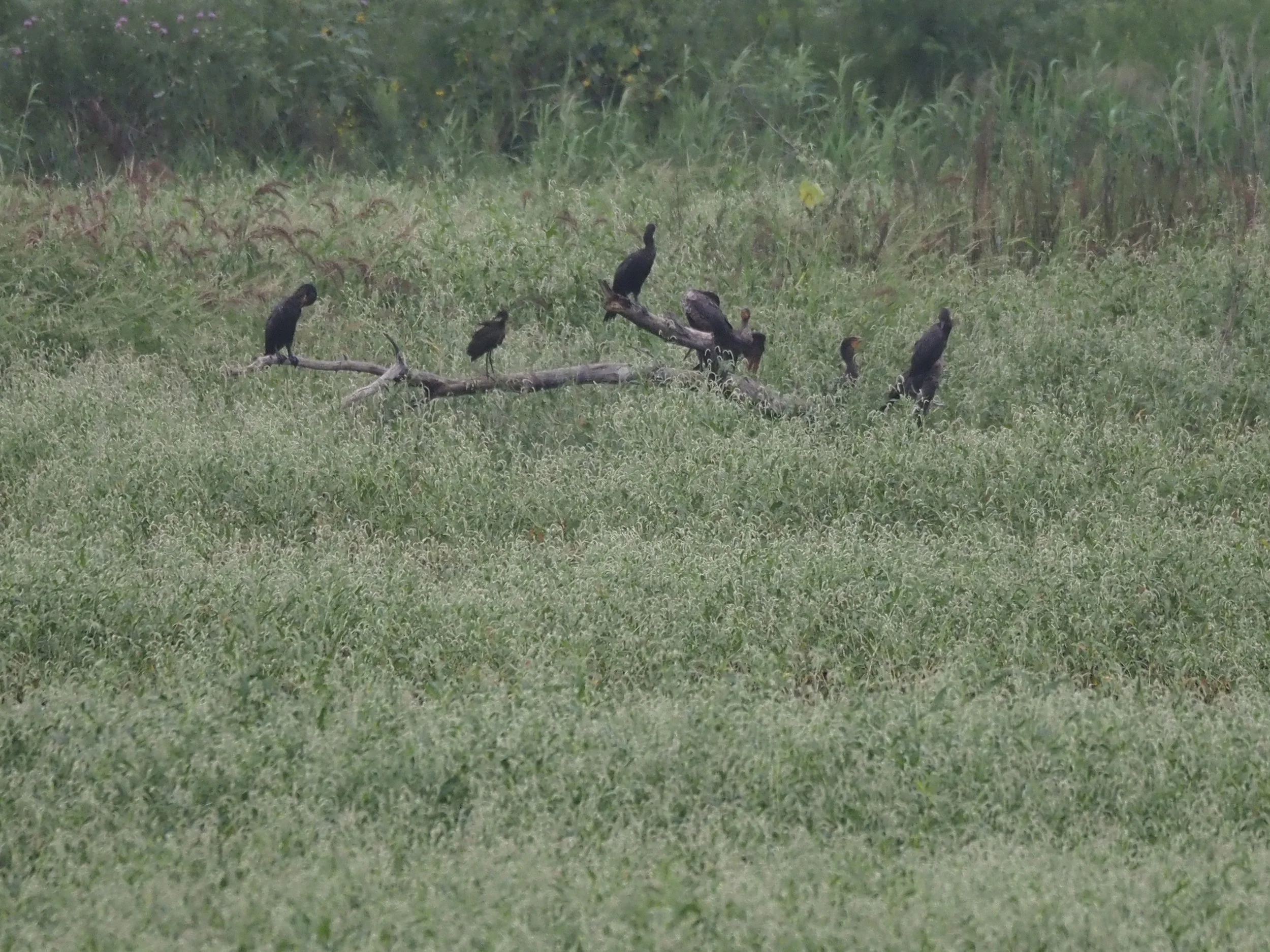
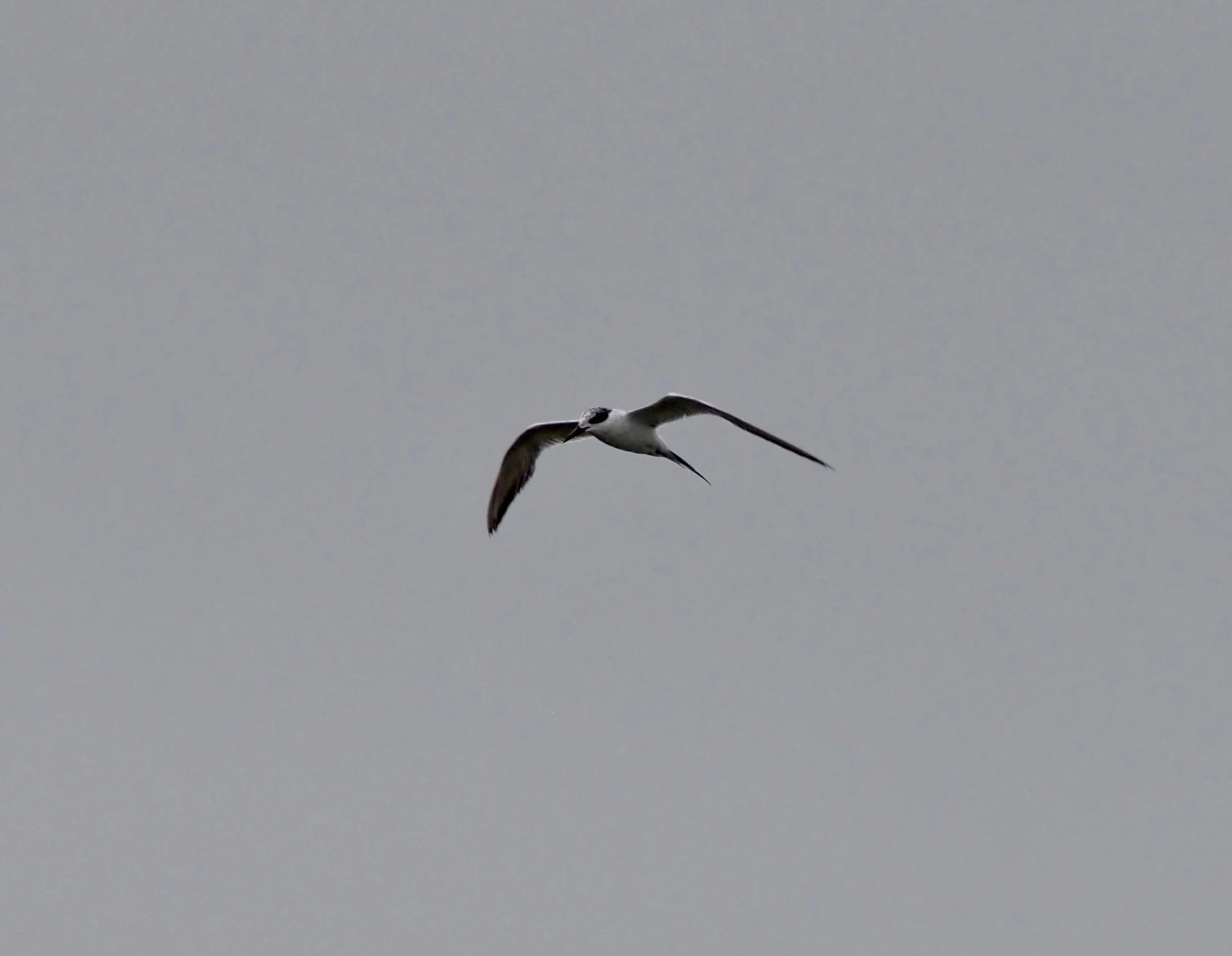
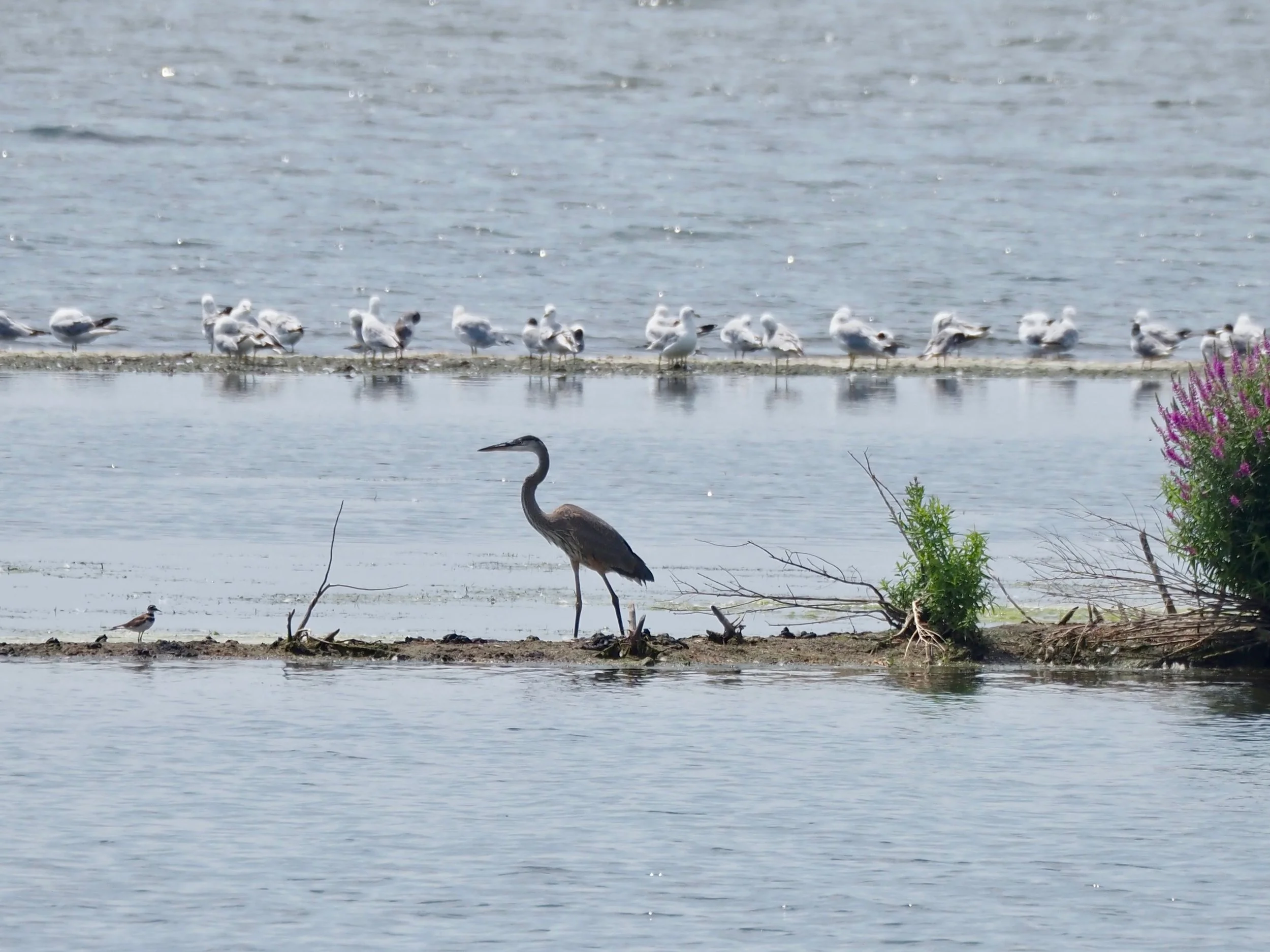
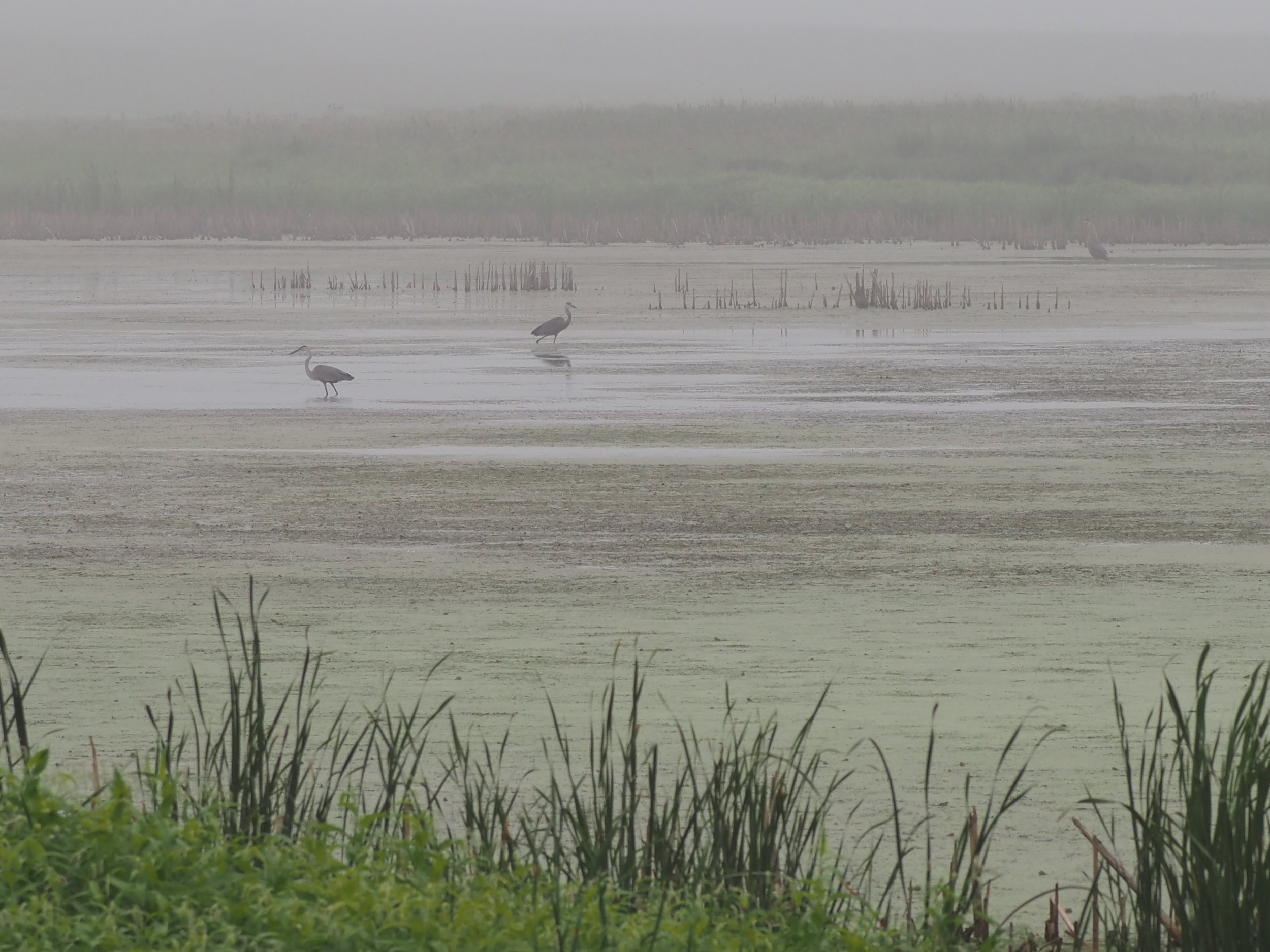
With that in mind, the Chapter decided to visit the Park on Saturday, August 15, just a few days after it had re-opened following the devastating windstorm of this past May. A stark landscape confronted us following the removal of ALL mature cottonwoods in the campground and picnic areas. Only the much smaller silver maple and honey locust trees improved the scenery and provided shade. Due to the influx of power plant water, the lake’s water level was near normal but was obscured by much emergent vegetation that had grown during the very low levels of May and June. Shorelines, sandbars and shallows and probably nearly all the birds present, were obscured. Our walk to the Gilchrist Foundation’s viewing deck, allowed us much better views of the open water, where Black Terns and Forster’s Terns scanned the water for insects and small fish. Great Blue Herons squabbled and hunted in the vegetation, and several Double-crested Cormorants basked on a log in the sun. All in all, we were disappointed in the lack of shorebird habitat and scarcity of large waders like egrets and herons.
Subsequent stops at Sandhill Lake revealed low water but Marsh Wrens. Owego Wetlands were similar but afforded views of Blue Grosbeaks and Willow Flycatchers. By 12:30 Walker’s award-winning pork tenderloins were generating more interest than the birds we were seeing, so most of the remaining participants drove into Salix to check them out. After some impressive offerings at Walker’s, and the dispersal of our participants, Kevin Kerr noticed a smaller bird in his images of the cormorants at Snyder Bend. The bird appeared to be an ibis, so the Kerrs returned to the Gilchrist Deck to confirm its presence and identity. Their find became our “bird of the day,” and notifications were sent out of this delayed find, prompting several to look for this uncommon migrant on Sunday and Monday. Those observers judged the bird to be a juvenile of either White-faced Ibis or Glossy Ibis, but most likely the former.
In all, 57 species were recorded by the group.
Highlights: Plegadis Ibis species, Common Nighthawk, Black Tern, Forster’s Tern, Double-crested Cormorant, Willow Flycatcher, Western Kingbird, Purple Martin, Sedge Wren, Ruby-crowned Kinglet, Marsh Wren, Blue Grosbeak and Pork Tenderloins.
For a complete list with numbers seen and sites recorded, see https://ebird.org/tripreport/562288
14 Participants: Marla & Kevin Kerr, Robert Sopher & Kayla Sheehan, Ellen, Rex Rundquist, Bob Nickolson, Jerry Probst, Rob Towler, Steve Zarych, Kathy Koskevich, Kelli Kuhl, Jerry Mennenga and Bill Huser.
Species list with targets and highlights in bold:
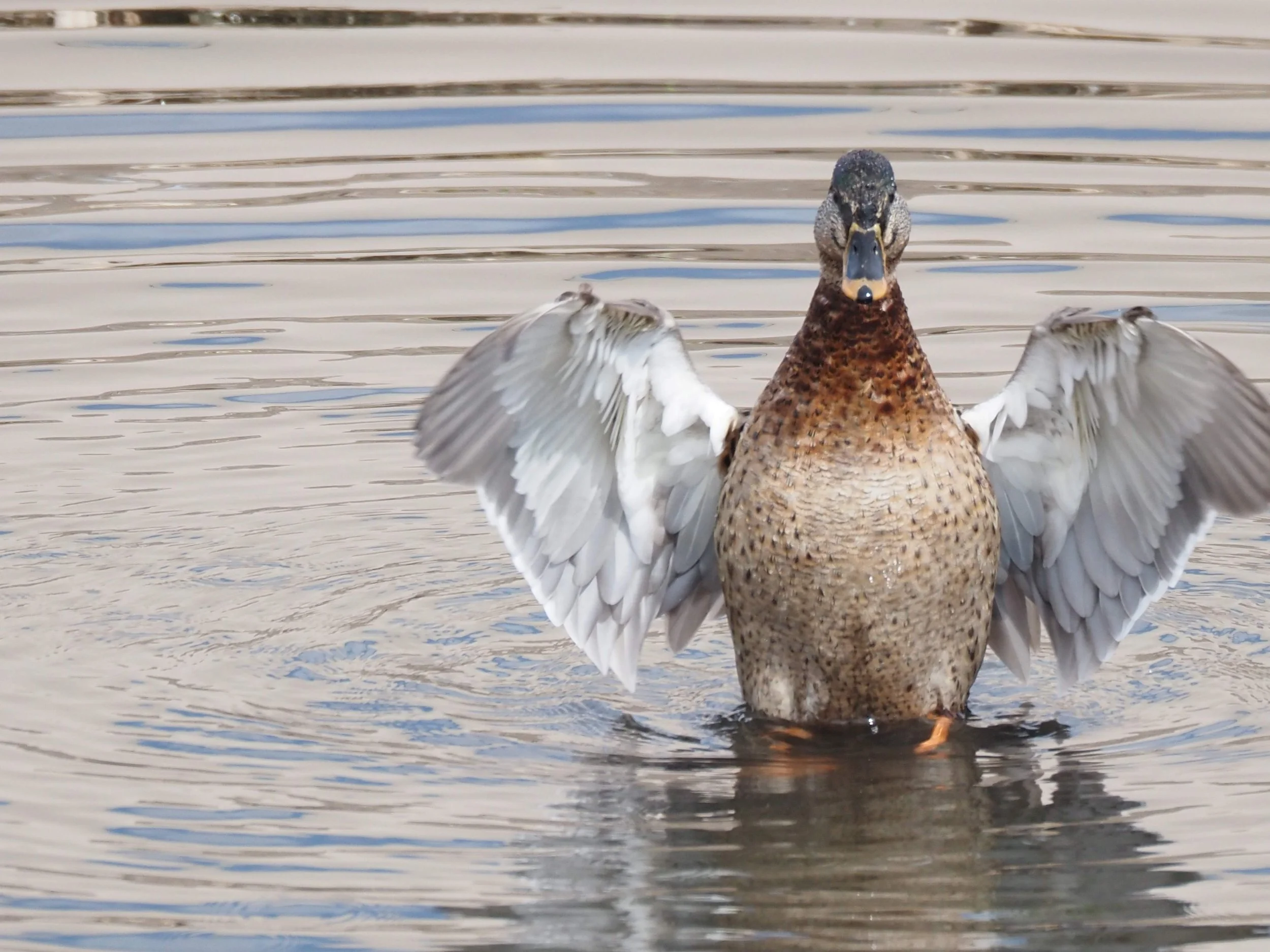
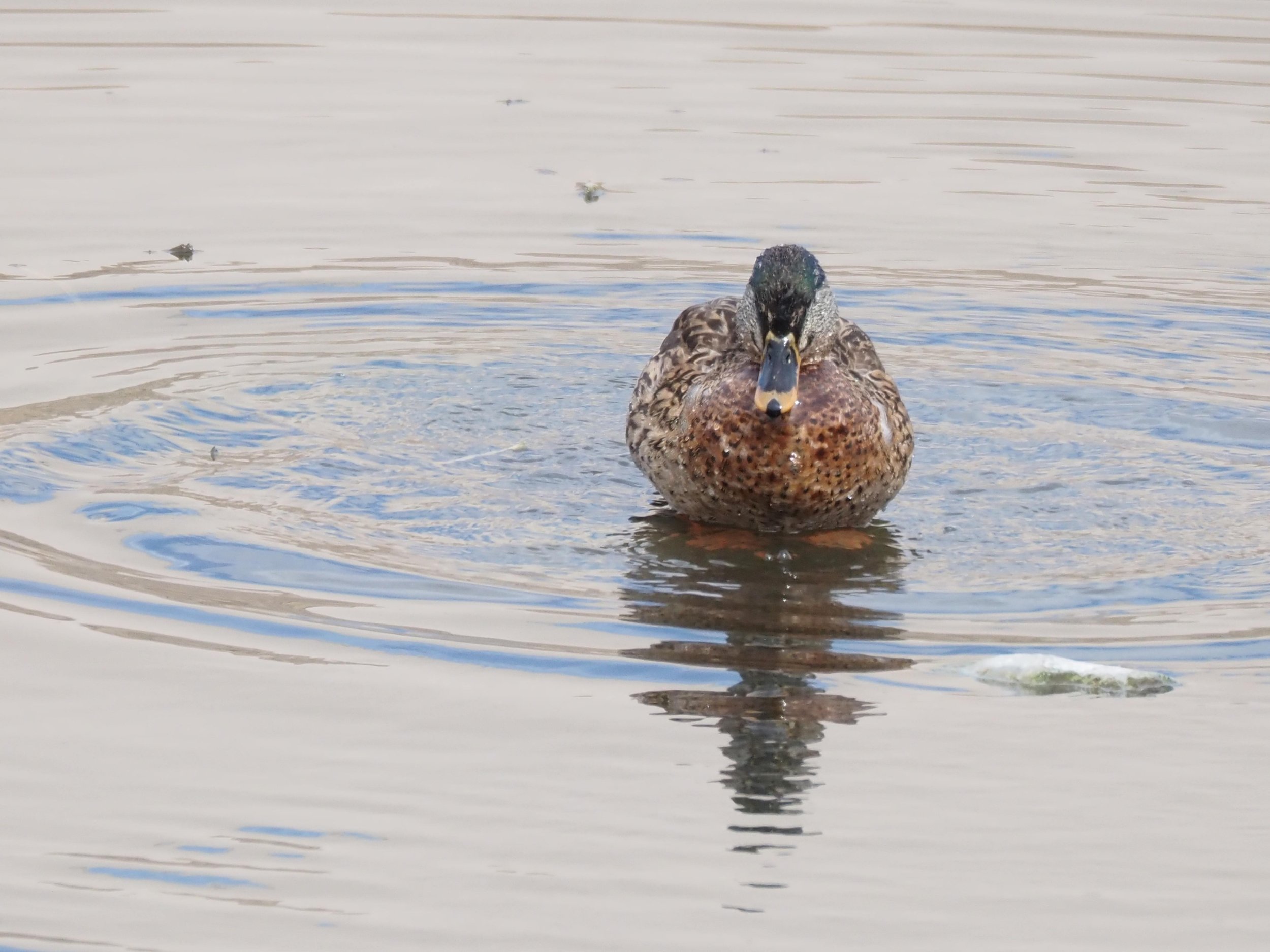
Canada Goose, Wood Duck, Mallard,
Ring-necked Pheasant
Mourning Dove
Common Nighthawk, Chimney Swift,
Killdeer,
Forster’s Tern, Black Tern
Pied-billed Grebe, Double-crested Cormorant, Great Blue Heron,
Turkey Vulture,
Red-headed Woodpecker, Red-bellied Woodpecker, Downy Woodpecker, Northern Flicker,
Eastern Wood Pewee, Willow Flycatcher, Western Kingbird, Eastern Kingbird,
Bell’s Vireo, E. Warbling Vireo,
Blue Jay,
Tree Swallow, Purple Martin, Bank Swallow, Barn Swallow, Cliff Swallow
Ruby-crowned Kinglet,
Marsh Wren, House Wren, Sedge Wren
European Starling,
Gray Catbird, Brown Thrasher,
American Robin
Cedar Waxwing,
House Finch, American Goldfinch
Grasshopper Sparrow, Lark Sparrow,
Western Meadowlark, Baltimore Oriole, Orchard Oriole,
Red-winged Blackbird, Brown-headed Cowbird, Common Grackle
Common Yellowthroat, American Redstart, N. Yellow Warbler,
Northern Cardinal, Rose-breasted Grosbeak, Blue Grosbeak, Dickcissel
Glossy/White-faced Ibis
Report by Bill Huser, LHAS Outings Coordinator, 712-574-3107
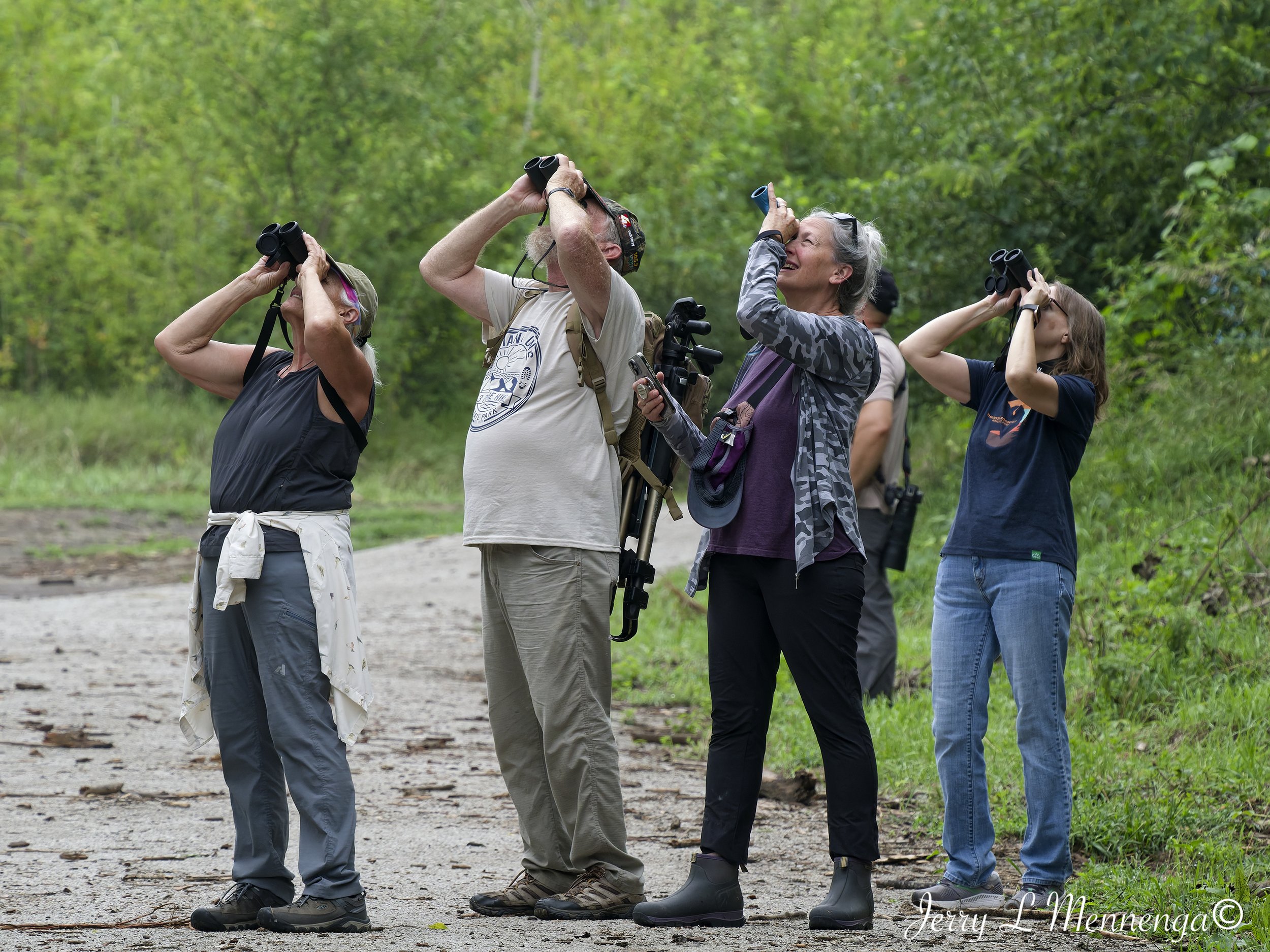
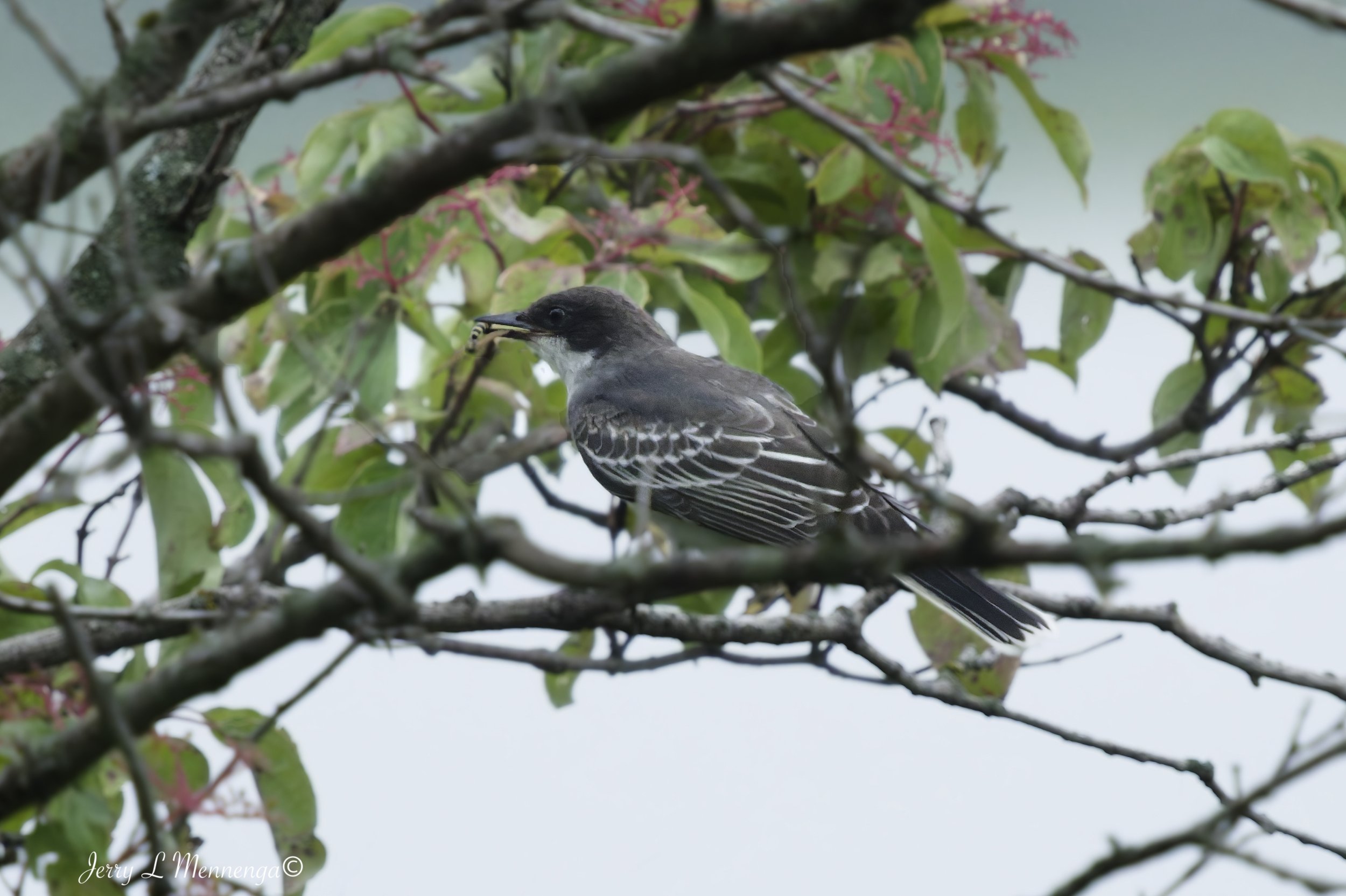
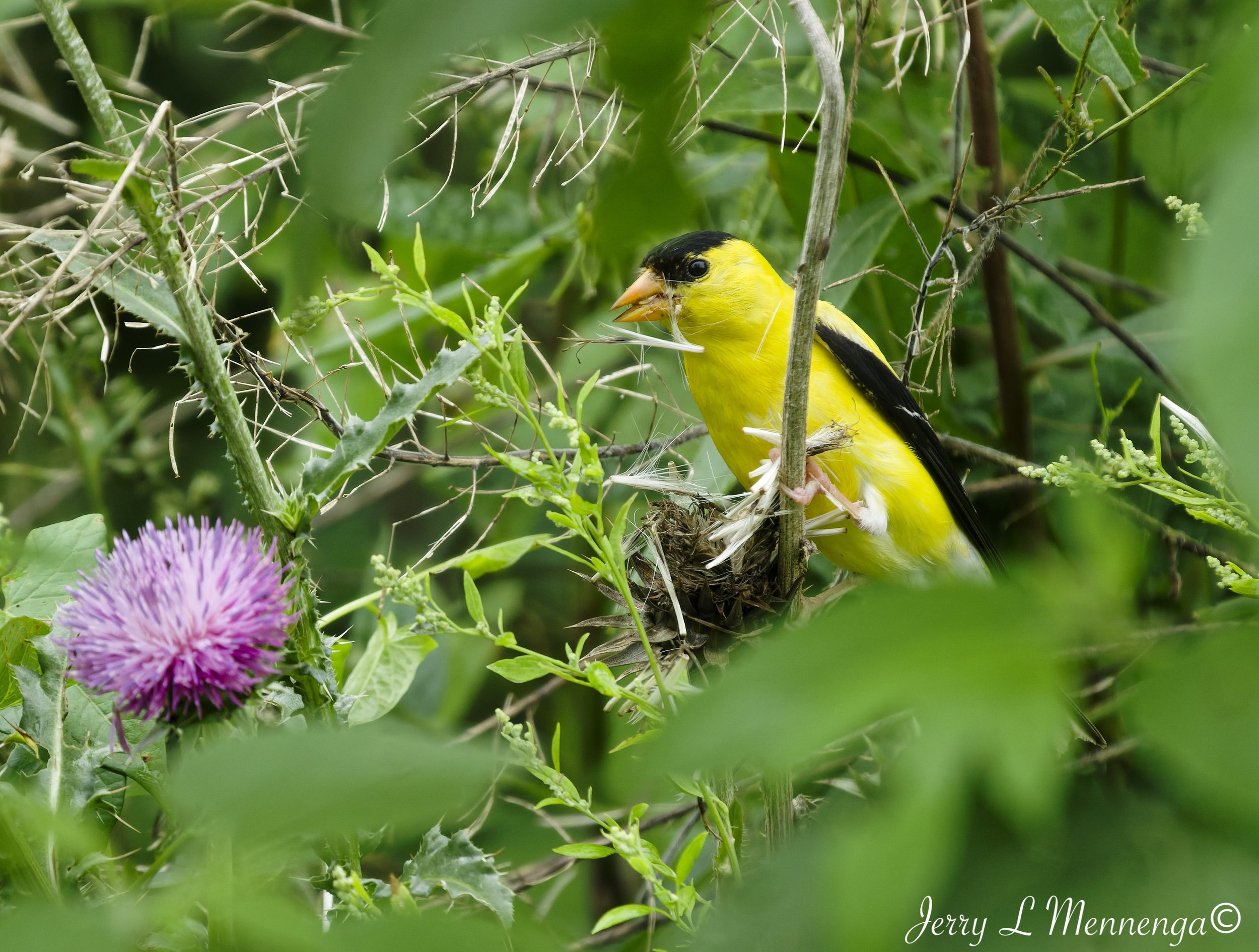
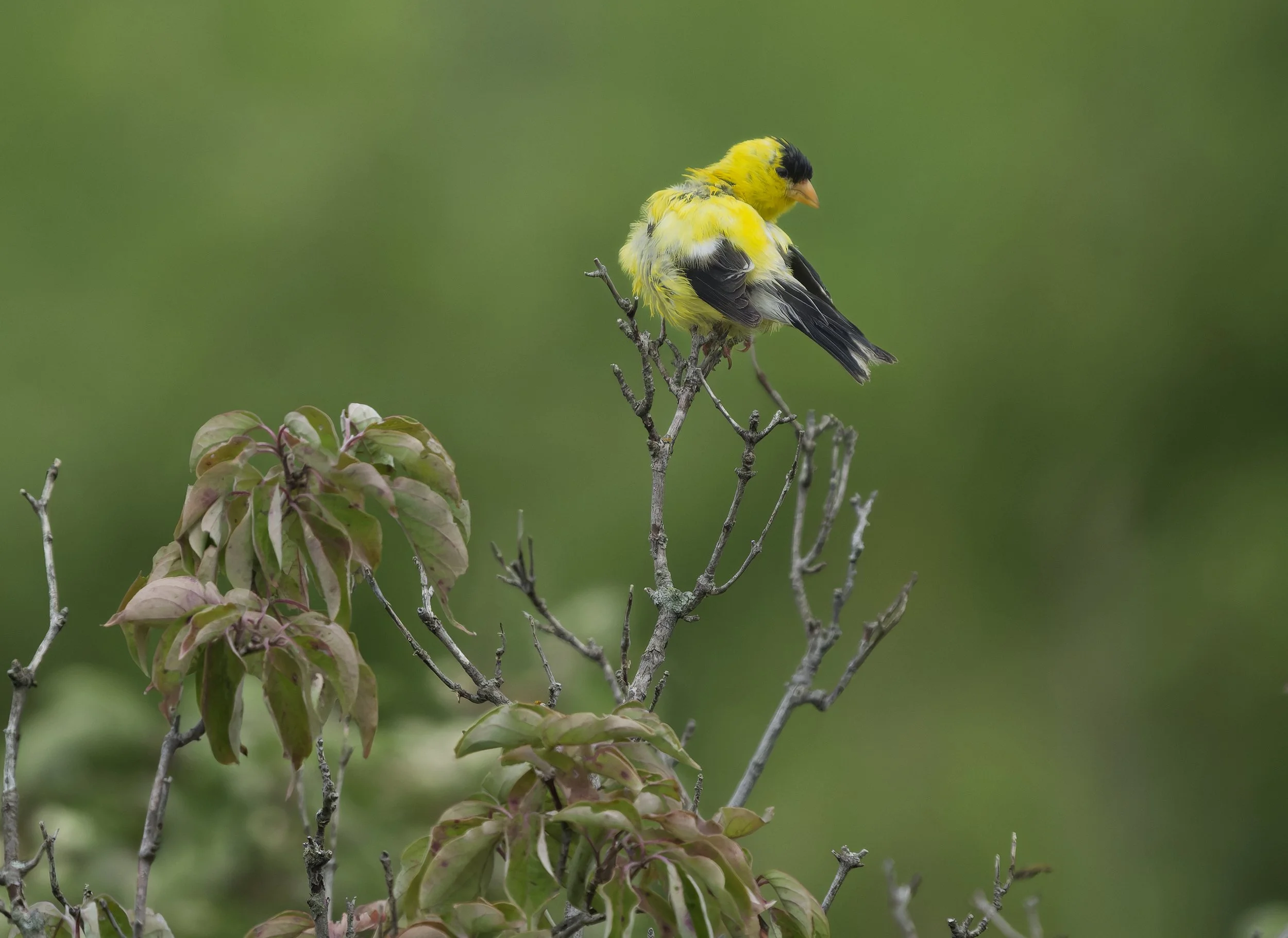
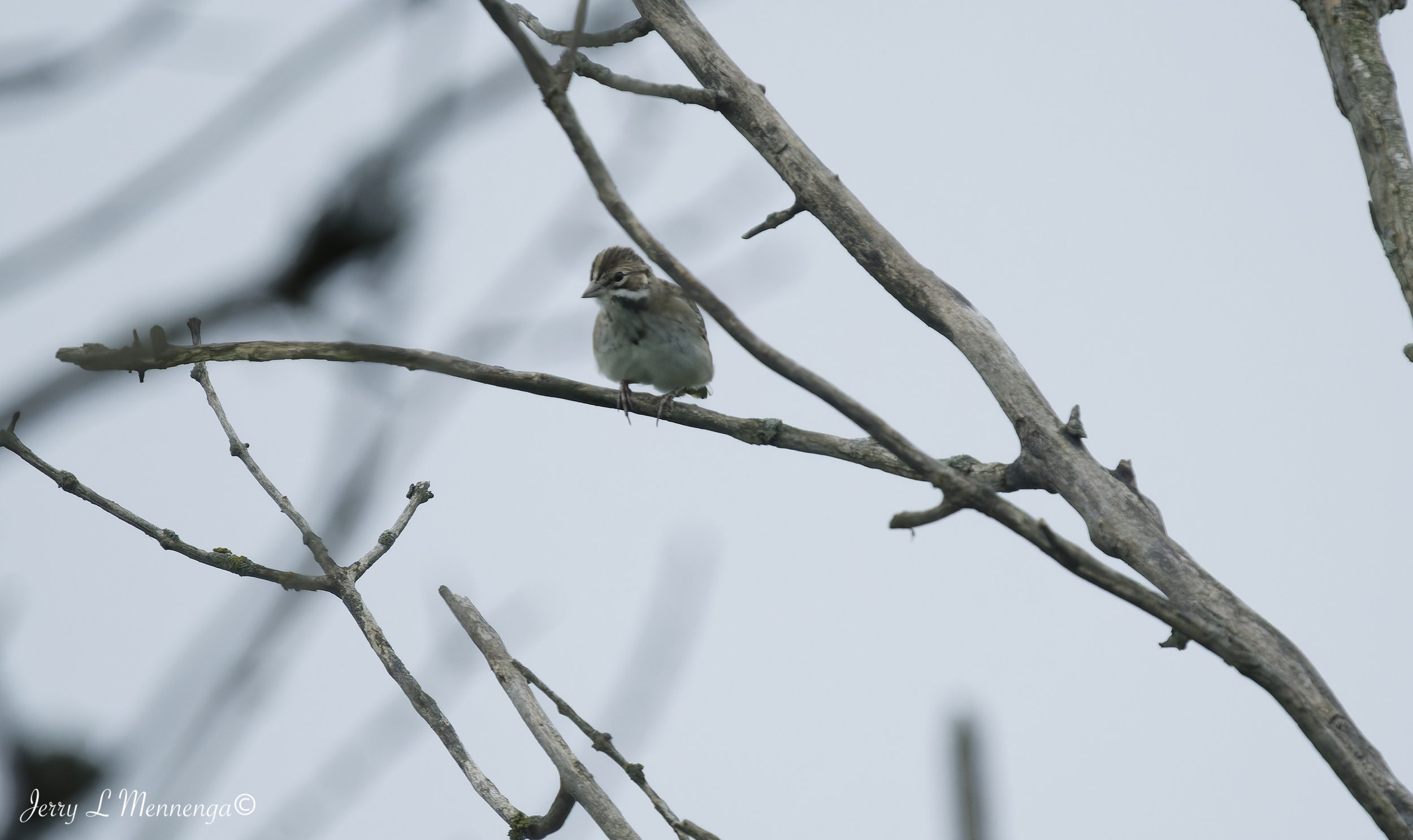
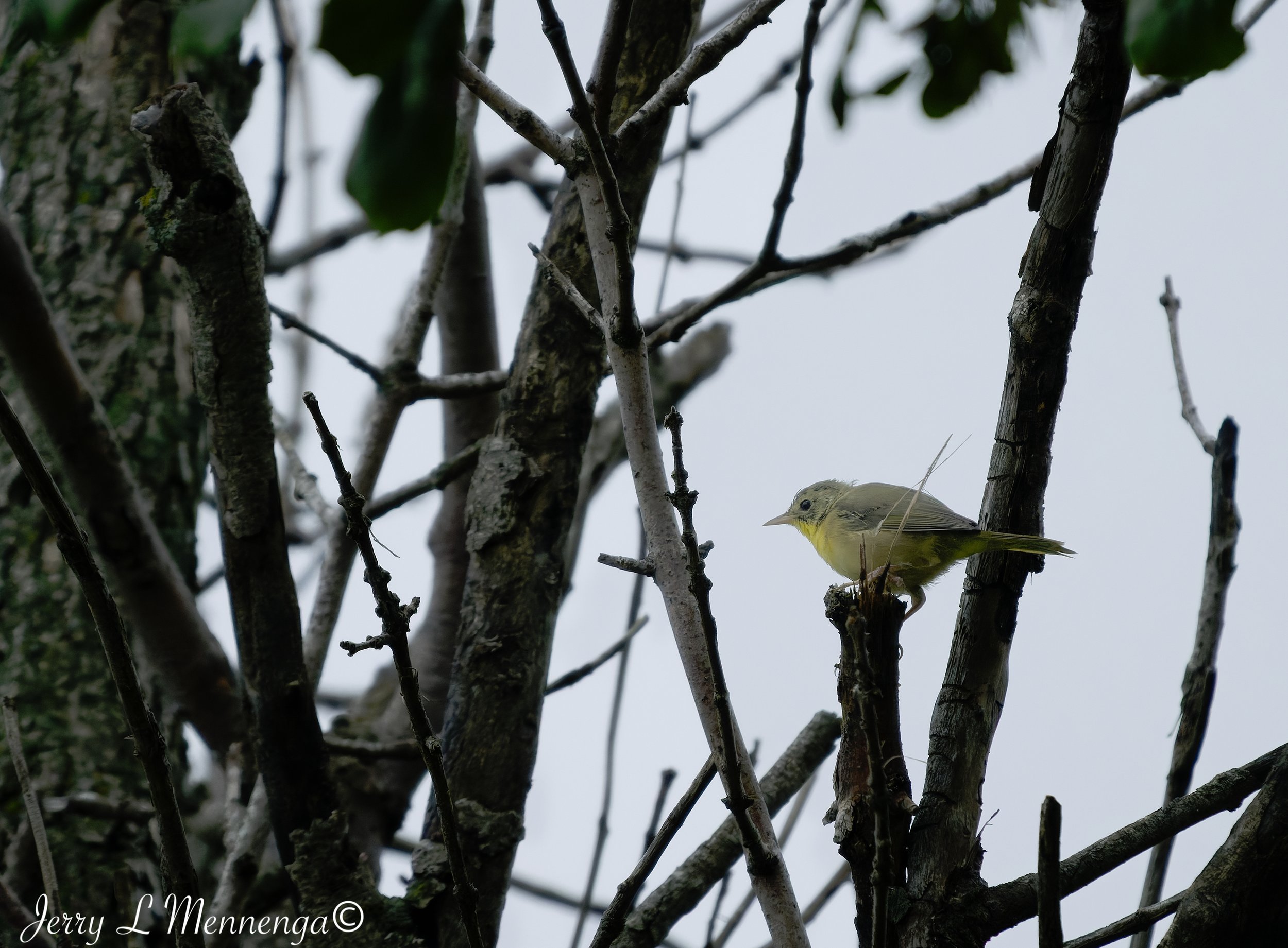
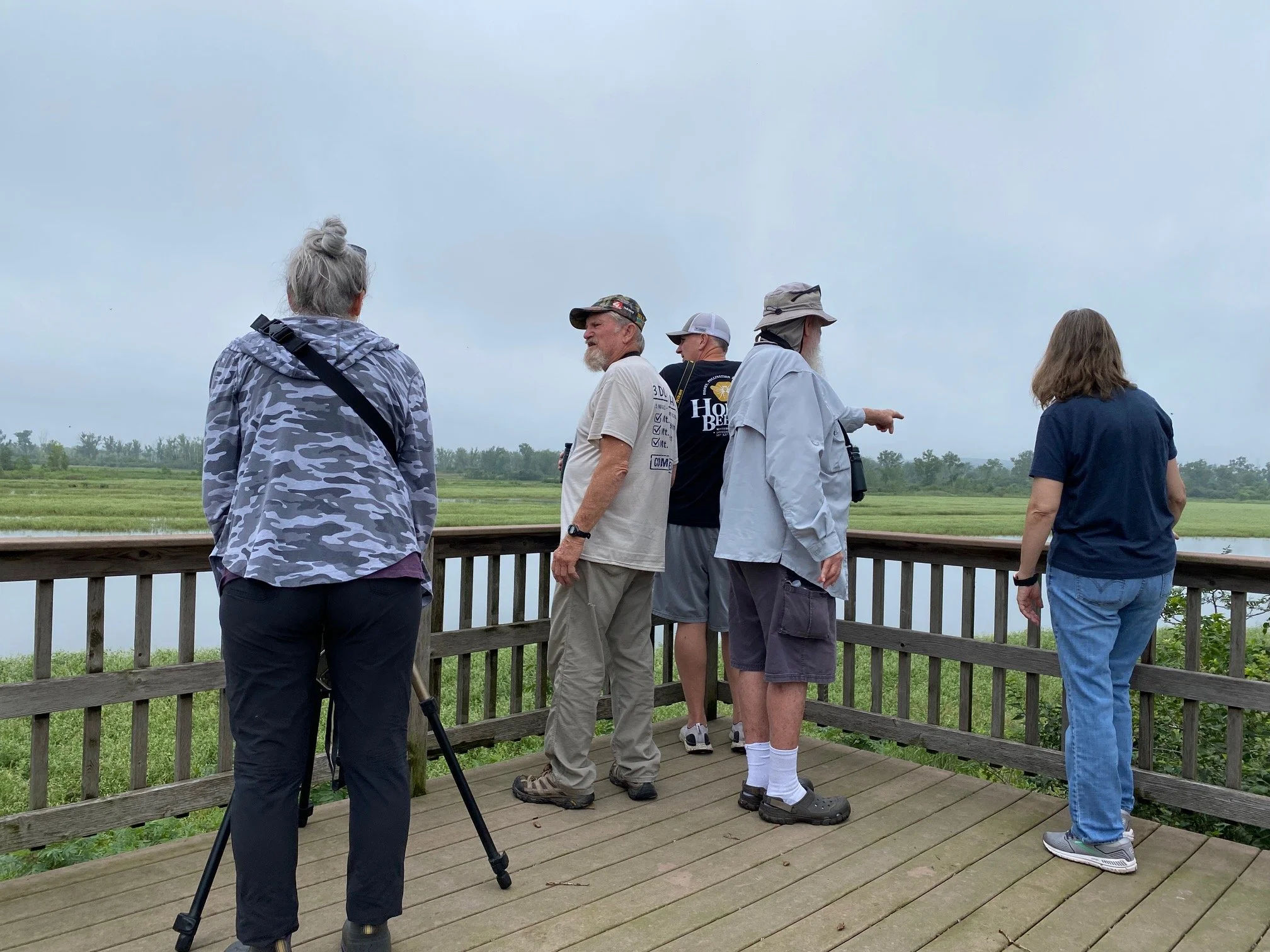
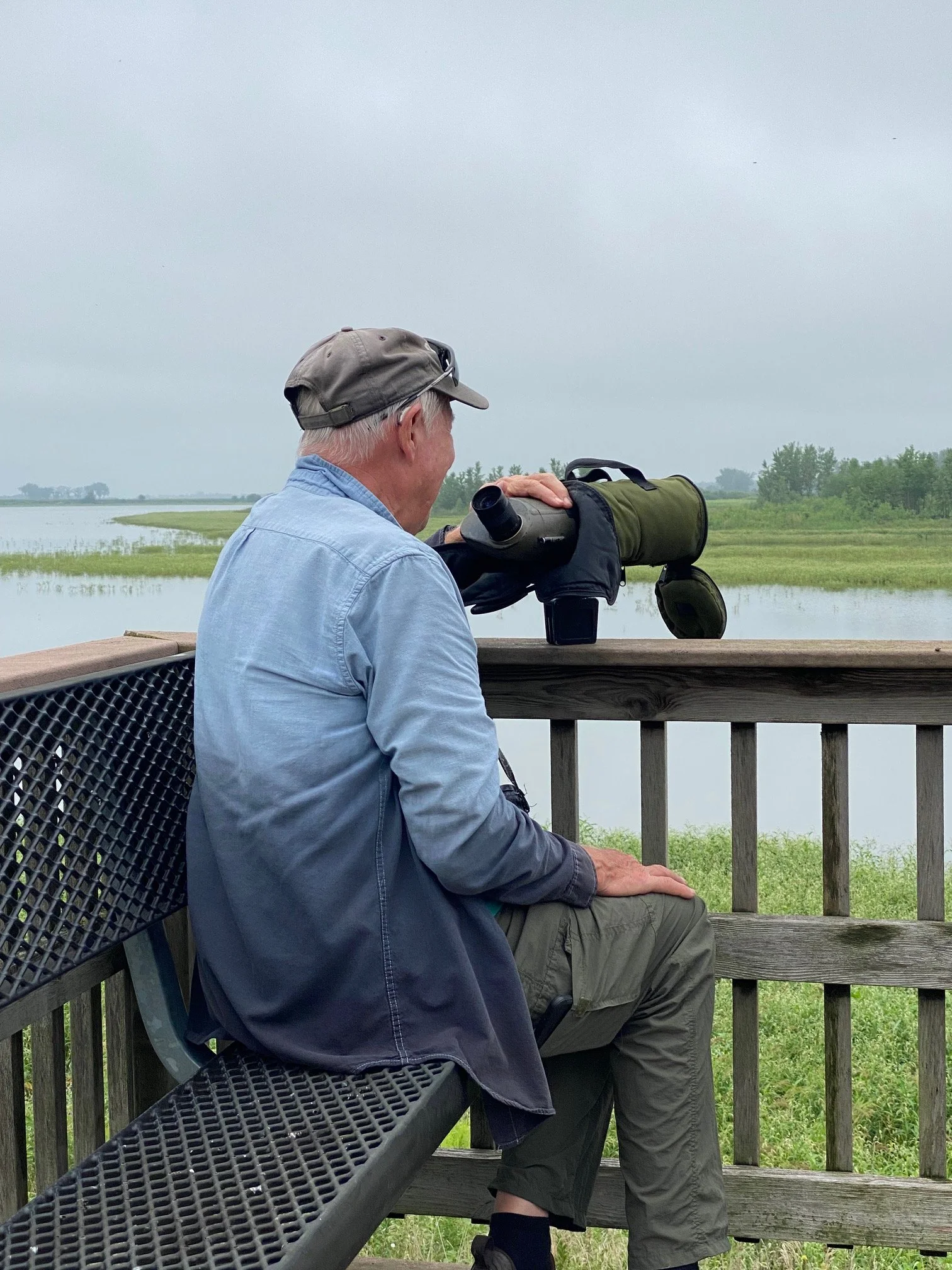
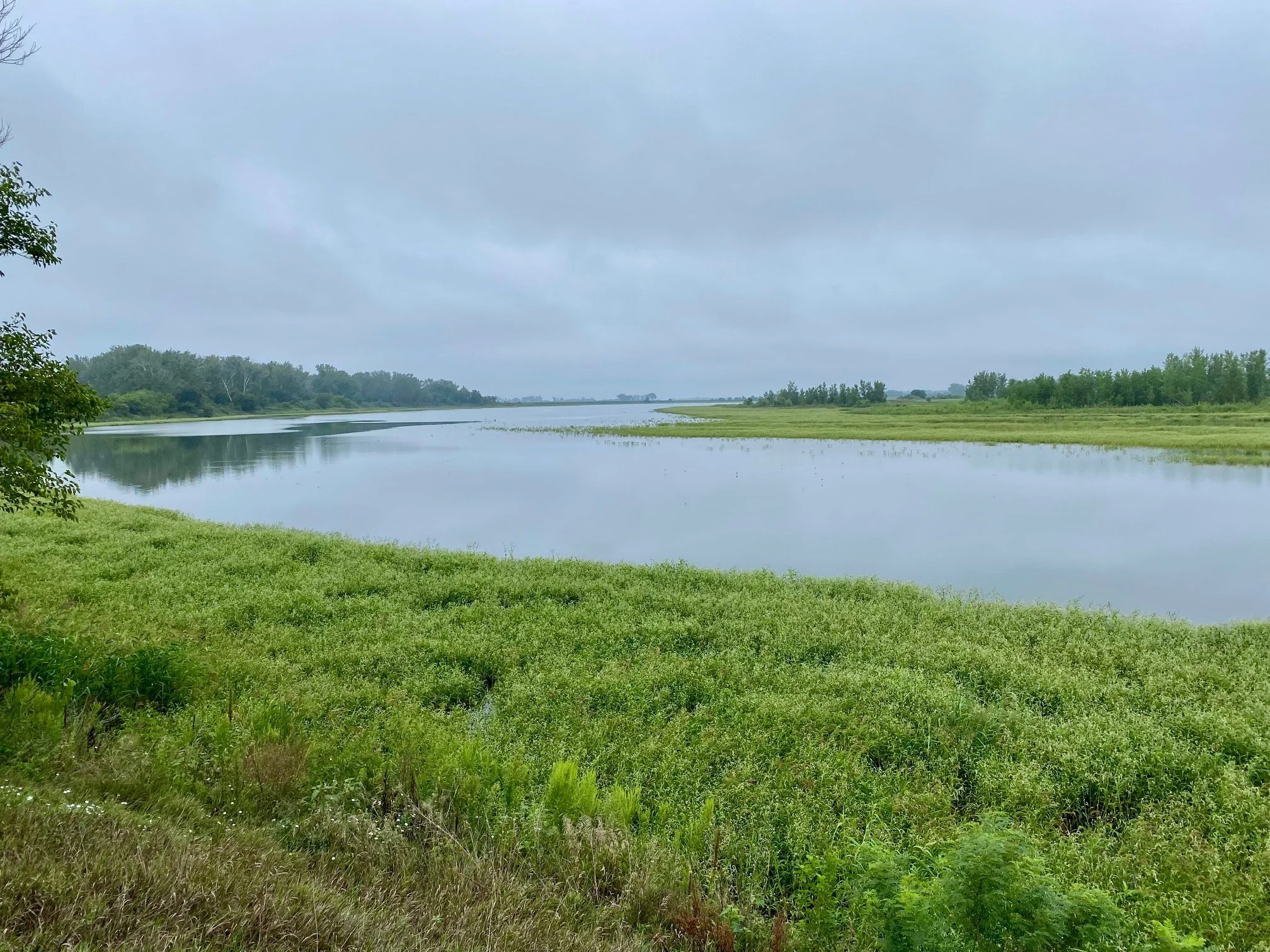
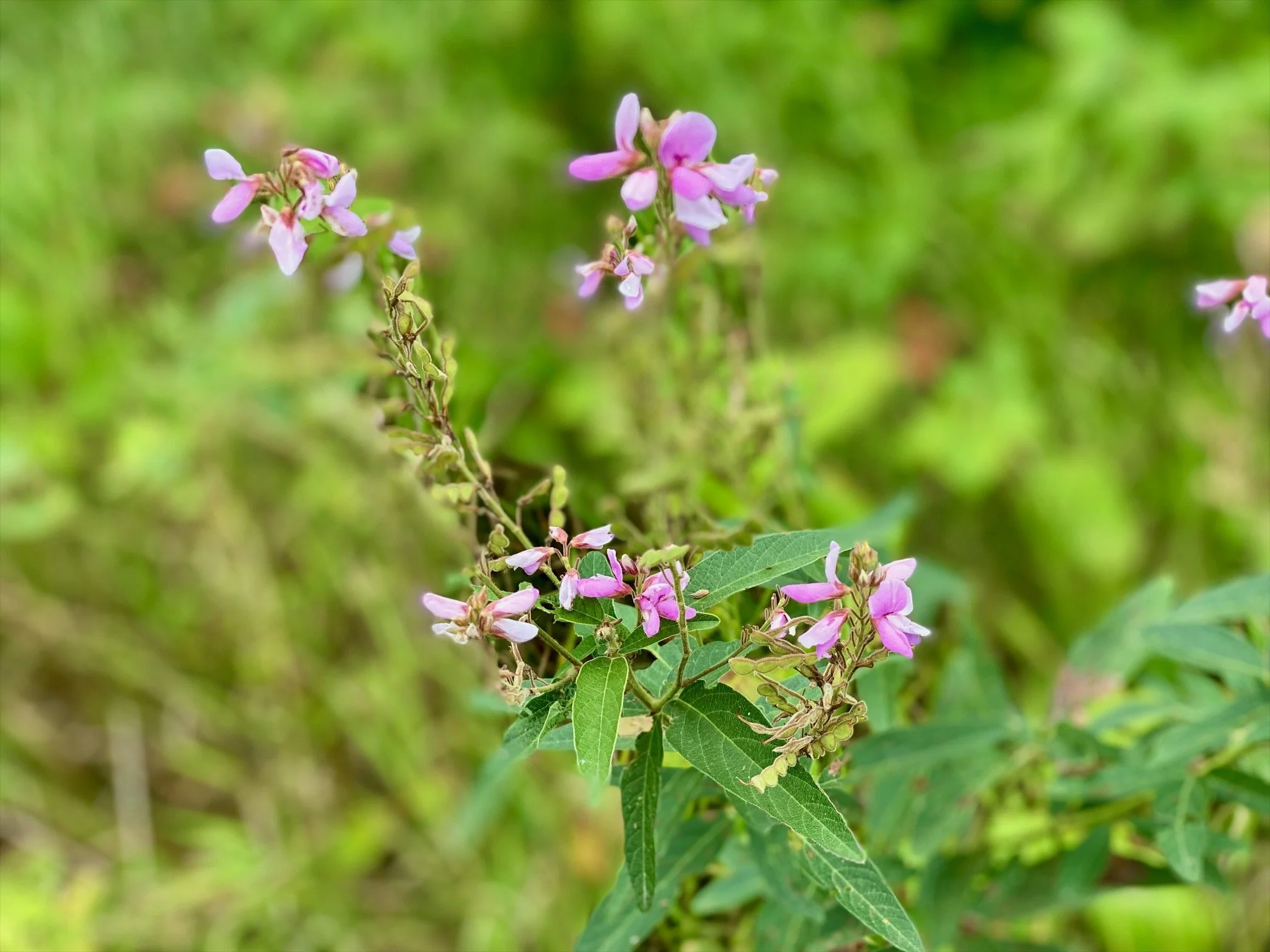
Below images copyright 2026 by Jerry L Mennenga, used with permission
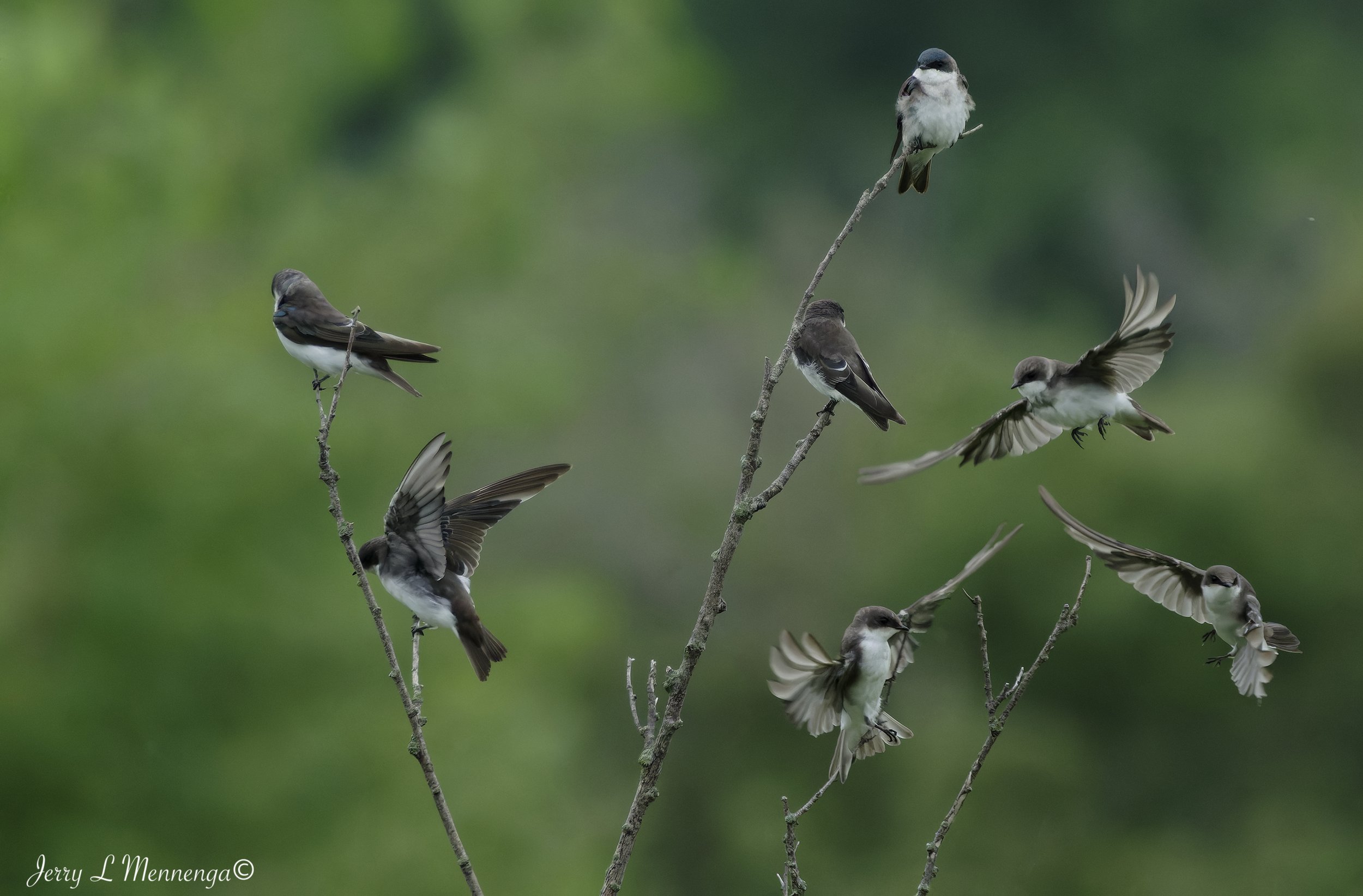
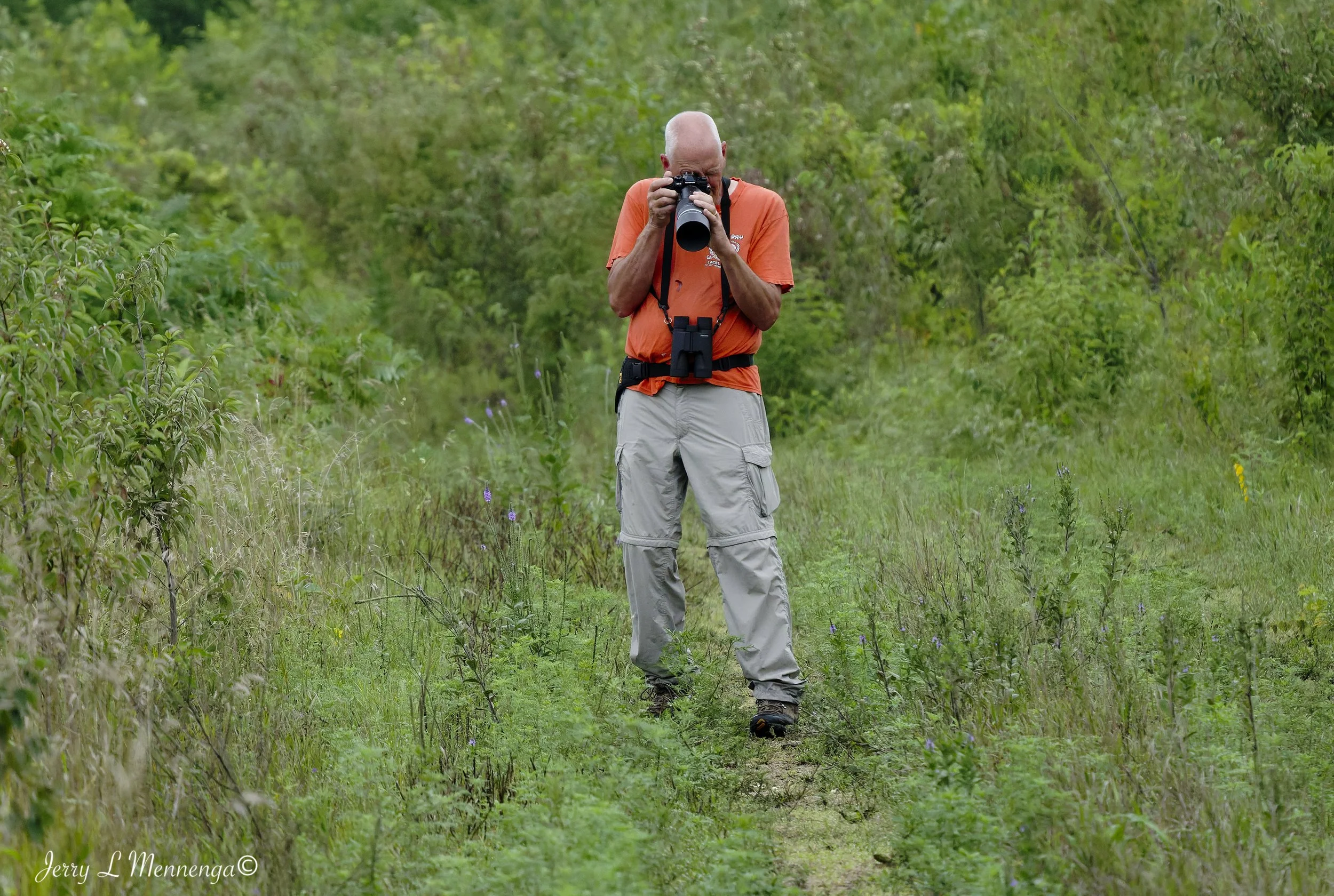
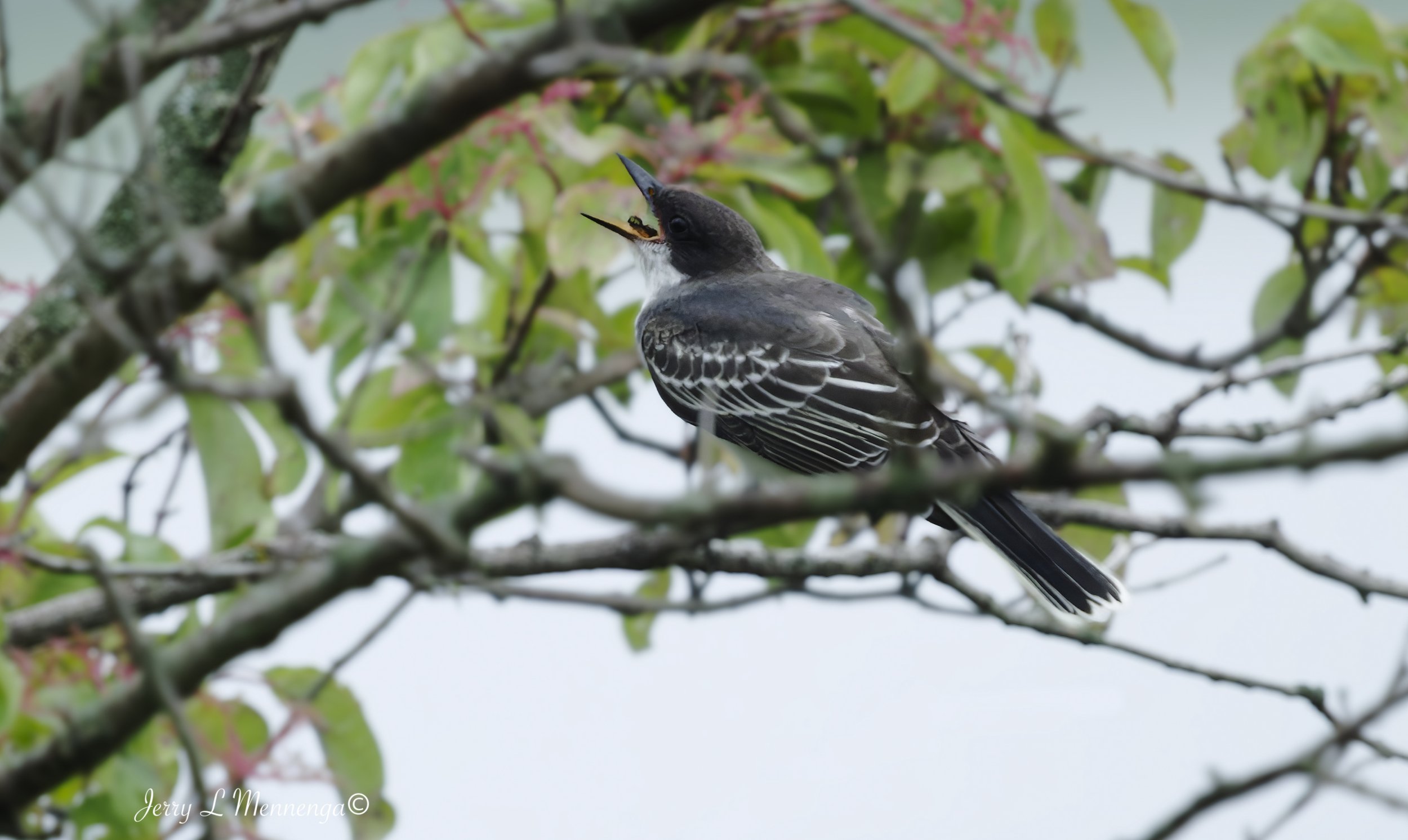
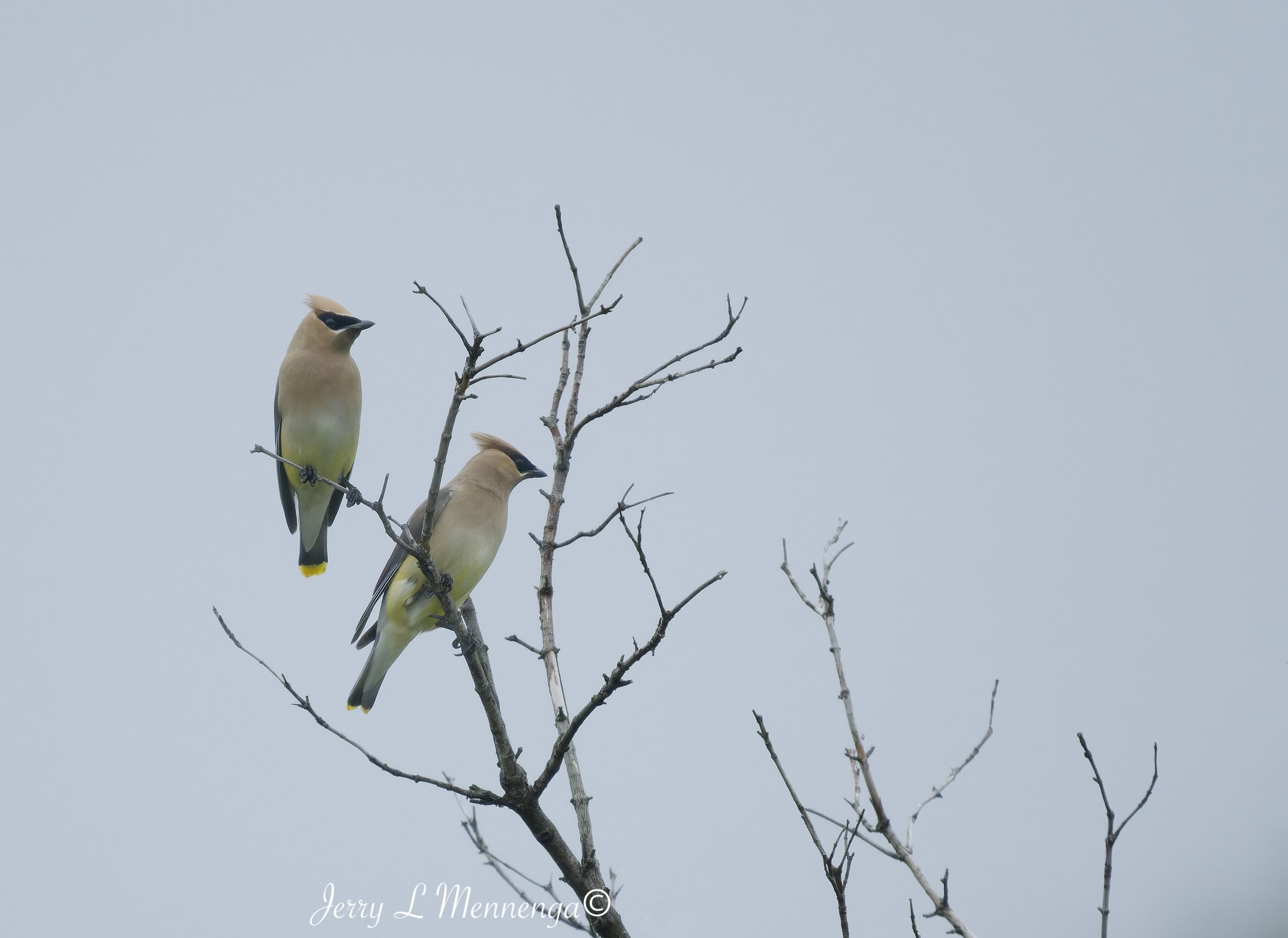
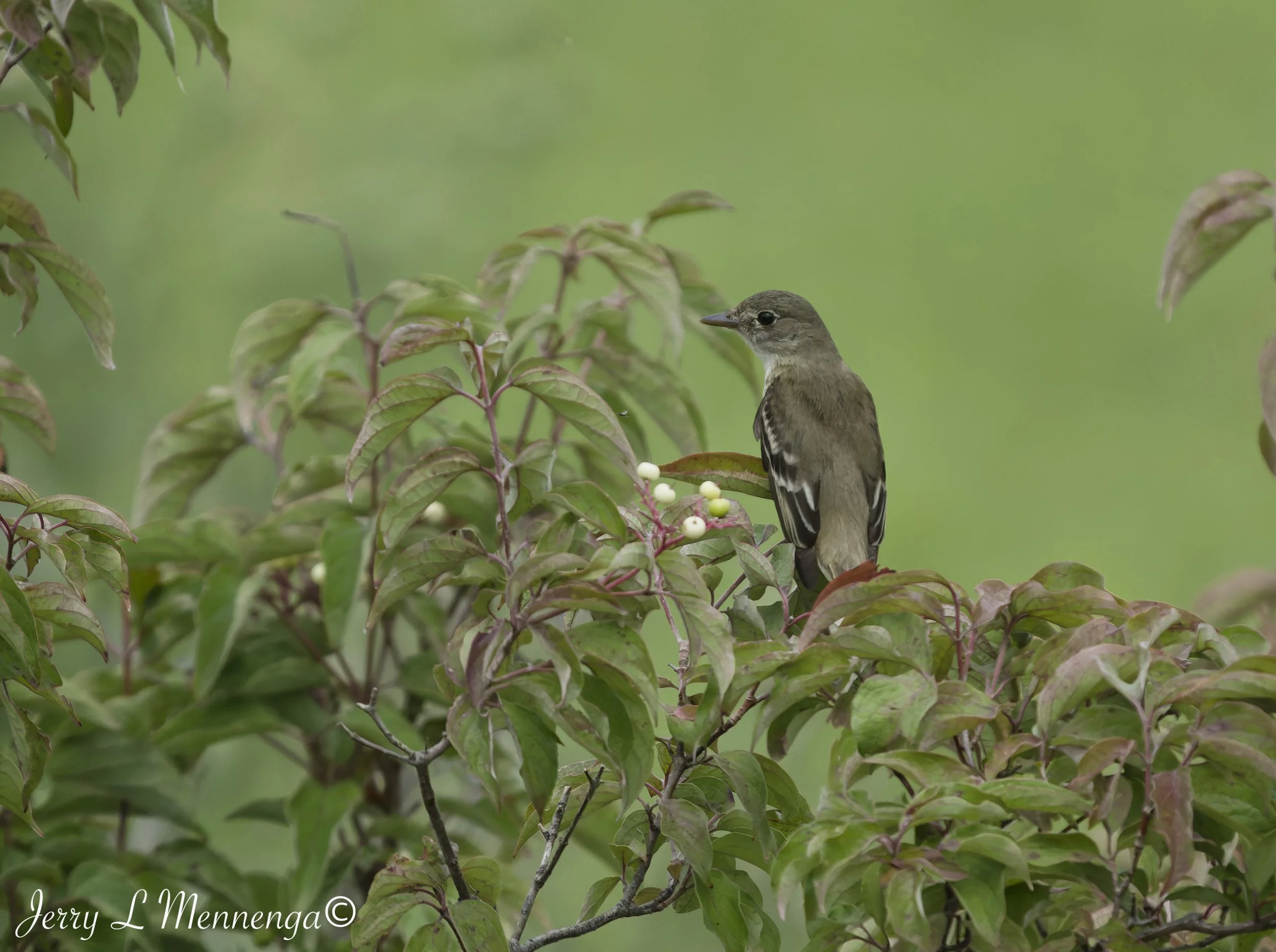
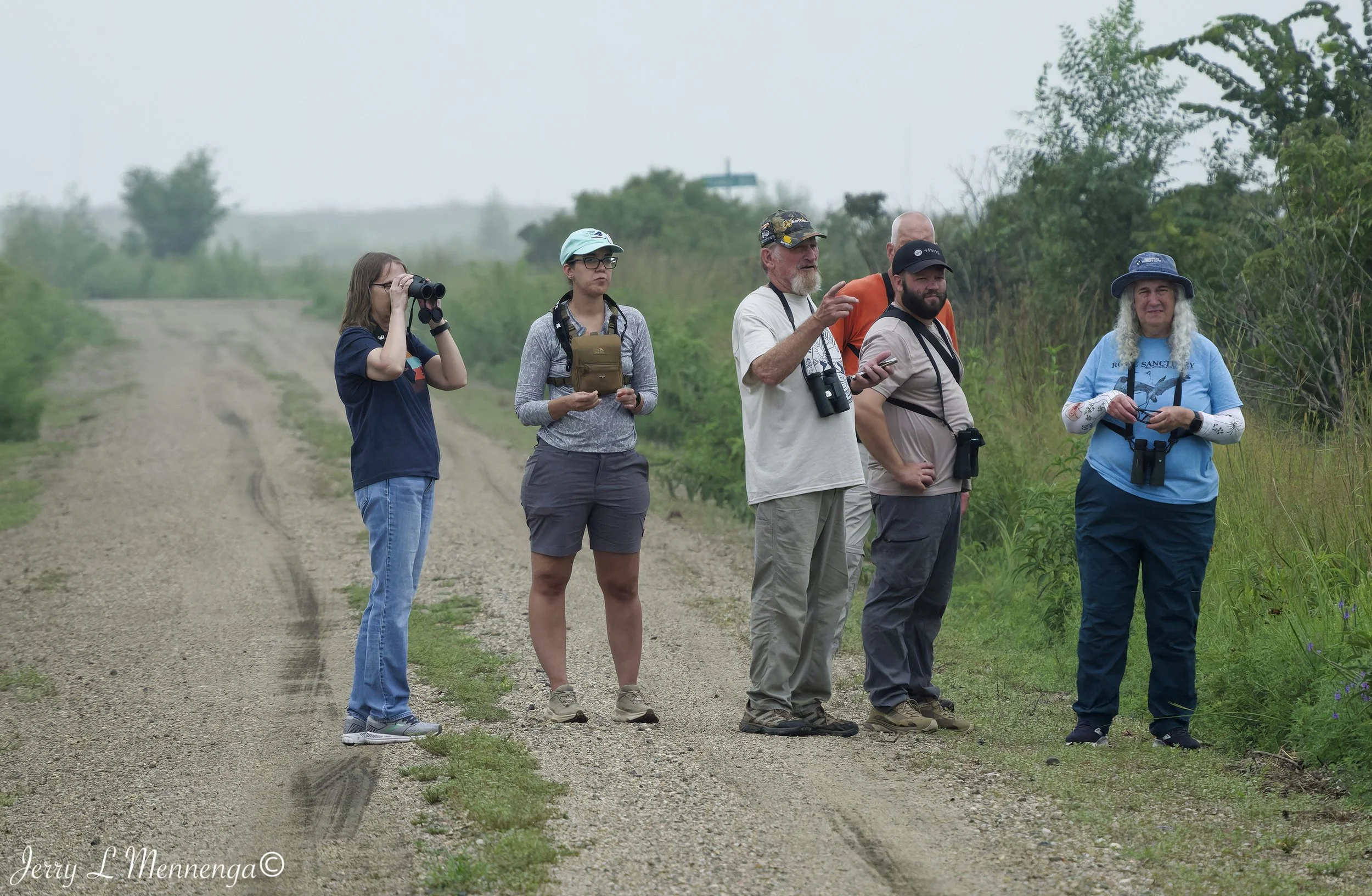
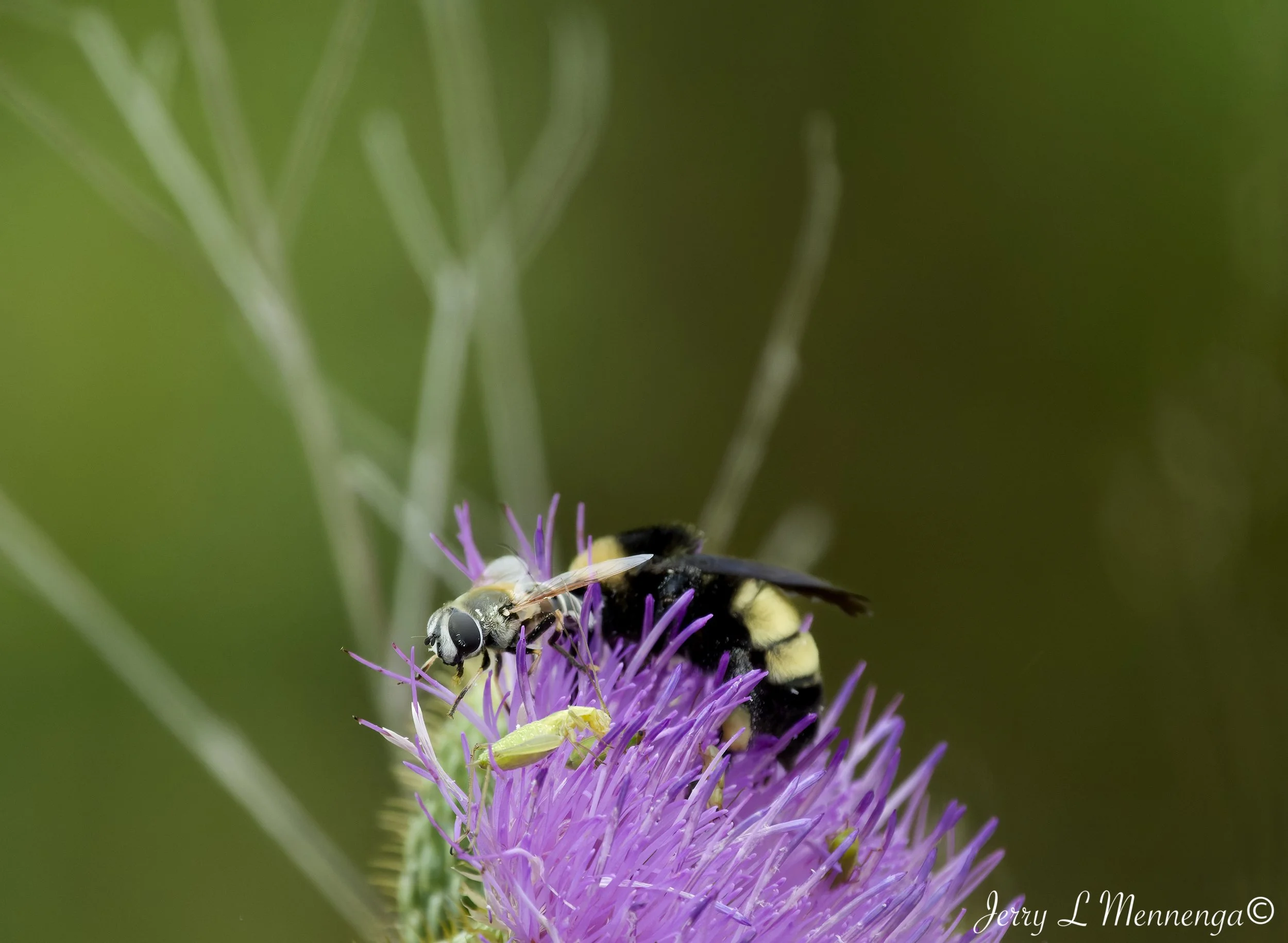
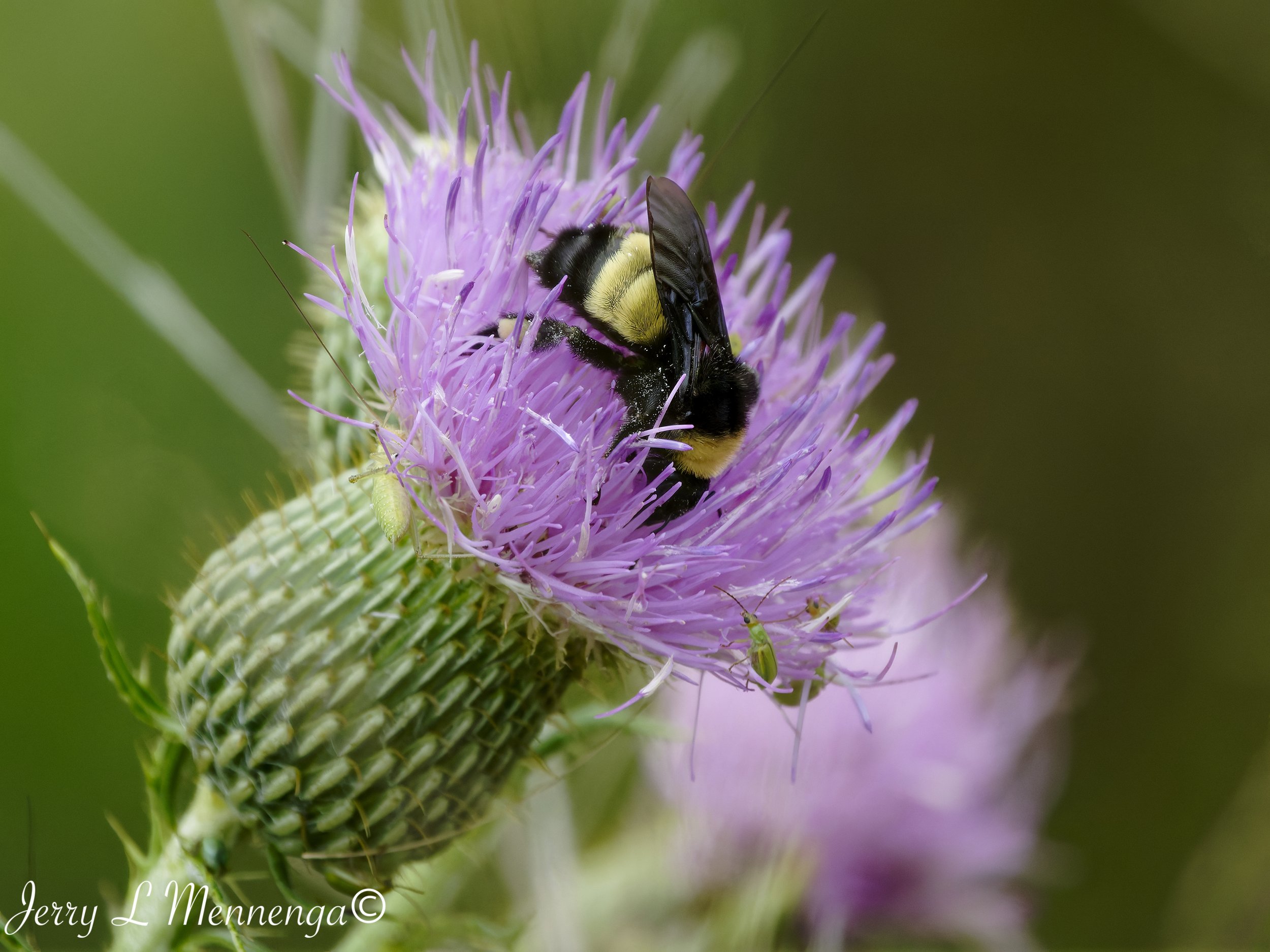
Below images copyright 2026 by Kevin J Kerr and Marla Kerr, used with permission
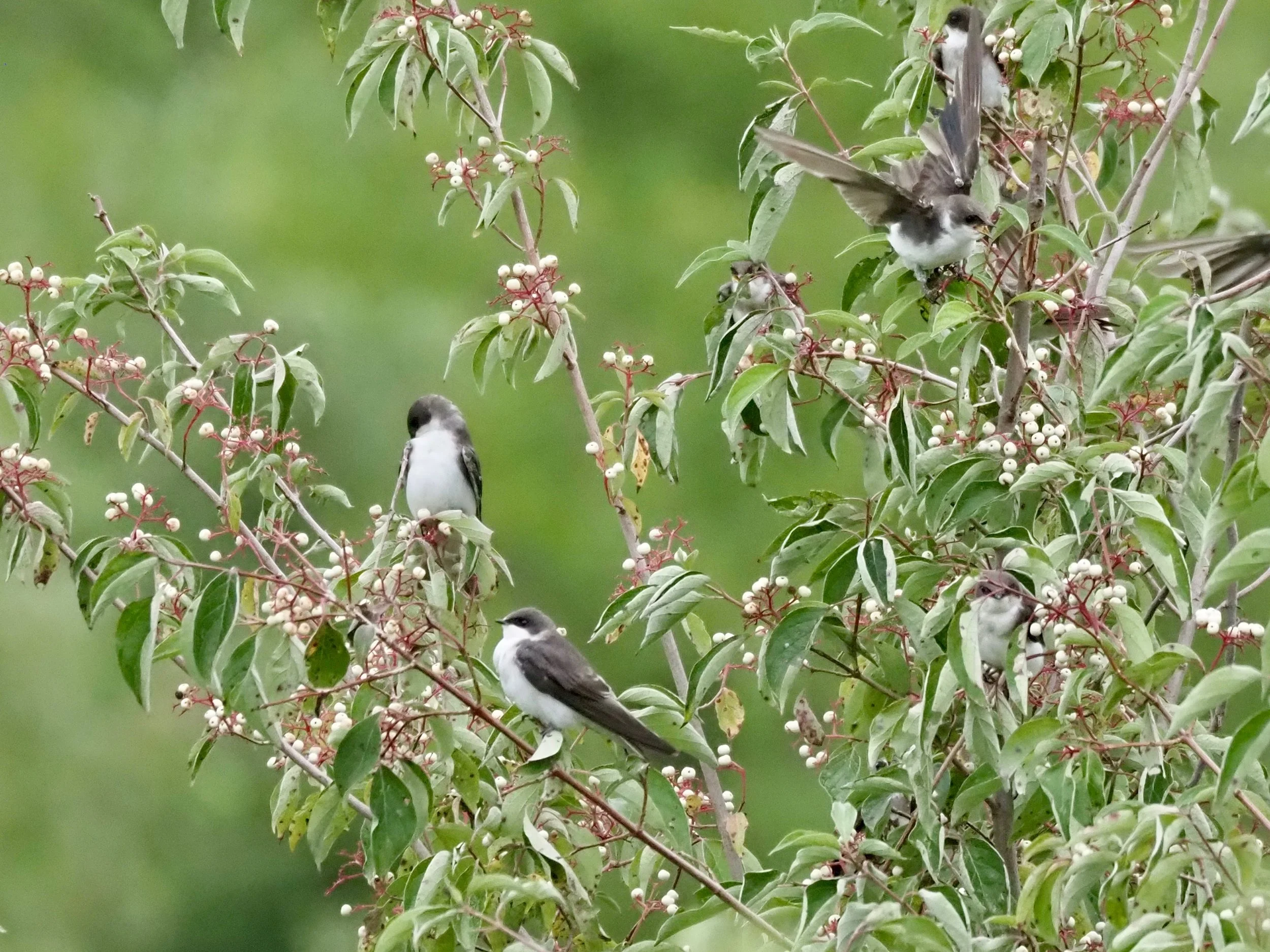
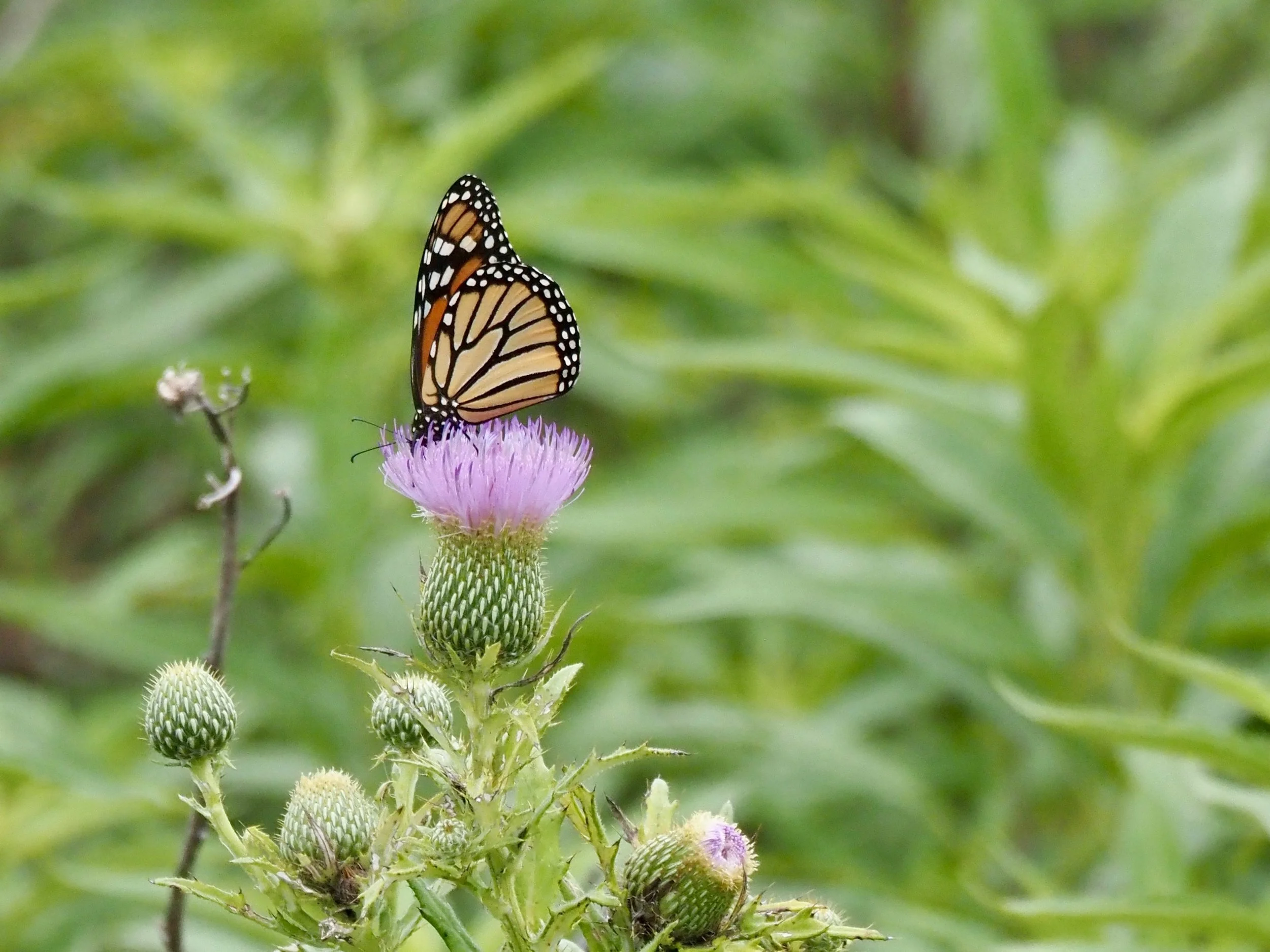
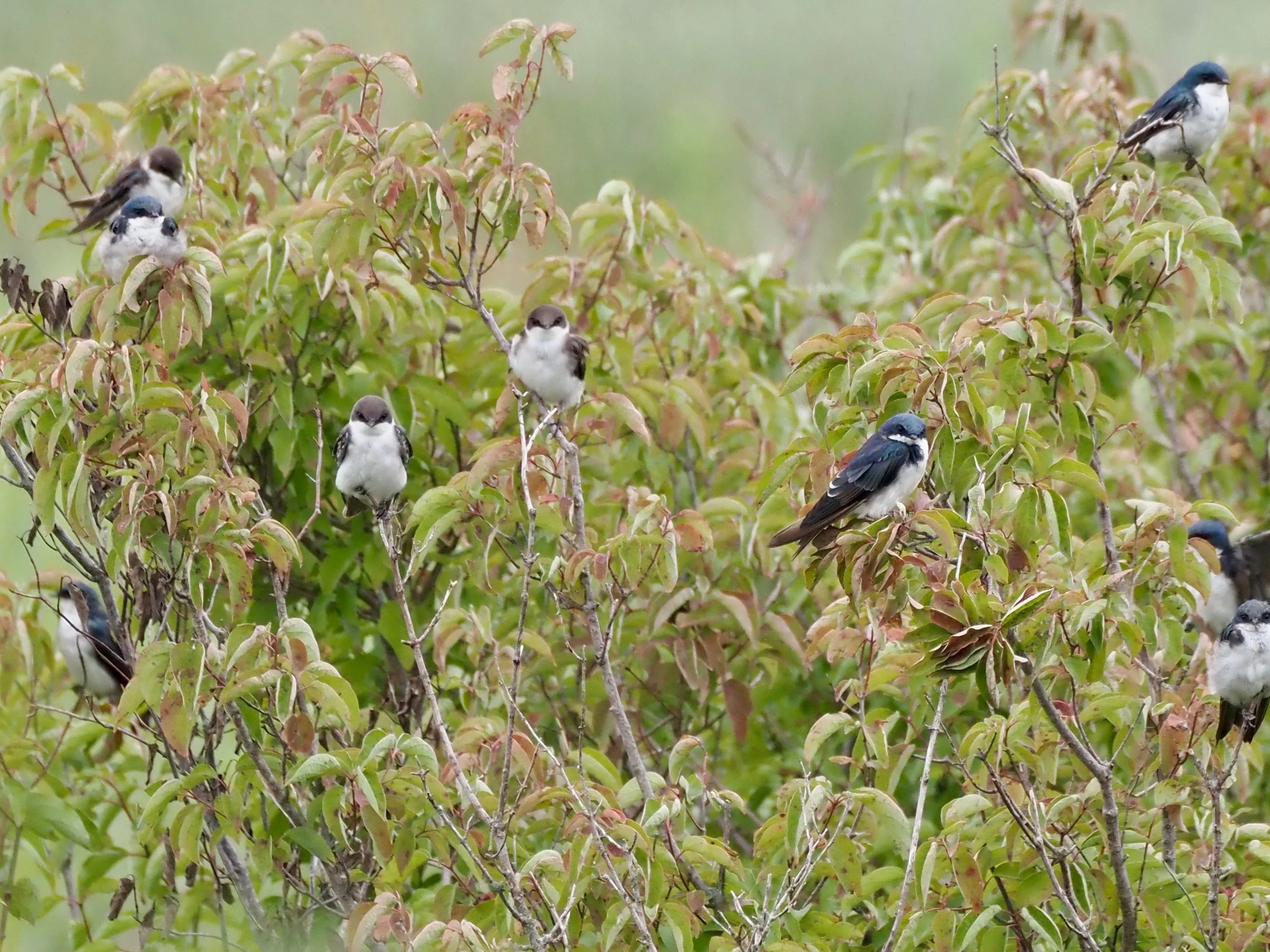
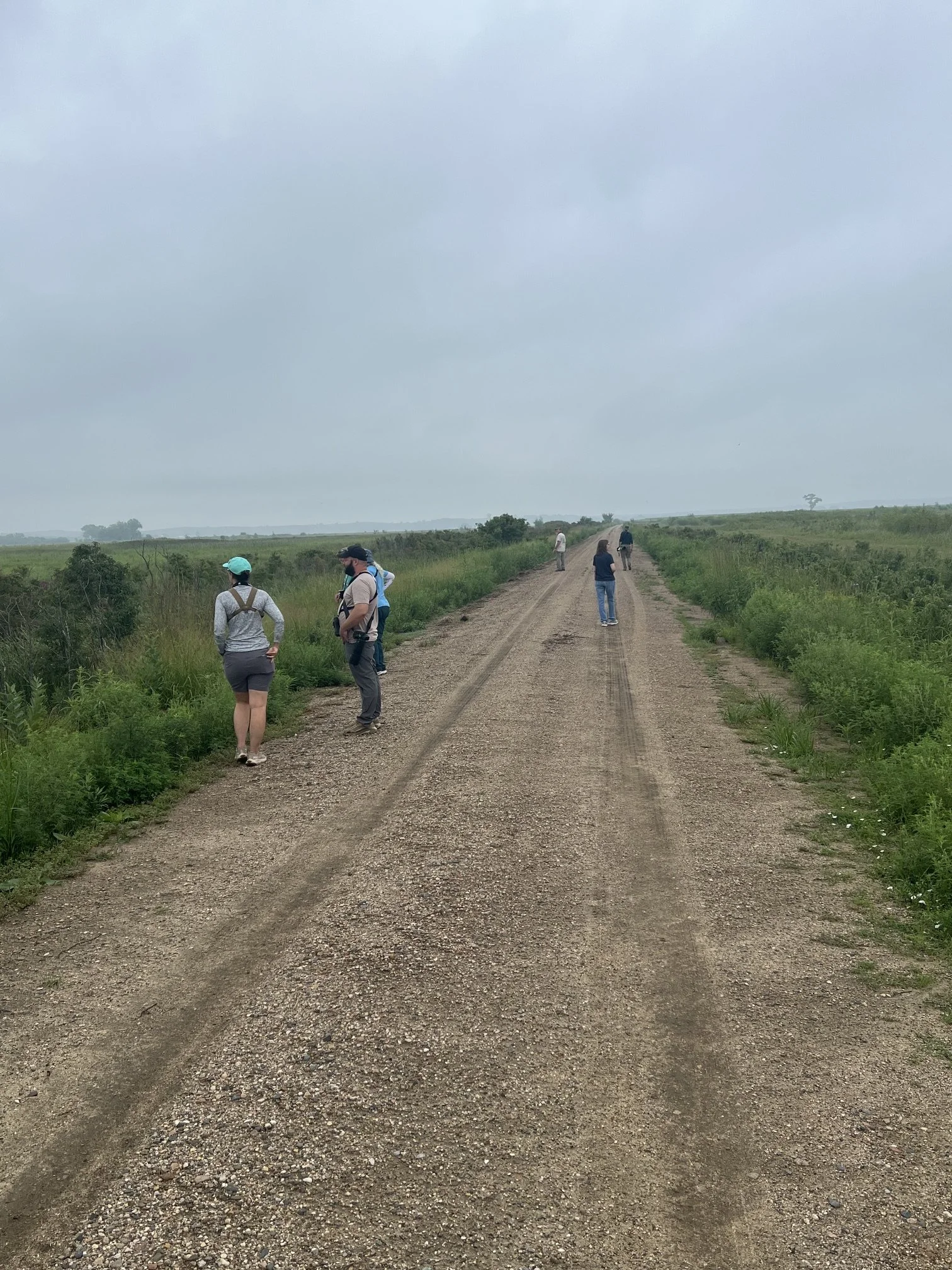
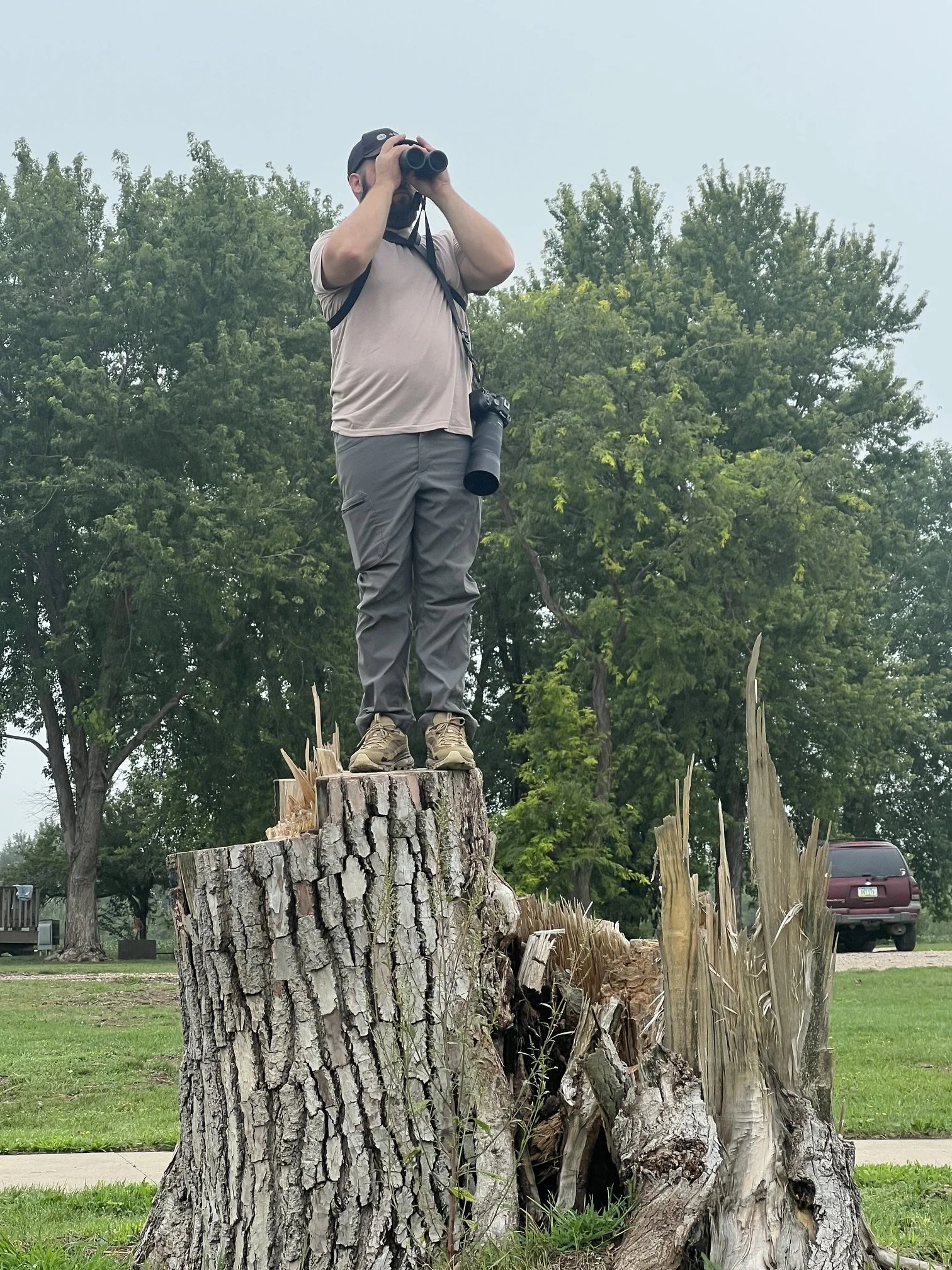
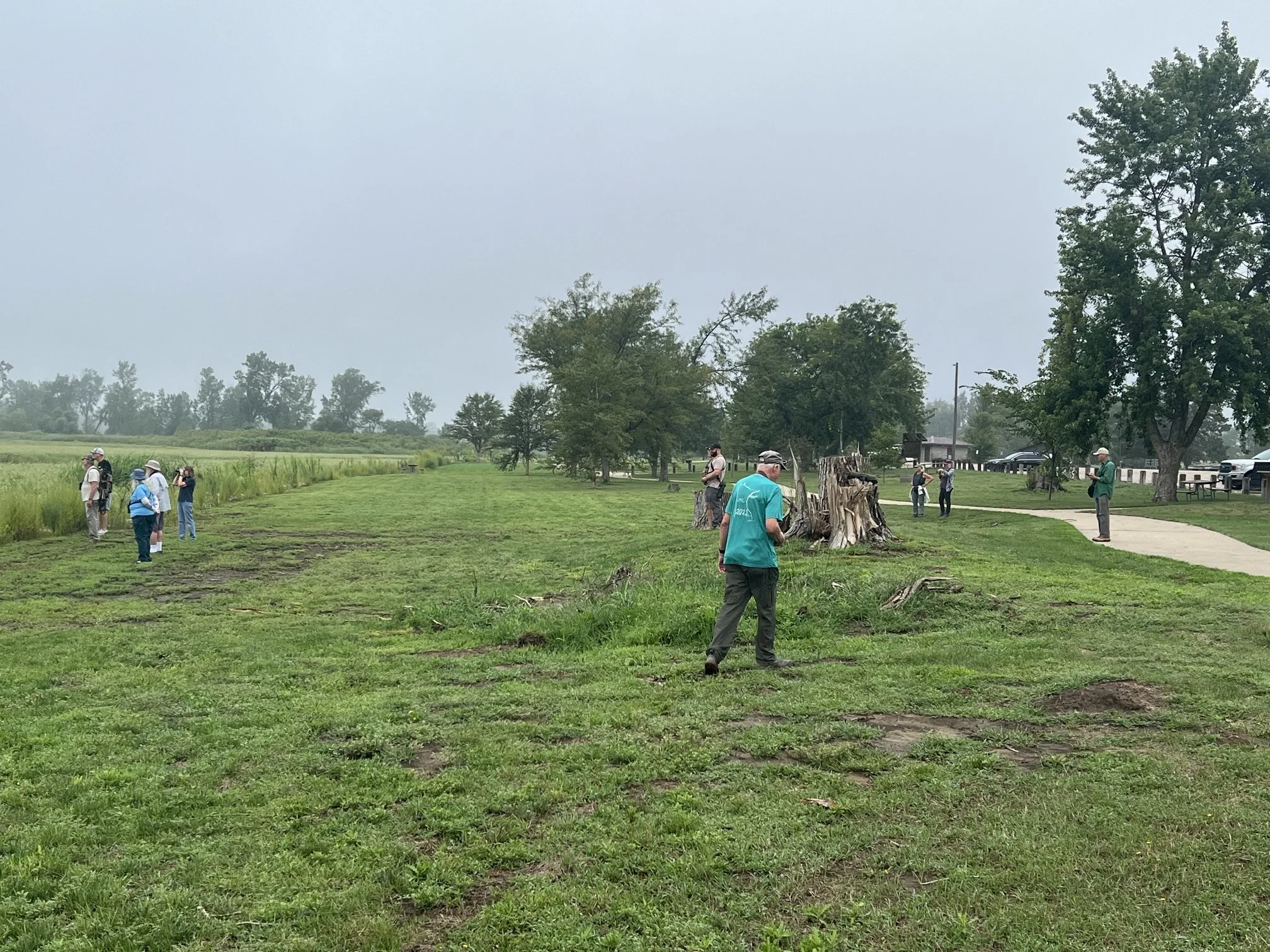
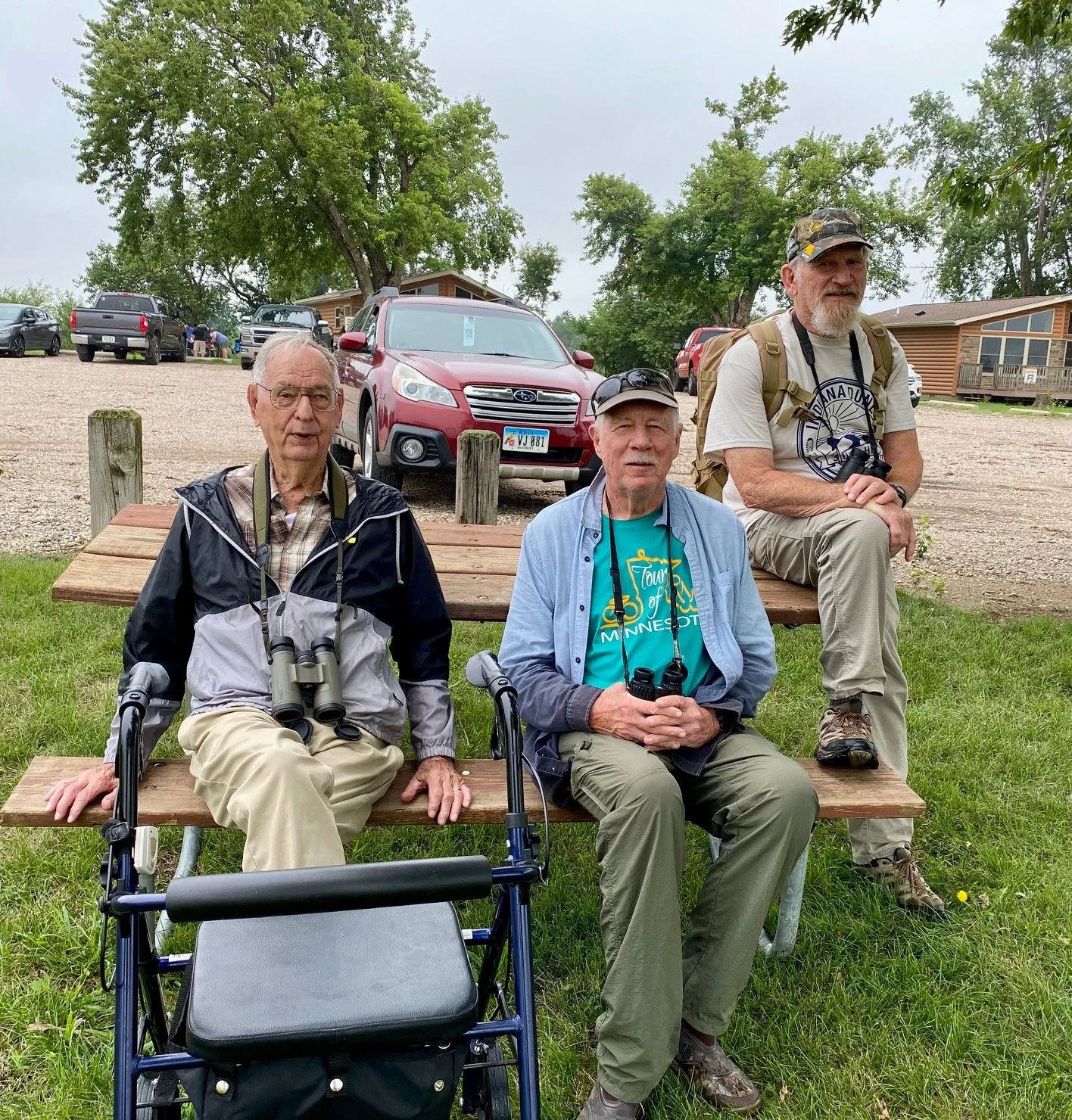
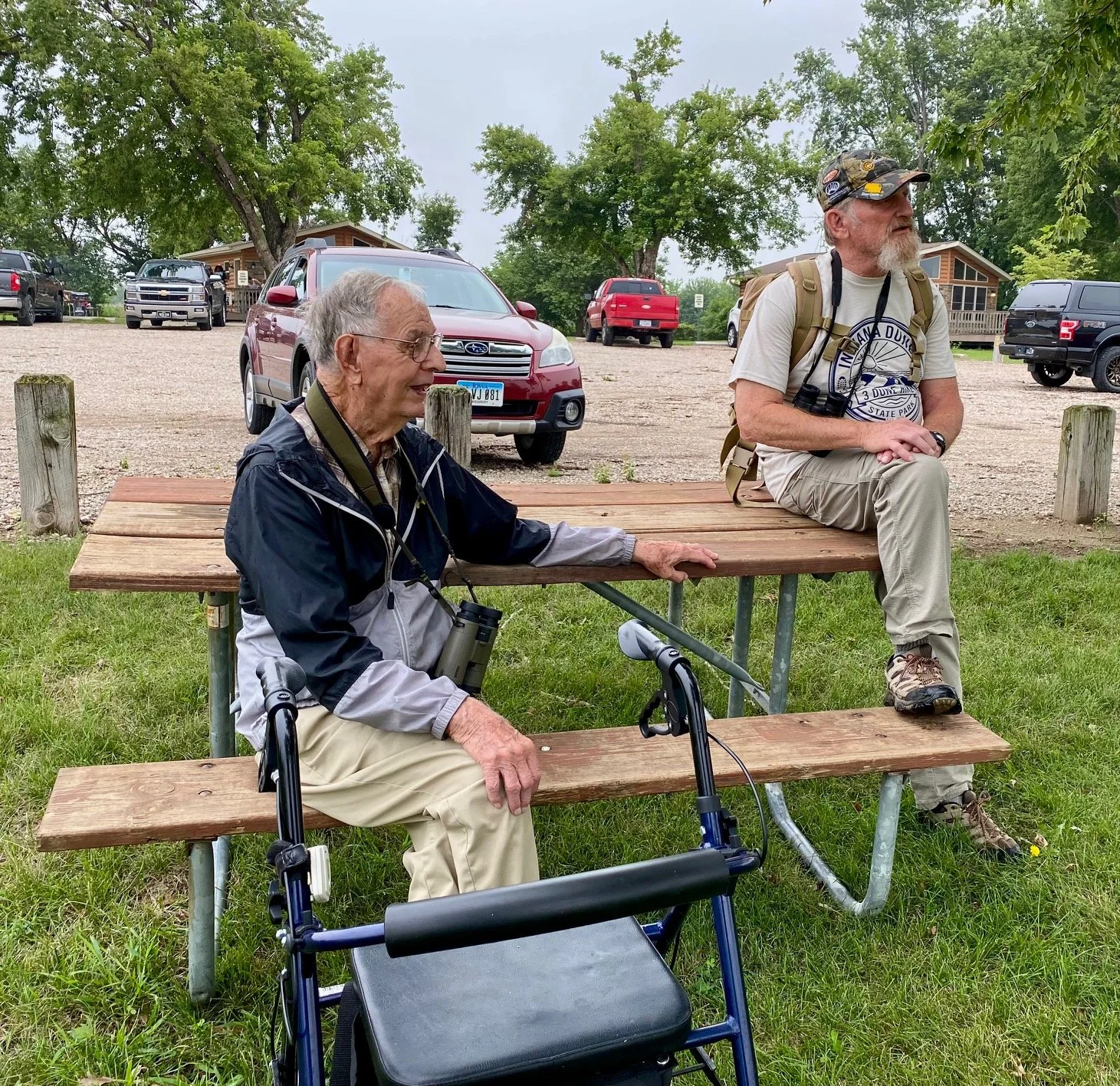
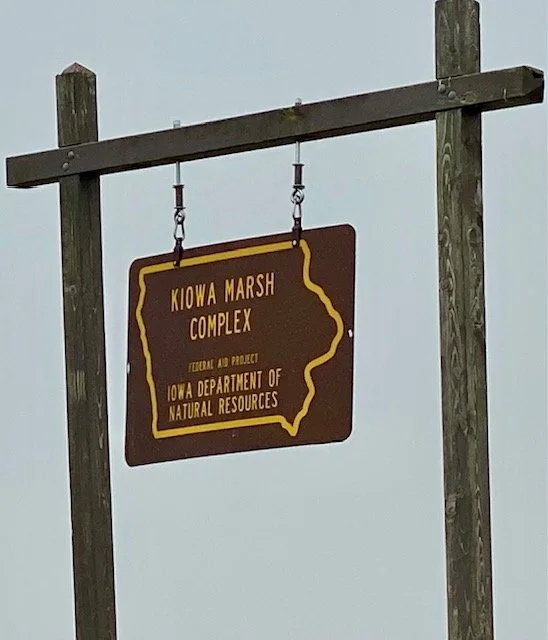
Outing to Storm Lake and Kiowa Marsh
saturday, july 25, 2026
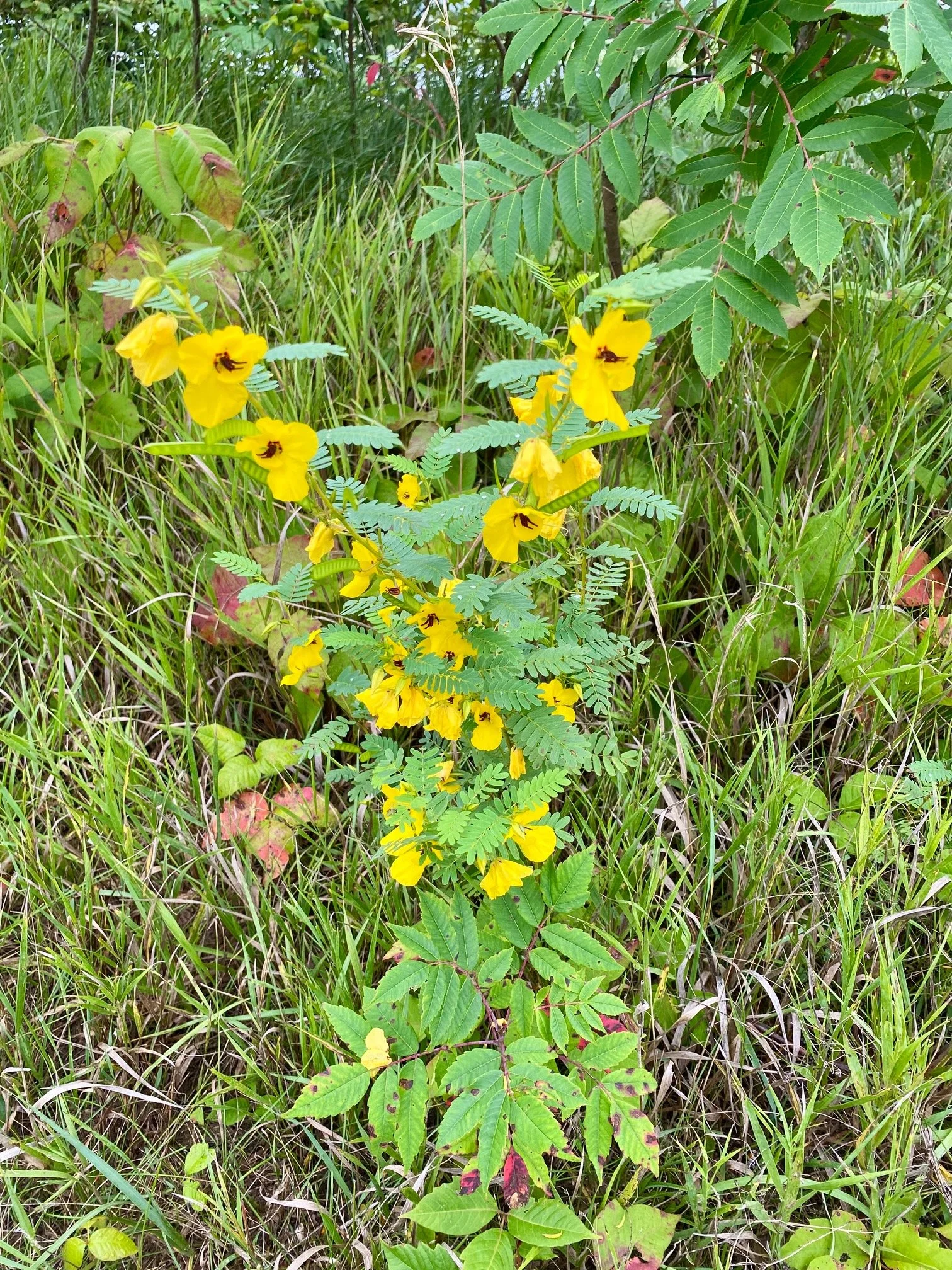
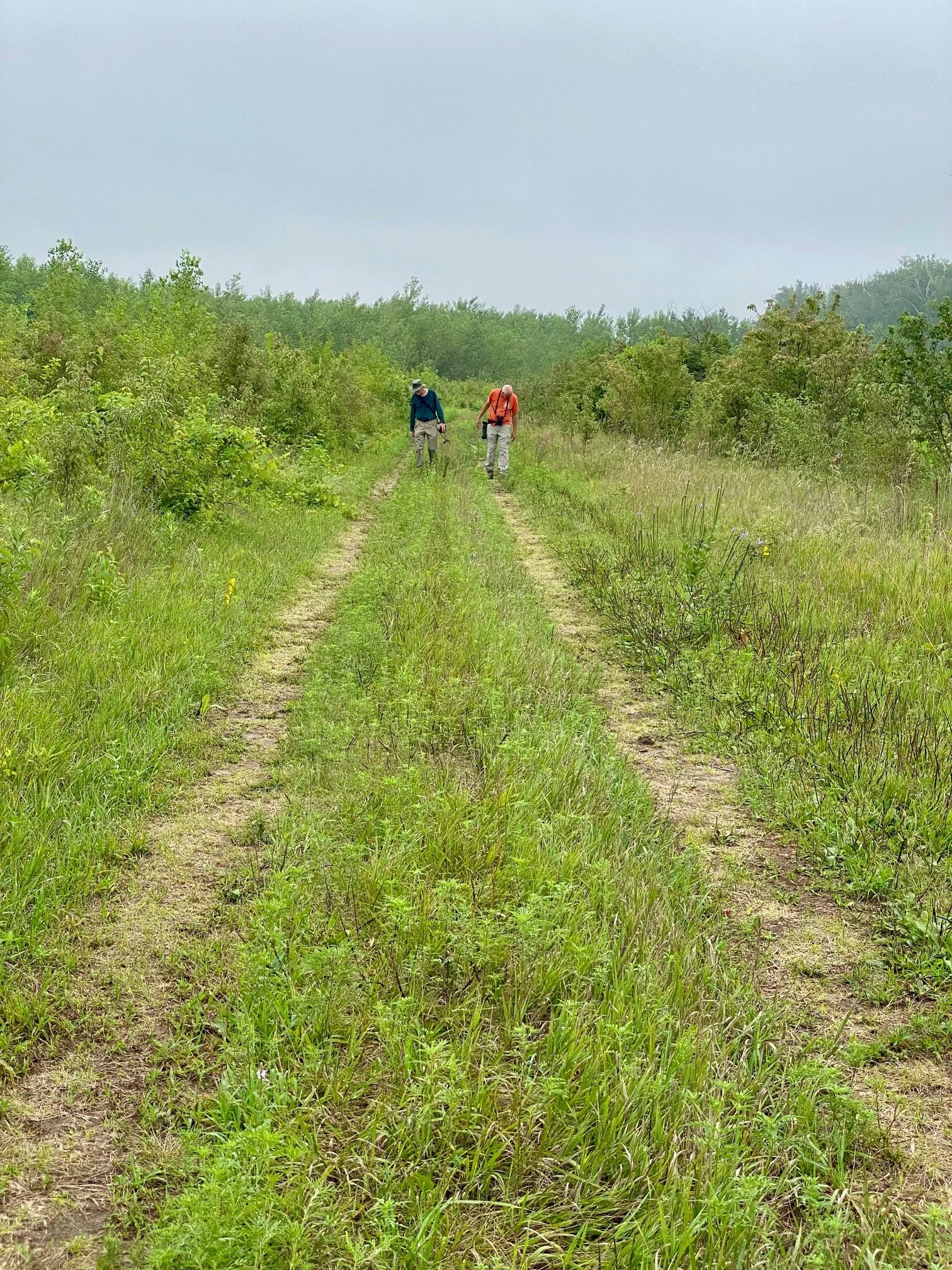
During the “Dog Days of Summer” birding can get quite challenging with scarcely a migrating bird, dense foliage, oppressive heat, low water levels, park closures and resident nesting birds being mostly quiet and skulking as the devote all their energy to feeding their young.
With that in mind, the Chapter decided to try a different location with different geophysical features, creating different habitats and attracting different birds. The location chosen was Storm Lake and nearby Kiowa Marsh, both being part of the glacial potholes formed by the Des Moines Lobe of the Wisconsin Glacier eons ago. Storm Lake offers a much greater expanse of water with sandy spits and islands that serve as roosting and foraging habitat for gulls, terns, shorebirds and waders. Kiowa Marsh is a rather pristine cattail marsh with stable water levels and little invasive vegetation such as Phragmites sp. and water lilies. And another plus: both are within the stomping grounds of veteran birder and photographer Dana Siefer, who was, once again, willing to serve as our guide.
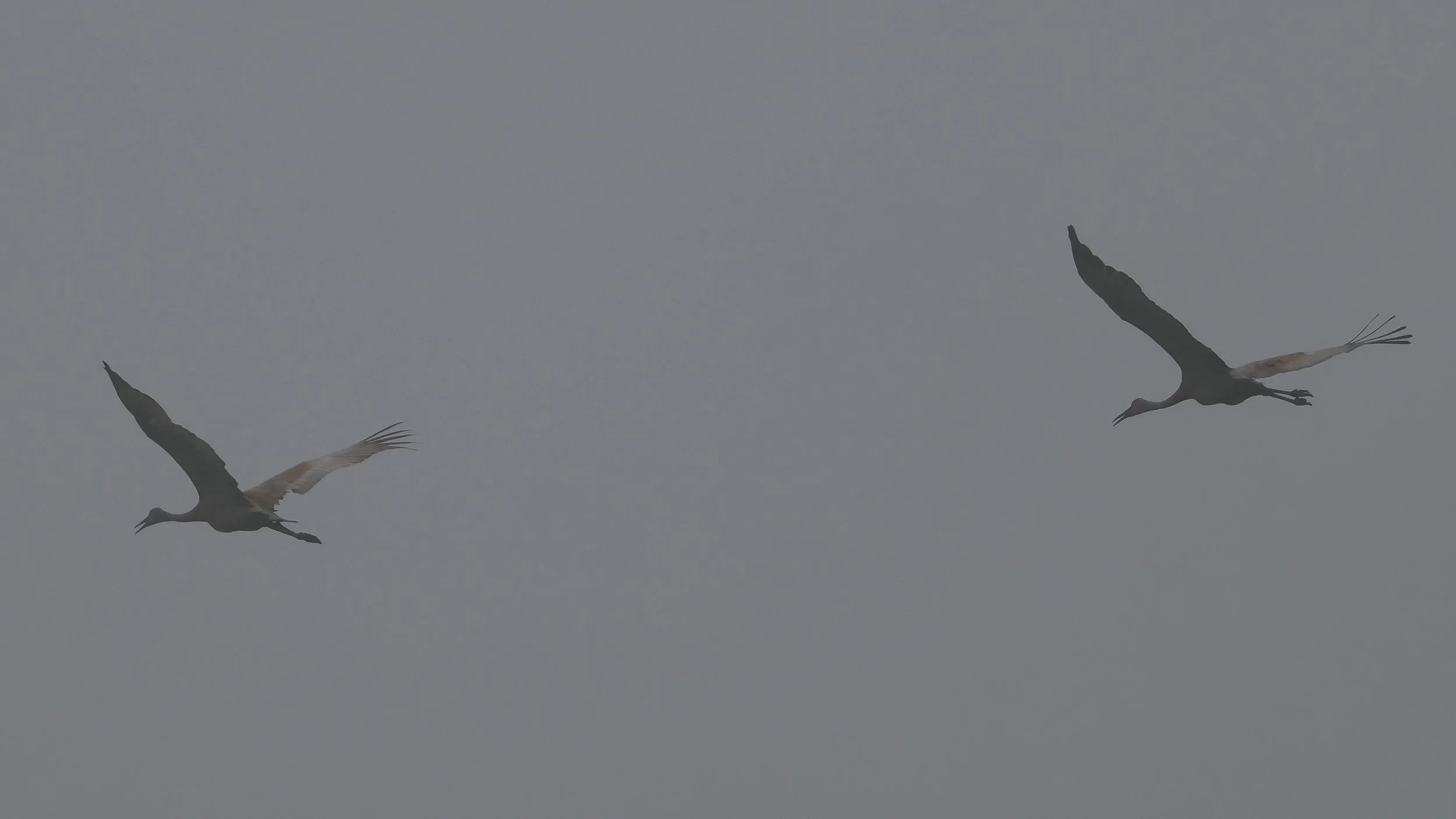
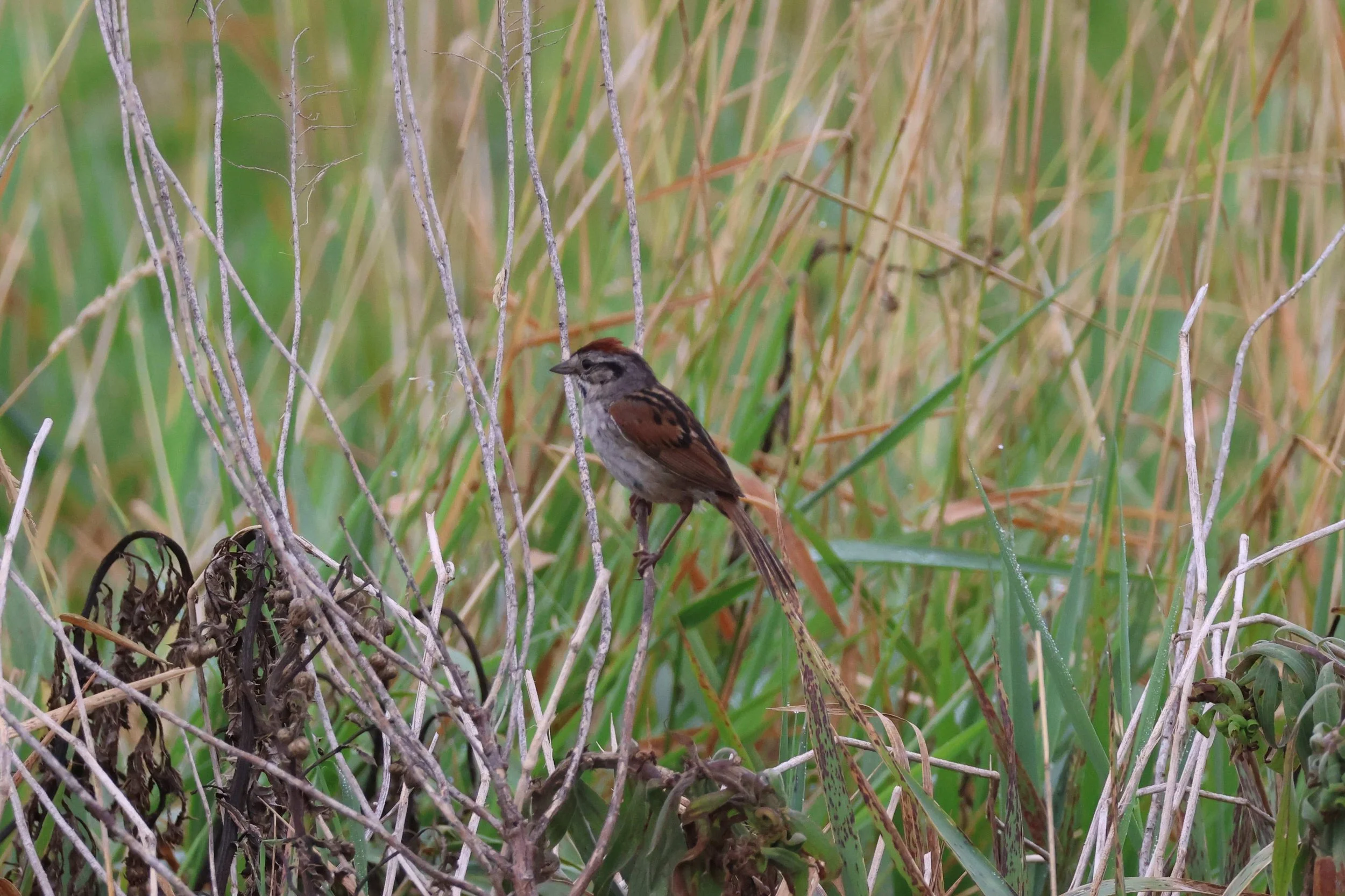
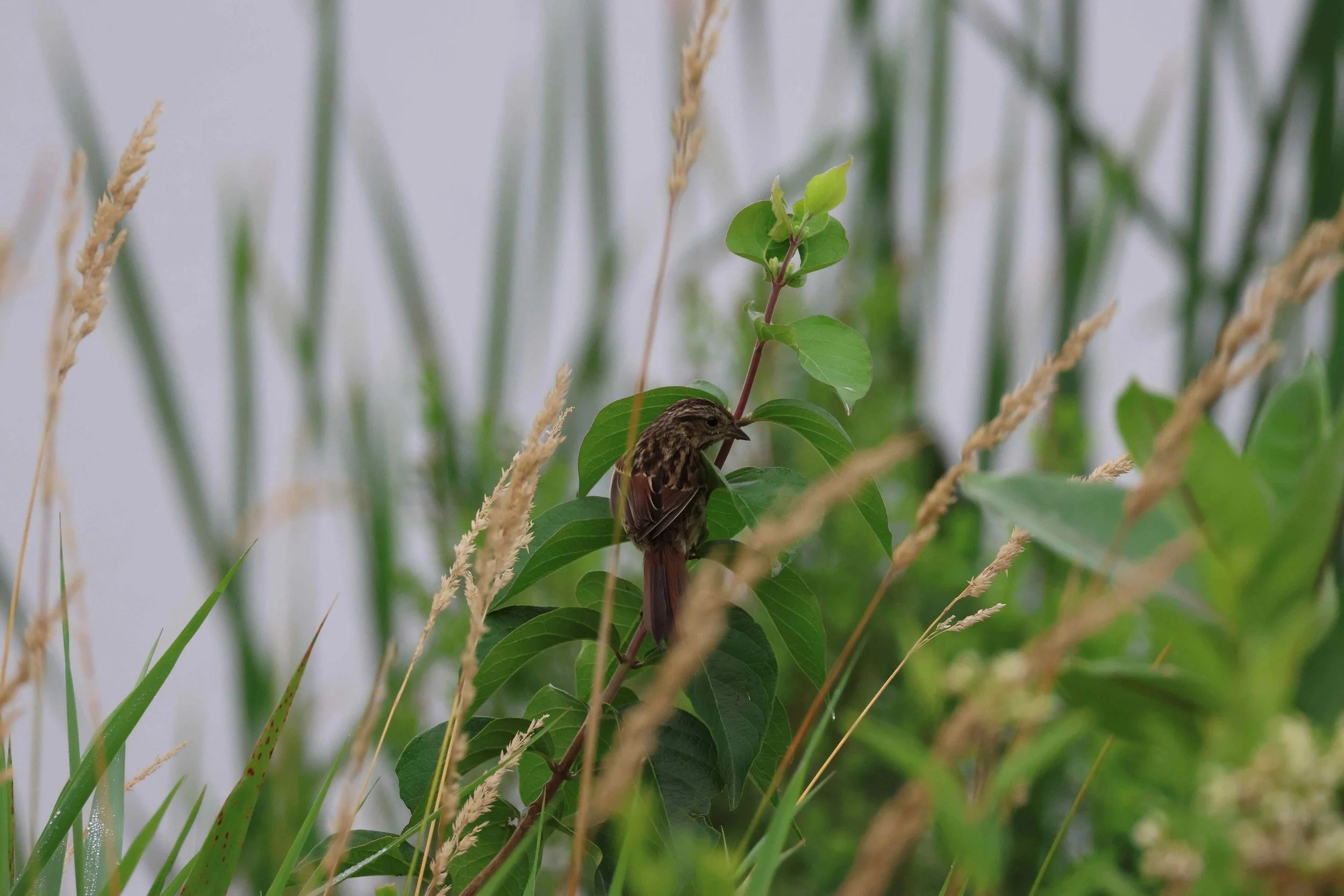
Leaving at 6:30am to allow for the additional drivetime, we met Dana in Early, IA by 8am and proceeded to Kiowa Marsh 2 miles to the east. Dana knew the water levels there were attracting the first of the early migrating shorebirds, one of our targets for the day. Six species of rather common shorebirds had our attention to begin with, but before long we began seeing other species we are unlikely to see back home. Swamp Sparrows were heard singing in several directions, a pair of Sandhill Cranes flew past us, a Willow Flycatcher sang from atop a clump of trees from which it gets its name, a Trumpeter Swan, perhaps injured, languished at the far end of the marsh, Yellow-headed Blackbirds foraged nearby, a Black Tern cruised back and forth as it hunted for aquatic insects and a Green Heron called before taking flight before us. More common birds and numerous bullfrogs provided background sights and sounds.
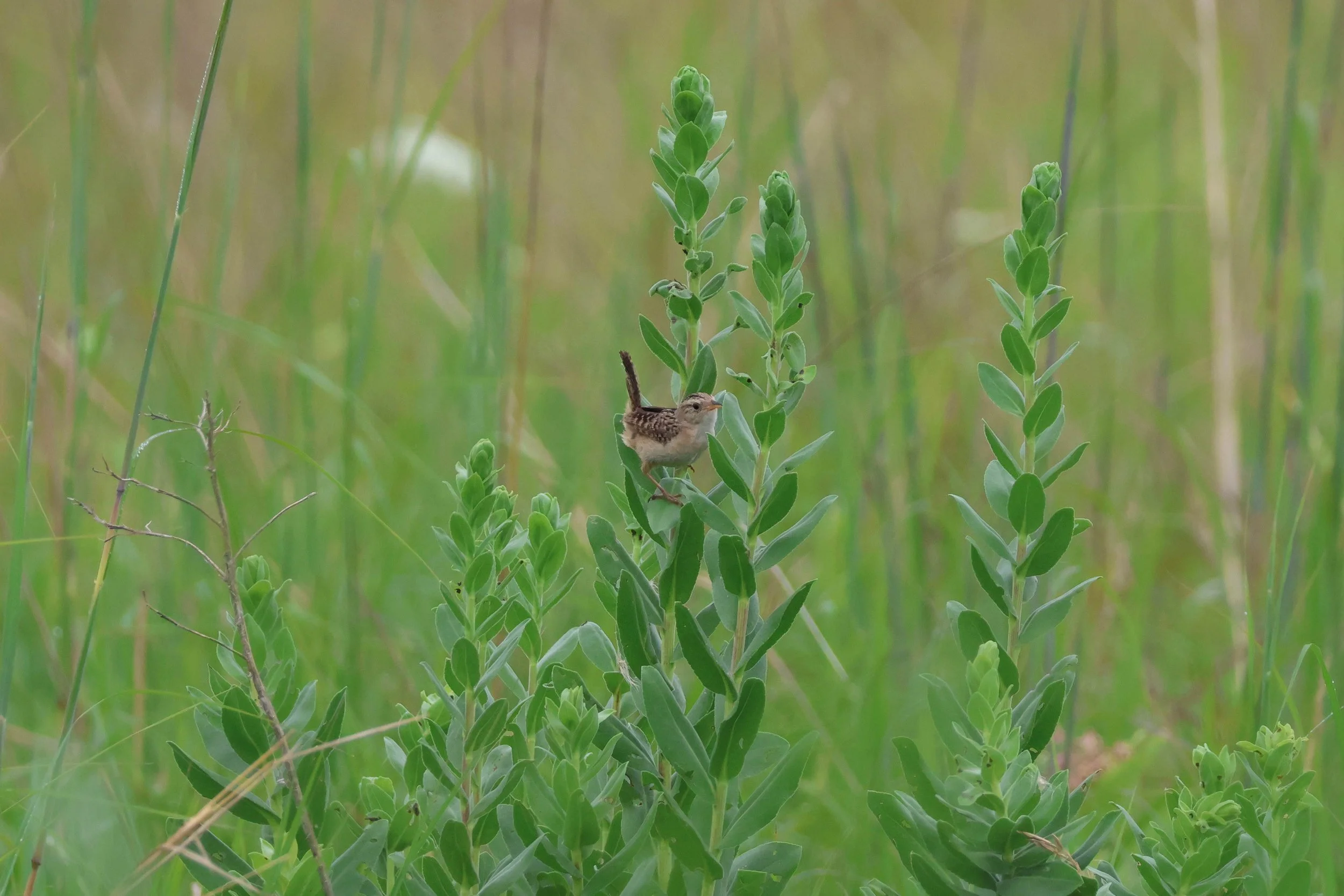
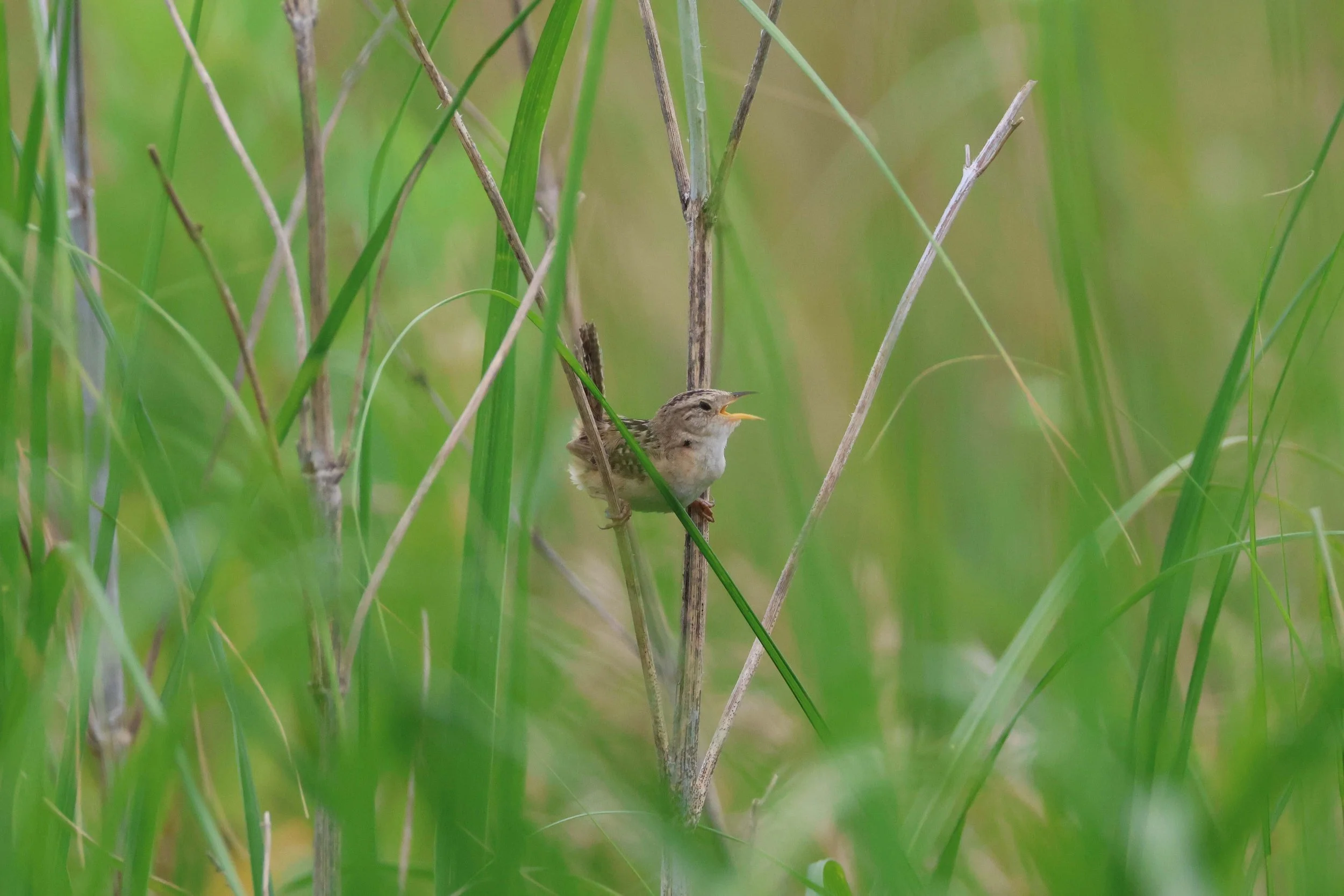
Our next stop was at a restored prairie with nesting Sedge Wrens, Song Sparrows, Dickcissels and Common Yellowthroats. After hearing one or two of the wrens at our first stop, our second stop revealed a cooperative wren that put on a song and dance just off the road that excited us all. Another nearby portion of Kiowa Marsh held many of the shorebirds seen earlier but in greater numbers and added Greater Yellowlegs and a Semi-palmated Plover.
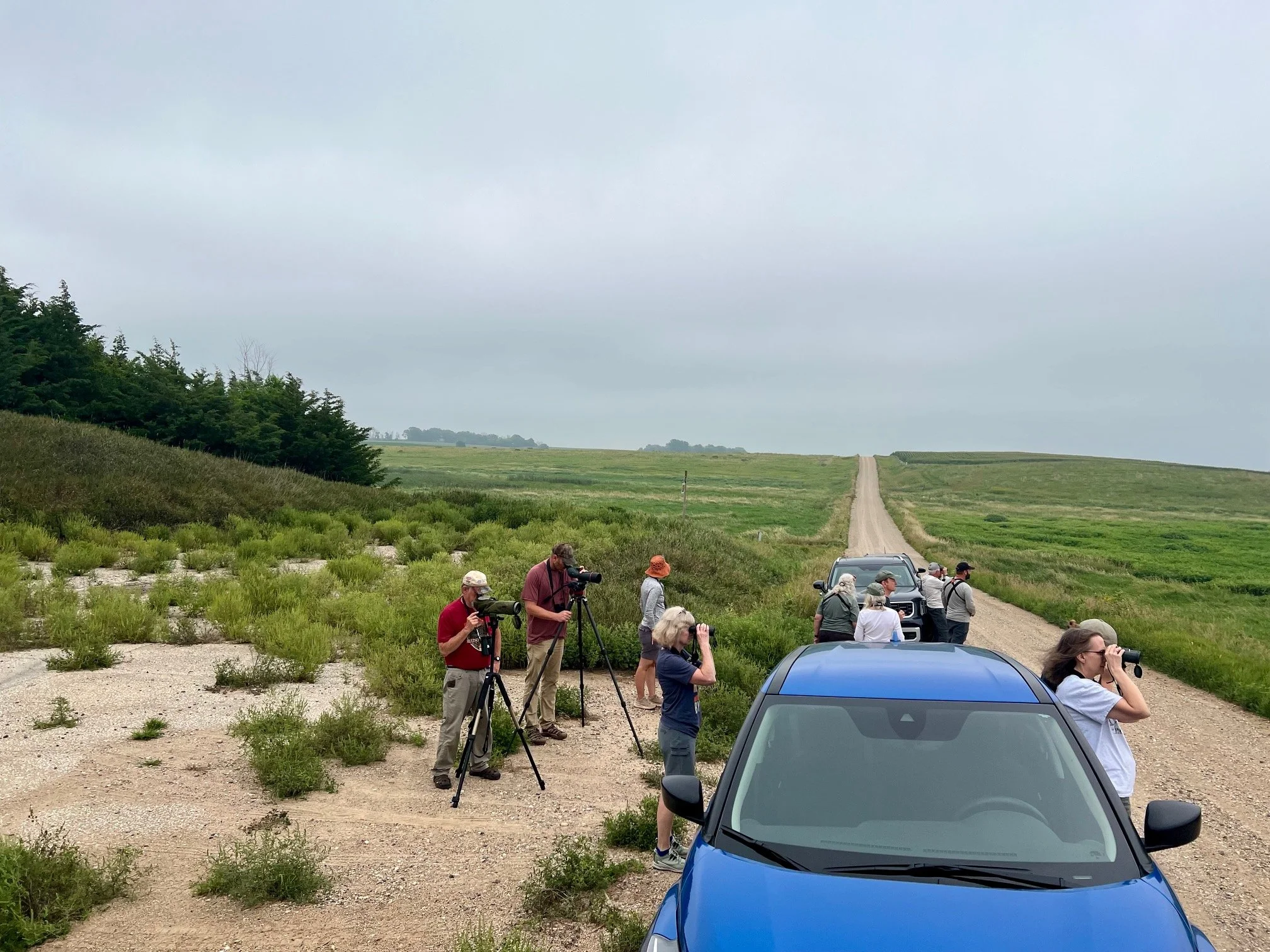
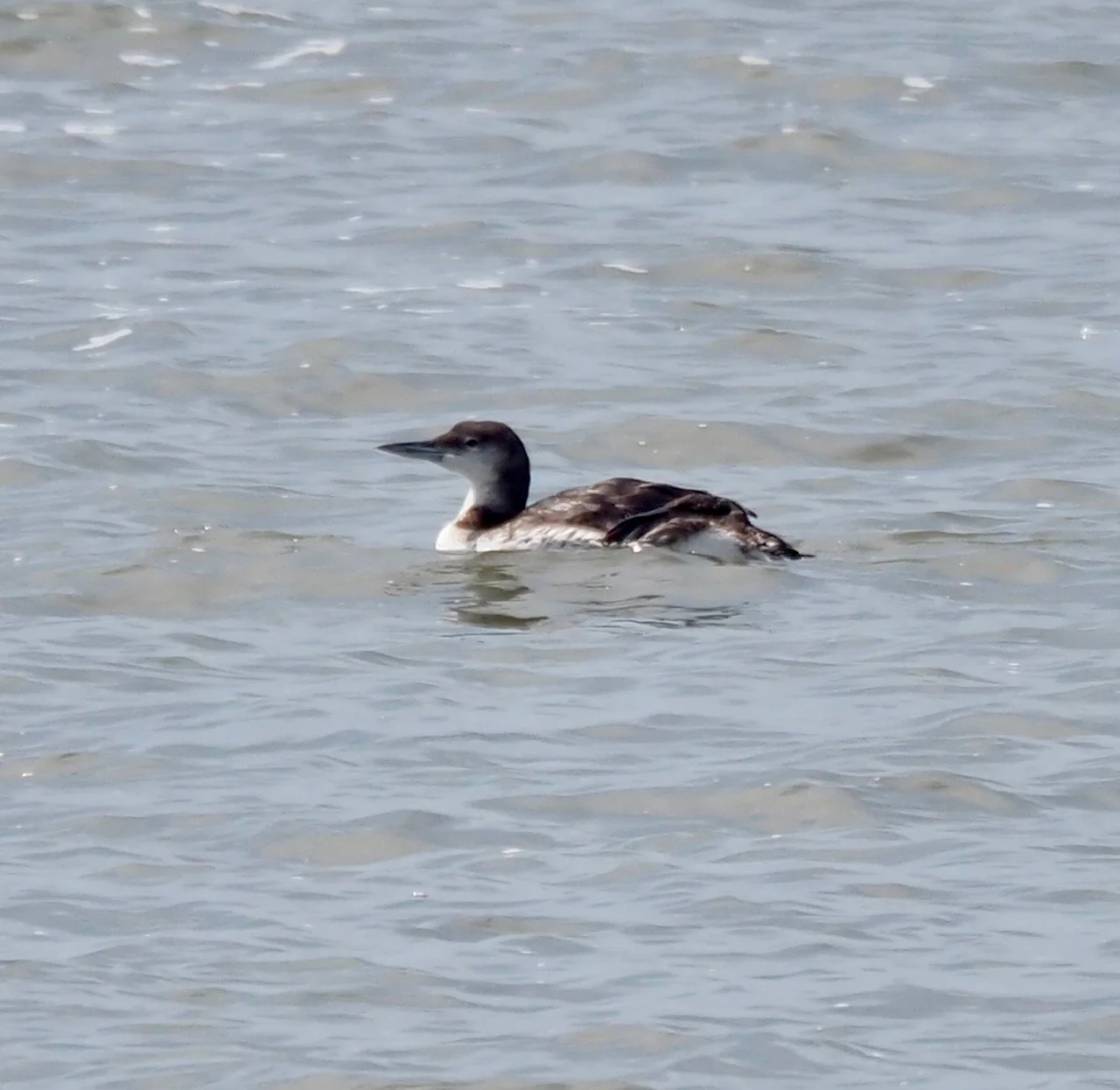
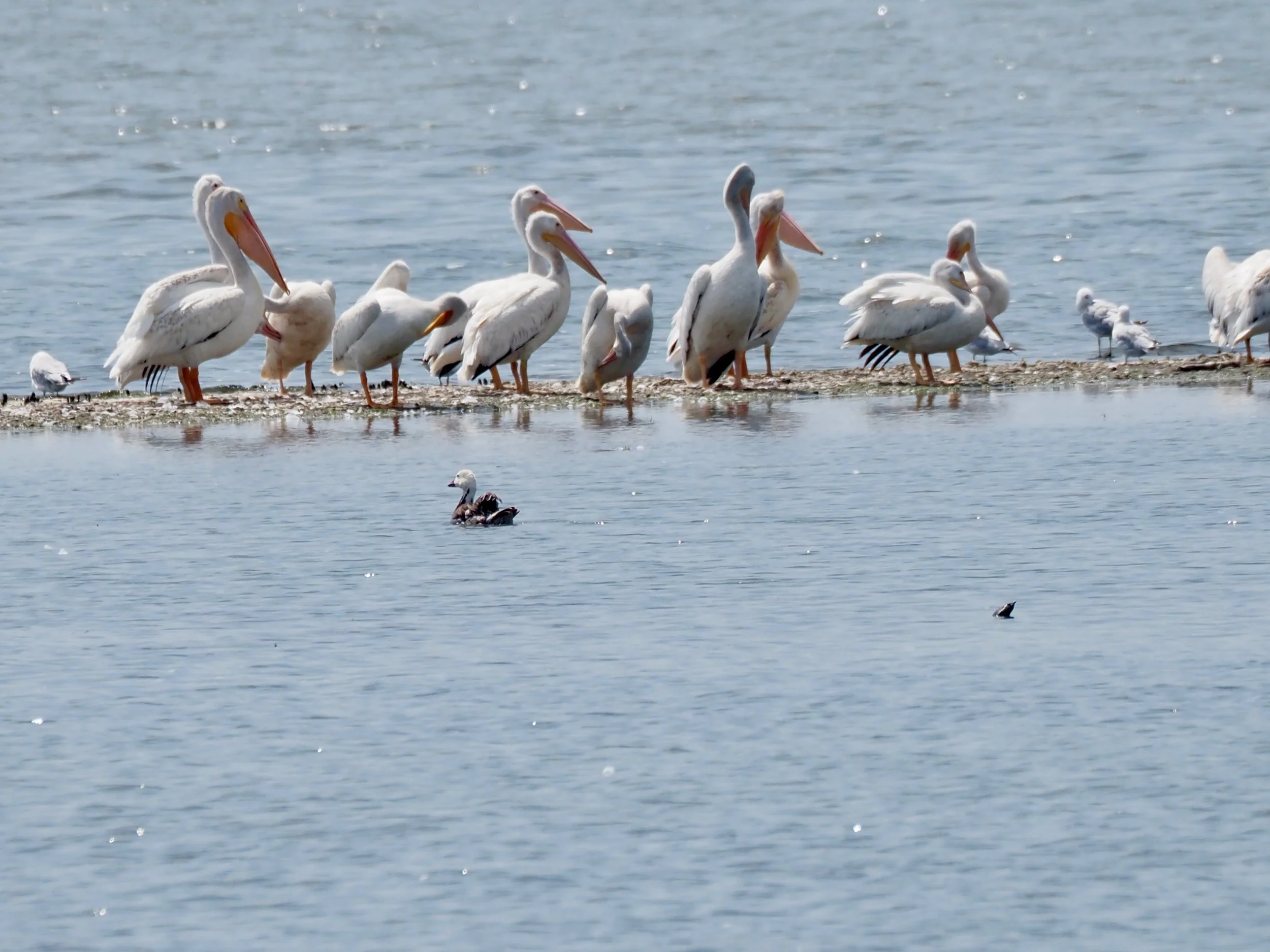
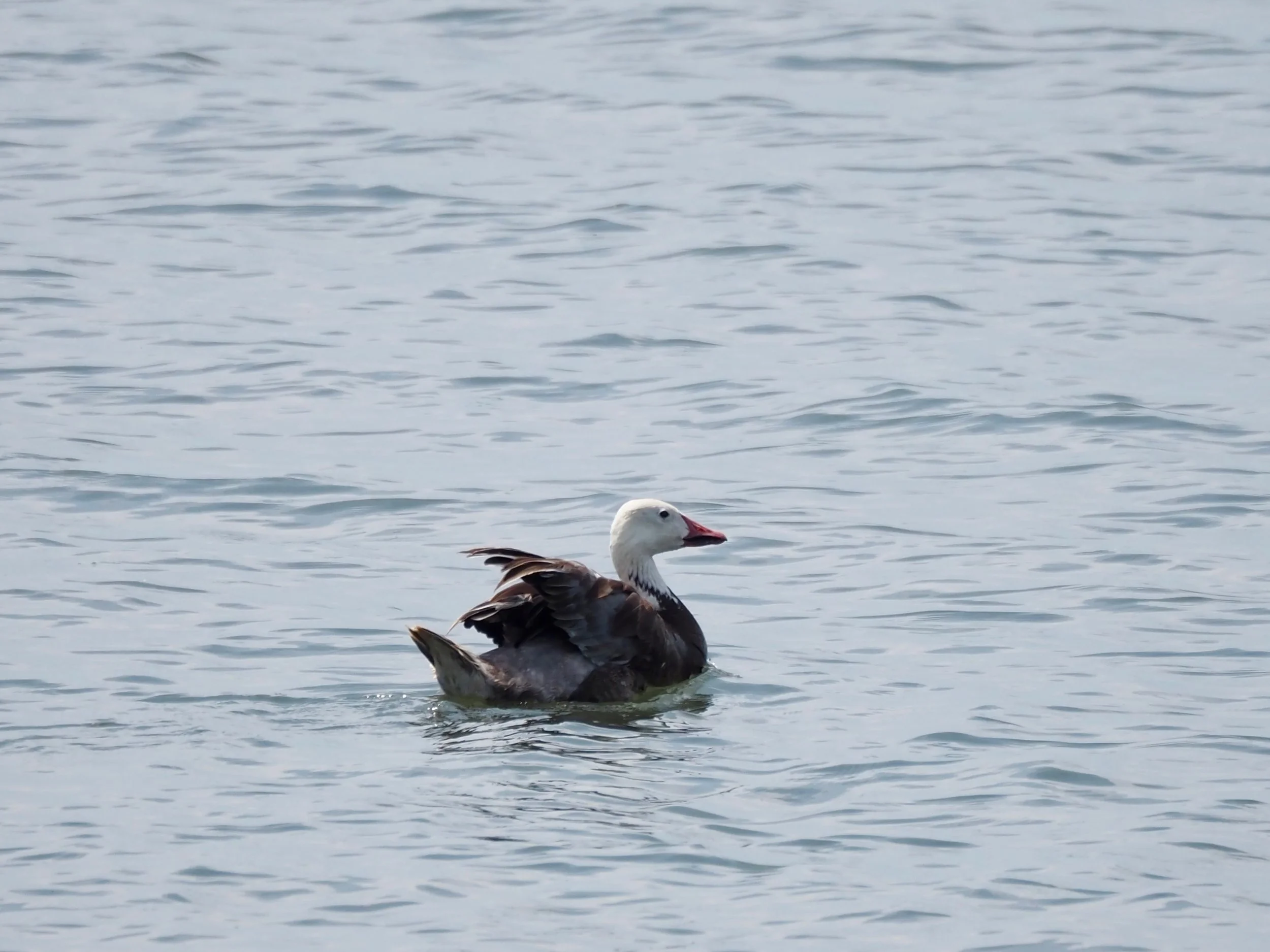
Then we were ready for the big water of Storm Lake. Three Common Loons loafed near the shoreline, all of them cloaked in their dull winter (basic) plumage but close enough for the shutterbugs. Gull activity further west on the lake, drew us to another of Dana’s favorite vantage points, where a sandbar was just offshore. Both Ring-billed and Franklin Gulls rested there, as did a Northern Shoveler, Great Blue Heron and a single Forster’s Tern. A lingering blue phase Snow Goose swam nearby while a Sanderling foraged in the sand among the gulls.
This was our last stop since it was past 1pm by then, and we thanked Dana for his expert guidance and parted ways as we all went home by different routes and schedules.
But the outing had been remarkable with Sedge Wrens and Common Loons being life birds for some, and I suspect some of the other species had been lifers for others, as well.
For a complete list with numbers seen and sites visited, see https://ebird.org/tripreport/553708
Twelve Participants: Marla & Kevin Kerr, Robert Sopher & Kayla Sheehan, Tim & Vikki Jacobs, Sharon & John Polifka, Ellen & John, Dana Siefer (Guide) and Bill Huser. Special guests included Dan and Marie Siefer, who brought donut holes!
Total Species - 51.
Species list with target birds in bold:
Snow Goose, Canada Goose, Trumpeter Swan
Wood Duck, Blue-winged Teal, Northern Shoveler, Mallard, Hooded Merganser
Ring-necked Pheasant
Mourning Dove
Sandhill Crane
Killdeer, Semi-palmated Plover, Solitary Sandpiper, Lesser Yellowlegs, Greater Yellowlegs, Sanderling, Least Sandpiper, Semi-palmated Sandpiper, Pectoral Sandpiper
Ring-billed Gull, Franklin’s Gull, Forster’s Tern, Black Tern
Common Loon
Double-crested Cormorant, Great Blue Heron, Green Heron, Am. White Pelican
Bald Eagle
Red-headed Woodpecker
Willow Flycatcher, Eastern Kingbird
Tree Swallow, N. Rough-winged Swallow, Bank Swallow, Barn Swallow, Cliff Swallow
Sedge Wren, Marsh Wren
American Robin
House Sparrow
American Goldfinch
Swamp Sparrow, Song Sparow
Yellow-headed Blackbird, Red-winged Blackbird, Common Grackle
Common Yellowthroat
Dickcissel
Outing Report by Bill Huser, Outings Coordinator
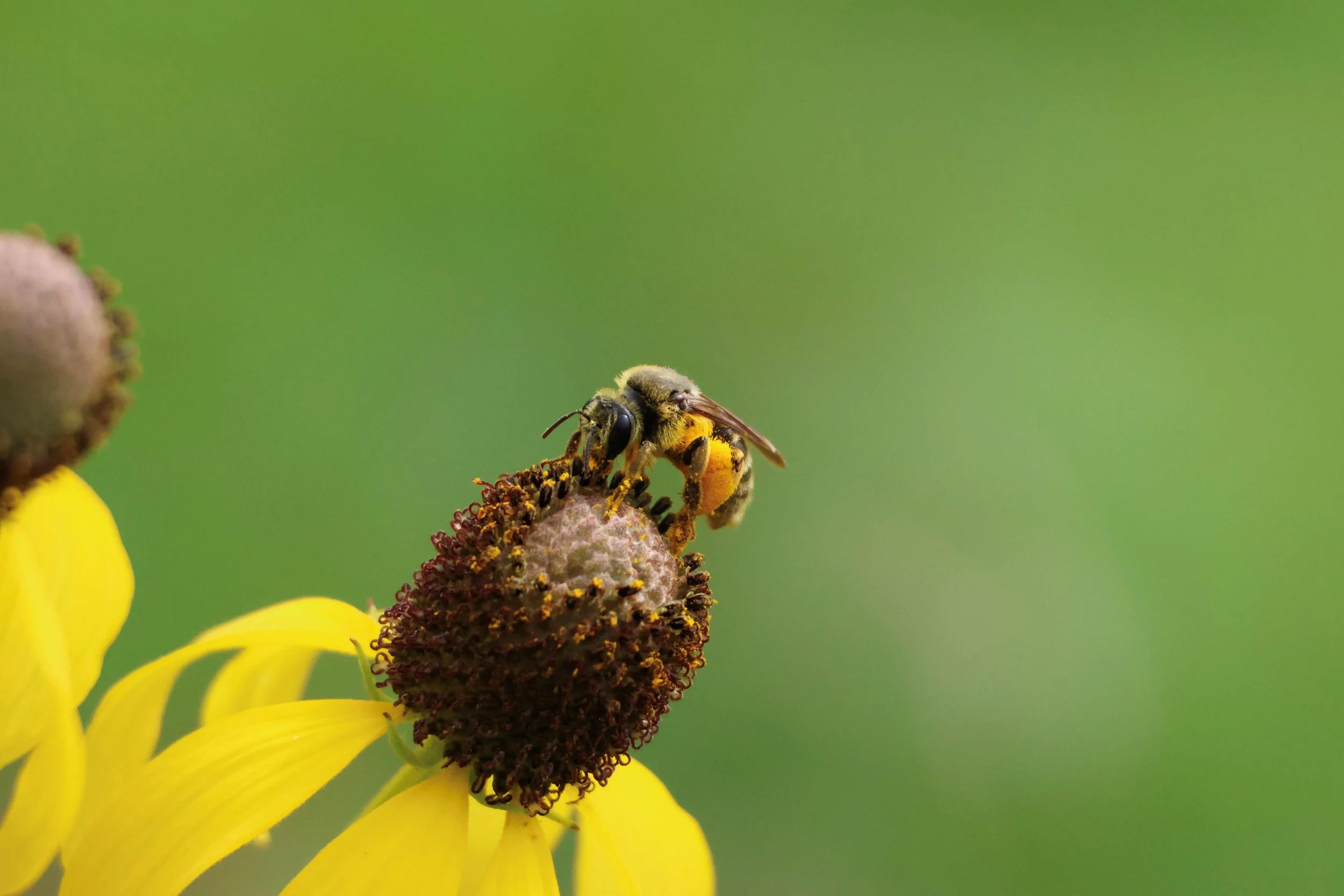
Below Images copyright 2026 by Robert Sopher, used with permission
Below images copyright 2026 by Kevin J Kerr and Marla Kerr, used with permission
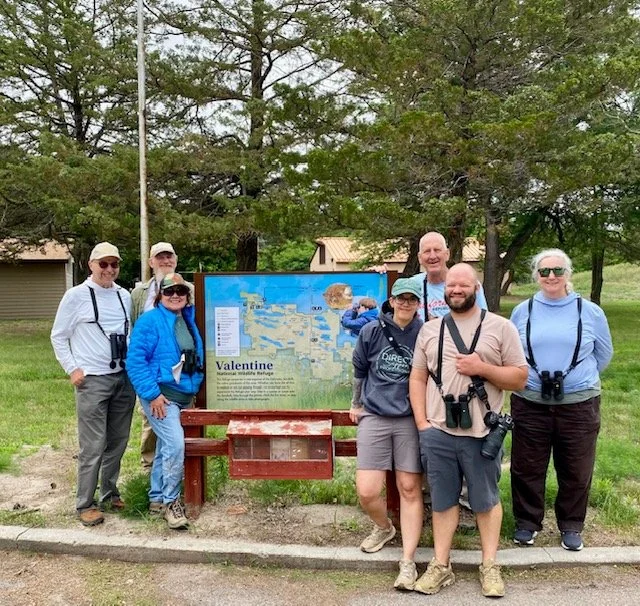
Sandhills of Nebraska Outing
valentine, ne
friday, June 26-sunday, june 28, 2026
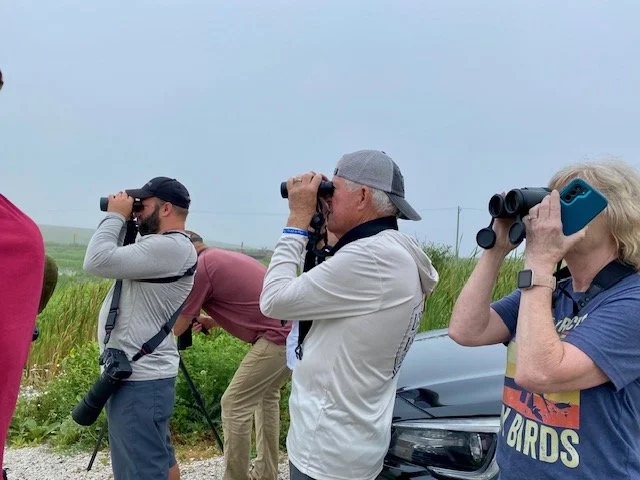
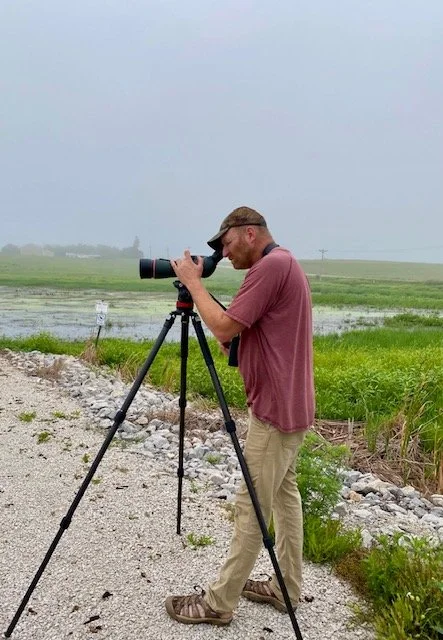
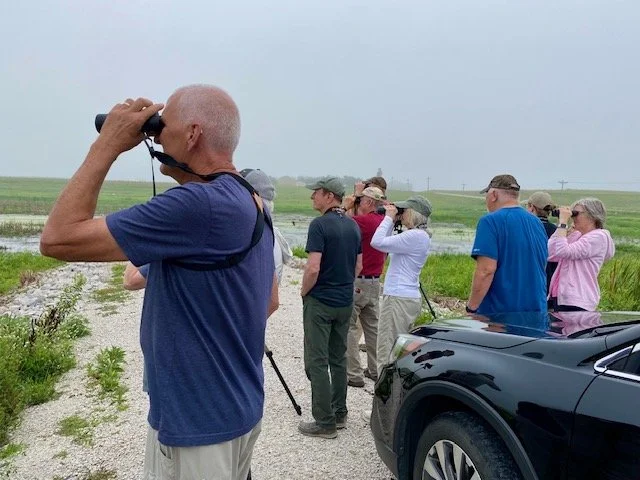
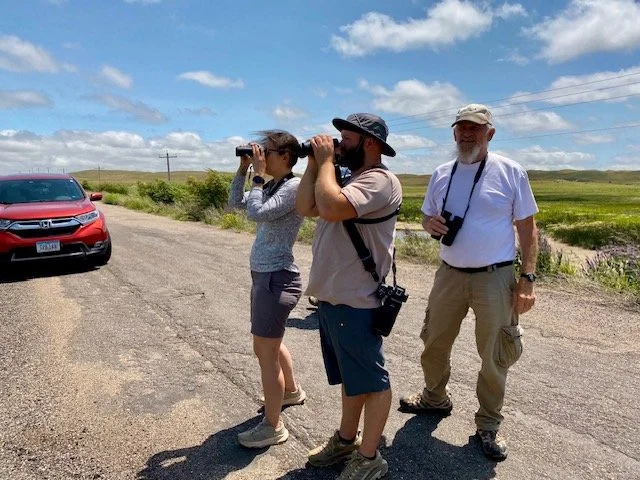
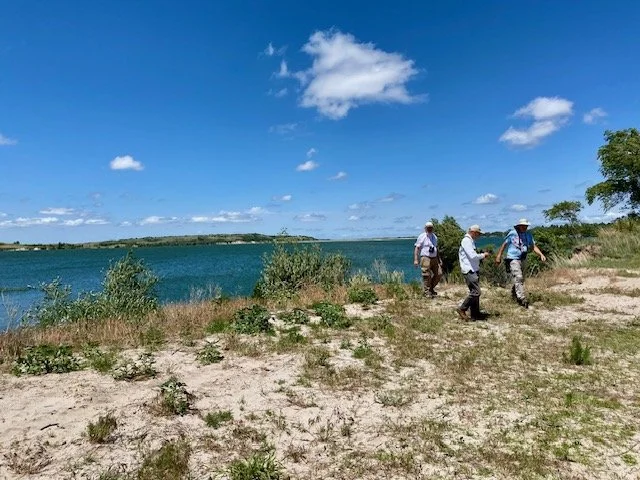
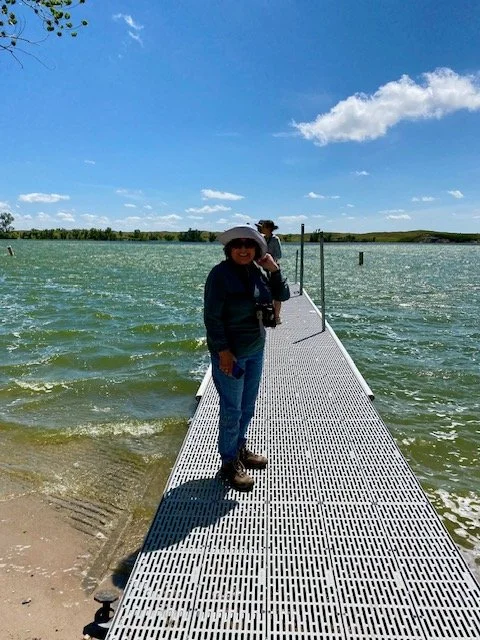
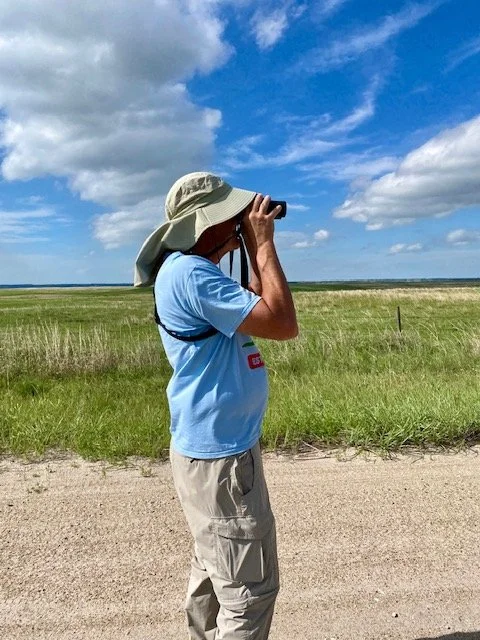
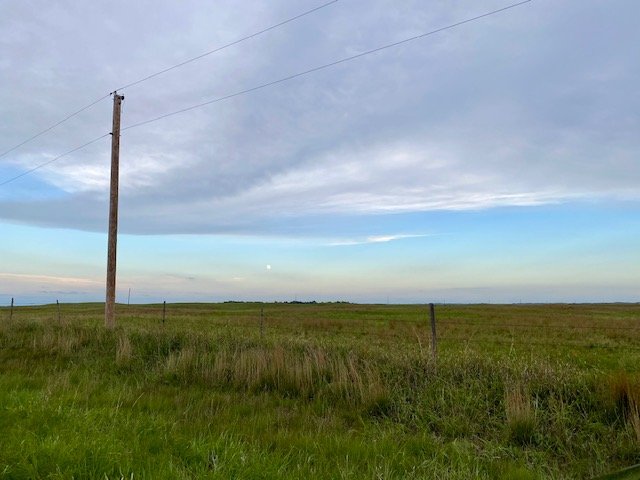
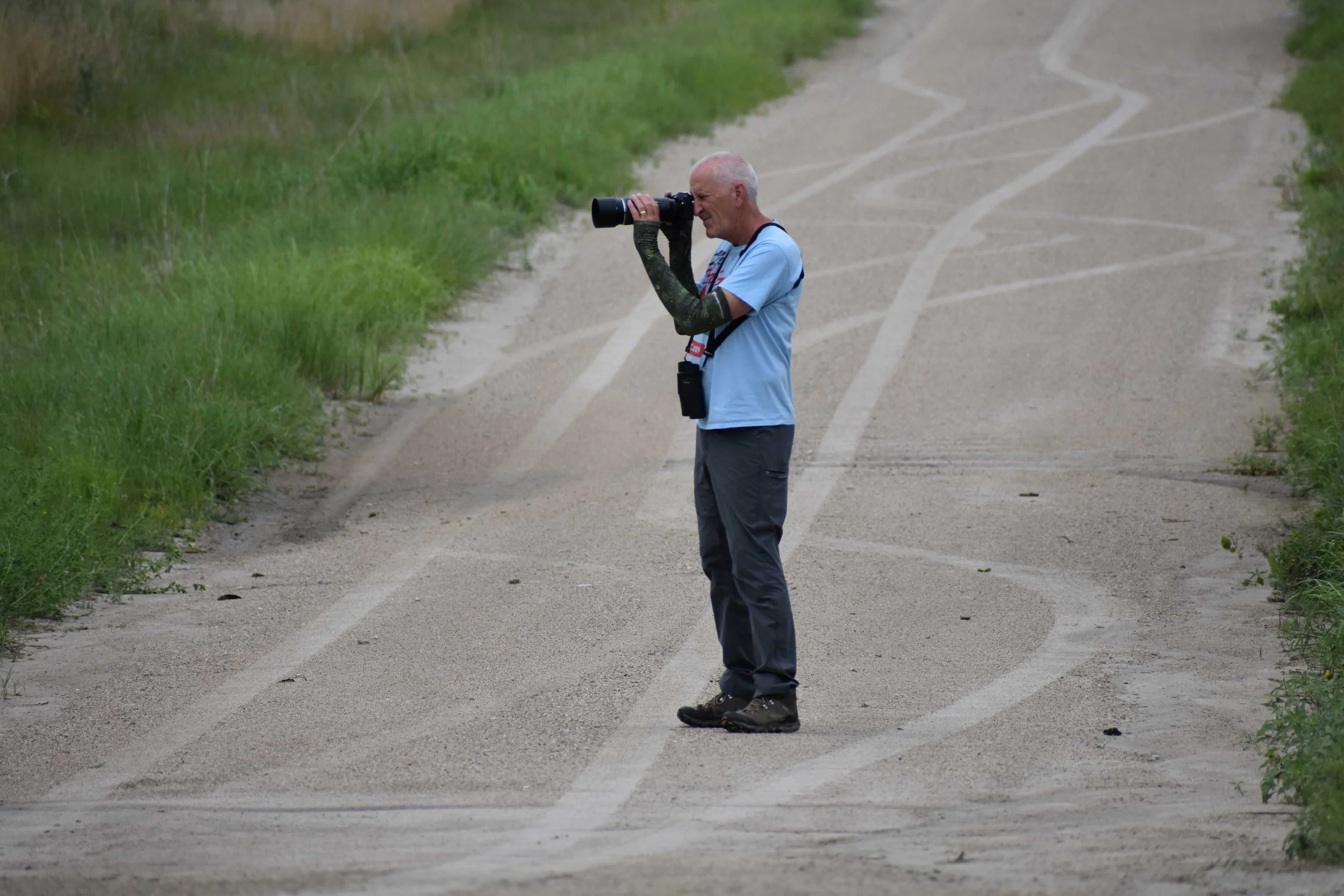
We began our adventure from the Harmony Inn and Suites in Valentine, NE (approximately 225 miles from Sioux City, IA). This outing was a resounding success with all seven participants returning home safely. We had the good fortune to avoid both severe storms Saturday night and the incoming heat wave Sunday afternoon. Such good fortune extended to our birding activities, as well.
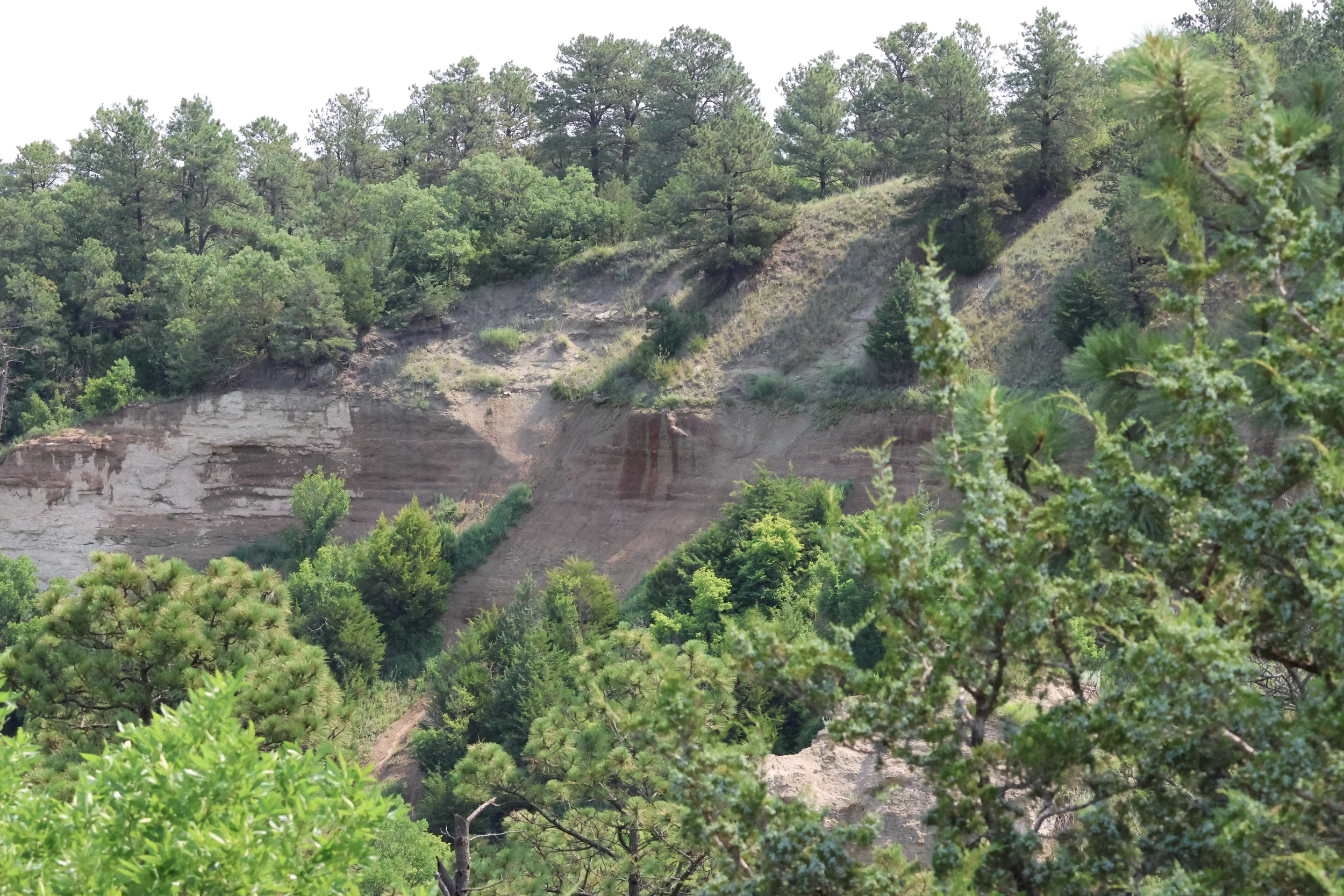
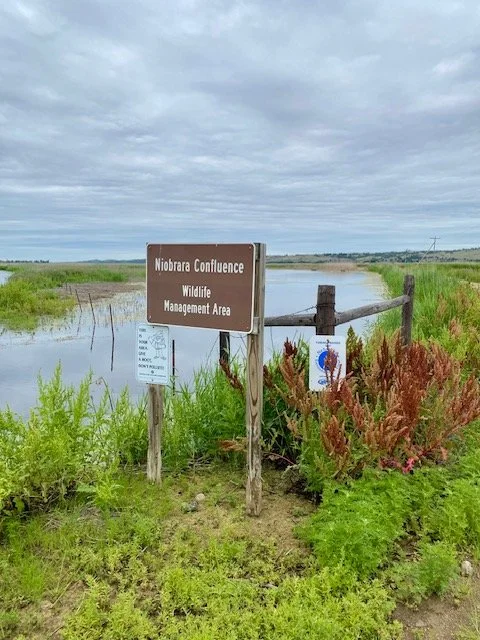
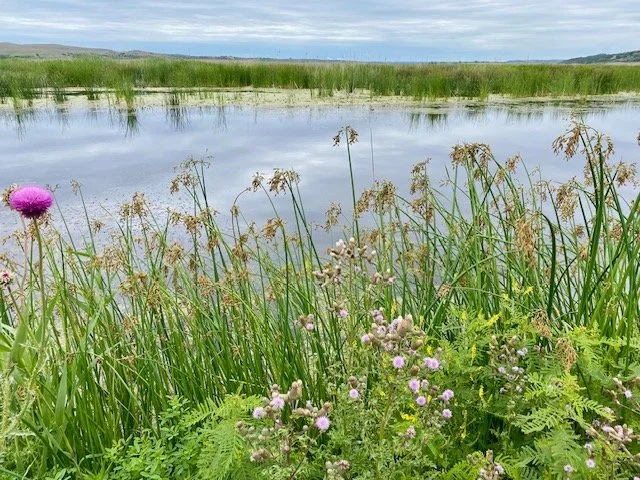
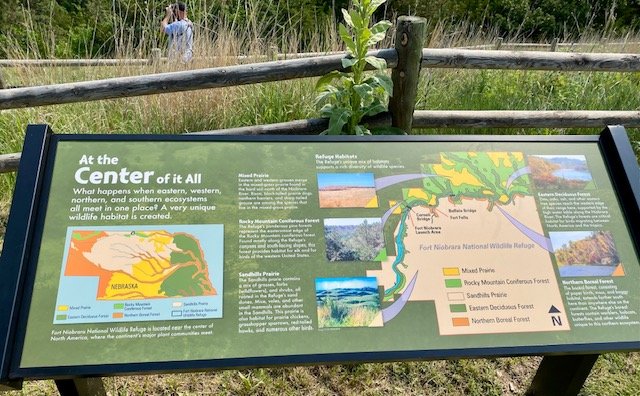
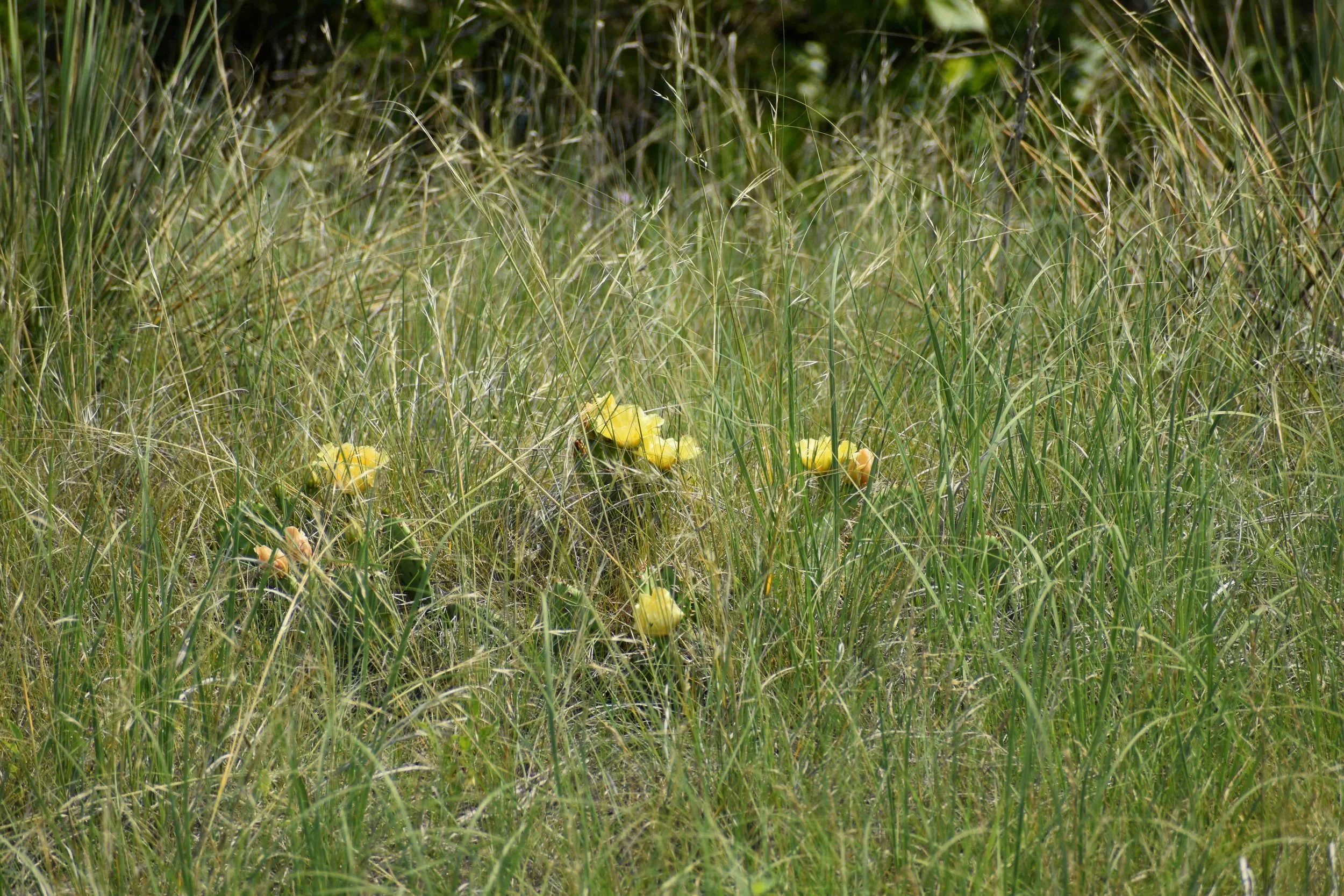
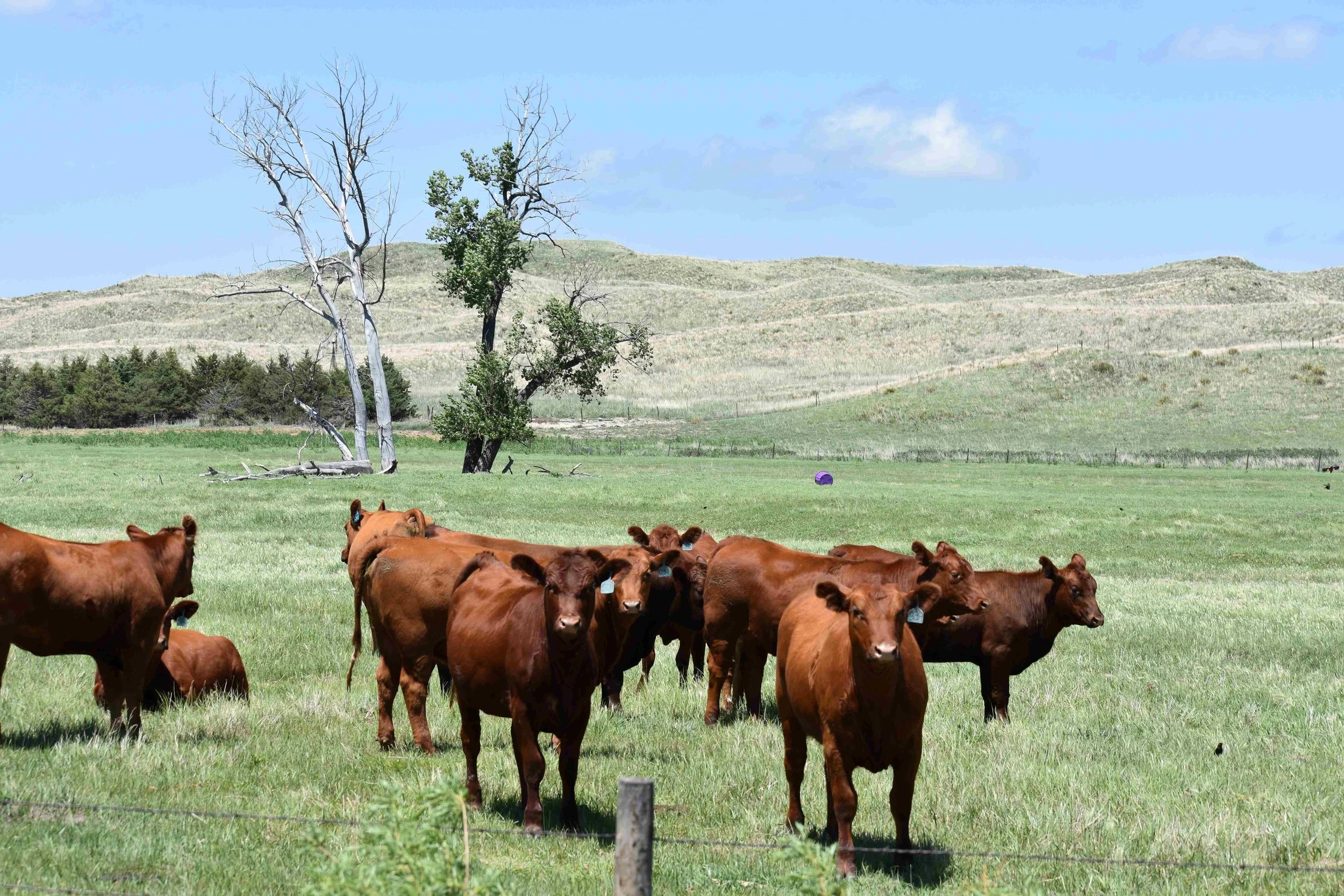
As we headed west Friday, some by US Hwy 20, others by NE Hwy 12, we saw the green croplands of Siouxland gradually give way to the rangeland and prairies that dominate the Sandhills. These dunes mark the eastern border of an ancient inland sea that was untouched during the later glaciation to the north and was subsequently covered by expansive prairies on these undulating dunes. Also, in the area is the Niobrara River that courses eastward with Ponderosa Pines on its north flank and ice-age remnants such as Aspens and Birches persisting in the shaded and cold watered cliffs on the south.
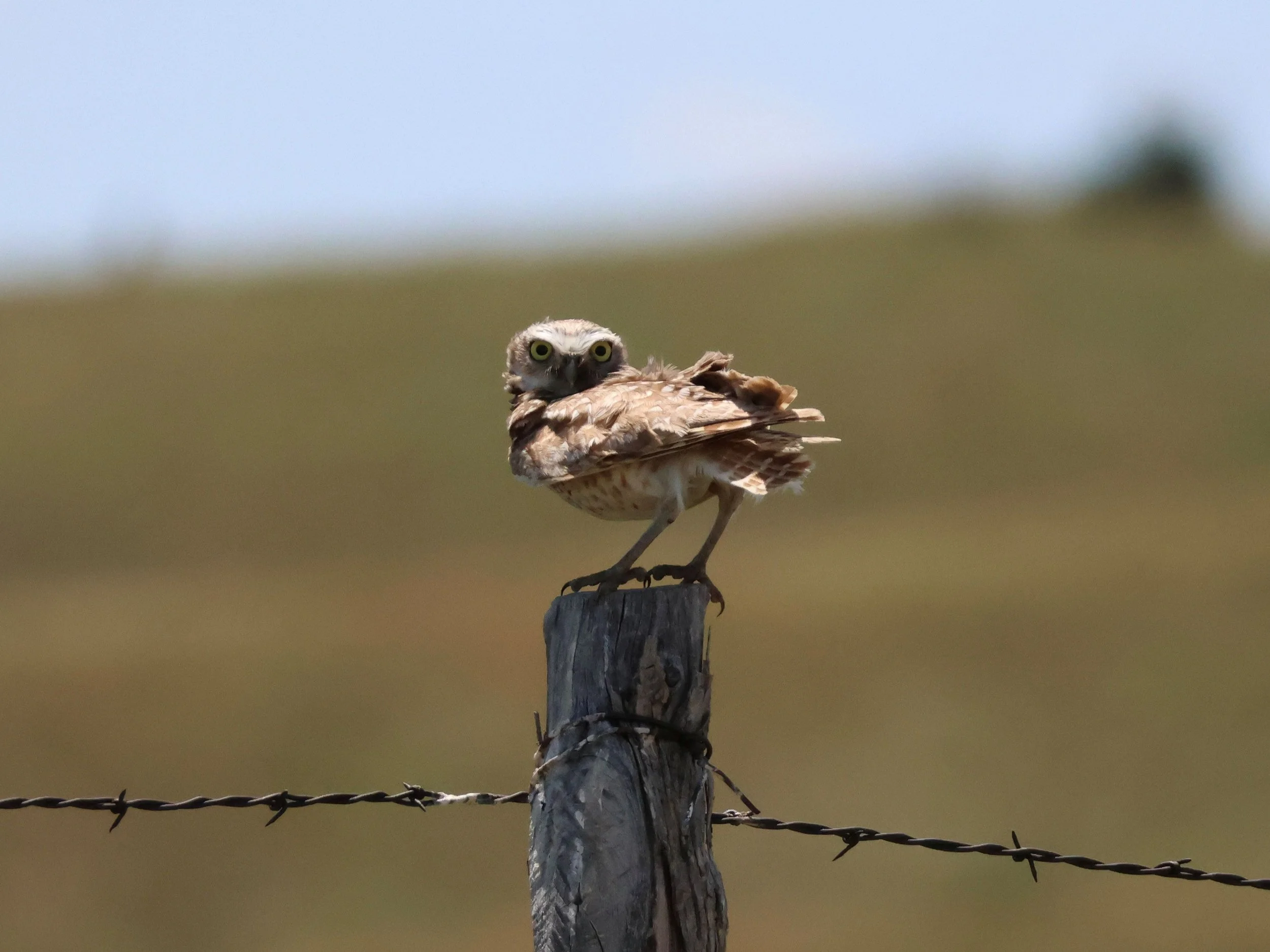
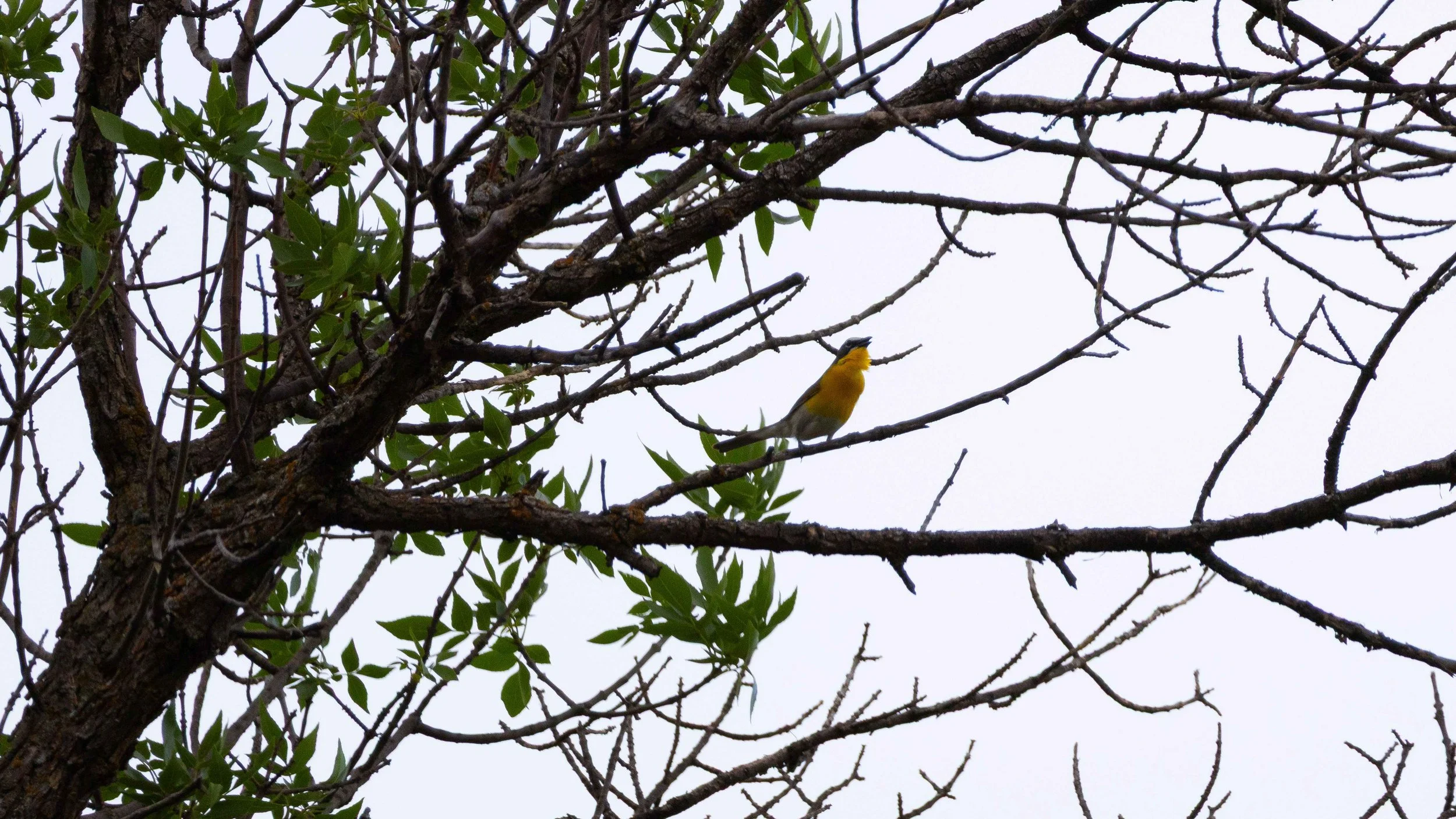
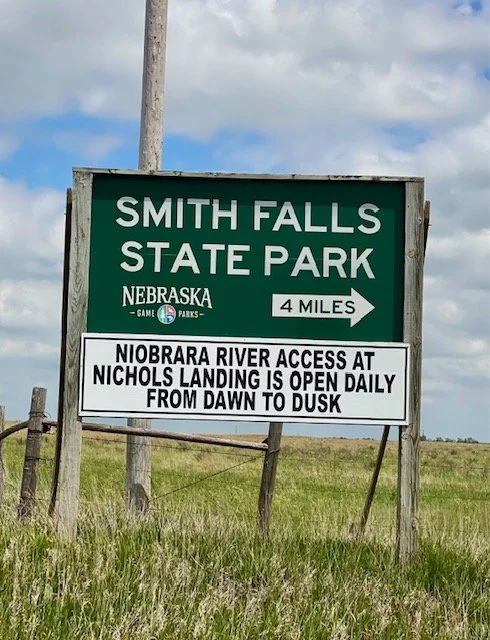
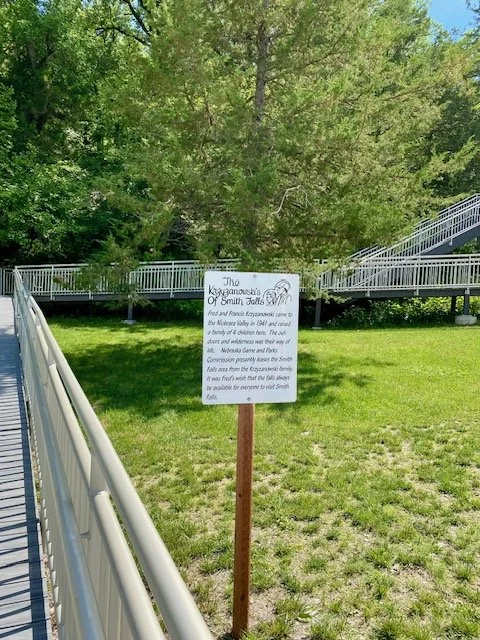
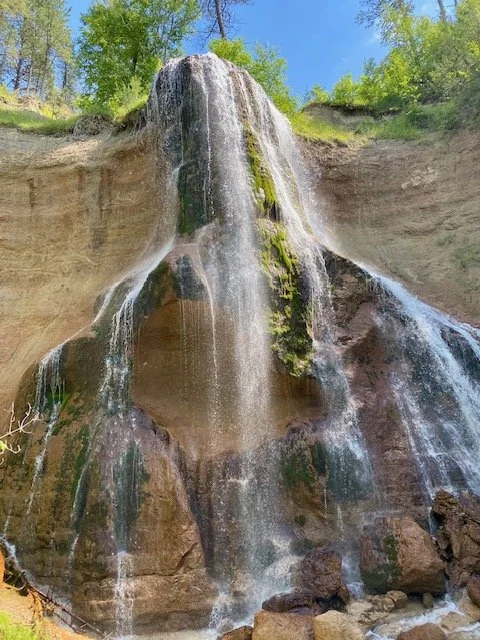
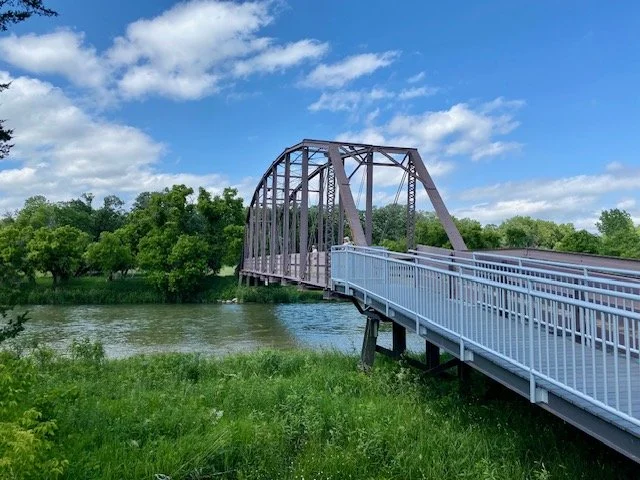
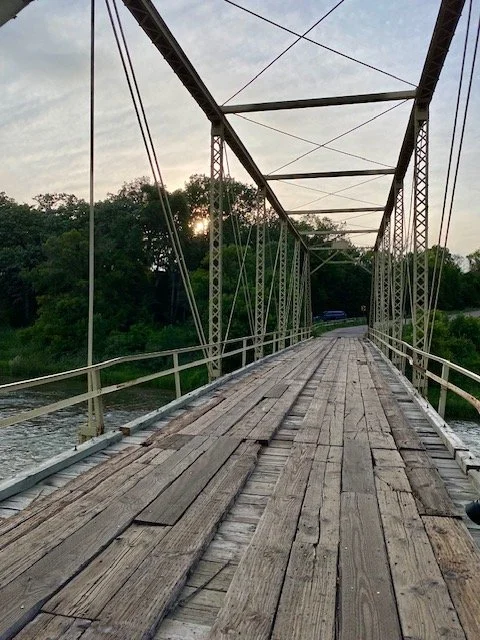
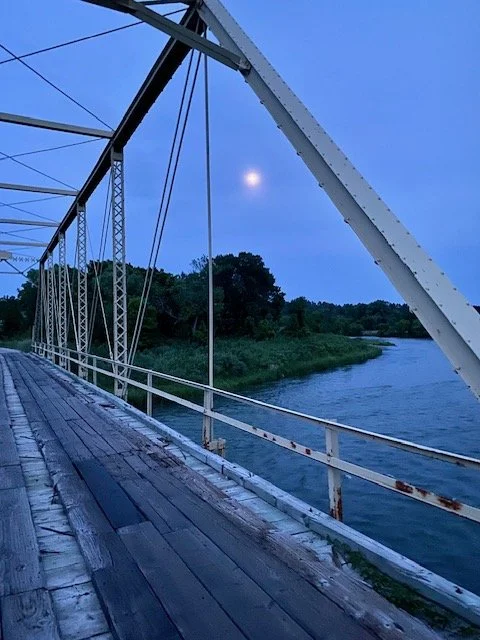
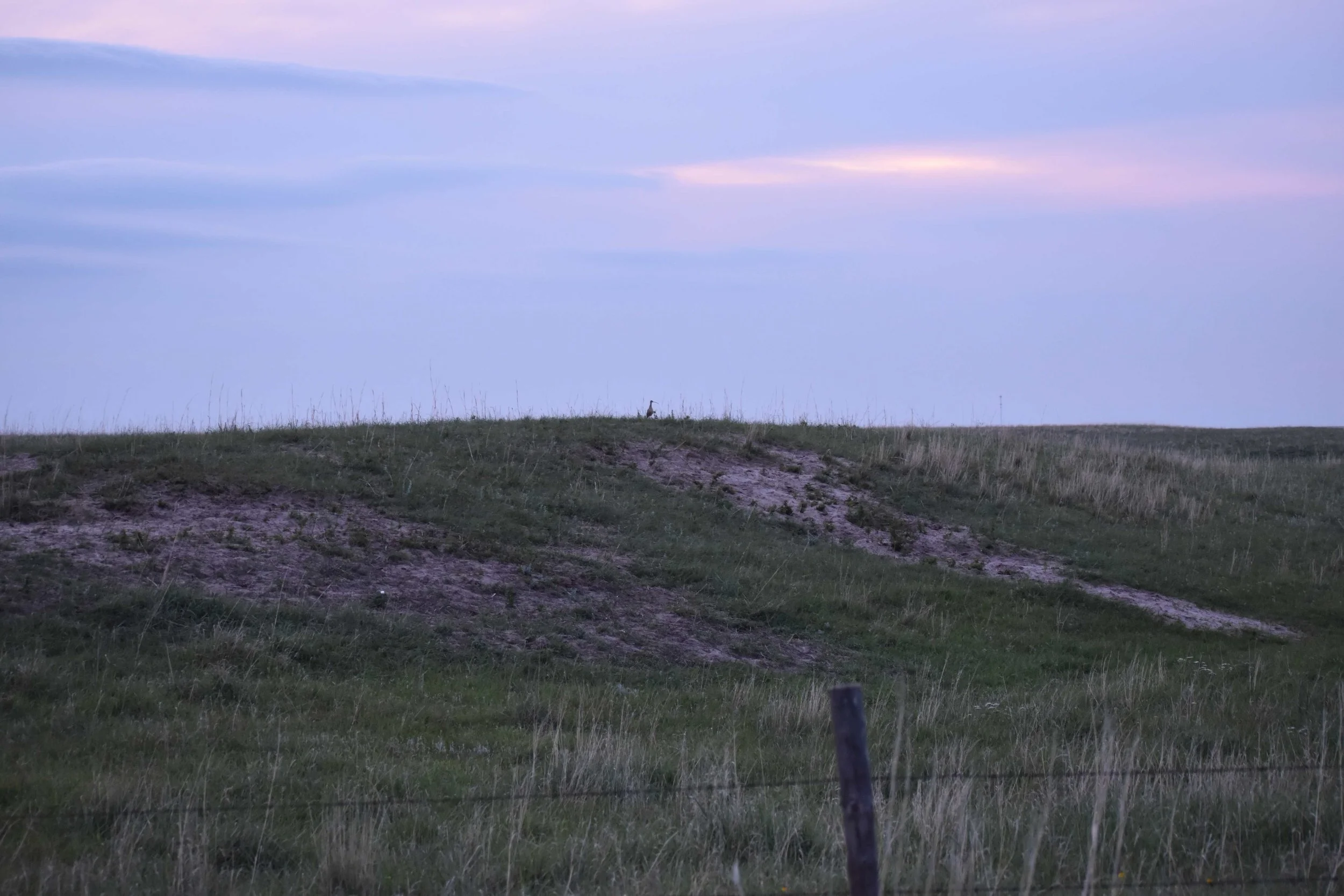
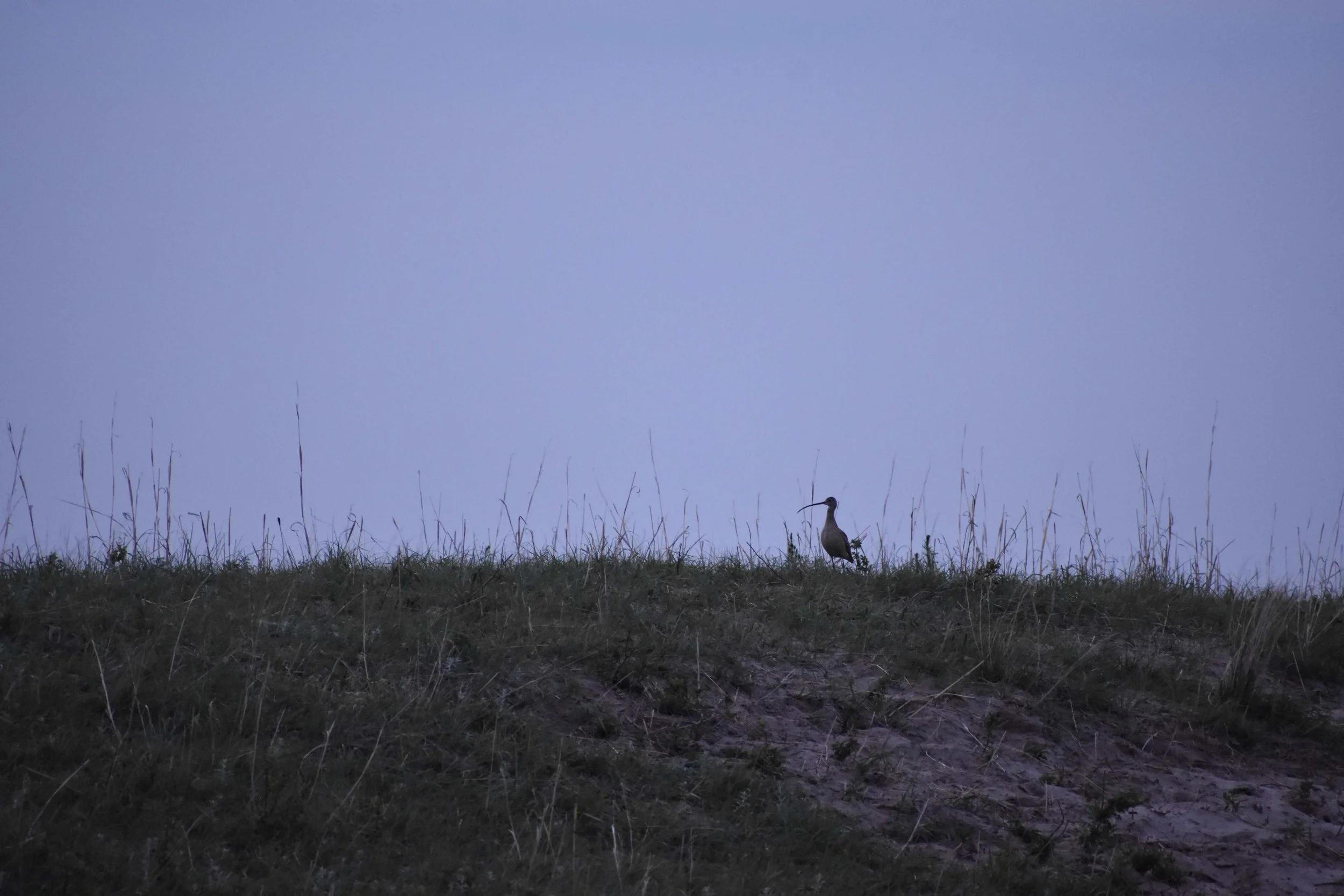
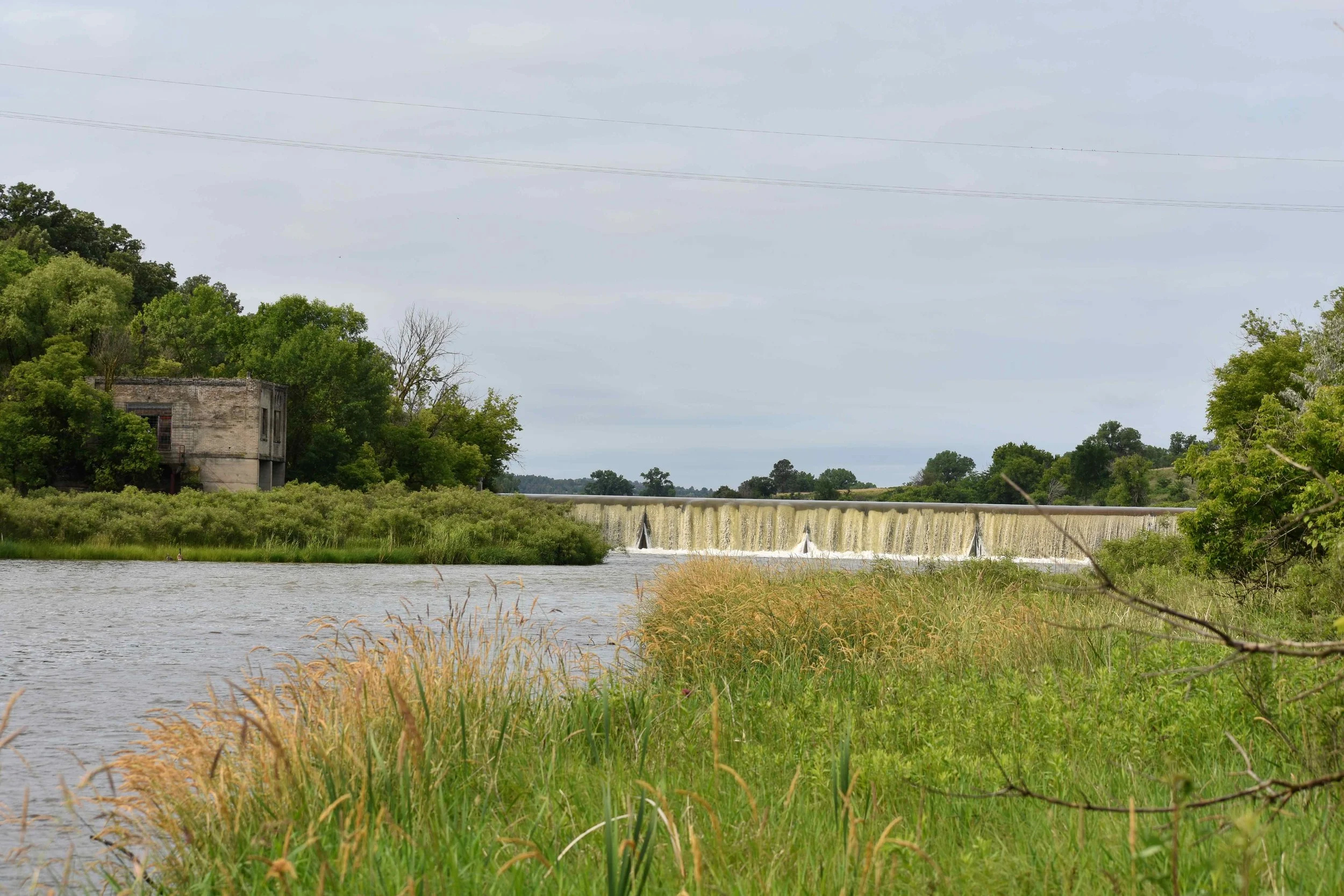
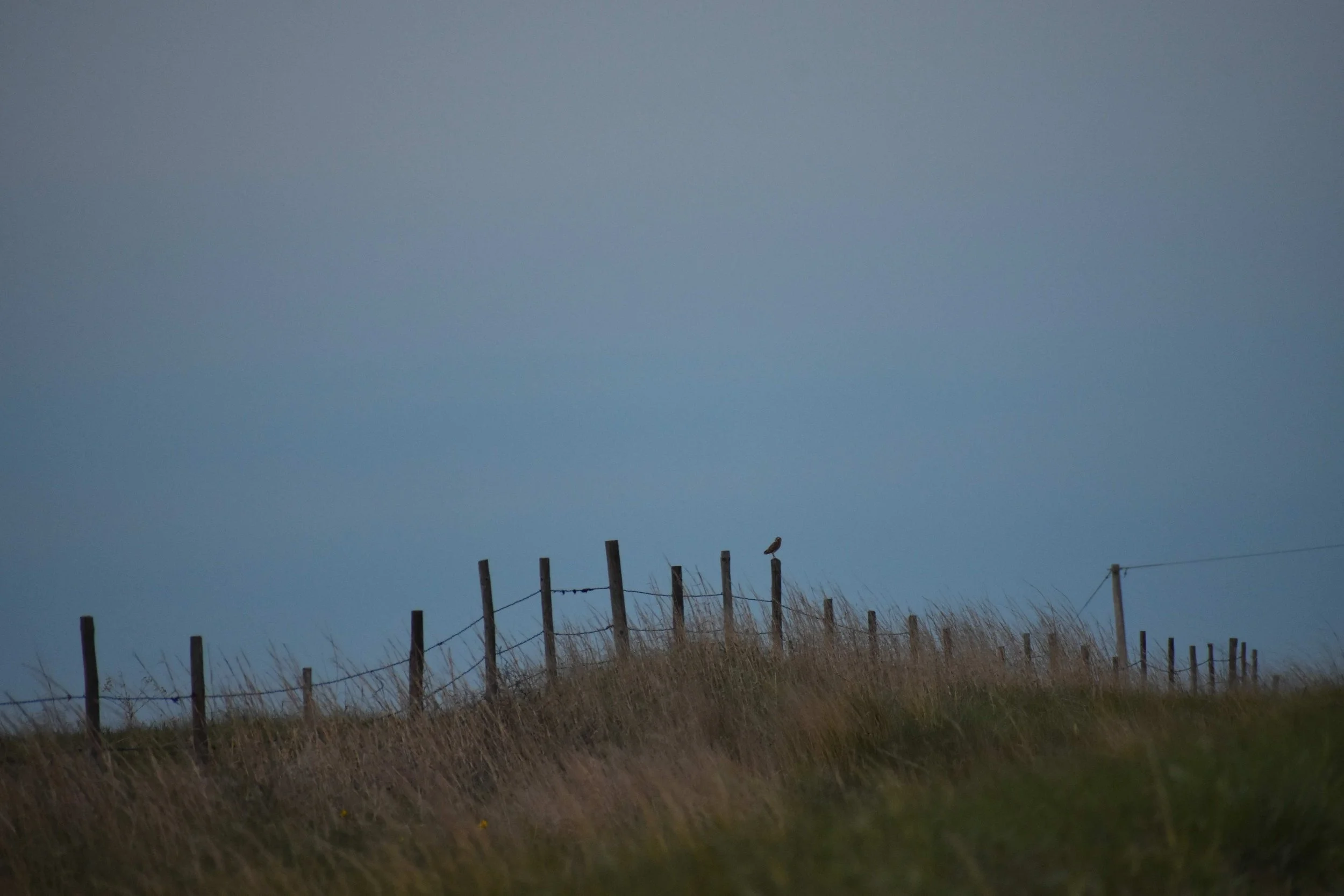
Those of us that arrived Friday afternoon, first stopped at Smith Falls, Nebraska’s tallest waterfall, to begin our birding and sightseeing. Though some birds were present, so were crowds of rafters and campers and the sound of rushing water. An after-dinner trip to the river at Borman Bridge was the start to the real birding where we saw Yellow-billed Cuckoos, Yellow-breasted Chat and others. Above the river valley a short distance to the east we found prairie with Long-billed Curlews and Burrowing Owls. Two to four Burrowing Owls were hunting the prairie by flying back and forth, then hovering and dropping down on prey. A Curlew flew in and perched on a sandy ridge where its mate was waiting. After posing there it flew directly over us giving an alarm call, perhaps signaling that their young were nearby.
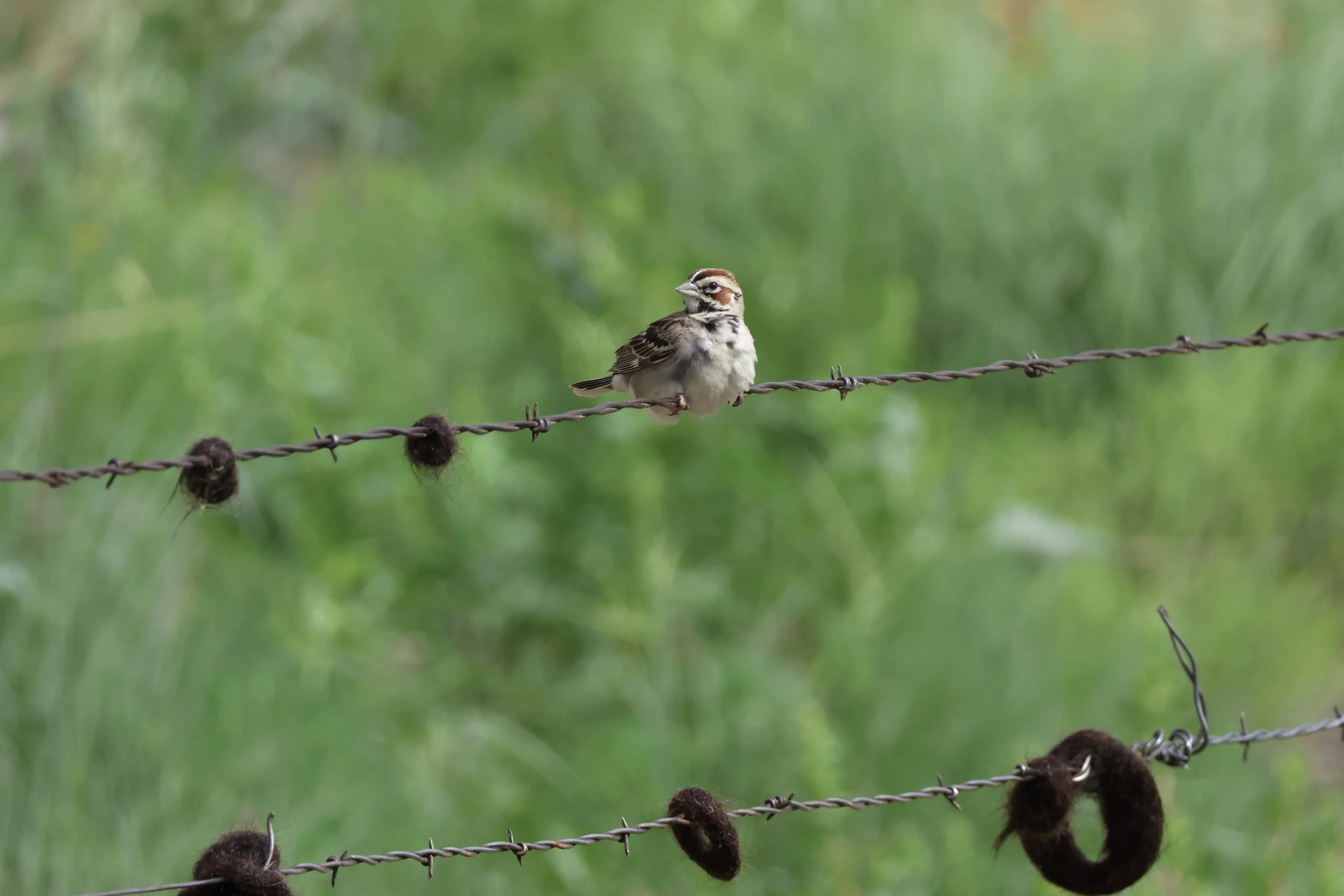
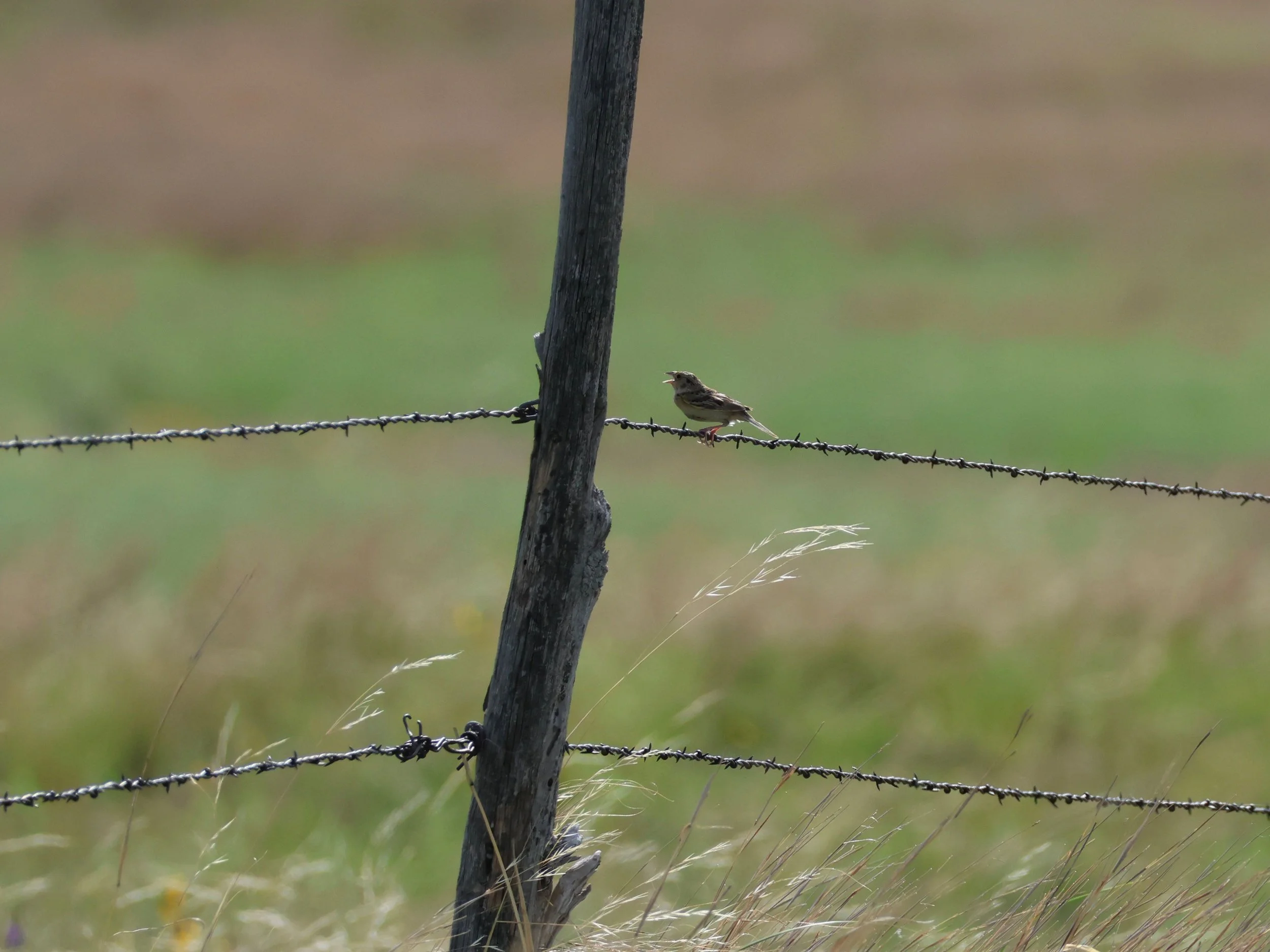
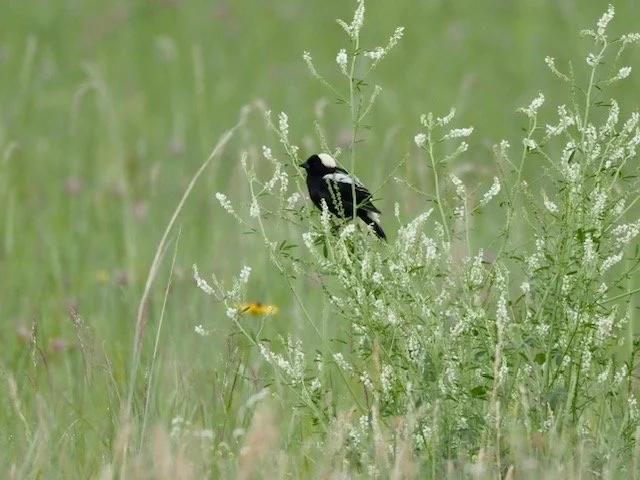
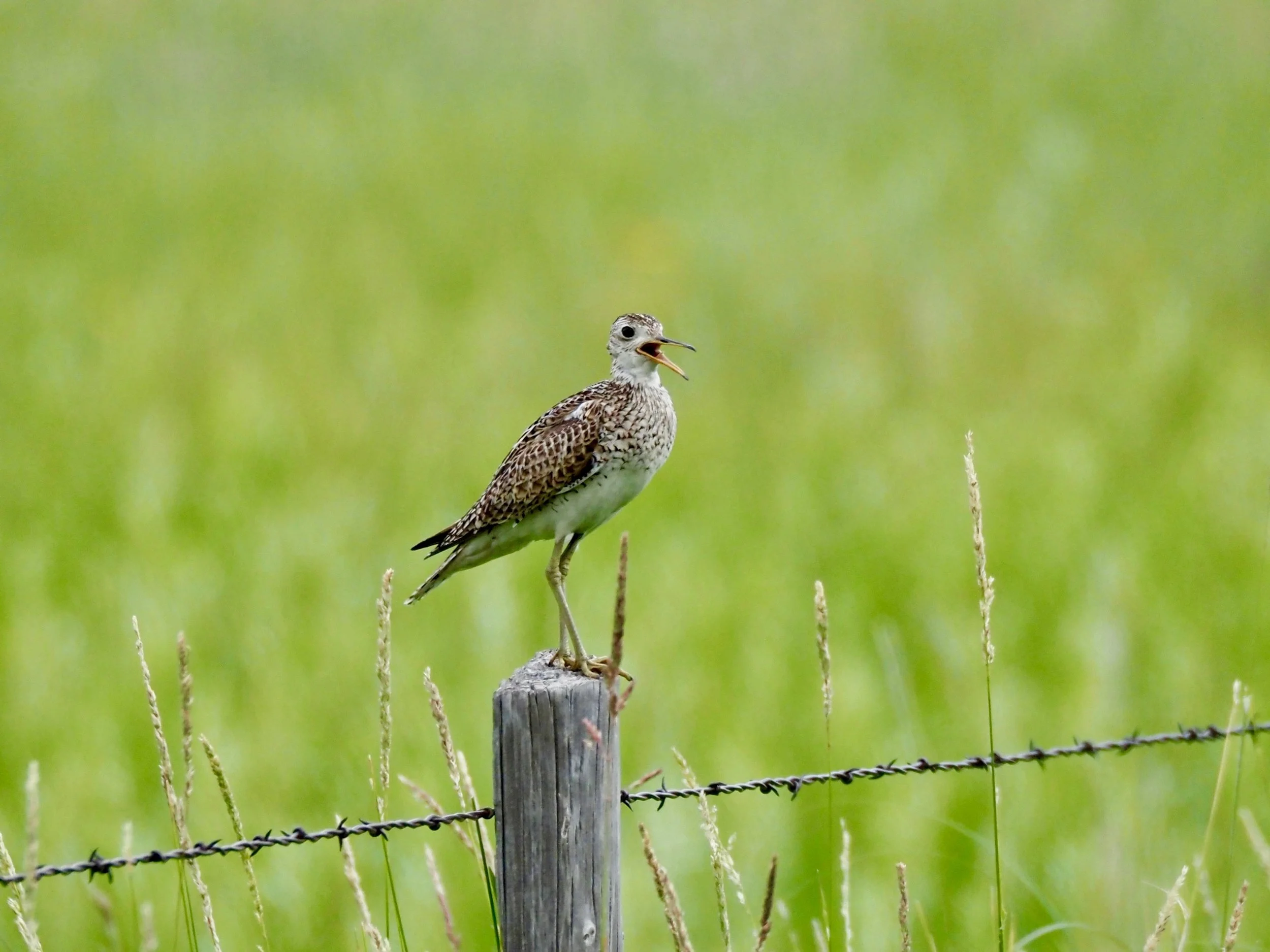
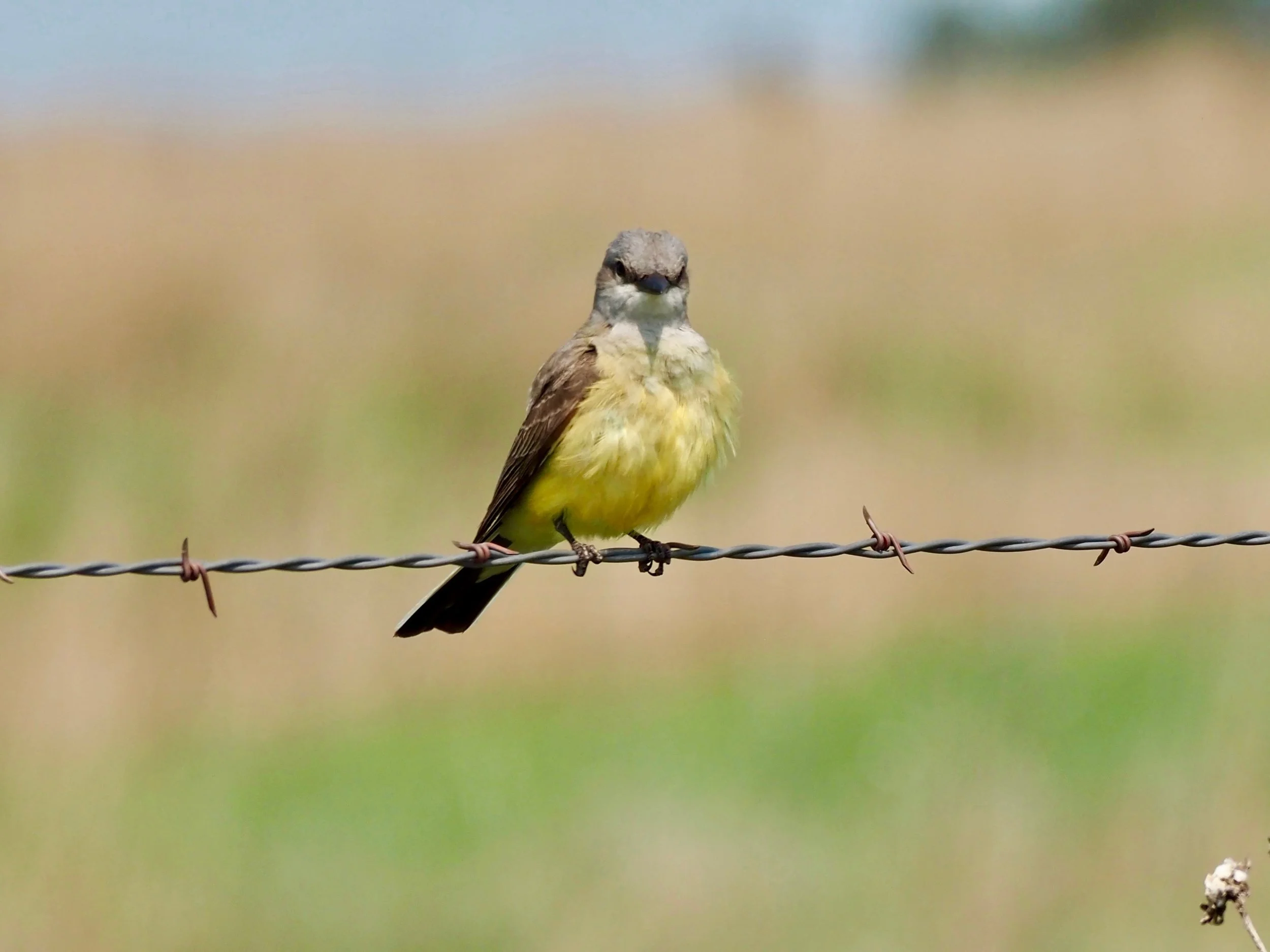
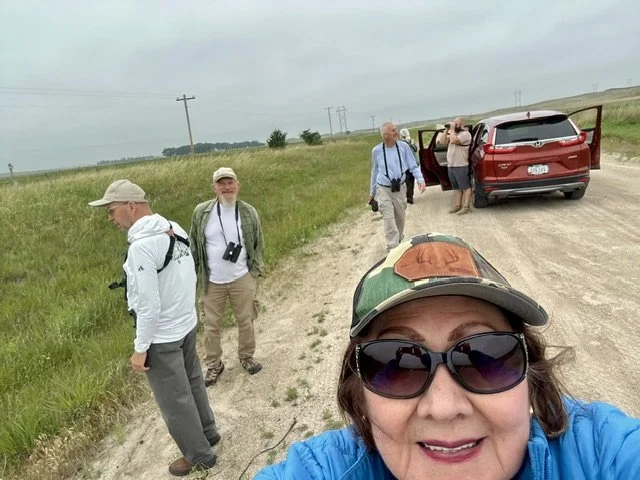
Saturday morning, our auto tour travelled west from Wood Lake. With prairie on all sides, Upland Sandpipers, Grasshopper Sparrows and Bobolinks were seen on many occasions. Other roadside birds included Wilson’s Snipe, Lark Sparrows, Western Meadowlarks and a pair of Sharp-tailed Grouse. The Grouse were a particular surprise and were seen both on the ground and in brief flight where their diagnostic, white-edged, pointed tails were seen.
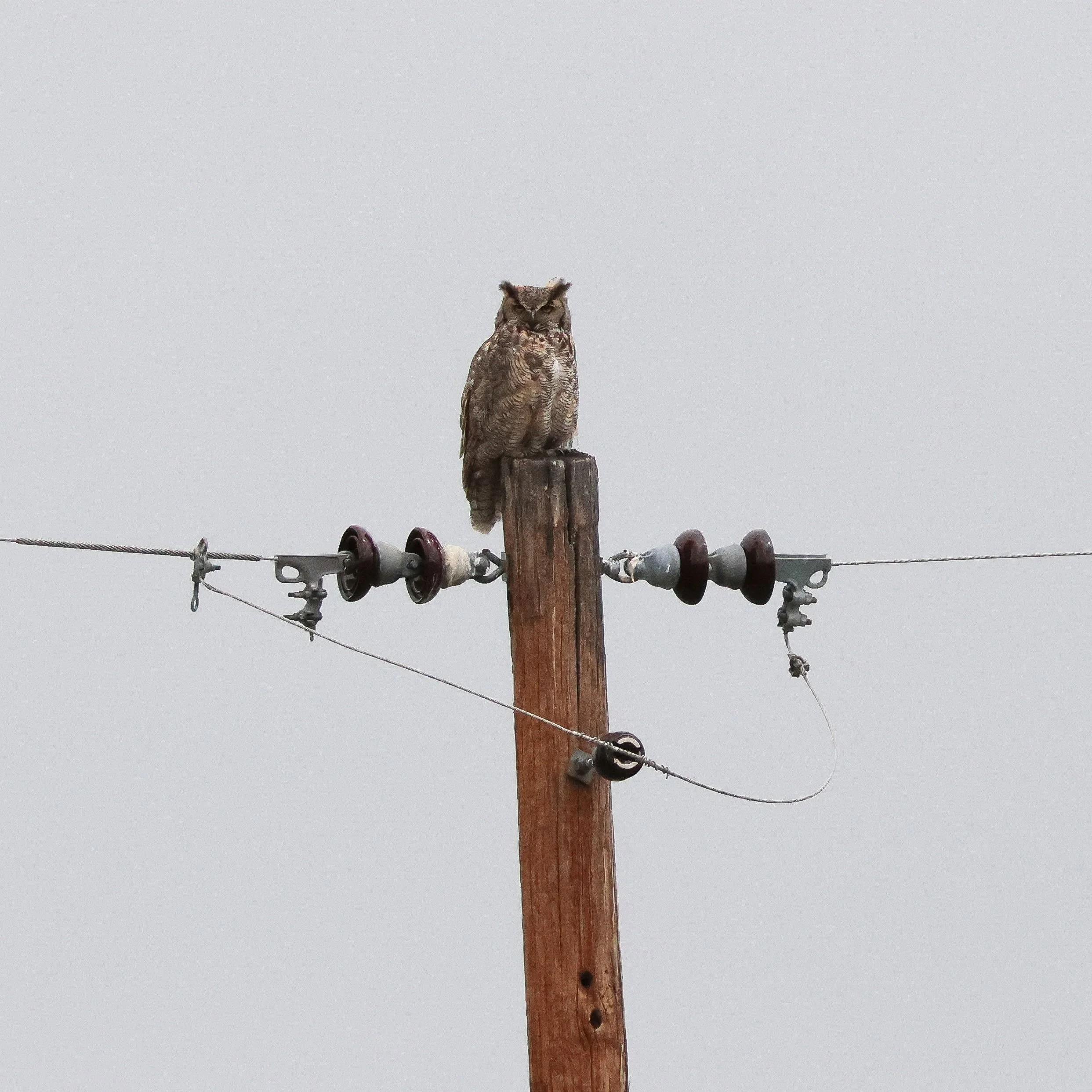
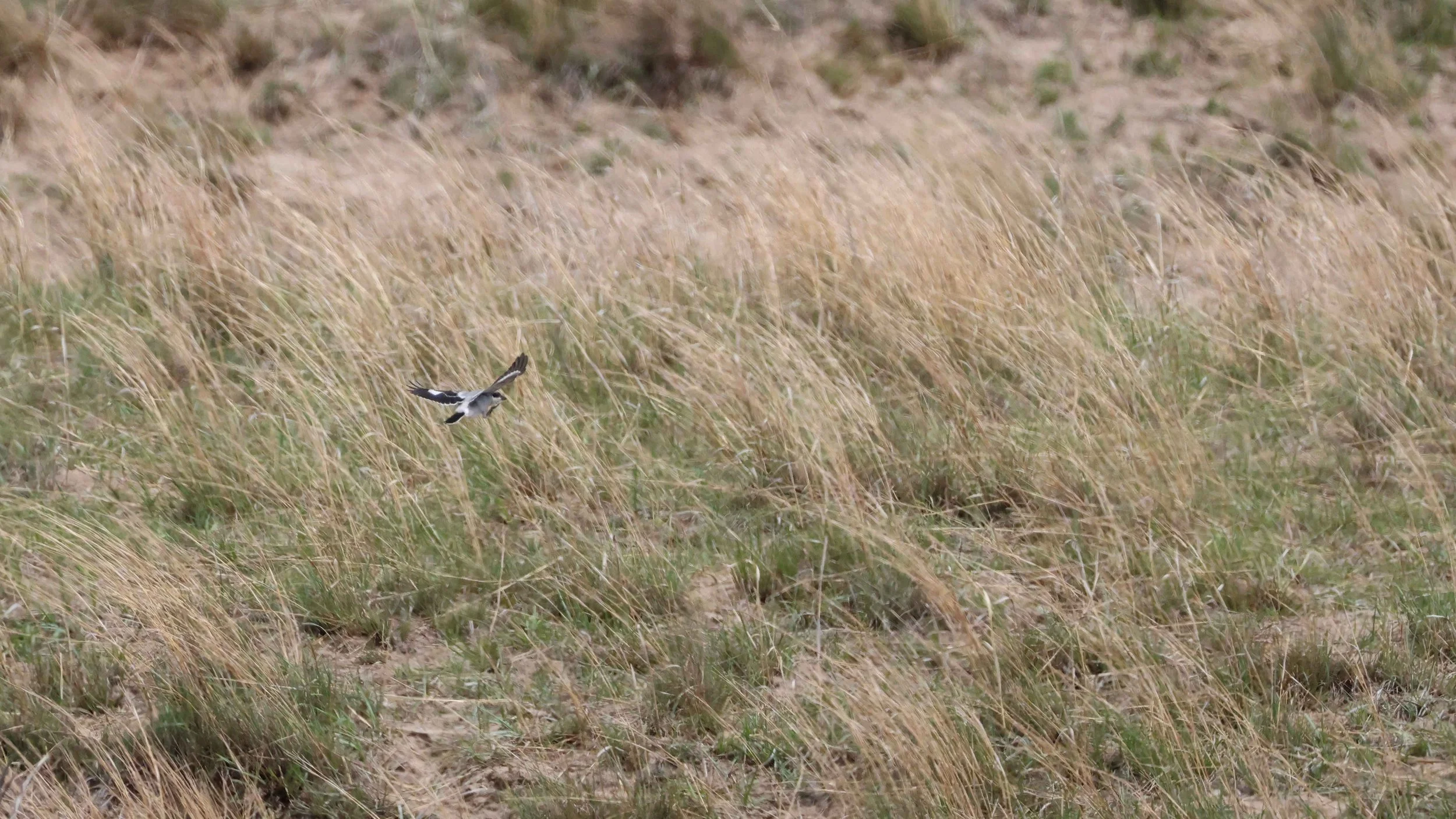
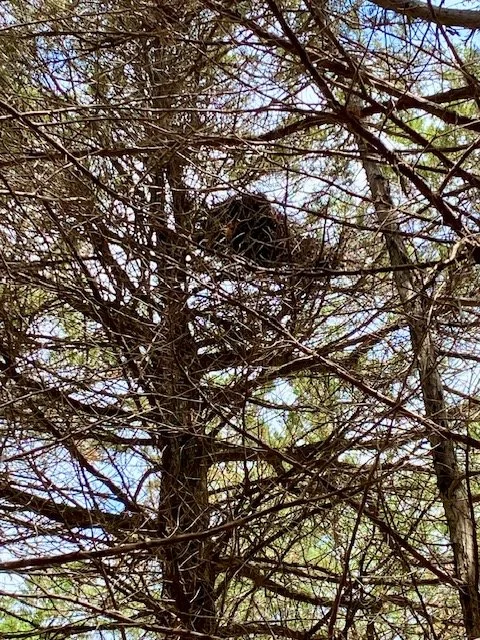
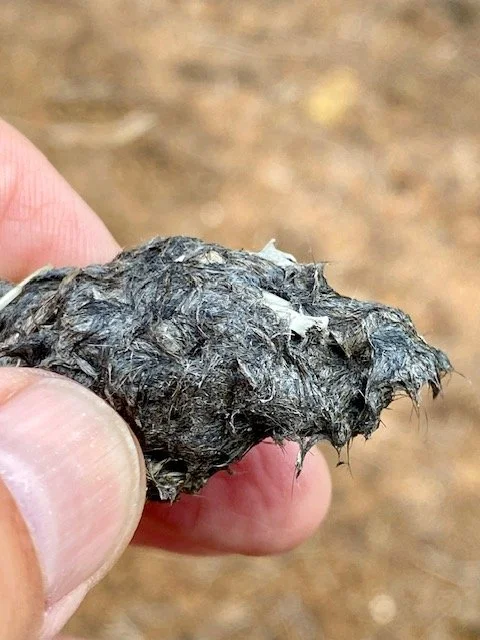
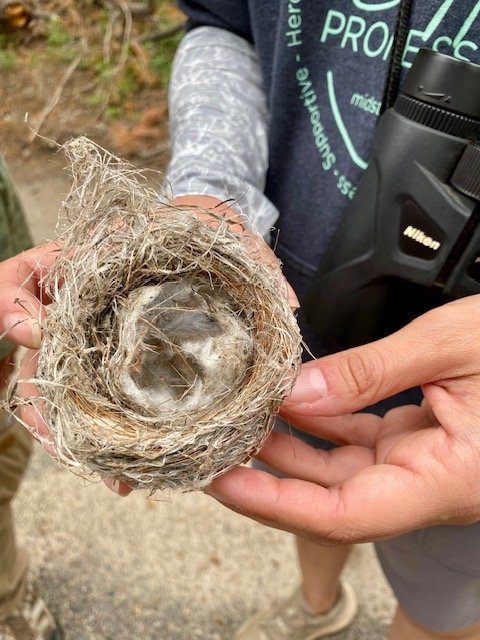
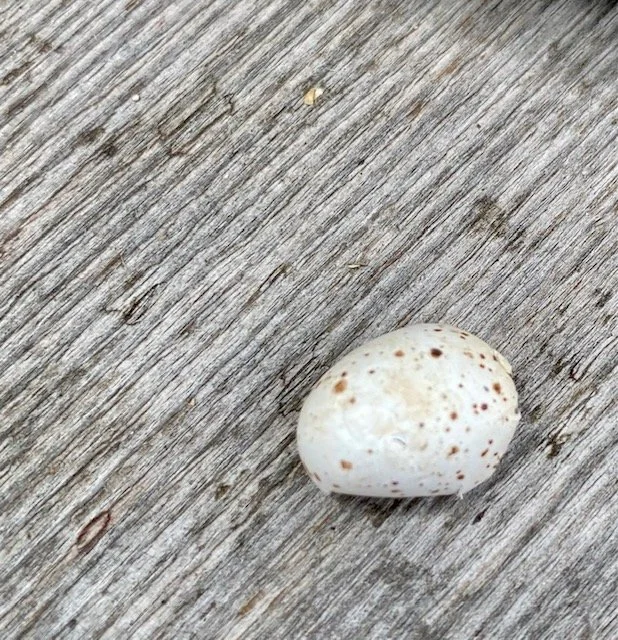
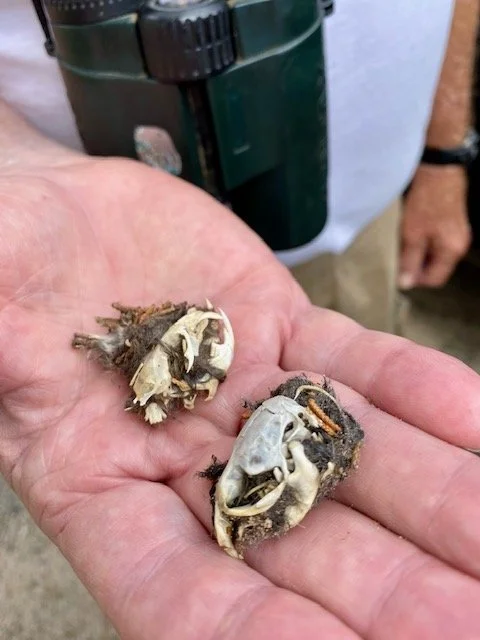
By late morning the south wind had strengthened to 30mph and birding the lakes of Valentine NWR was difficult and unproductive. However, the wind did not seem to deter turtles, and we found a Box Turtle and Yellow Mud Turtles crossing the road. At Hackberry Lake we saw two Great-horned Owls and were directed to a Long-eared Owl nest used this past Spring. Under the nest we located many, many pellets containing rodent skulls and other bones. Traveling westward from the refuge, we found a Black Tern, 5 Loggerhead Shrikes, a Burrowing Owl and a lone female Lark Bunting. Stops at Merritt Reservoir and the Valentine Fish Hatchery were disappointing and convinced us to have Dinner.
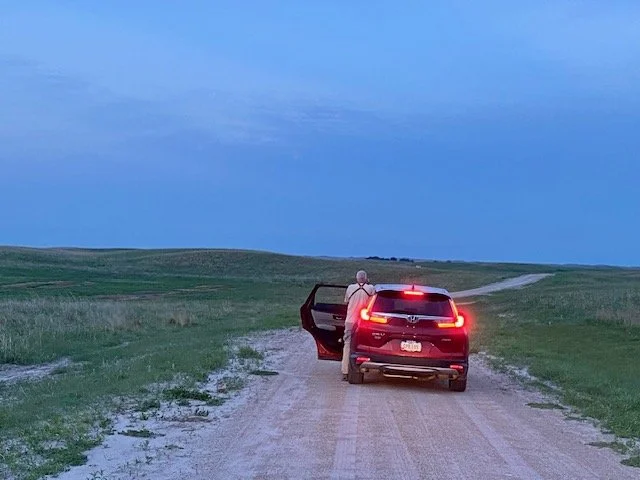
Afterwards, we re-found the Yellow-breasted Chat and Burrowing Owls on Borman Bridge Road but could not locate the Curlews though we waited till nearly dark. A spectacular thunderstorm was approaching, and our quest for singing Poor-wills at Government Canyon was cut short when rain began to fall. This disappointment was short-lived as we remembered we had special desserts waiting for us back at the motel as part of Maria’s XX birthday celebration. Only those present were privy to this number, and we aren’t telling.
Sunday morning began with a visit to the Fish Hatchery with hopes of a Violet-green Swallow amongst the Tree Swallows that have been foraging there. But, alas, it must have been too late in the season and only a handful of swallows remained. A walk along the ponds and Minnechaduza Creek turned up several singing Western Wood Pewees whose distinctive song separates them from their eastern look-a-likes back home.
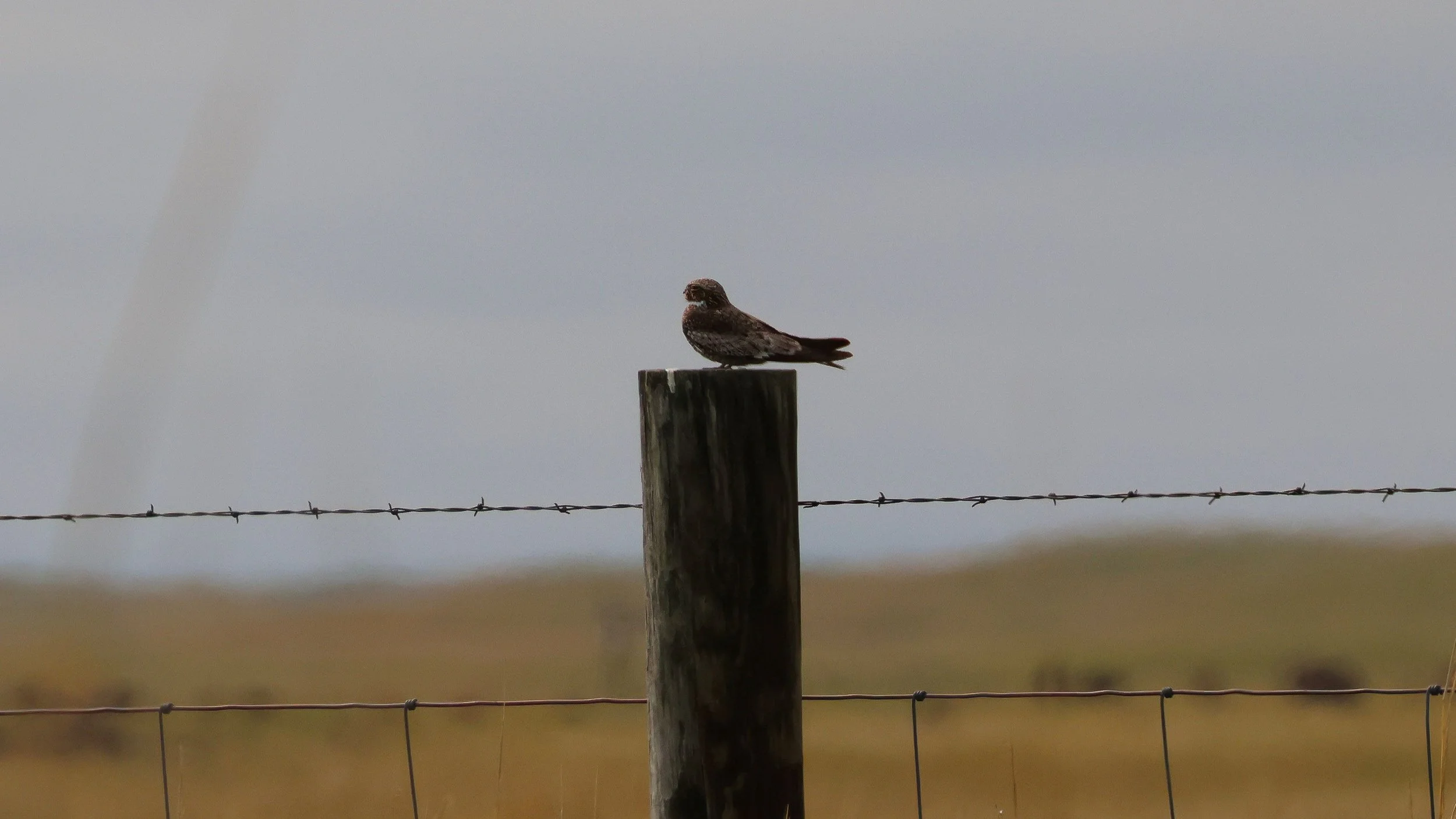
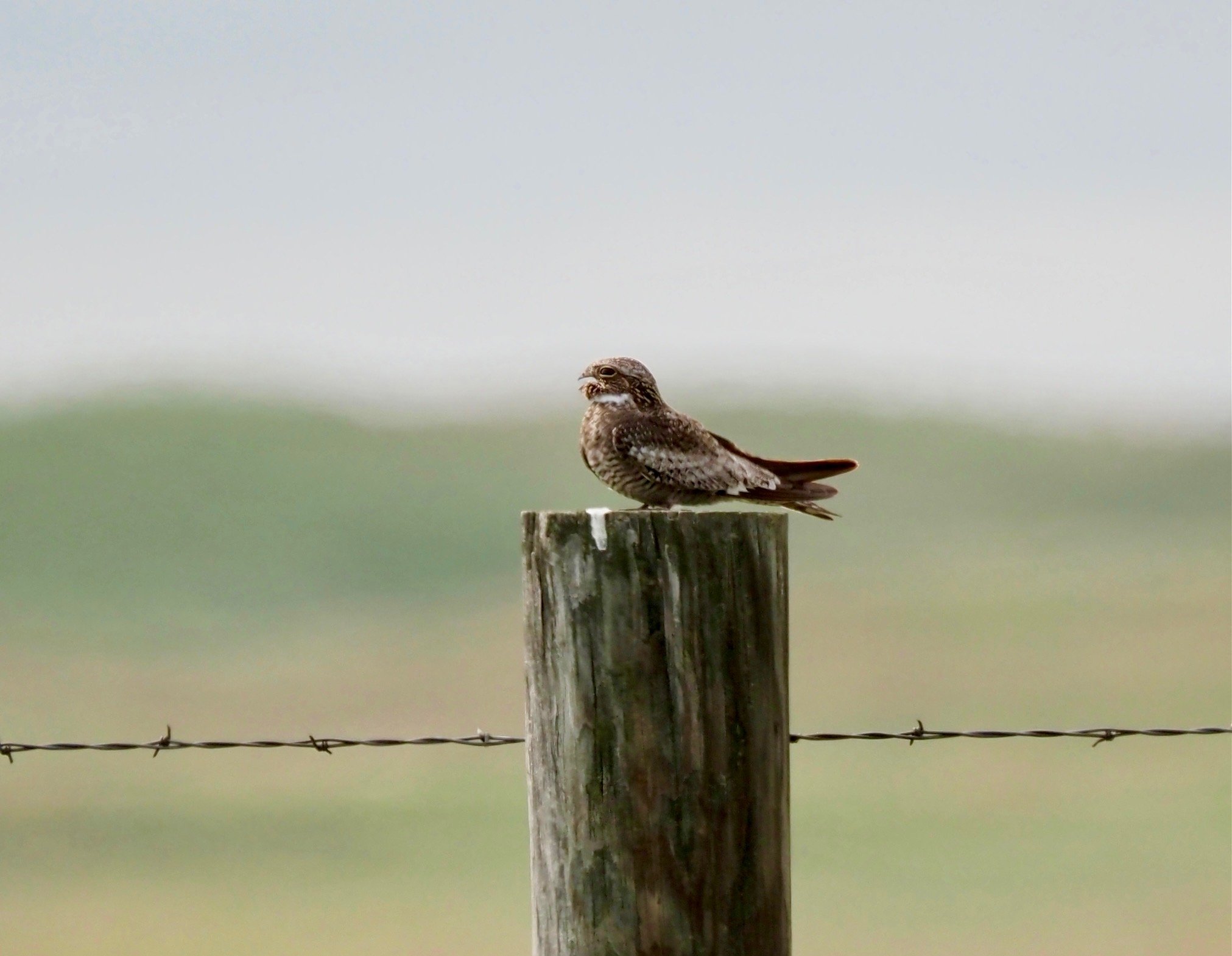
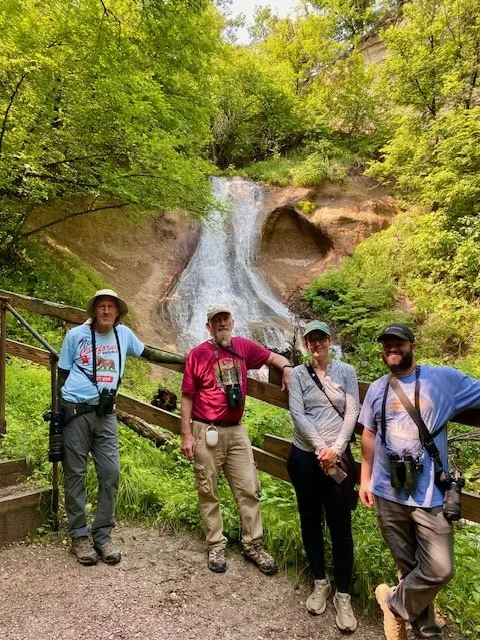
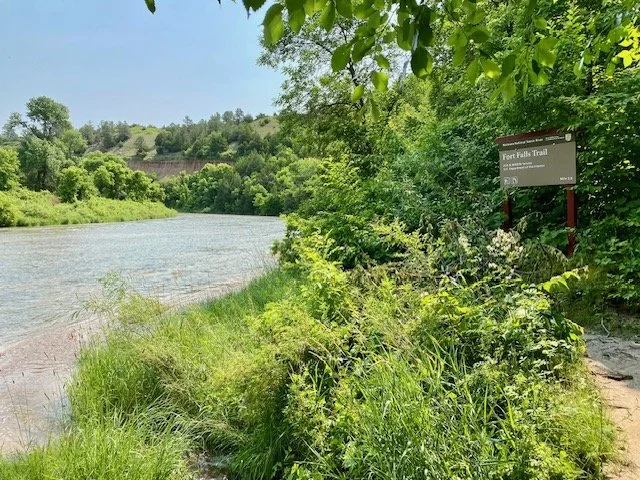
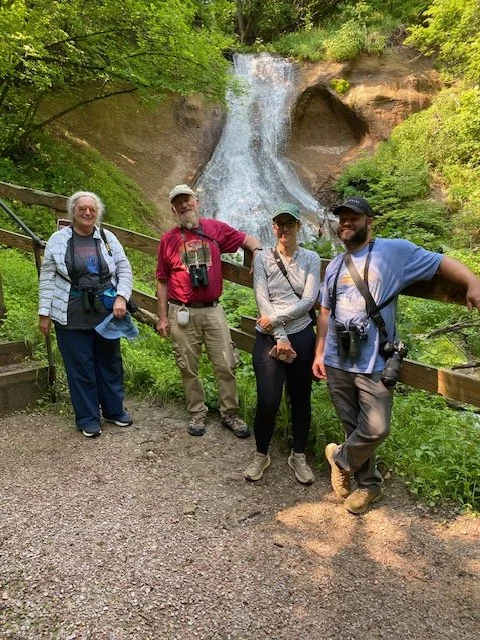
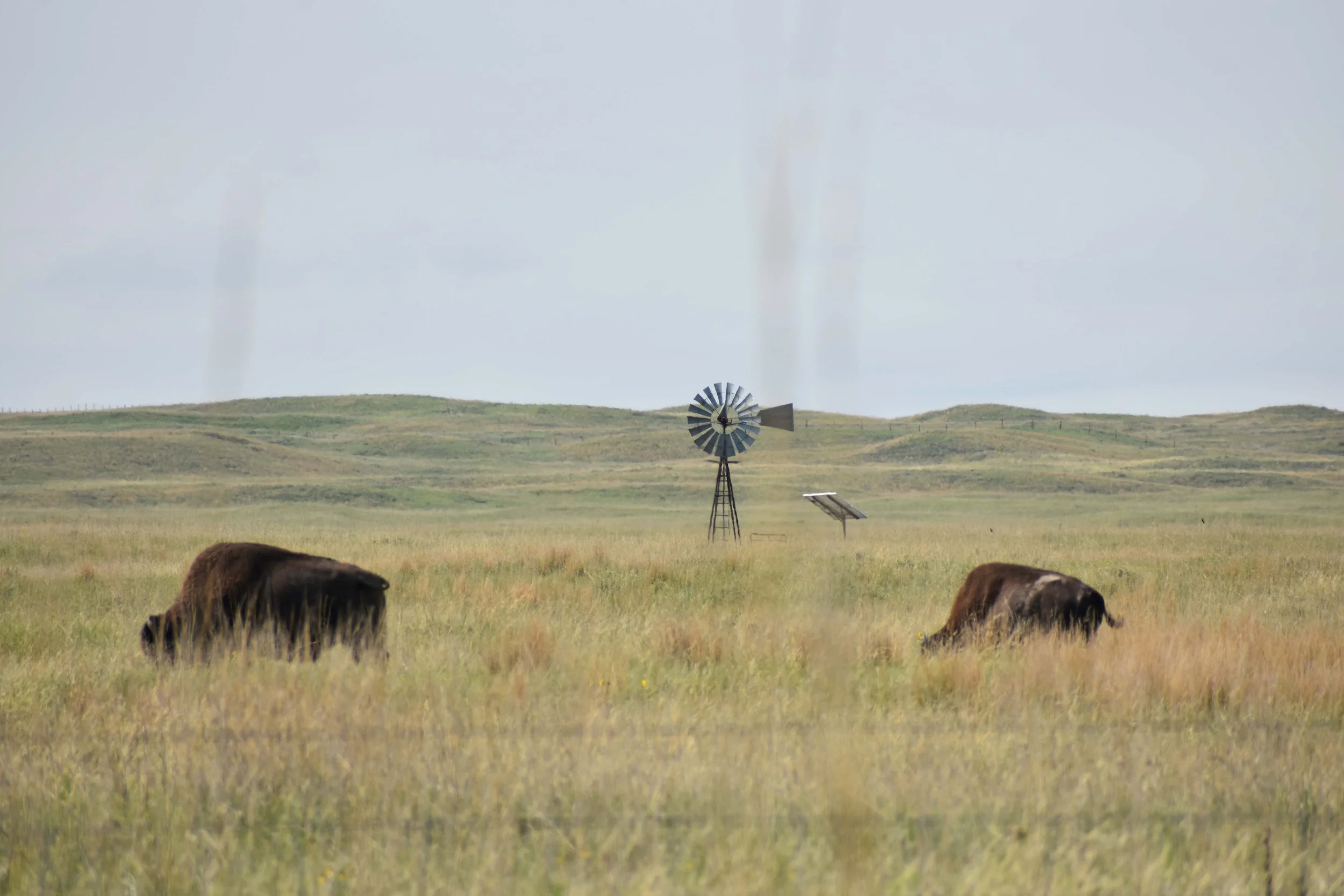
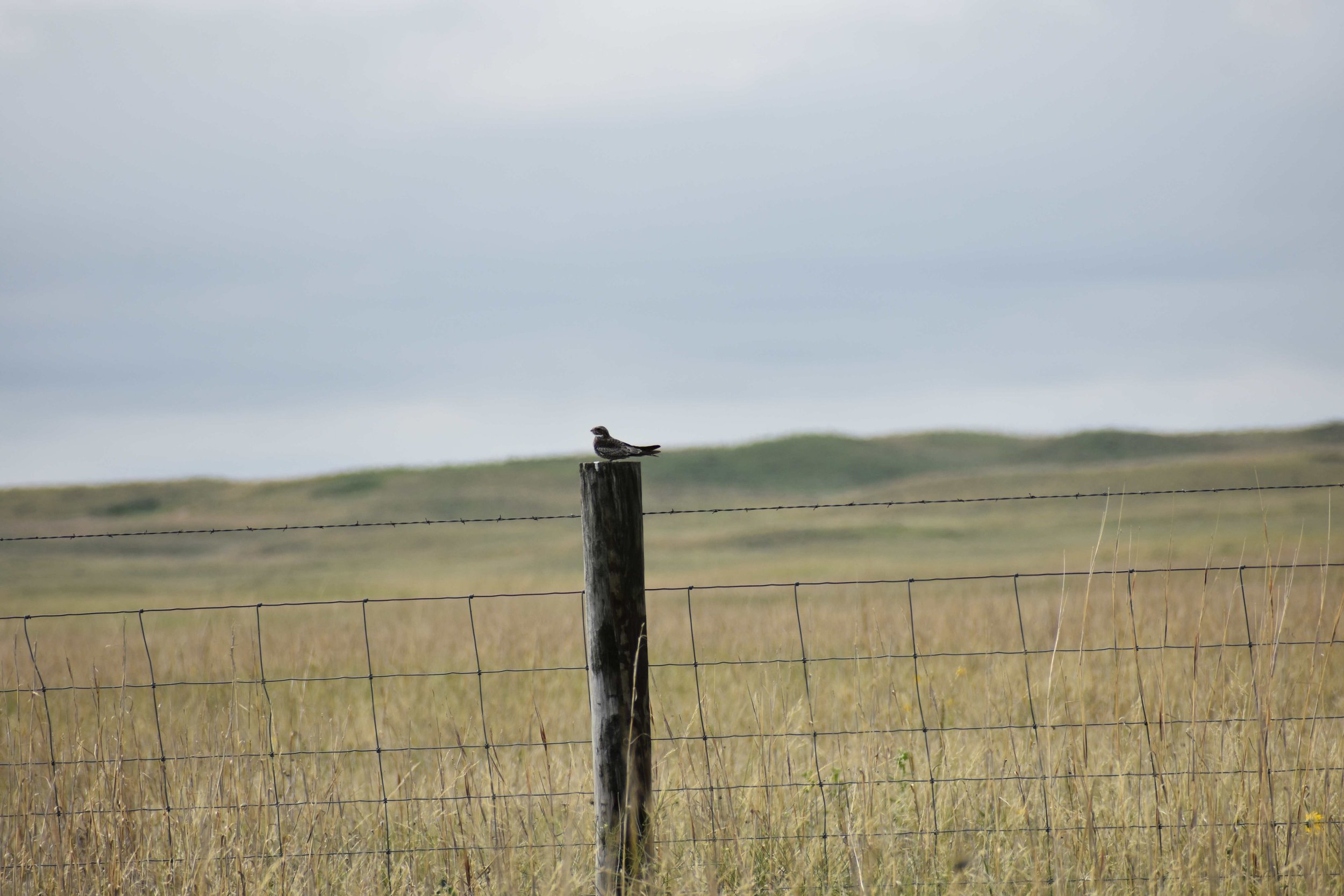
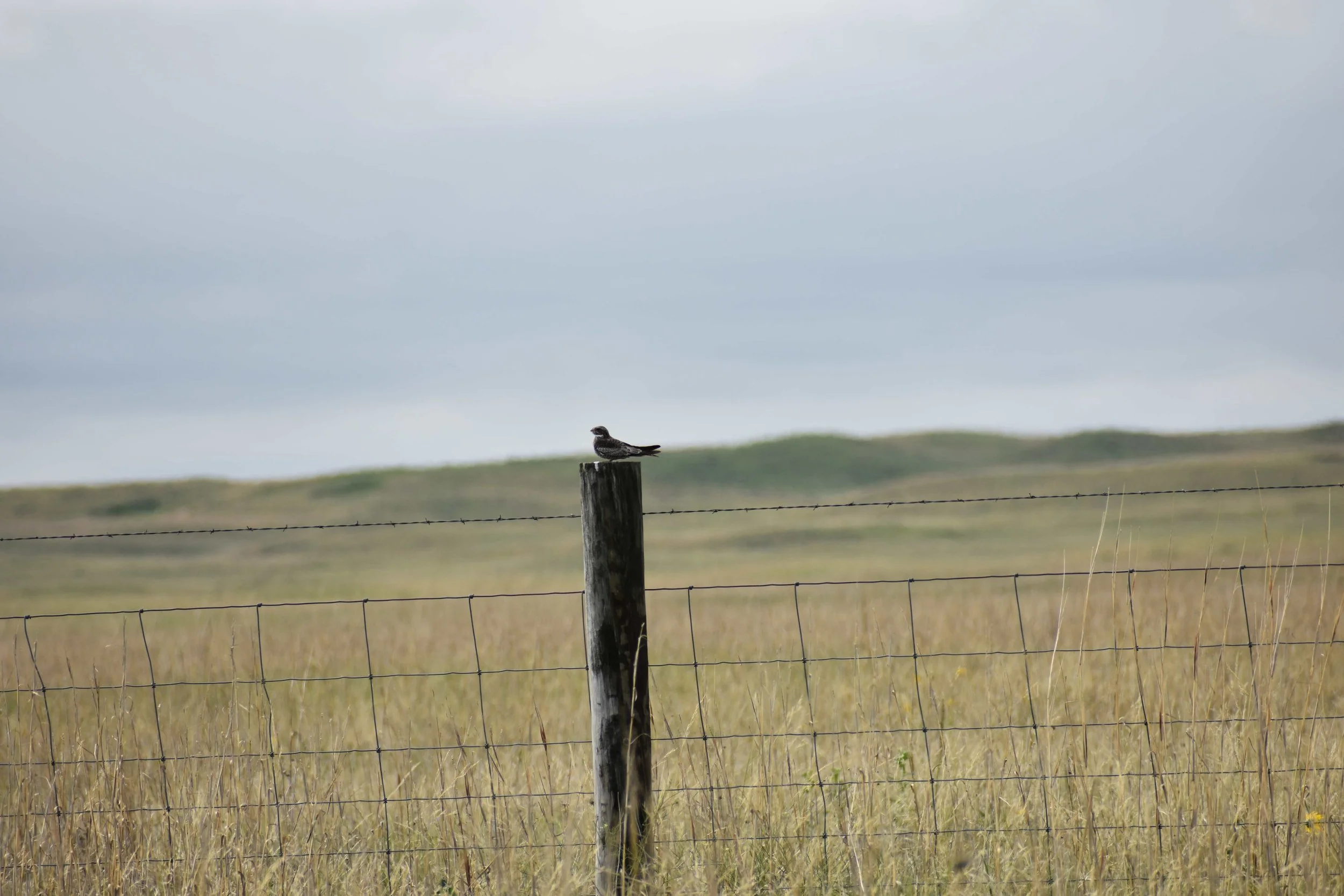
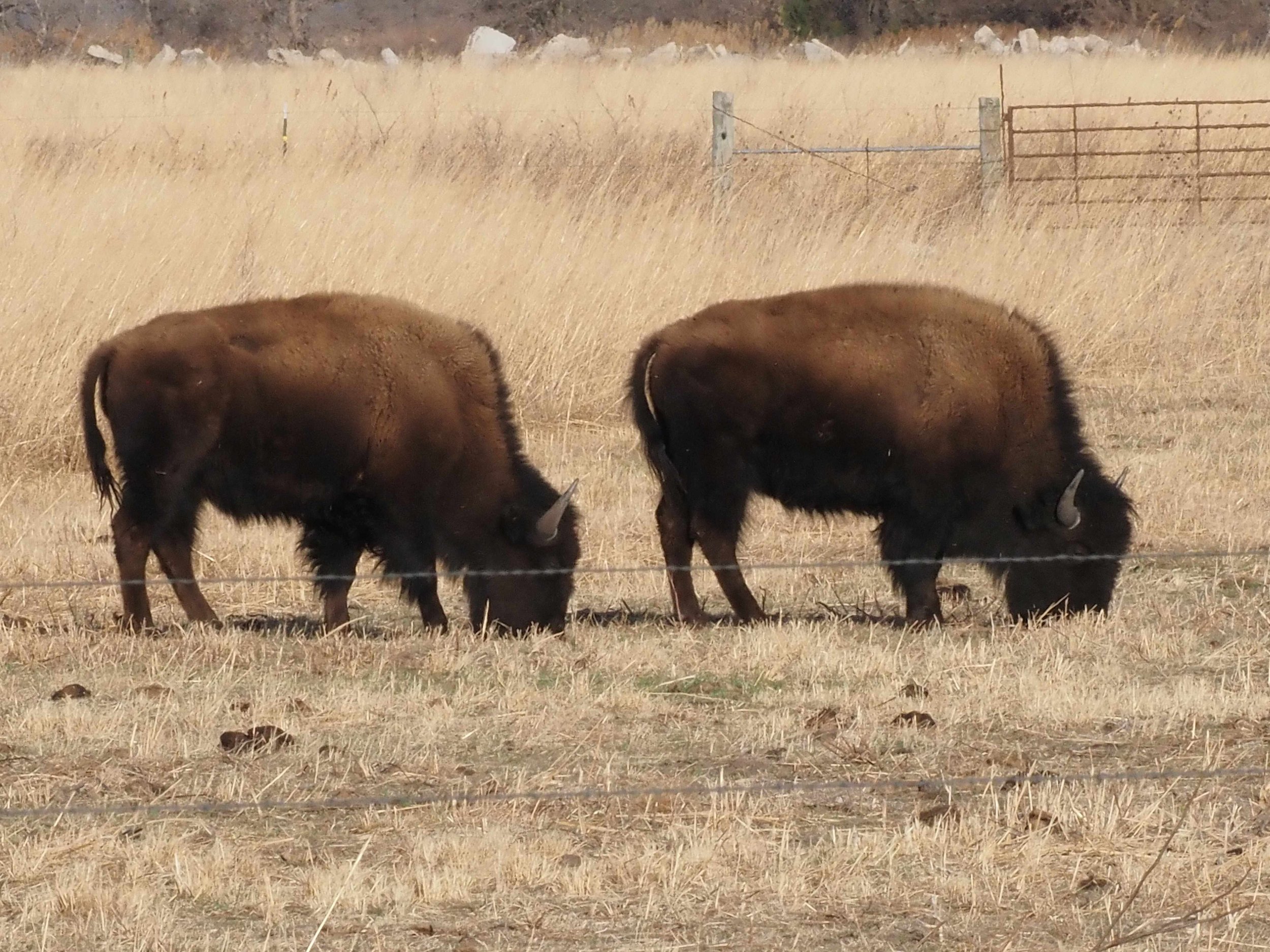
After another fruitless search for the Curlews on Borman Bridge Road, we made our first visit to Ft. Niobrara NWR, where a drive through the Bison range showed not only Bison, but Common Nighthawks perched on fence posts and hunting above the prairies in midday, a behavior our Nighthawks back home don’t seem to do. We hiked down to Fort Falls and enjoyed the cascading water but found it impossible to hear and locate the birds there.
And so ended the official outing activities as we then headed home on the scenic Hwy-12. But birding is never quite over till you pull into your driveway, so we drove the scenic route with eyes wide open and saw more Upland Sandpipers, a Burrowing Owl and a stunning Chestnut-collared Longspur that exhibited the male’s breeding plumage of a black breast and belly, pale throat and dark patterned face and head.
In all we listed 80 species of birds including a Grosbeak heard at Fort Falls that could not be identified to species by song alone, especially with water rushing over the falls and roaring in our ears. The highlights included the 9 species that were lifers for one or more of us.
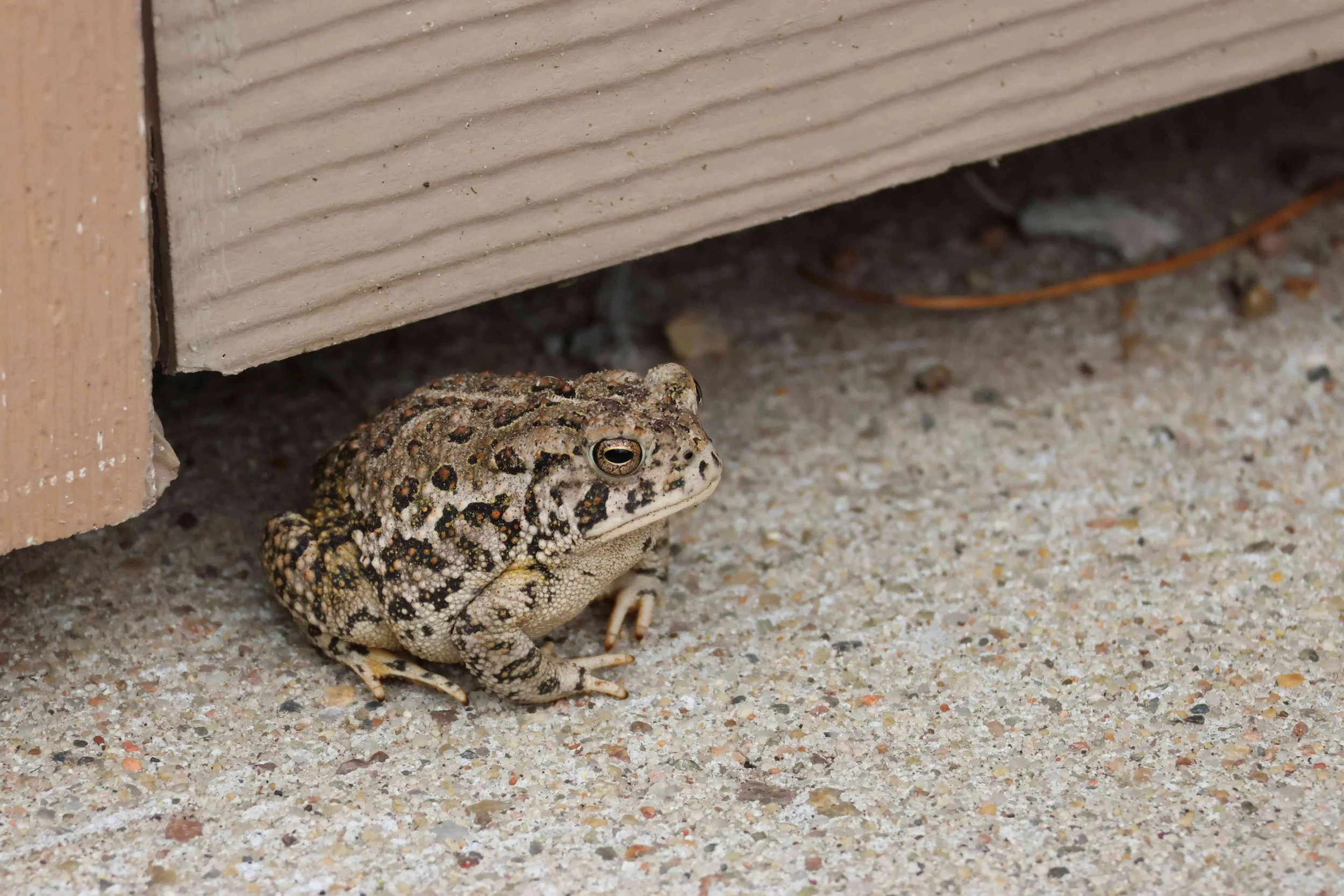
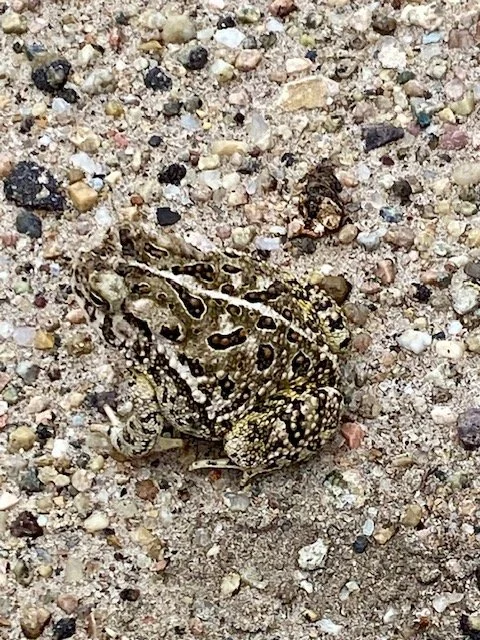
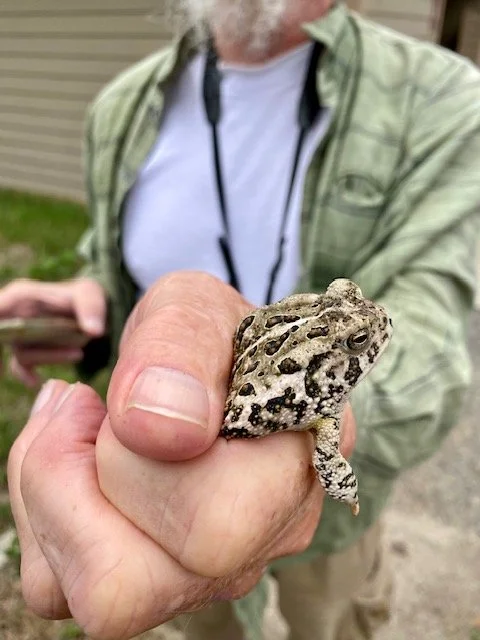
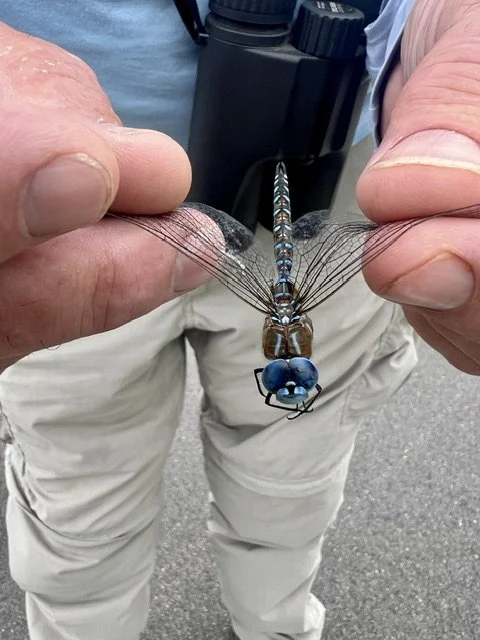
Other notable species were Pronghorn Antelope, Bison, Prairie Dog, Ornate Box Turtle*, Yellow Mud Turtle*, Woodhouse Toad, countless tiny baby toads* (Woodhouse or Great Plains) and Prairie Walking Stick* (insect). (* denotes Kayla Sheehan rescues)
For a complete list with numbers seen and sites visited, see https://ebird.org/tripreport/546428
Seven Participants: Marla & Kevin Kerr, Robert Sopher & Kayla Sheehan, Rex & Maria Rundquist and Bill Huser.
Join us on our next Adventure! All LHAS outings are open to the public and offer an inviting way to begin birding and meet others with similar interests.
Report by Bill Huser, LHAS Outings Coordinator, 712-574-3107
Species list with life birds for some in bold:
Canada Goose, Mallard, Hooded Merganser
Northern Bobwhite, Wild Turkey, Sharp-tailed Grouse, Ring-necked Pheasant
Eurasian Collared Dove, Mourning Dove
Yellow-billed Cuckoo
Common Nighthawk, Chimney Swift, Ruby-throated Hummingbird
Killdeer, Upland Sandpiper, Long-billed Curlew, Wilson’s Snipe
Ring-billed Gull
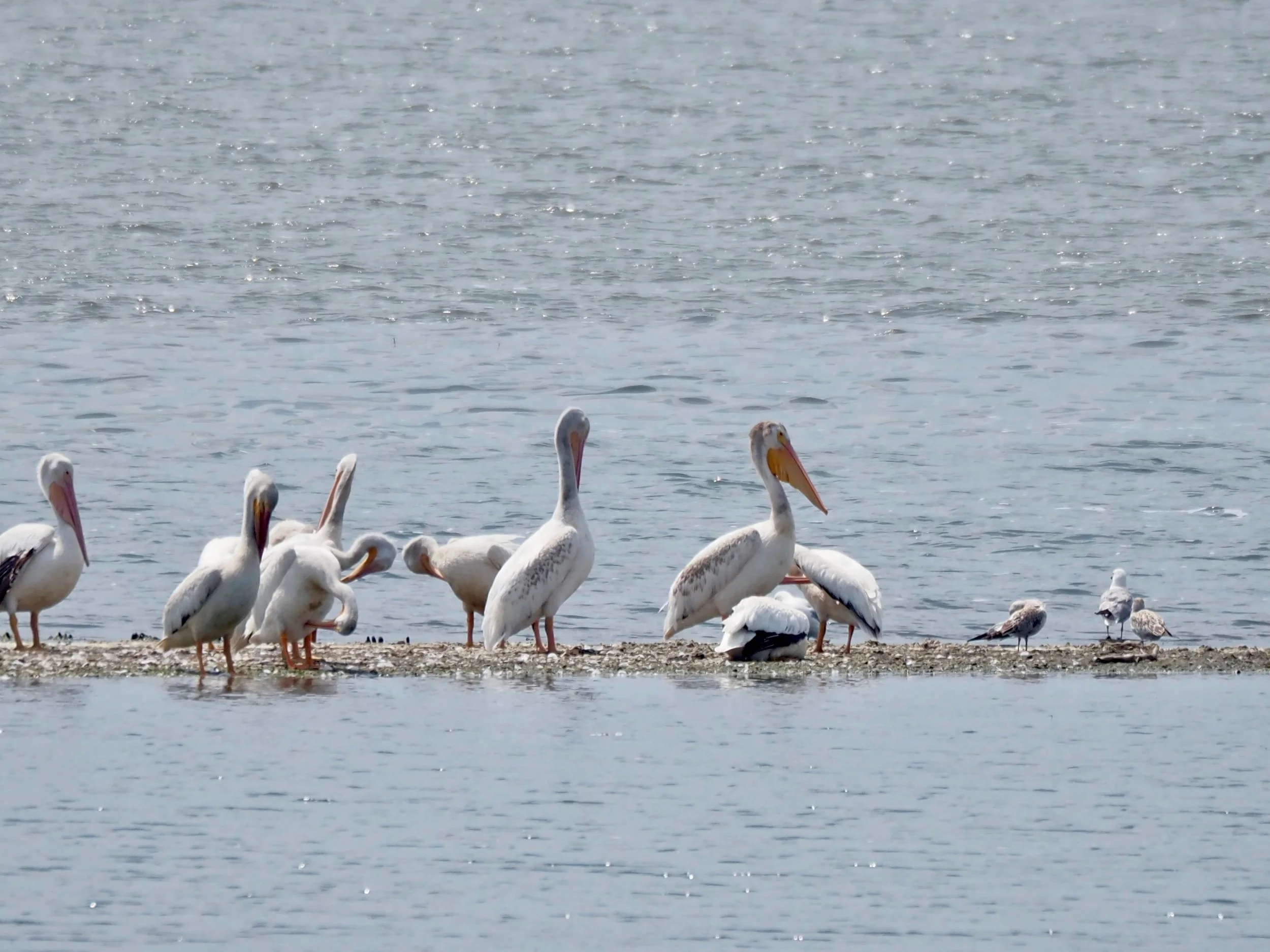
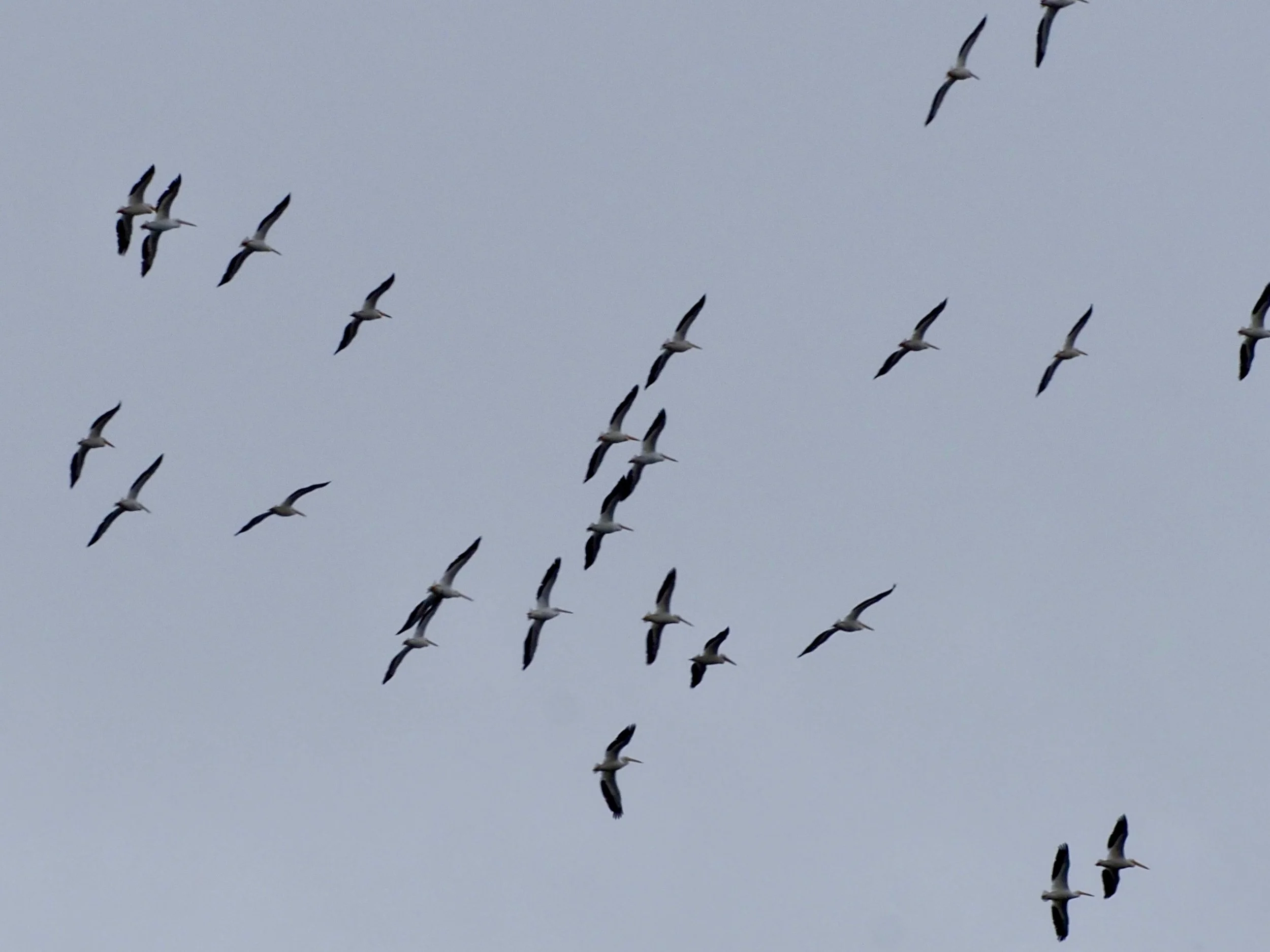
Double-crested Cormorant, Great Blue Heron, Am. White Pelican
Turkey Vulture, Bald Eagle, Red-tailed Hawk
Great Horned Owl, Burrowing Owl
Belted Kingfisher
Red-headed Woodpecker, Downy Woodpecker, Northern Flicker
American Kestrel
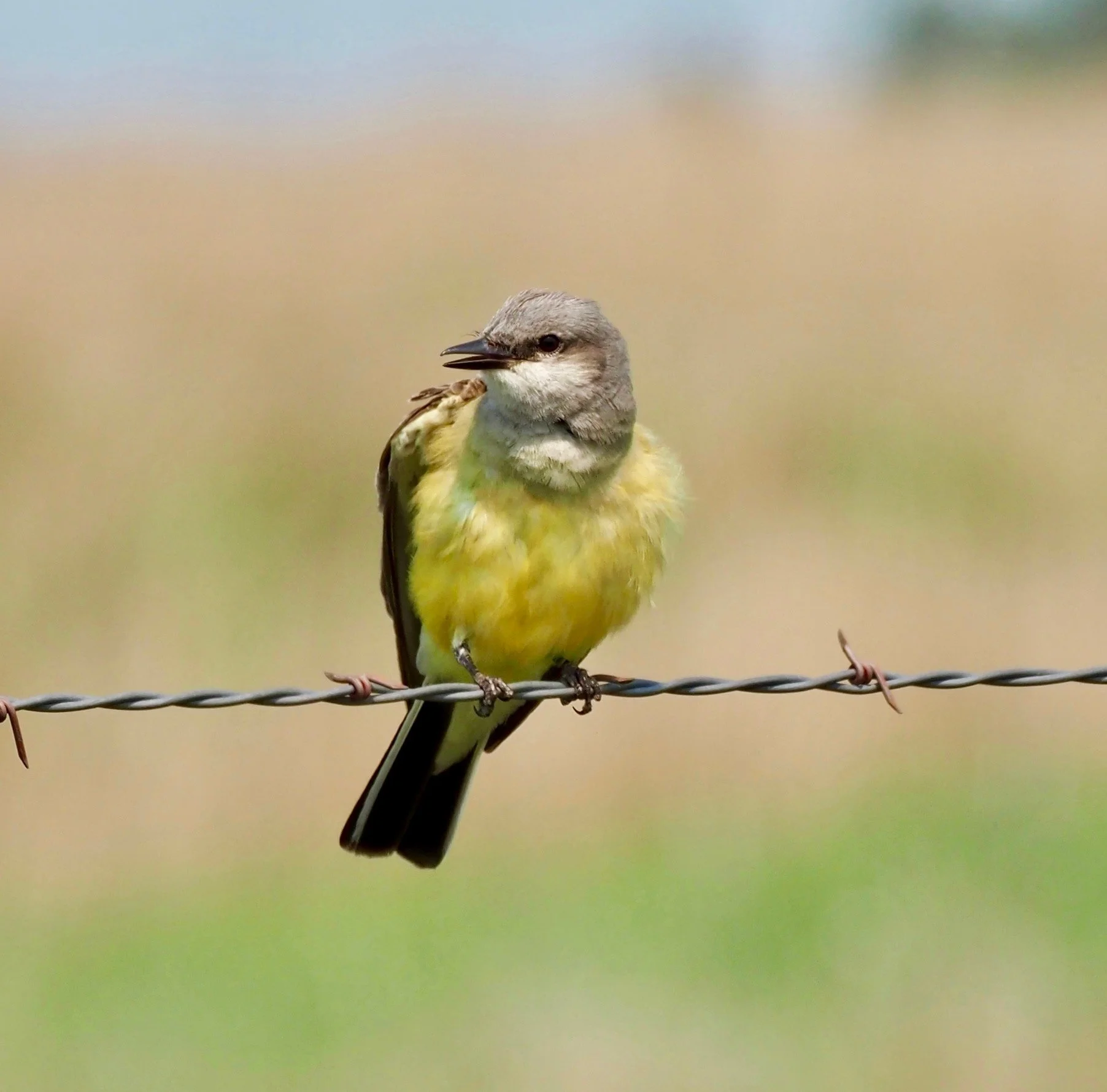
Western Wood Pewee, Eastern Phoebe, Great-crested Flycatcher, Western Kingbird, Eastern Kingbird
Bell’s Vireo, Eastern Warbling Vireo, Red-eyed Vireo
Loggerhead Shrike
American Crow
Black-capped Chickadee
Horned lark
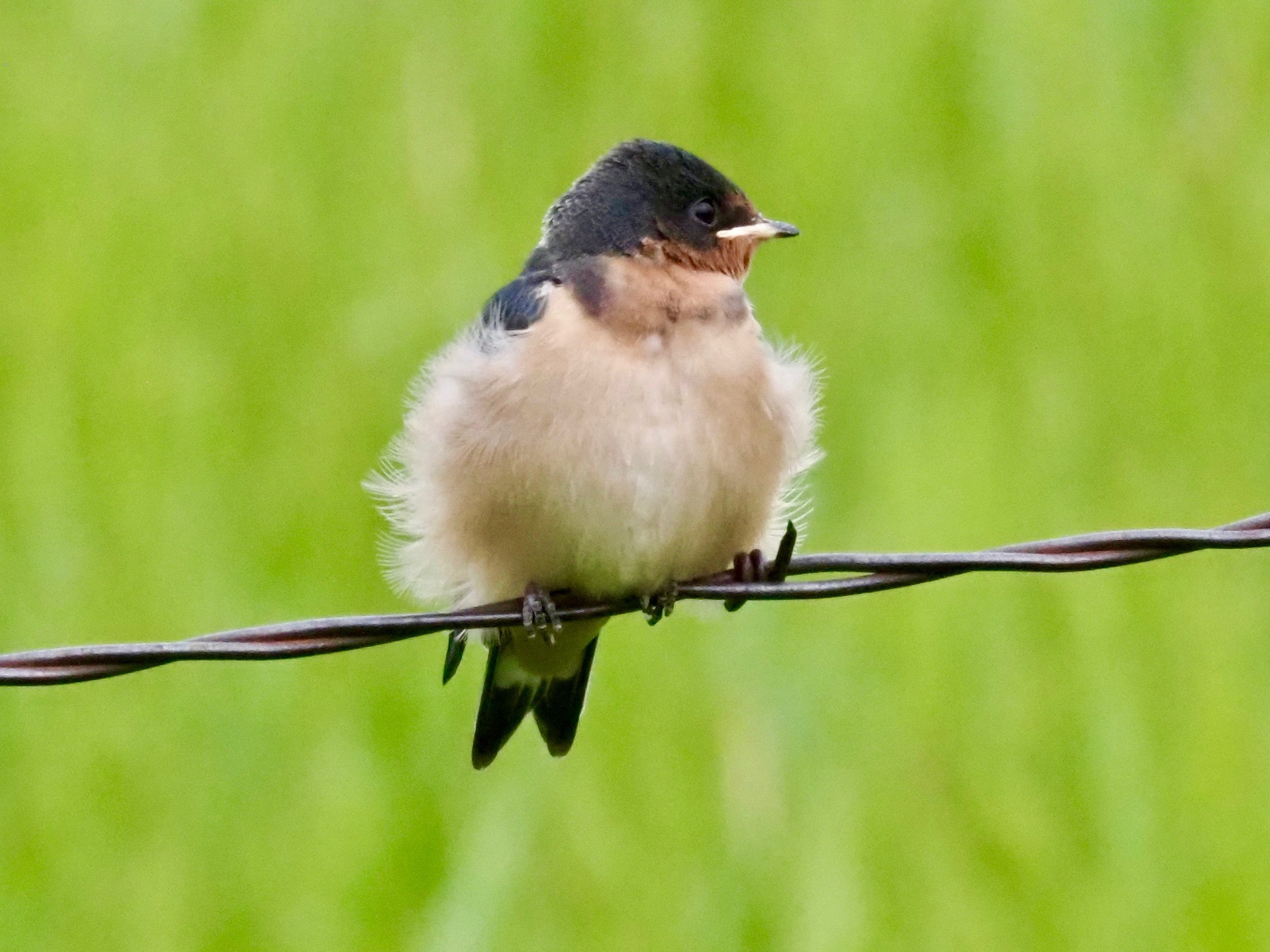
Tree Swallow, Purple Martin, N. Rough-winged Swallow, Barn Swallow, Cliff Swallow
House Wren
European Starling
Gray Catbird, Brown Thrasher
Eastern Bluebird, American Robin
Cedar Waxwing
House Sparrow
American Goldfinch
Chestnut-collared Longspur
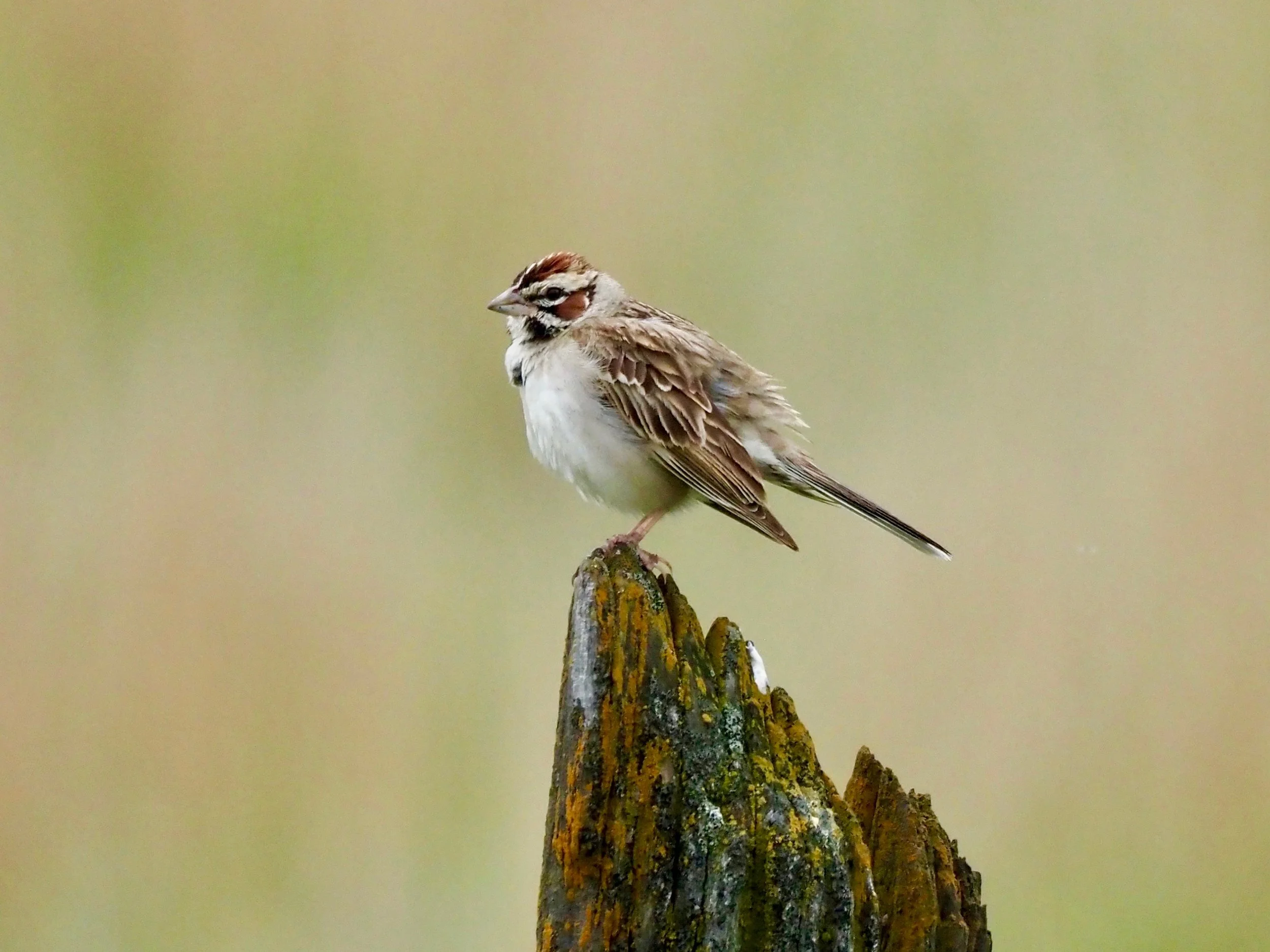
Grasshopper Sparrow, Chipping Sparow, Lark Sparrow, Lark Bunting
Yellow-breasted Chat
Yellow-headed Blackbird, Bobolink, Western Meadowlark, Baltimore Oriole, Orchard Oriole,
Red-winged Blackbird, Brown-headed Cowbird, Common Grackle
Black & White Warbler, Common Yellowthroat, American Redstart, Yellow Warbler, Yellow-rumped
Warbler
Northern Cardinal, Blue Grosbeak, Dickcissel and Rose-breasted or Black-headed Grosbeak
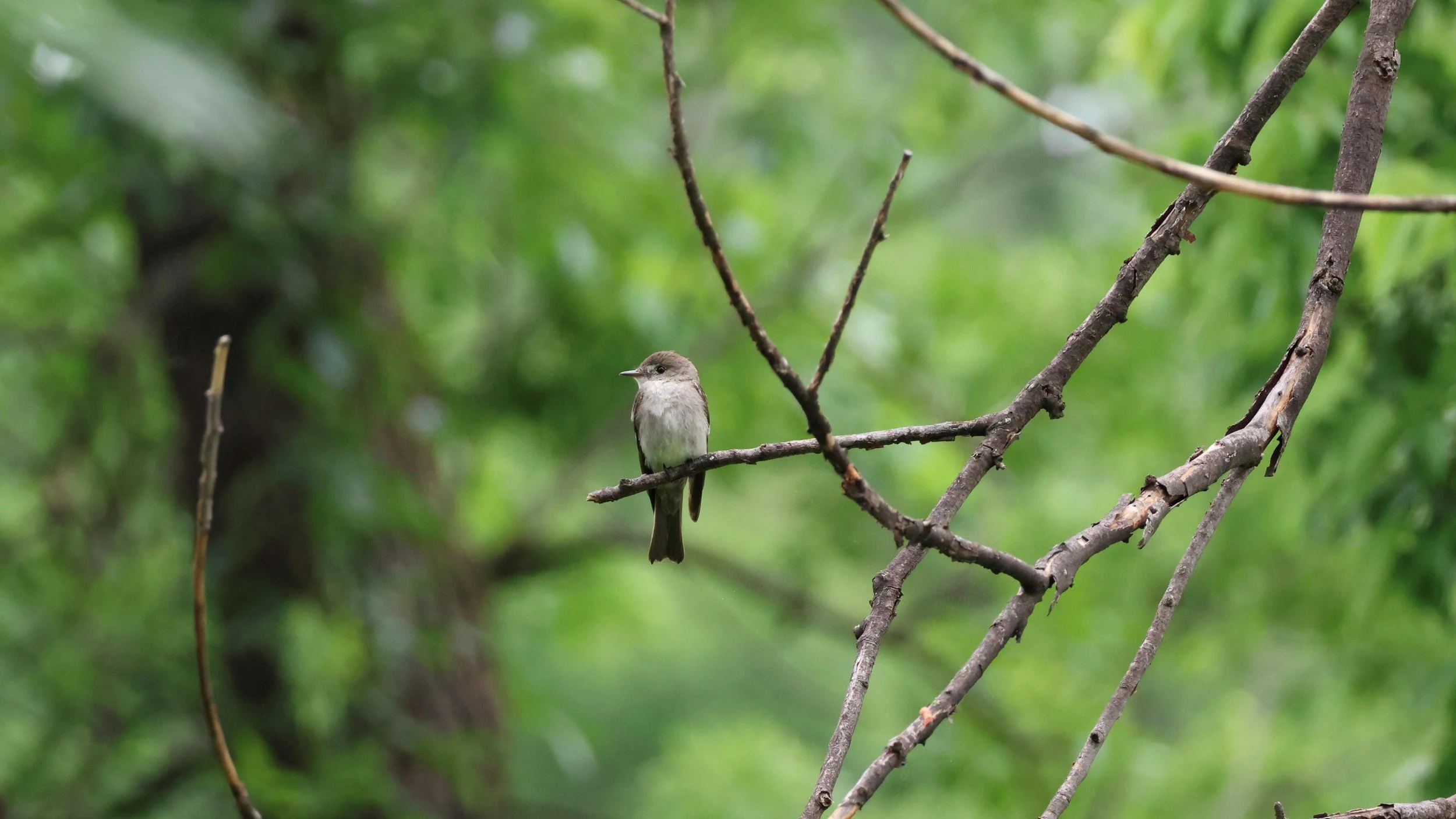
Below images copyright 2026 by Robert Sopher, used with permission
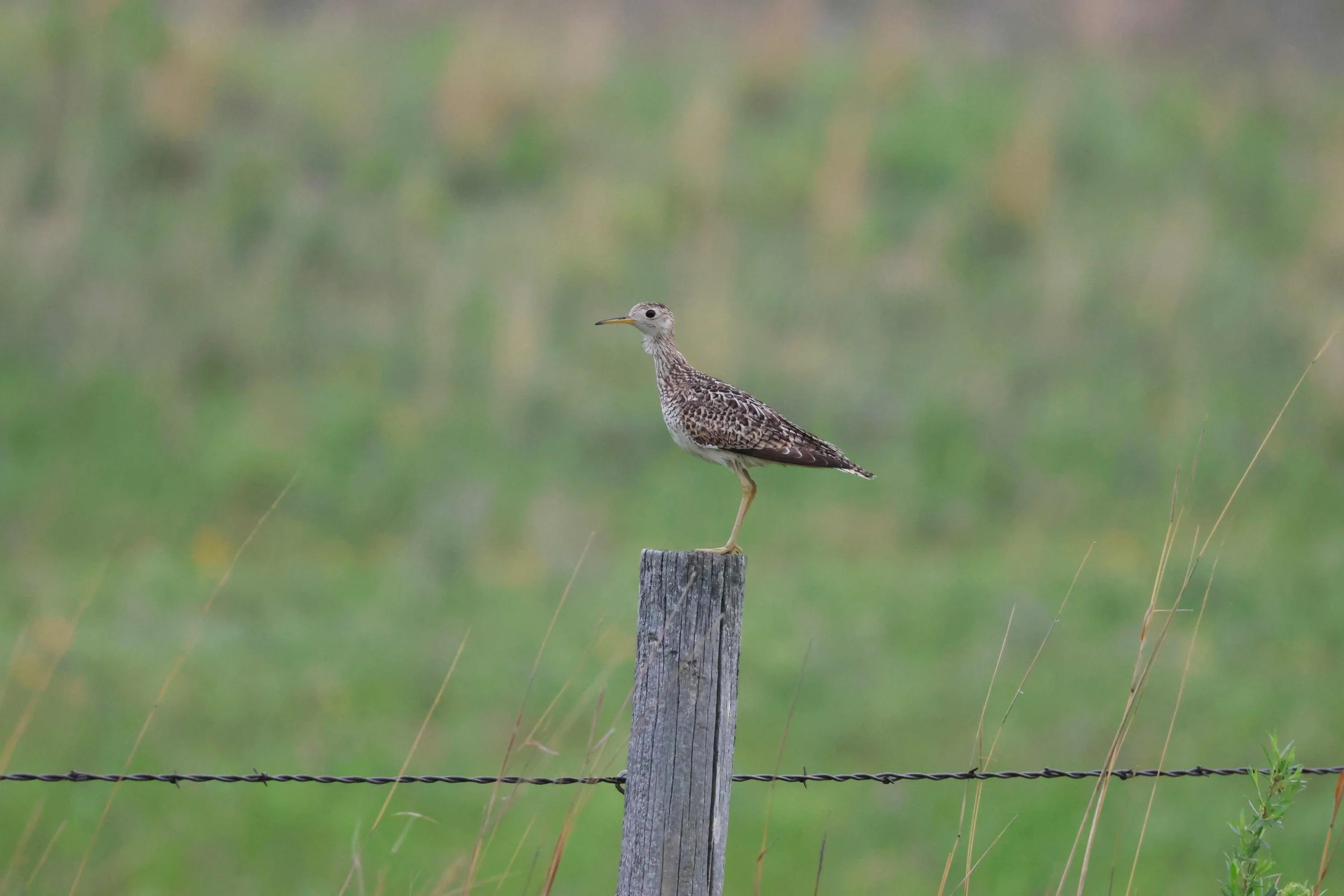
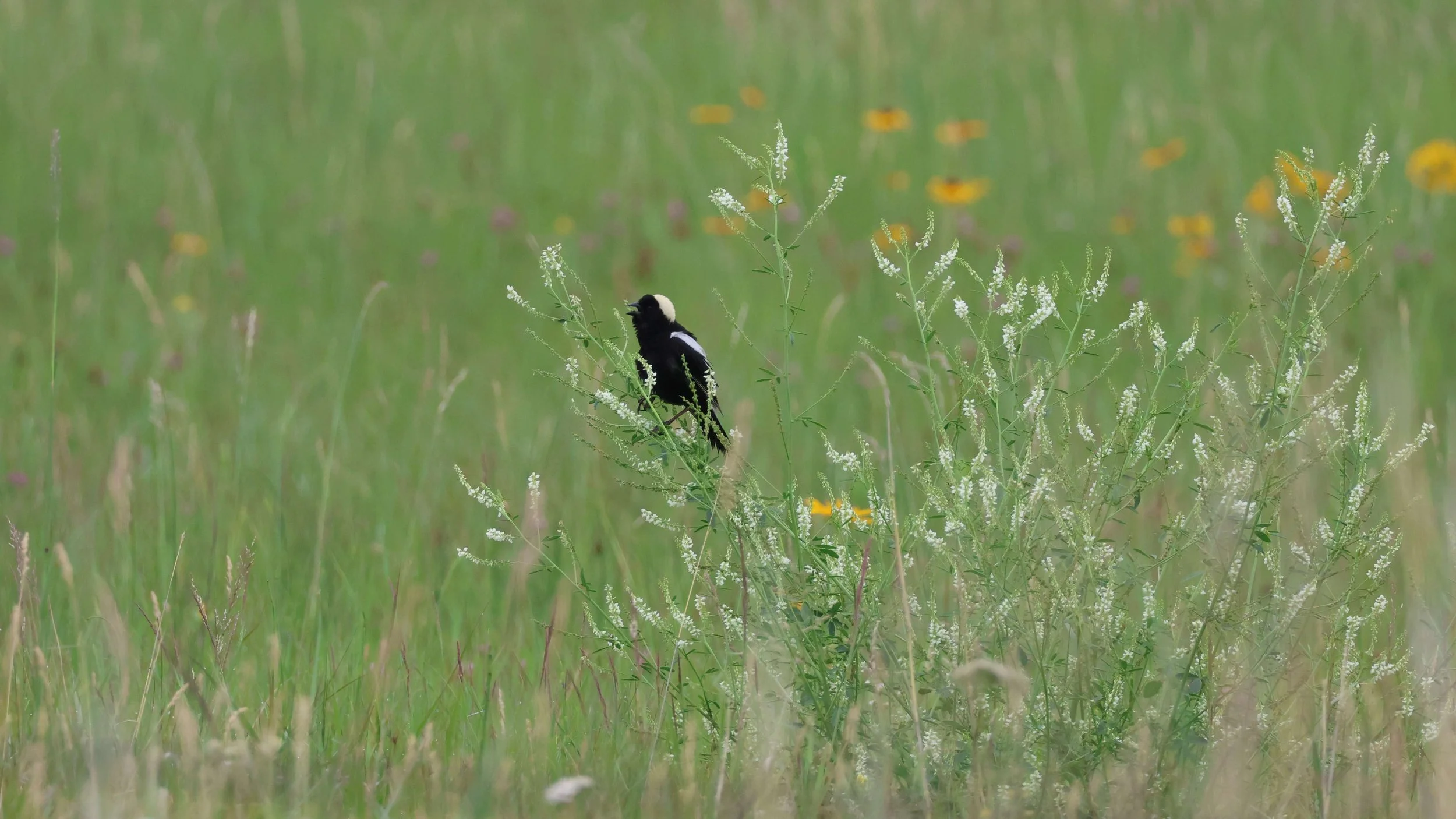
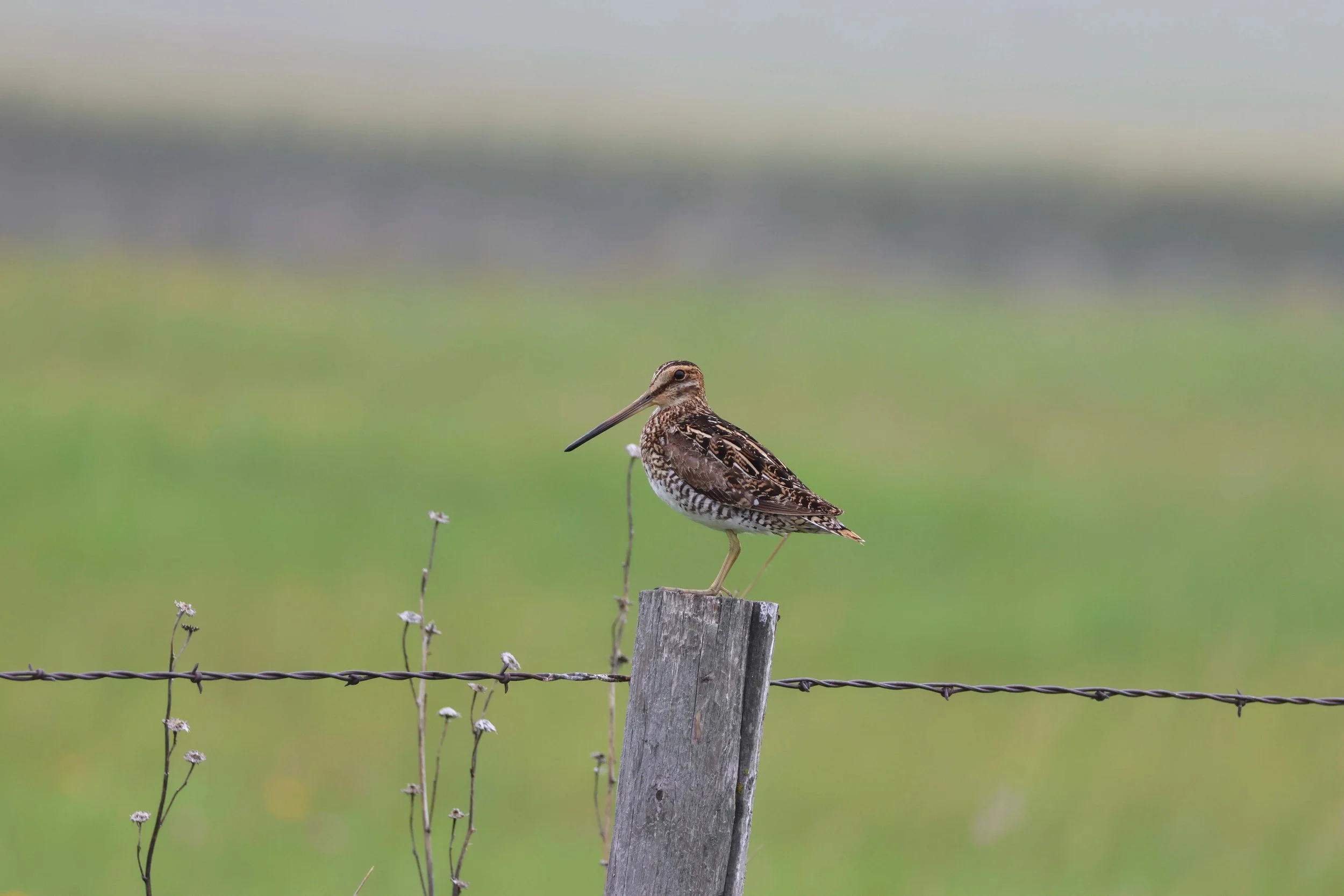
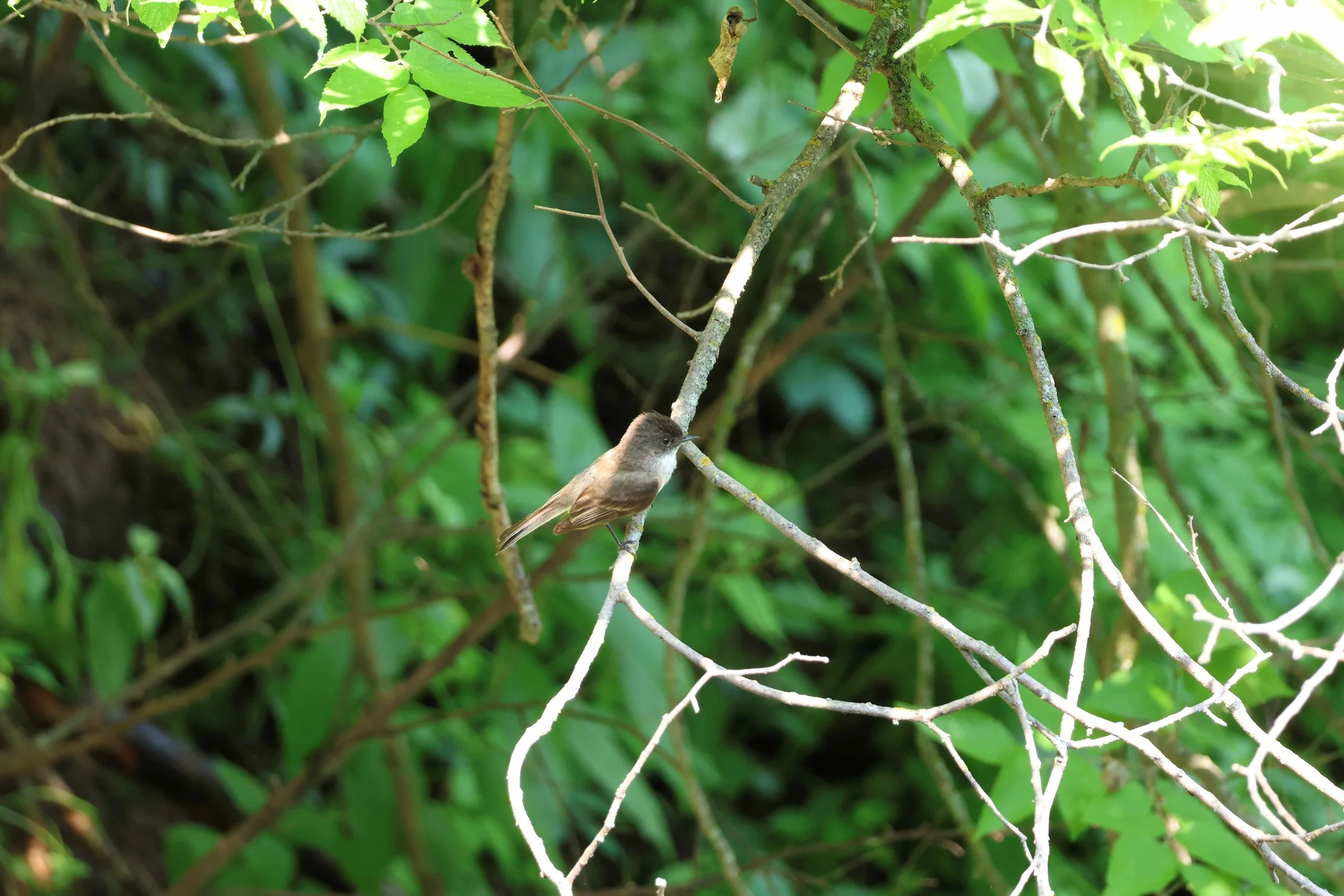
Below images copyright 2026 by Kevin J Kerr, used with permission
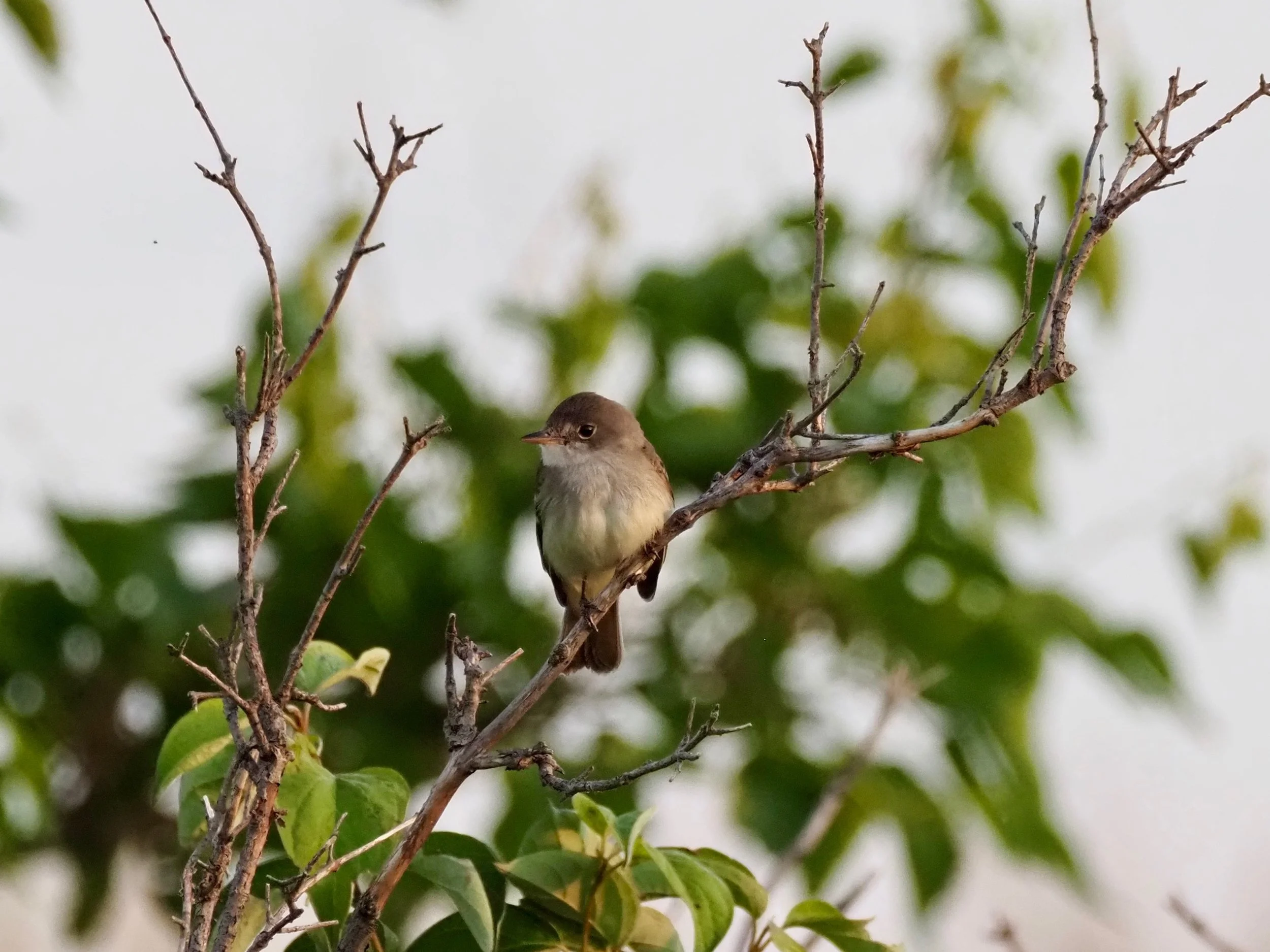
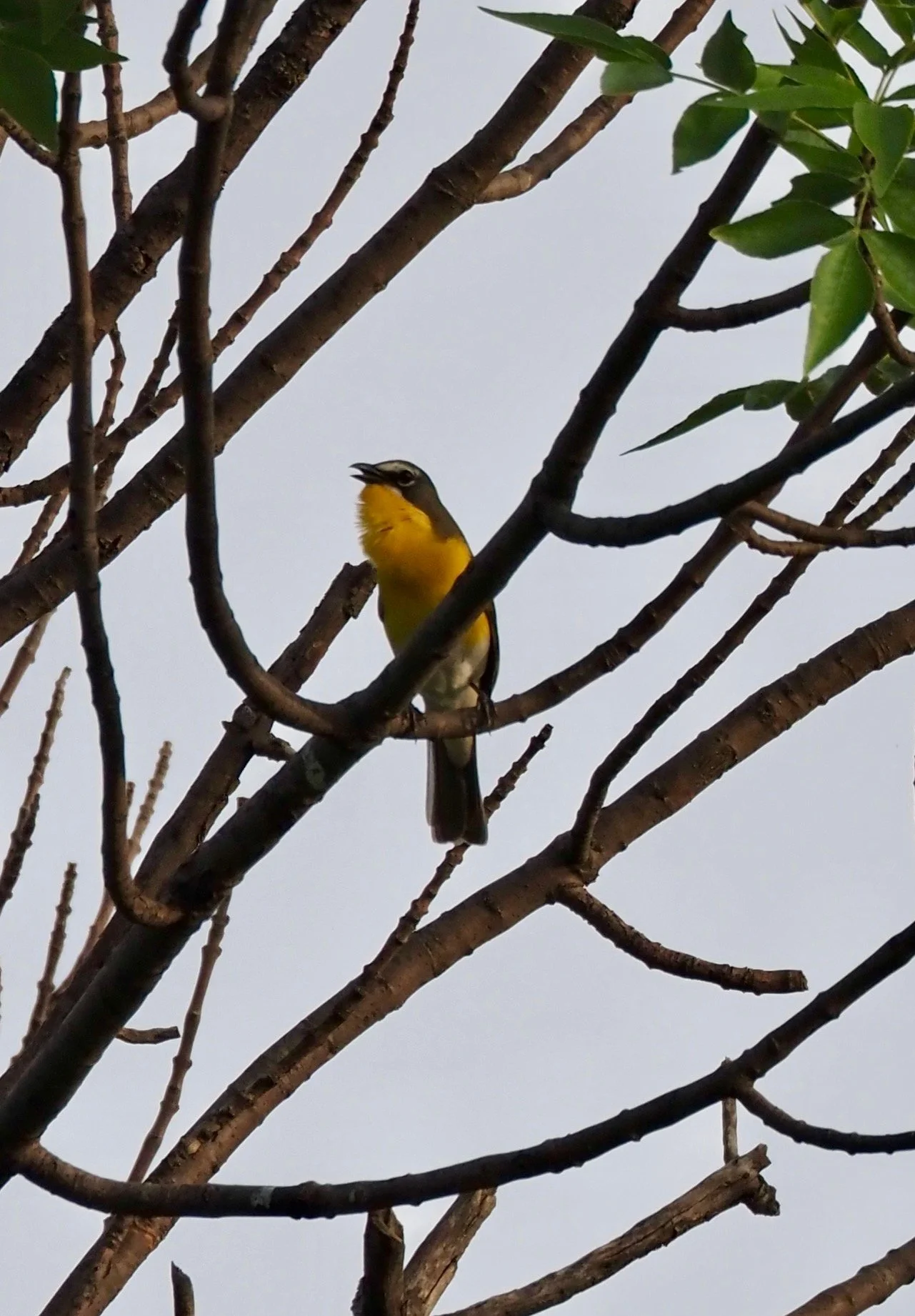
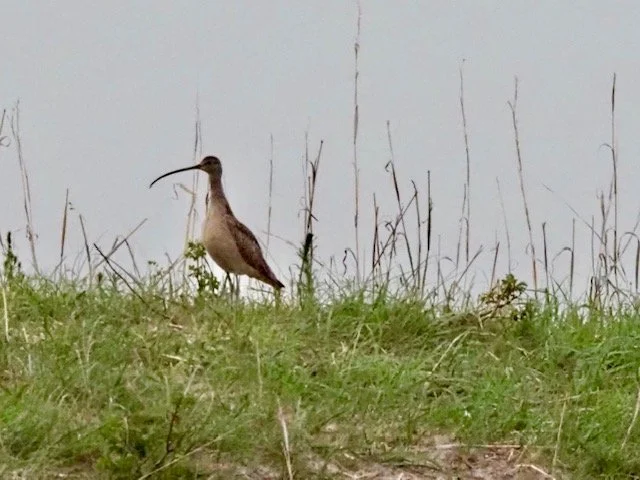
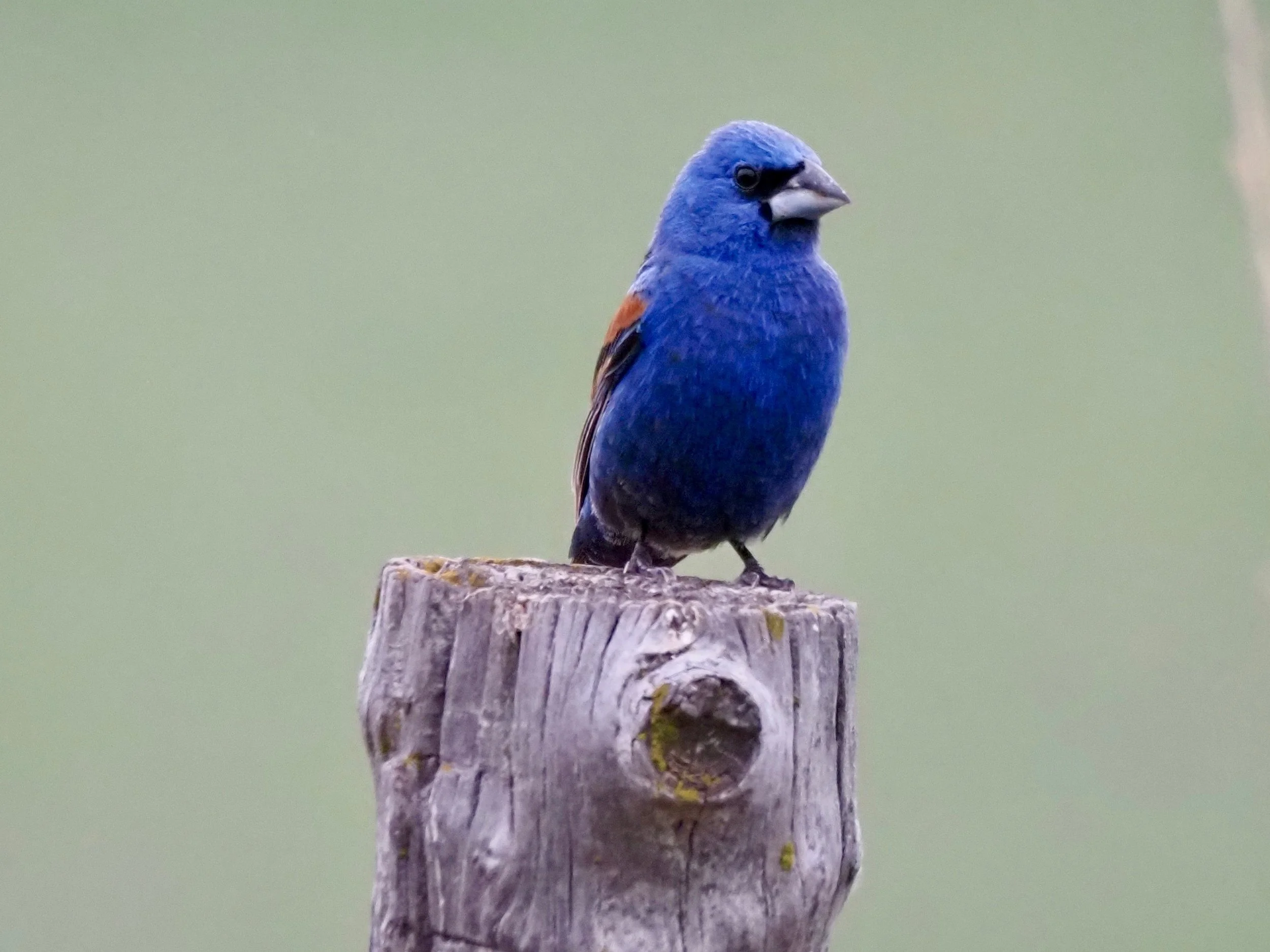
Below images copyright 2026 by Rex Rundquist, Maria Rundquist and Marla Kerr, used with permission
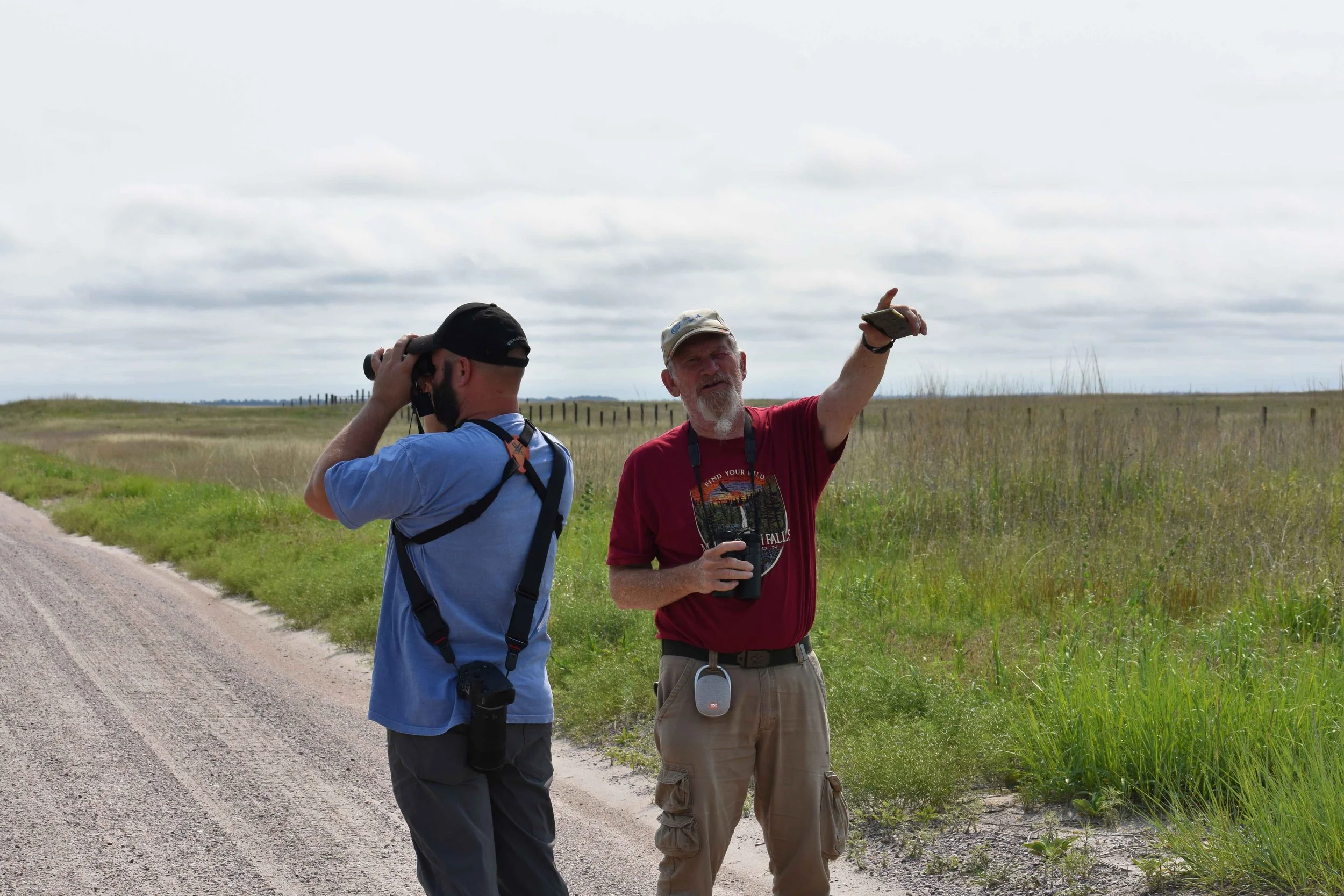
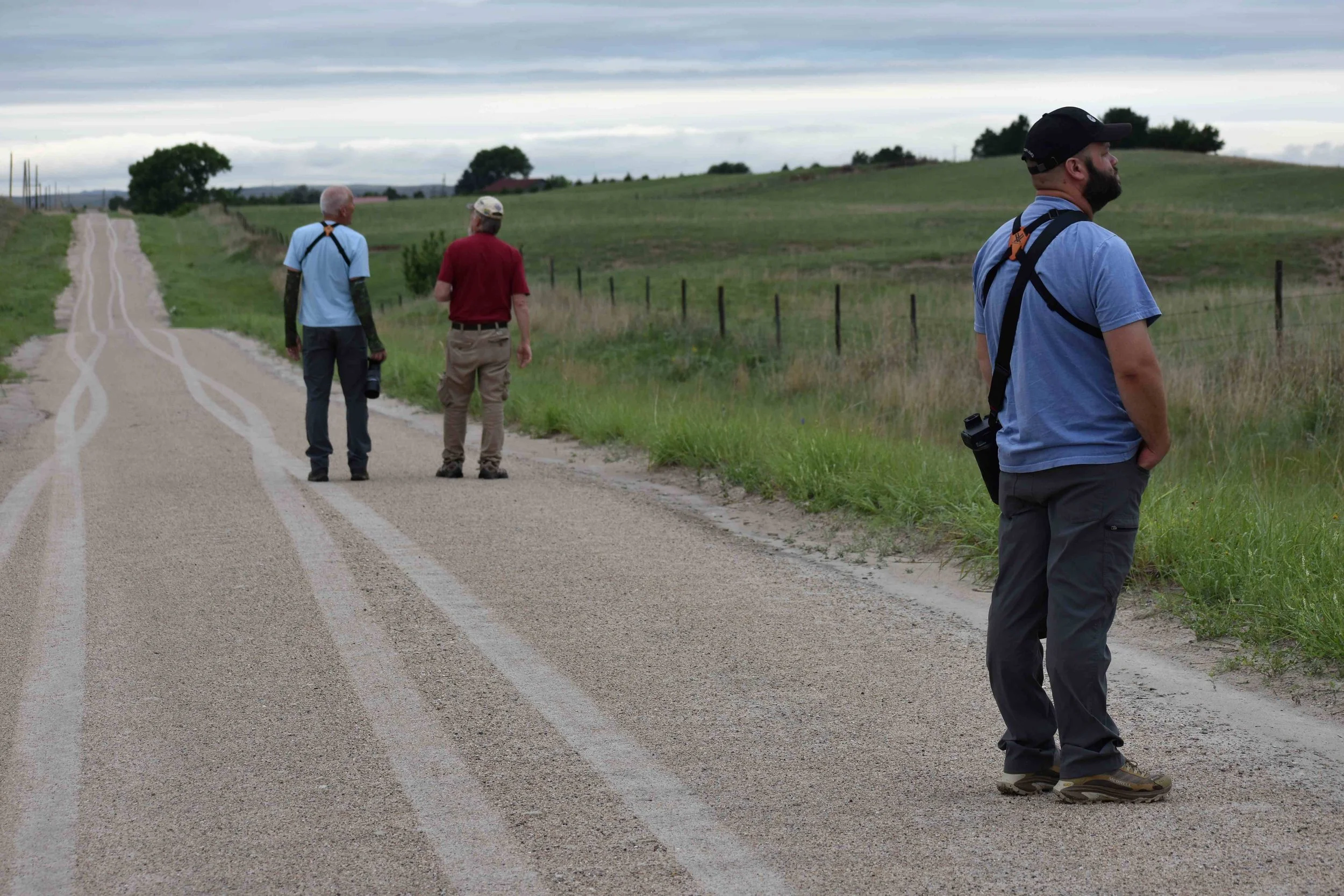
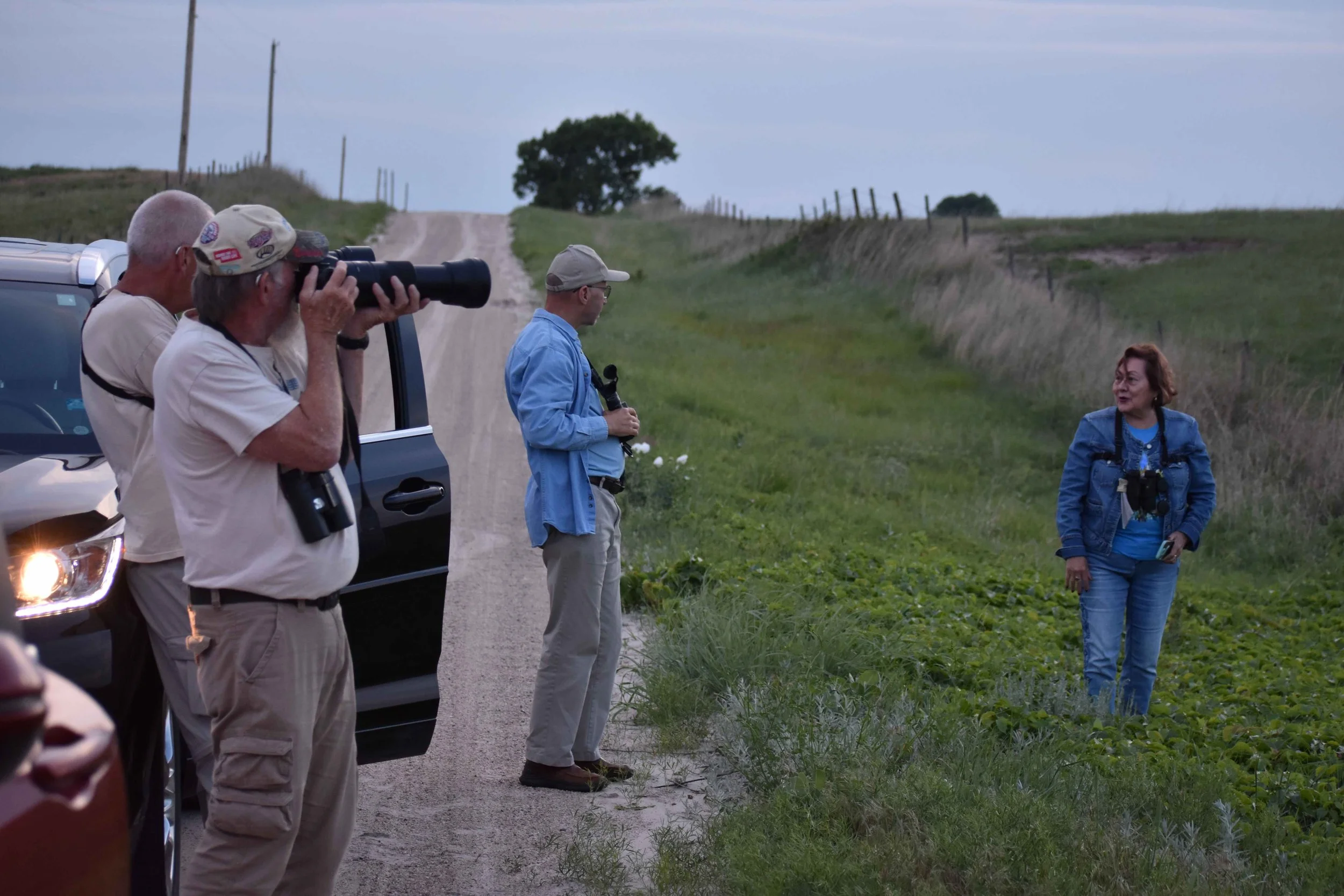
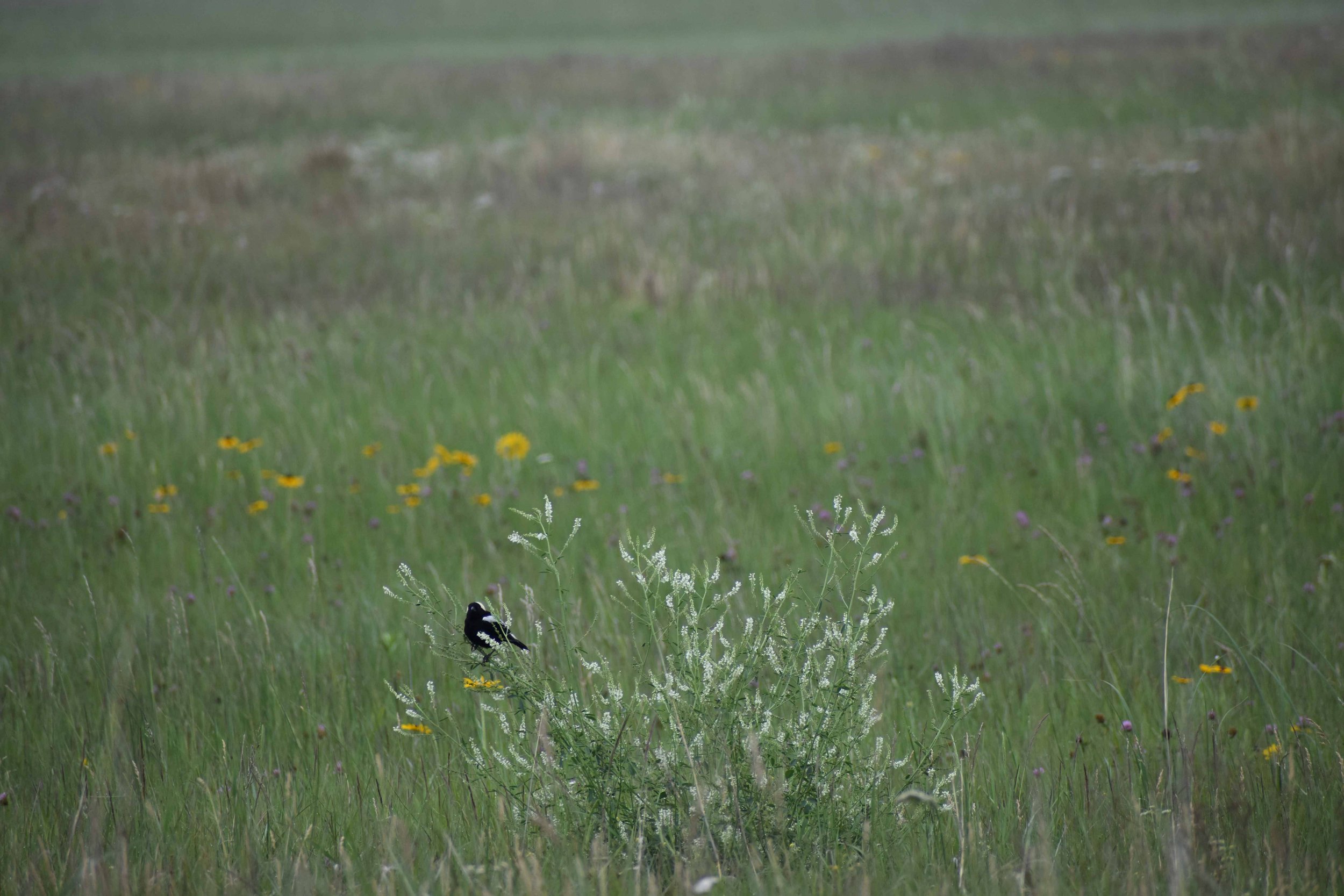
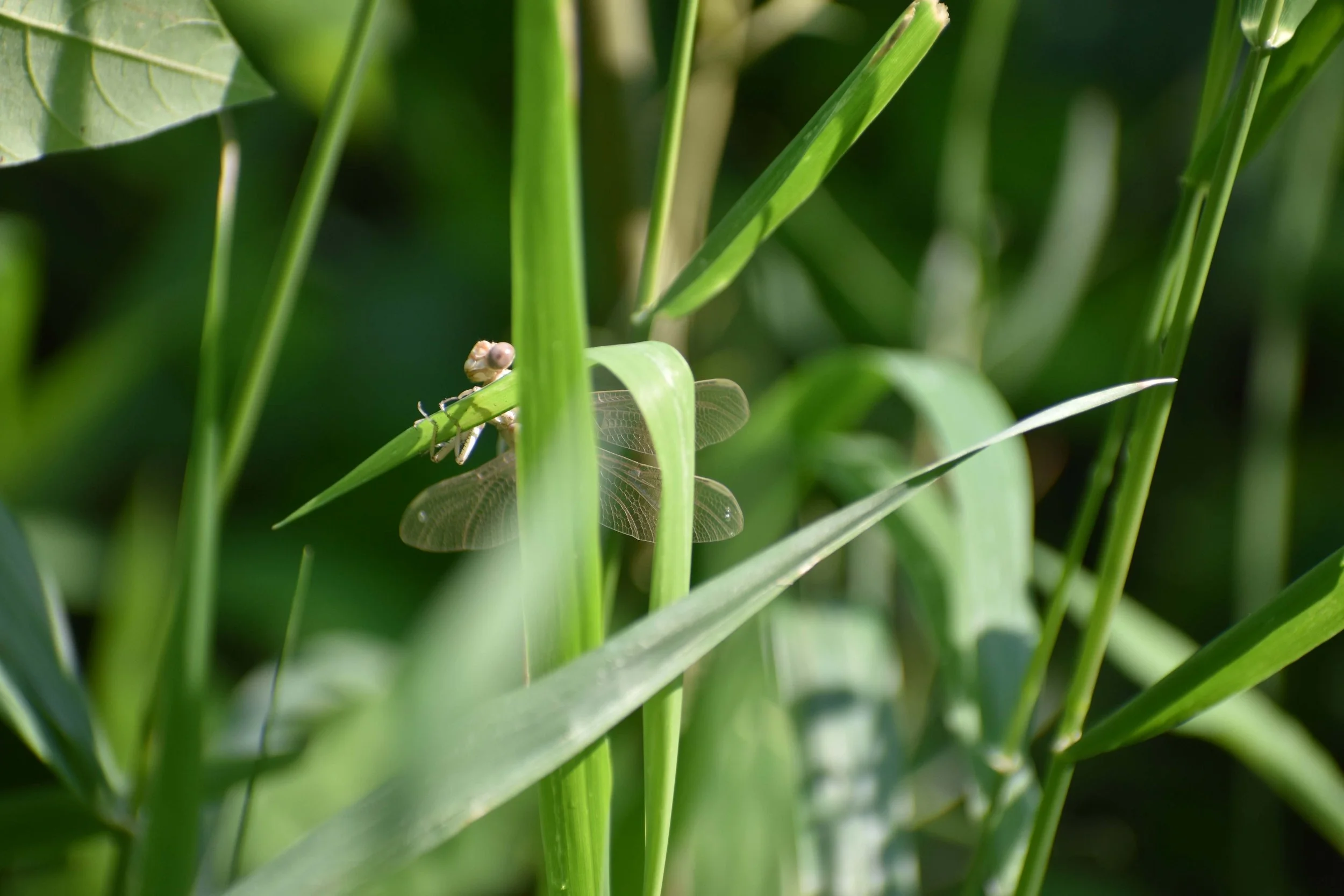
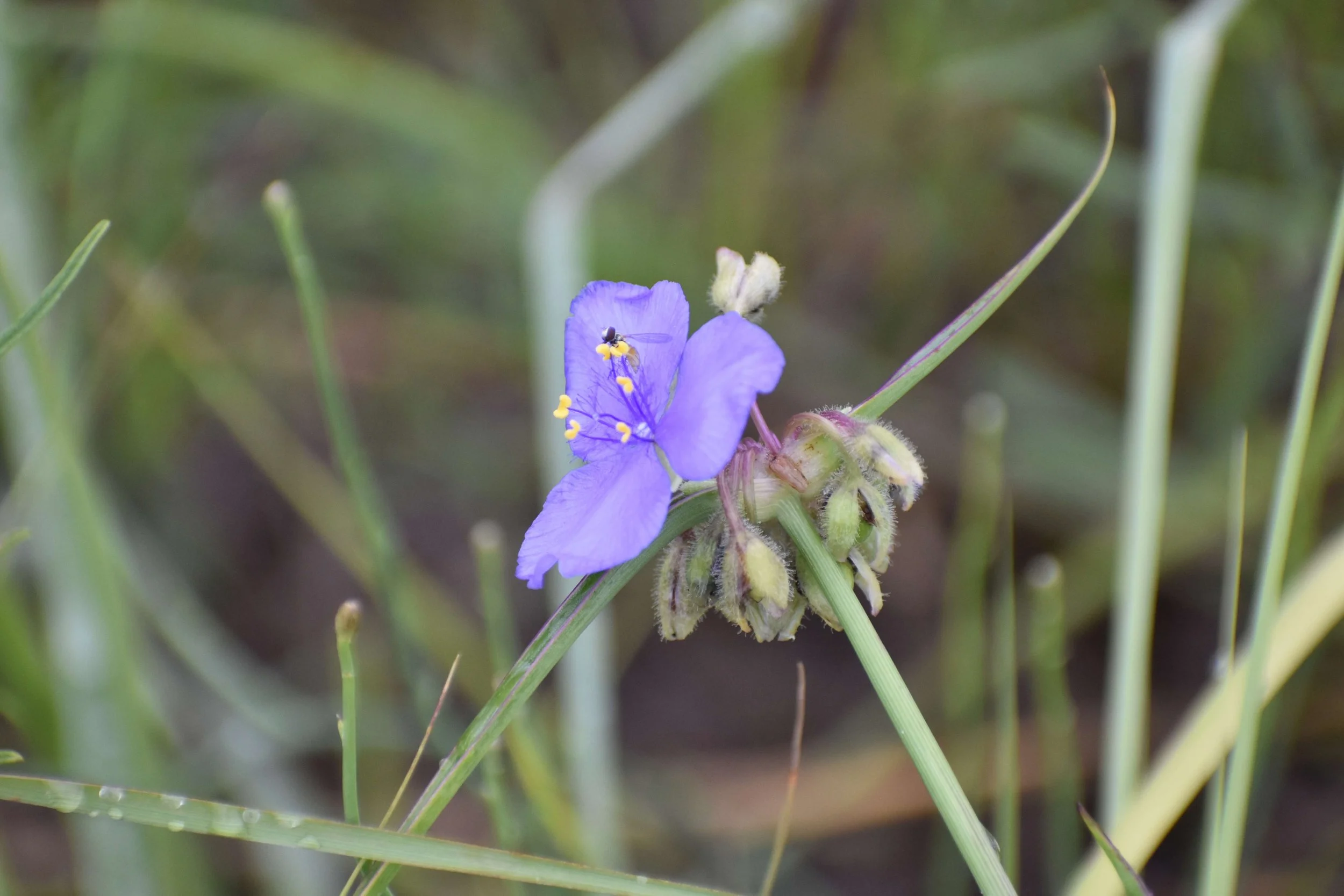
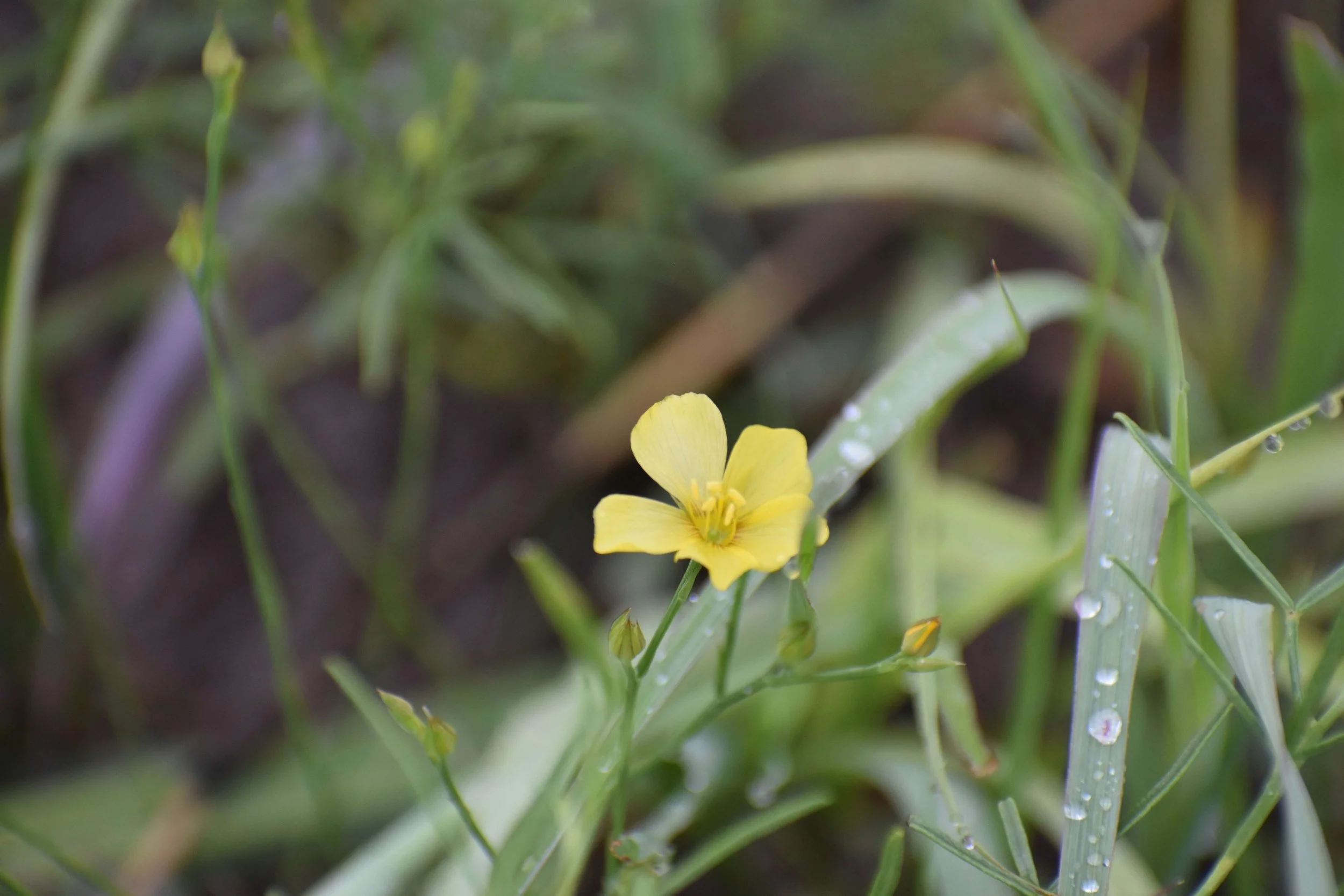
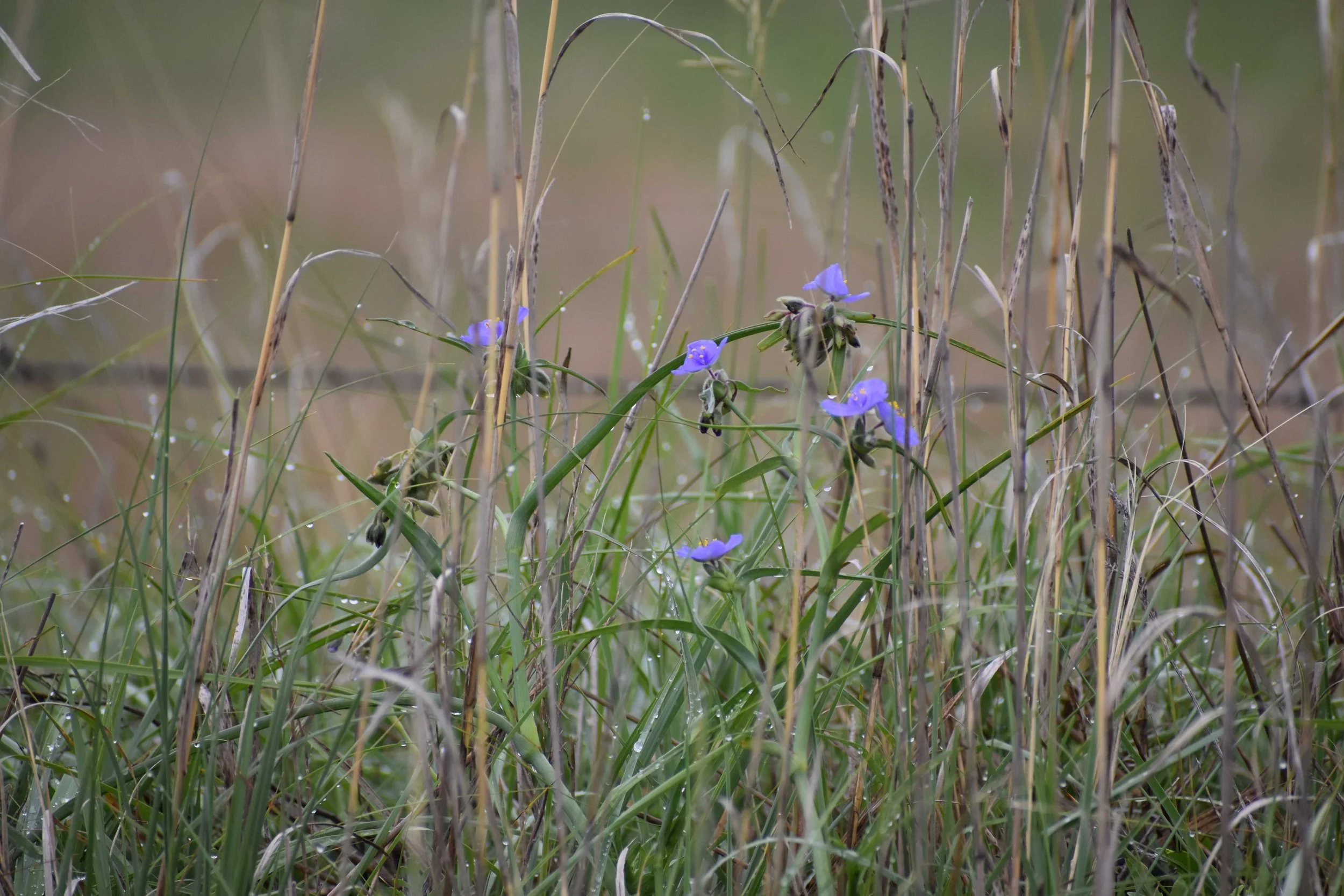
World Migratory Bird Day Celebration
saturday, may 9, 2026
bacon creek Park, sioux city, ia
8:00 am - 1:30 pm
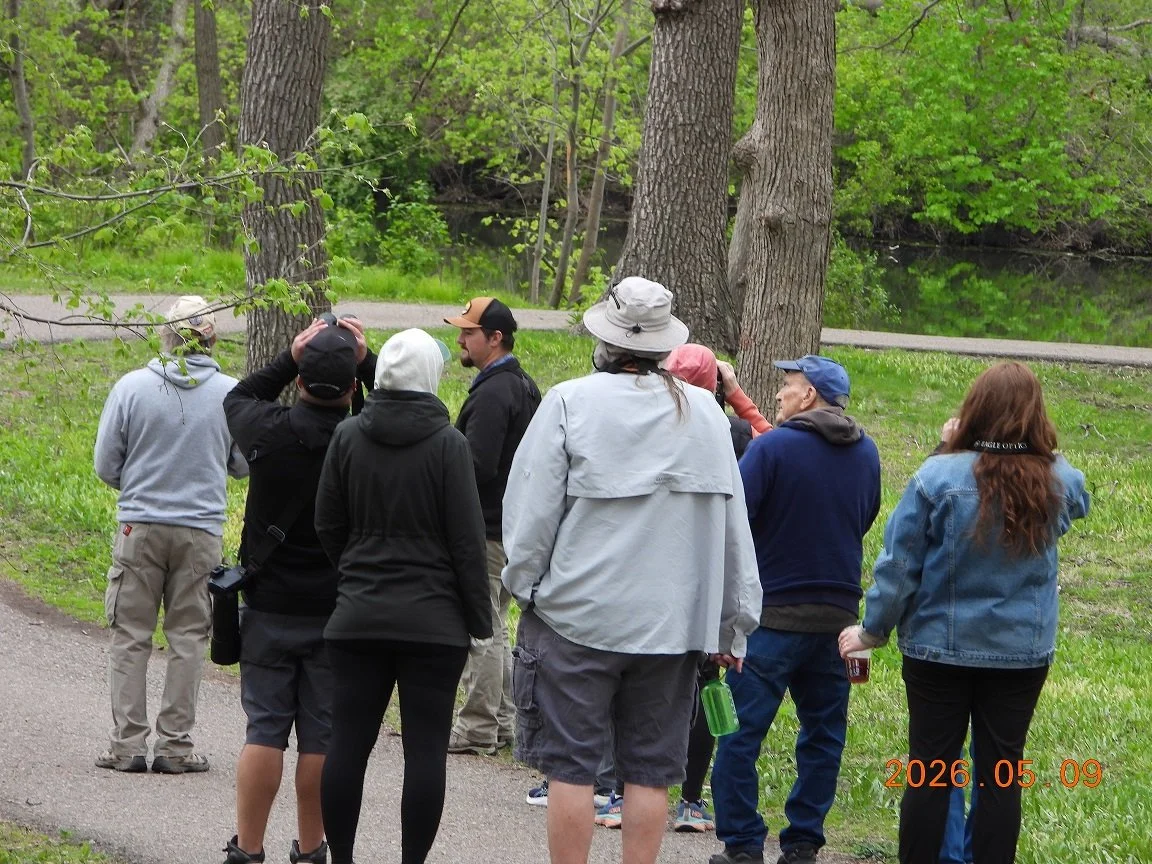
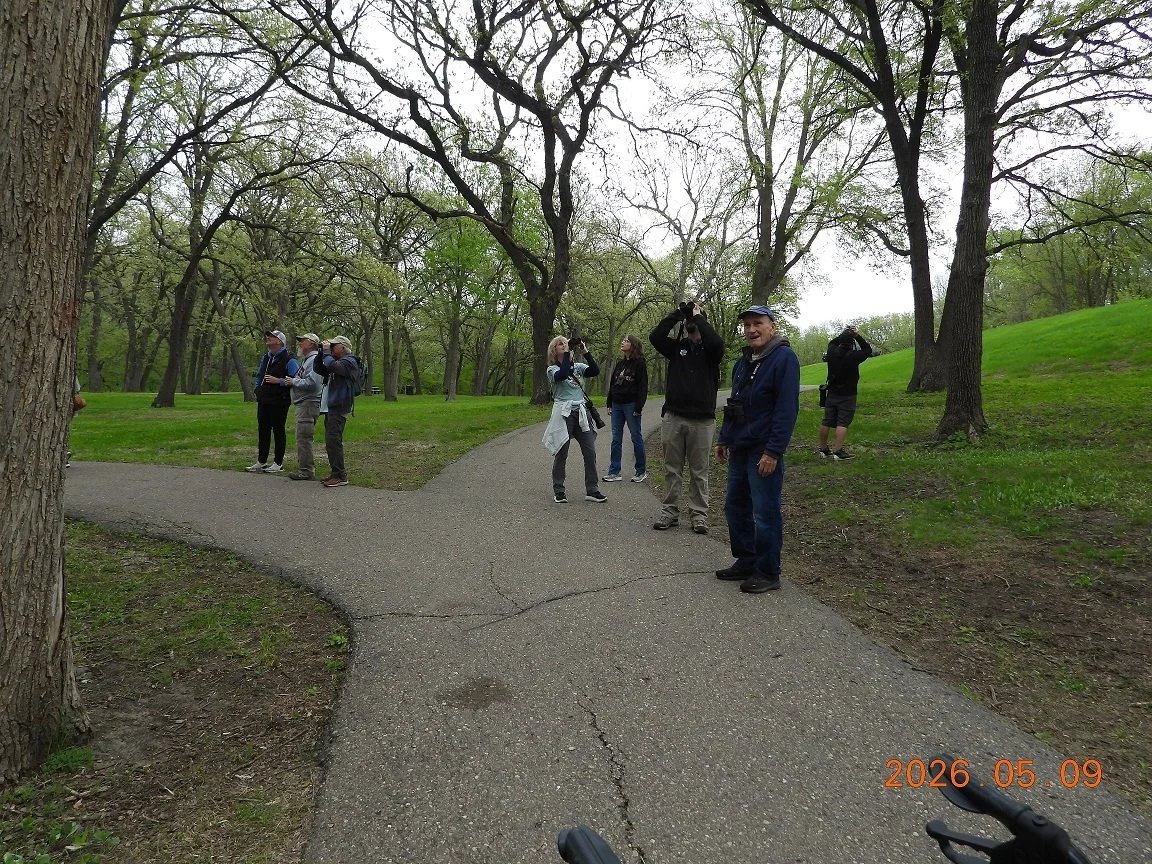
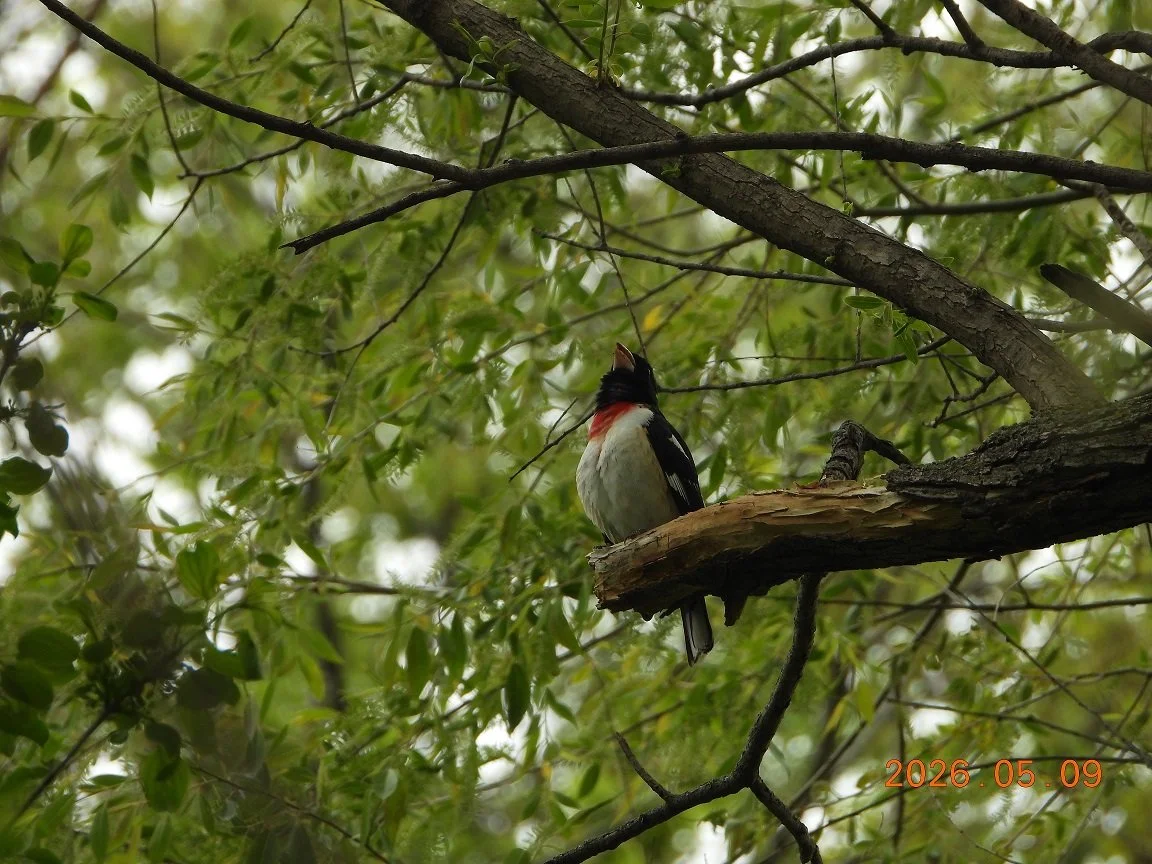
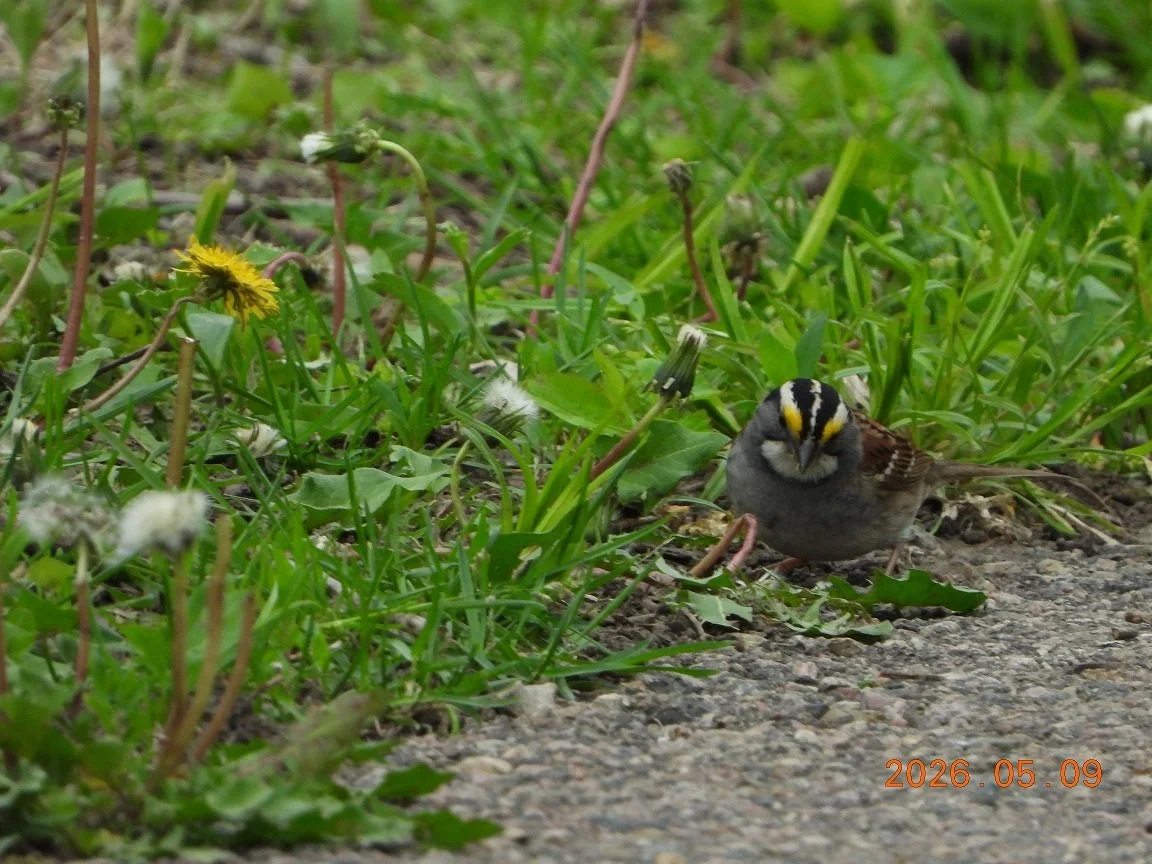
The day was very successful! In all we had about 55 people attending. Around 10 people attended the 8:00 am Bird Walk, 14 at 10:00 am, and 10 people at the noon walk (7 adults and 3 children). Council Oaks Supply donated shade-grown Smithsonian certified Bird Friendly Coffee for the event! Thank you Council Oaks Supply! The coffee was delicious with the donuts and cookies.
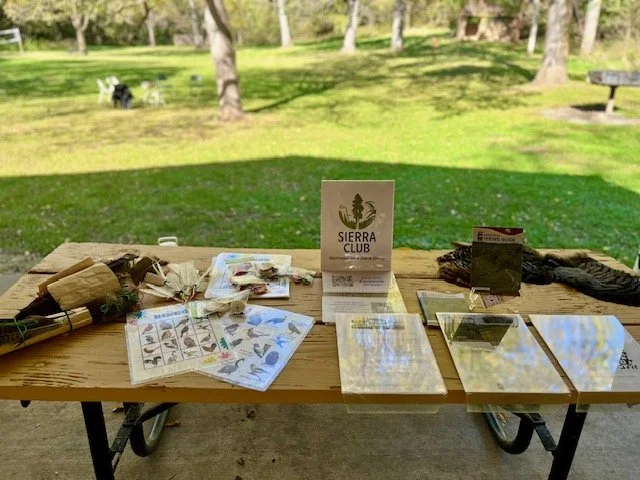
The Loess Hills Audubon Society, the Loess Hills Wild Ones, the Sioux City Public Library and the Northwest Iowa Group of Sierra Club were all present with information and available to answer questions.
A participation drawing was held for a $50.00 gift certificate for use at Scheels. The participation form had a short survey and space for written comments. The short survey on the form asked the question “What did you enjoy?” Answers included: Everything (several people), Spotting a Kingfisher catching a fish, learning about nature, learning about birds, being outside, bird walk, seeing a red-headed woodpecker, donuts, birds, mindful birding, storytime. And one person wrote: I’d like to attend more of these events - everyone was so nice!
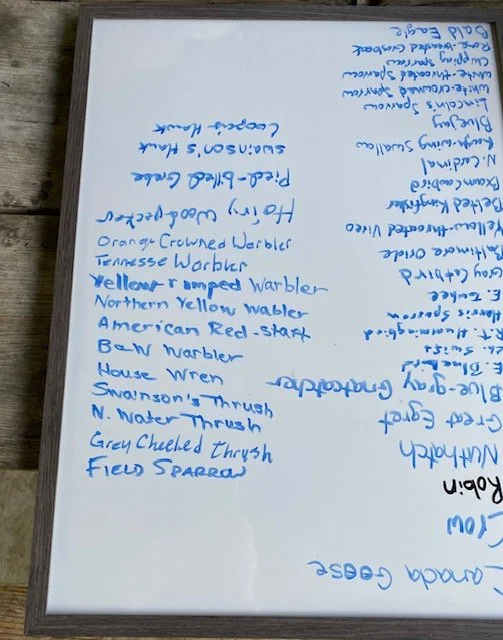
Link to one of the WMBD Compiled Bird Lists, courtesy of Tucker Lutter, showing over 65 species of birds seen, including 2 Great Egrets, Tennessee Warblers and a Belted Kingfisher. Another bird of interest seen that day was a Northern Waterthrush.
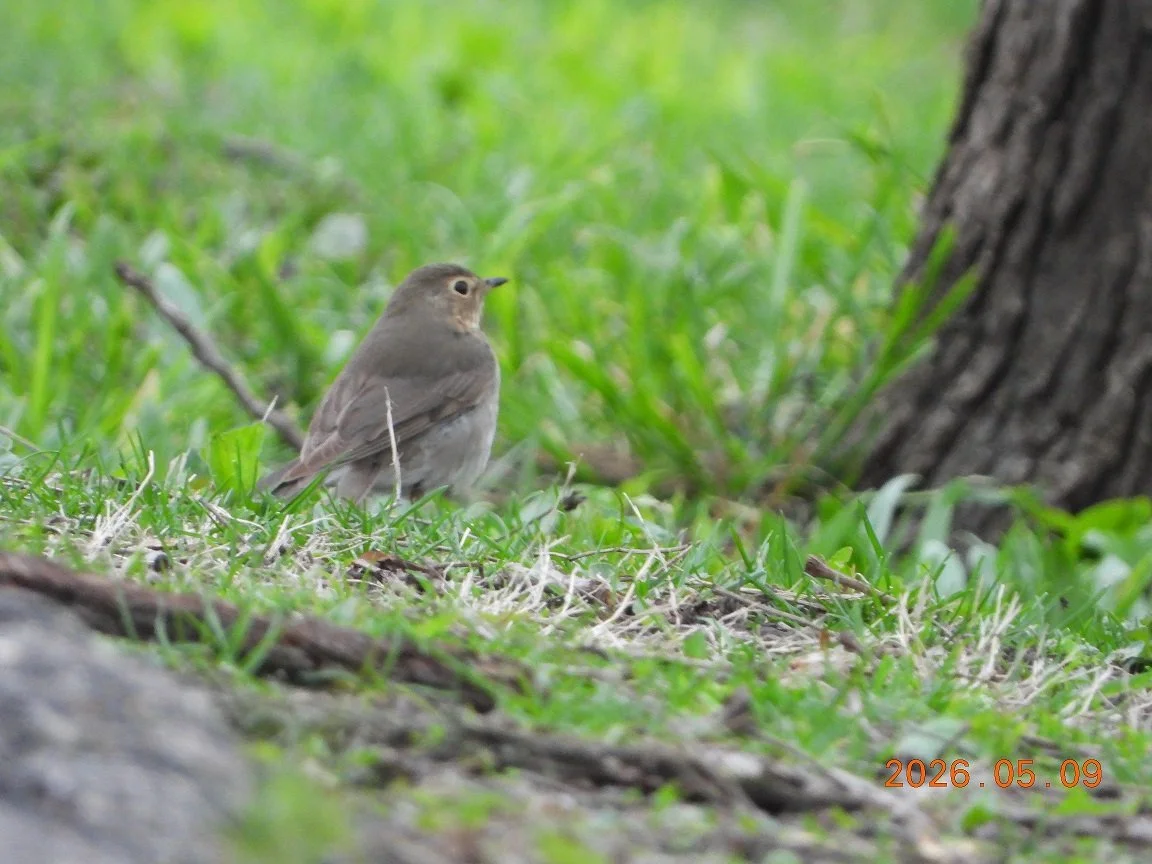
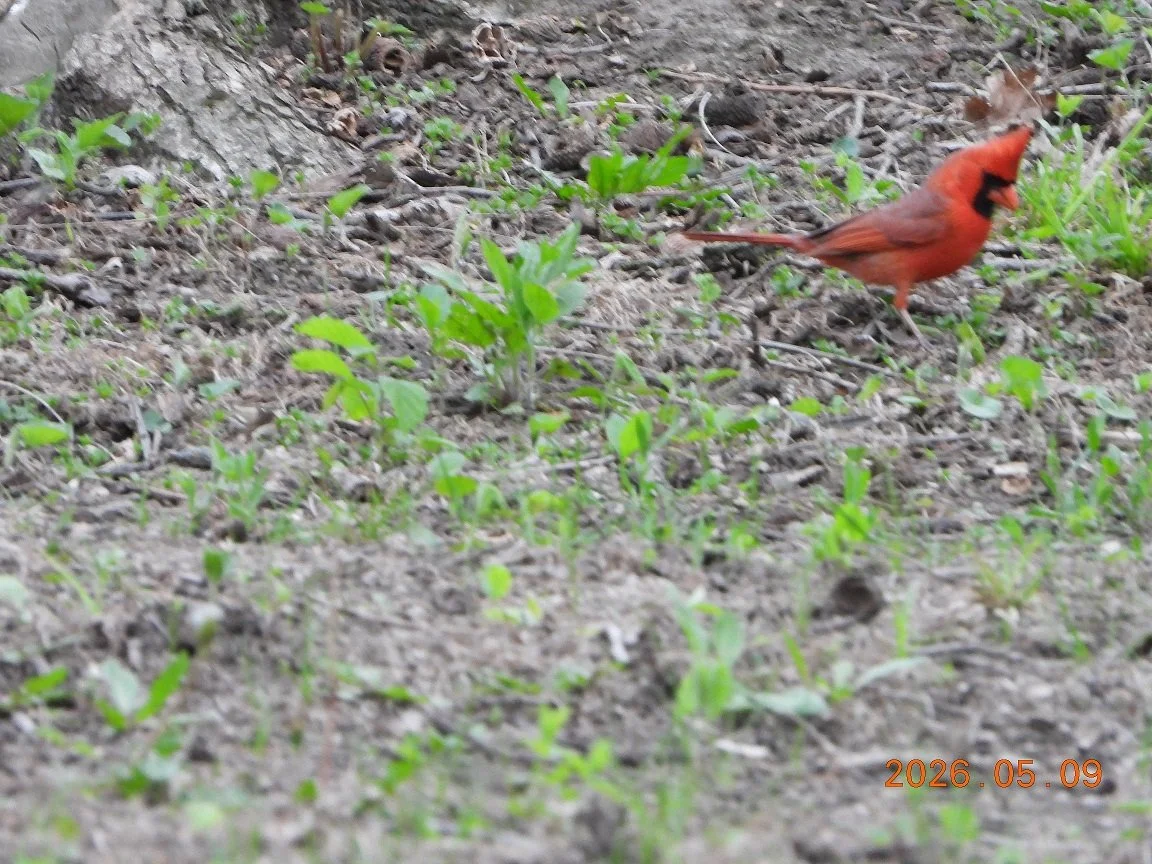
Below images by Jan Null copyright 2026, used with permission.
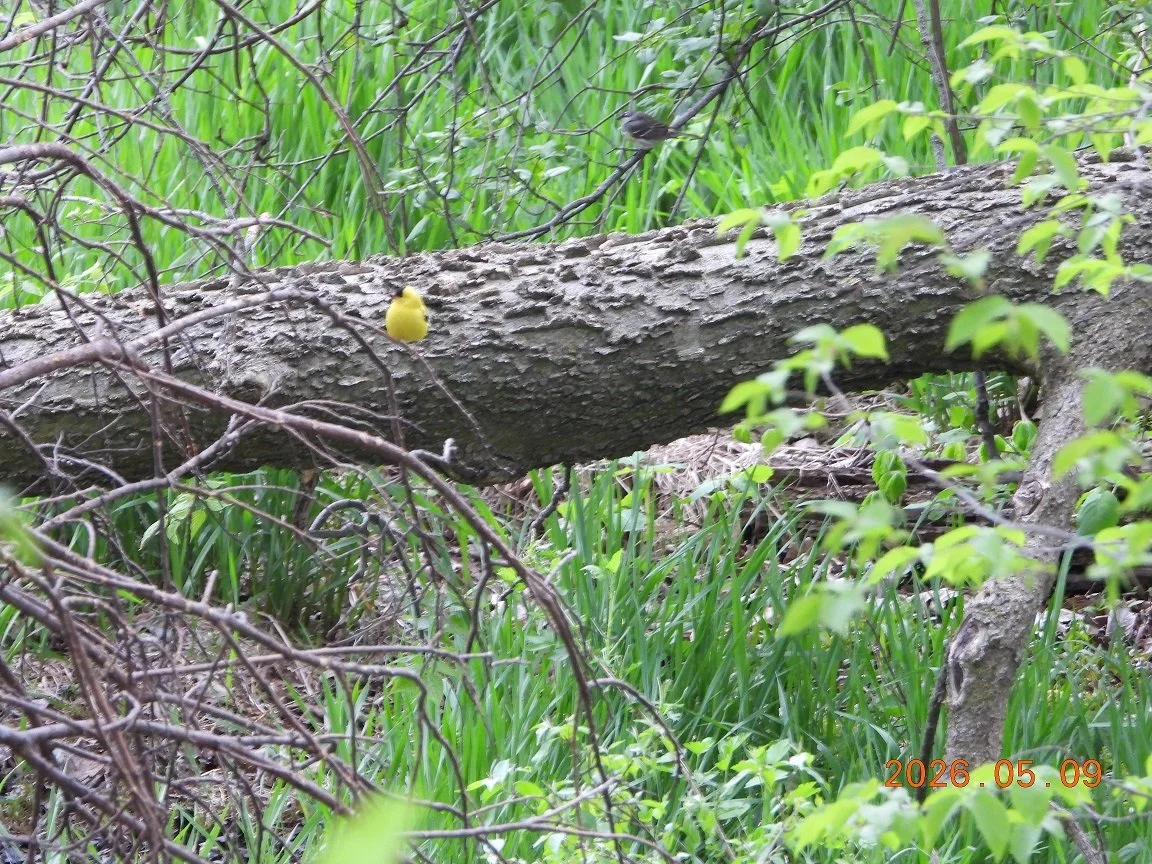
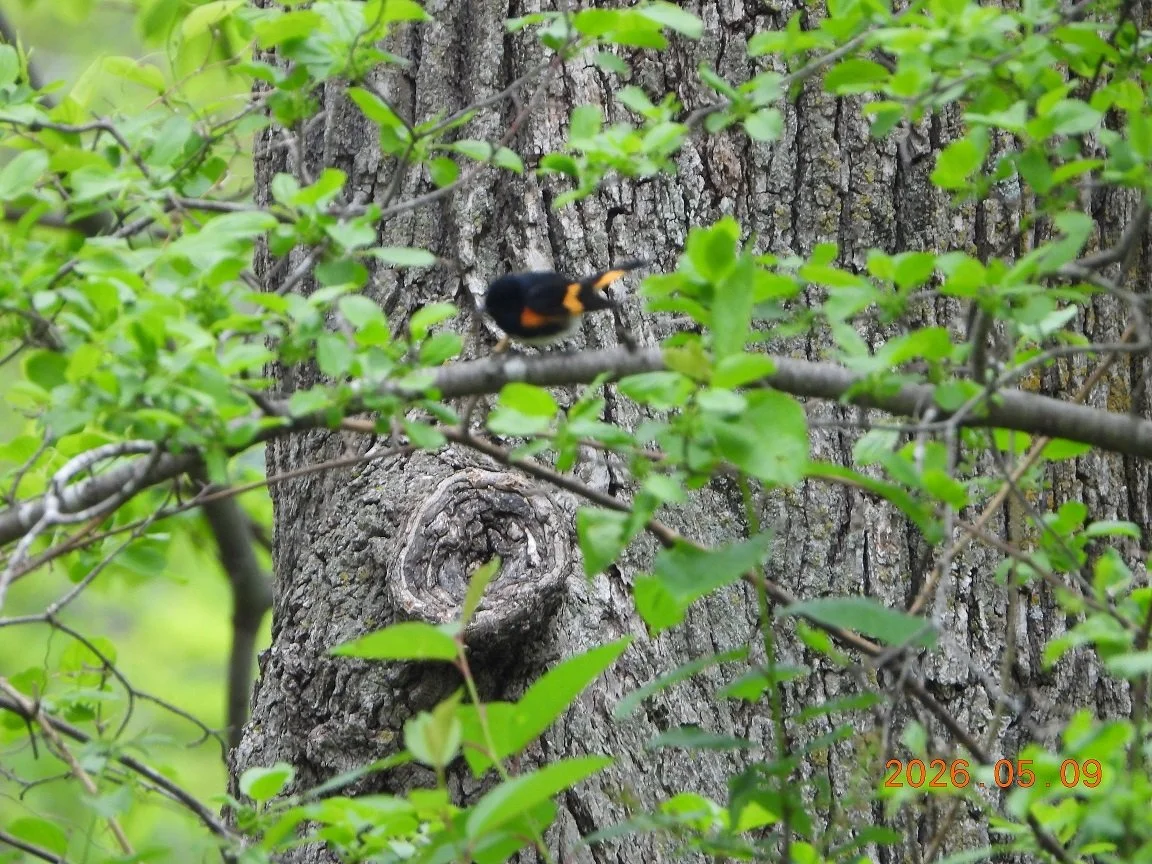
Birders, 2. Swainson’s Thrush, 3. Northern Cardinal, 4. American Goldfinch, 5. Birders 2, 6. Birders 3, 7. American Redstart, 8. Rose-breasted Grossbeak, 9. White-throated Sparrow
mindful birding event
Around 13 people enjoyed Mindful Birding at 9:00 am with Kari Sandage, sitting in chairs, or on blankets or yoga mats.
Kari’s program description:
Slow down, breathe deeply, and connect with nature in a whole new way during Mindful Birding. This unique program blends gentle yoga, guided meditation, and bird watching to help you tune into both your inner and outer landscapes. We’ll begin with simple, accessible movement and breathwork to ground the body, then transition into quiet observation—using our senses to notice bird songs, movement, and the rhythms of the natural world.
No prior yoga or birding experience is needed—just a willingness to be present. Participants are encouraged to bring a yoga mat for floor-based movement, or you’re welcome to use a folding chair (provided) for a comfortable, seated practice.
Come cultivate calm, curiosity, and a deeper connection to the world around you. This event is part of the World Migratory Bird Day Celebration.
Instructor: Kari, Registered Yoga Teacher (RYS 200)- Yoga Alliance
Children’s Activities at wmbd
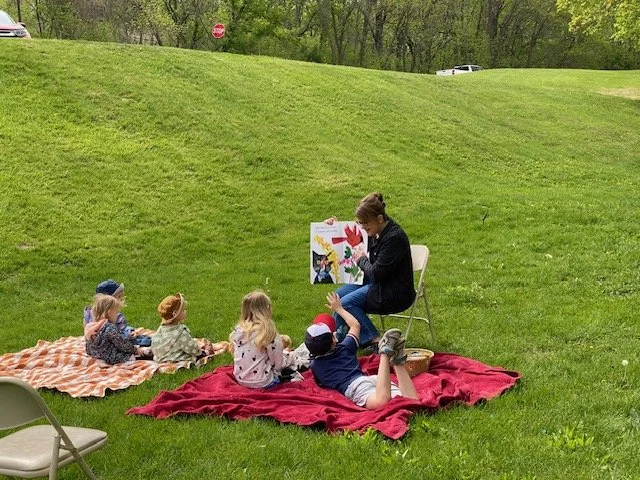
Bird Storytimes - Sioux City Public Library - 10:30 am (3 children and 3 adults) and repeated at 11:15 am (6 children and 3 adults) - Carol Harder
Cheerio Bird Feeder Craft - Sioux City Public Library - starting at 10:00 am- Matti Smith
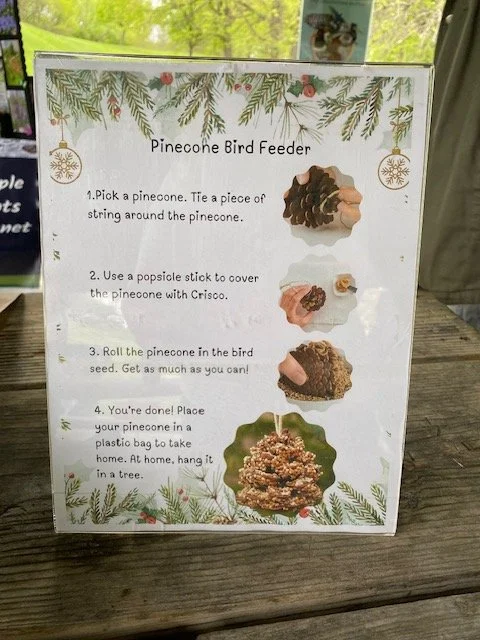
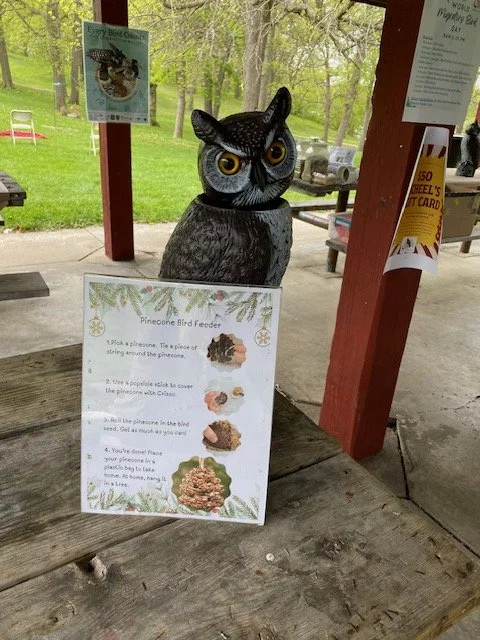
Pine Cone Bird Feeders - Woodbury County Conservation & Loess Hills Audubon Society -Vikki Martin-Jacobs, LHAS
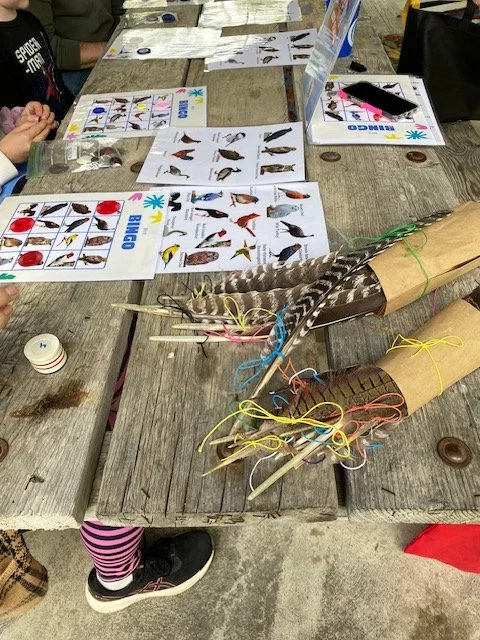
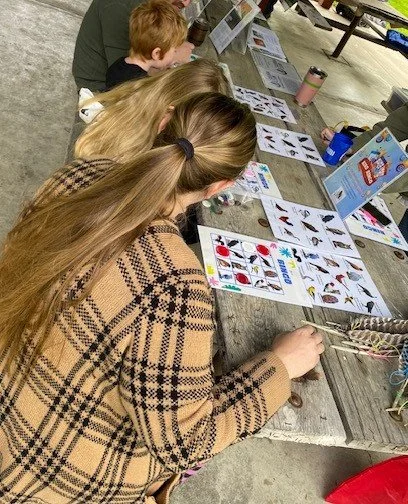
Midwest Bird Bingo - starting at 10 am - Northwest Iowa Group of Sierra Club-Jeanne Bockholt
Below images by Maria Rundquist, Pam Miller-Smith, Kevin Kerr and Marla Kerr, copyright 2026, used with permission.
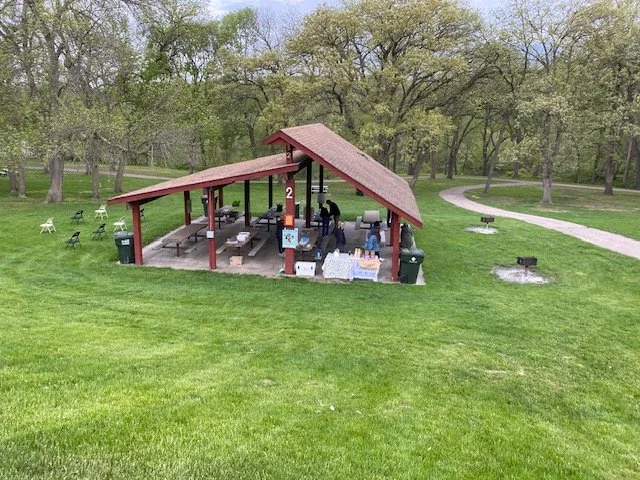
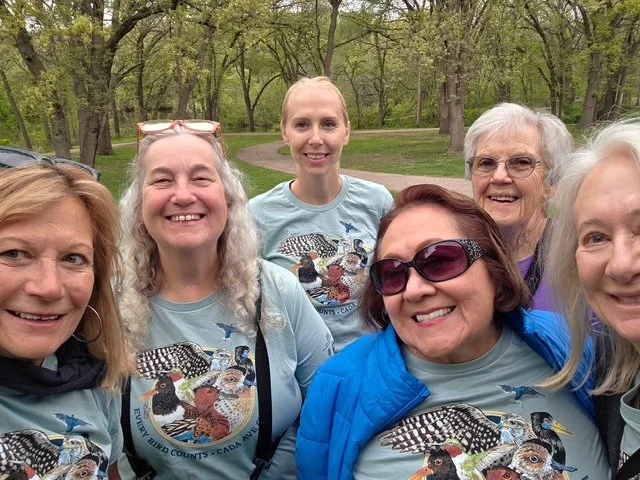
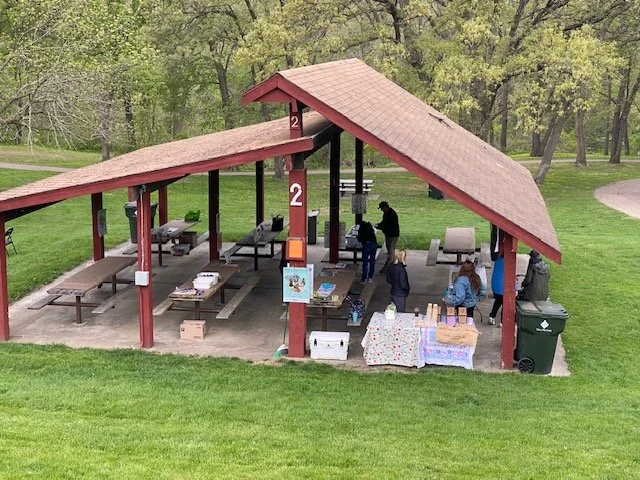
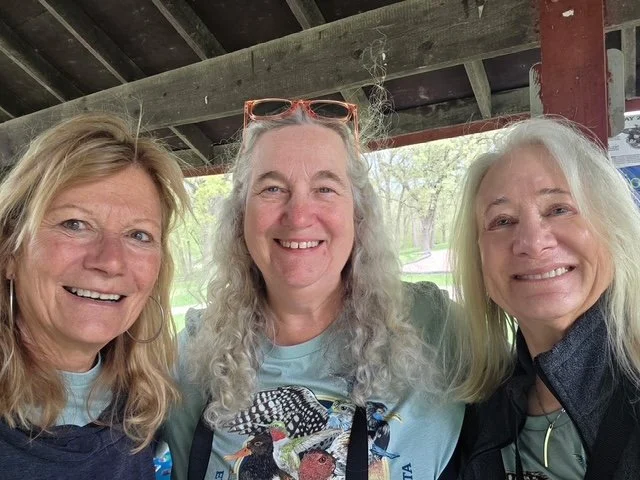

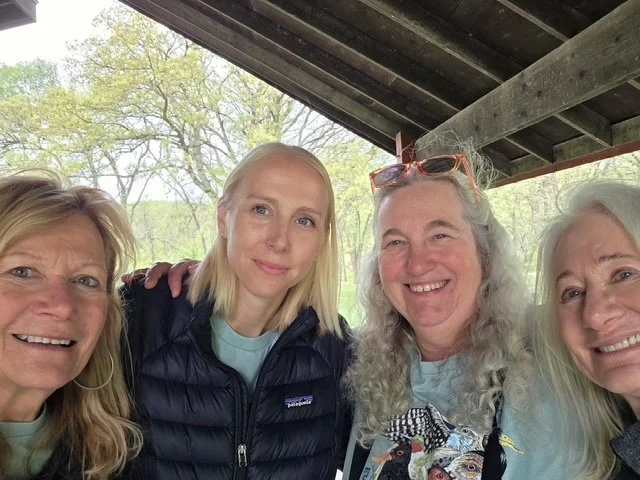
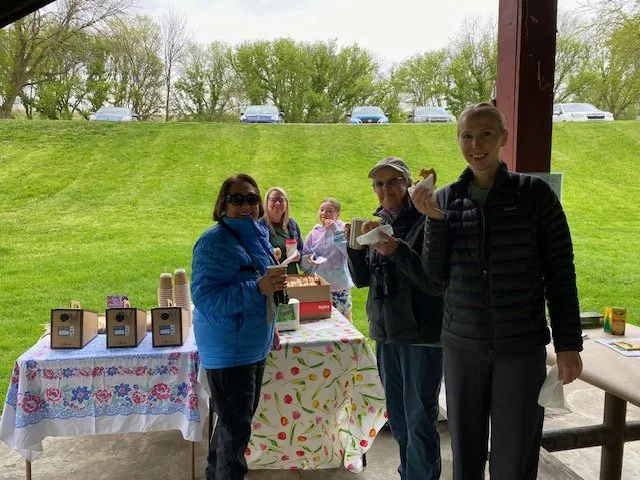
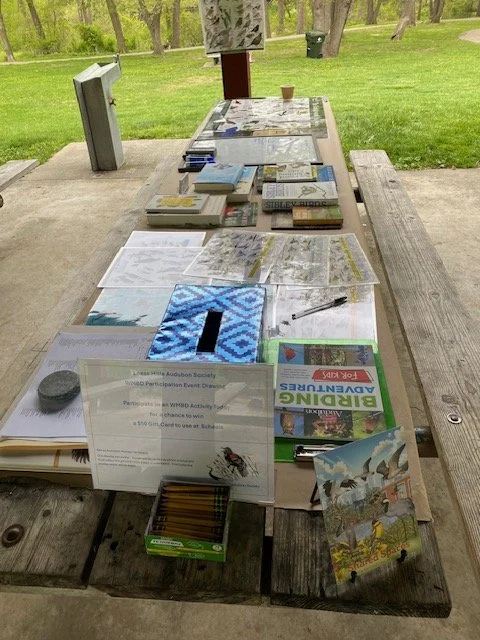
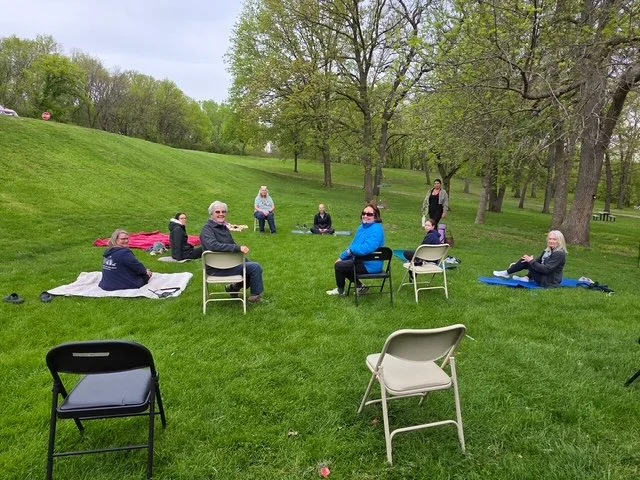
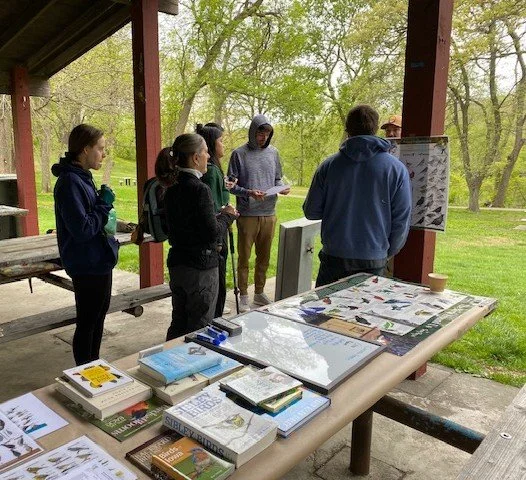
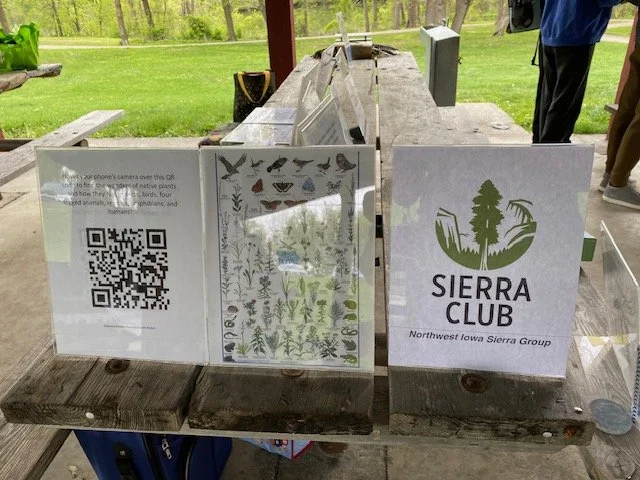
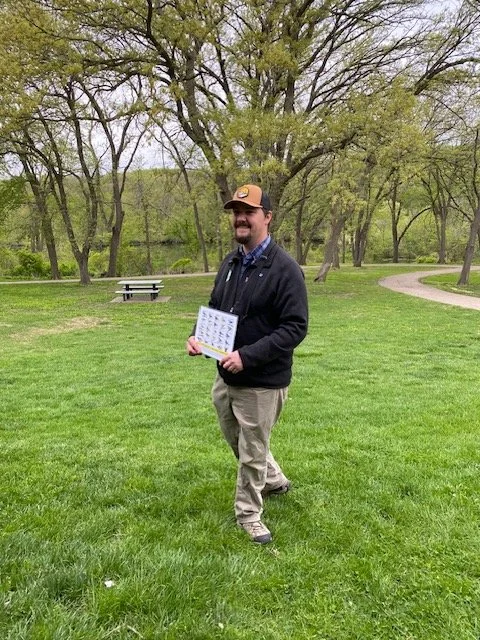
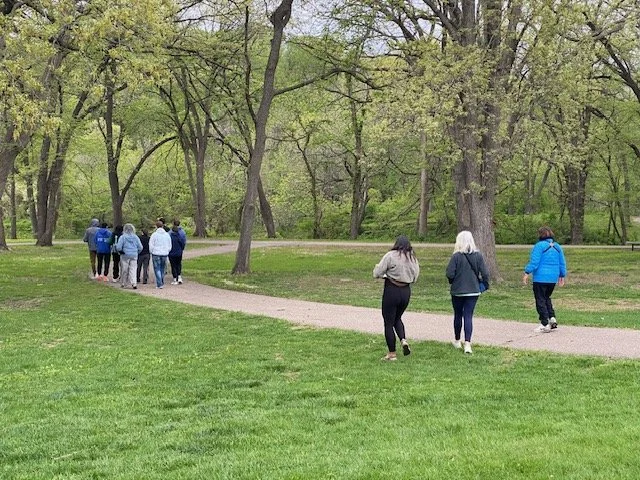
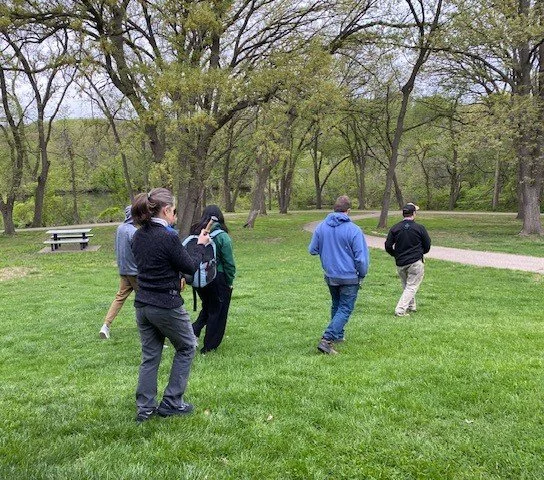
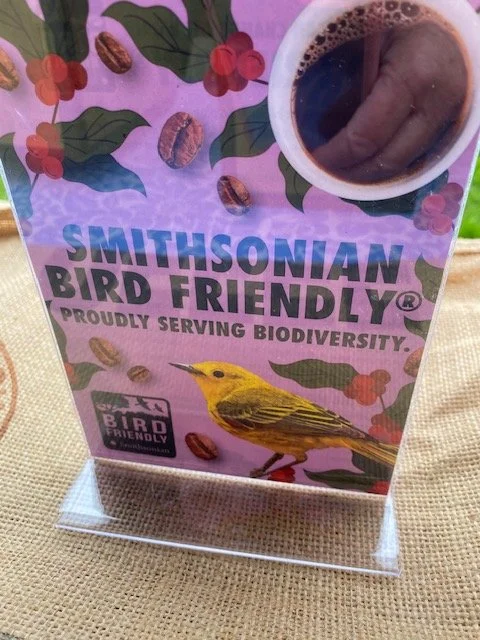


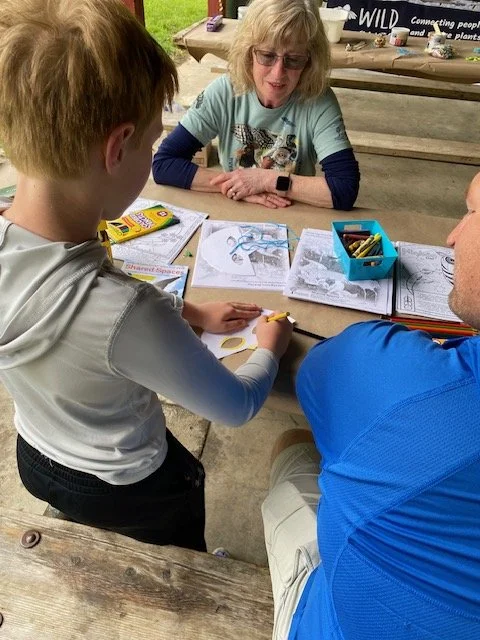

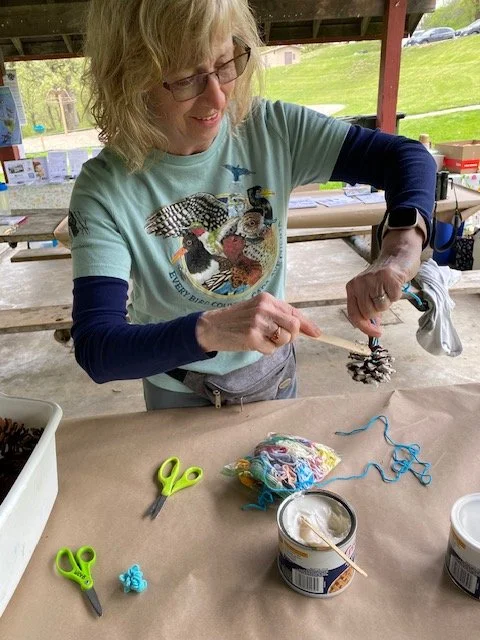
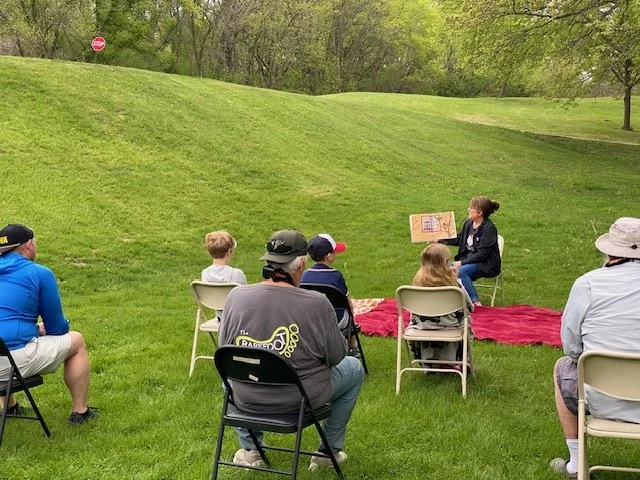
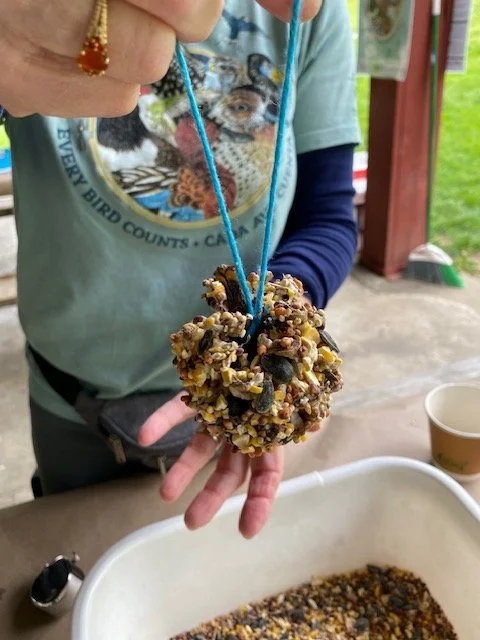
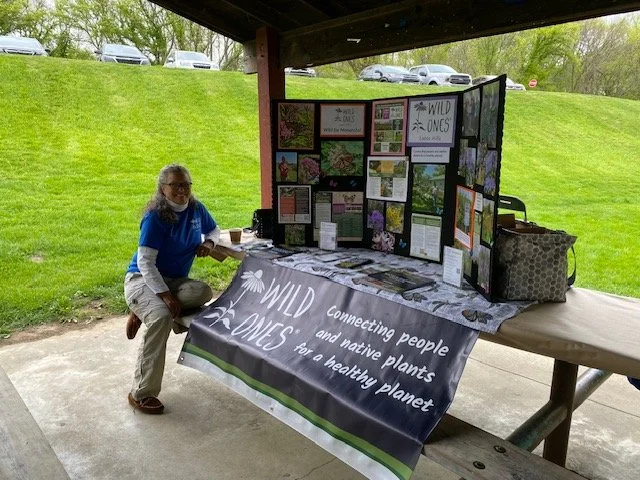
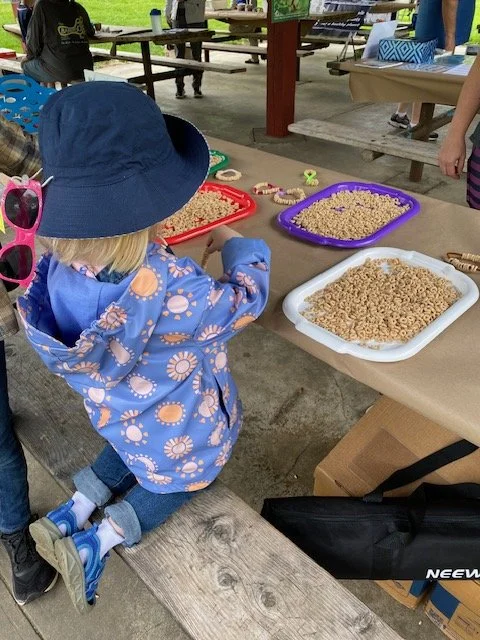
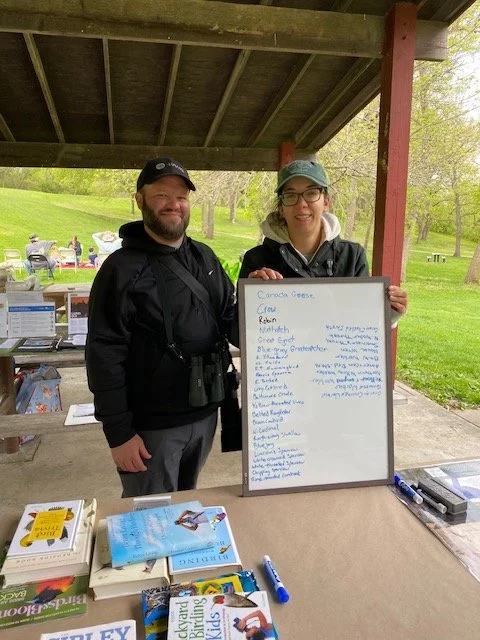
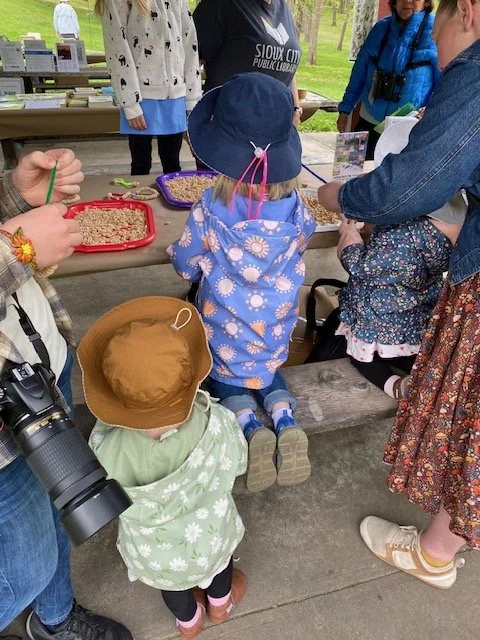
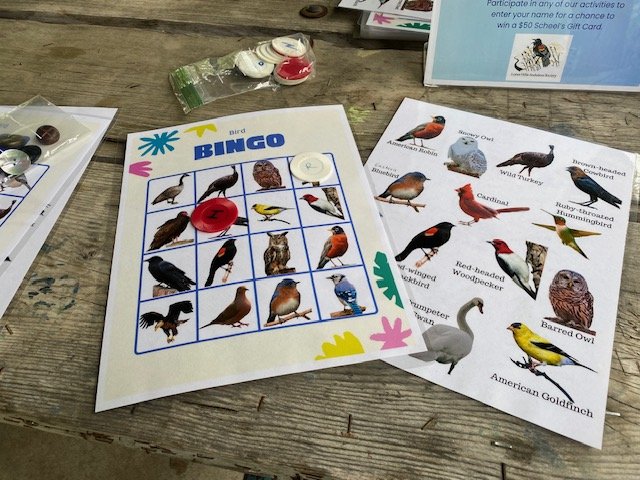
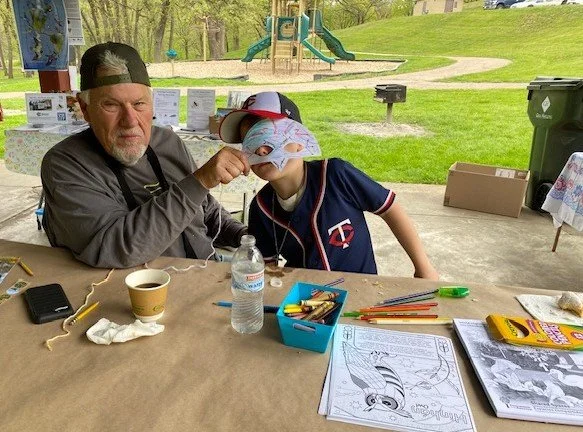
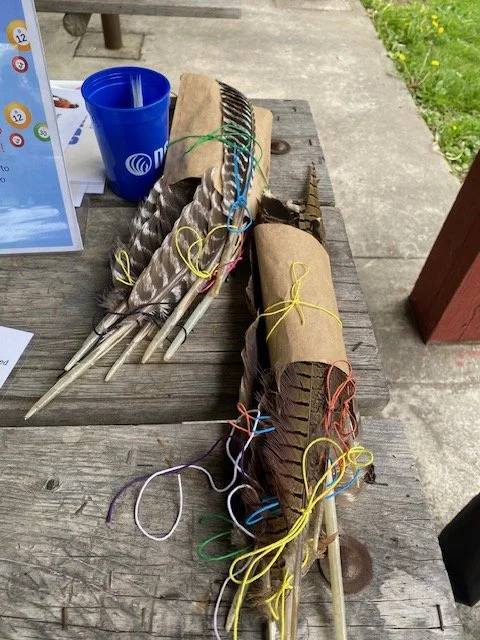
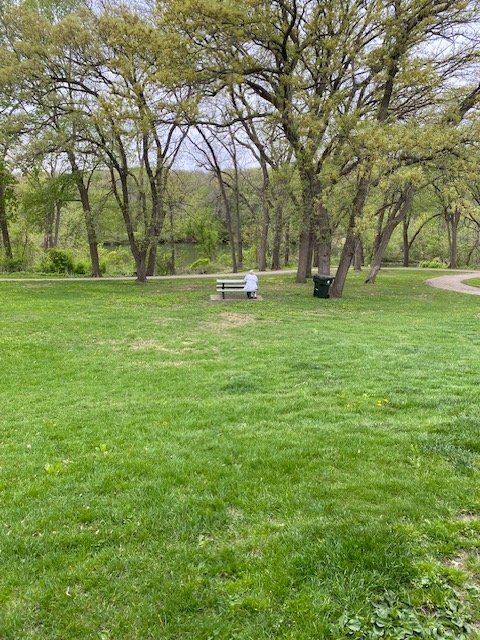
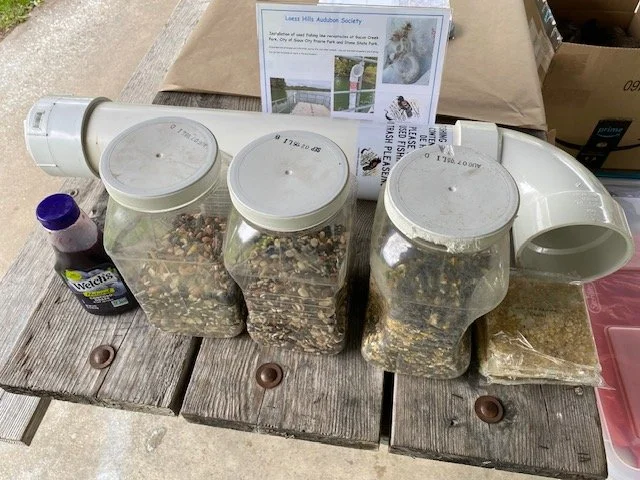
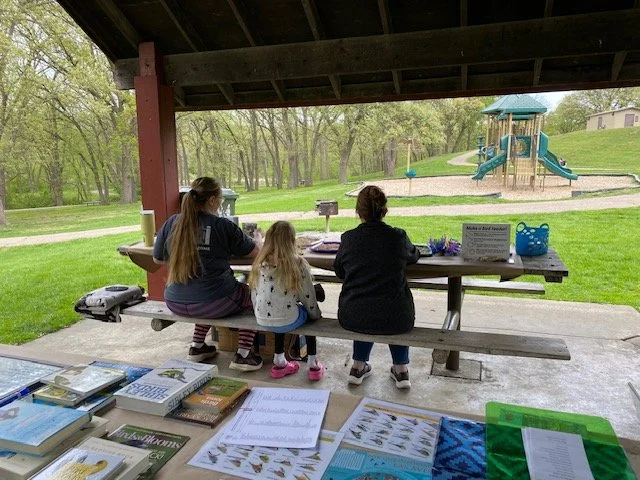
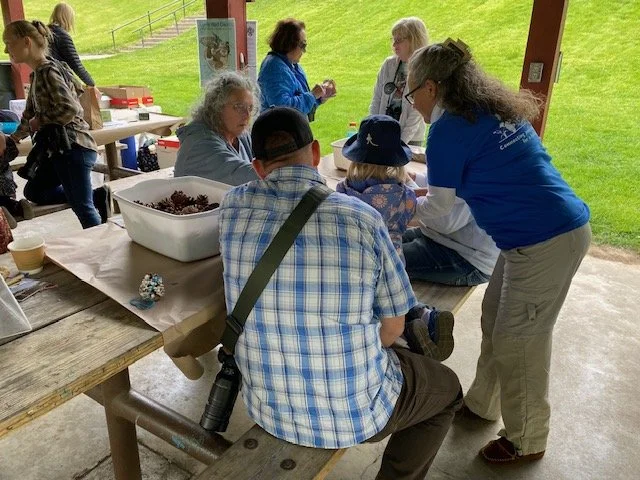
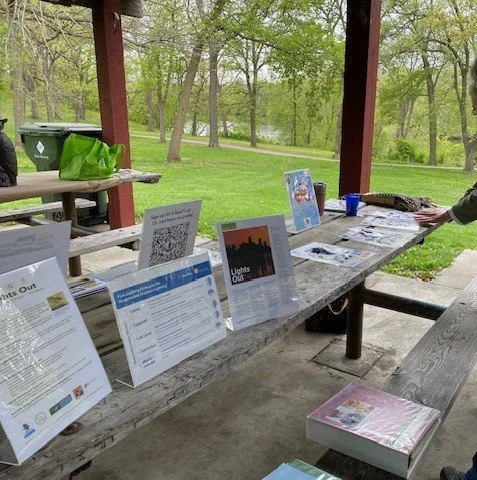


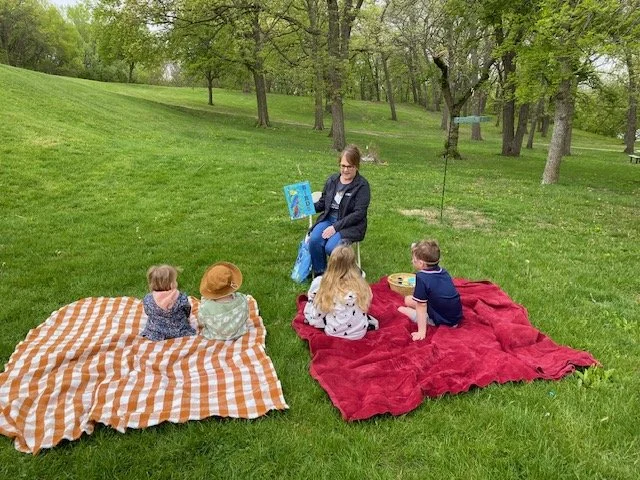
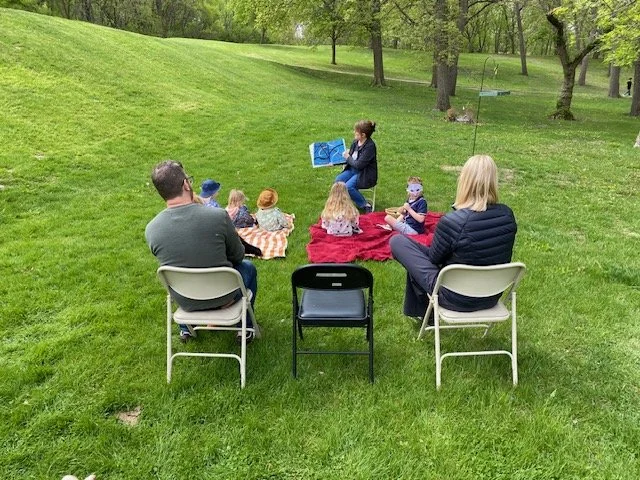
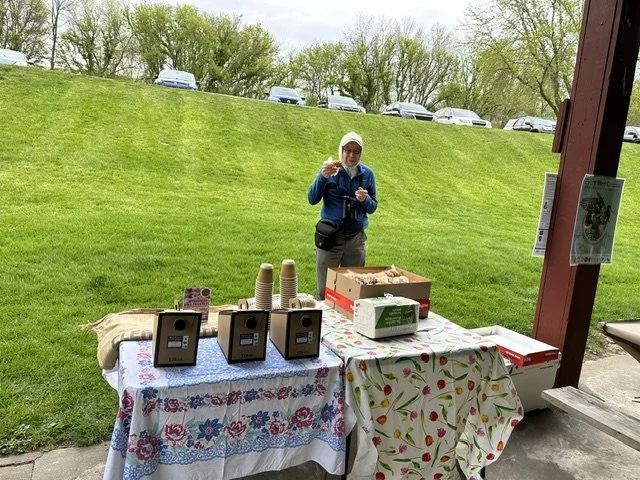
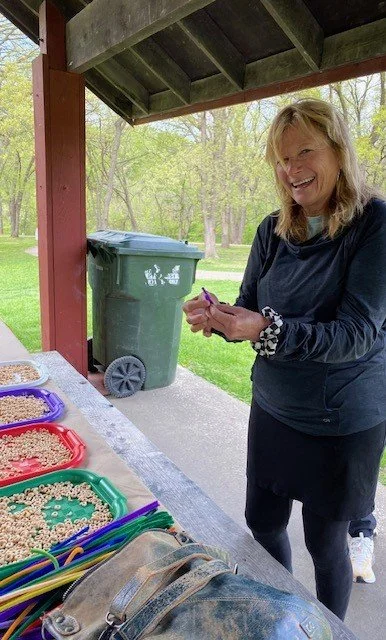
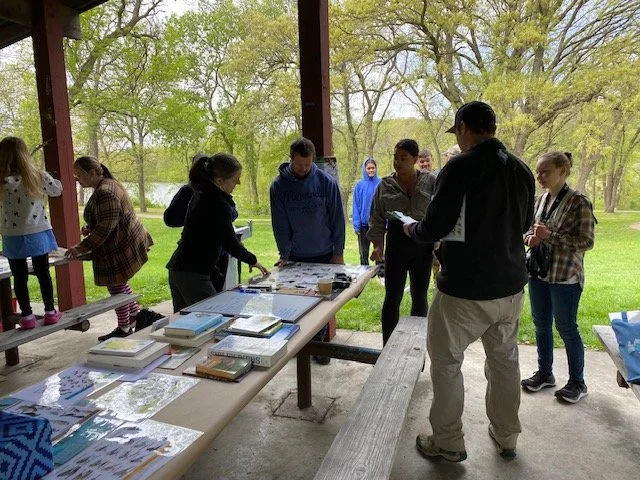

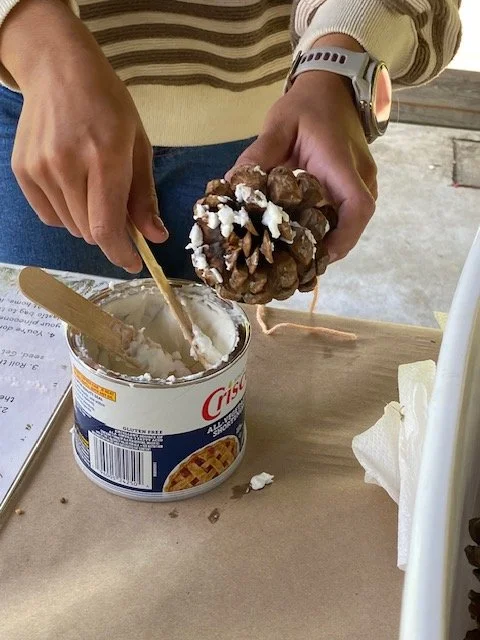
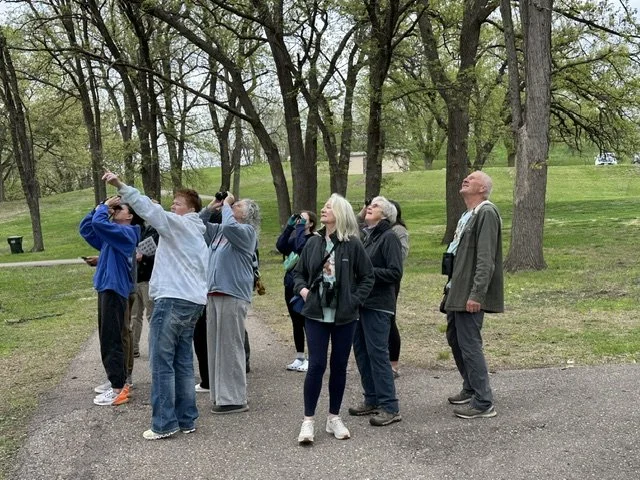
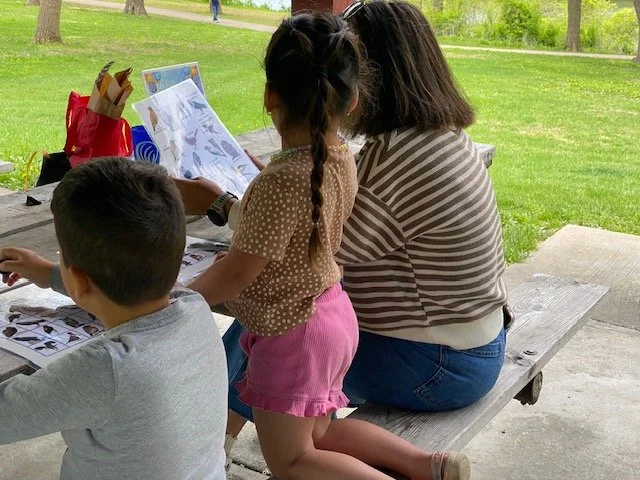
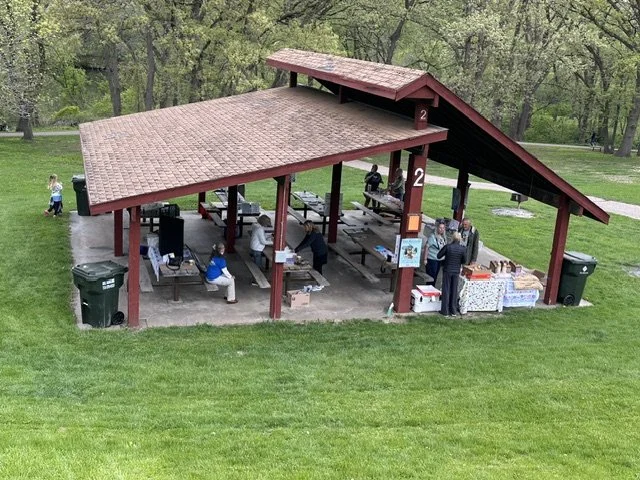
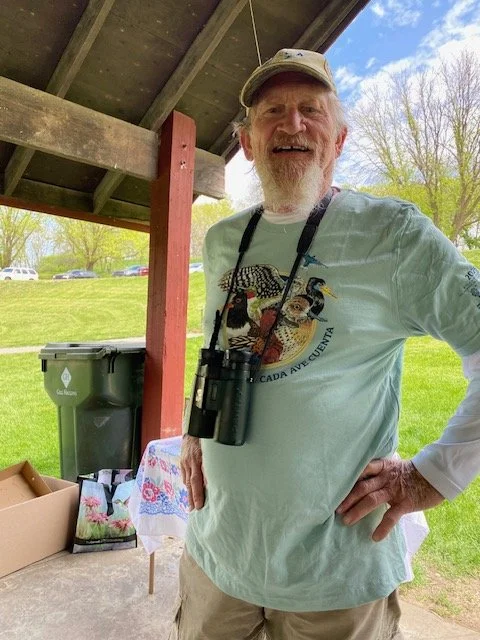
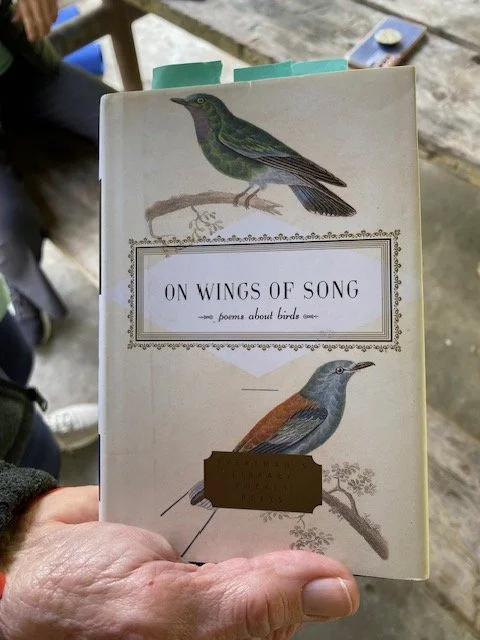
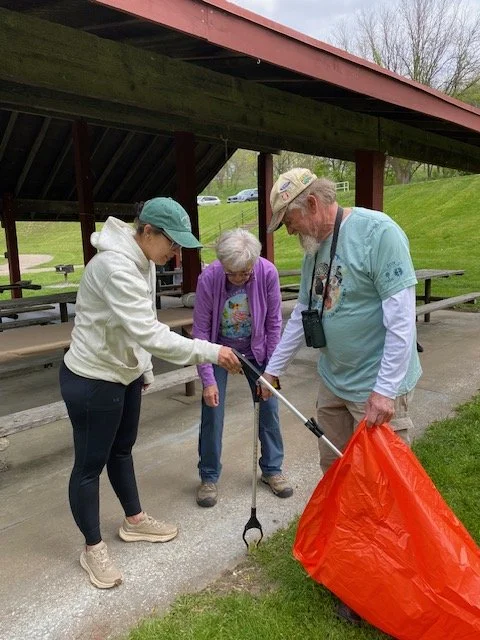
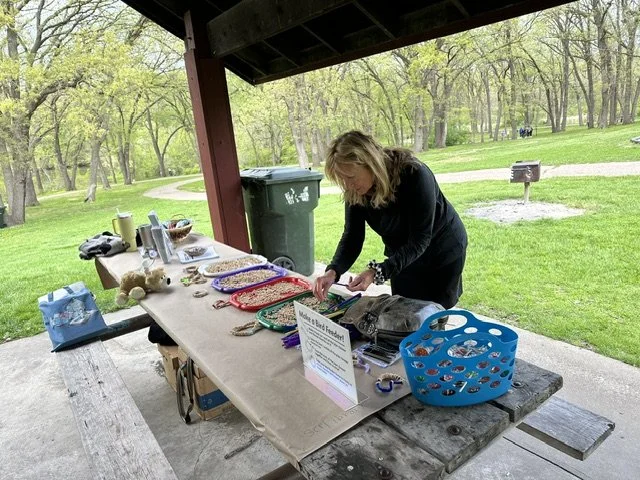
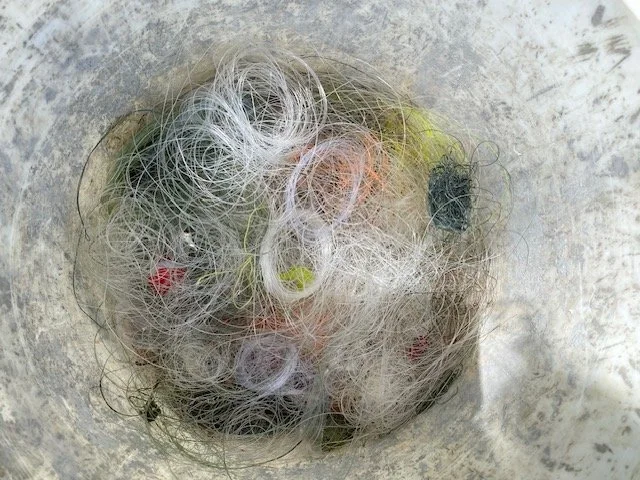
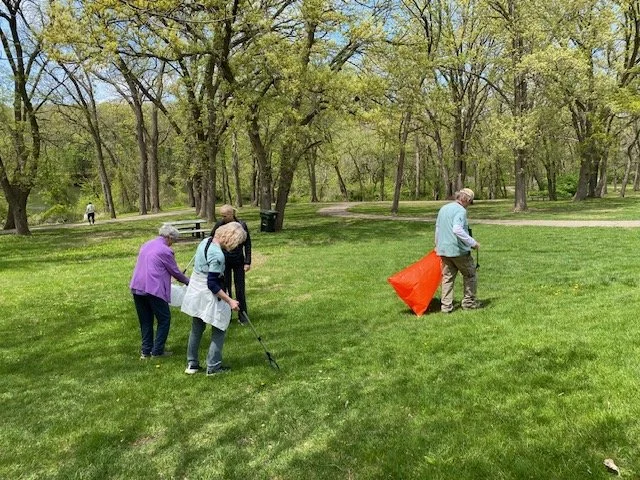
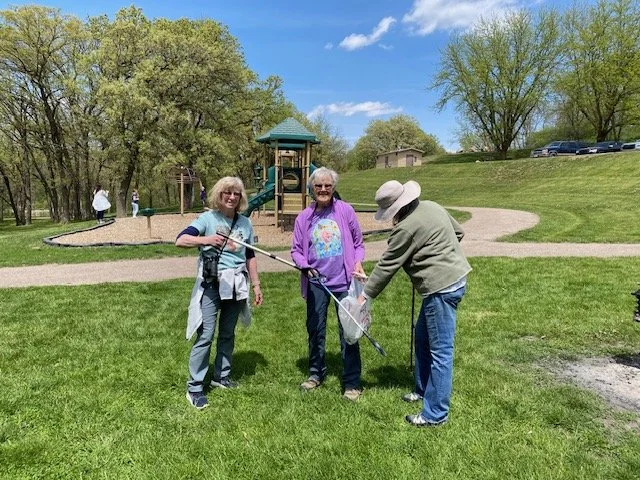
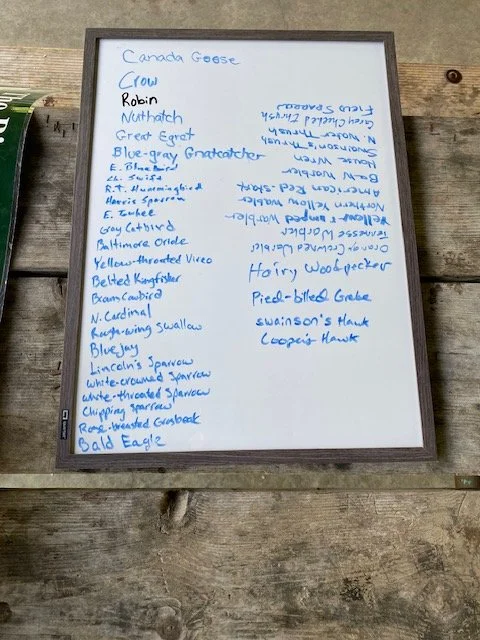
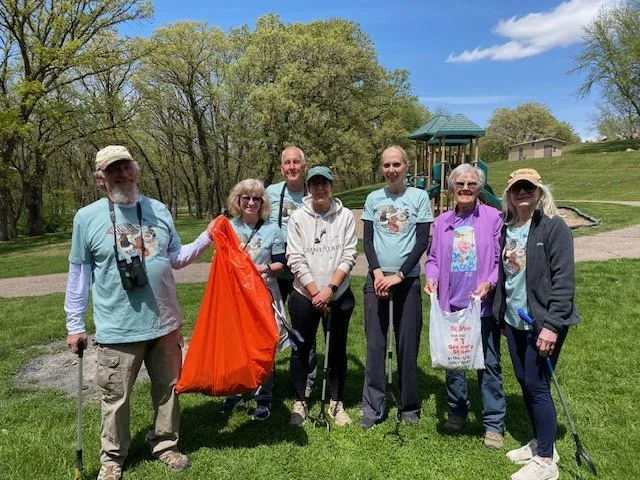
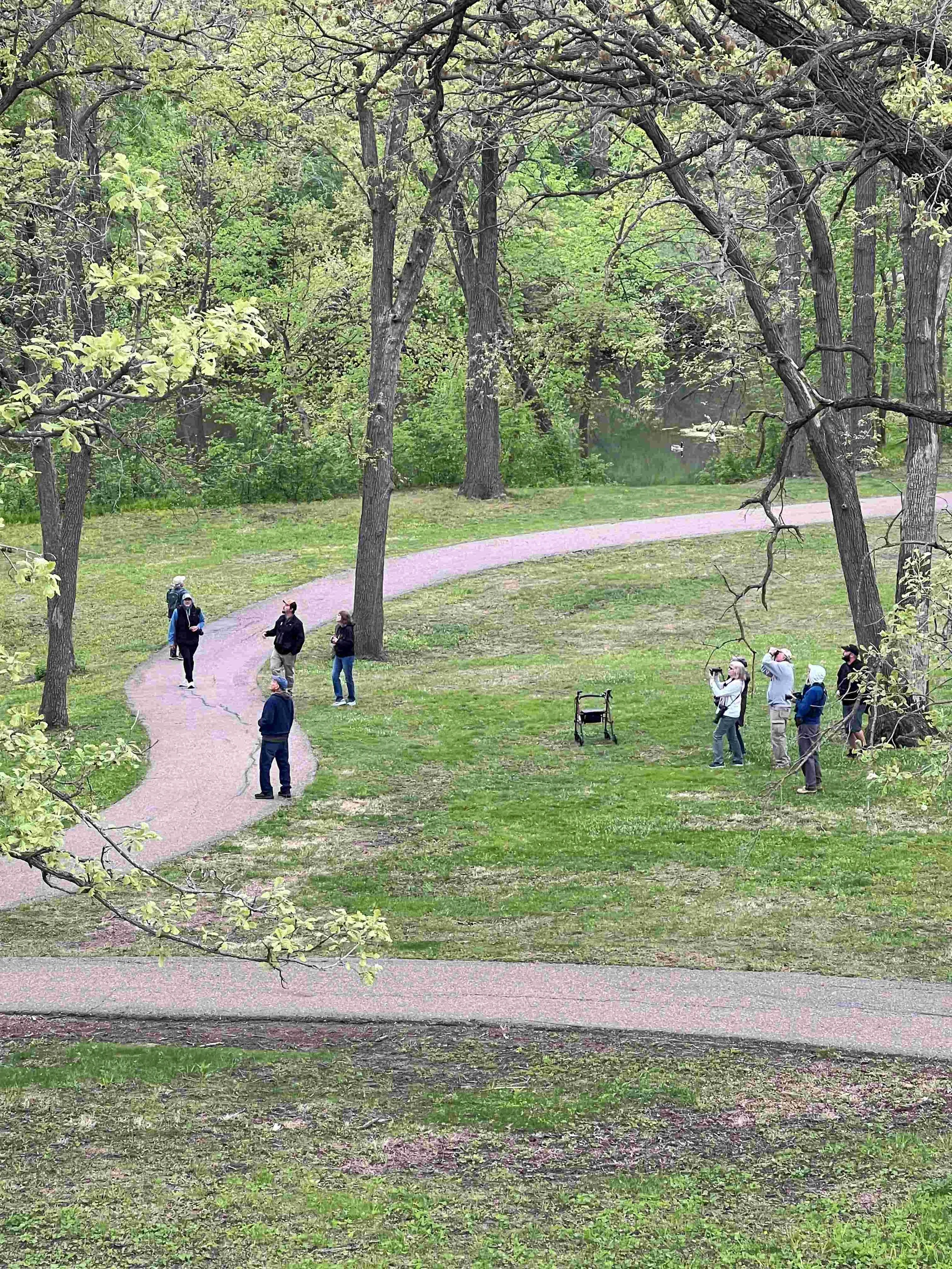
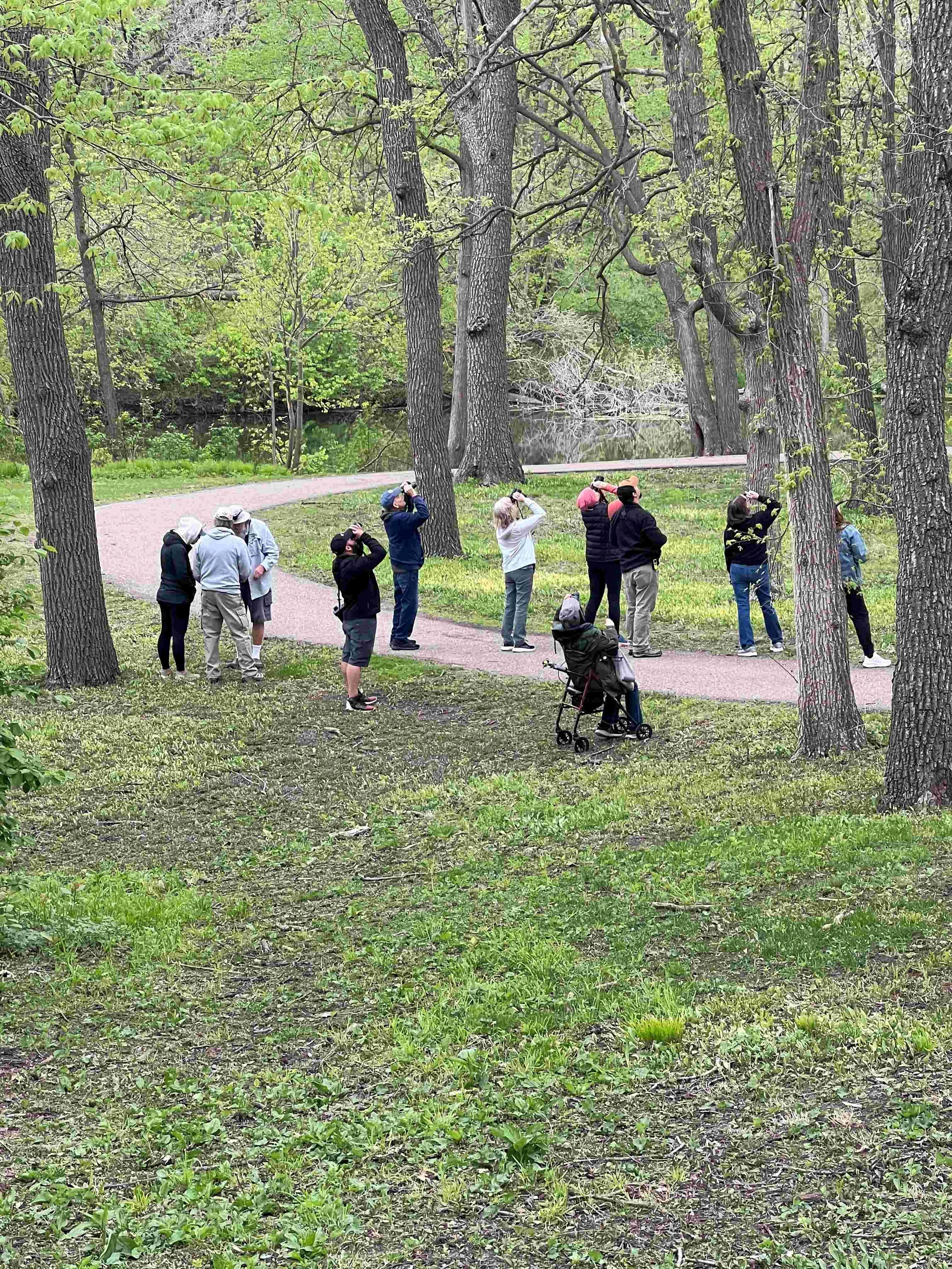
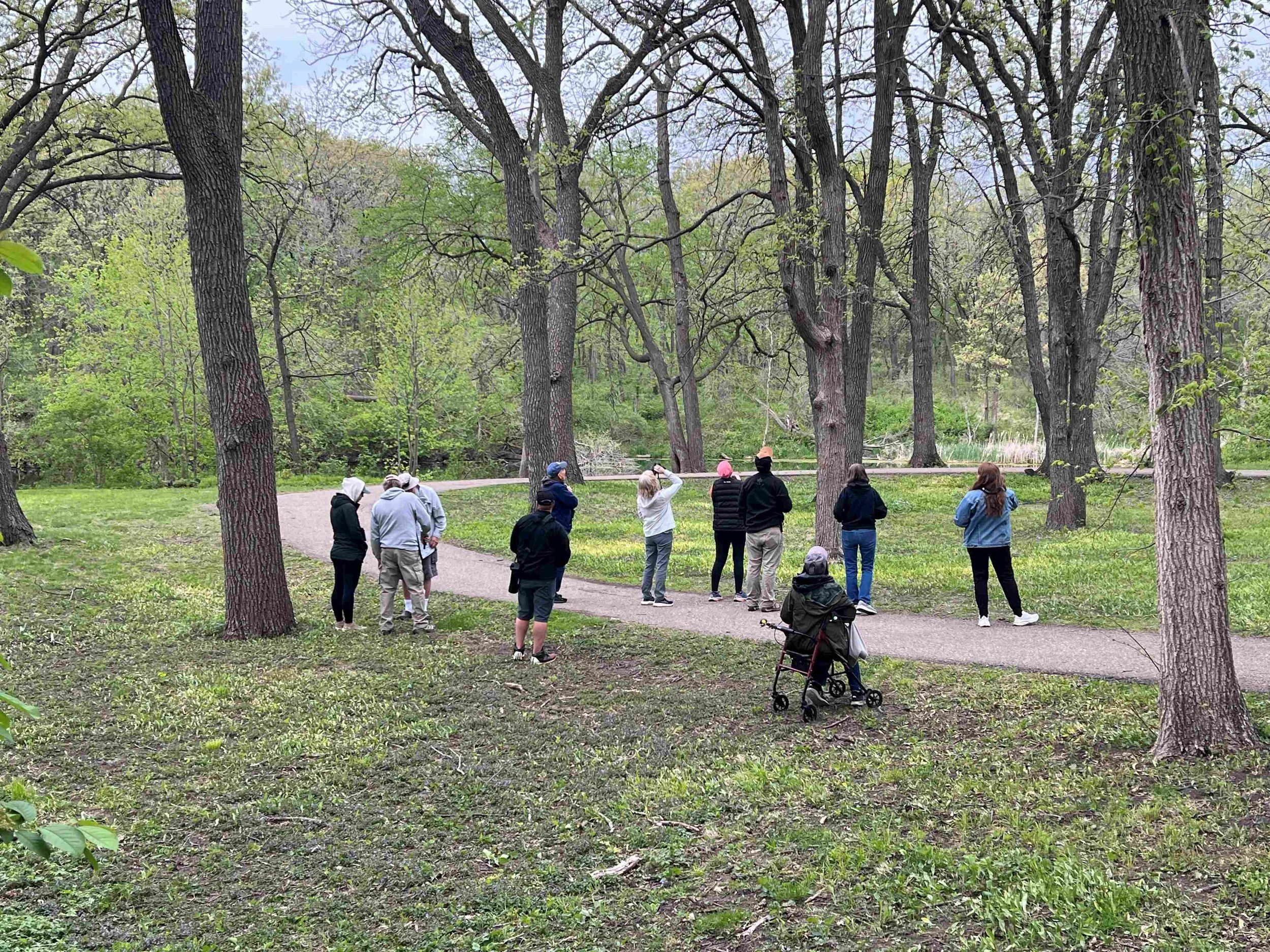
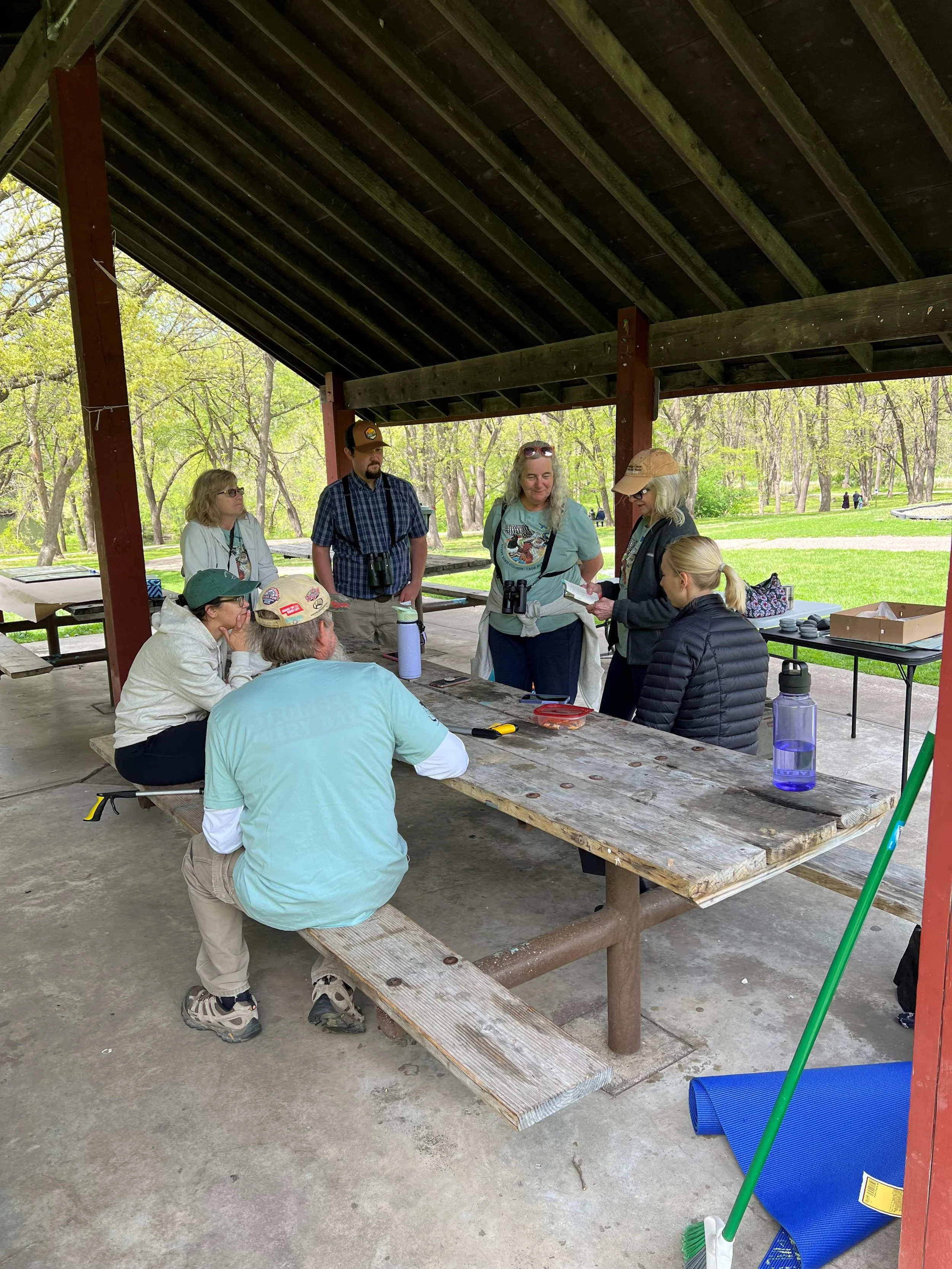
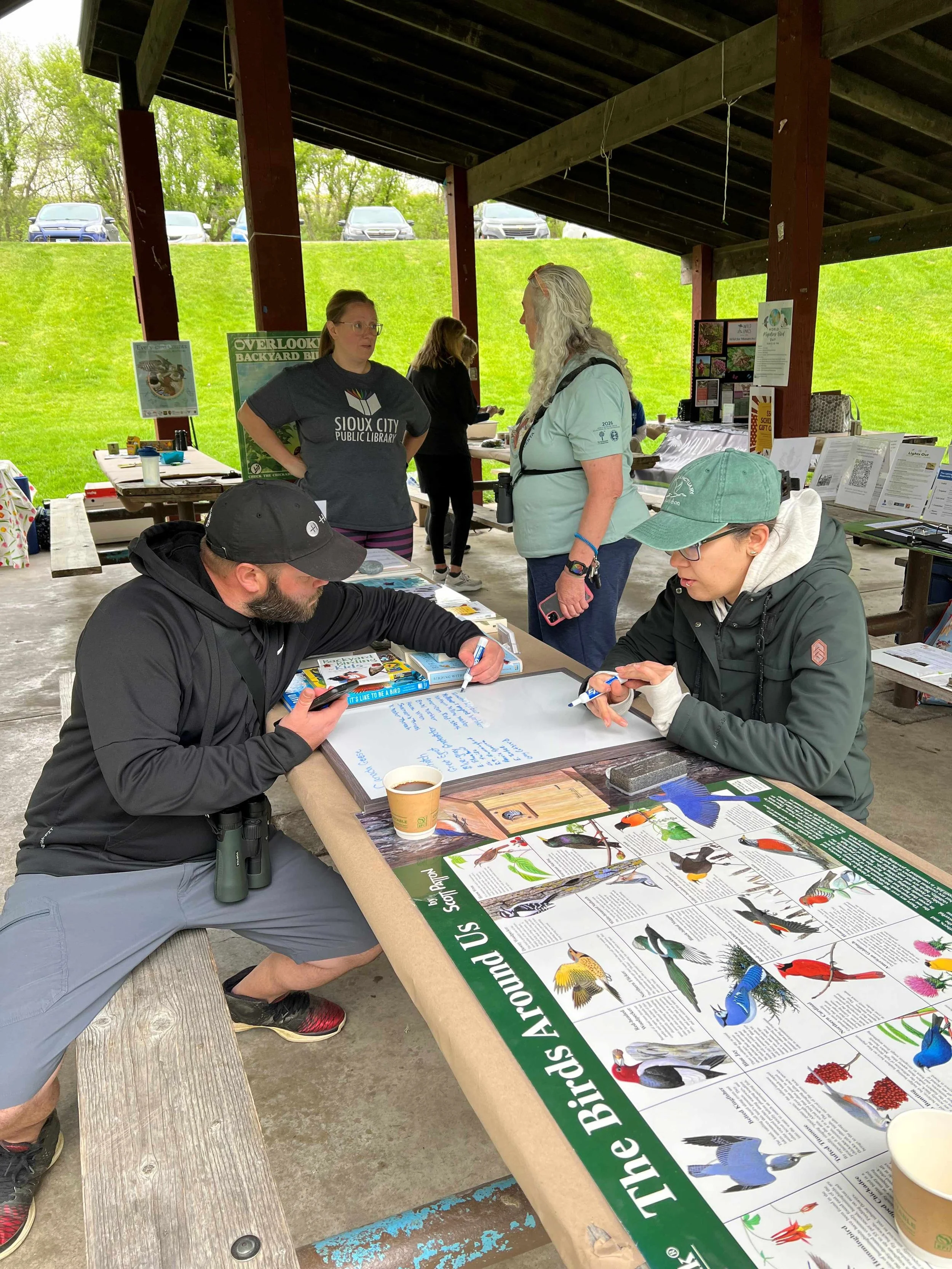
Bacon Creek Park was alive with Birds Singing on Migratory Bird Day! Loess Hills Audubon Society Member Jan Null perfectly captured one of the singing birds on video.
Below video copyright 2026 by Jan Null, used with permission
Migrating Shorebird Search
saturday, april 18, 2026
With such poor shorebird habitat the past several Springs, many of us shorebird enthusiasts have hardly been able to find these interesting Spring migrants in the past 5 years. In fact, most of our newer birders probably have yet to see many of the species we used to take for granted each Spring. Though our drought cycle continues and good habitat is very limited again this Spring, the objective of our April outing was to find these long-distance migrants wherever we could find shallow water and mudflats.
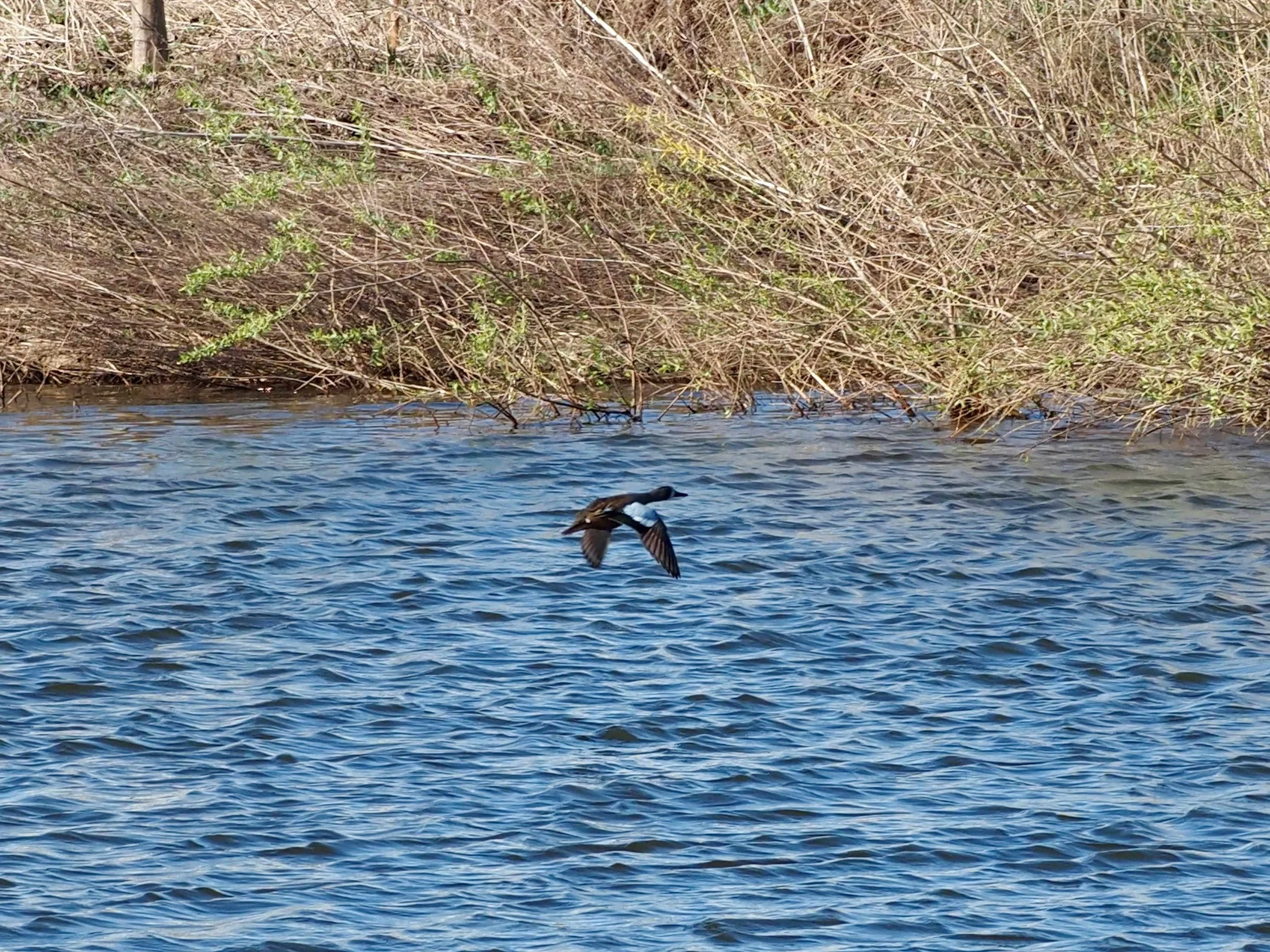
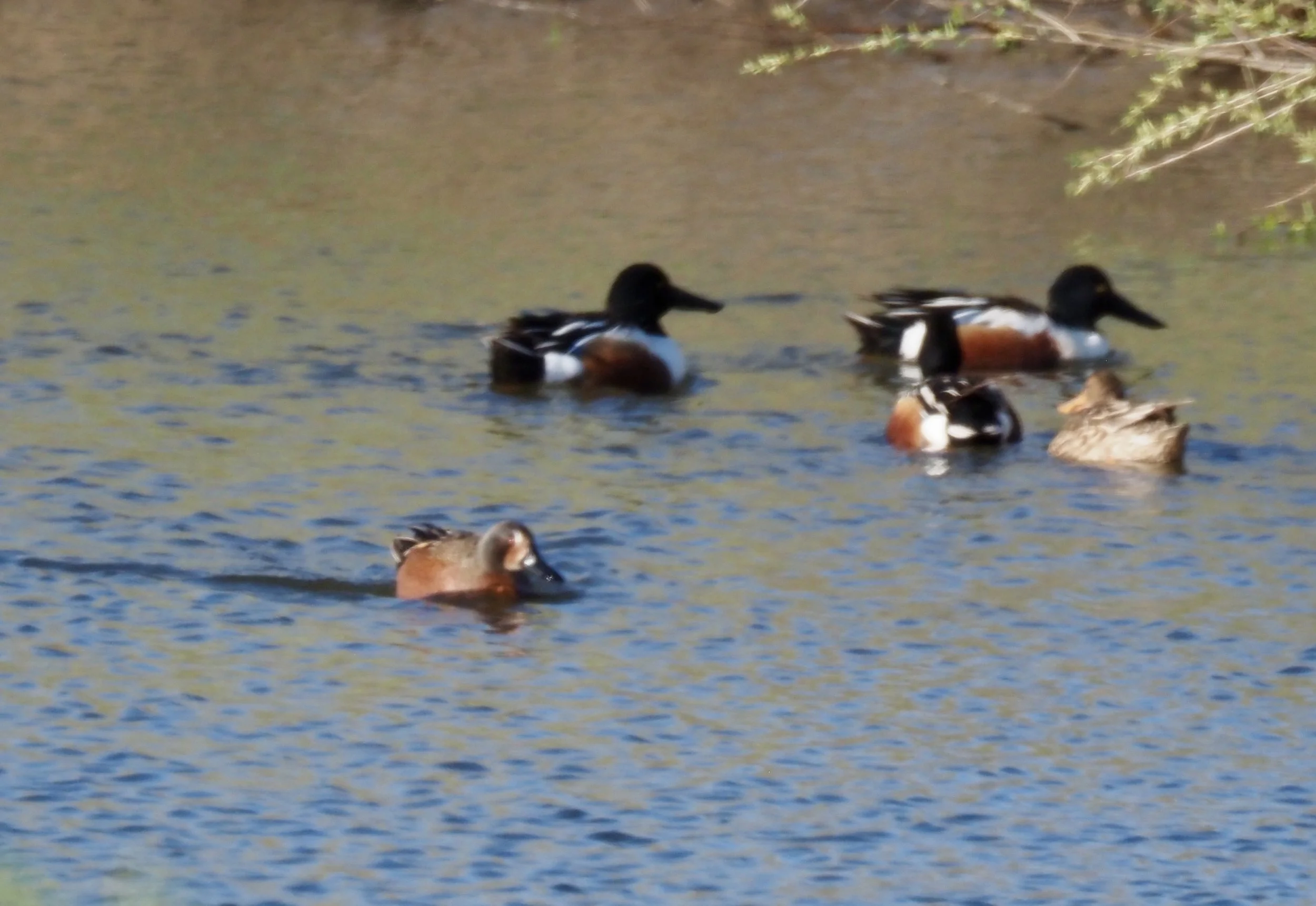
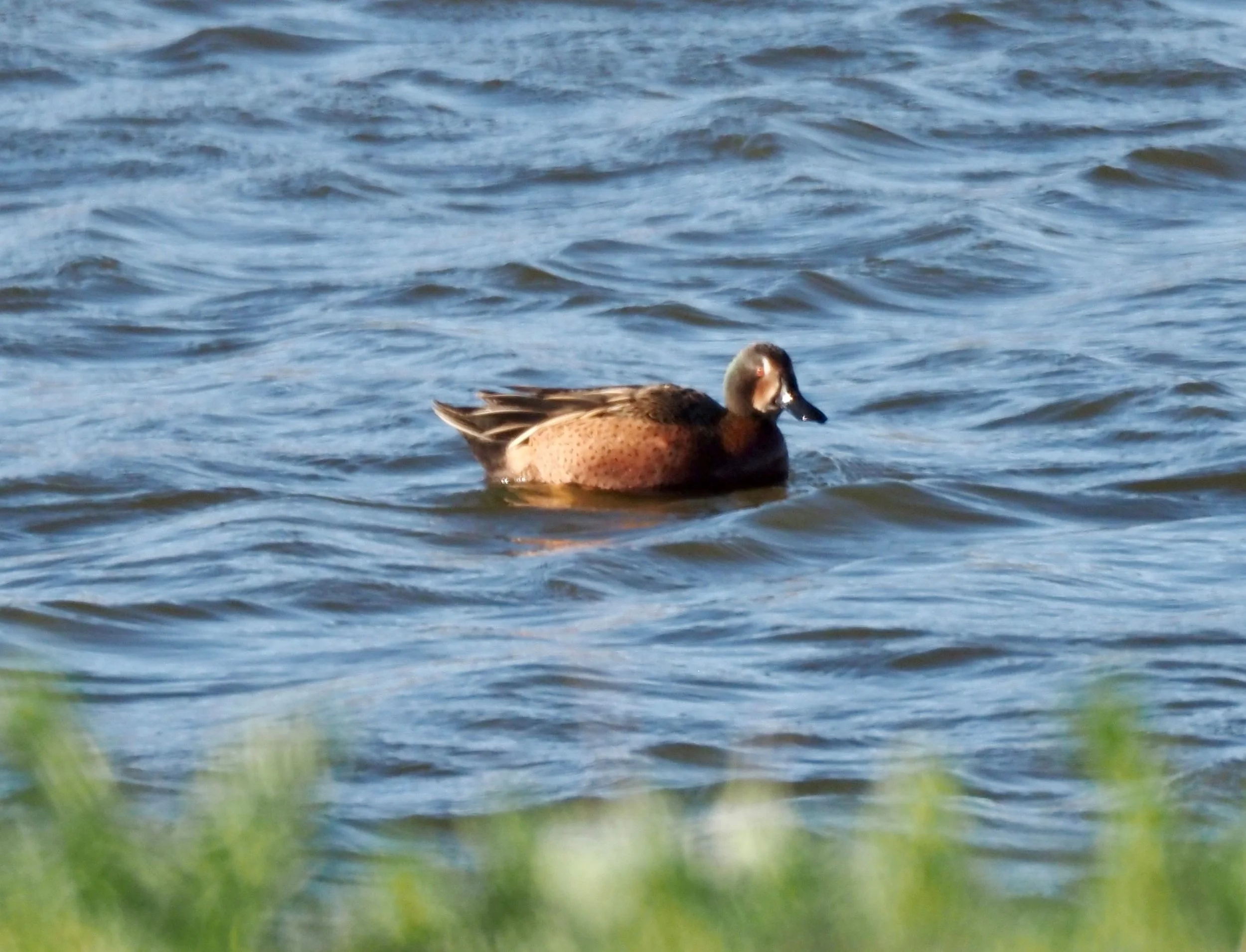
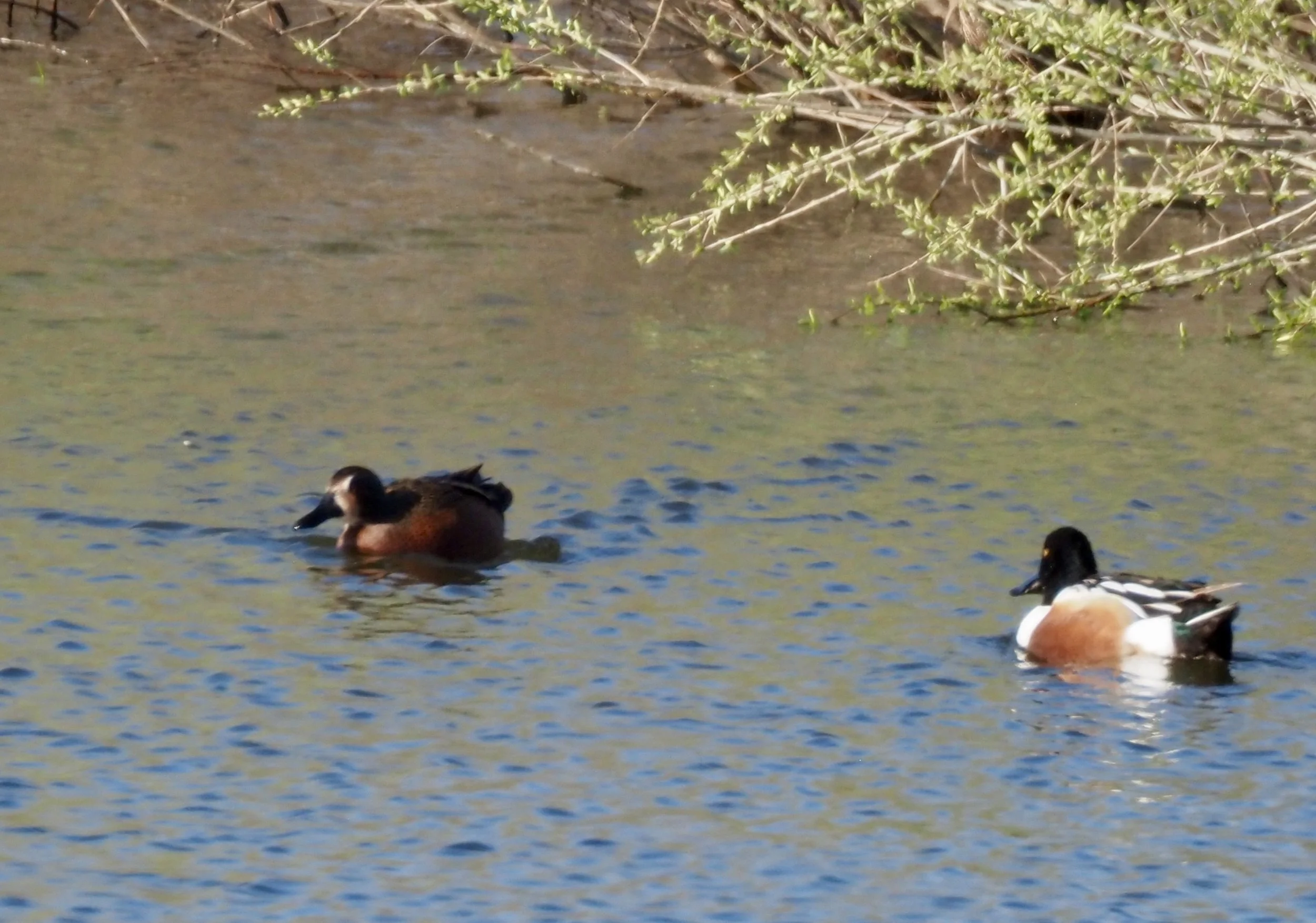
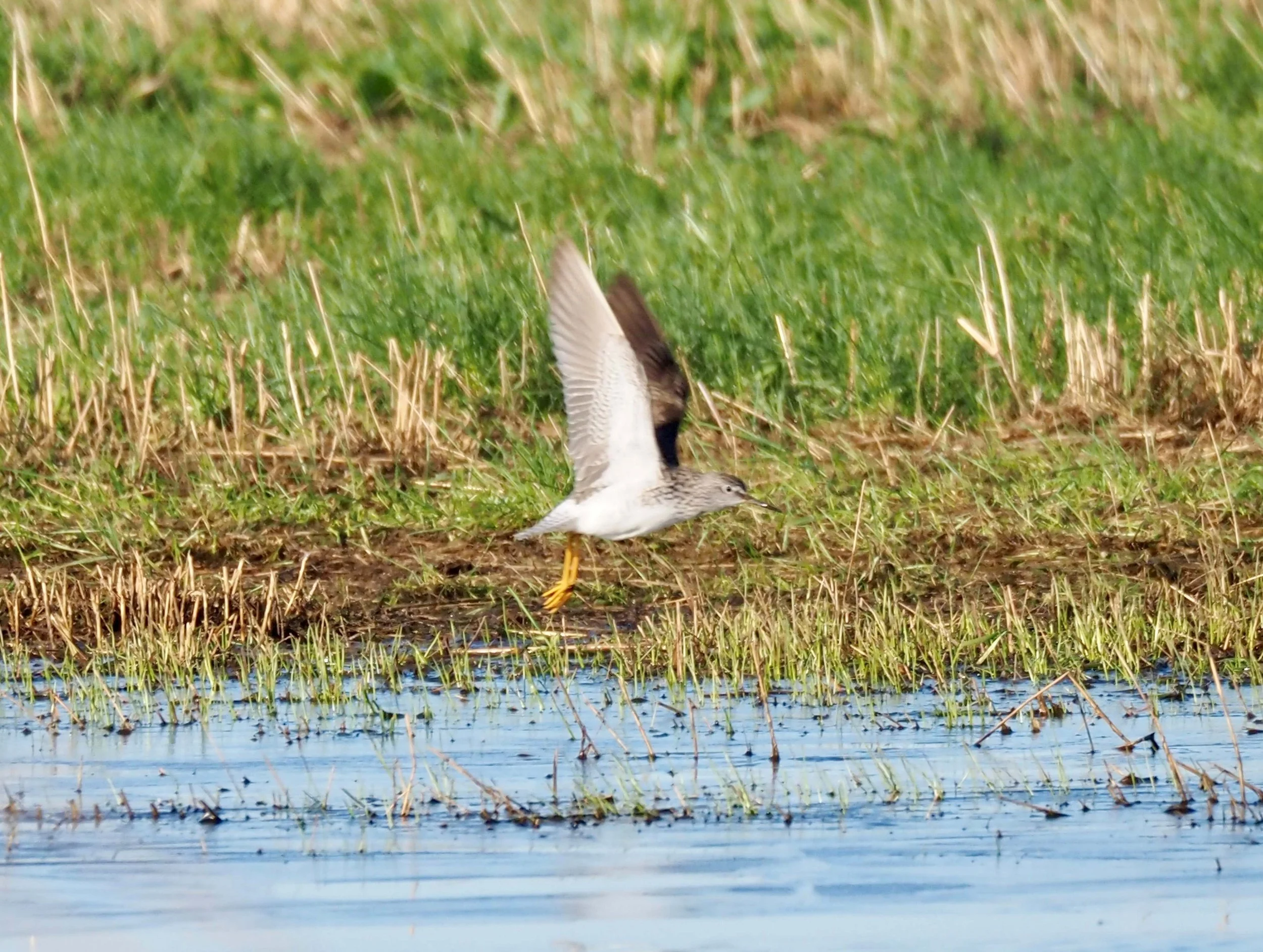
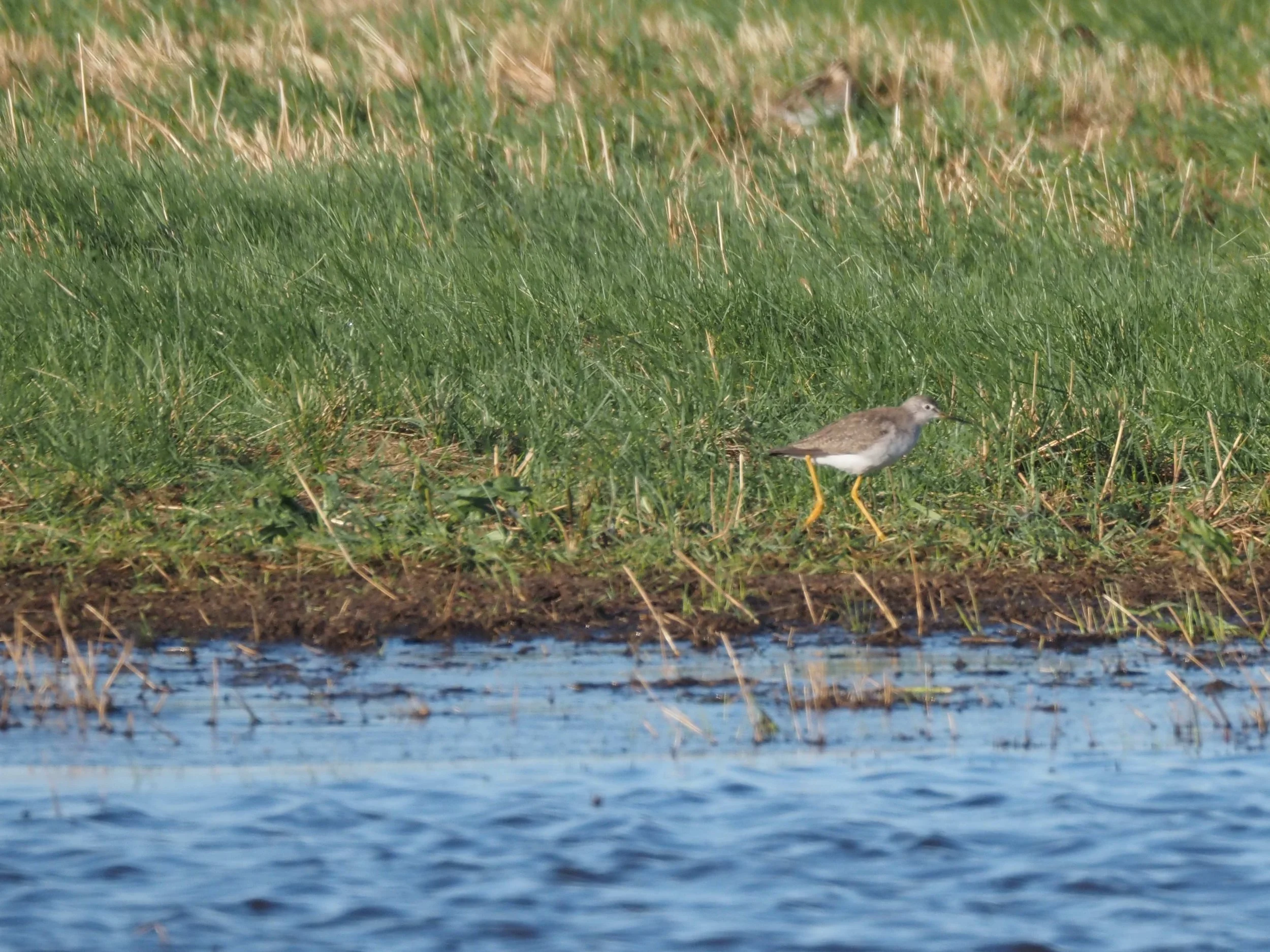
Scouting the area the week preceding the outing, we were able to find good activity at a small area of flooded grassland south of Luton, Iowa. This water harbored many Greater and Lesser Yellowlegs, Long-billed Dowitchers, Hudsonian and Marbled Godwits, Wilson’s Snipe, Wilson’s Phalarope, Baird’s Sandpiper and many, many Blue-winged Teal. In fact, the Teal even included their western counterpart, a drake Cinnamon Teal, a rare Springtime visitor to Siouxland. Similar scouting of Snyder Bend County Park, found very low water levels there, resulting in much muddy shoreline, shallow water and more shorebirds.
But, alas, what a difference a few days of mild weather and southerly breezes (read that as very strong southerly winds) makes. By Saturday’s outing, nearly all the birds at the slough at Luton had departed. Only a few Yellowlegs, Wilson’s Snipes and a single Semi-palmated Sandpiper were present as we six Audubon members rolled up at 8am. Following that disappointment, our stop at the Salix Farm Dairy barrow pit, added a few Wilson’s Phalaropes to our list along with an ambiguous hybrid duck, showing field marks of both Blue-winged and Cinnamon Teal drakes.
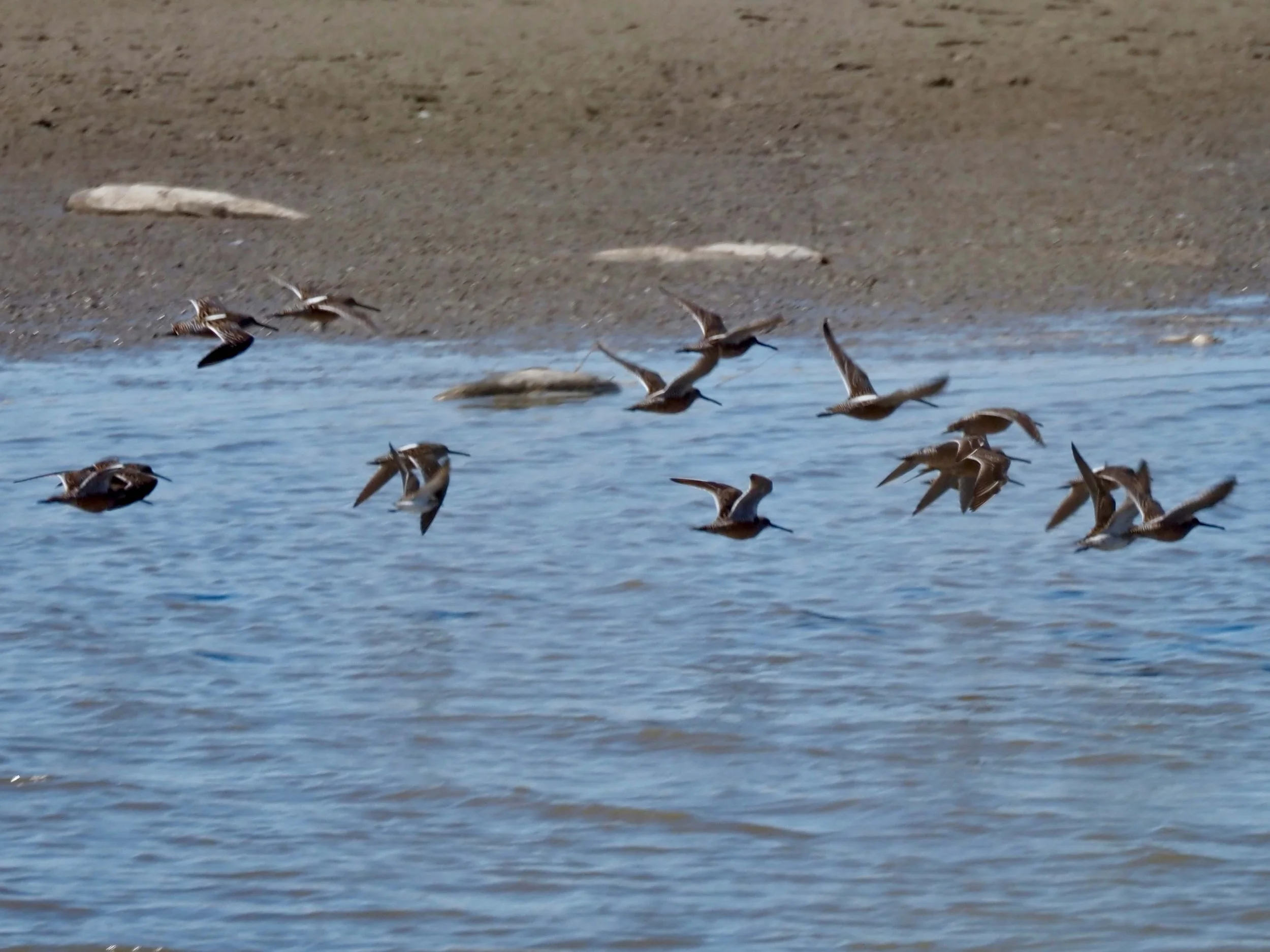
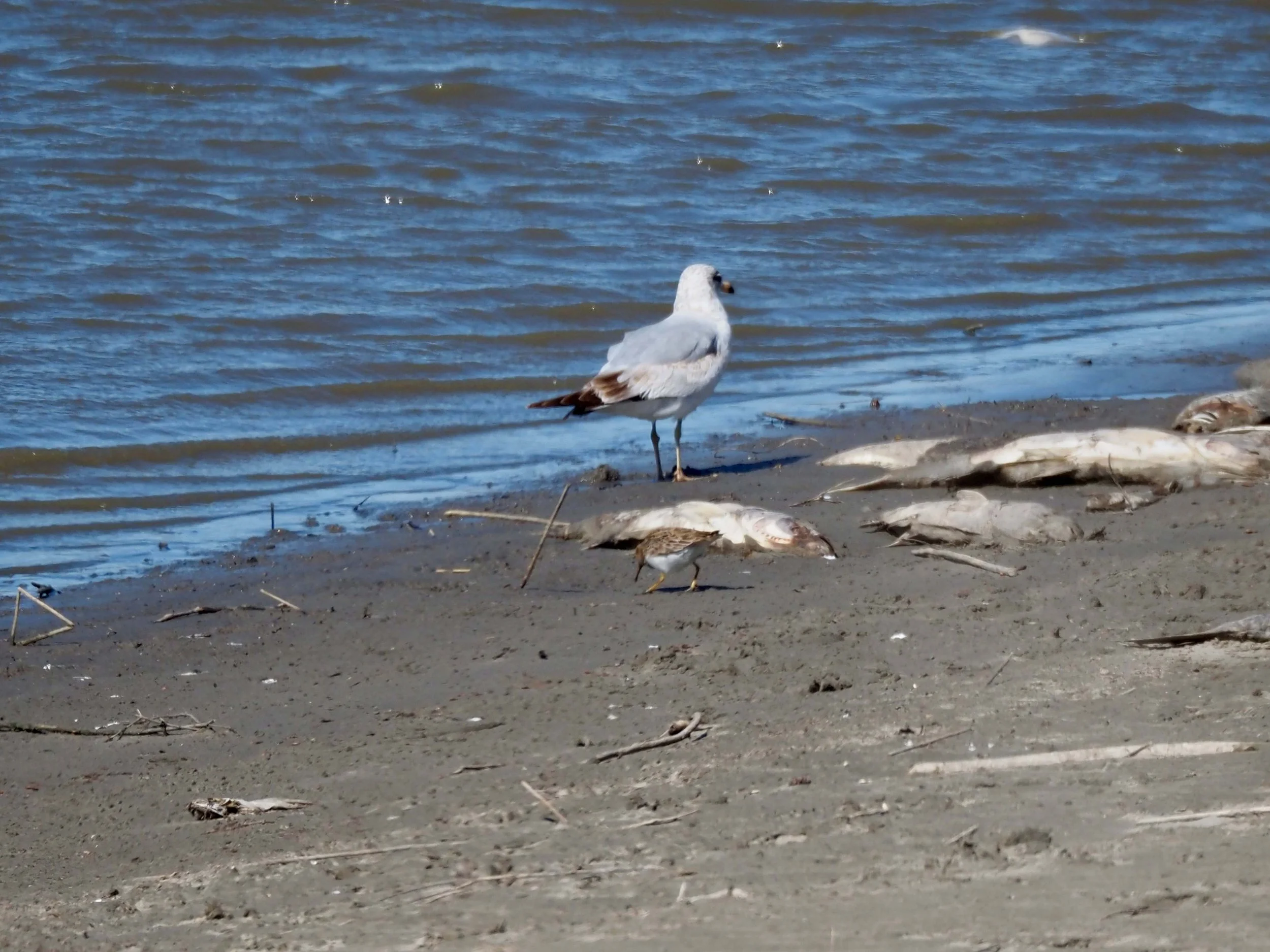
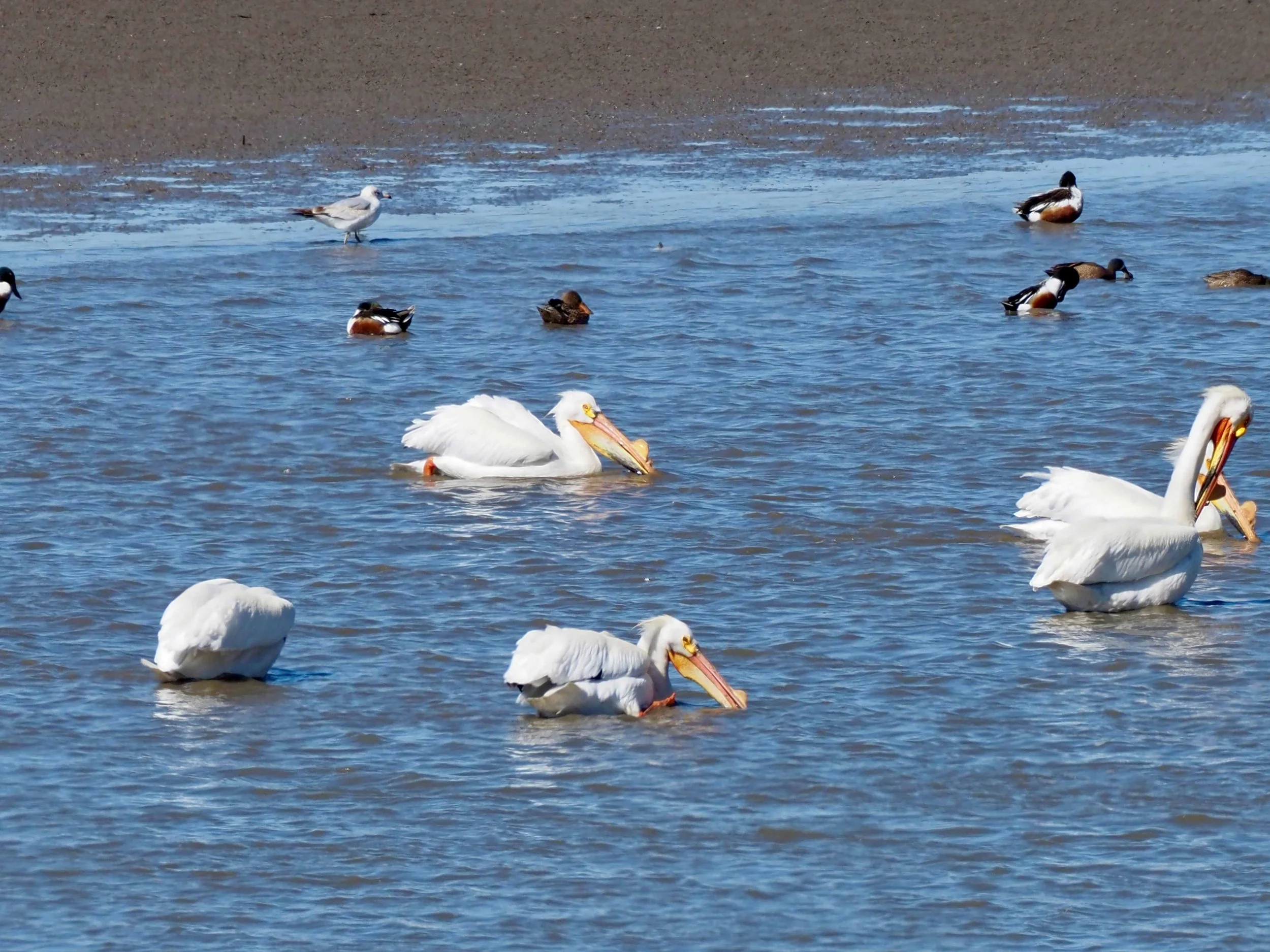
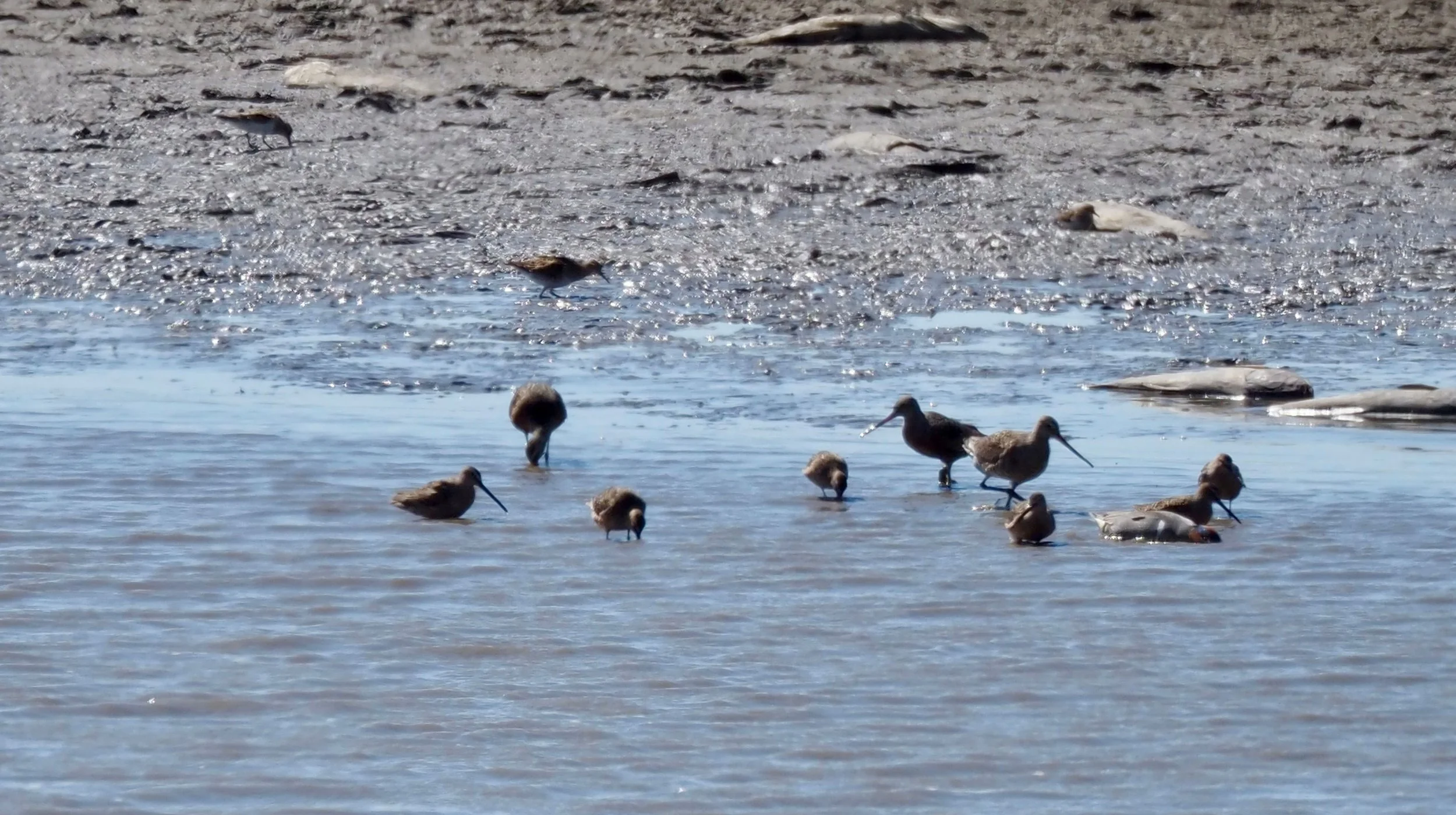
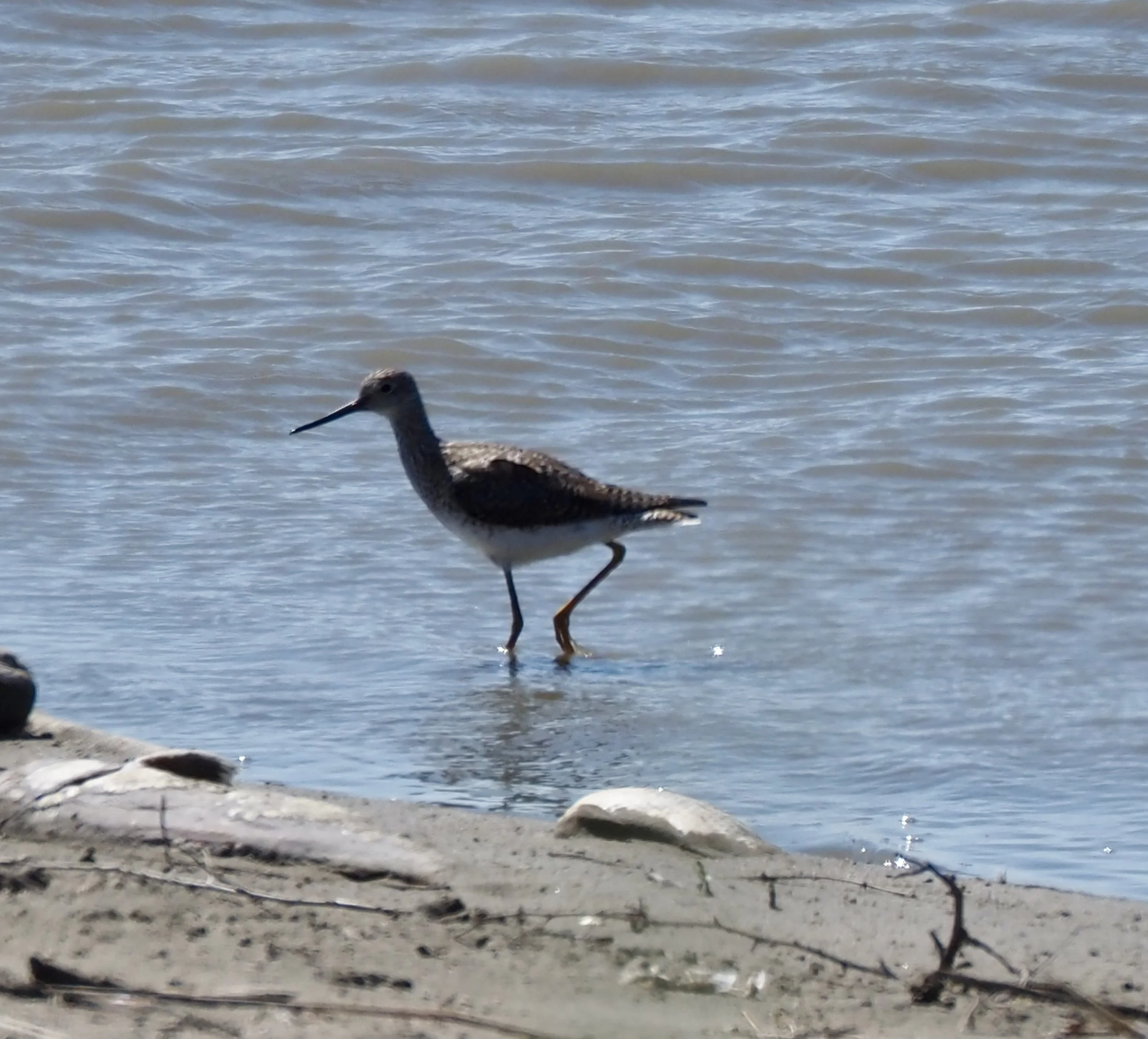
By the time we reached Snyder Bend our numbers had grown to 8, and we all walked over a half mile of muddy shoreline in our search. Better fortune awaited us here, and we located many new shorebirds for our list. Six colorful Hudsonian Godwits fed and flew past us. 16 Long-billed Dowitchers made an equally thrilling pass in view of us all. Our first Dunlins of the year numbered three, while both Yellowlegs and Baird’s Sandpipers were present in large numbers. Small numbers of Semi-palmated Plover, Pectoral Sandpiper, Wilson’s phalarope and Least Sandpiper added to the mix. Both Teal, Shovelers, Gadwalls and other waterfowl were present, as was a swimming beaver.
In all we listed 14 species of shorebirds and 55 species total. Highlights included the Blue-winged x Cinnamon Teal, Swainson’s Hawk, Dunlins, Godwits and Dowitchers. For a complete list, see
https://ebird.org/tripreport/502609
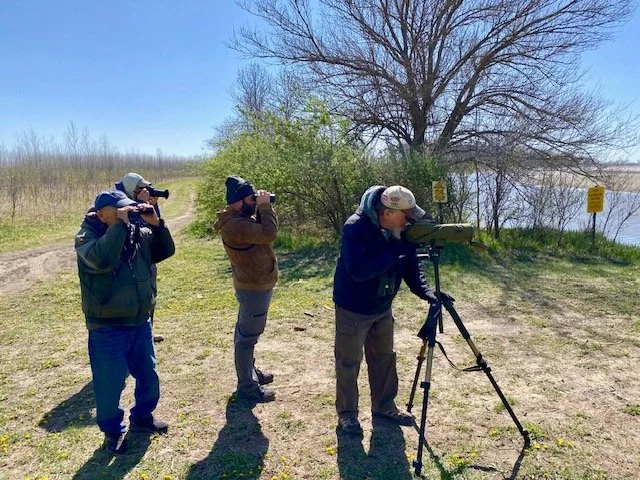
Eight Plus Participants: Marla & Kevin Kerr, Robert Sophere & Kayla Sheehan, Rex Rundquist, Jerry Von Ehwegen, Jerry Probst and Bill Huser. Bob Nickolson checked in via phone.
Report by Bill Huser, LHAS Outings Coordinator
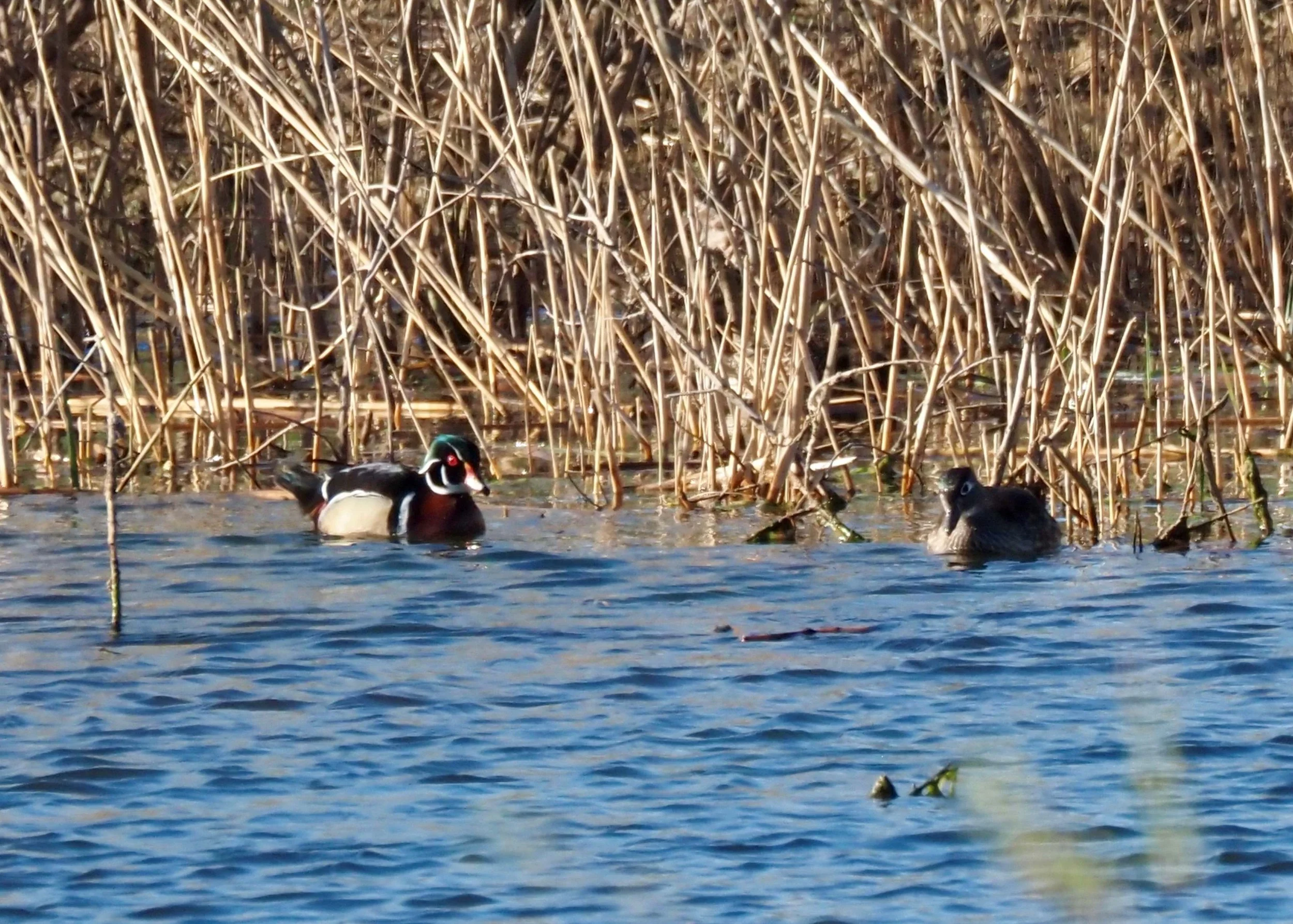
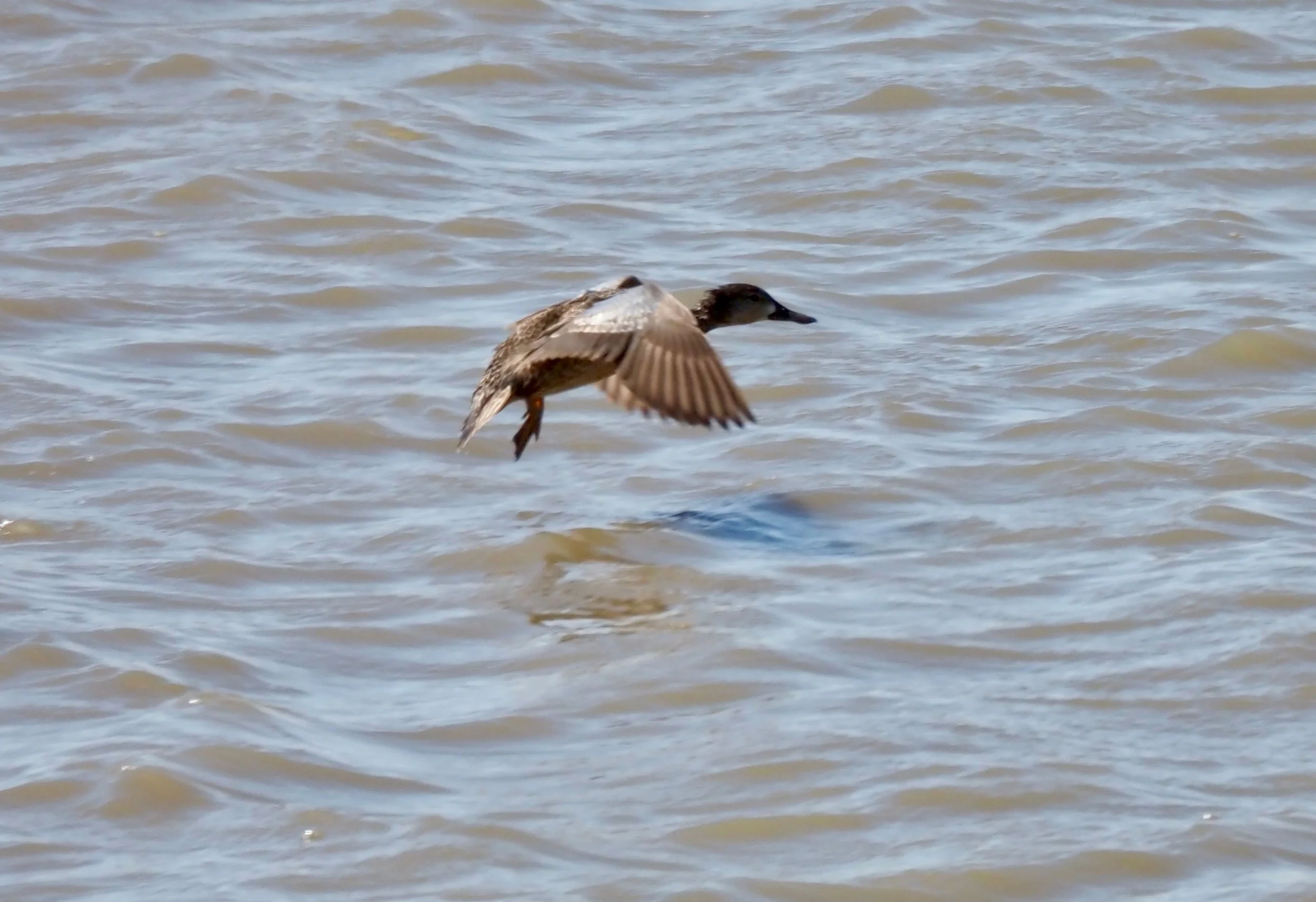
Below images copyright 2026 by Kevin J Kerr and Marla Kerr, used with permission
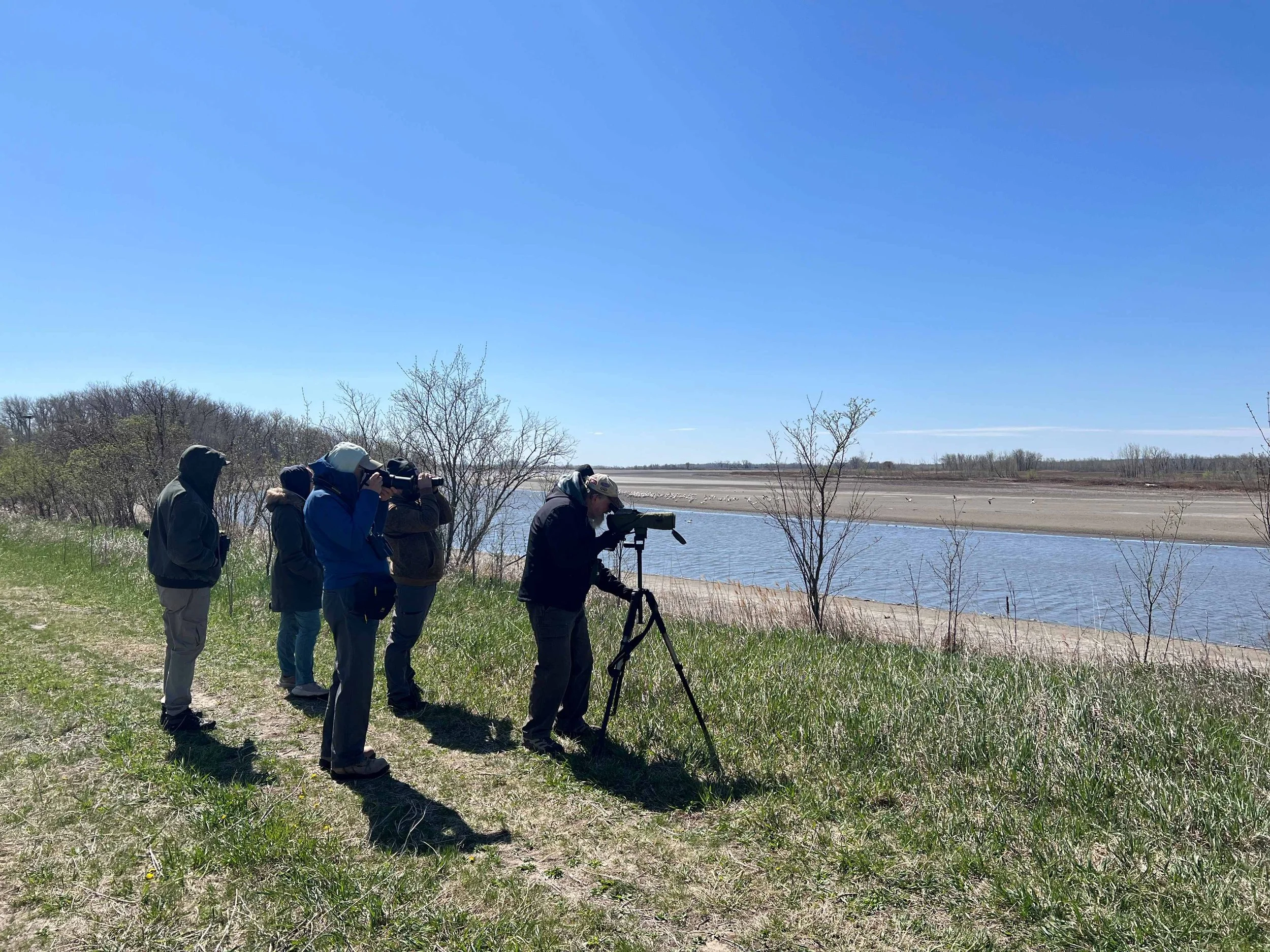
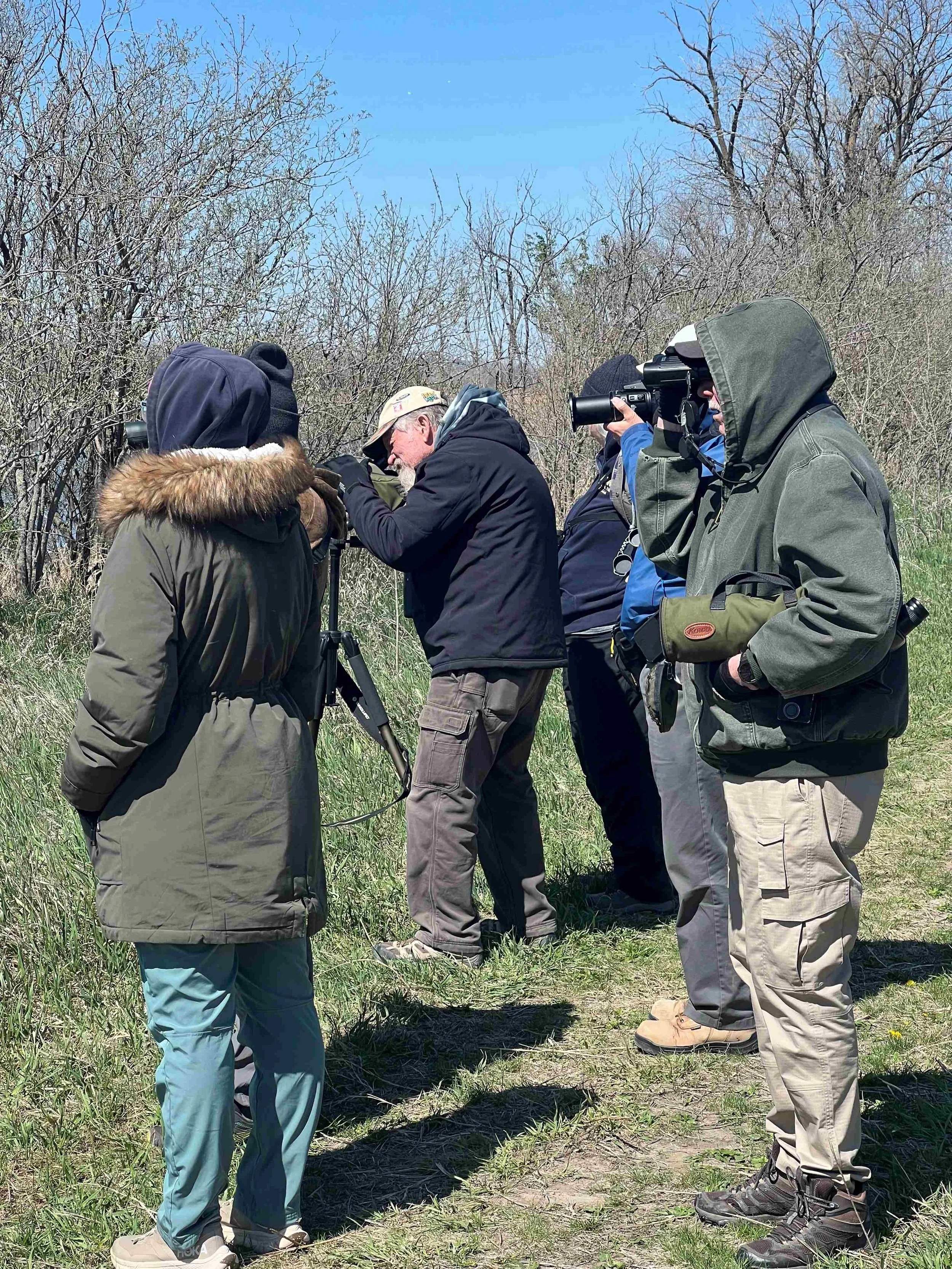
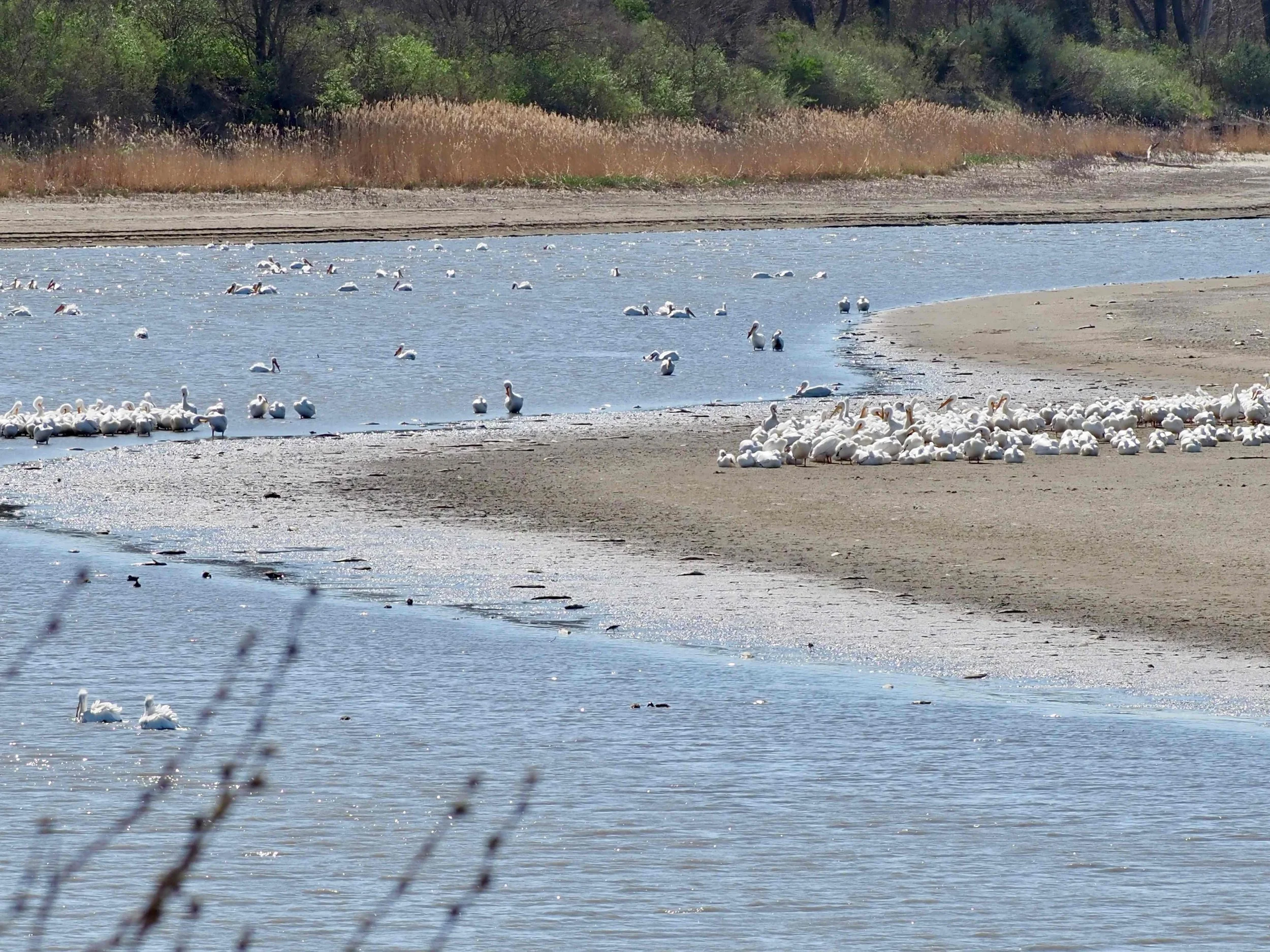
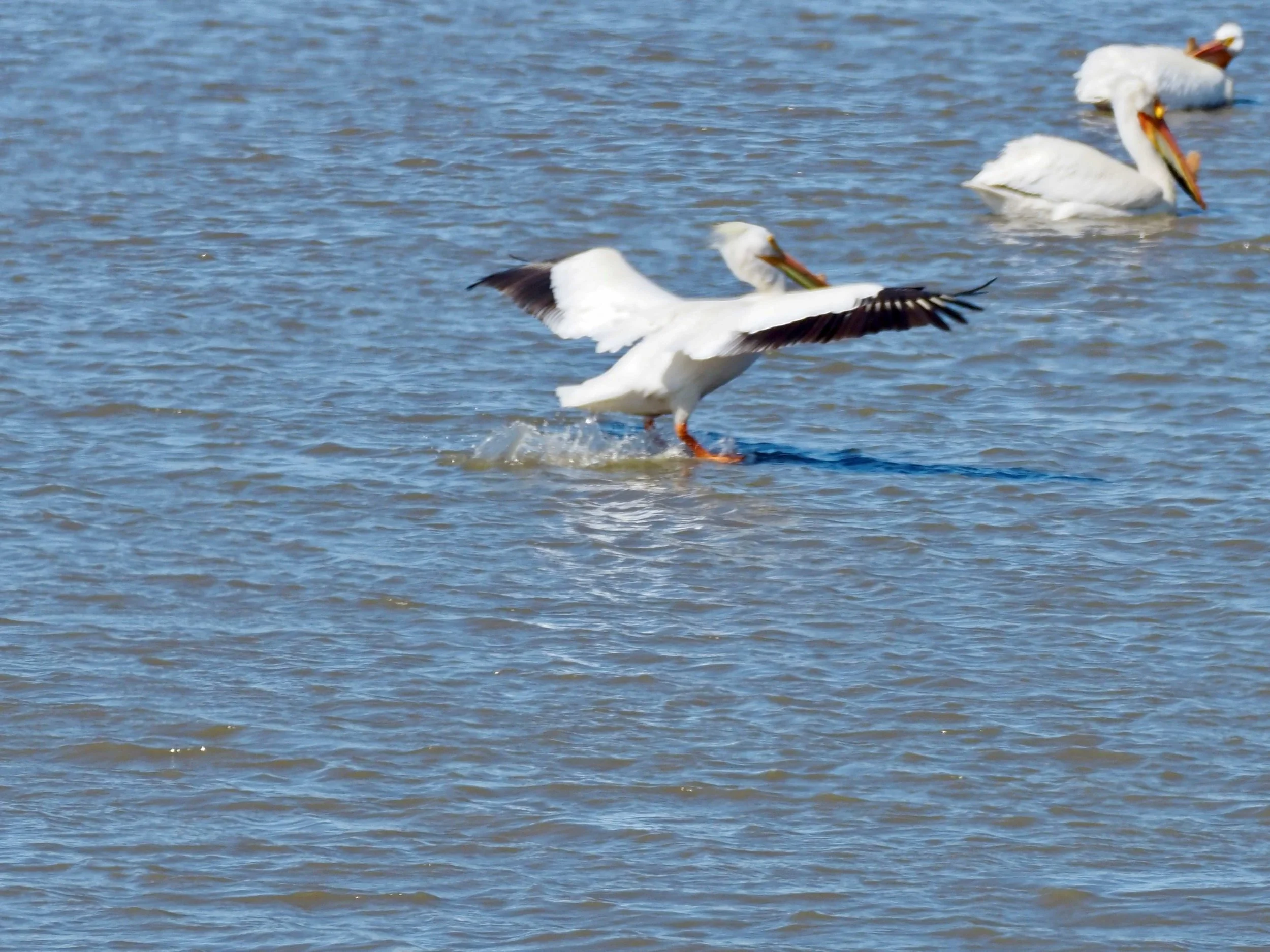
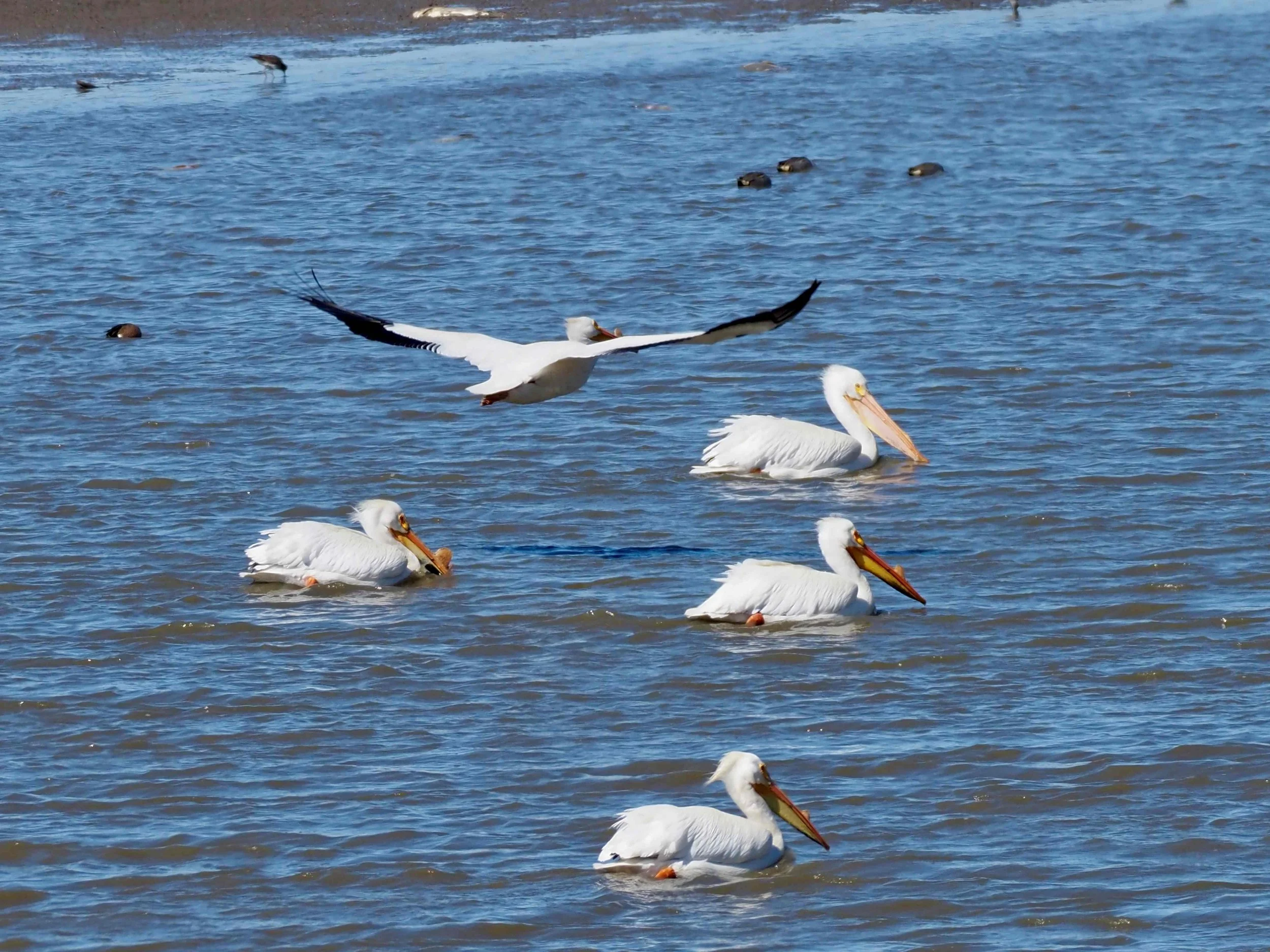
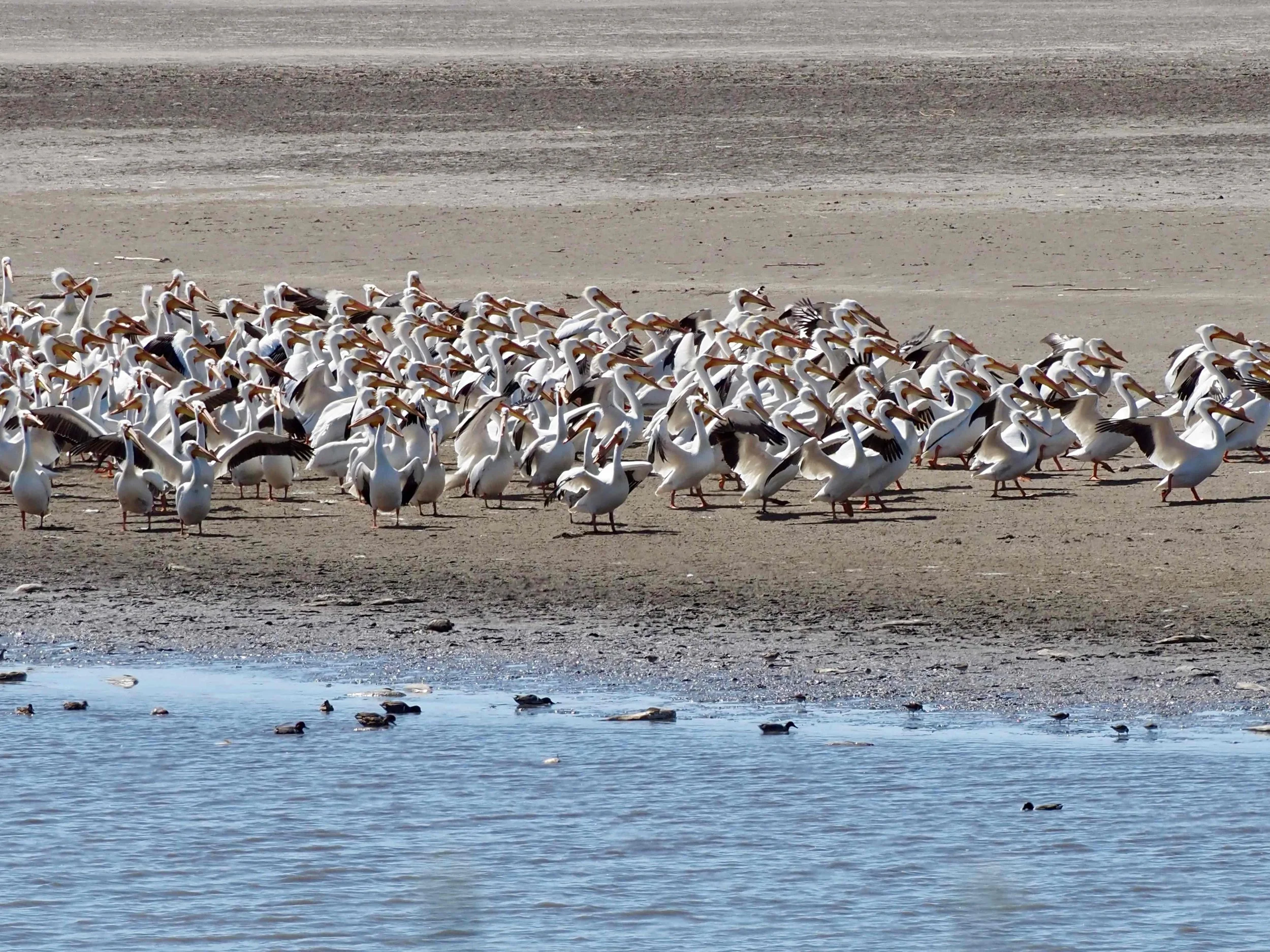
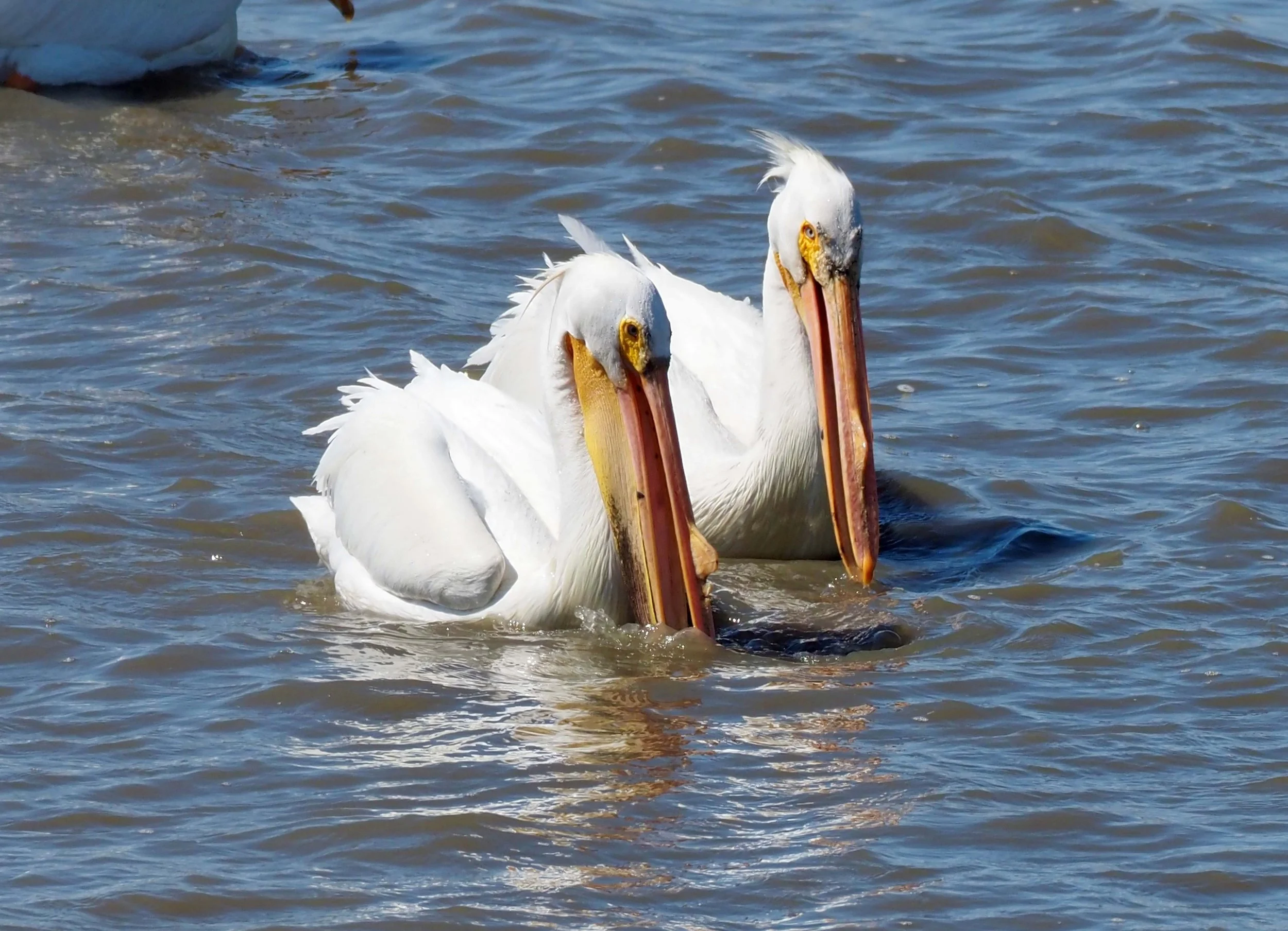
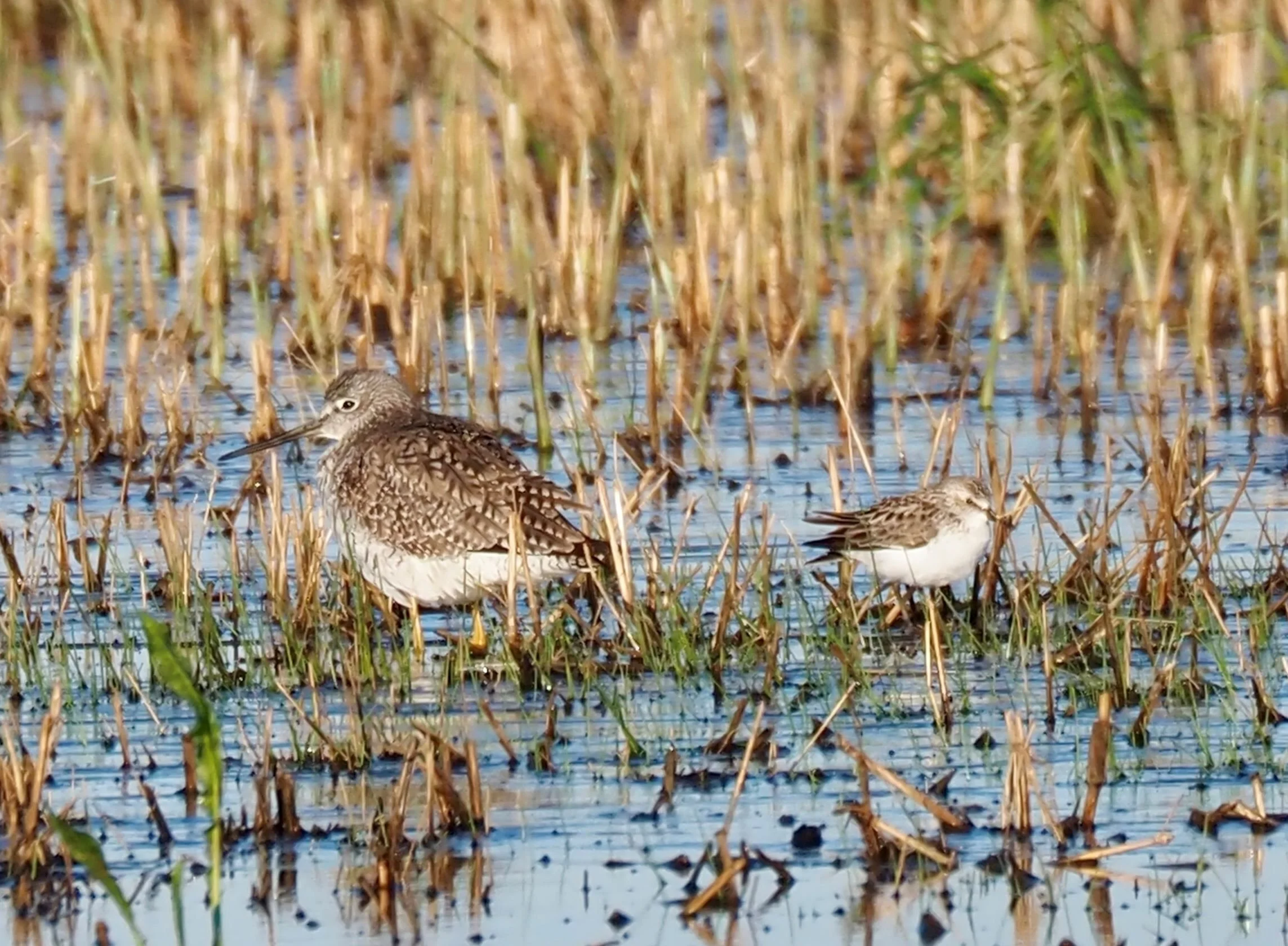
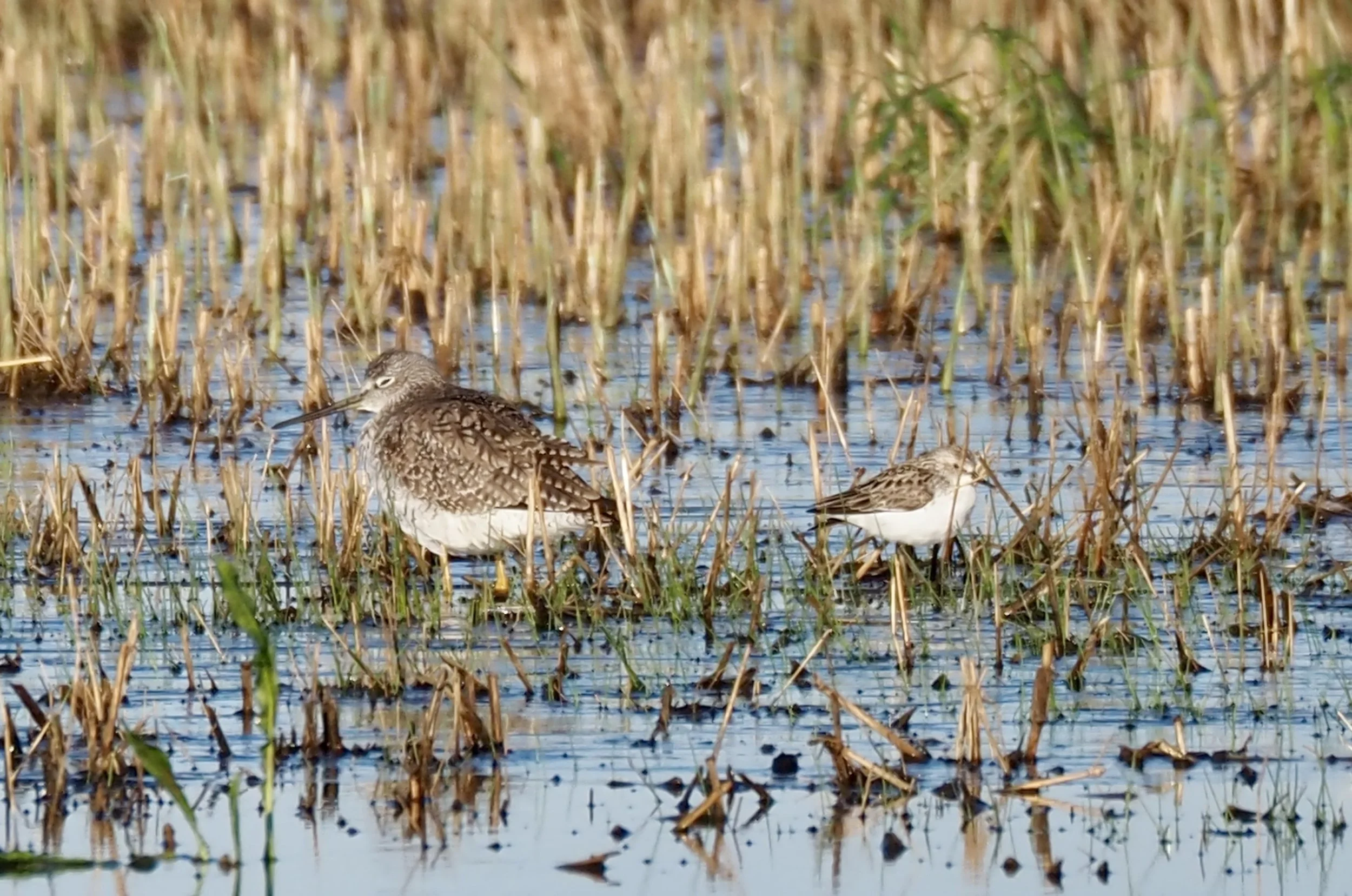
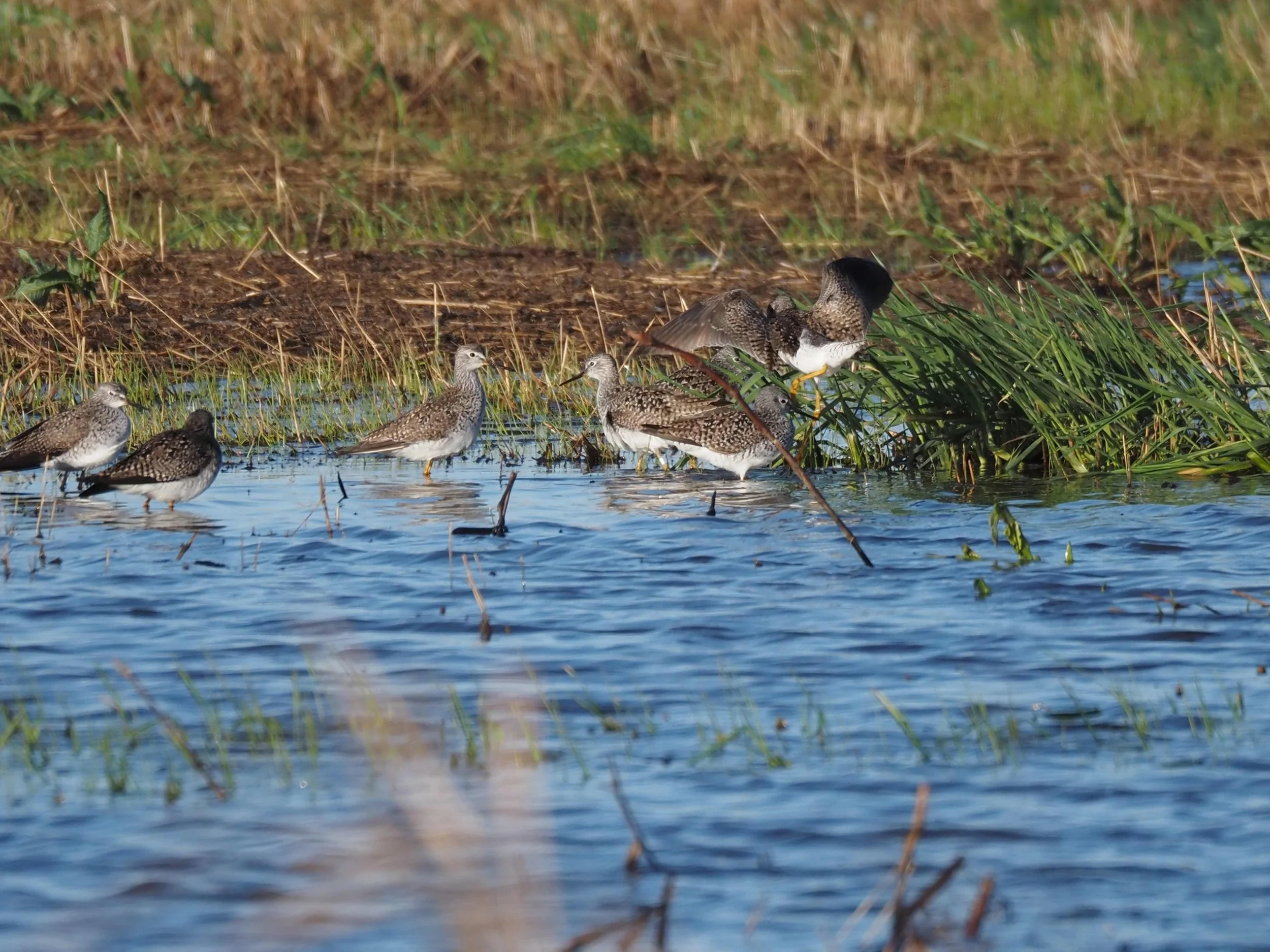
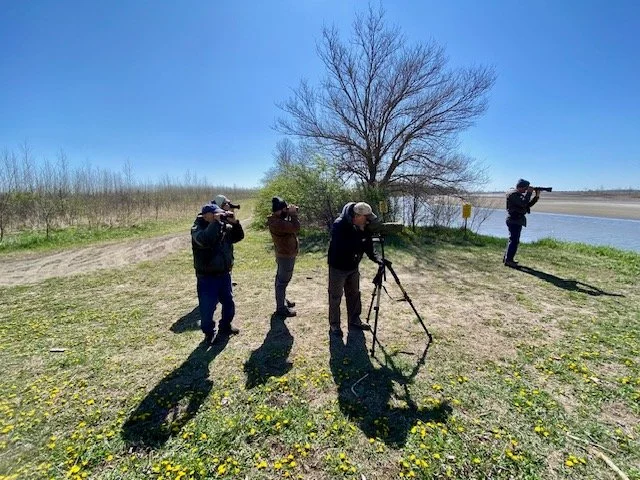
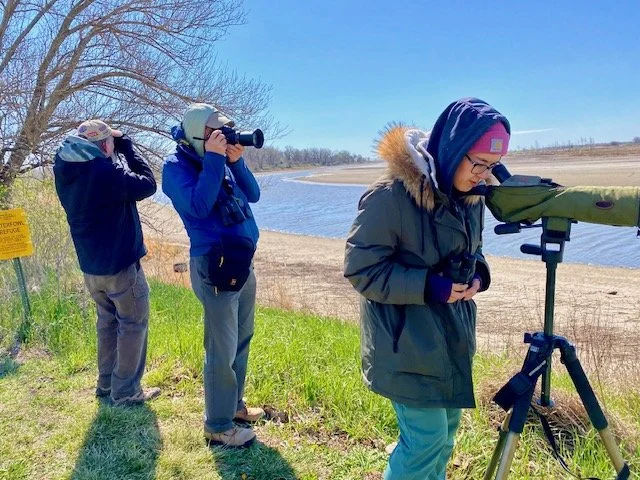
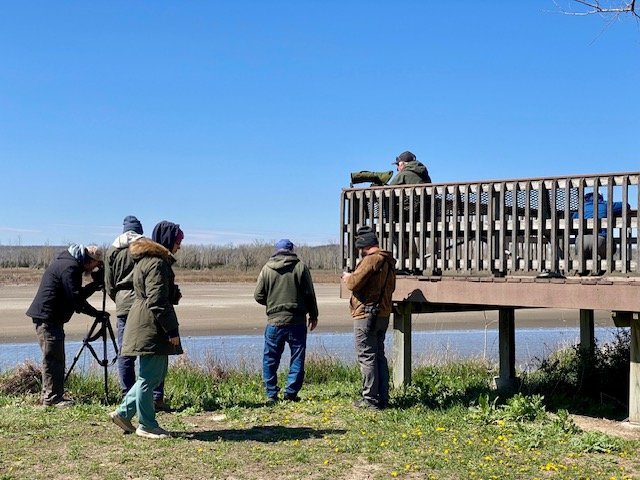
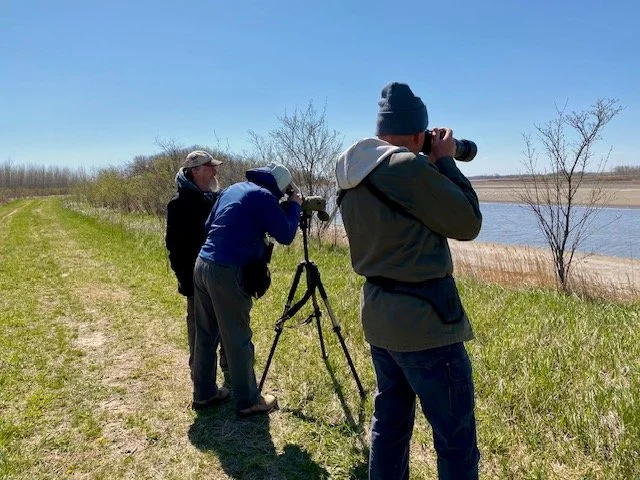
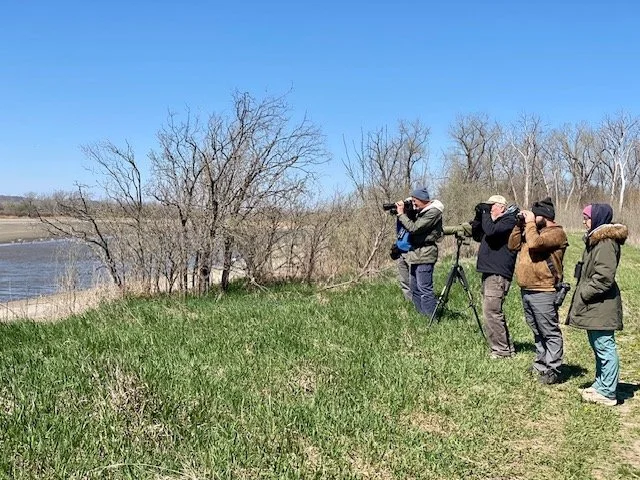
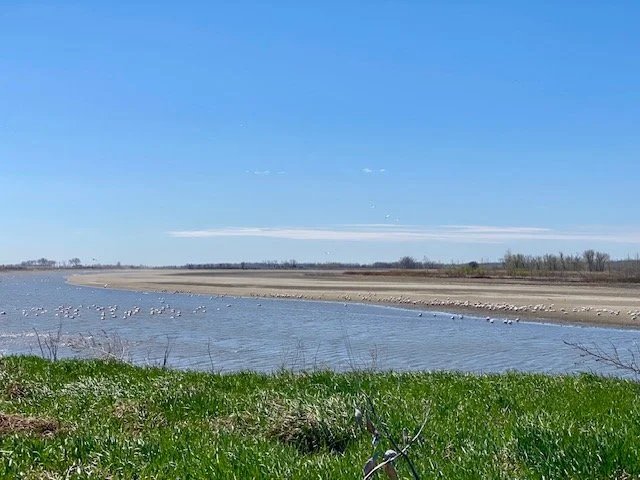
Sandhill Crane Trip
Friday, March 27 - Sunday, March 29, 2026
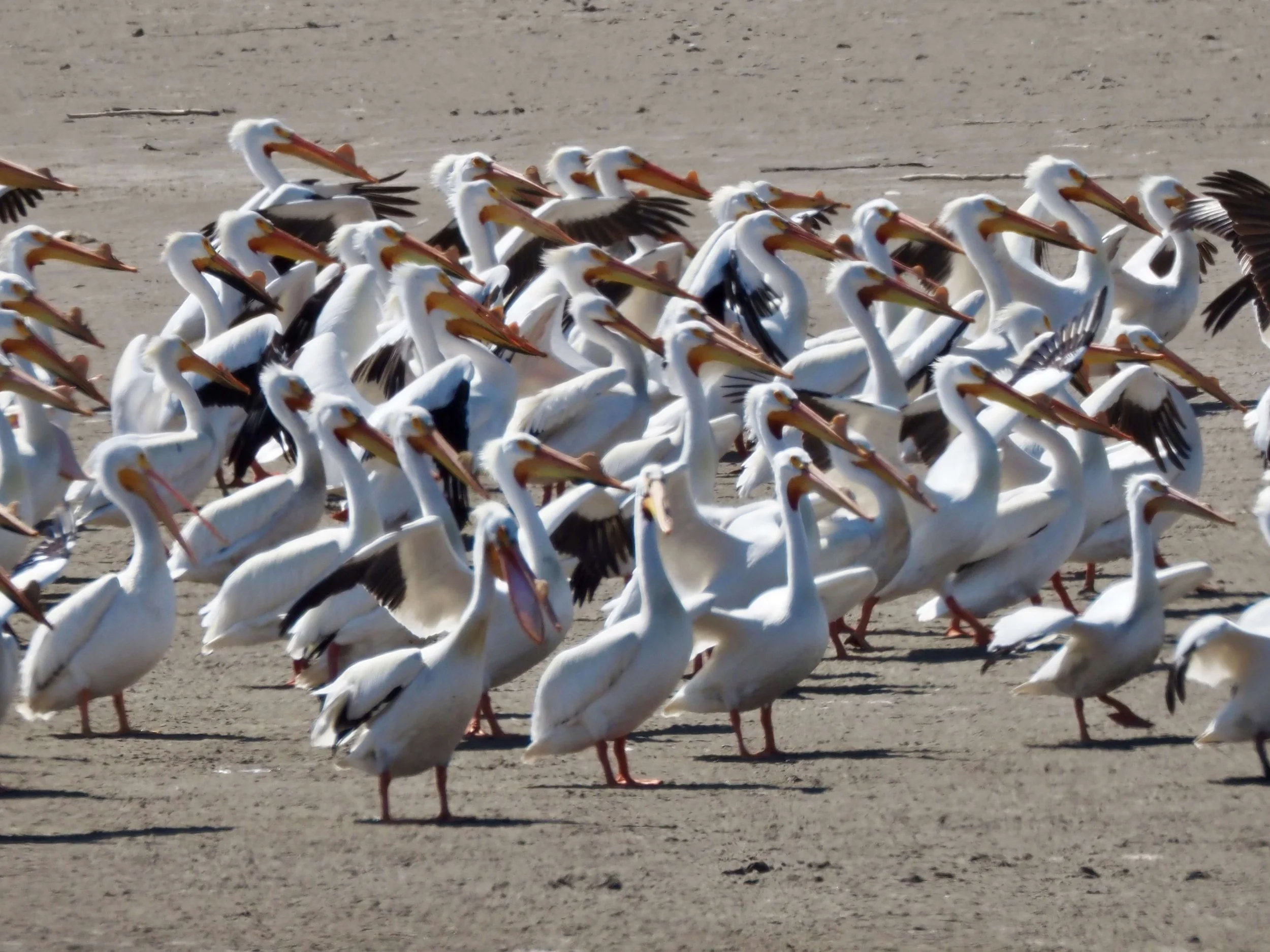
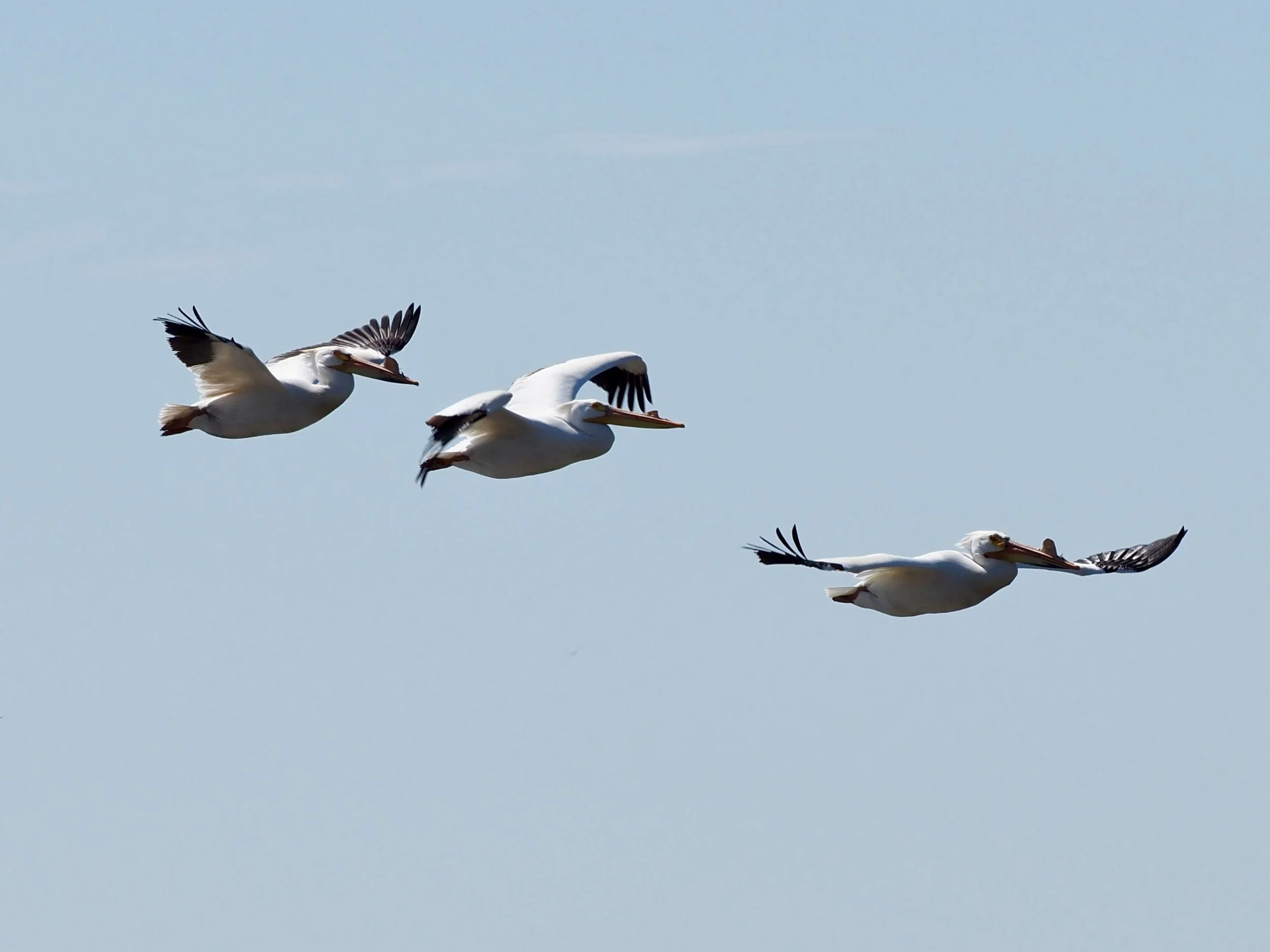
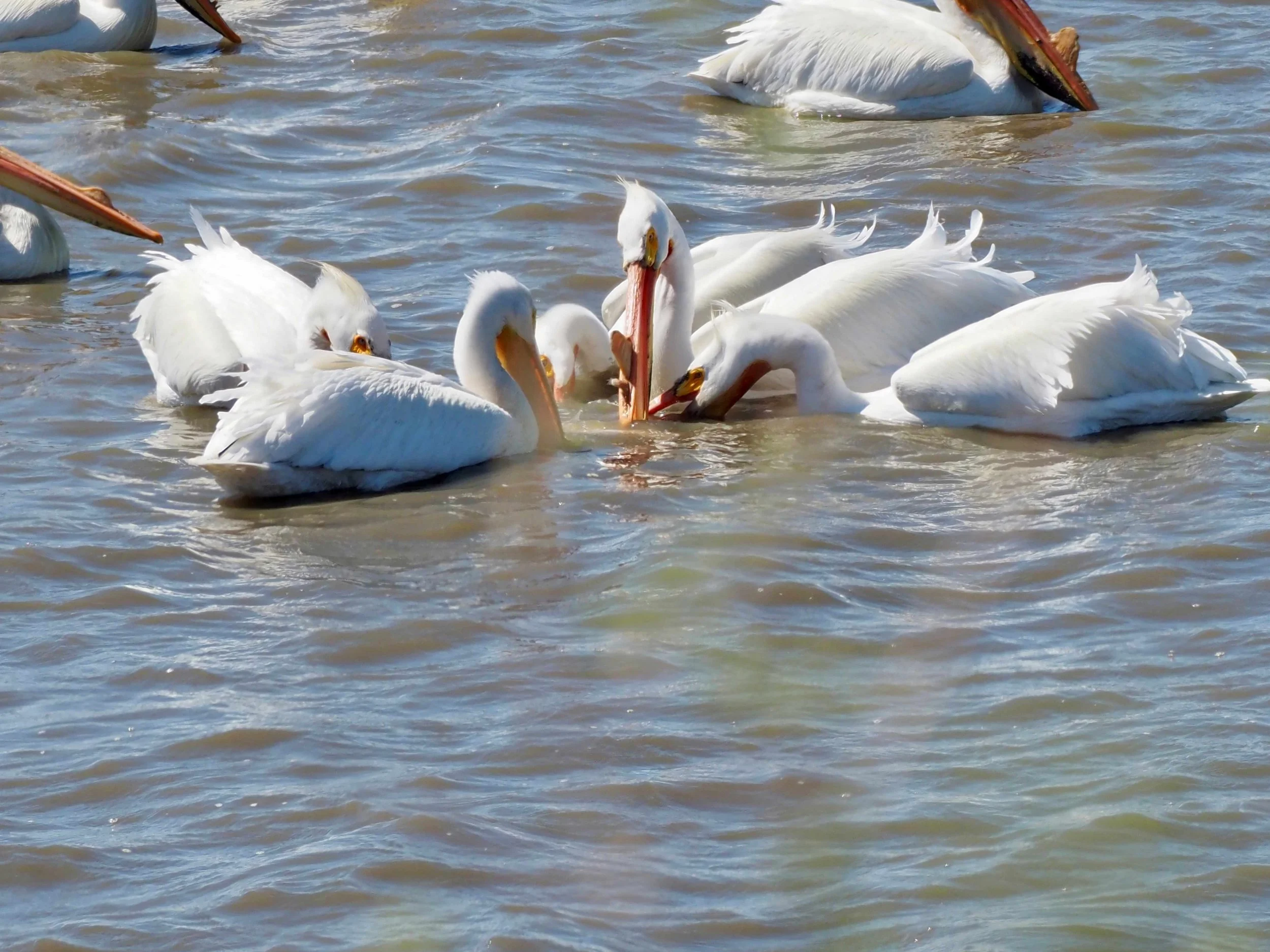
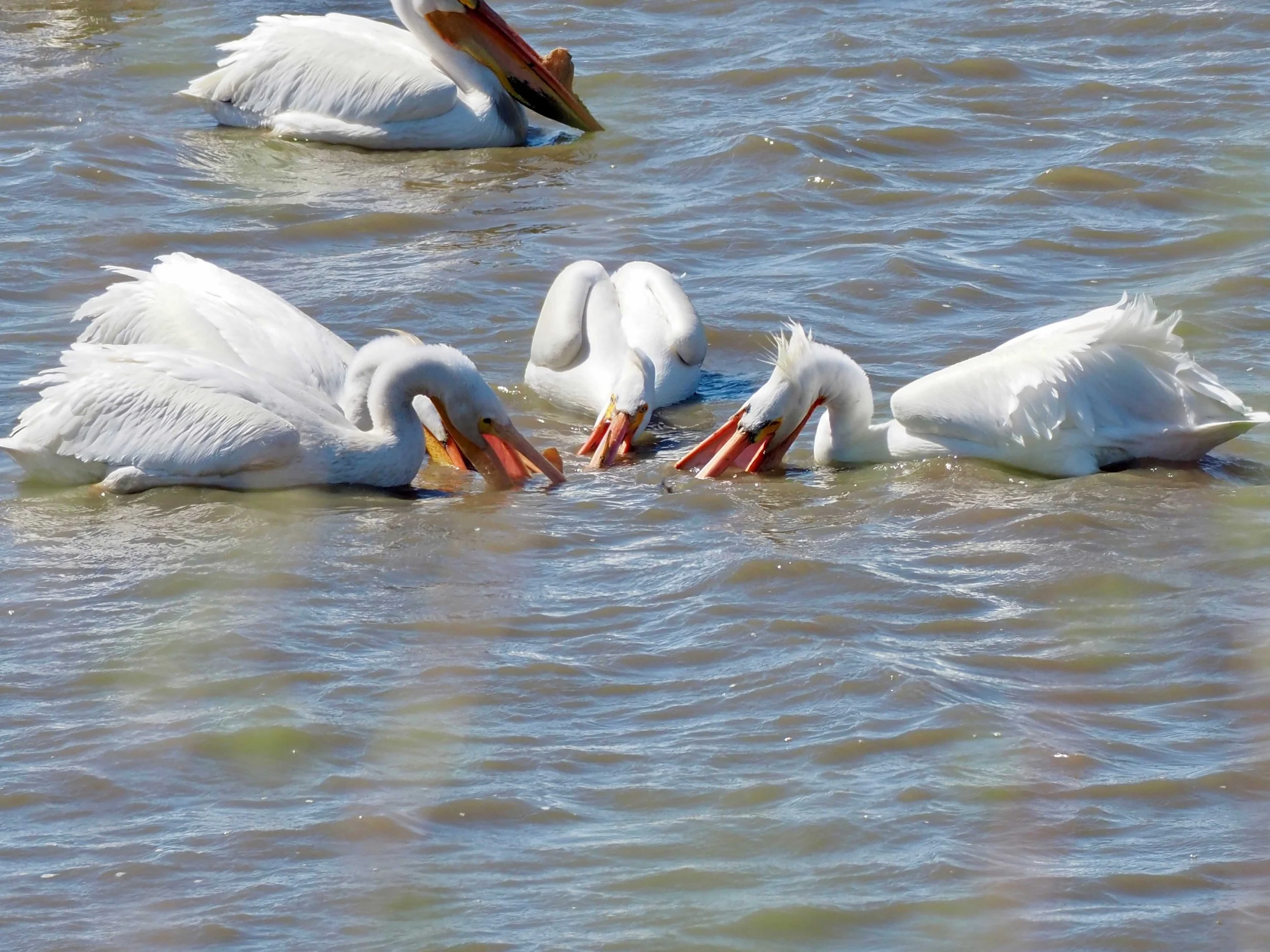
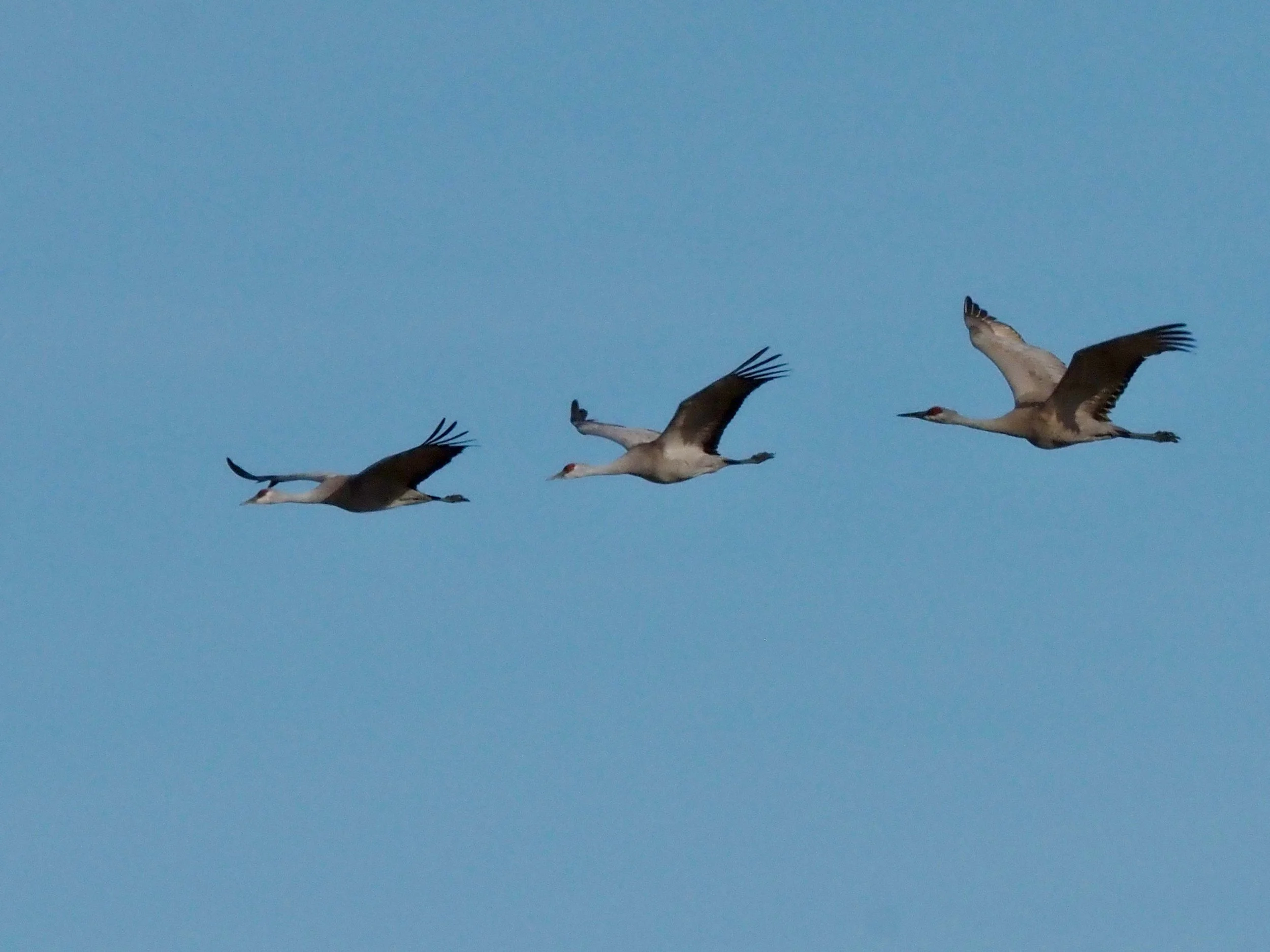
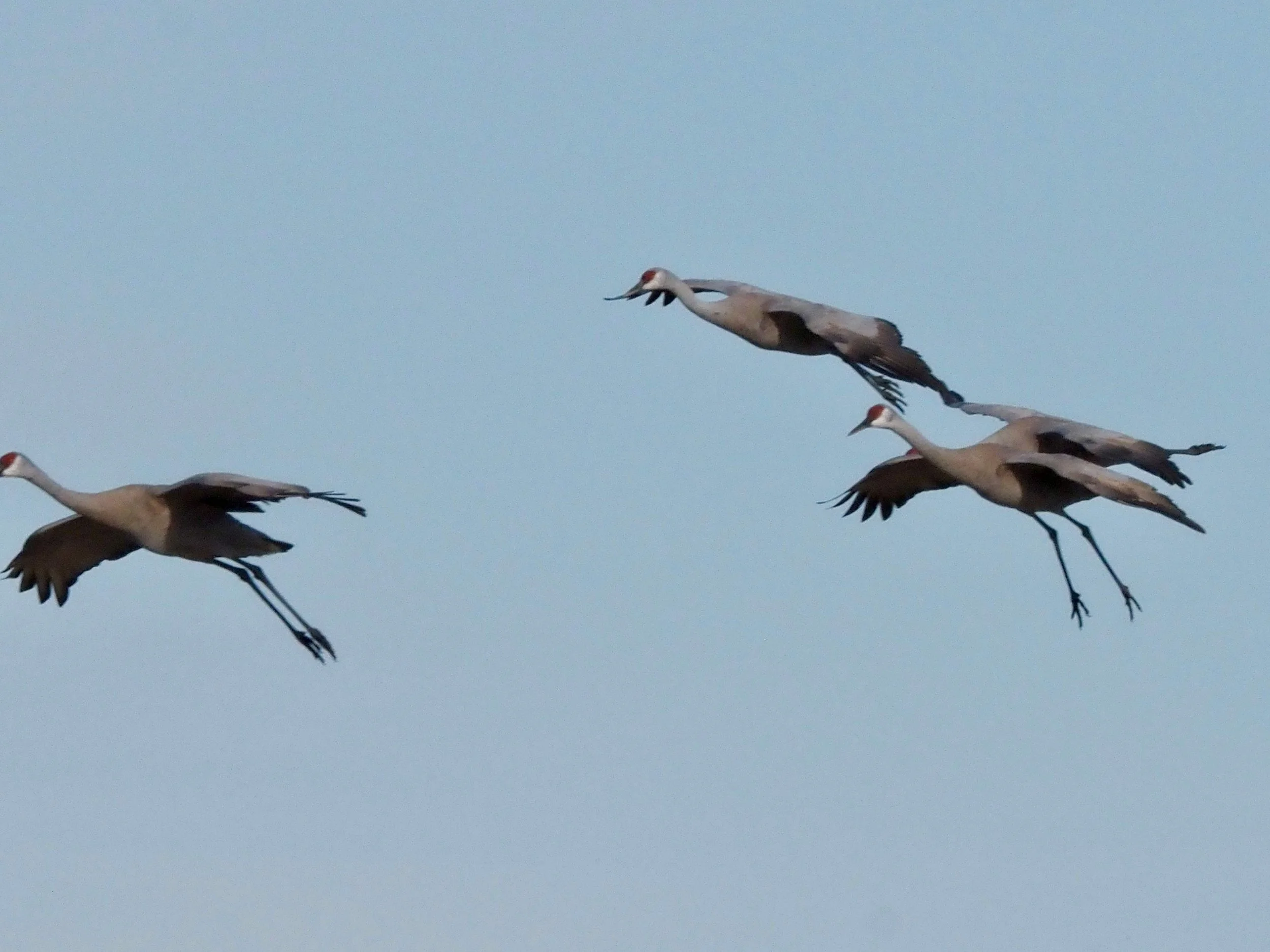
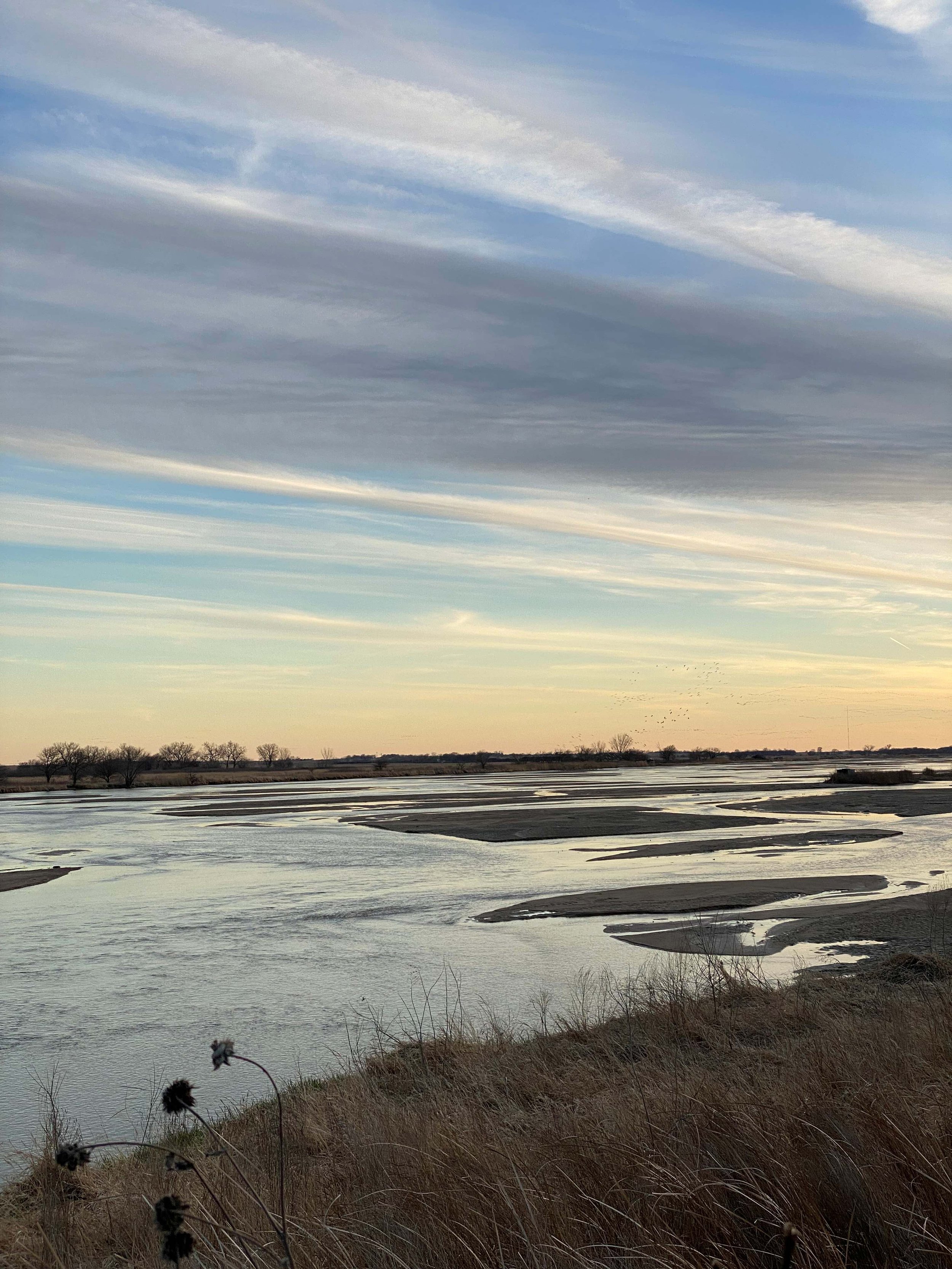
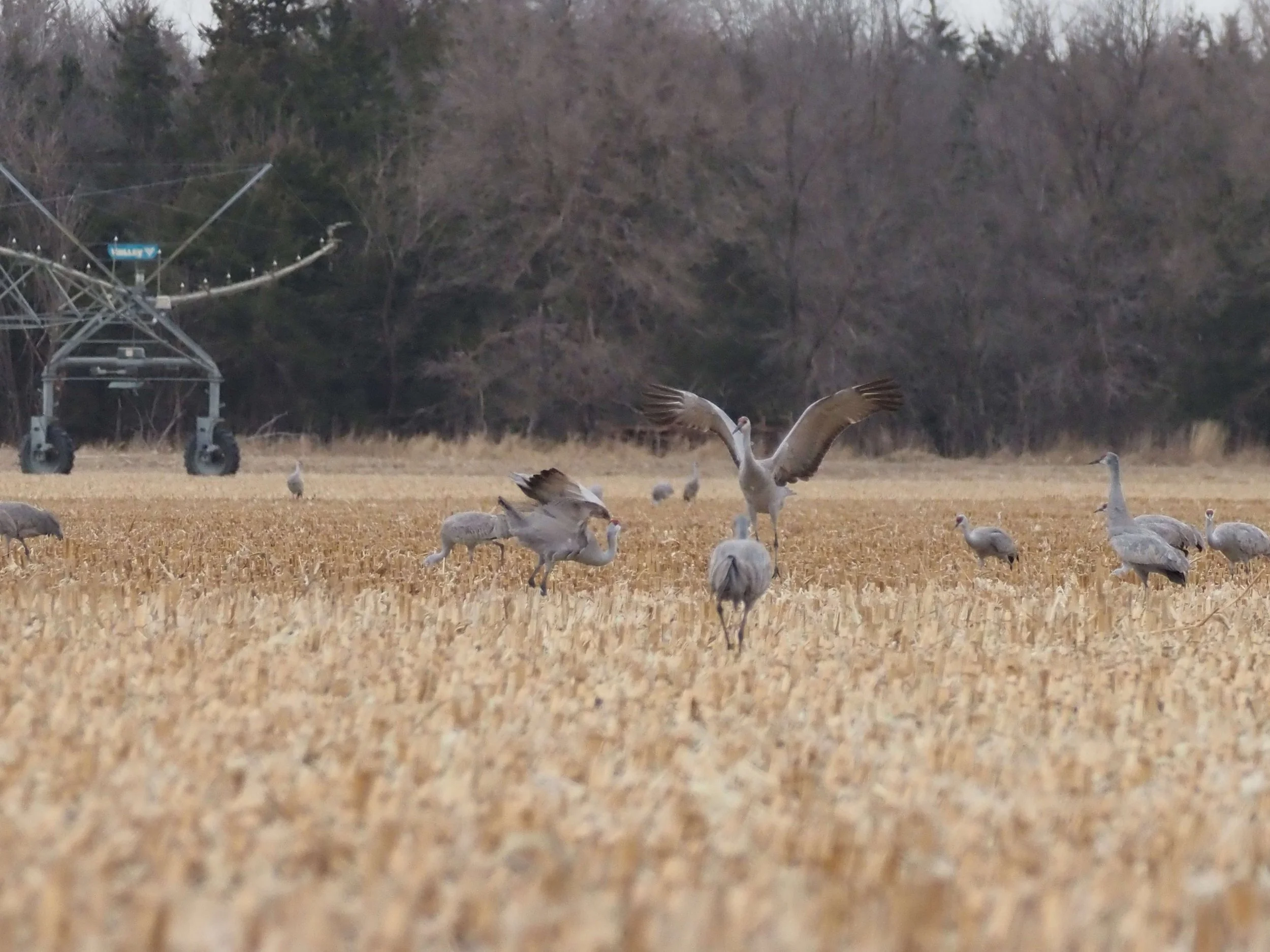
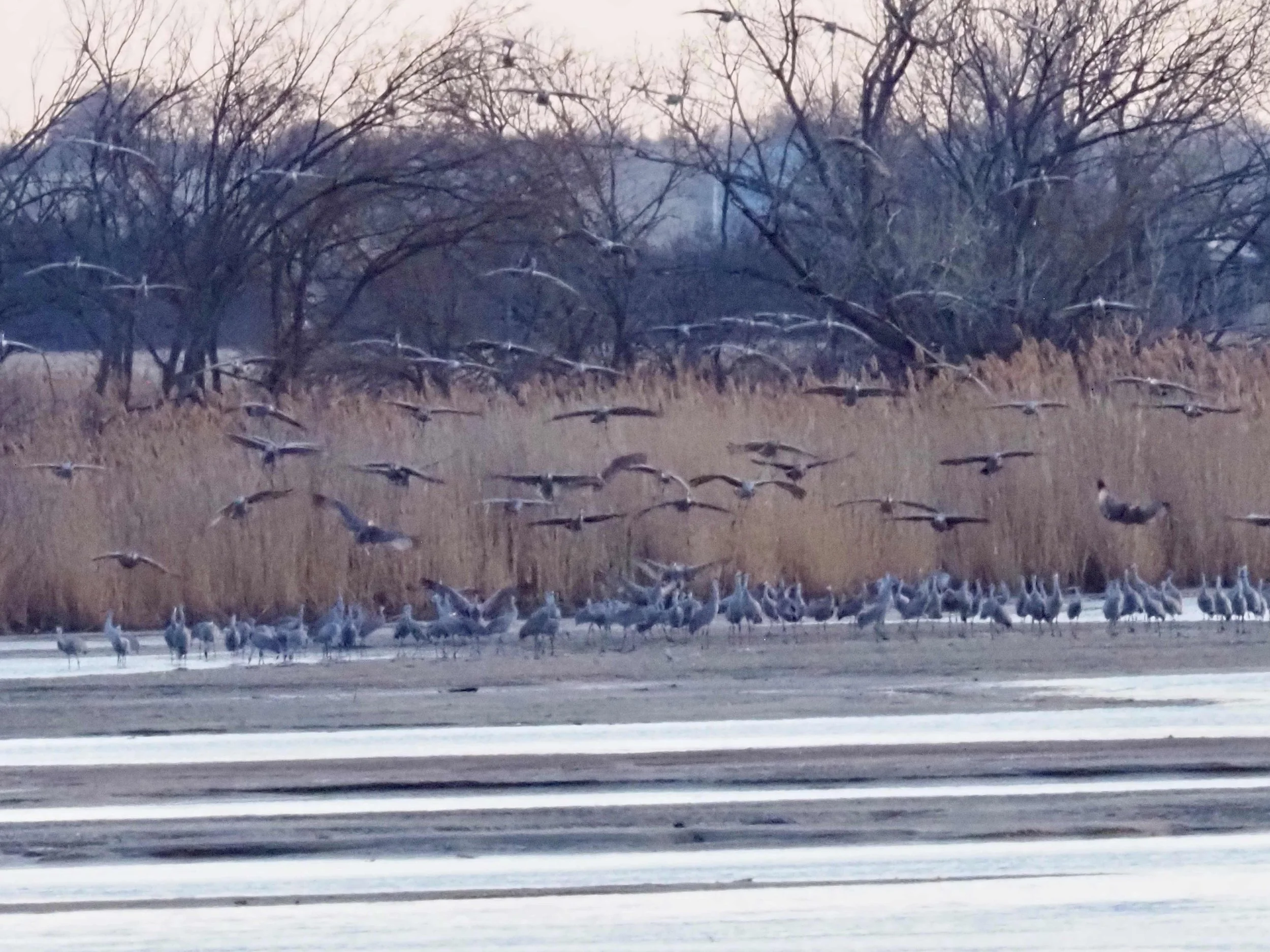
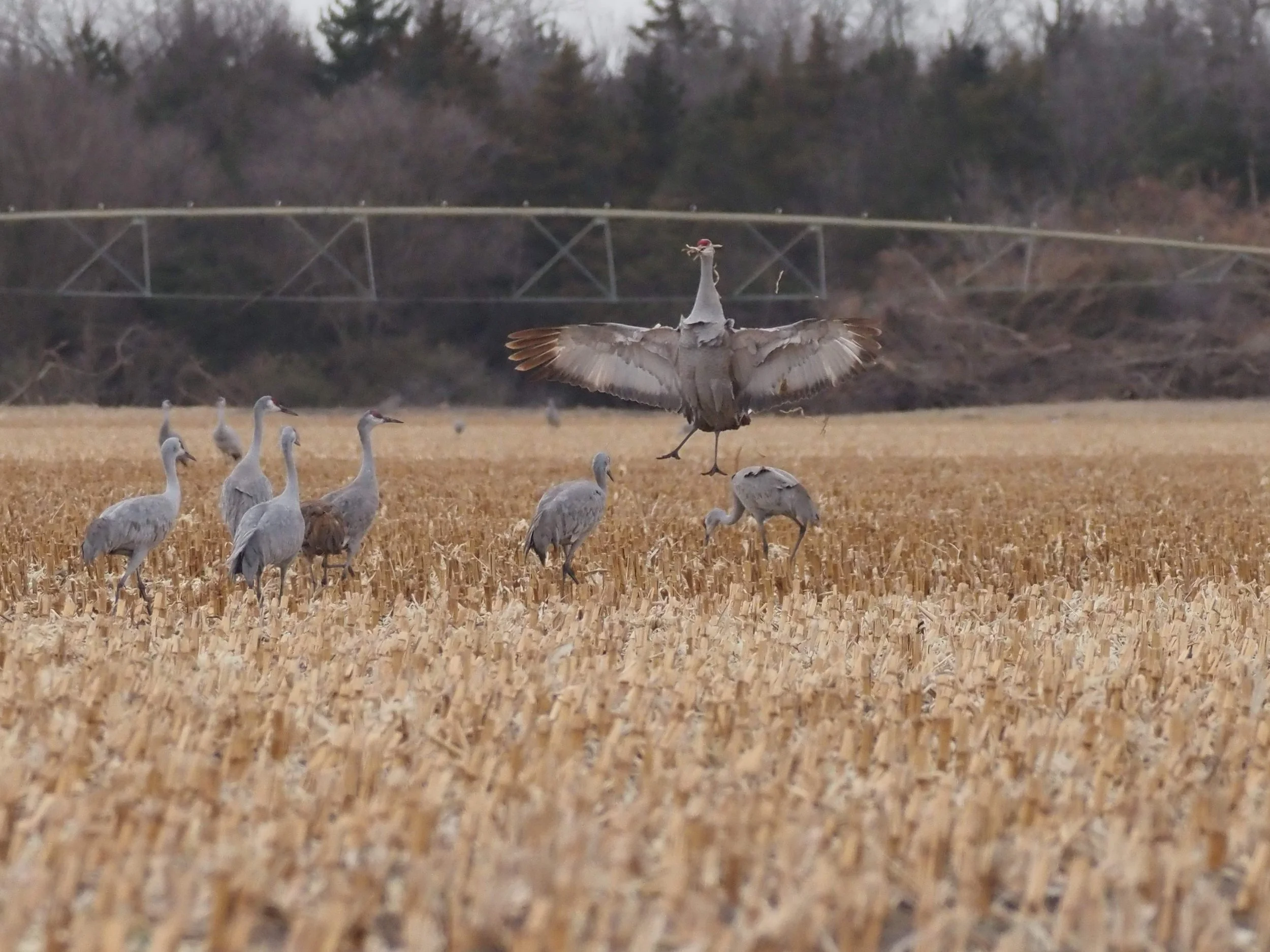
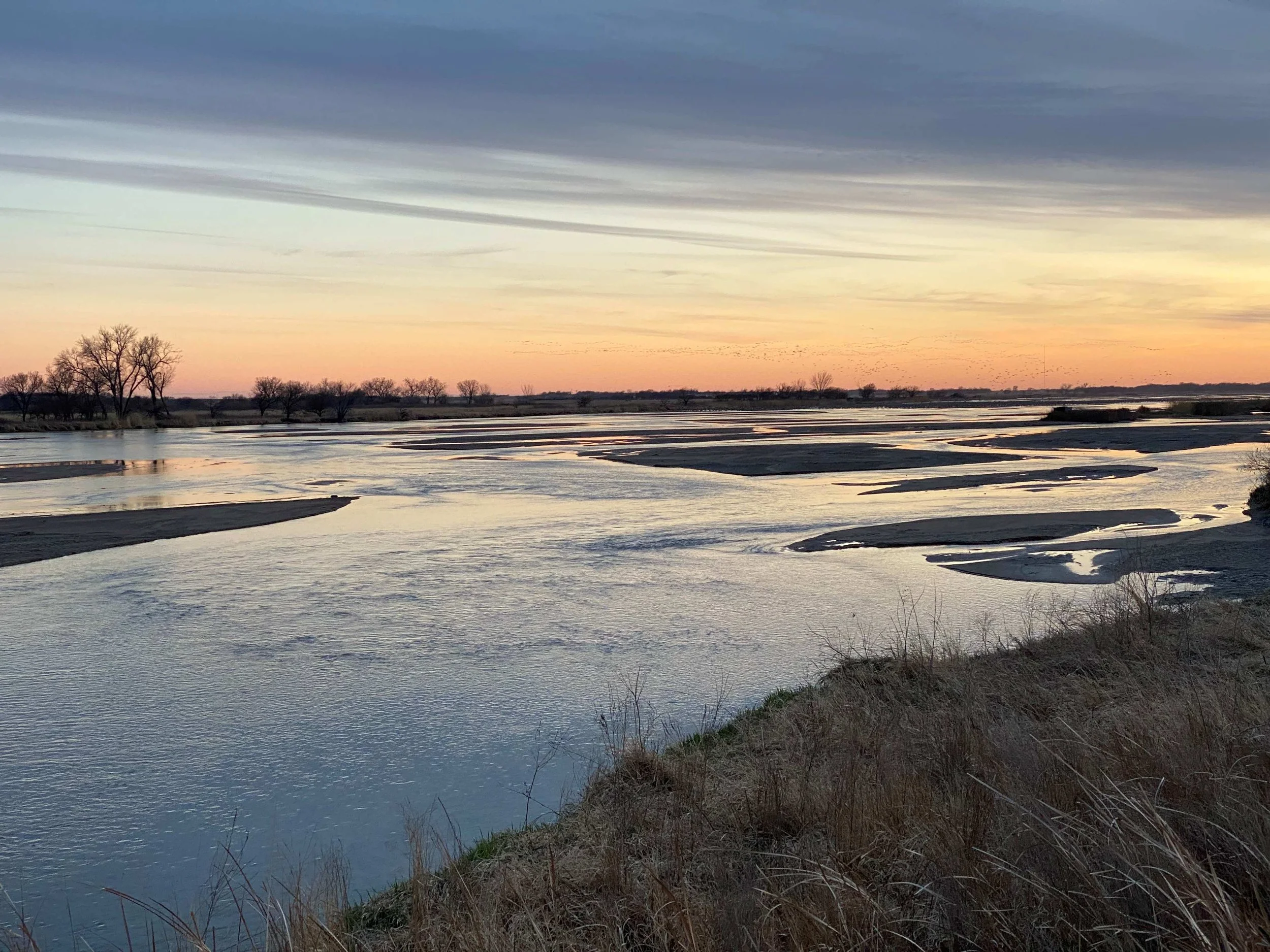
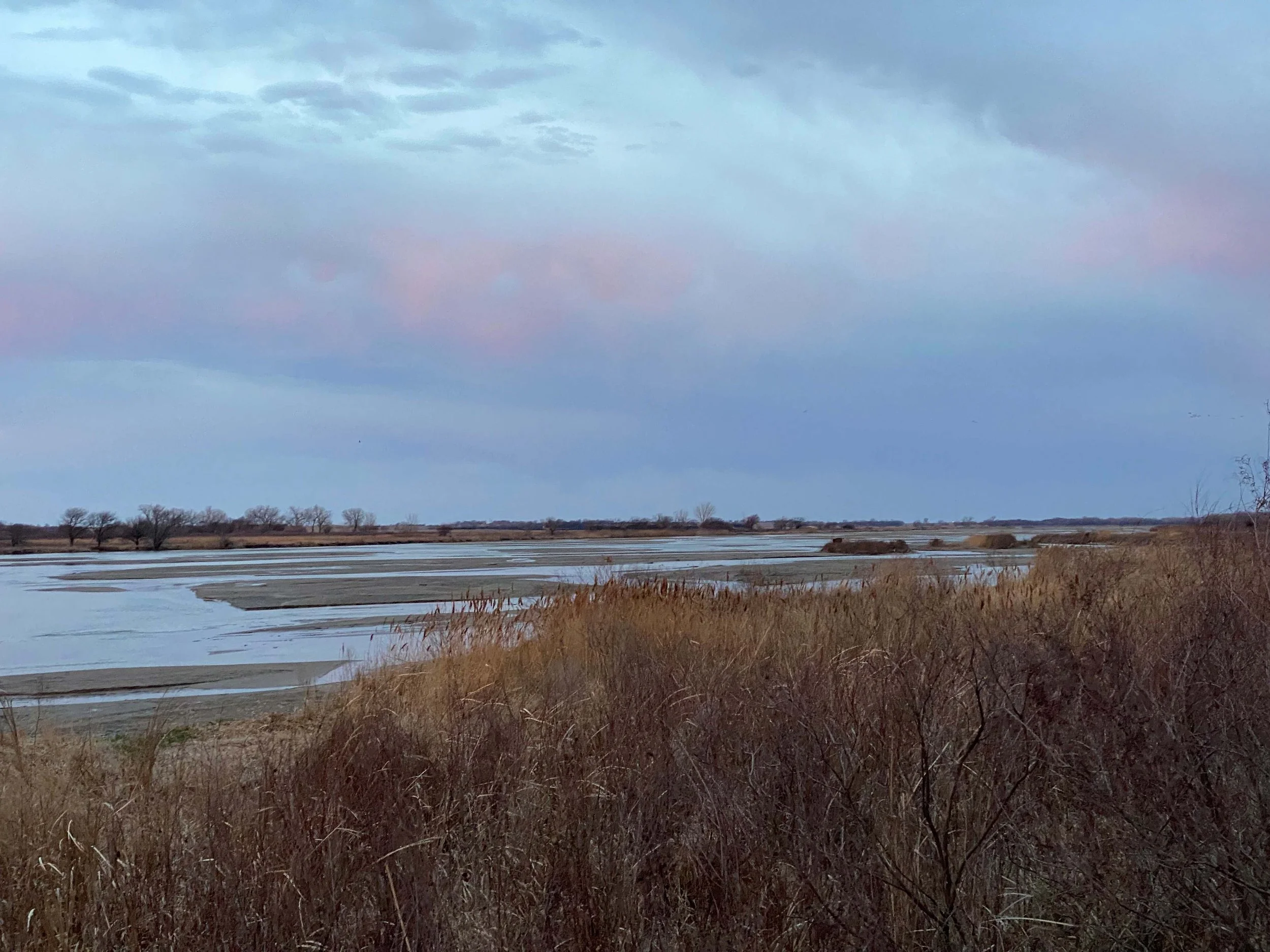
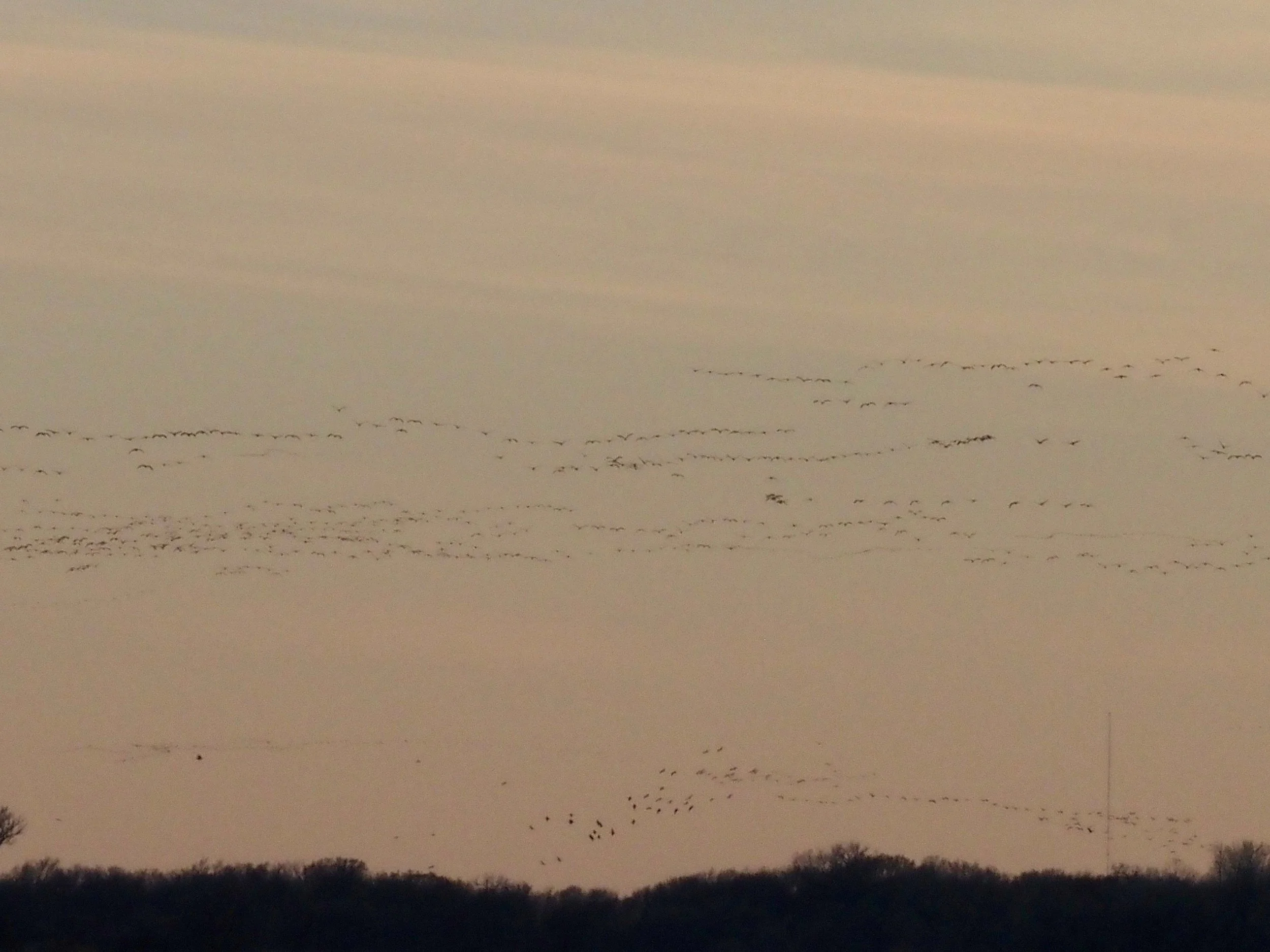
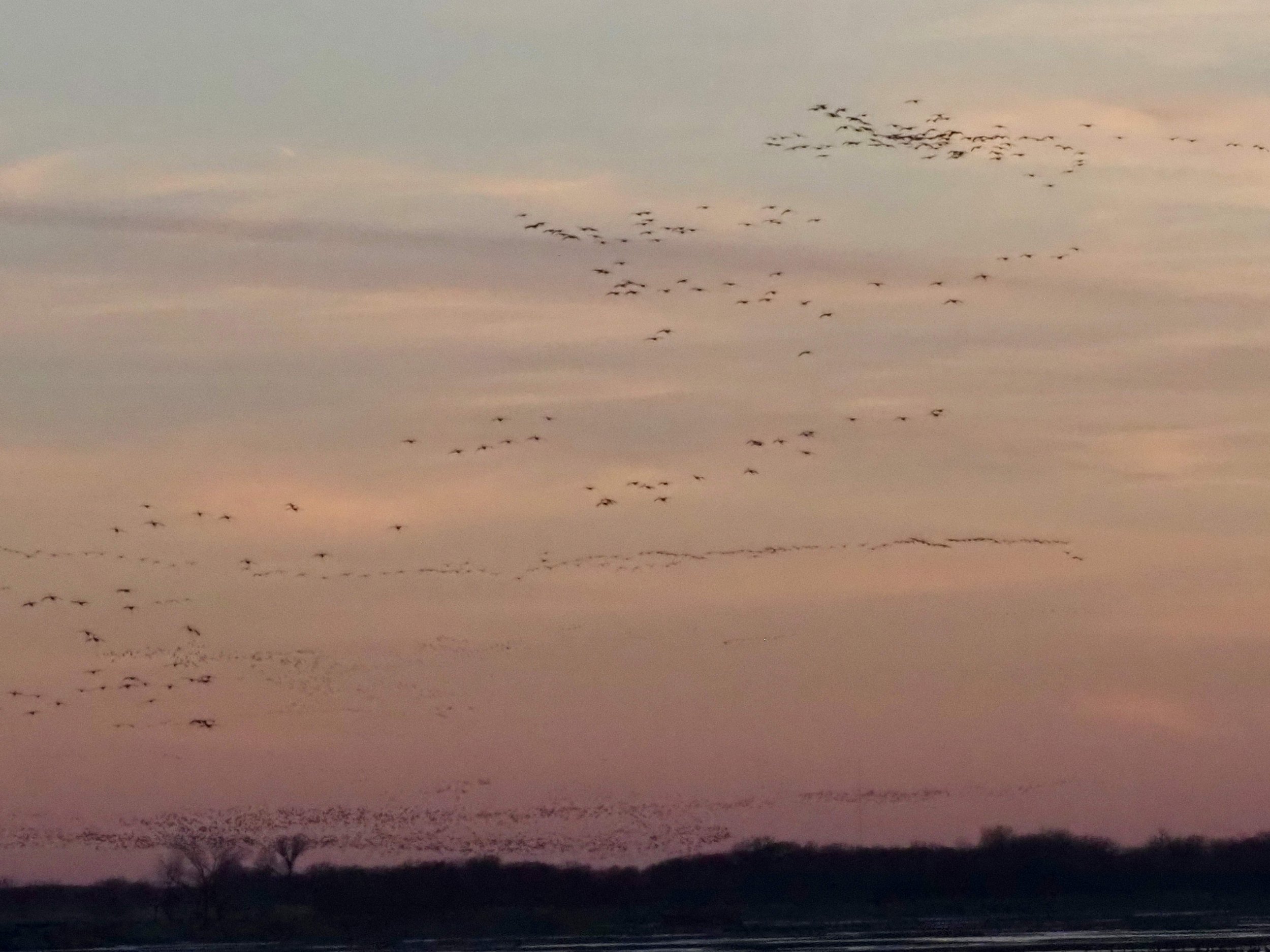
Our second installment of Springtime Sandhill Crane migration is now in the books. Learning from last year’s trip and benefiting from a friendlier calendar, 13 members and guests journeyed to the central Platte River near Grand Island, NE a week earlier than in 2025. Though our day was buffeted by 40mph south winds, our timing was exceptional with 400,000 Sandhill Cranes present, plus reports of Common Crane, Cinnamon Teal, Burrowing Owl and Ferruginous Hawk being present the previous week.
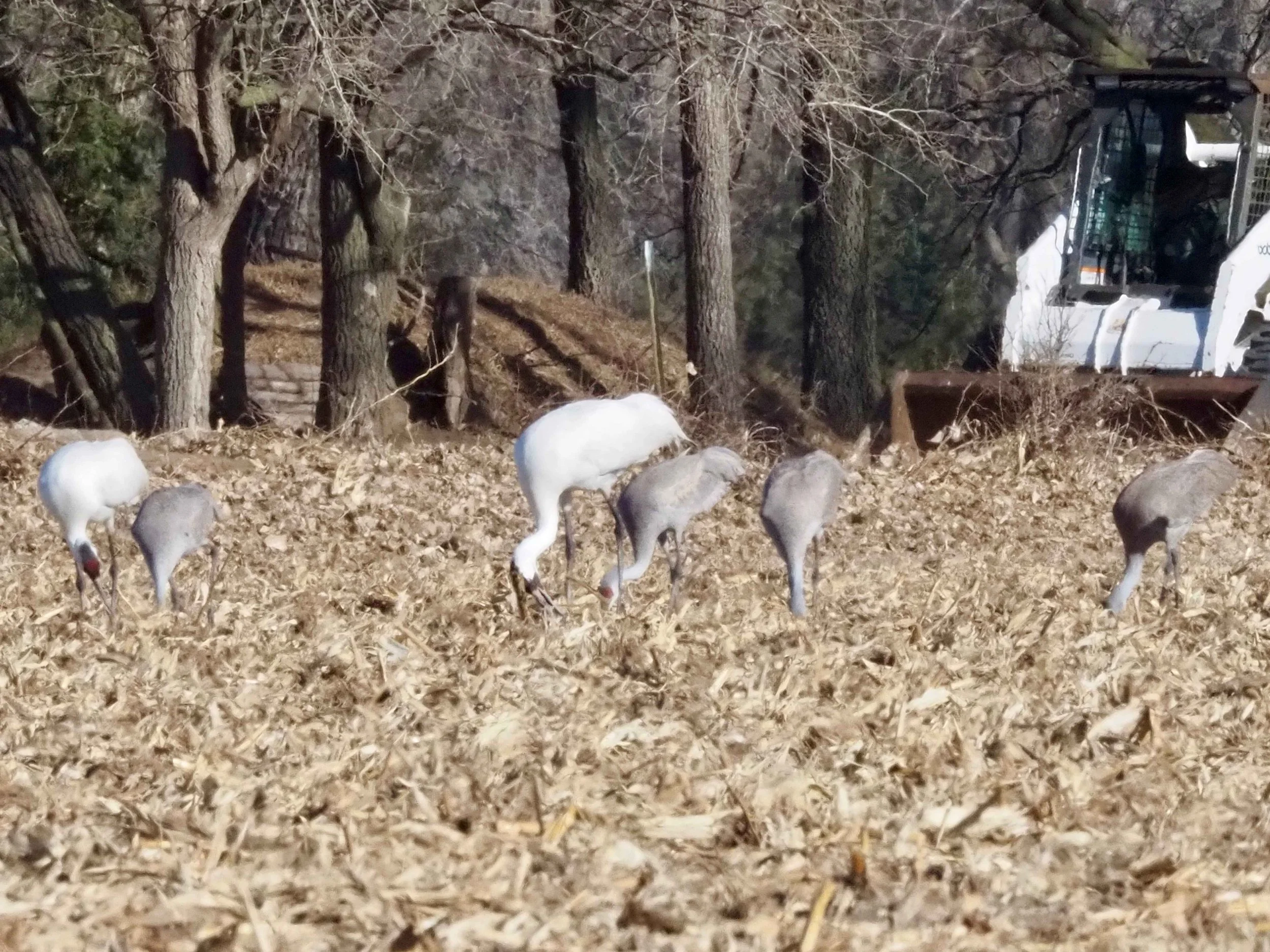
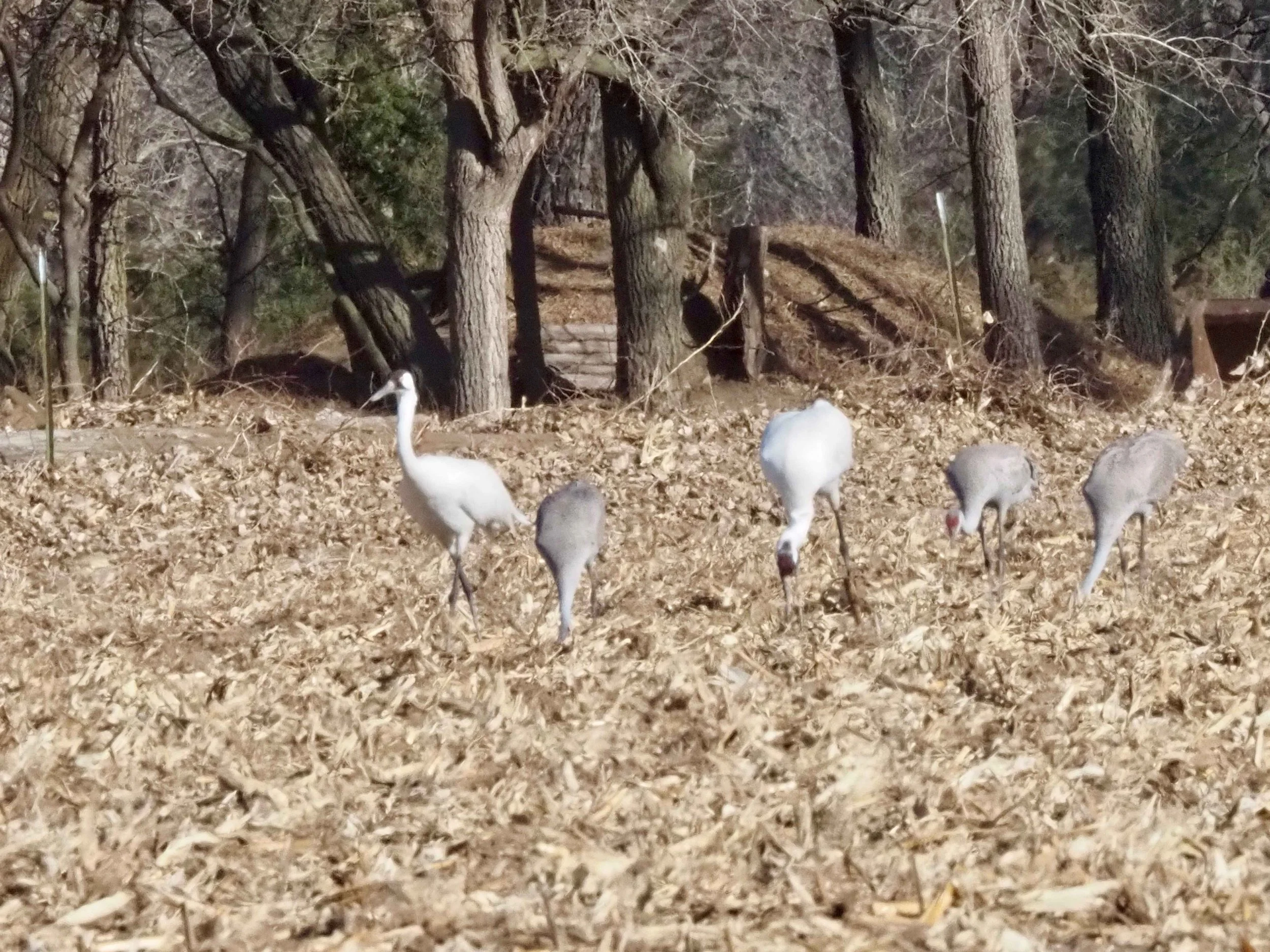
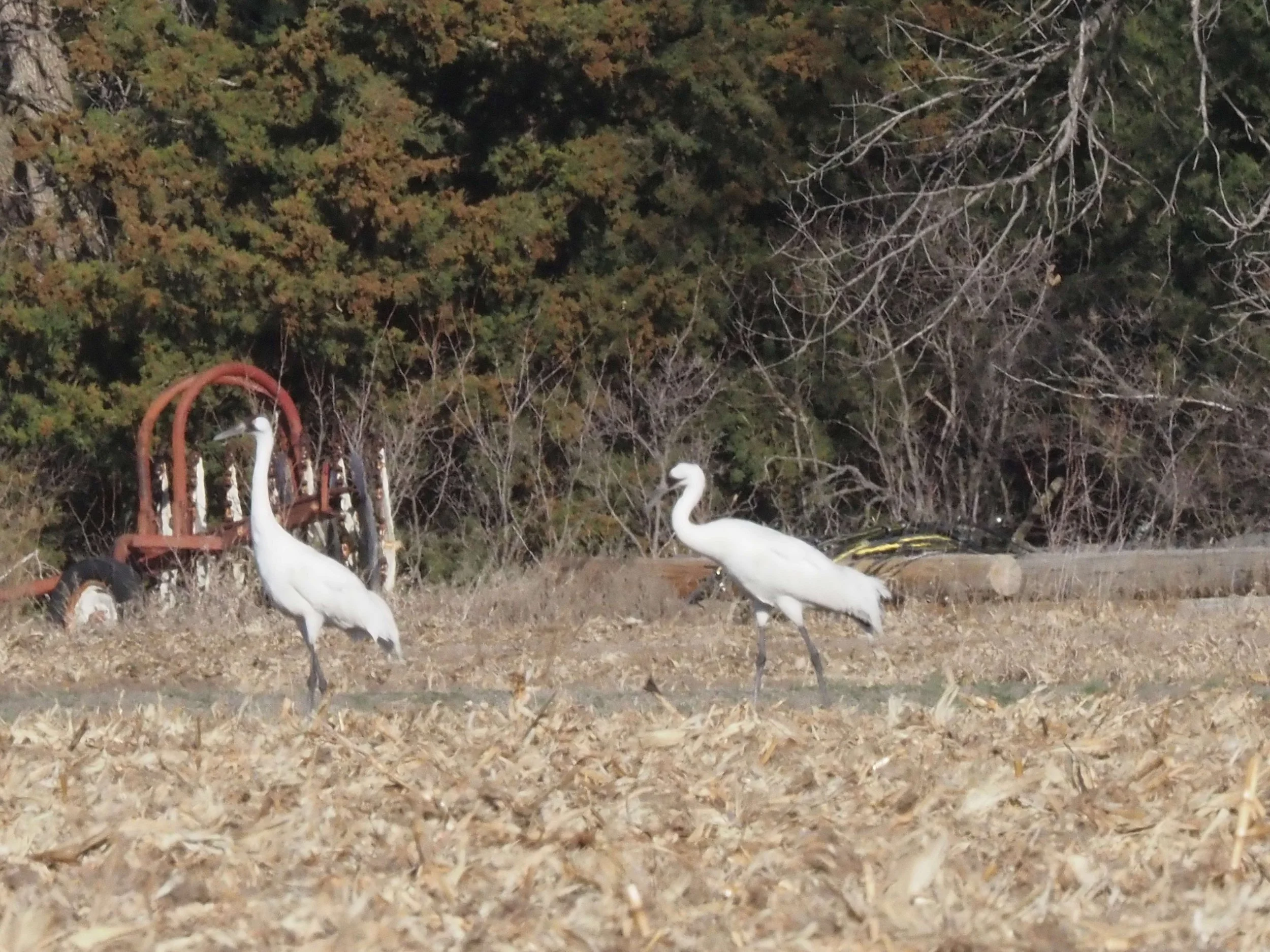
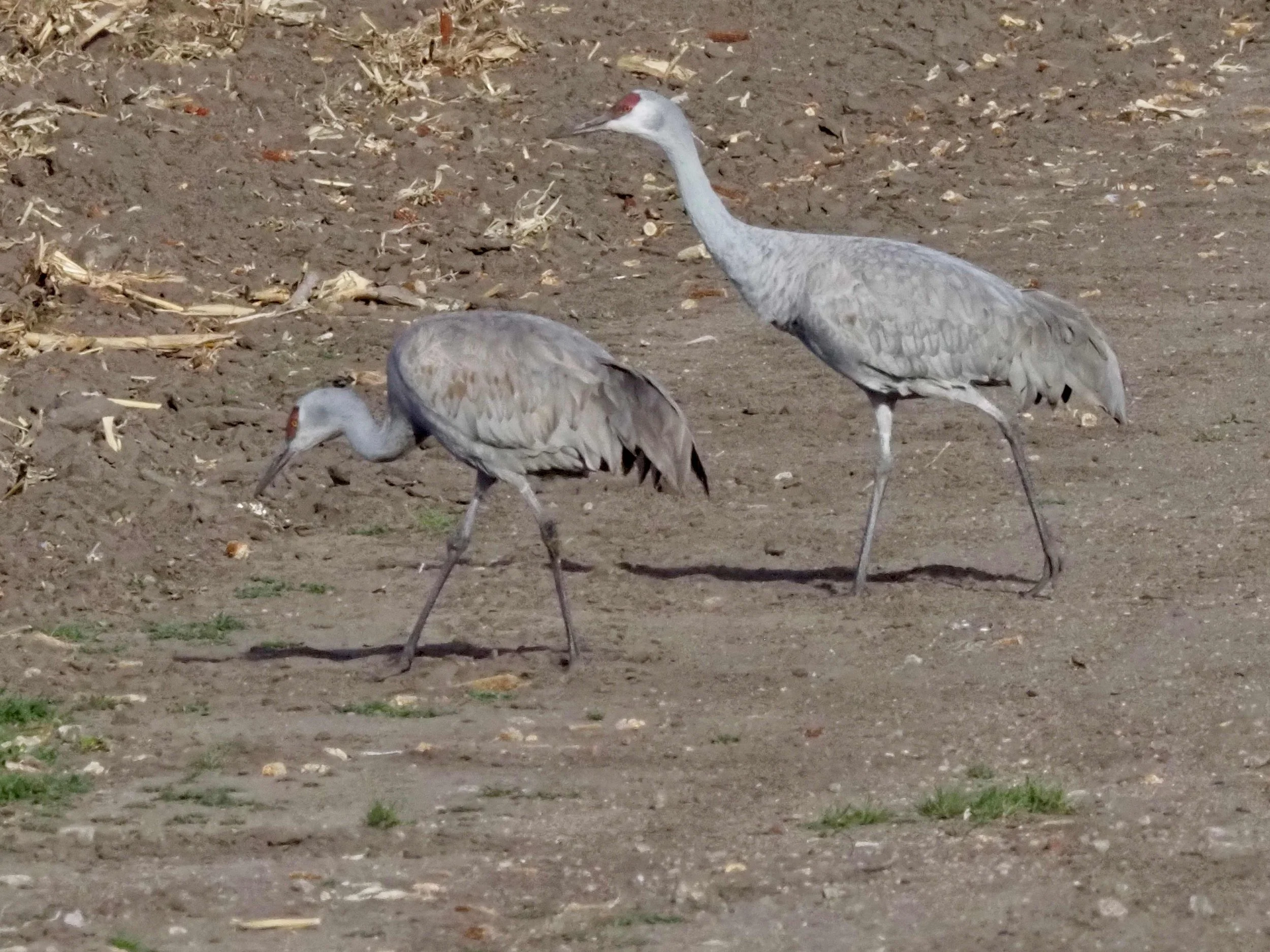
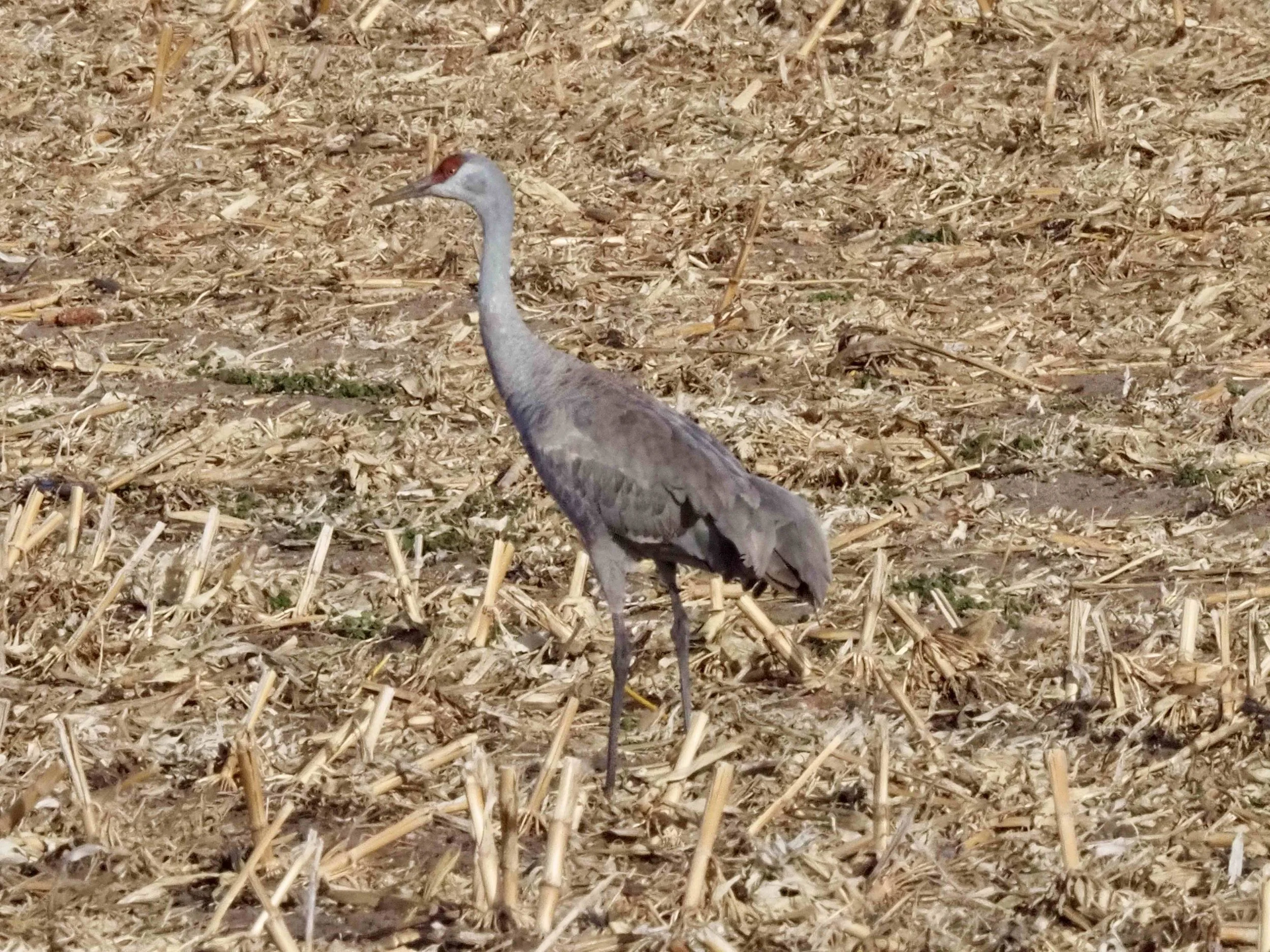
Saturday, an early morning start got us to the river as the roosting cranes were lifting off for their morning foraging in the nearby pastures and fields. The sight was astonishing and the sound haunting and unforgettable. We traveled west, paralleling the Platte on the south and encountering increasing numbers of cranes as we went. At one stop, while most of us sorted through the Sandhill Cranes on the left, looking for a Common Crane, Kayla spotted two large white objects on the right. Closer exam revealed them to be two endangered Whooping Cranes, two of the approximately 560 that nest in NW Canada. Members with cameras were busy trying to get good shots through or under the roadside thickets.
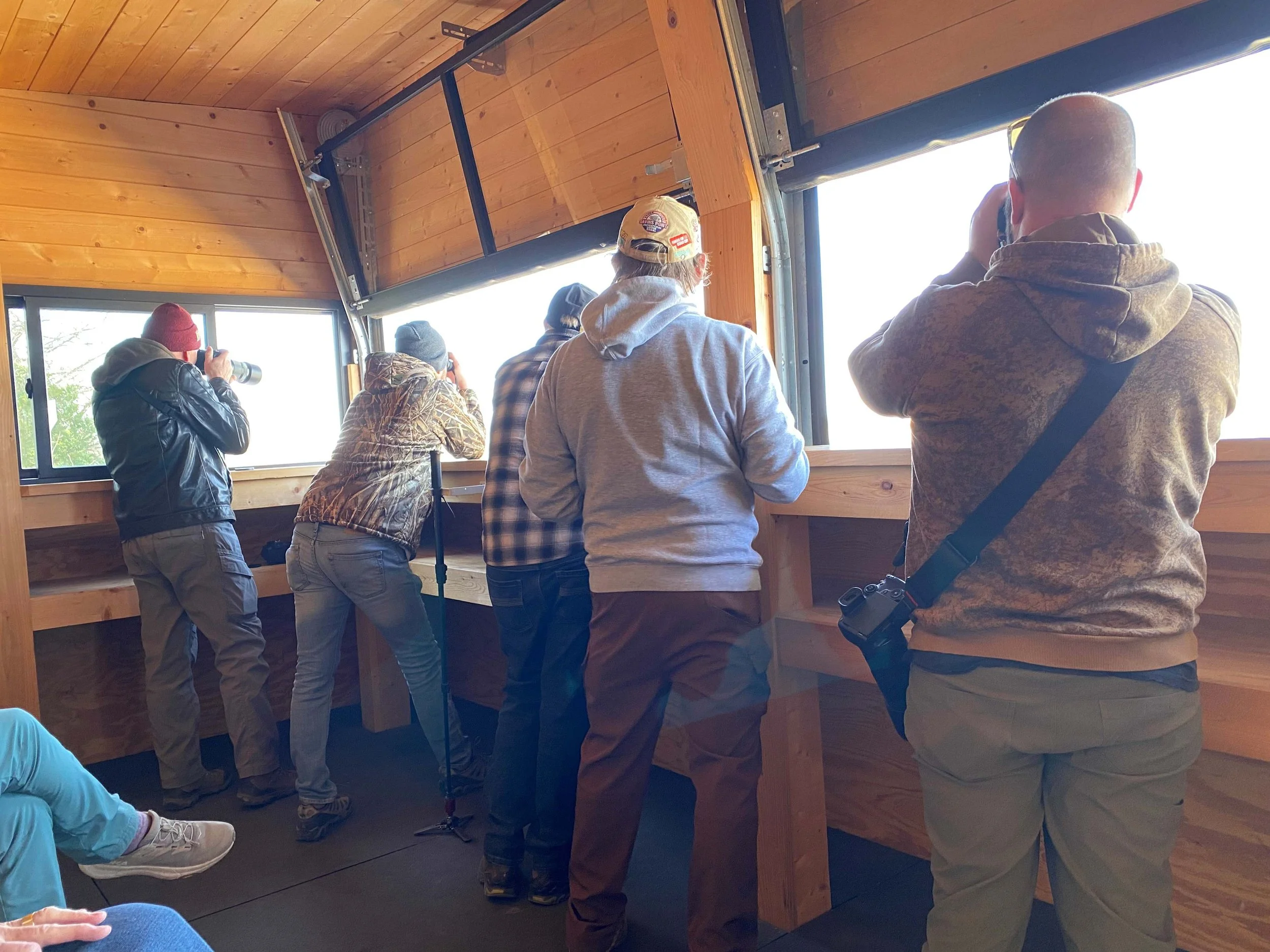
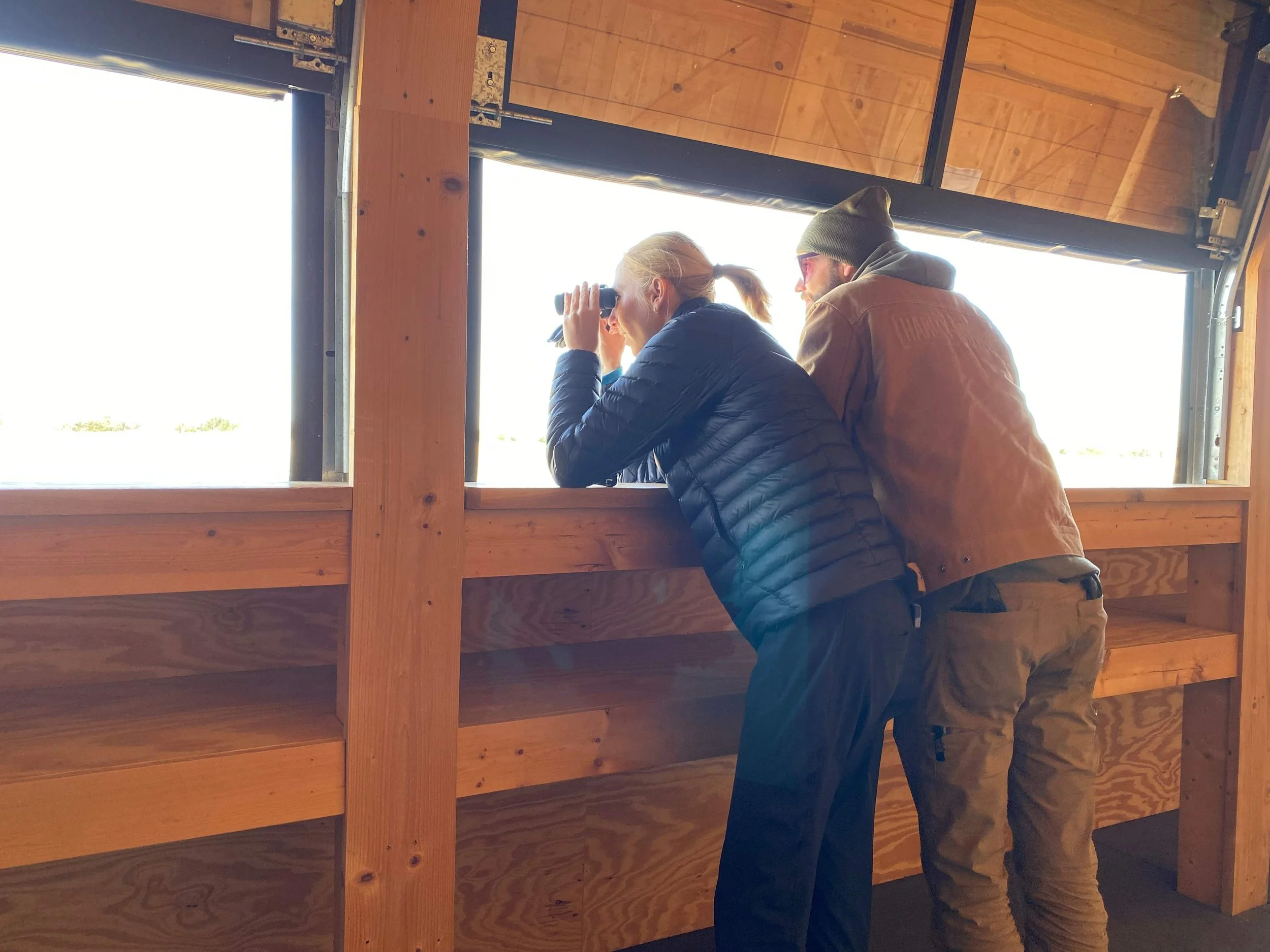
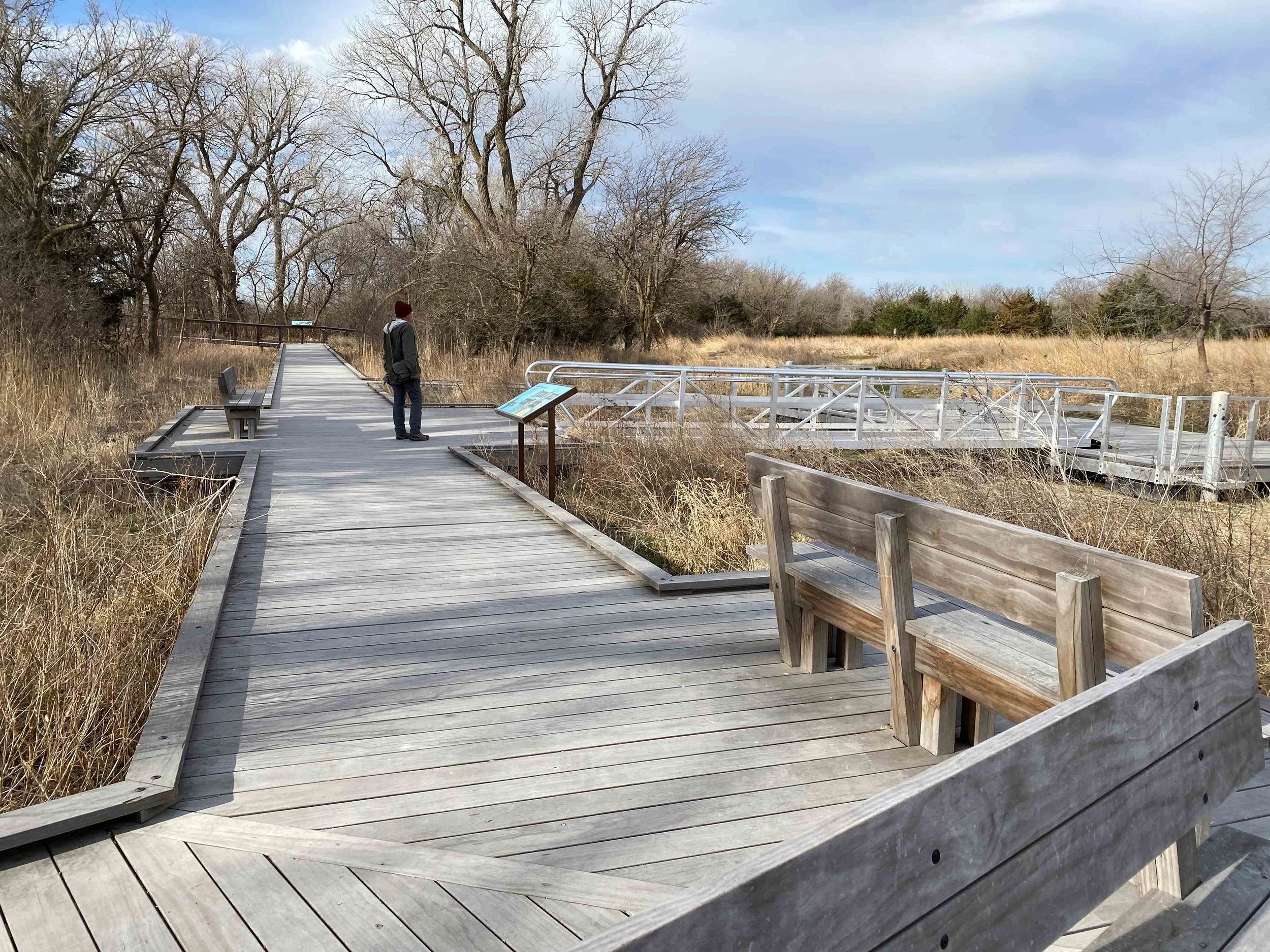
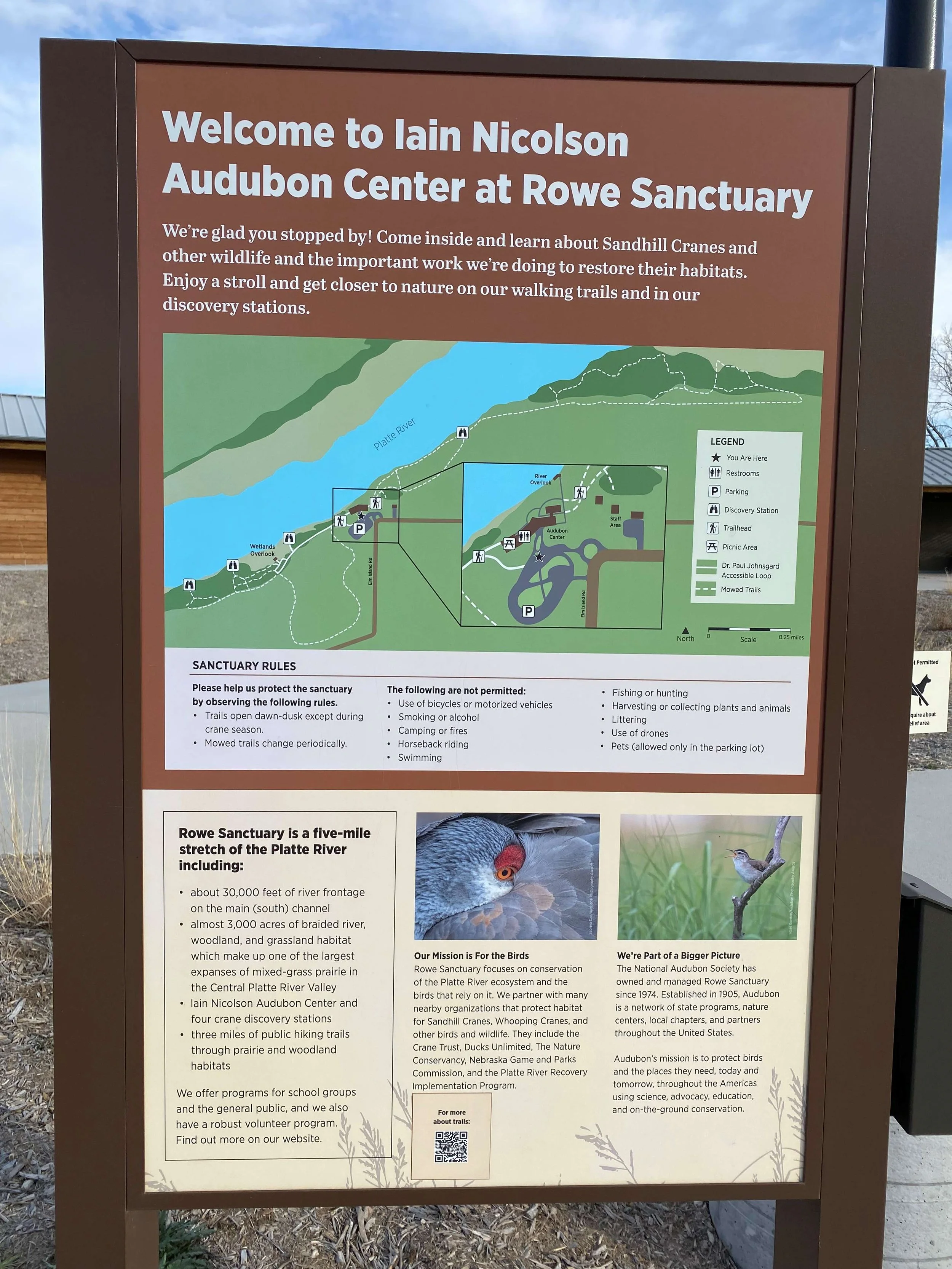
Sorting through additional Cranes farther west yielded no Common Crane, so we travelled to a Prairie Dog town with hopes of Burrowing Owls or Ferruginous Hawk. We saw no owls and only one distant hawk, but had another dog town to search later, so moved on to Audubon’s Lillian Annette Rowe Sanctuary. This site has several blinds for viewing Sandhills leaving or returning to the Platte’s sandbars. Few were present midday, but our lunches were gobbled down, and we invaded the visitors’ center and gift shop. Down a riverside trail, a male Cinnamon Teal had been present for several days in river backwater. Though we found Blue-winged Teal, their vagrant western cousin wasn’t to be found. So, onward to the Prairie Dog Waterfowl Production Area, where a very large dog town was certain to contain Burrowing Owls and a circling Ferruginous Hawk.
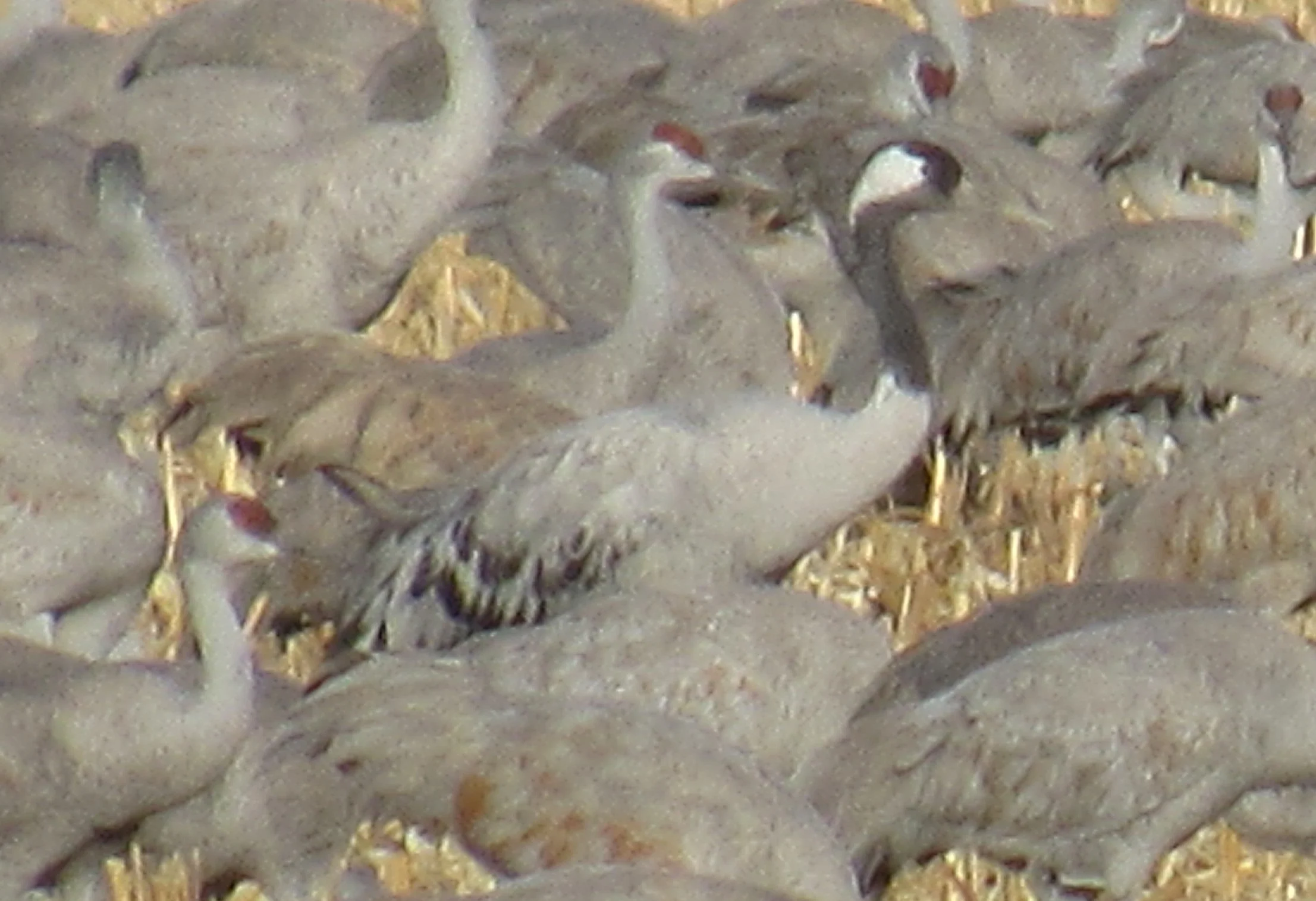
Common Crane image copyright 2026 by Regie Banks, used with permission; Location: Shelton, NE
March 28, 2026
With sustained 40mph winds and even stronger, car-rocking gusts, the drive towards the WPA was long and dusty. Once there we found prairie dogs scampering about but with none of the reported owls in sight, we deduced they were smarter than us and secure in their burrows. The winds probably discouraged the hawks from soaring above, as well.
After that, most participants were hungry and tired, so they headed for our motel with visions of a fancy dinner together dancing in their heads. And they were eventually successful! However, one party continued their quest for the elusive Common Crane, an Asian species breeding in Siberia, that sometimes join their neighboring Sandhill Cranes when they cross the Bering Strait and migrate southward through Canada and the U.S. After wintering in the SW U.S. and Mexico, they migrate back north with the Sandhills, passing through Nebraska, on their way back to Siberia. And patient birders waiting in Nebraska can sometimes find them within the massive Sandhill flocks, often described as searching for a needle in a haystack, … except there is more than one haystack, … and the haystacks move! Anyway, while searching through a flock of 3000 or more Sandhills, a single Common Crane was spotted by the group as it lifted its black and white head and neck amongst the numerous gray necks. With that, our group had not only seen all three possible Crane species but had found our own with no help or information from the outside.
Outings Report by Bill Huser, Vice-President and Outings Coordinator
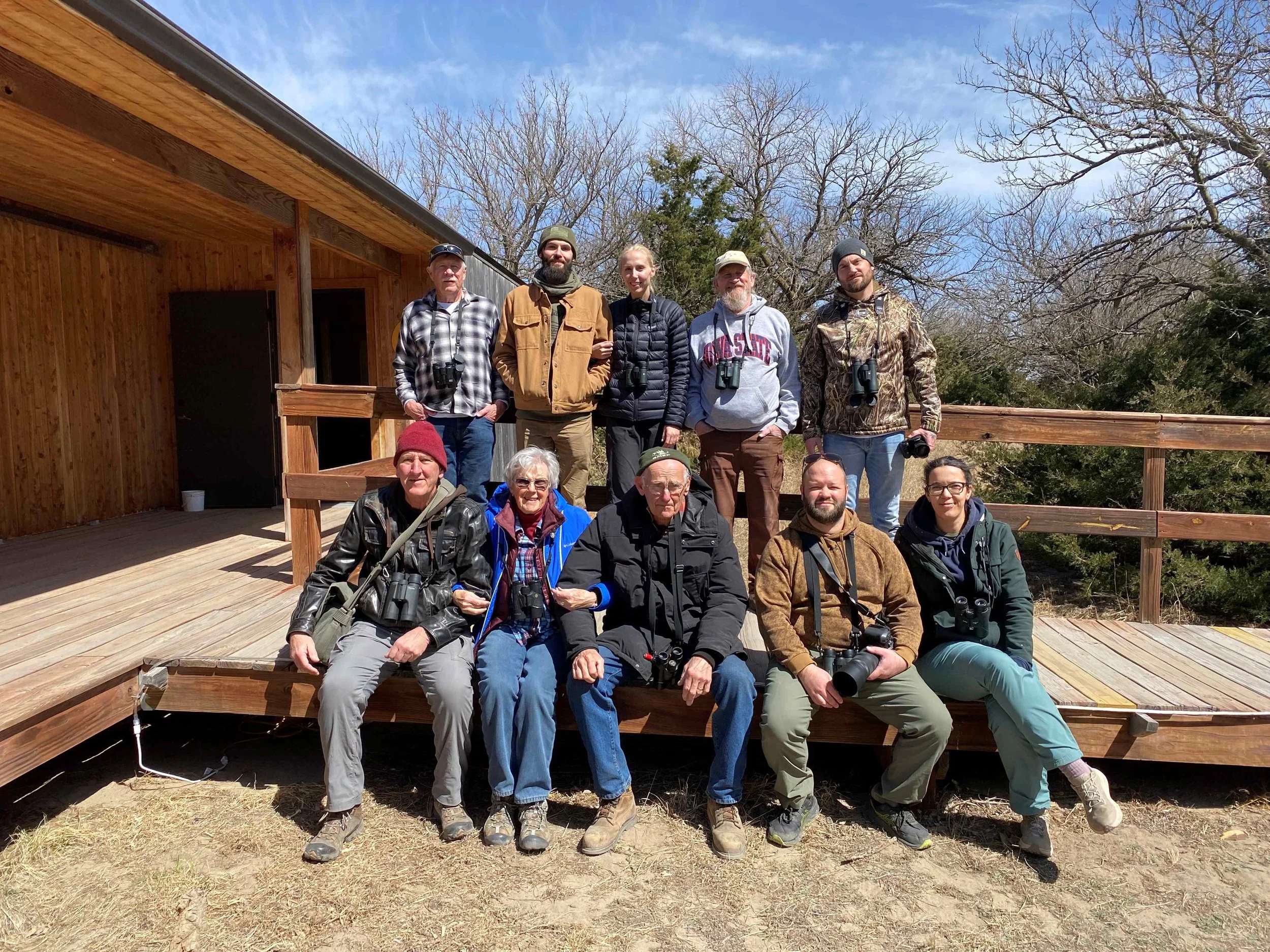
13 Participants: Marla & Kevin Kerr, Kayla Sheehan, Robert Sophere, Jerry & Carol Probst, Bill & Dotty Zales, Kari Sandage, Mitchell Leuer, Regie Banks, Bill & Rich Huser.
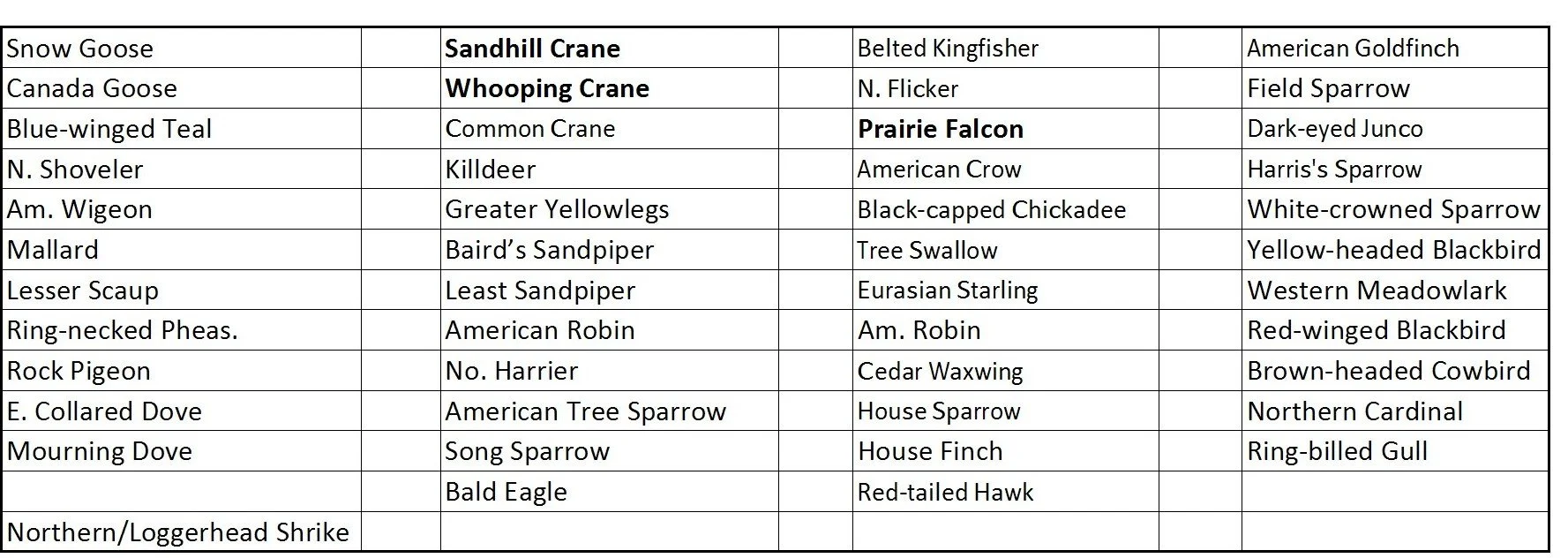
Species: 46 species Total + Shrike species
Below images of Whooping Cranes copyright 2026 by Richard Huser, used with permission.
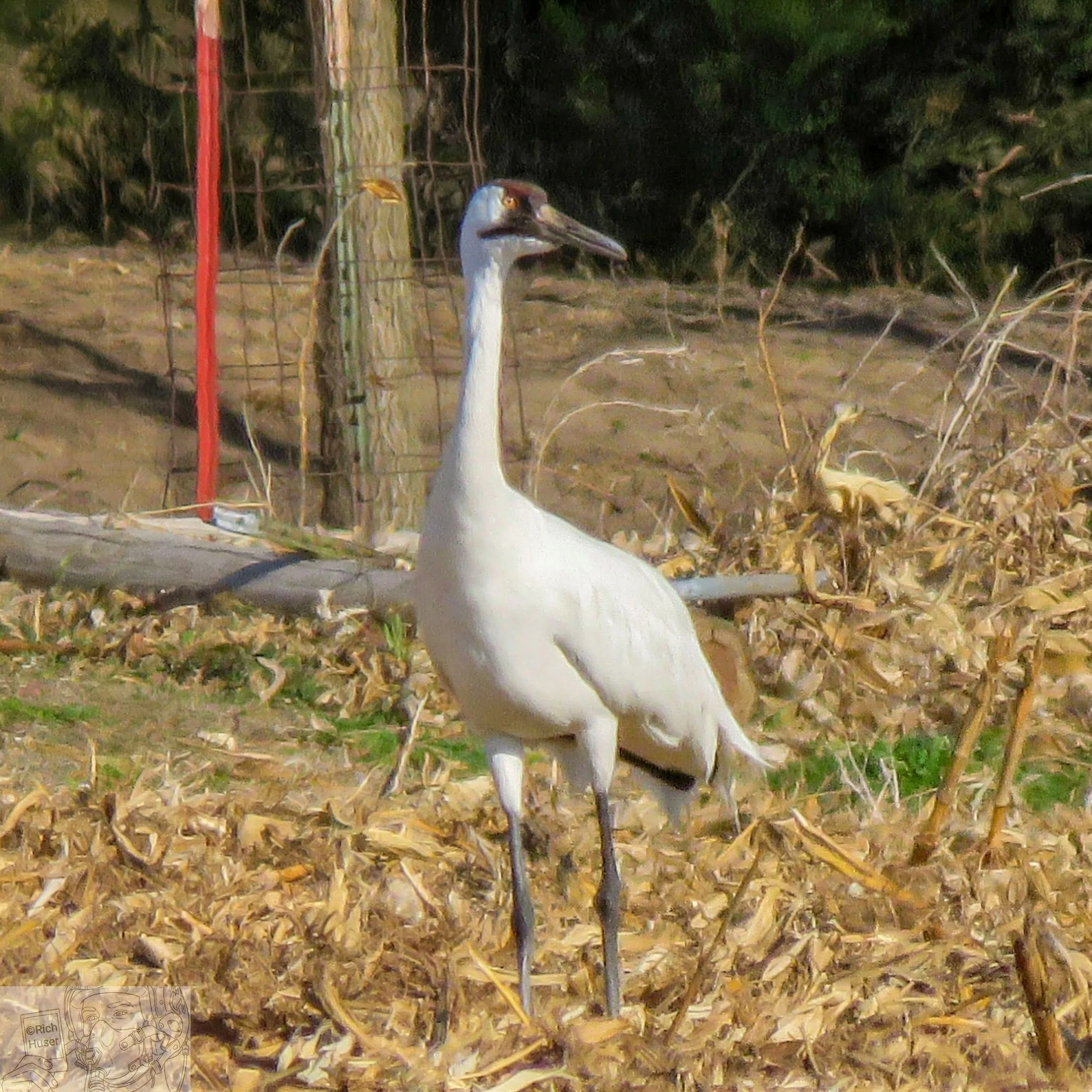
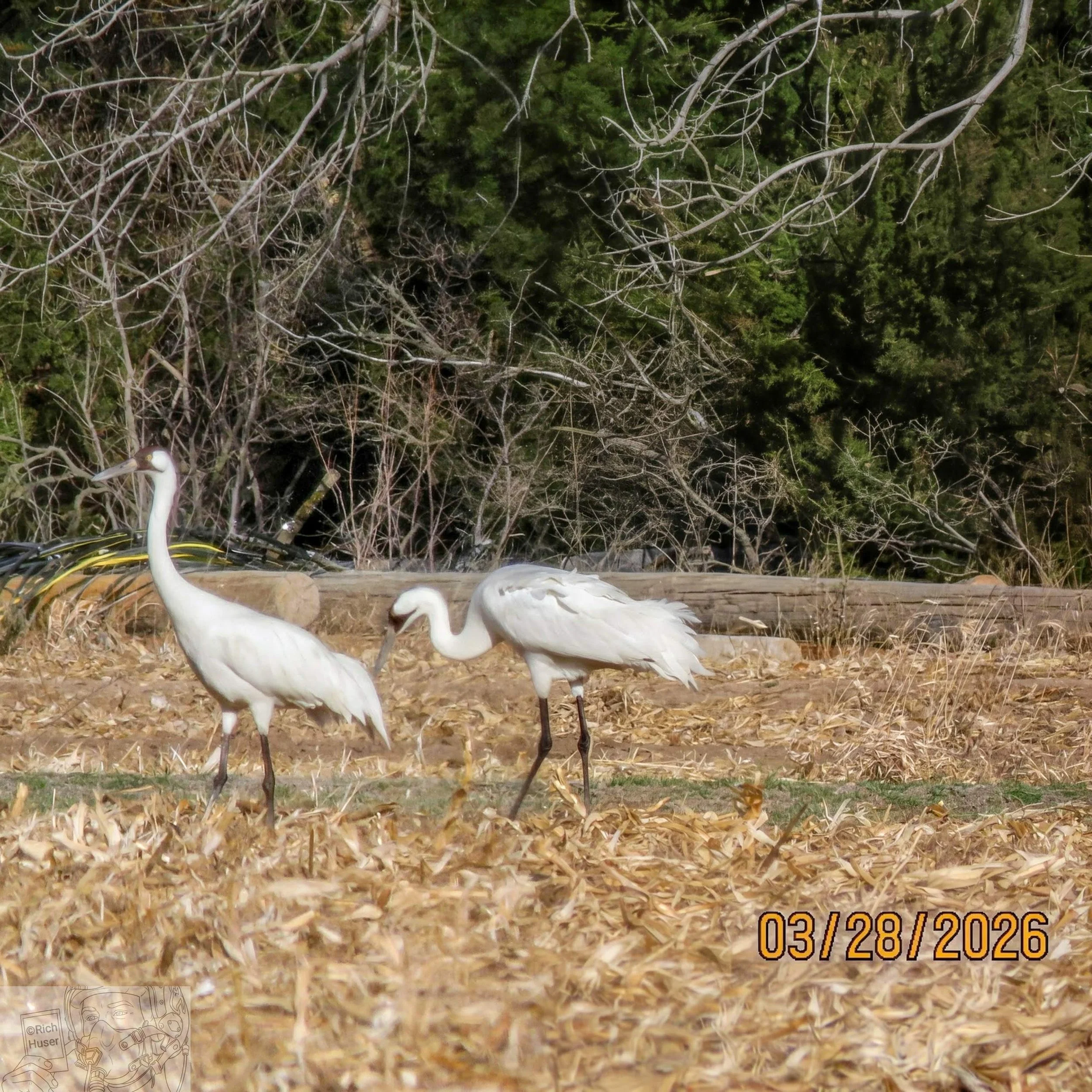
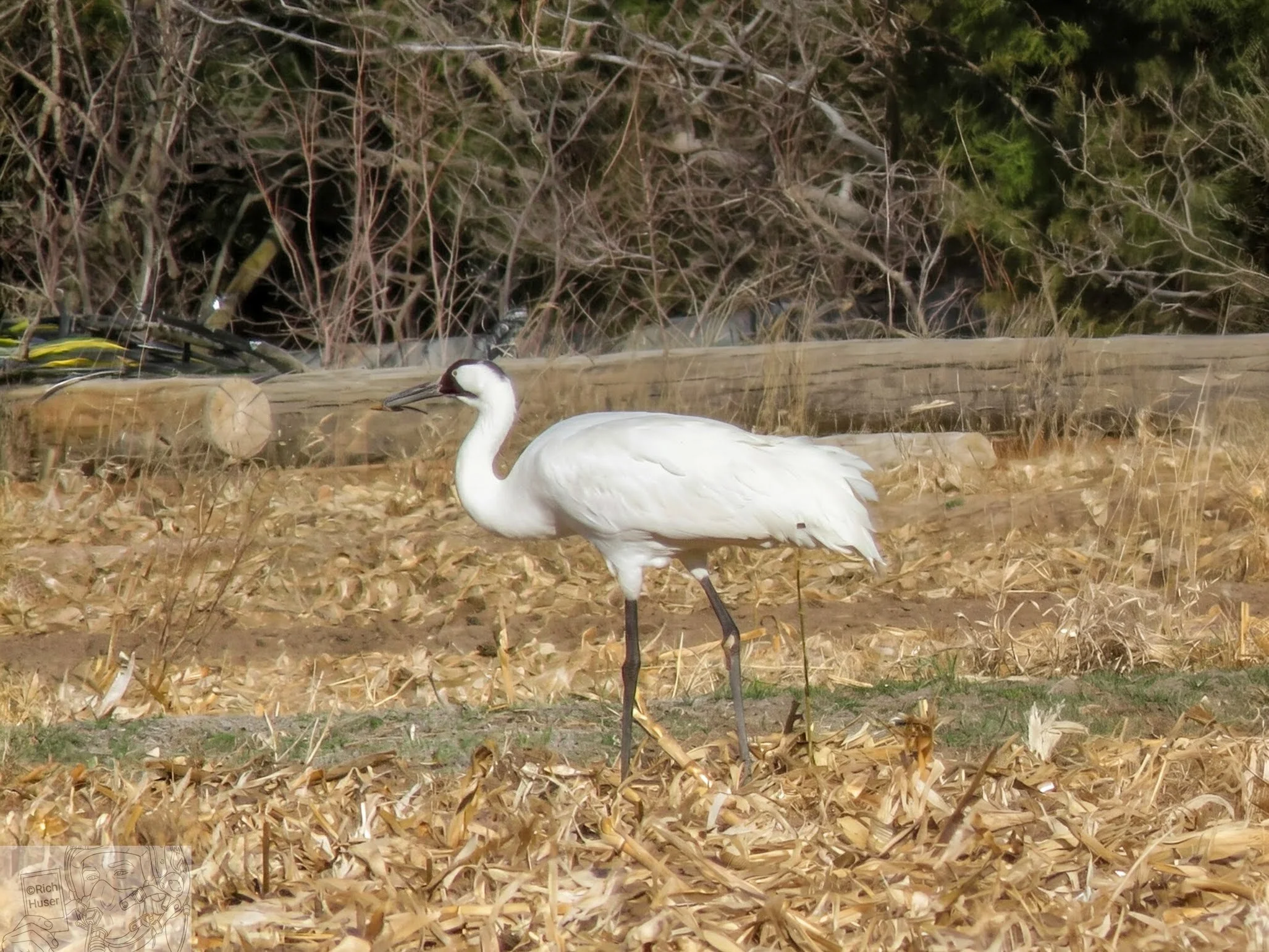
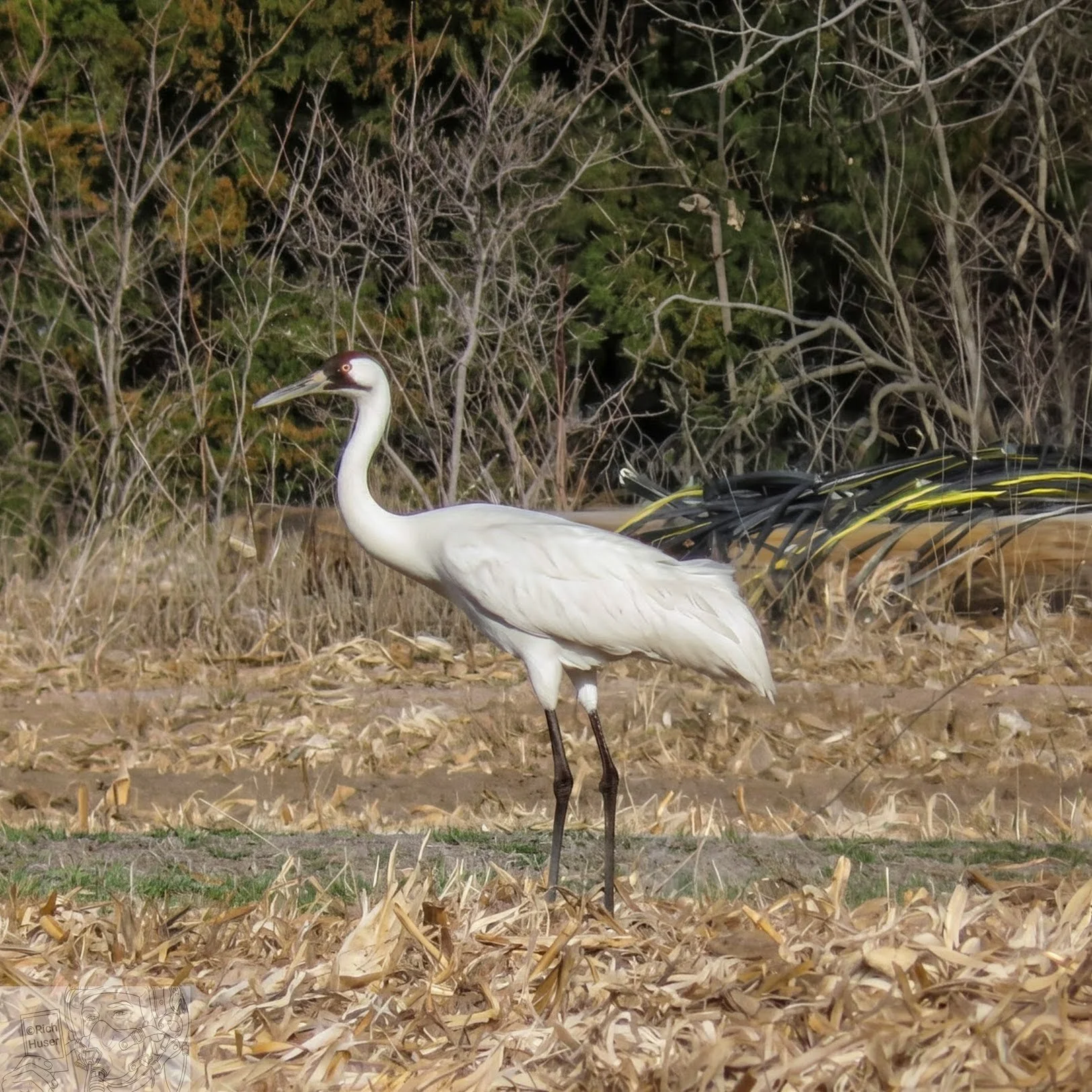
Below images copyright 2026 by Kevin and Marla Kerr, used with permission.



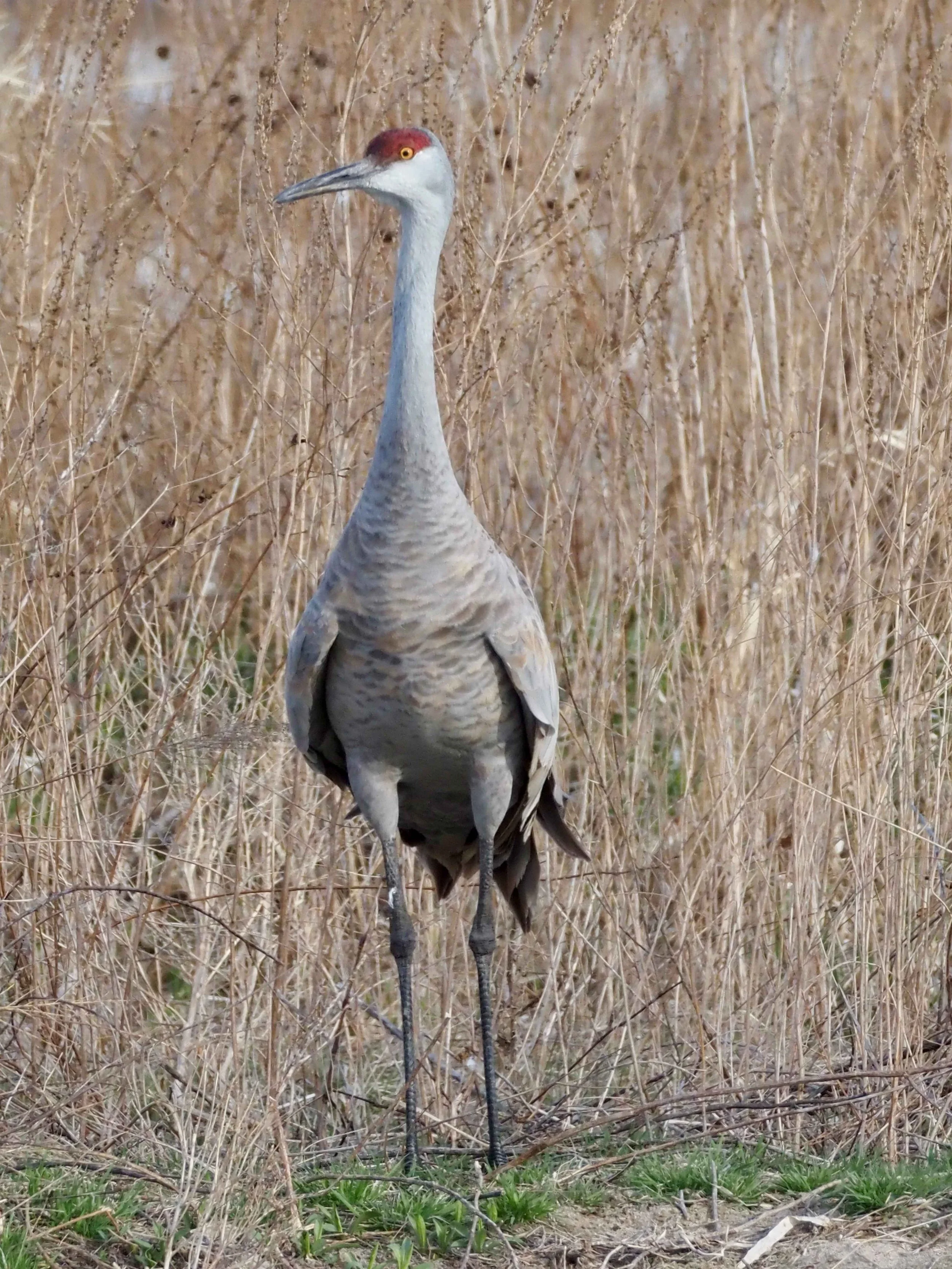
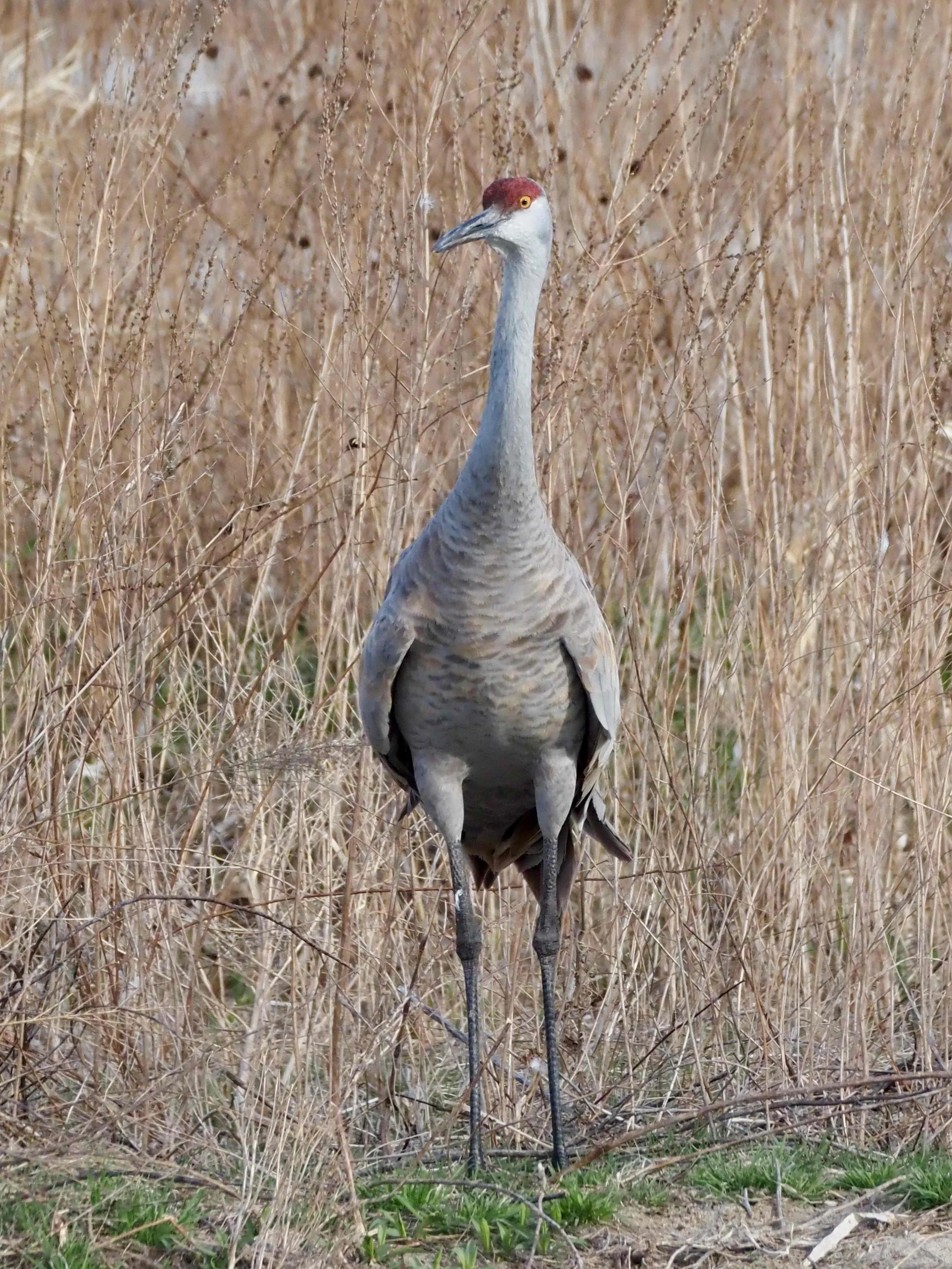
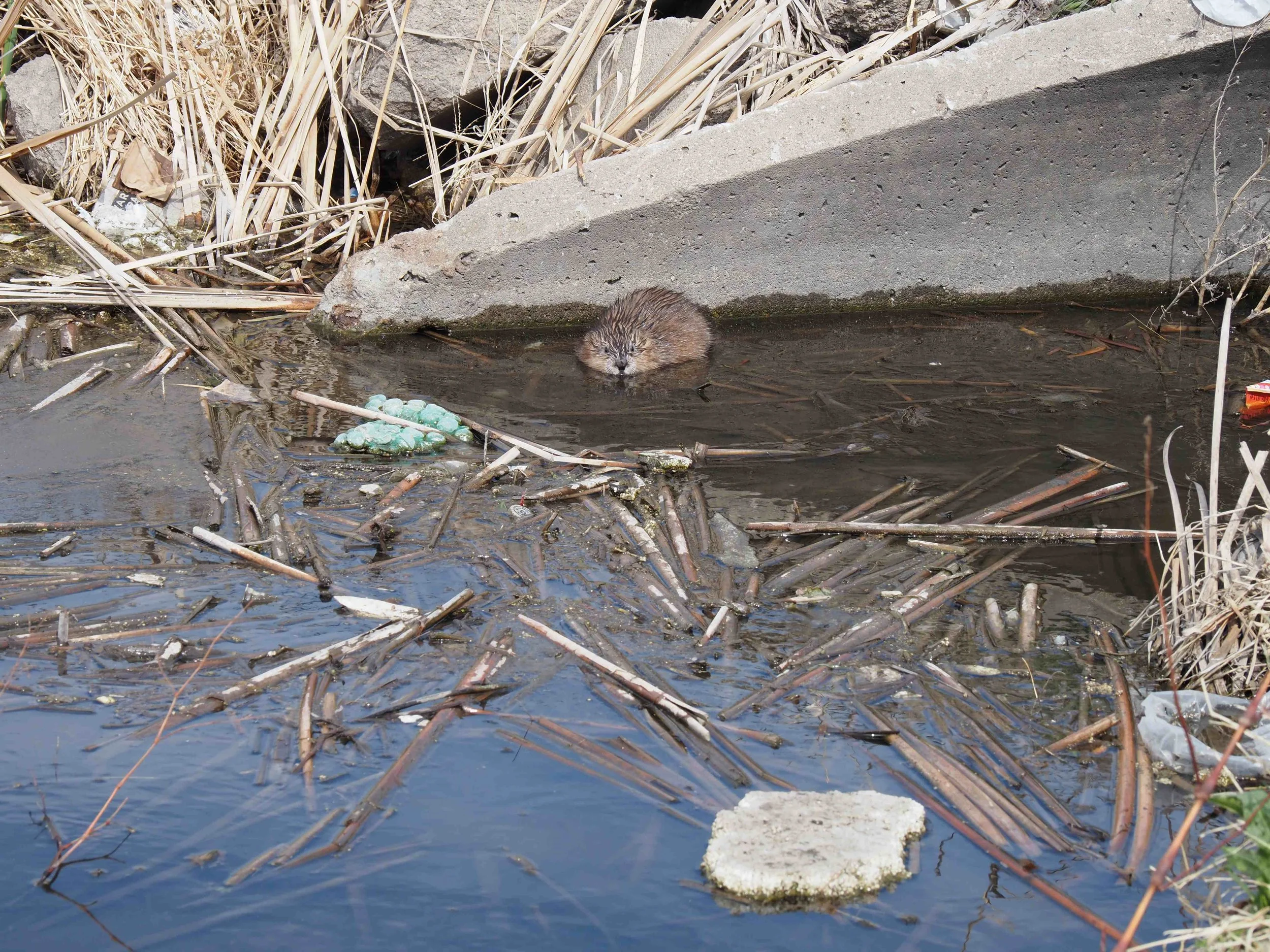
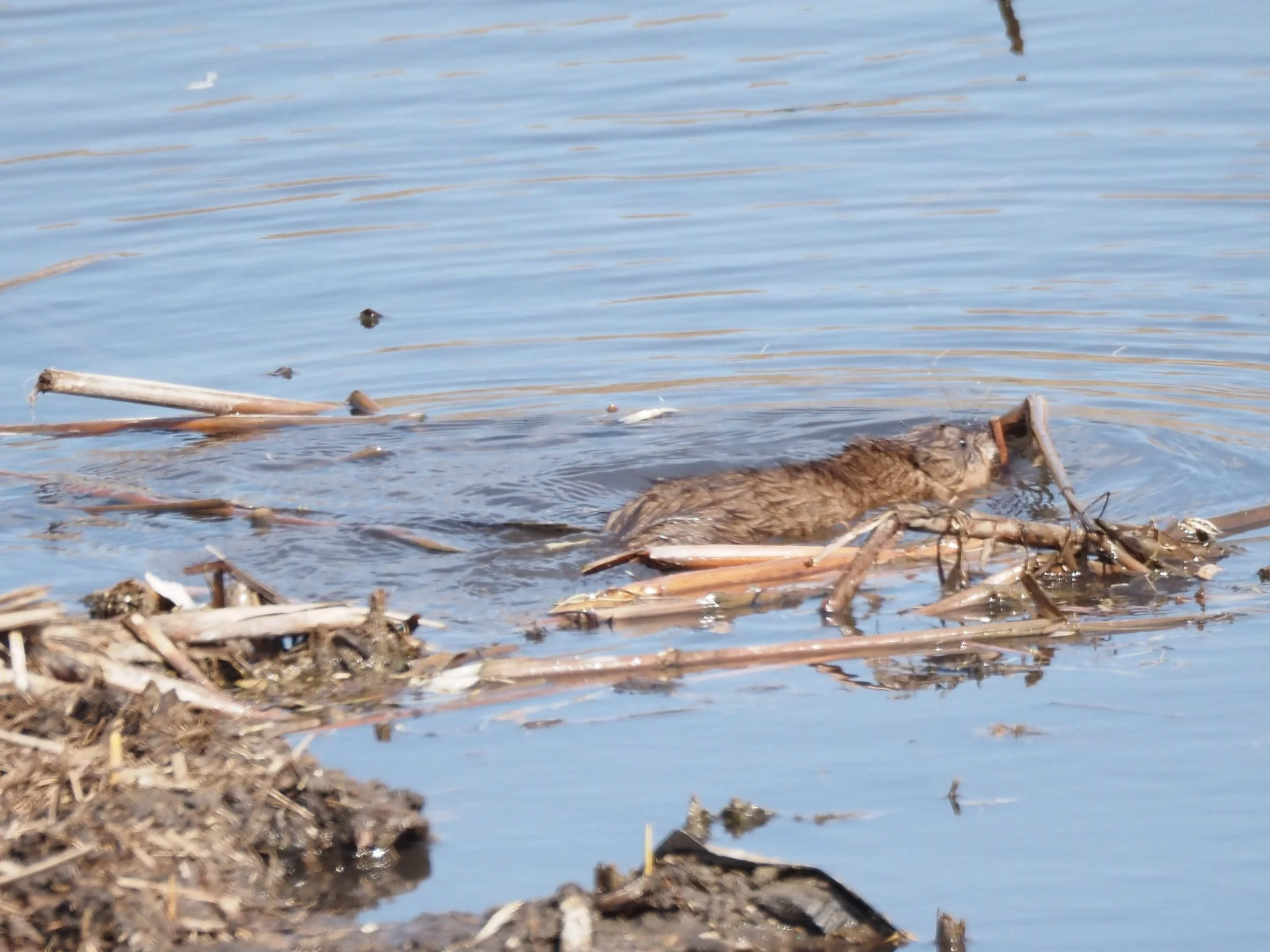
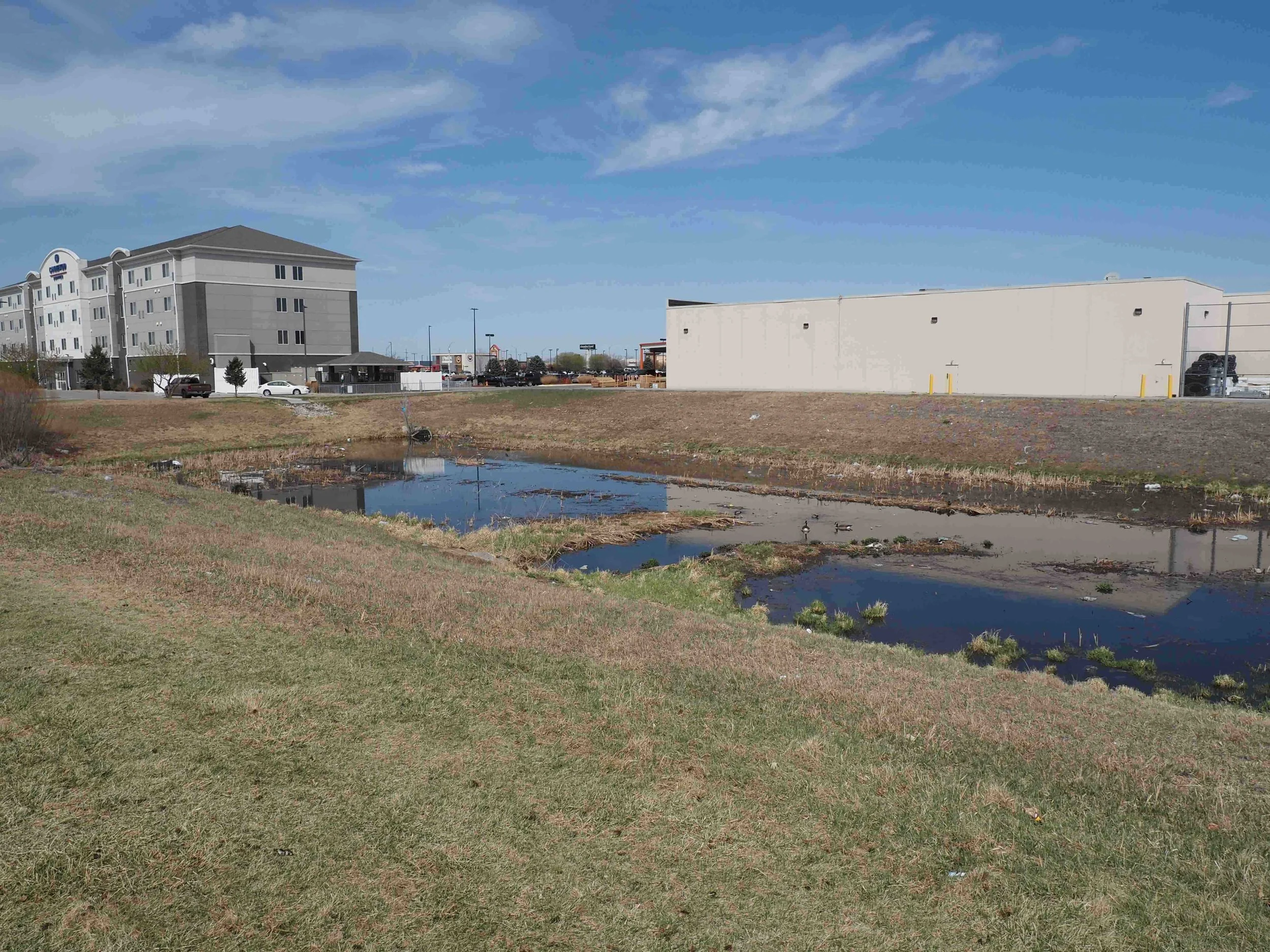
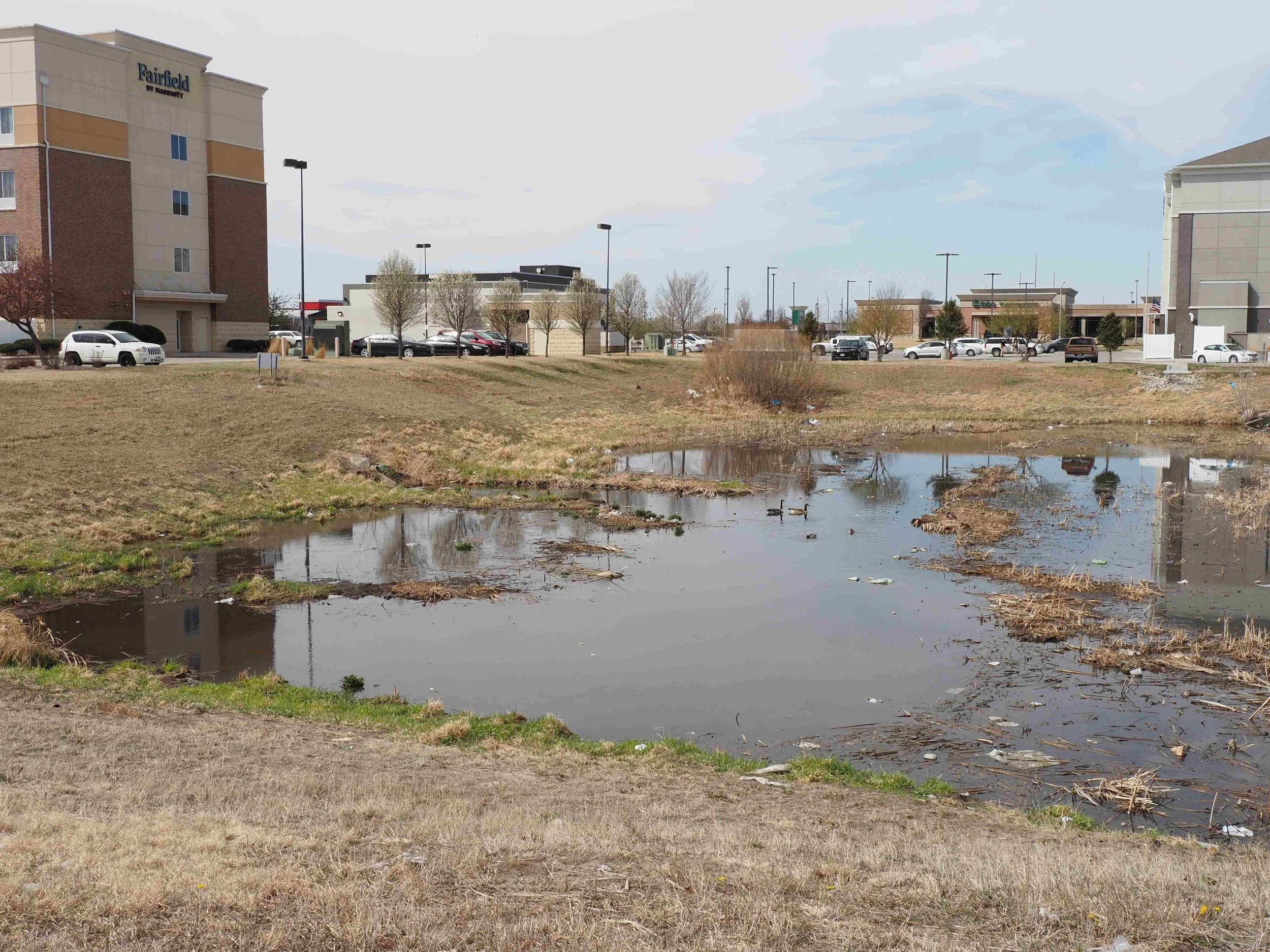
retention pond near the parking lot at the fairfield inn
grand island, ne
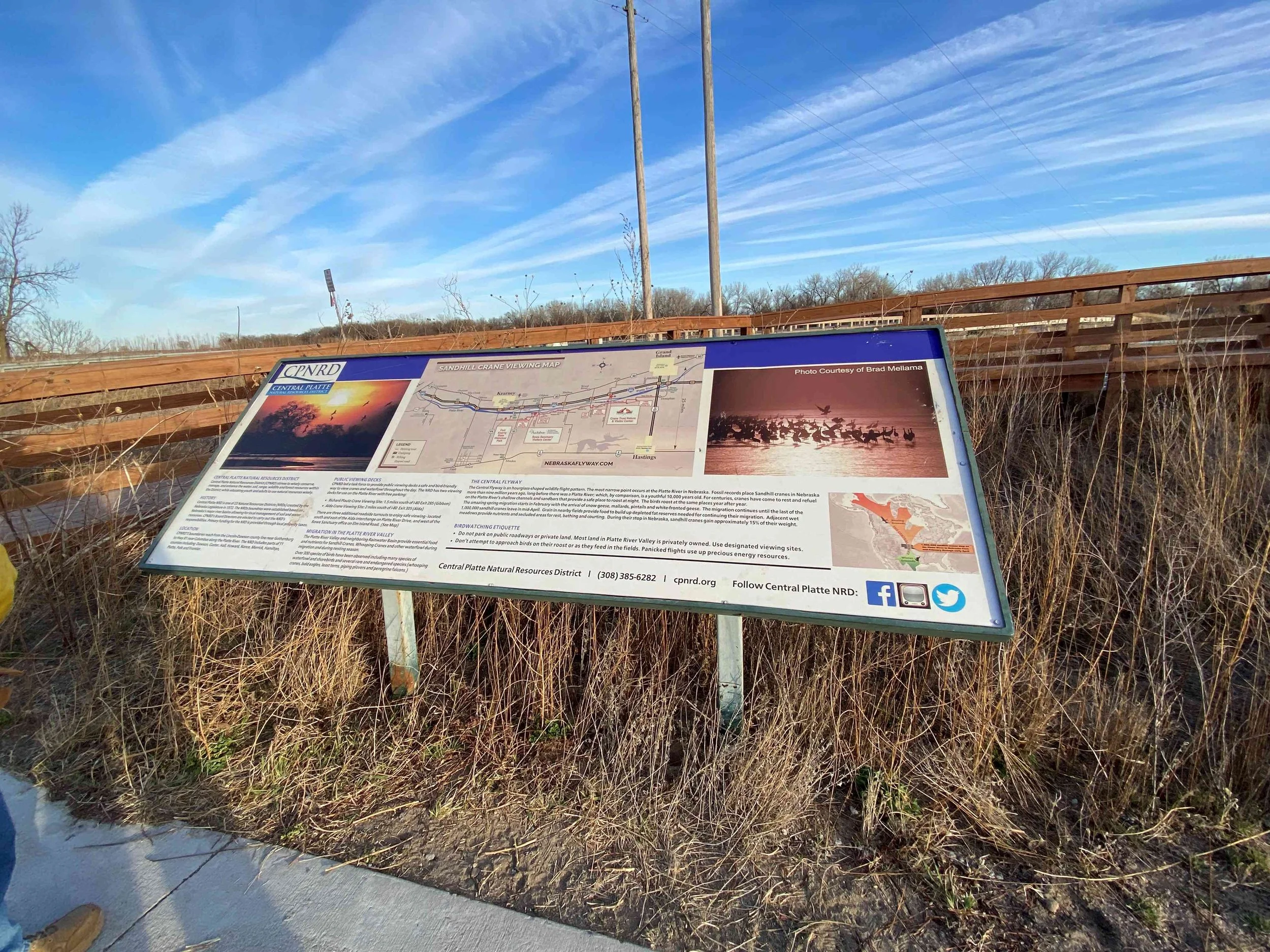
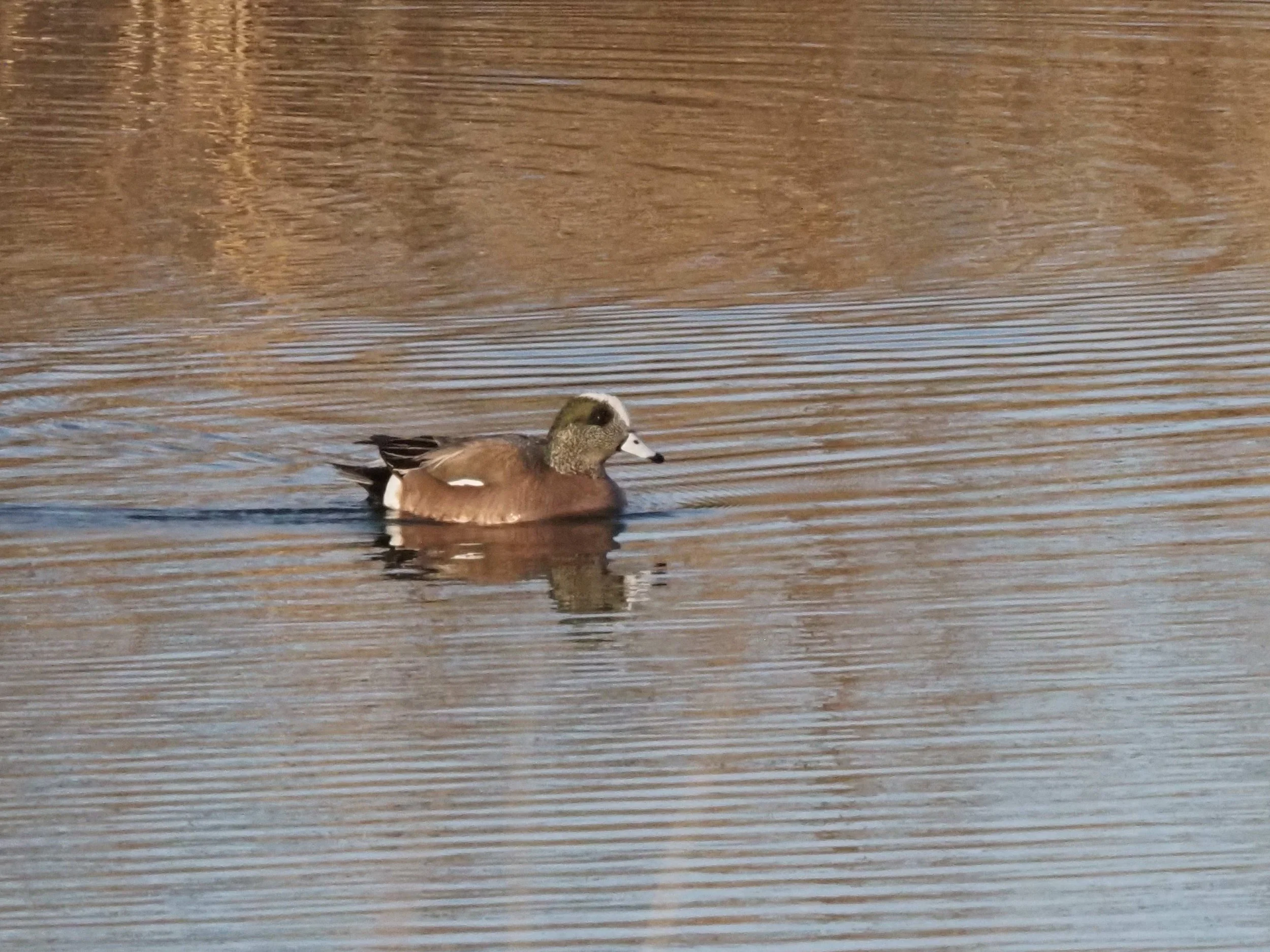
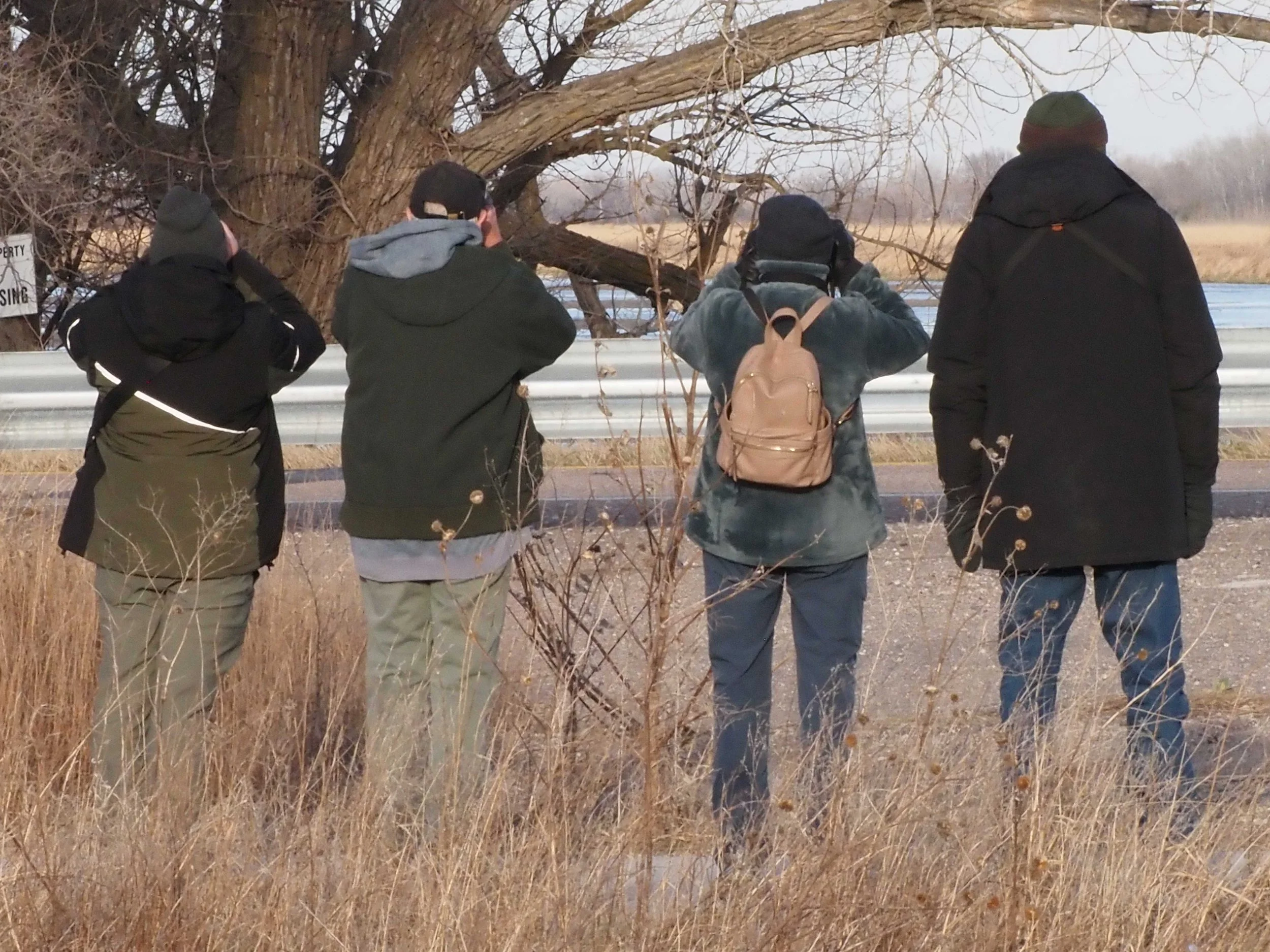
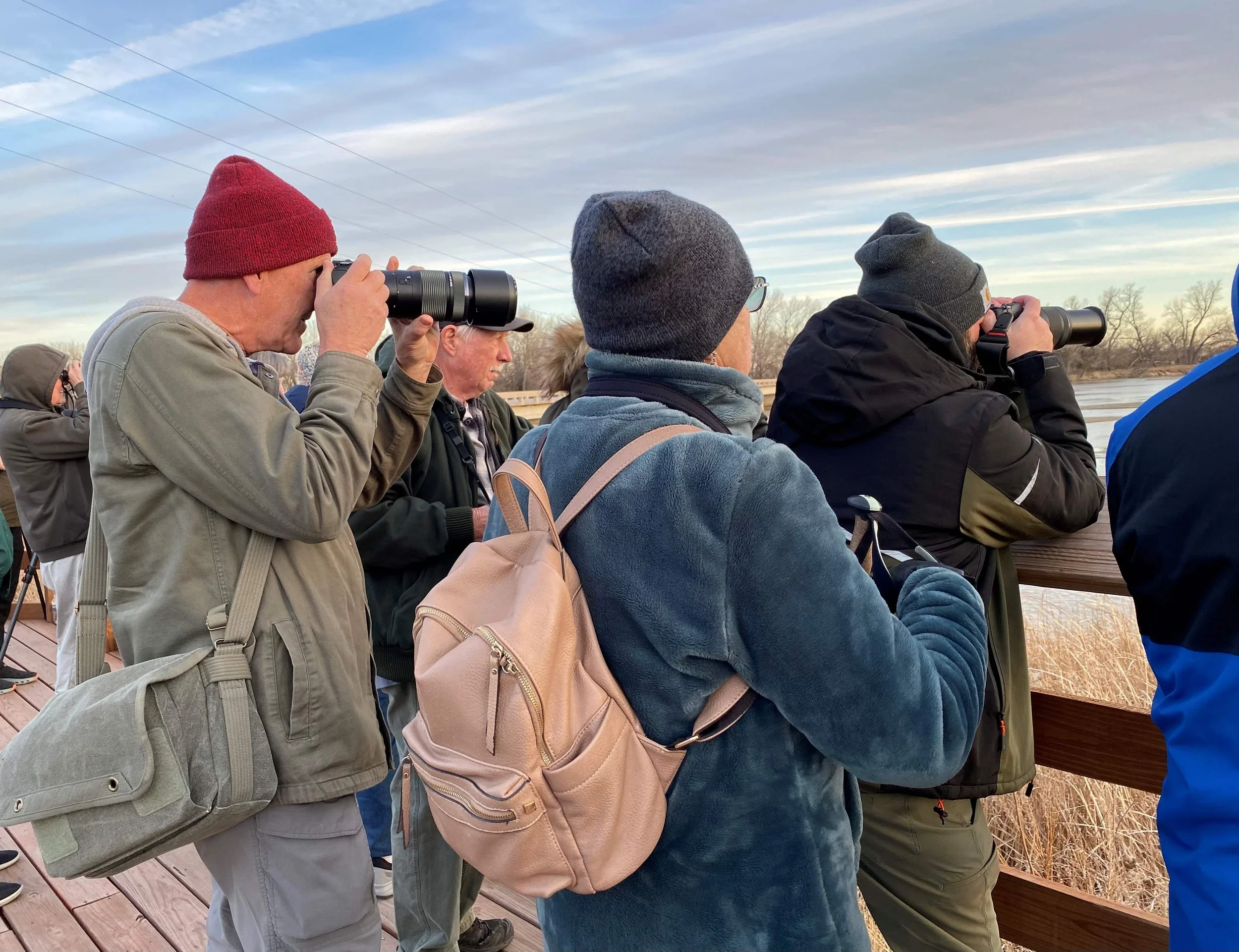
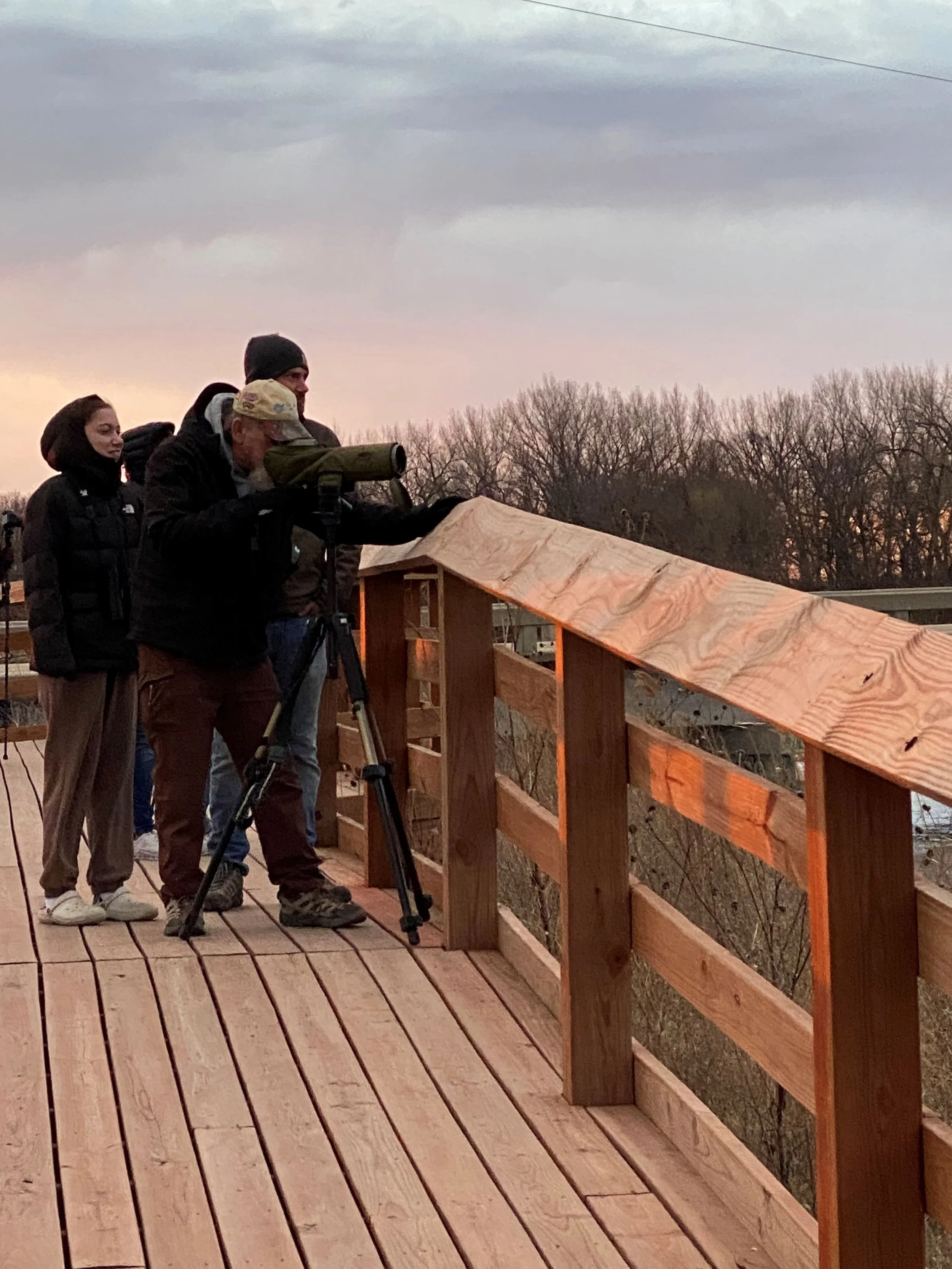
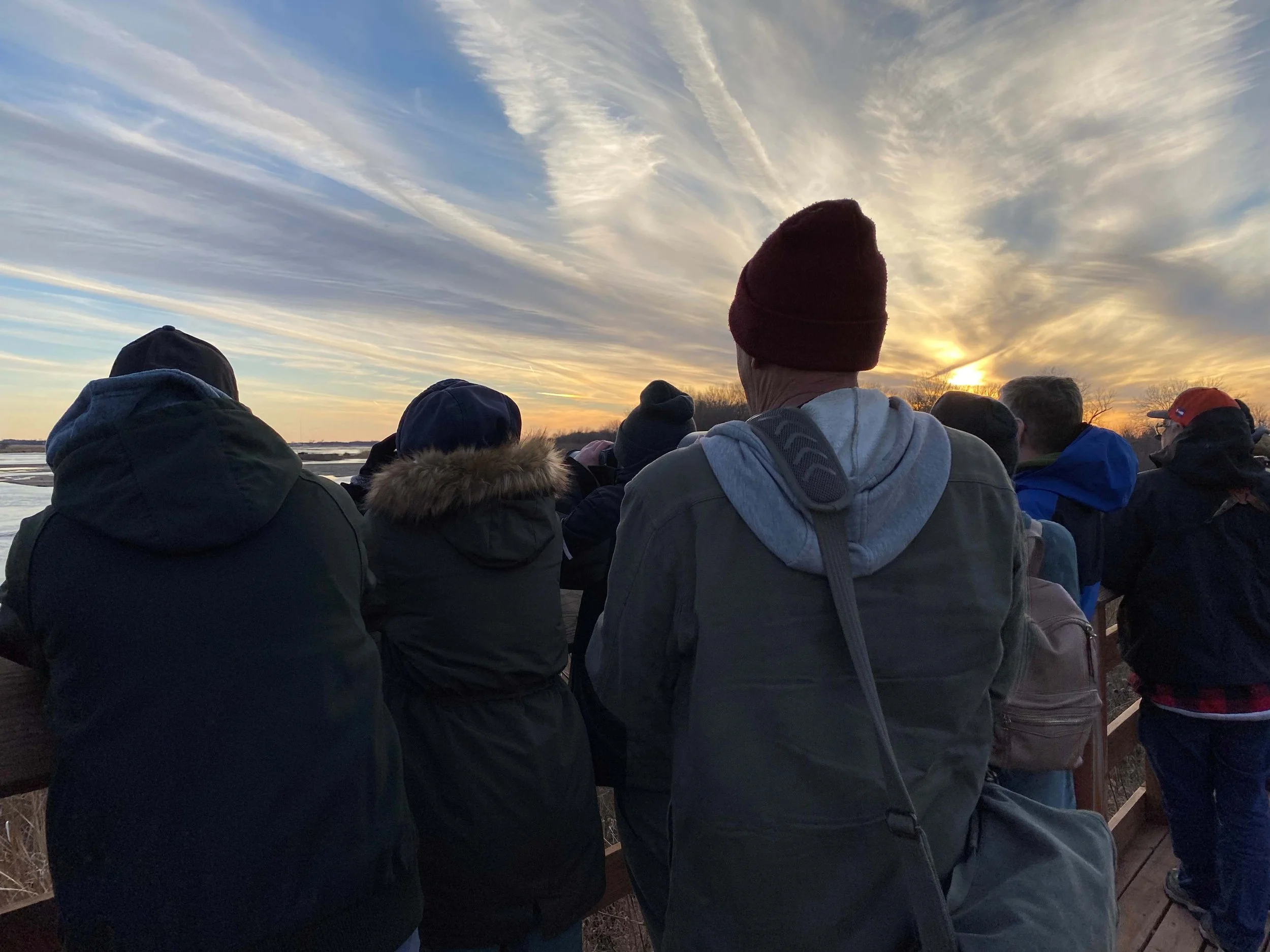
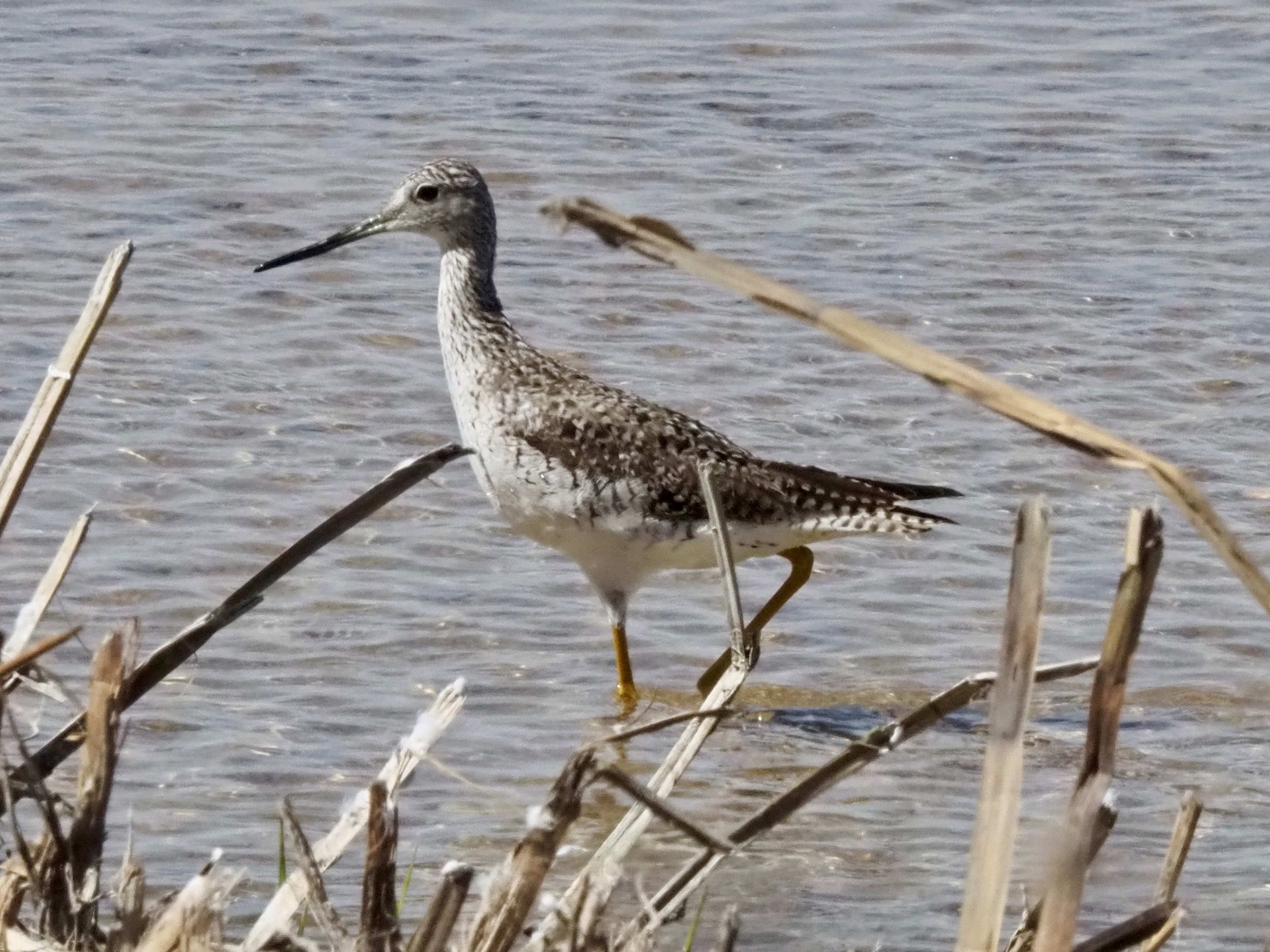
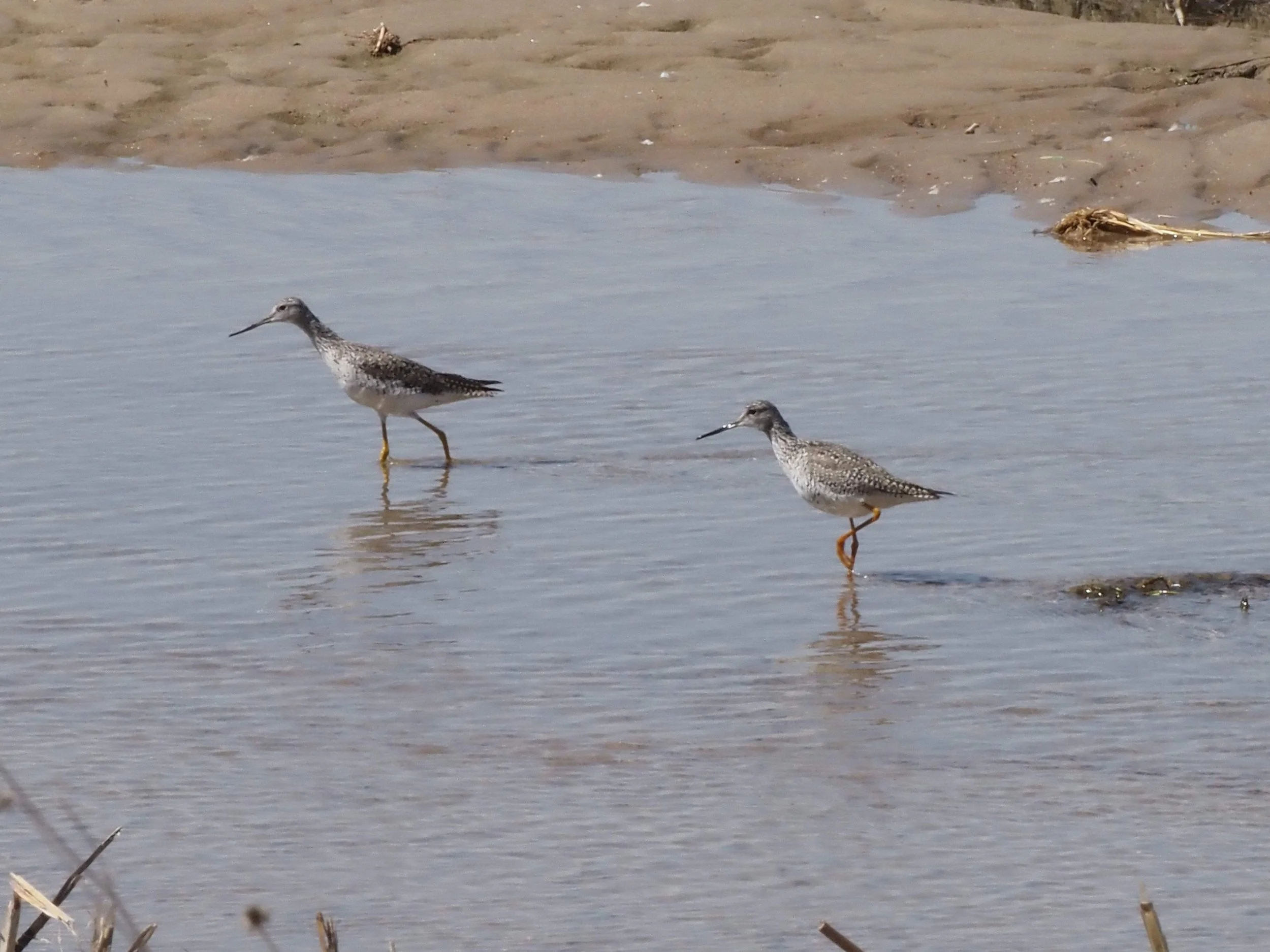
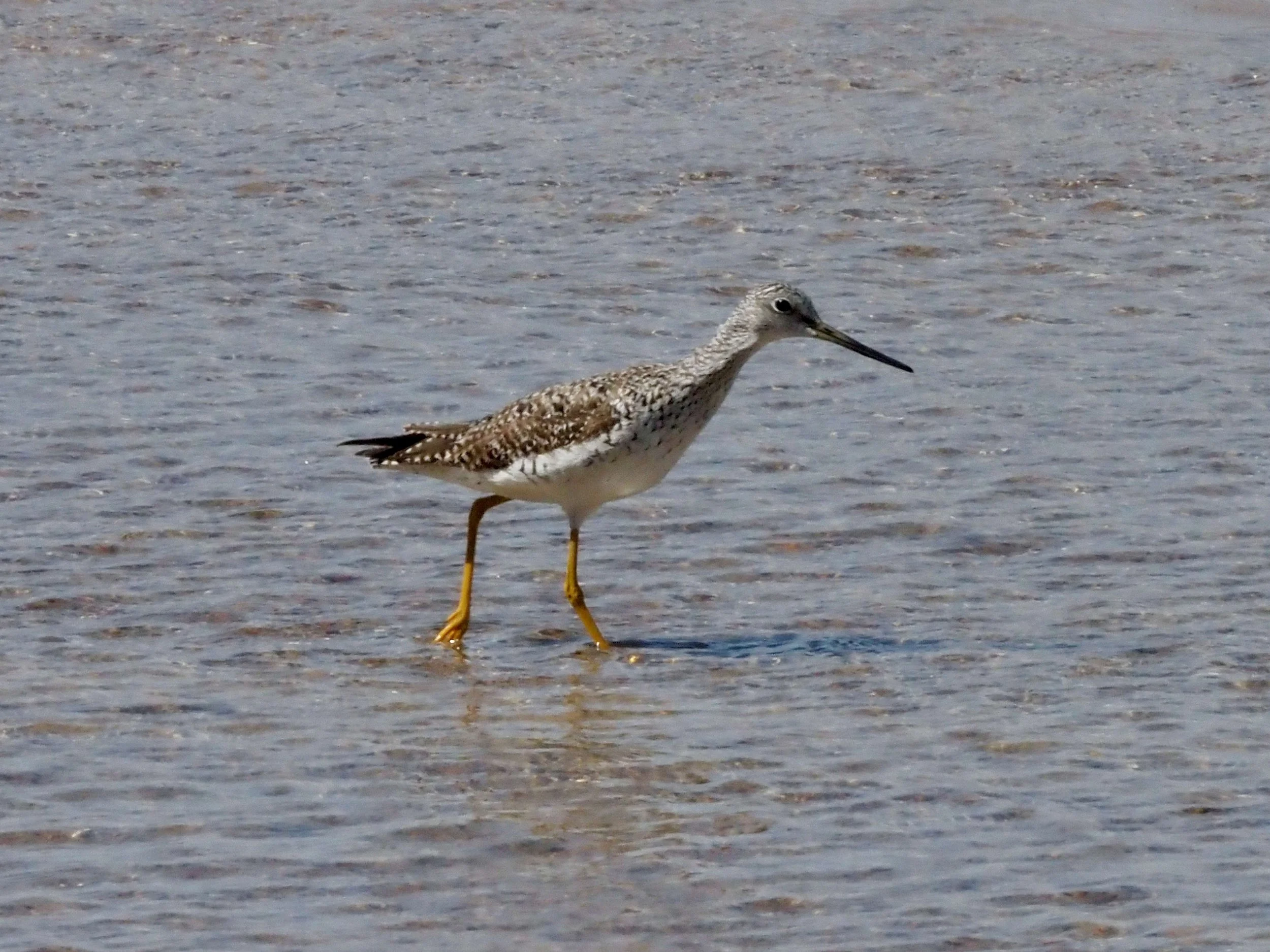
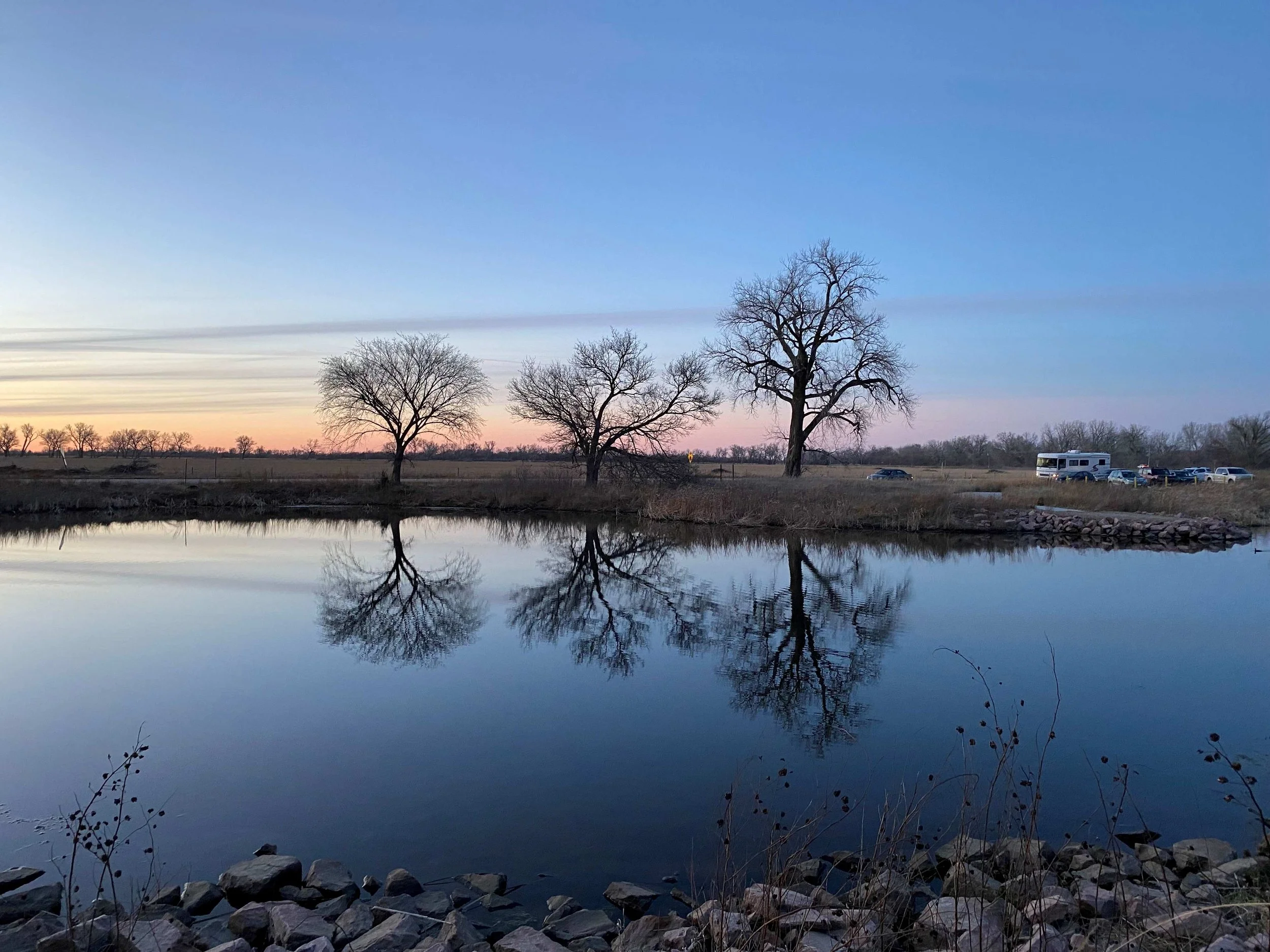
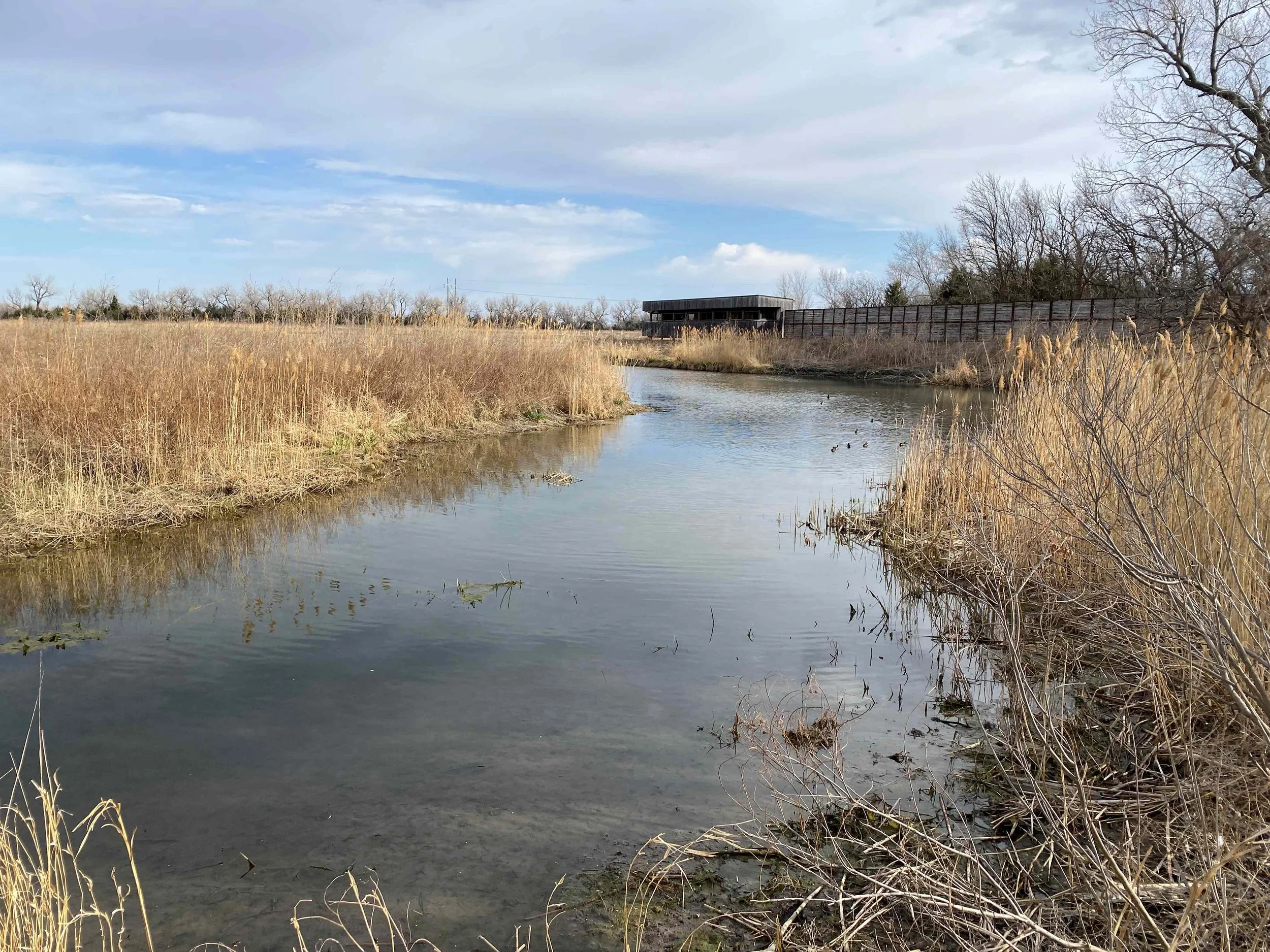
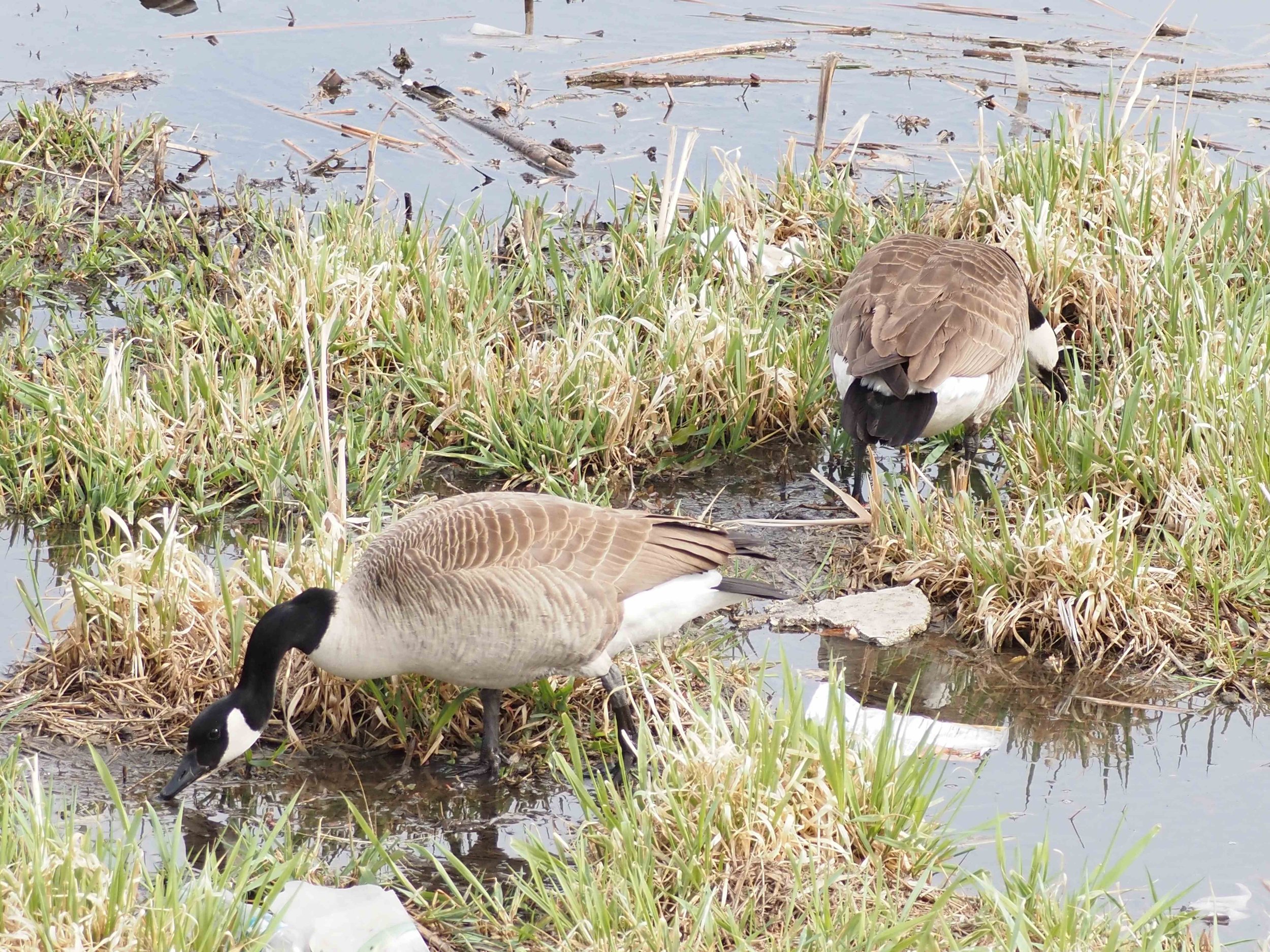
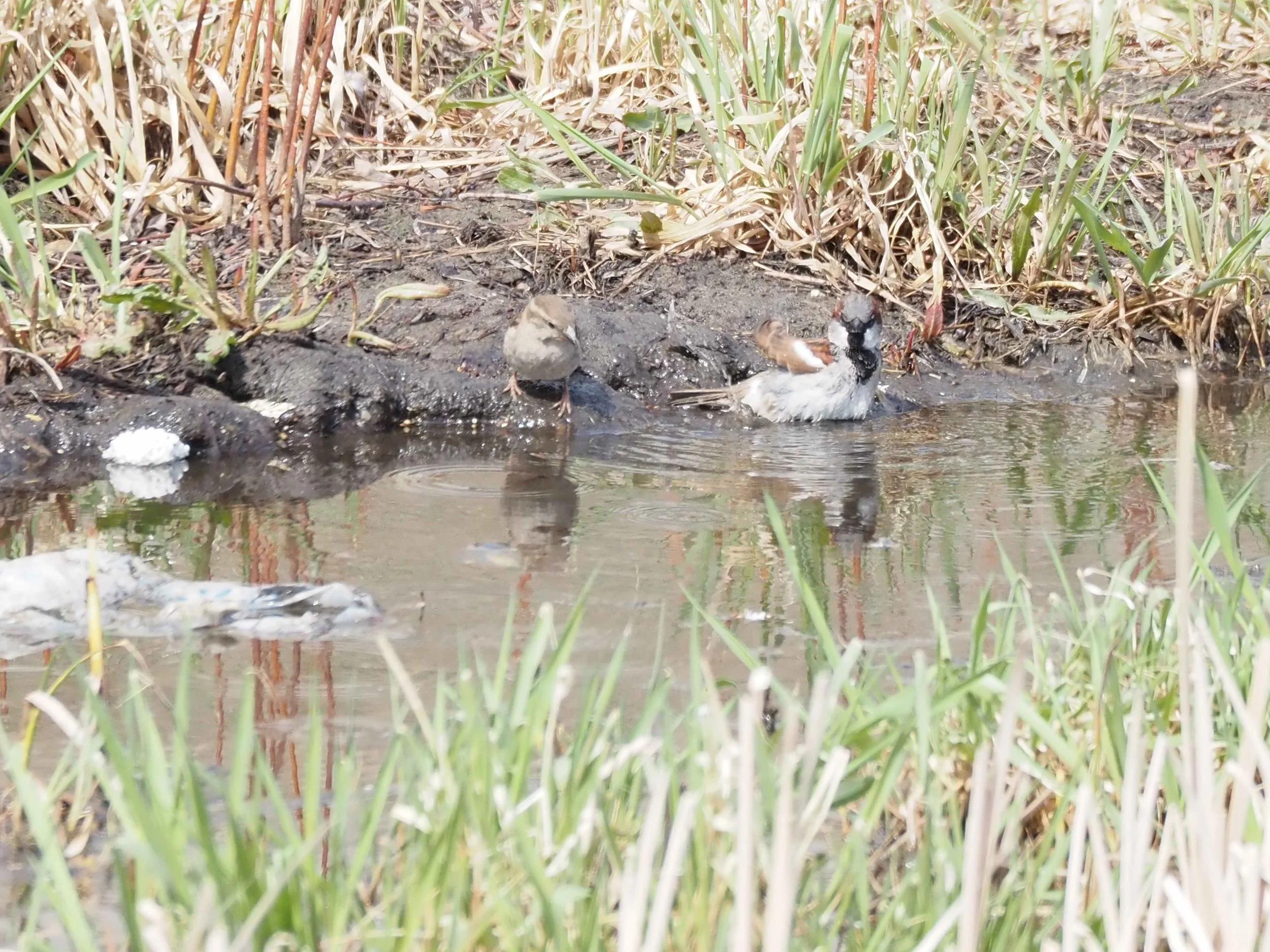
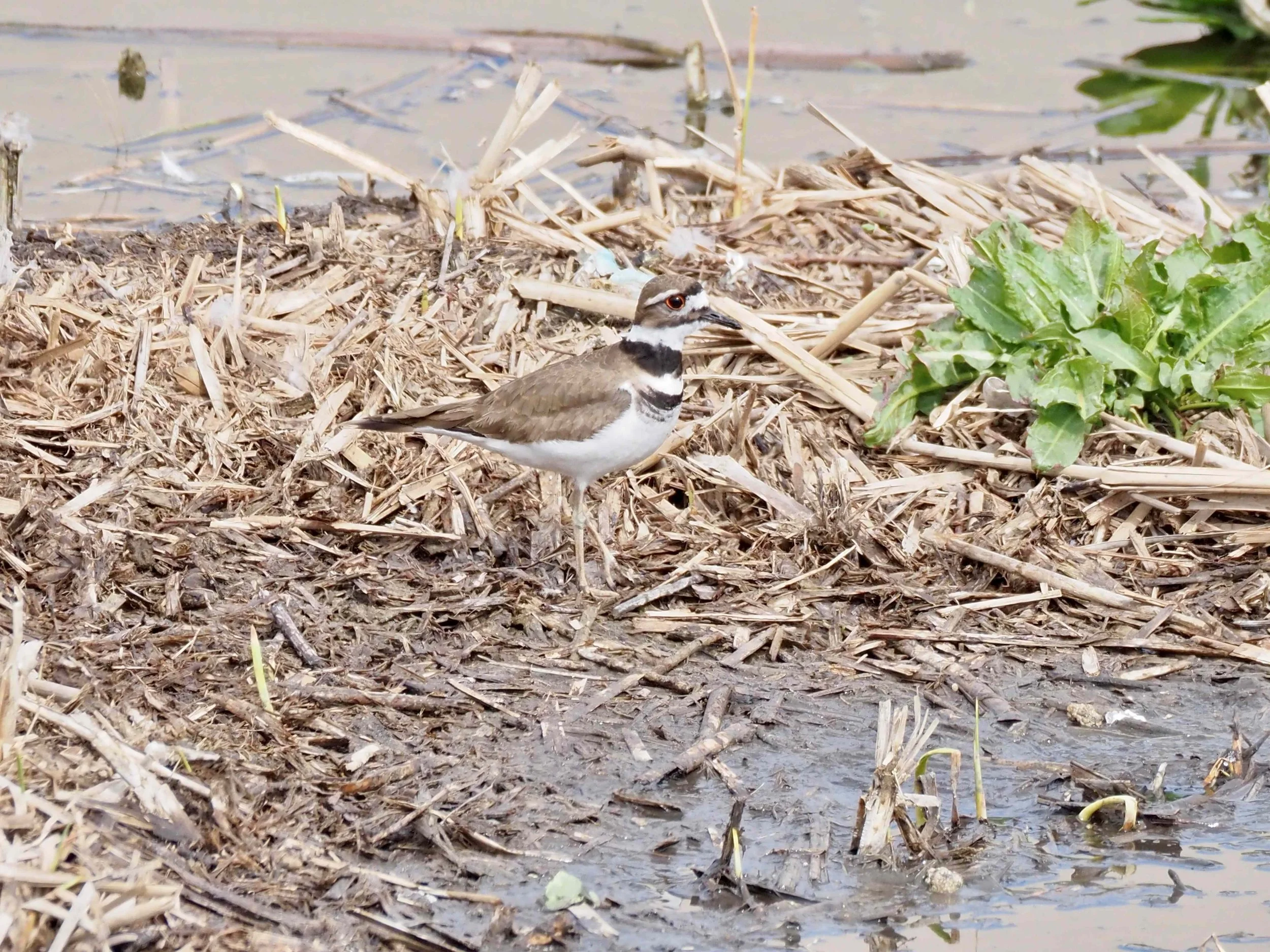
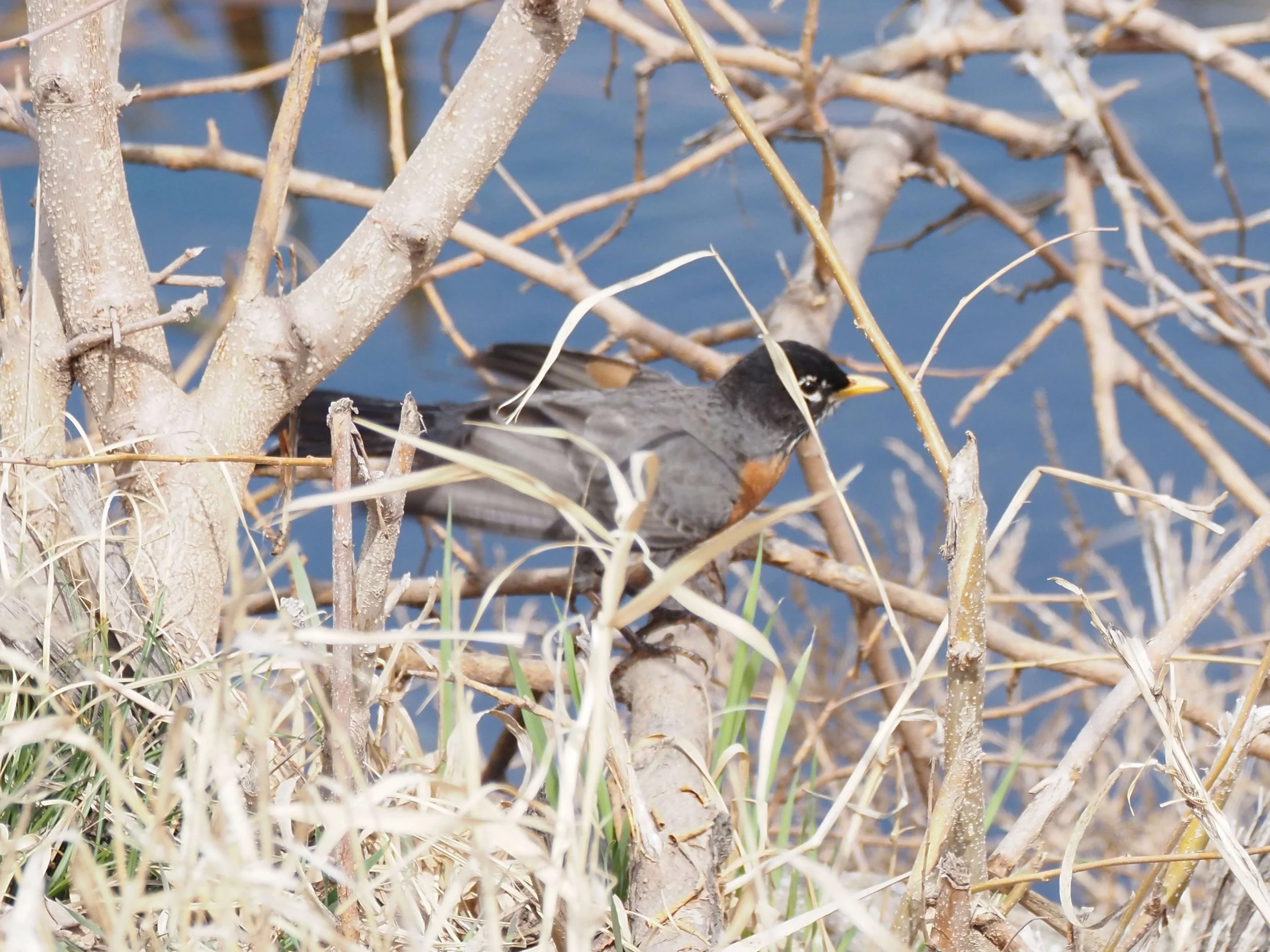
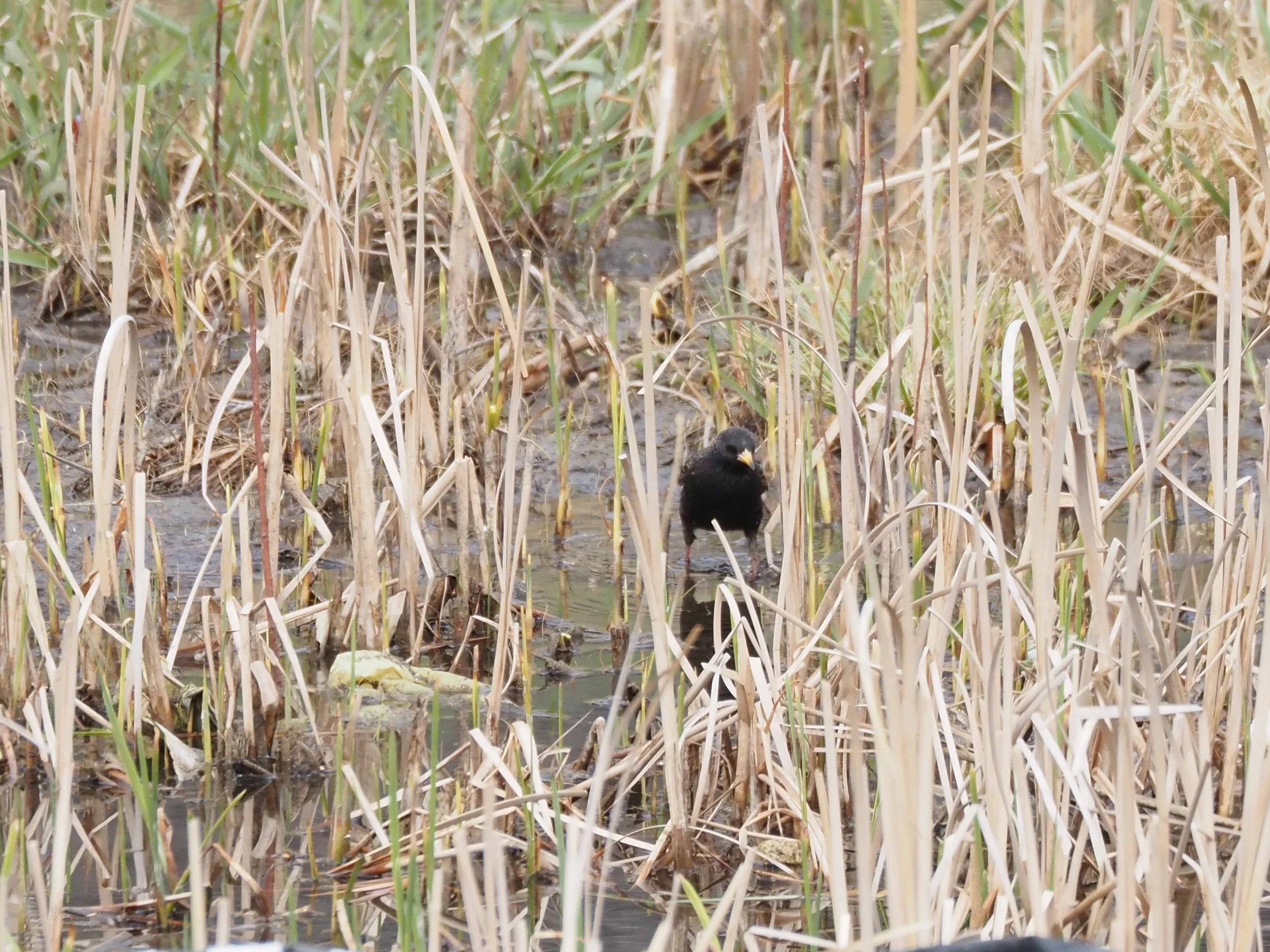
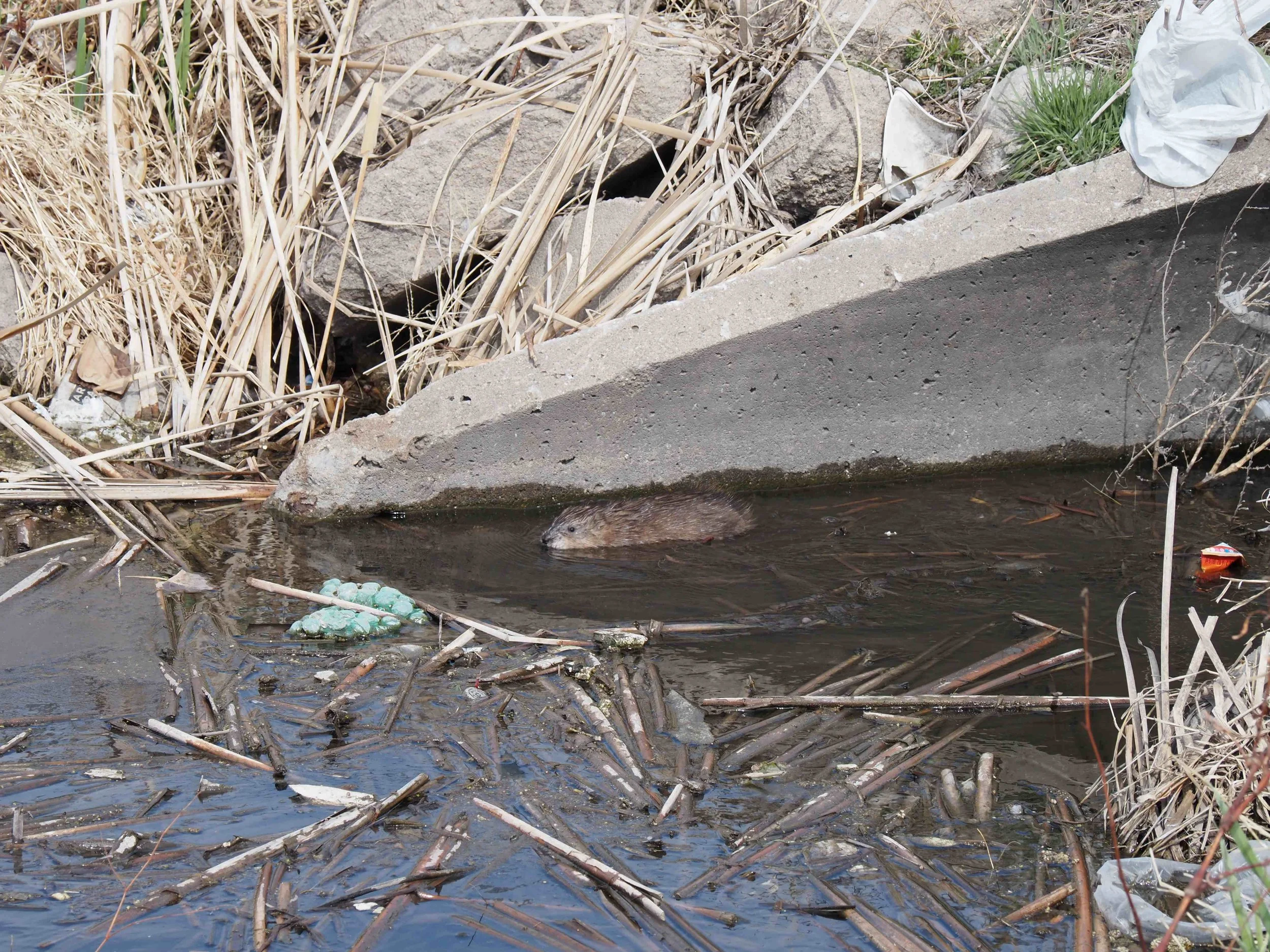
While not officially part of our birding adventures to see the Sandhill Cranes in Grand Island, the retention pond caught the eye of more than one birder who drove past it. This pond, in need of a clean-up, was filled with wildlife. Kevin and I took a few photos after checking out from the hotel. I recorded 11 species of birds as well as a busy muskrat.
Marla Kerr
Below images by Marla and Kevin Kerr 2026, used with permission
Desoto Bend & Henry Doorly Zoo Trip
saturday, february 21, 2026
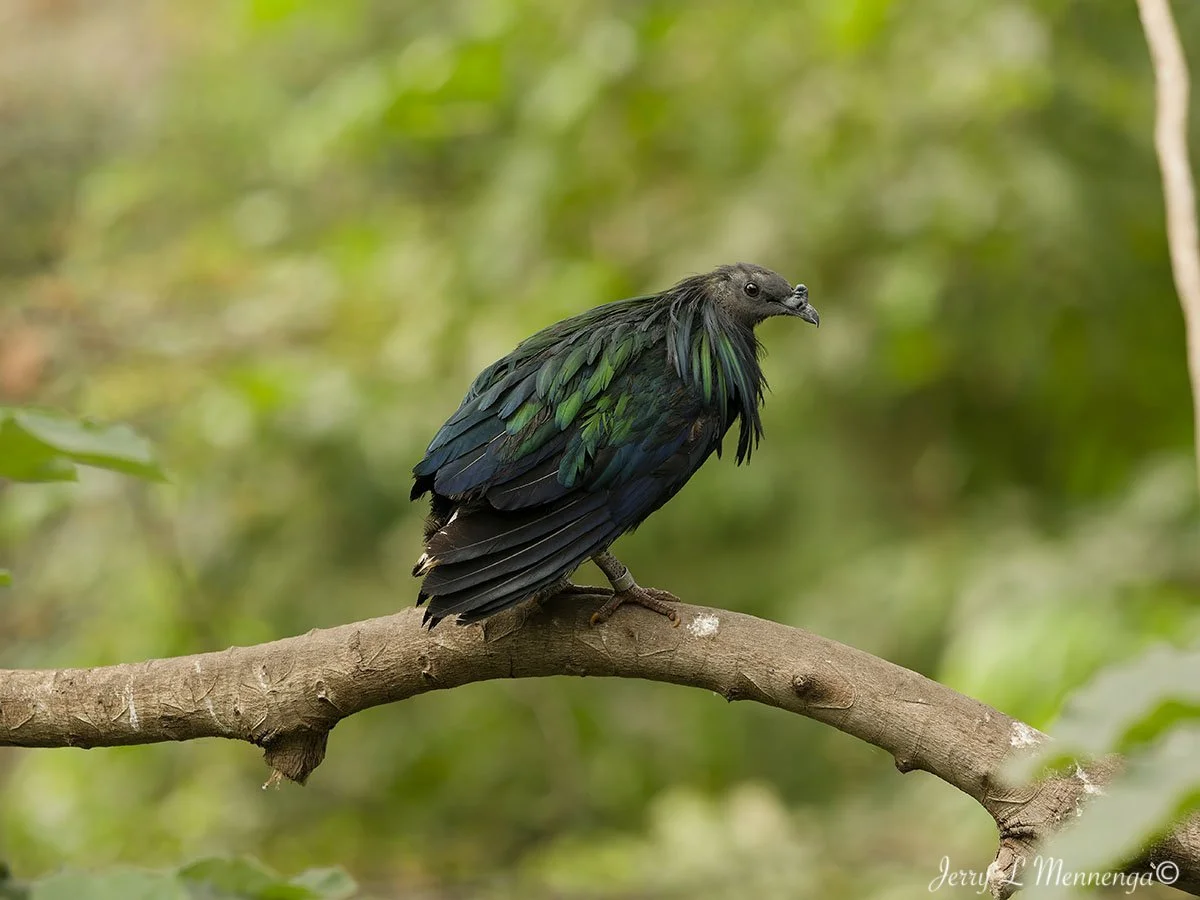
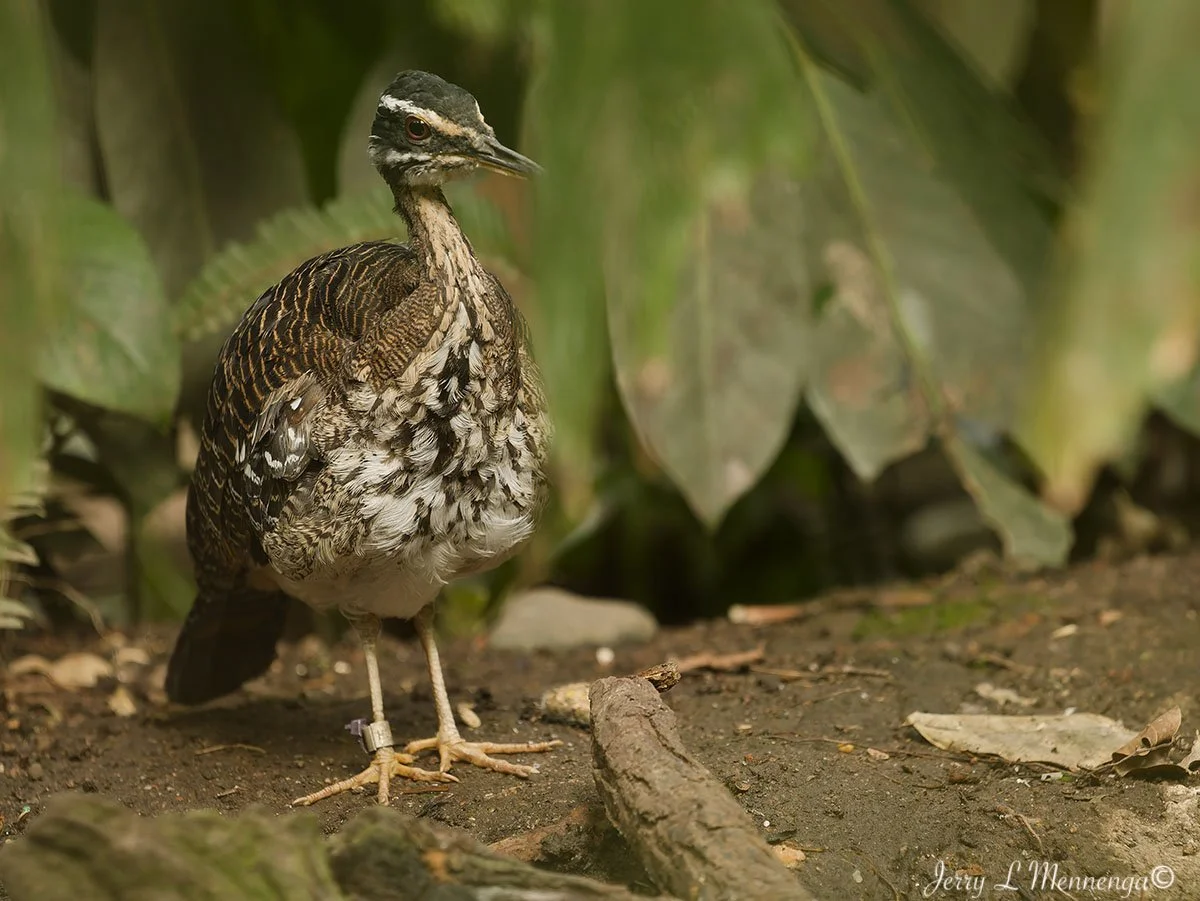
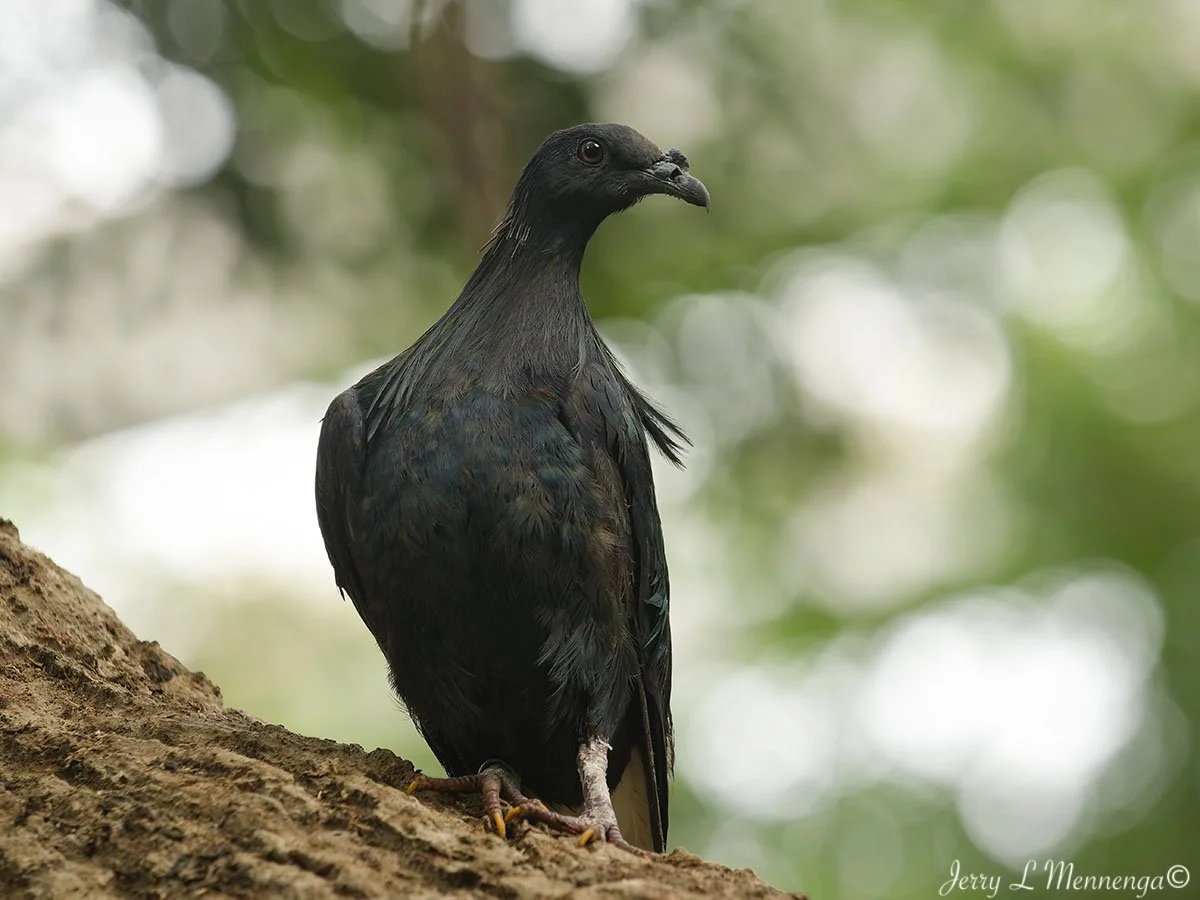
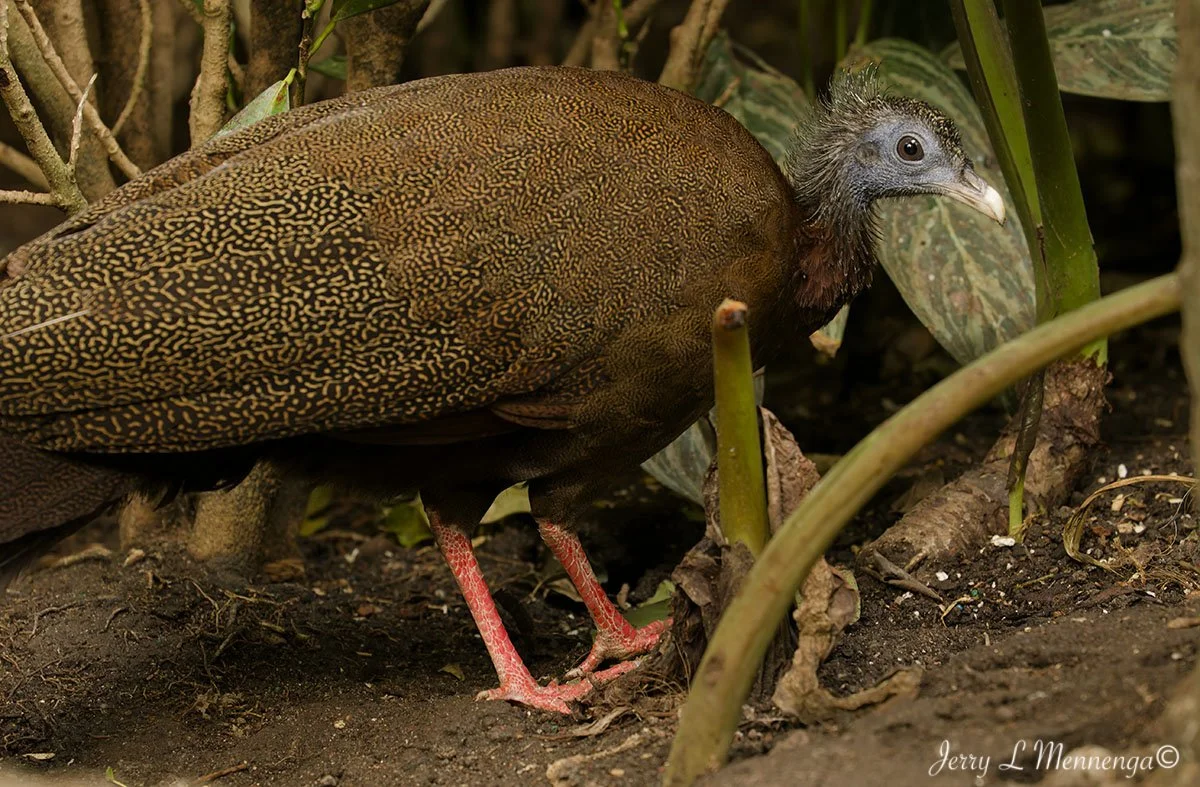
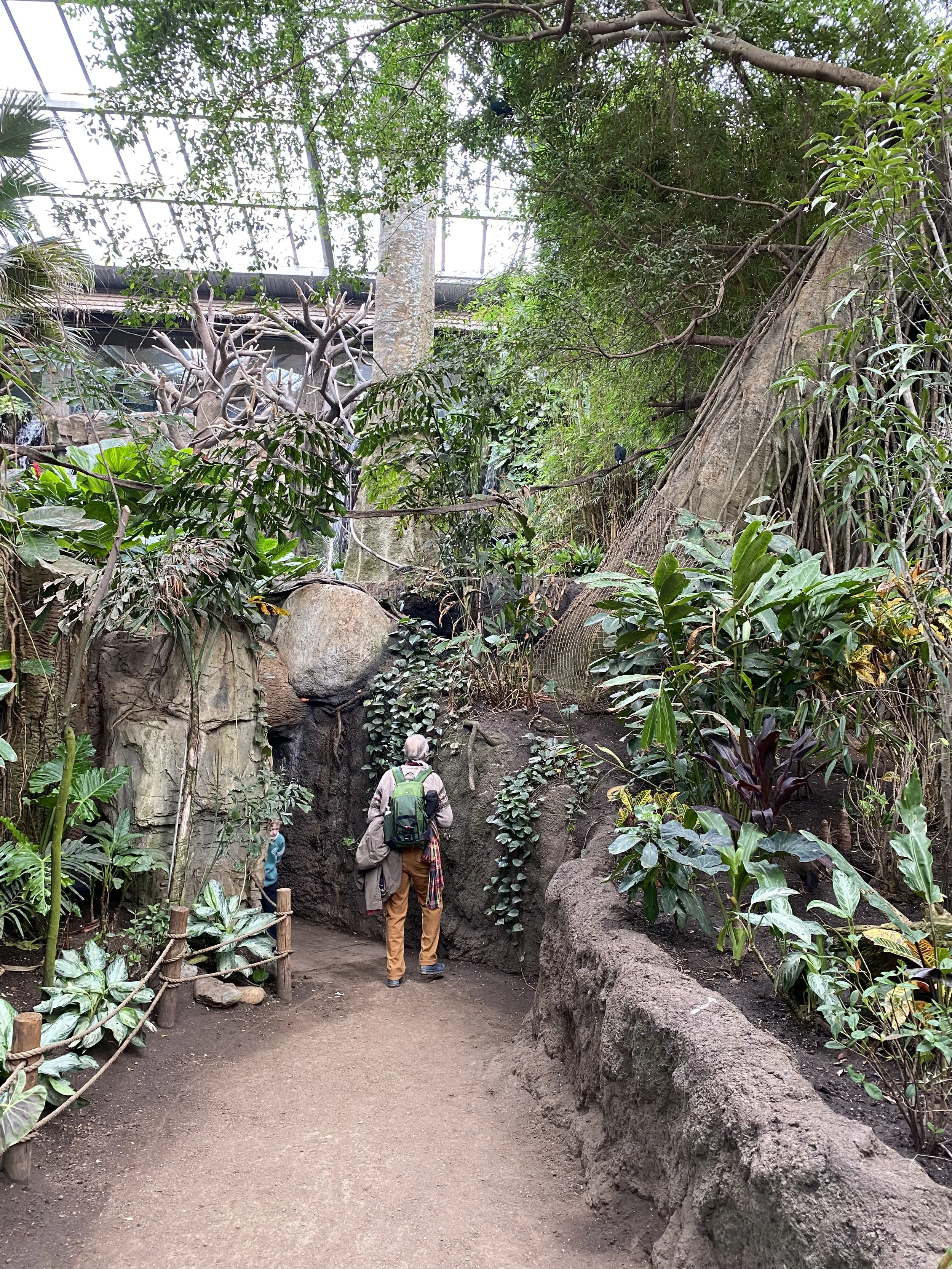
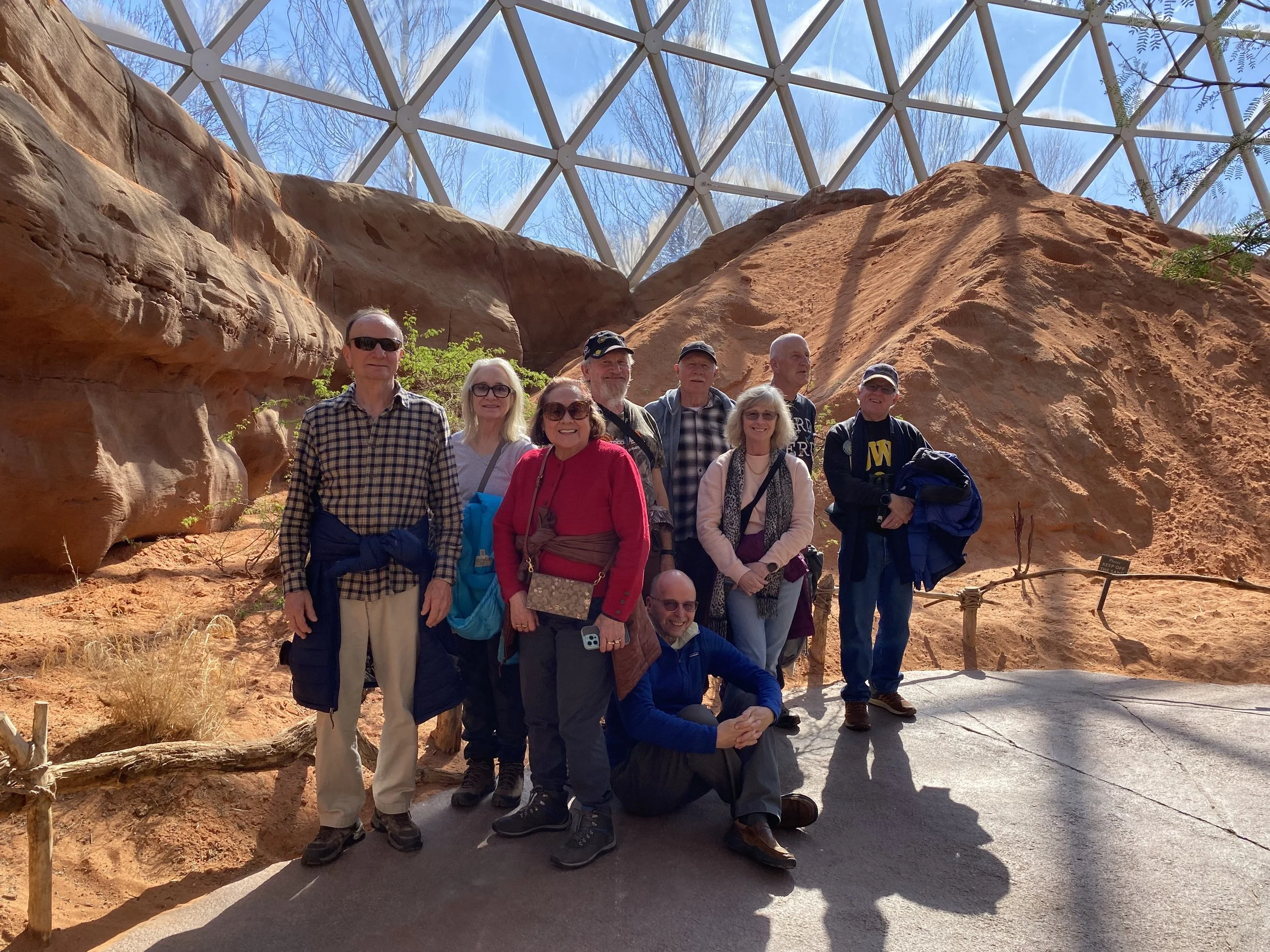
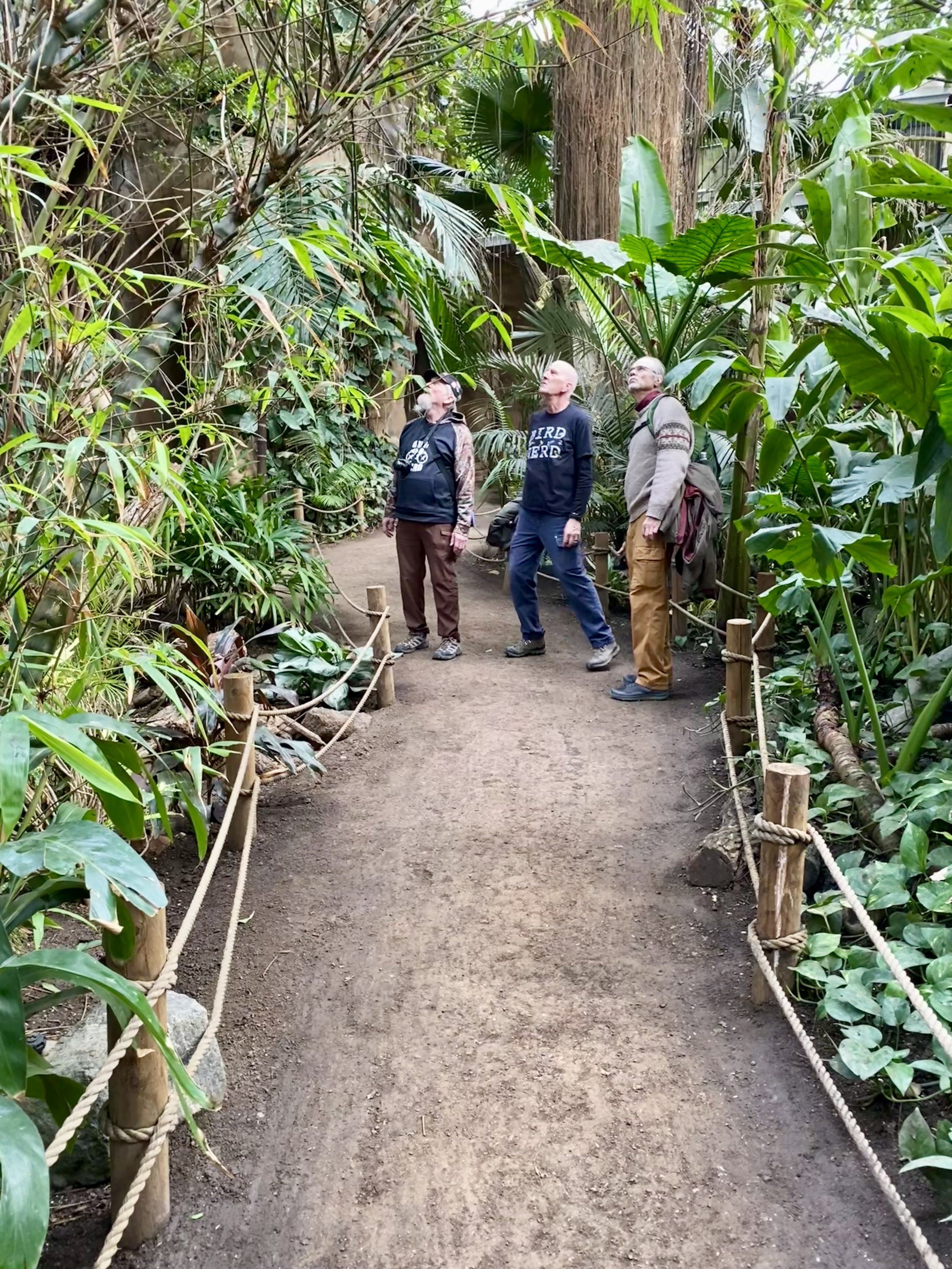
Contradicting the very meaning of the term, our February outing was to the indoor venues of Henry Doorly Zoo in Omaha on Saturday, February 21. There, we intended to study the birds of the Leid Jungle, Desert Dome, Scott Aquarium and Grewcock Butterfly Pavillion.
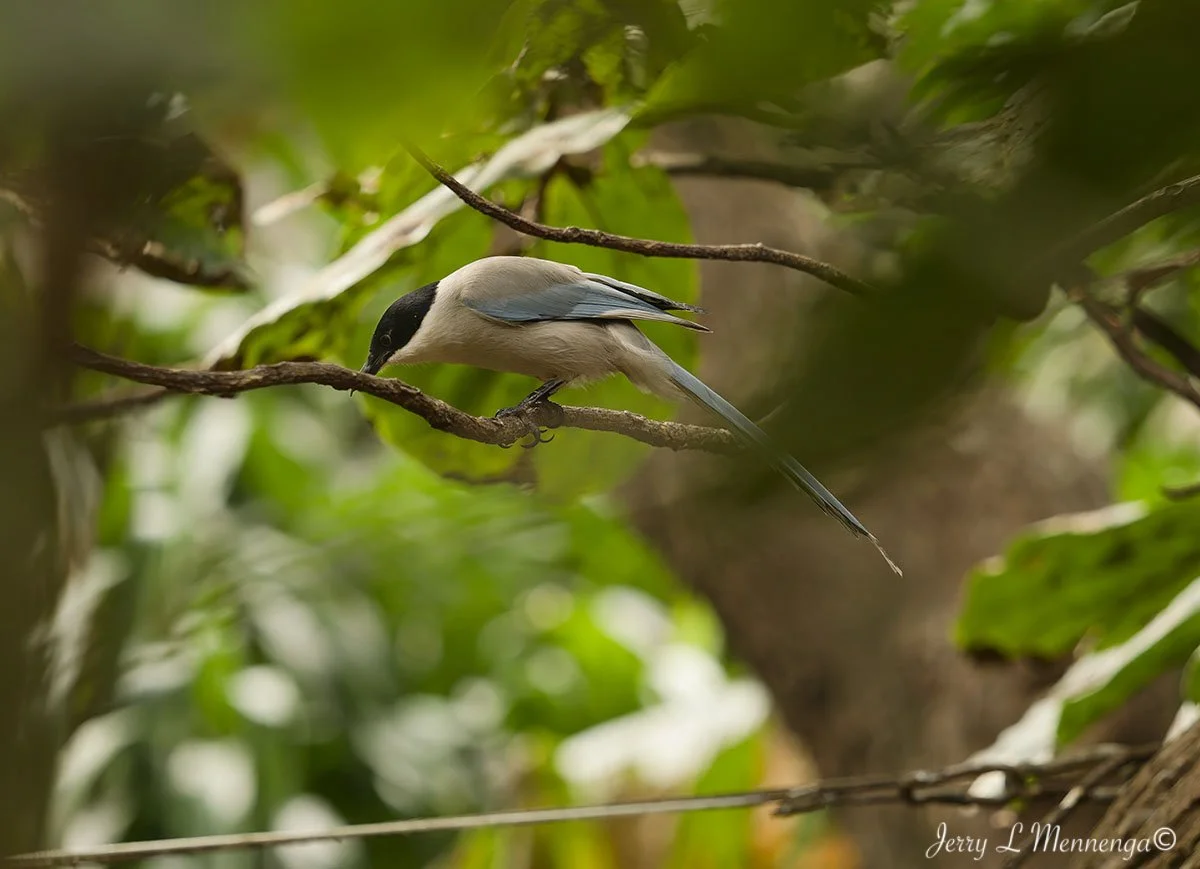
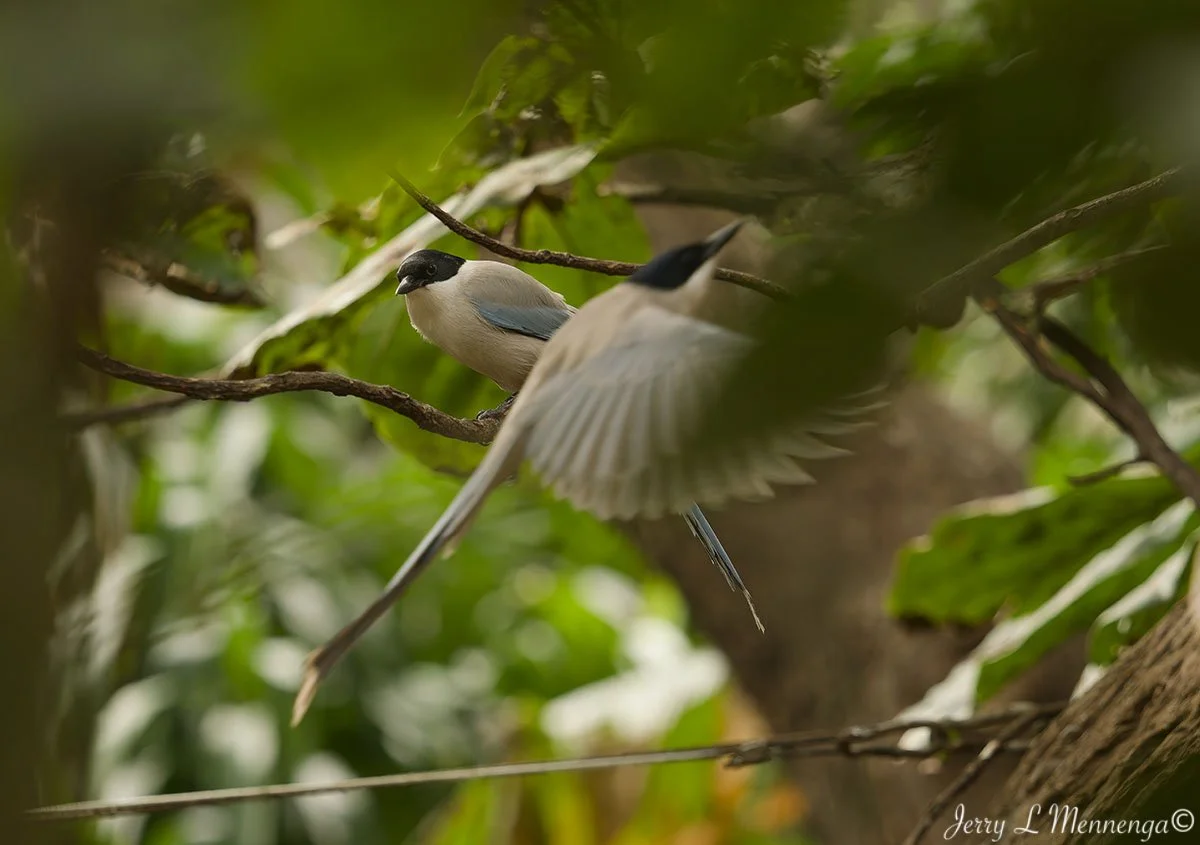
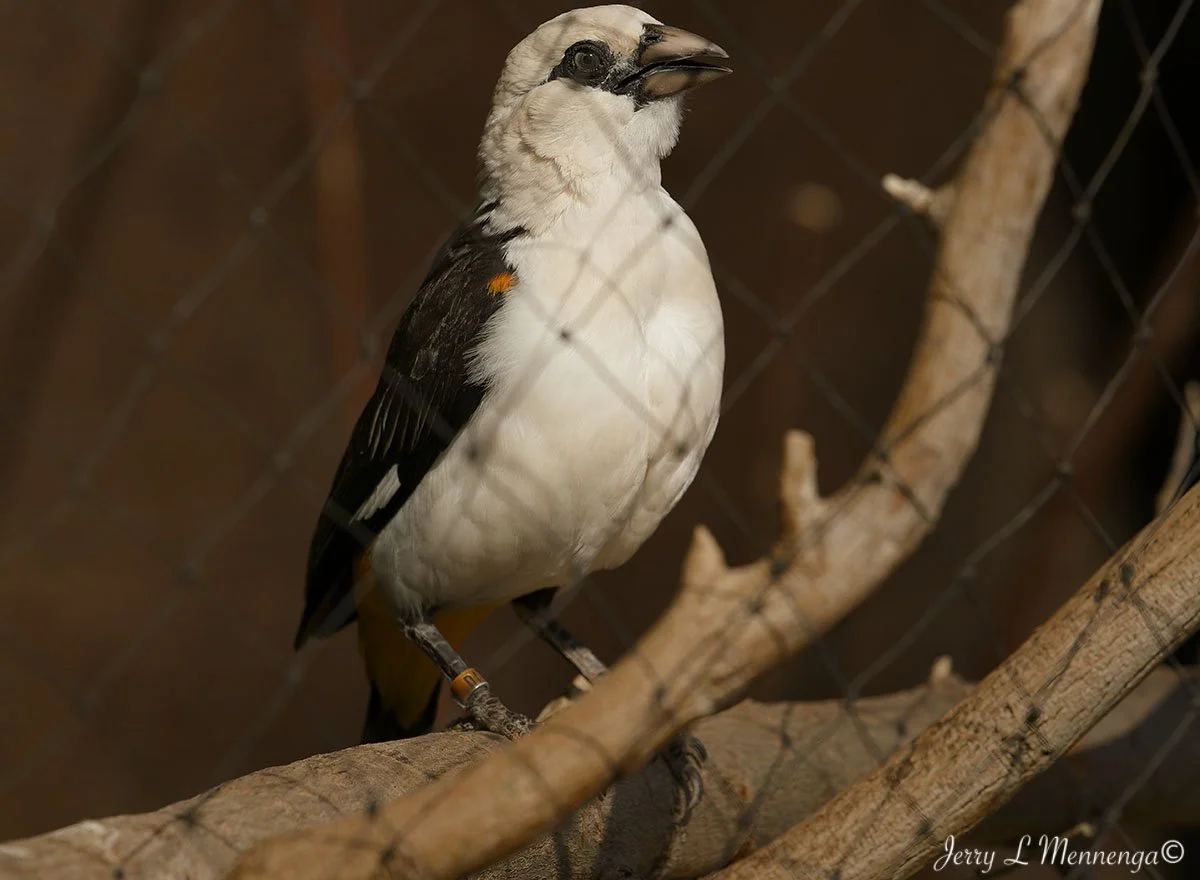
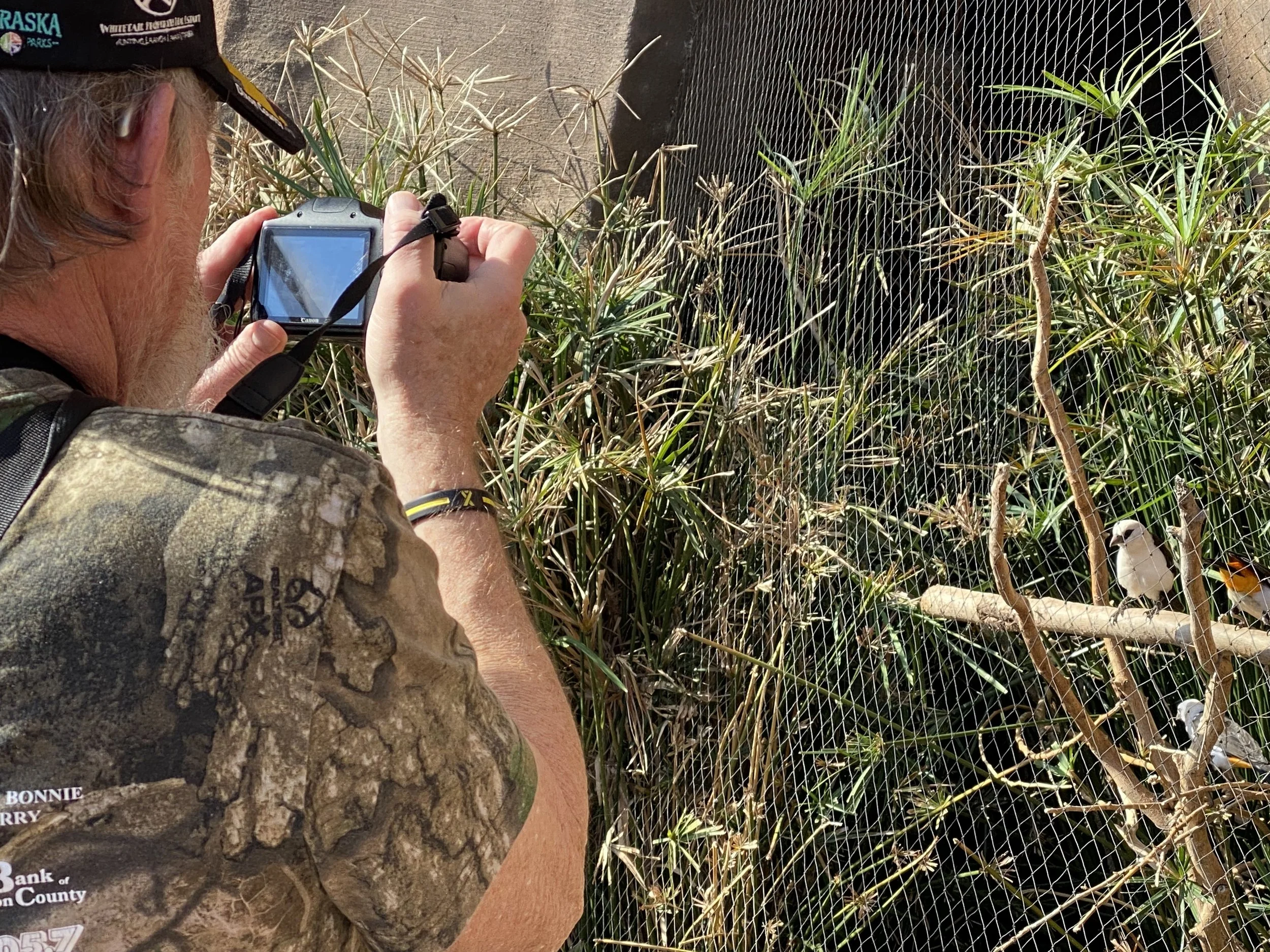
The Zoo’s avian collection includes species from all seven continents that were mostly unknown to Chapter members making the trip. We all willingly enlisted in this experiment knowing that we had no experience with these species and that we did not have the proper field guides. We would have to rely on the zoo’s signs and online sleuthing to identify nearly all the species found. We would also try to photograph many and identify them later.
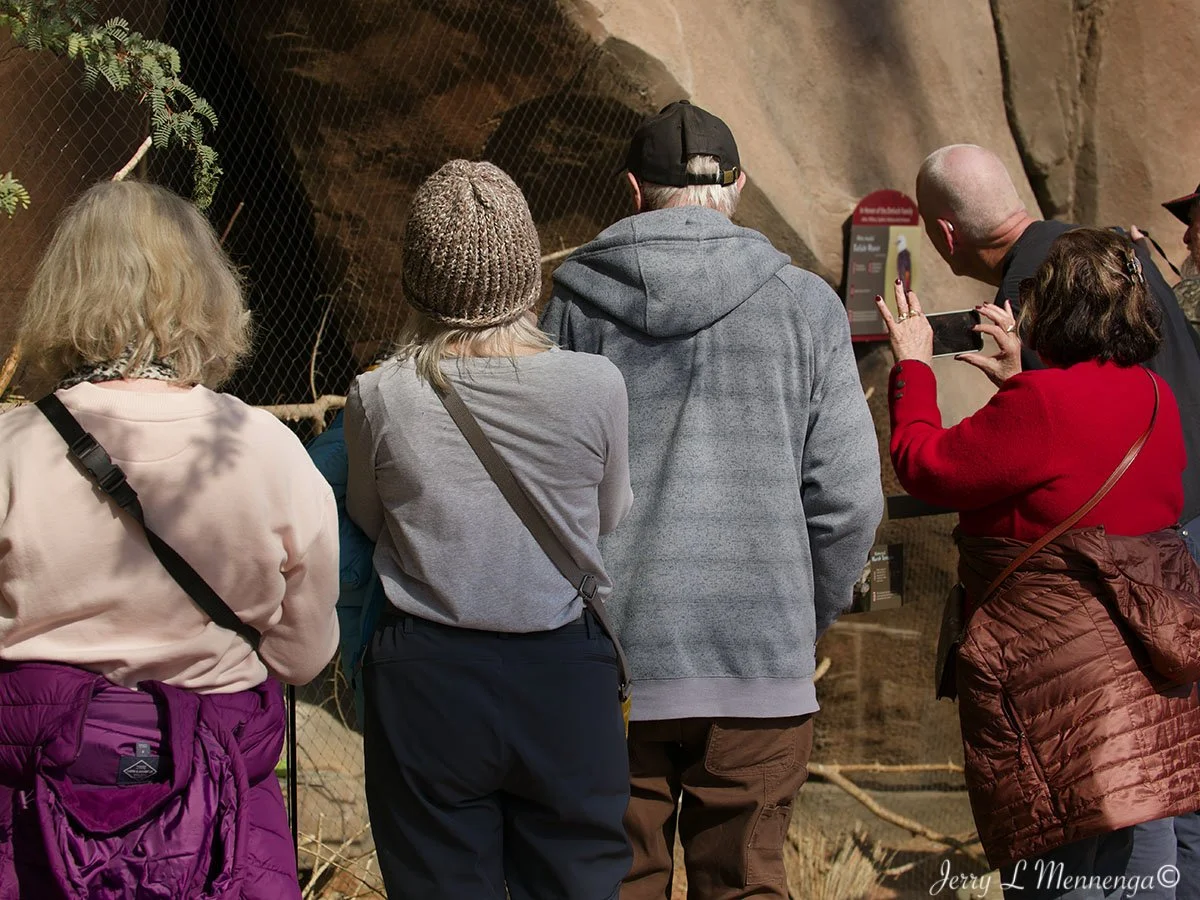
Once on site, we found the birds in enclosures easy to study and well-marked with identifying signs. However, the uncaged mysteries were hard to study and wandered far from ‘their signs’ in the large, open spaces of the Desert and Jungle. The free flying flew, the grounded hid and we struggled.
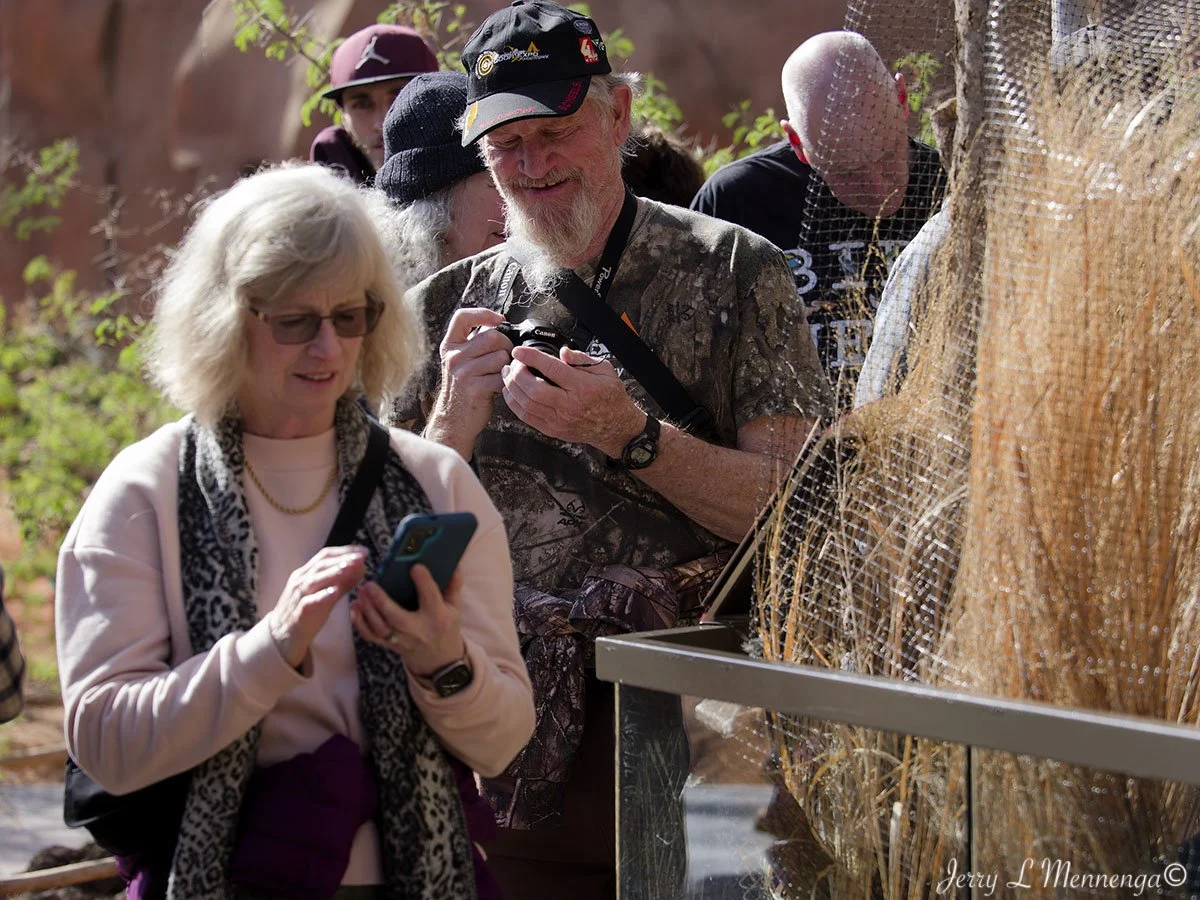
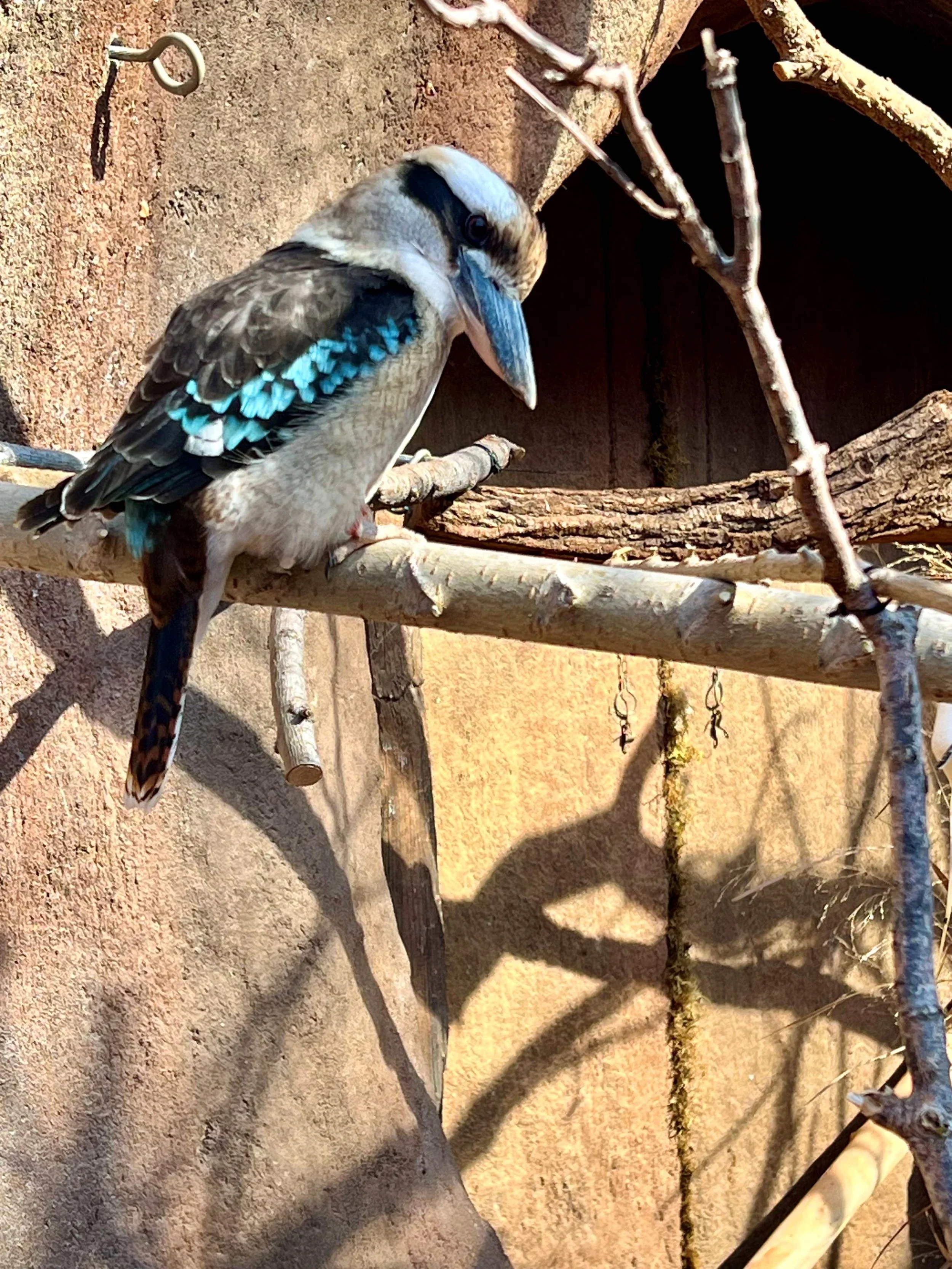
All in all, we found and identified 32 species using techniques such as photographing the signs, searching with binoculars, photographing all we could see and then matching up birds with signs or online sleuthing results. Fortunately, we were accompanied by full-time photographer Jerry Menninga who waited and crawled for the best possible shots, all greatly helping our identification efforts.
13 Participants: Sharon & John Polifka, Jerry Probst, Marla & Kevin Kerr, Rex & Maria Rundquist, Kayla Sheehan, Robert Sophere, Jerry Mennenga, Tim & Vikki Jacobs and Bill Huser.
Species:
Cape Teal (Africa) Common Murre (North America)
Yellow-billed Duck (Africa) Tufted Puffin (North America/ Pacific)
Baer’s Pochard (E. Asia) Atlantic Puffin (North America/ Atlantic)
Victoria Crowned Pigeon (New Guinea) Gentoo Penguin (Antarctica)
Nicobar Pigeon (SE Asia) Rockhopper Penguin (Antarctica)
Luzon Bleeding Heart Dove (Philippines) King Penguin (Antarctica)
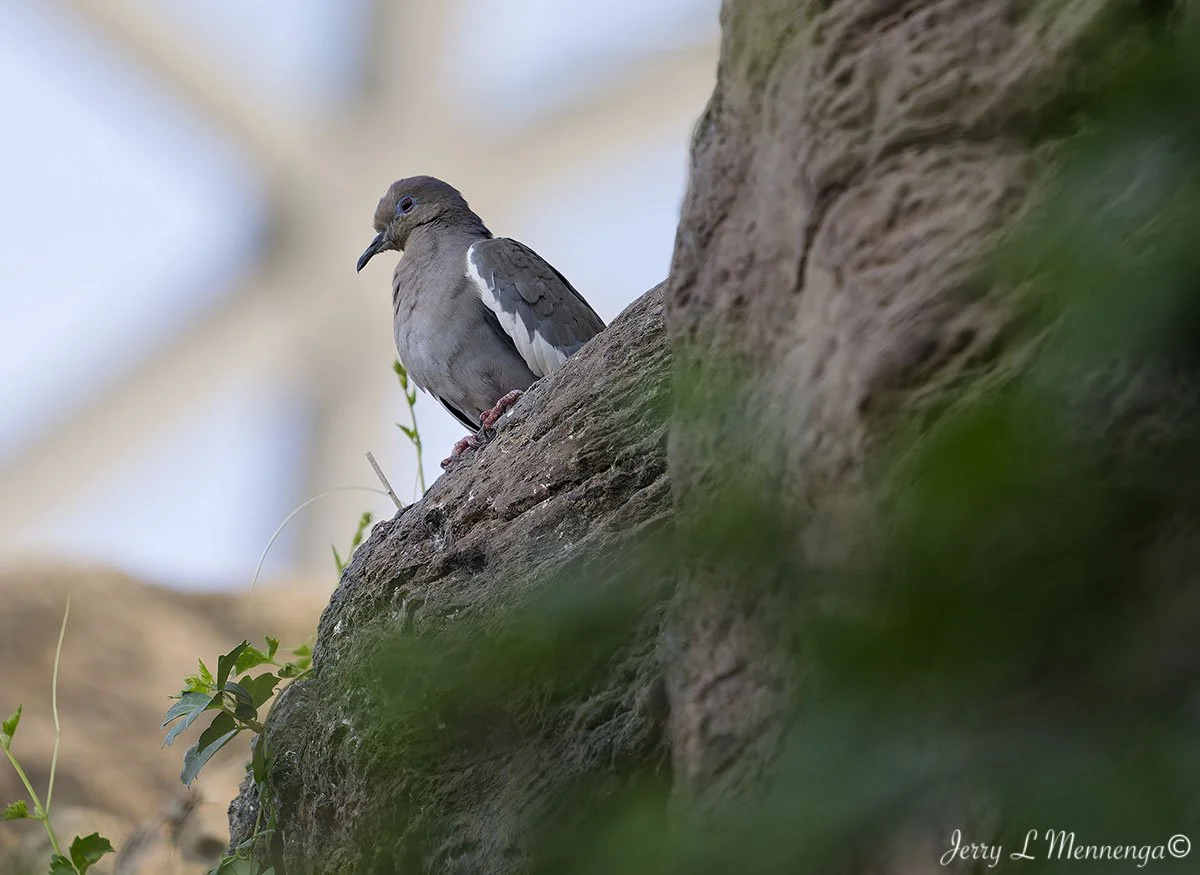
White-winged Dove (N. America) White-cheeked Turaco (Africa)
Argus Pheasant (SE Asia) Honey Creeper (Hawaii)
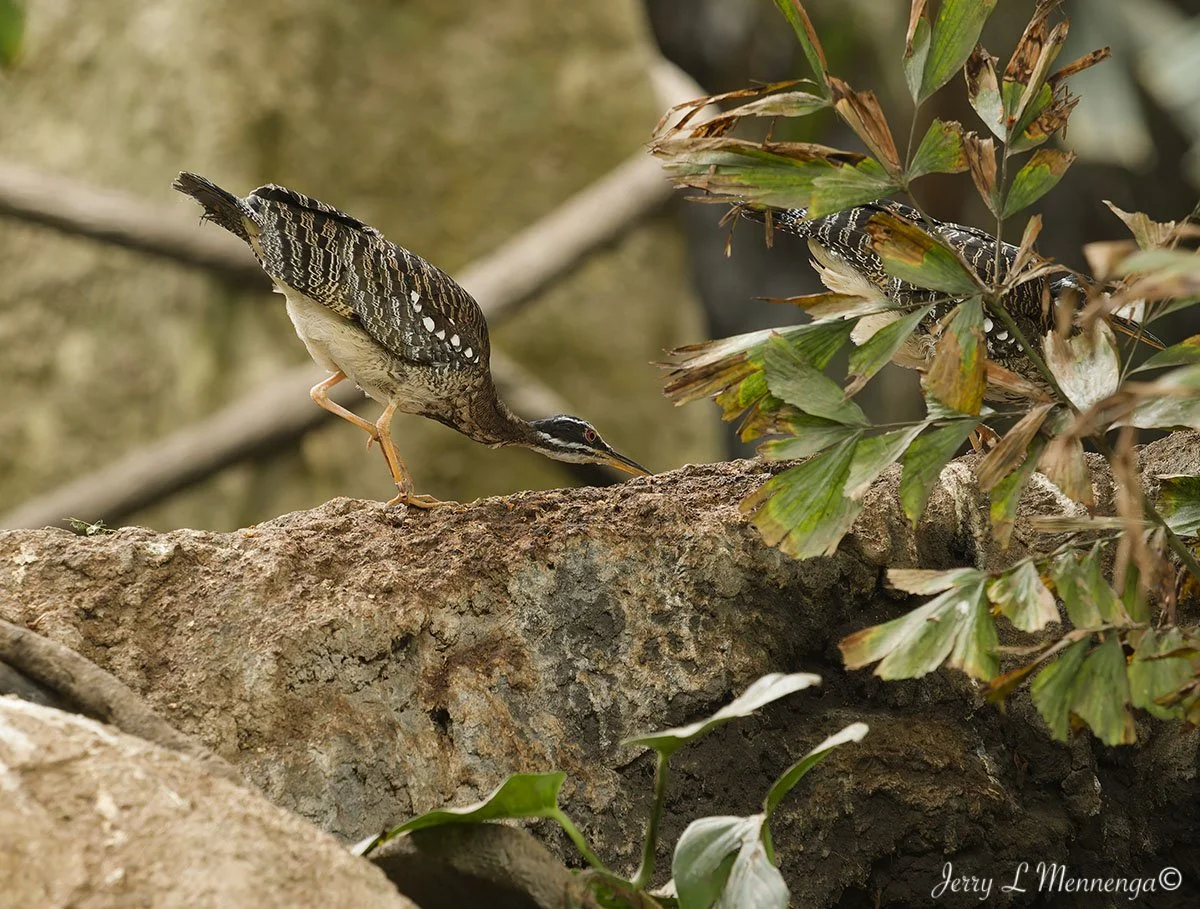
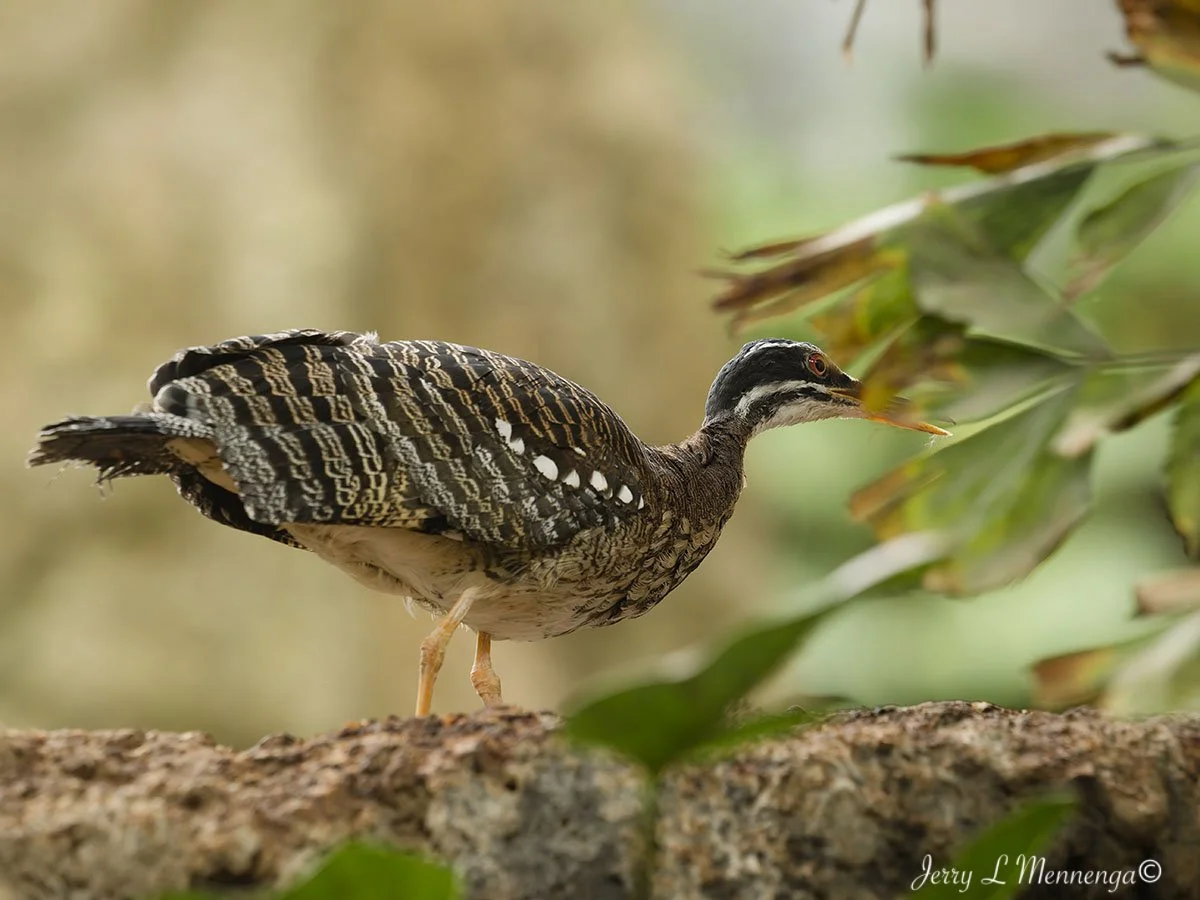
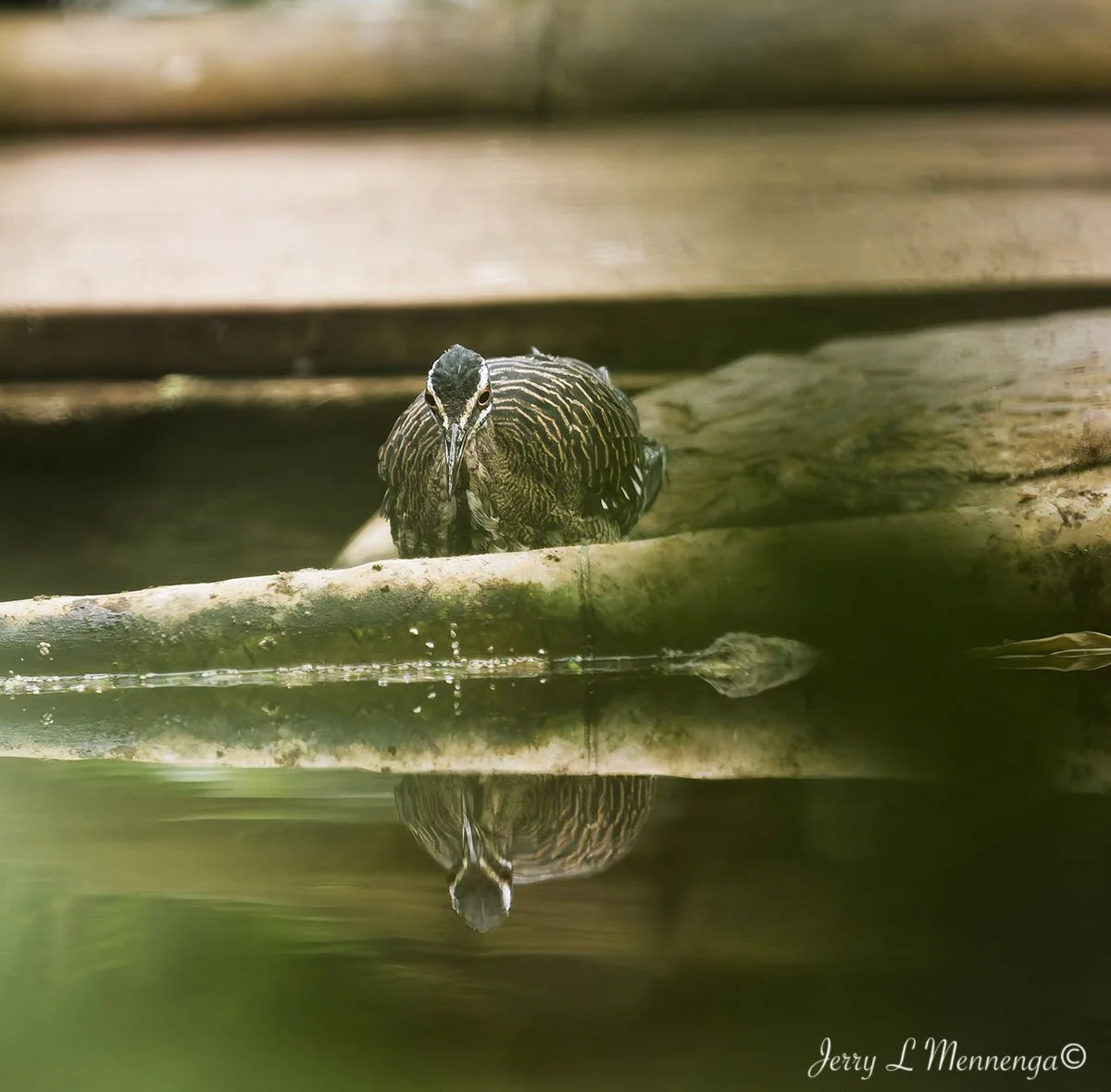
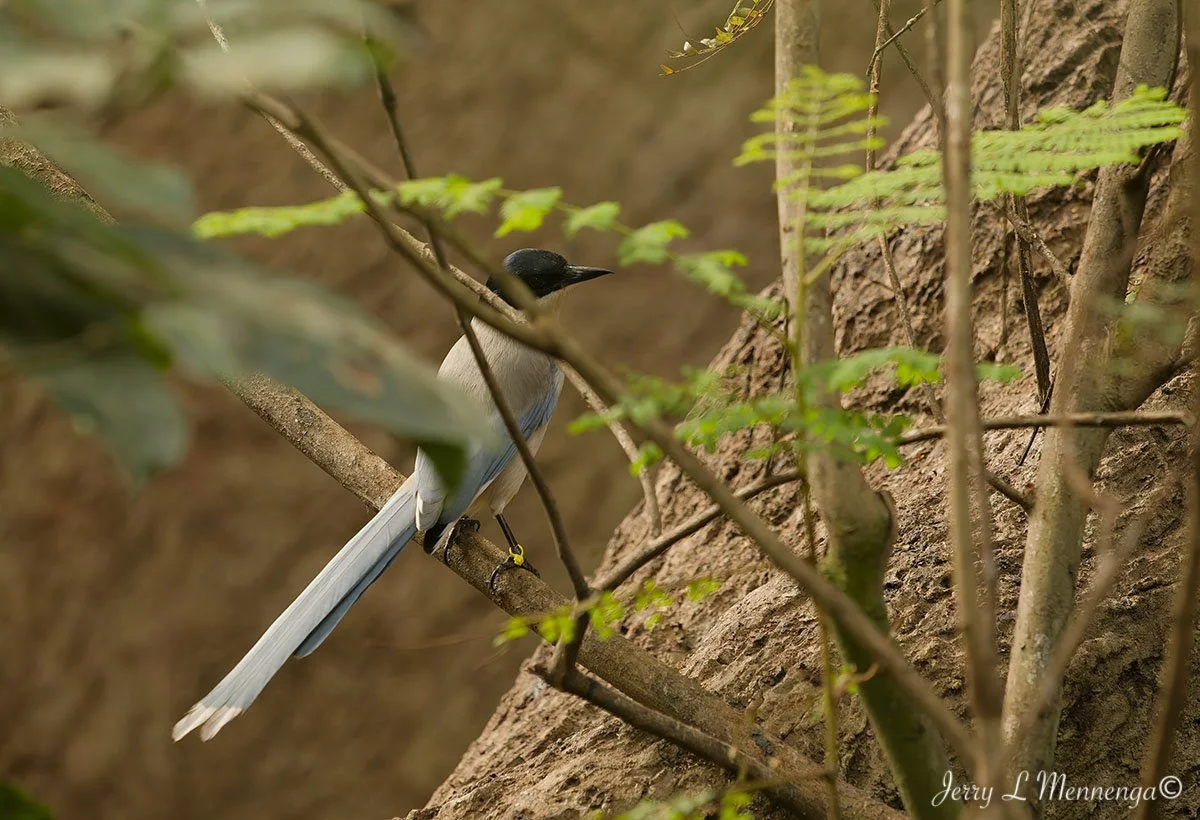
Sun Bittern (C., S. America) Azure-winged Magpie (E. Asia)
Hadada Ibis (Africa) Speckled Mousebird (Africa)
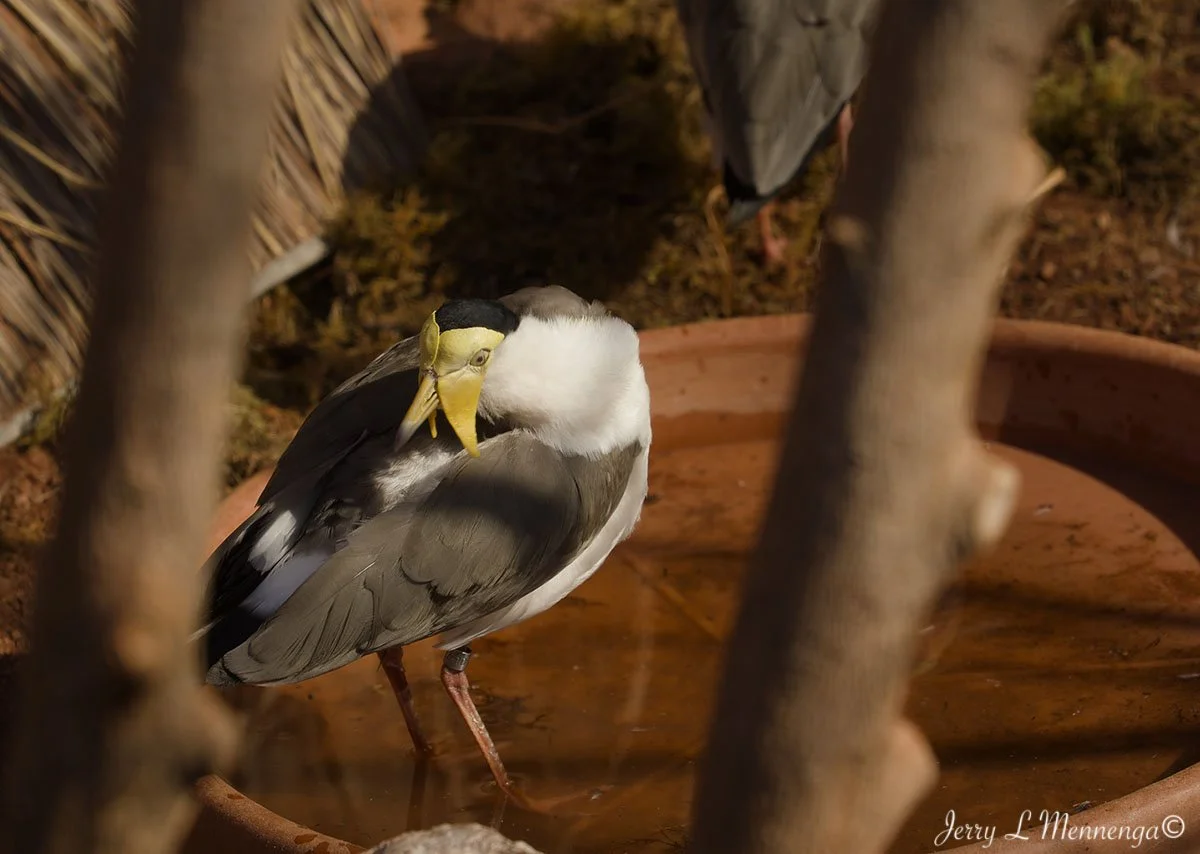
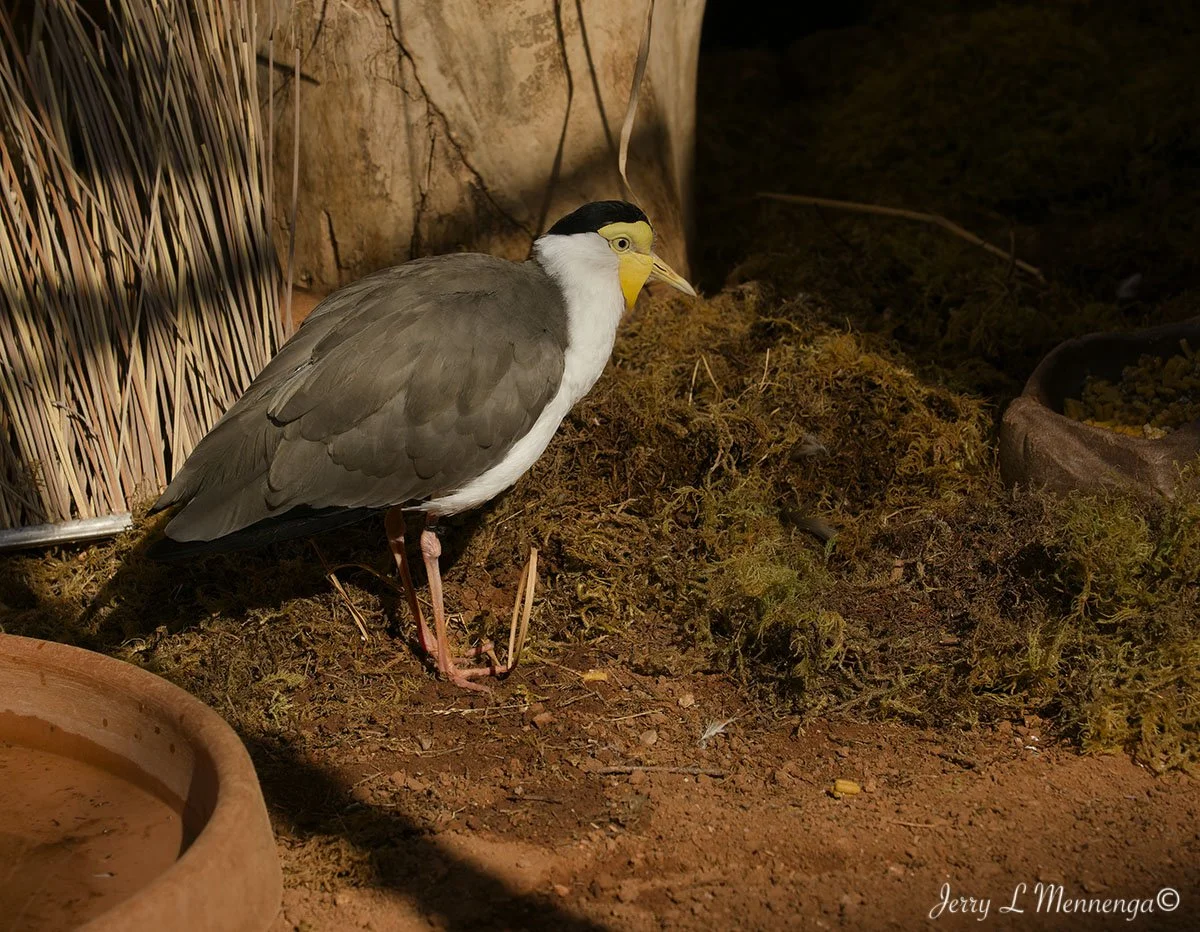
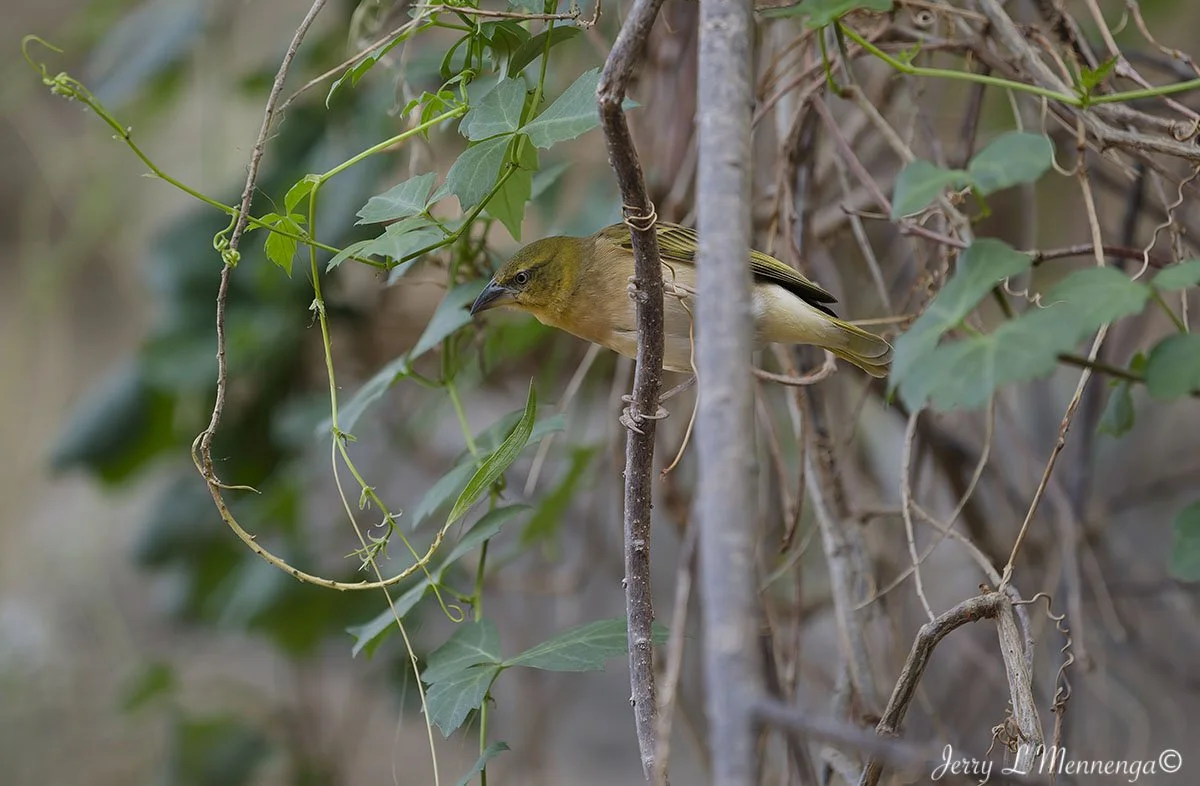
Masked lapwing (Australia, N.Z.) White-headed Buffalo Weaver (E. Africa)
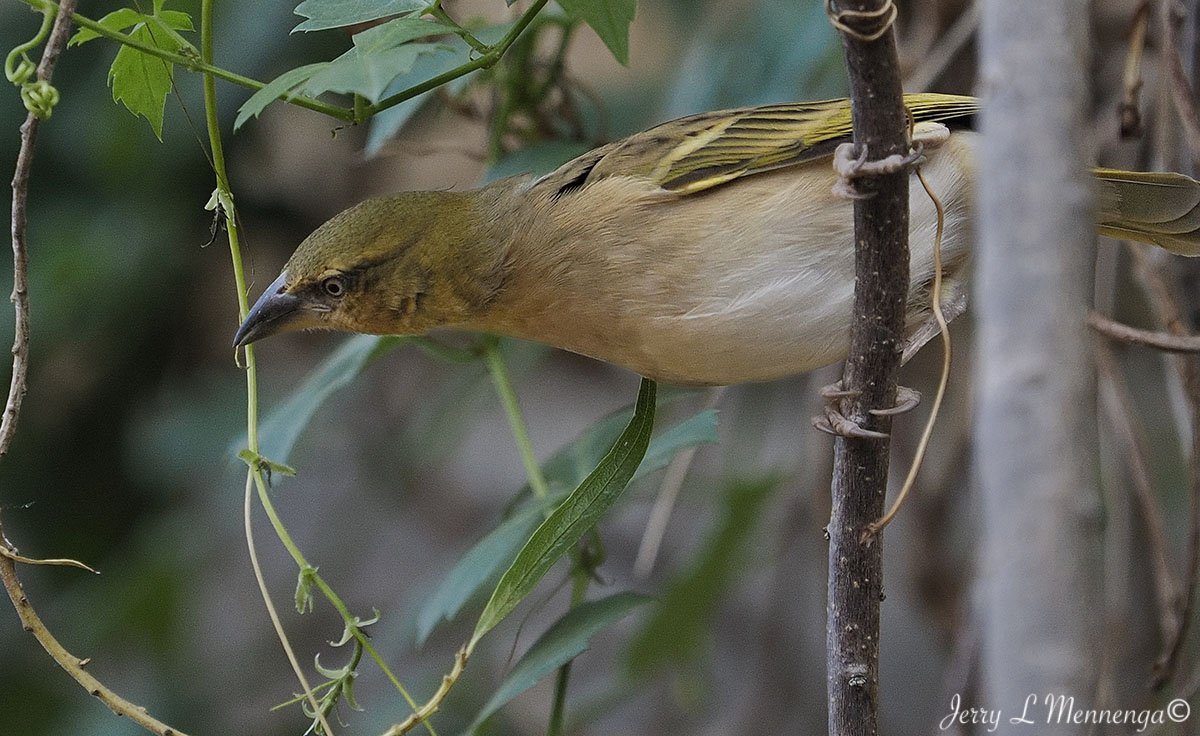
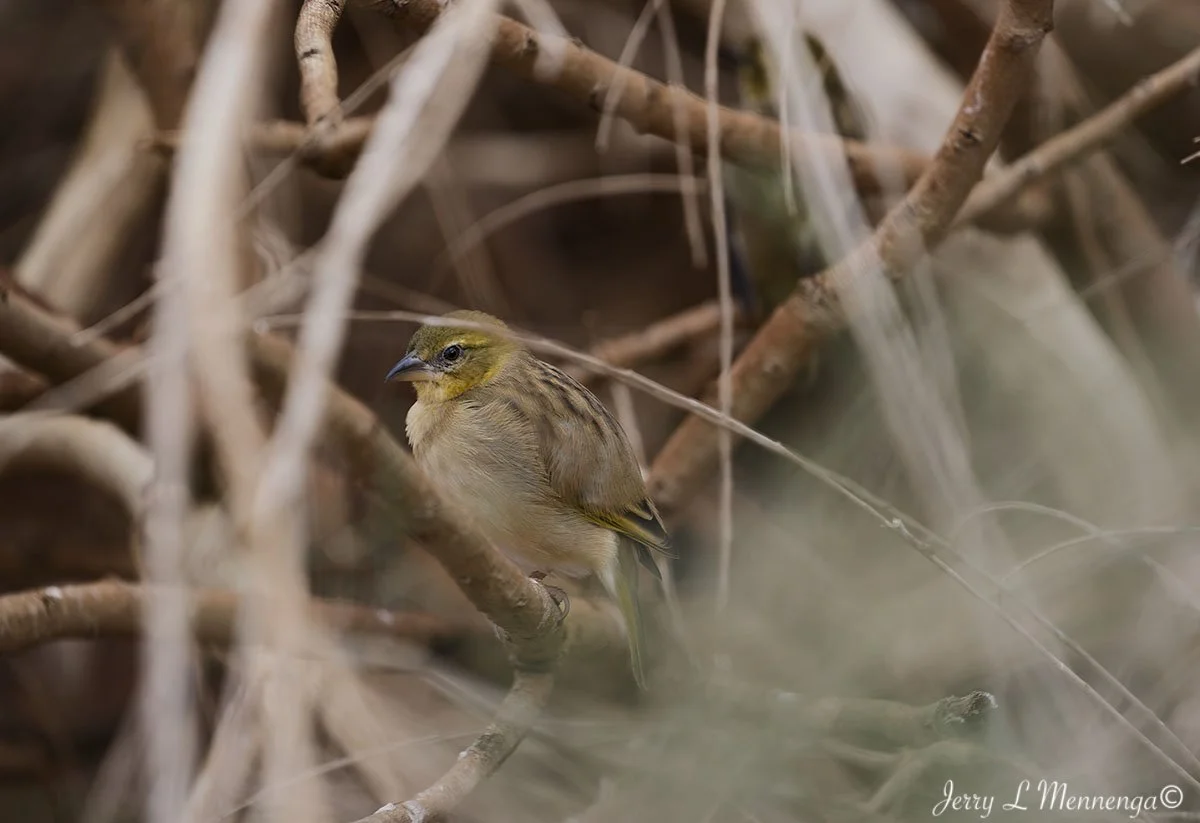
Roadrunner (N. America) Chestnut Weaver (Africa)
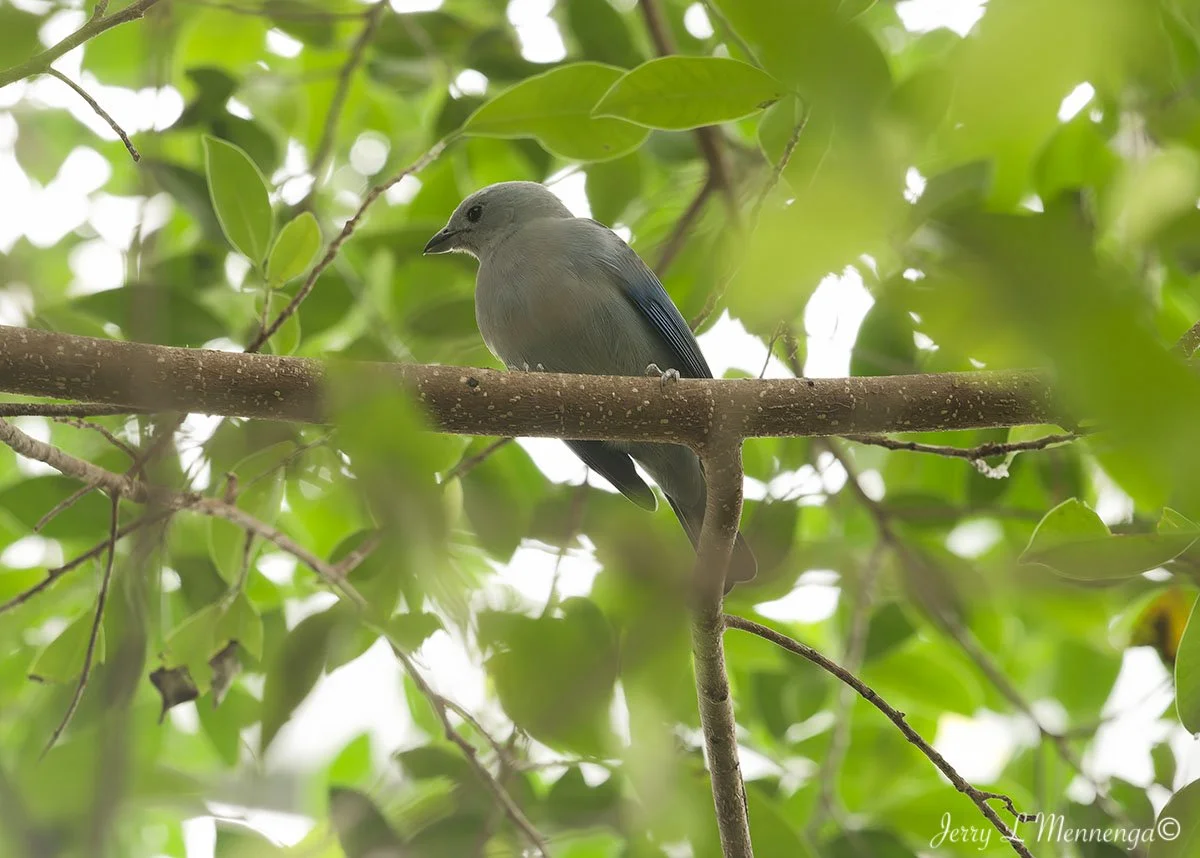
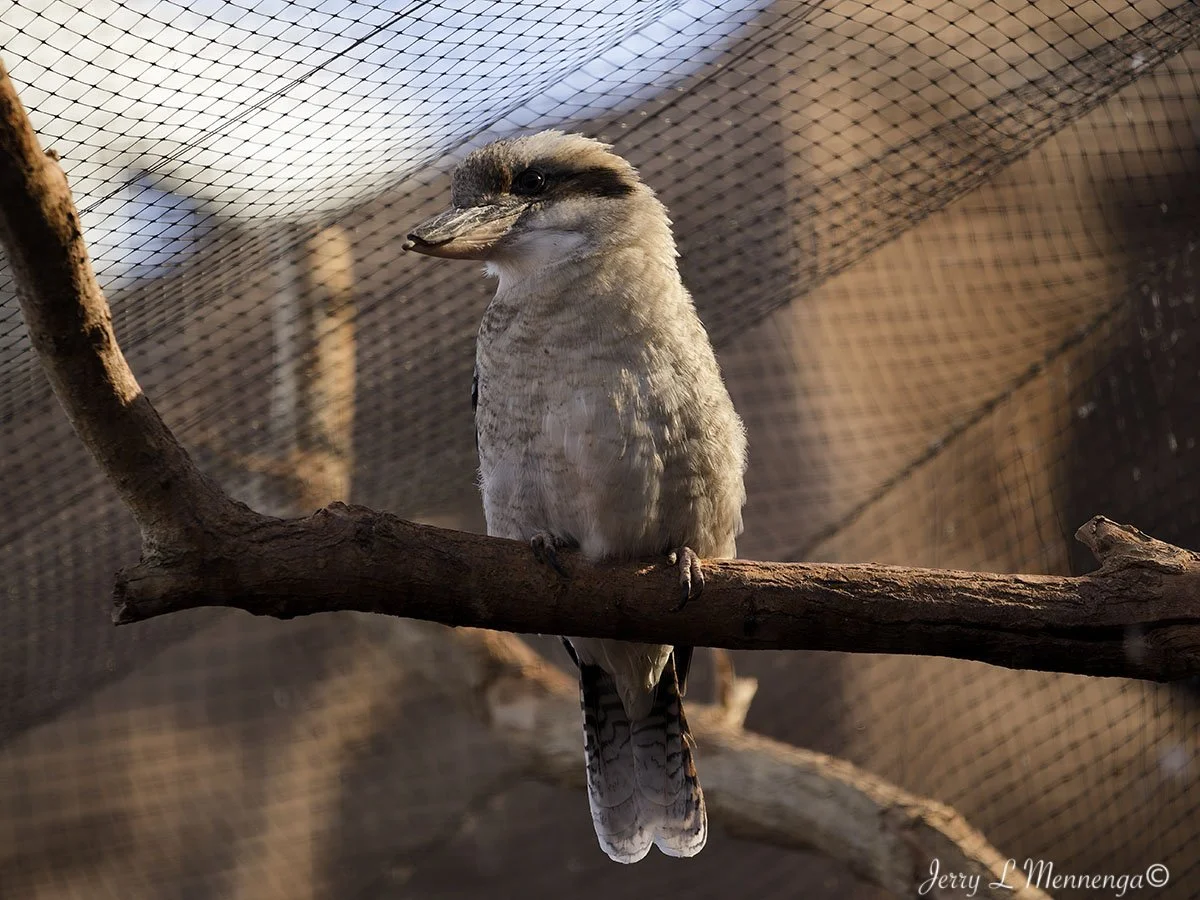
Kookaburra (Australia) Blue-gray Tanager (C., S. America)
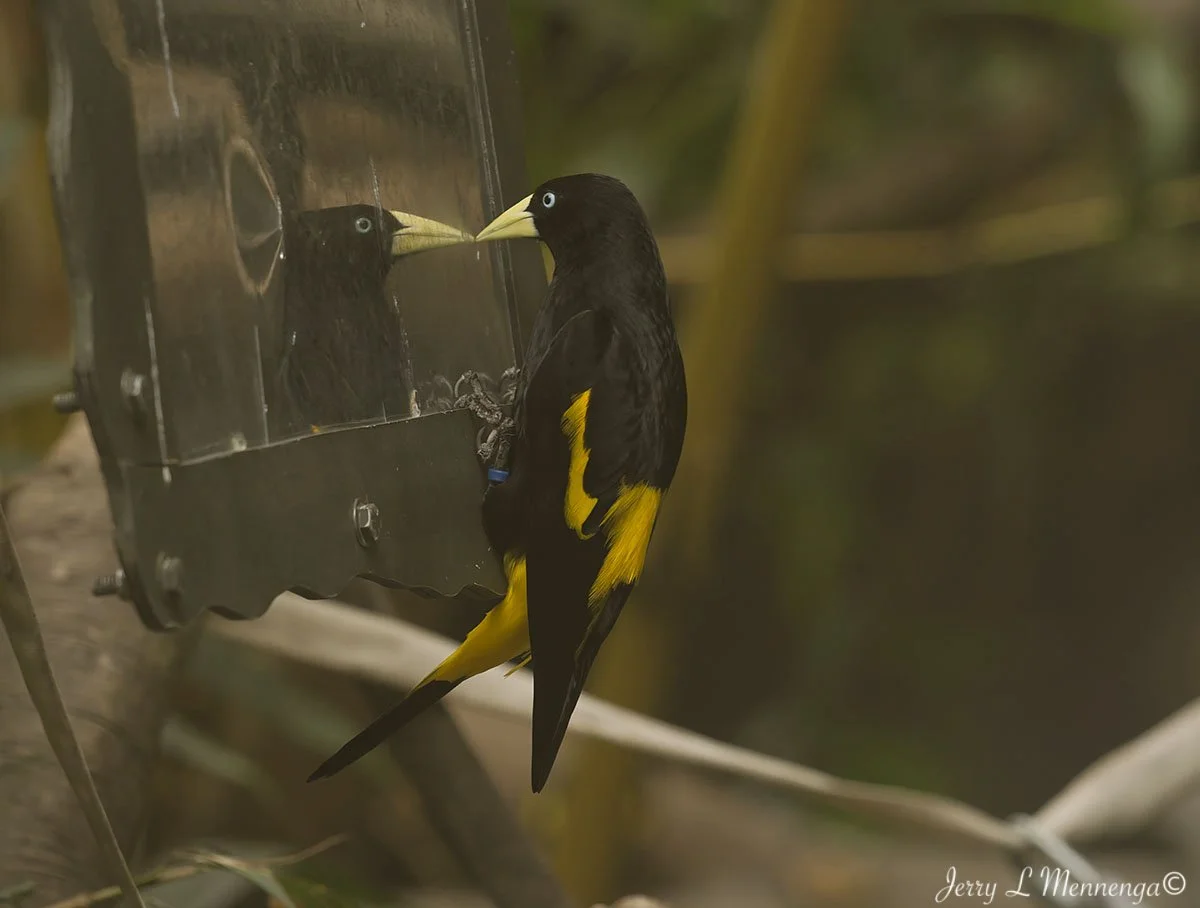
Turkey Vulture (N. America) Yellow-rumped Cacique (C., S. America)
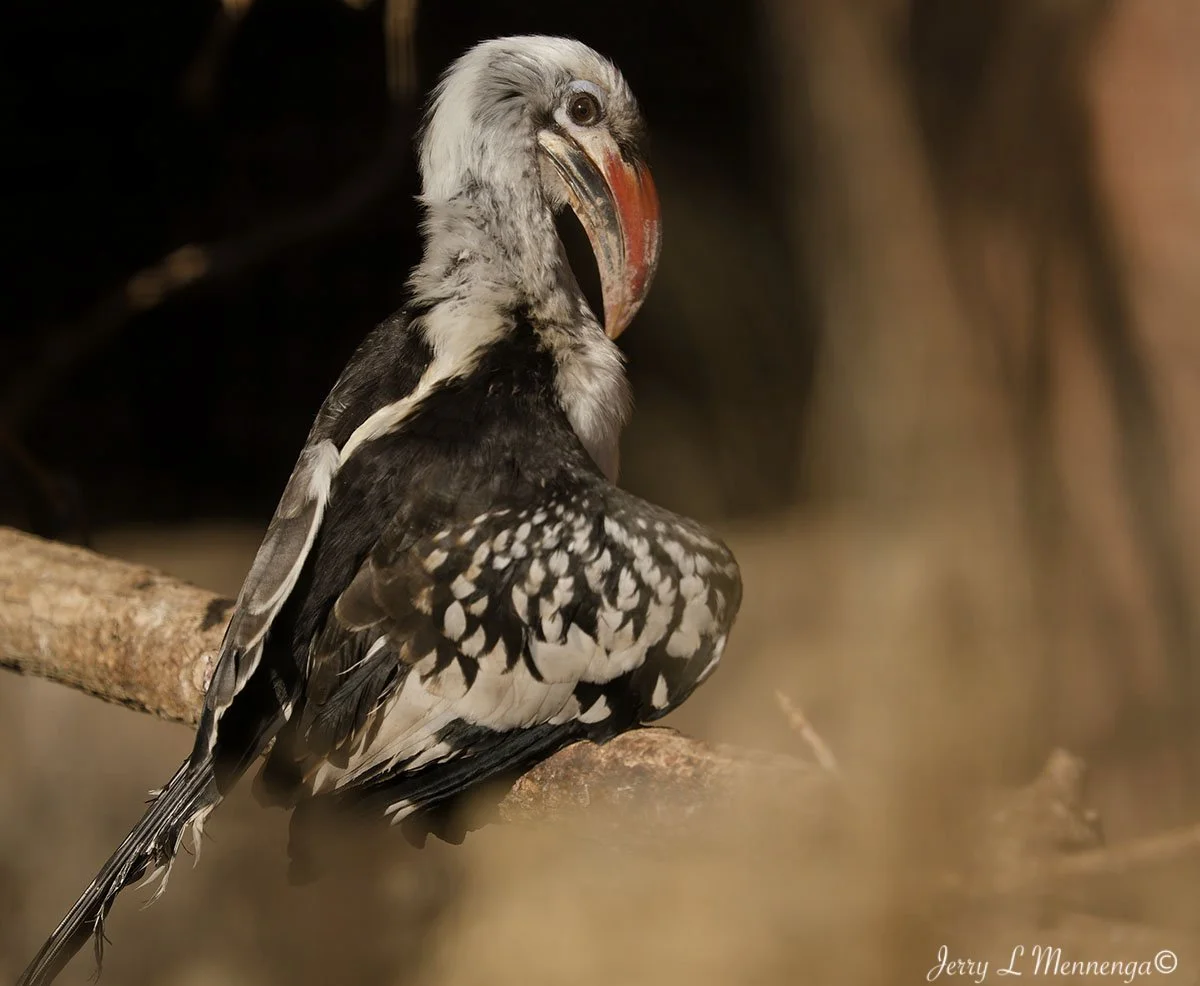
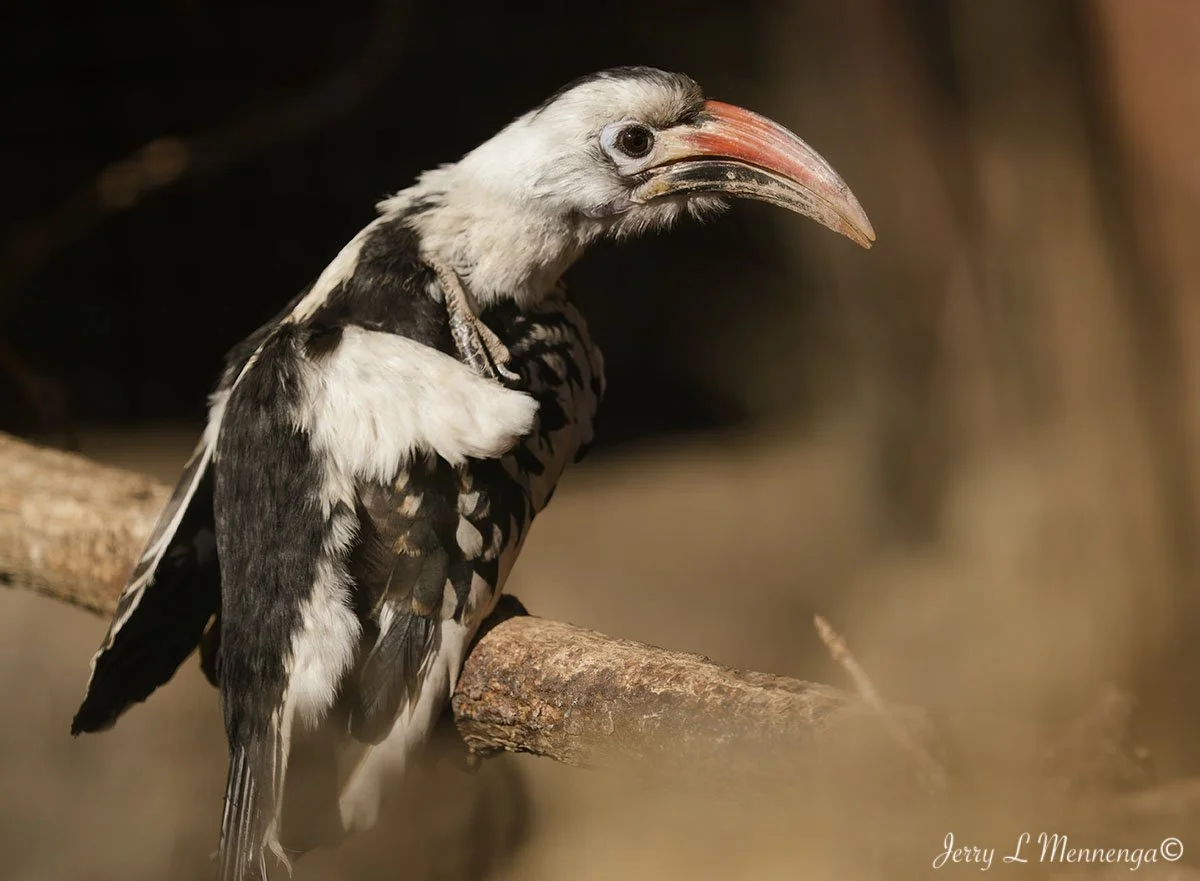
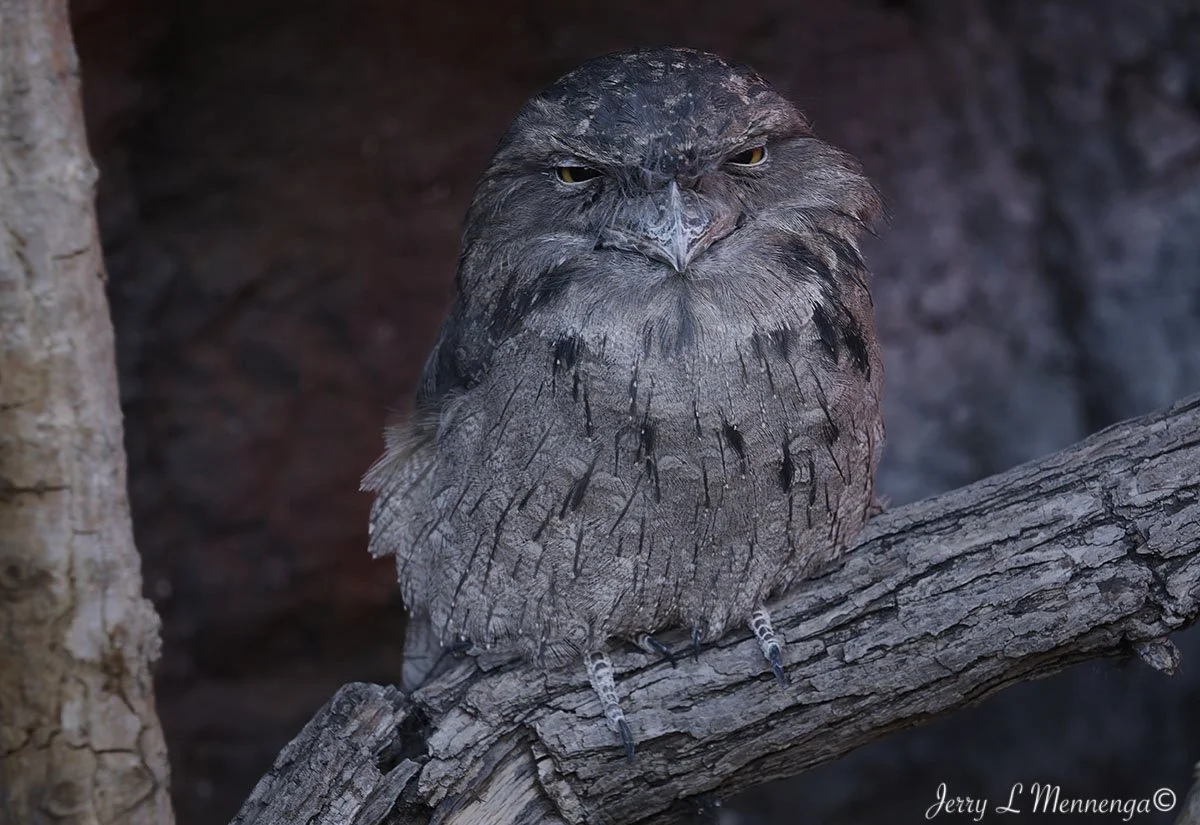
Tawny Frogmouth (Australia) Red-billed Hornbill (Africa)
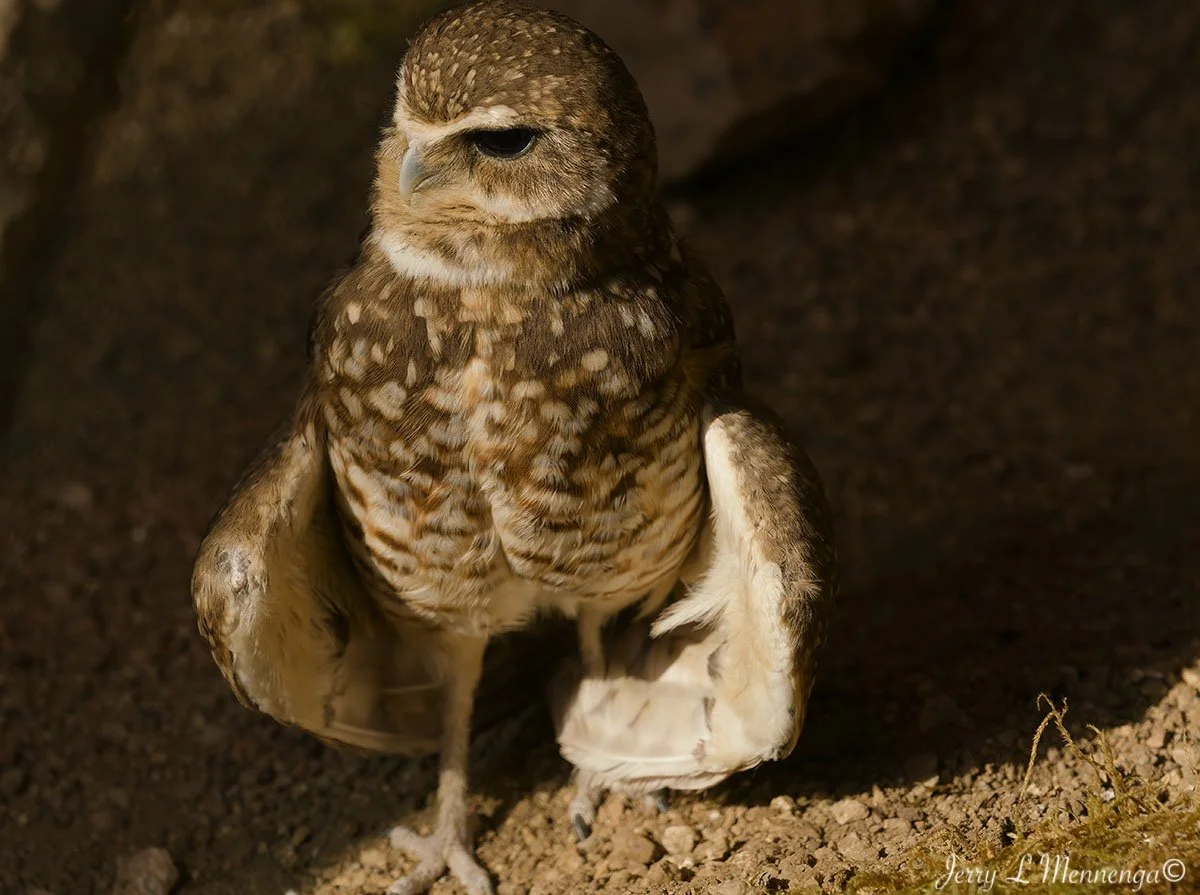
Eagle Owl (Eurasia) Burrrowing Owl (North America)
Outing Report by William F Huser, Vice-president and Outing Coordinator
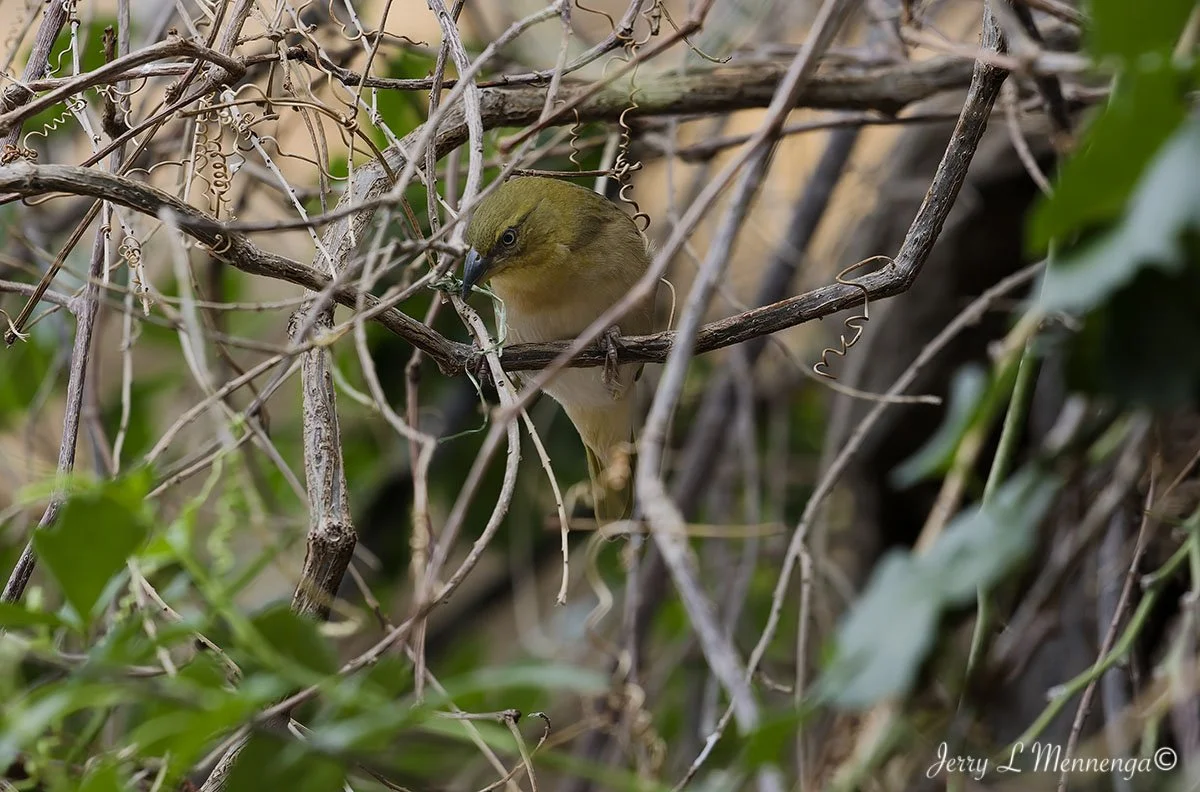
Below Zoo images copyright 2026 by Jerry L Mennenga, used with permission
https://lostinsiouxland.wordpress.com/ OR https://www.jerrylmennengaphotographer.com/



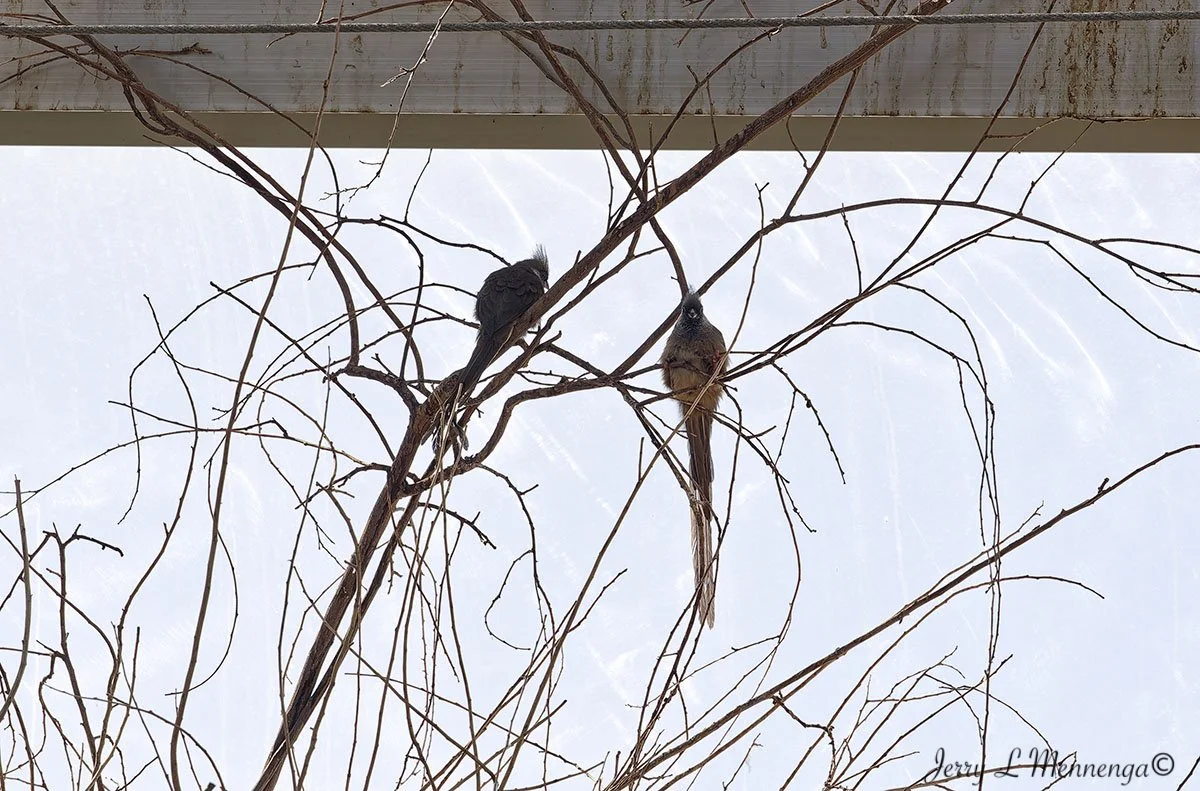
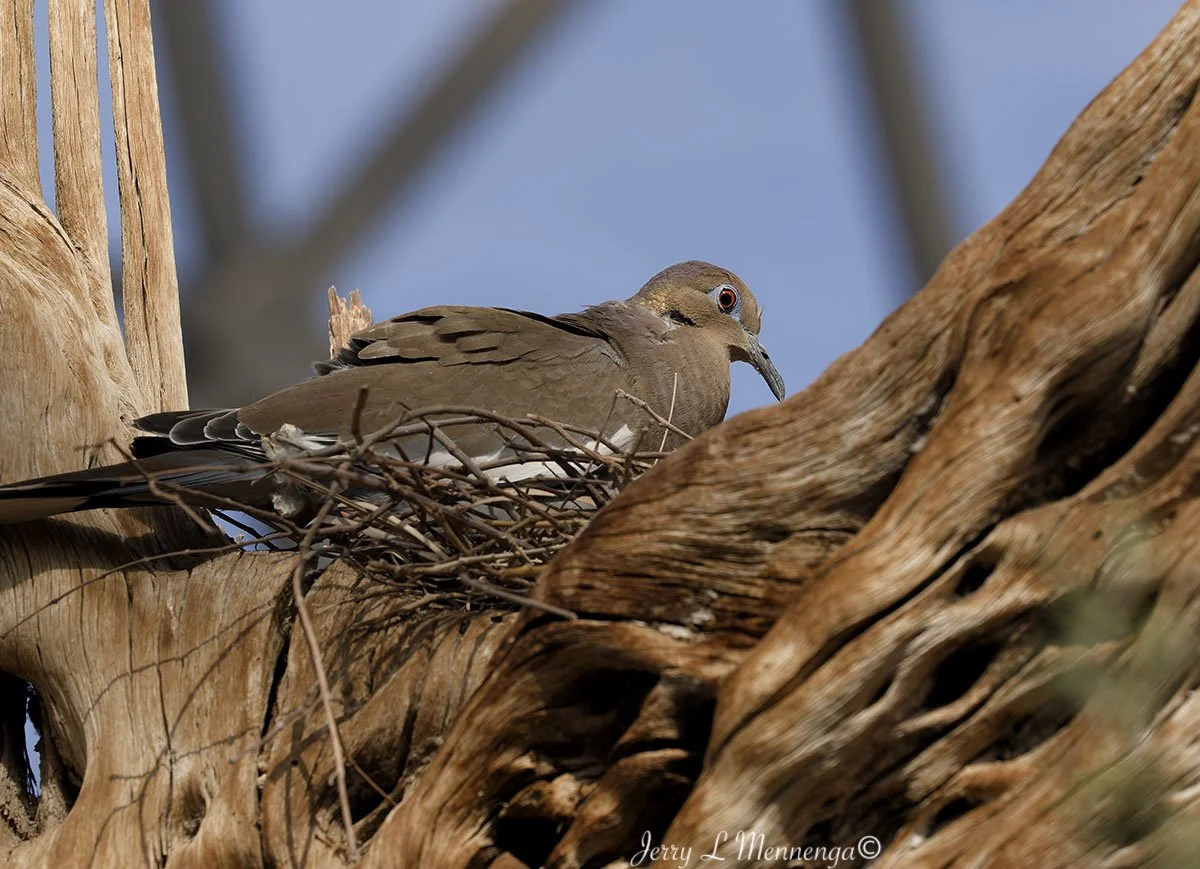
Below images copyright 2026 by Kevin and Marla Kerr, used with permission.
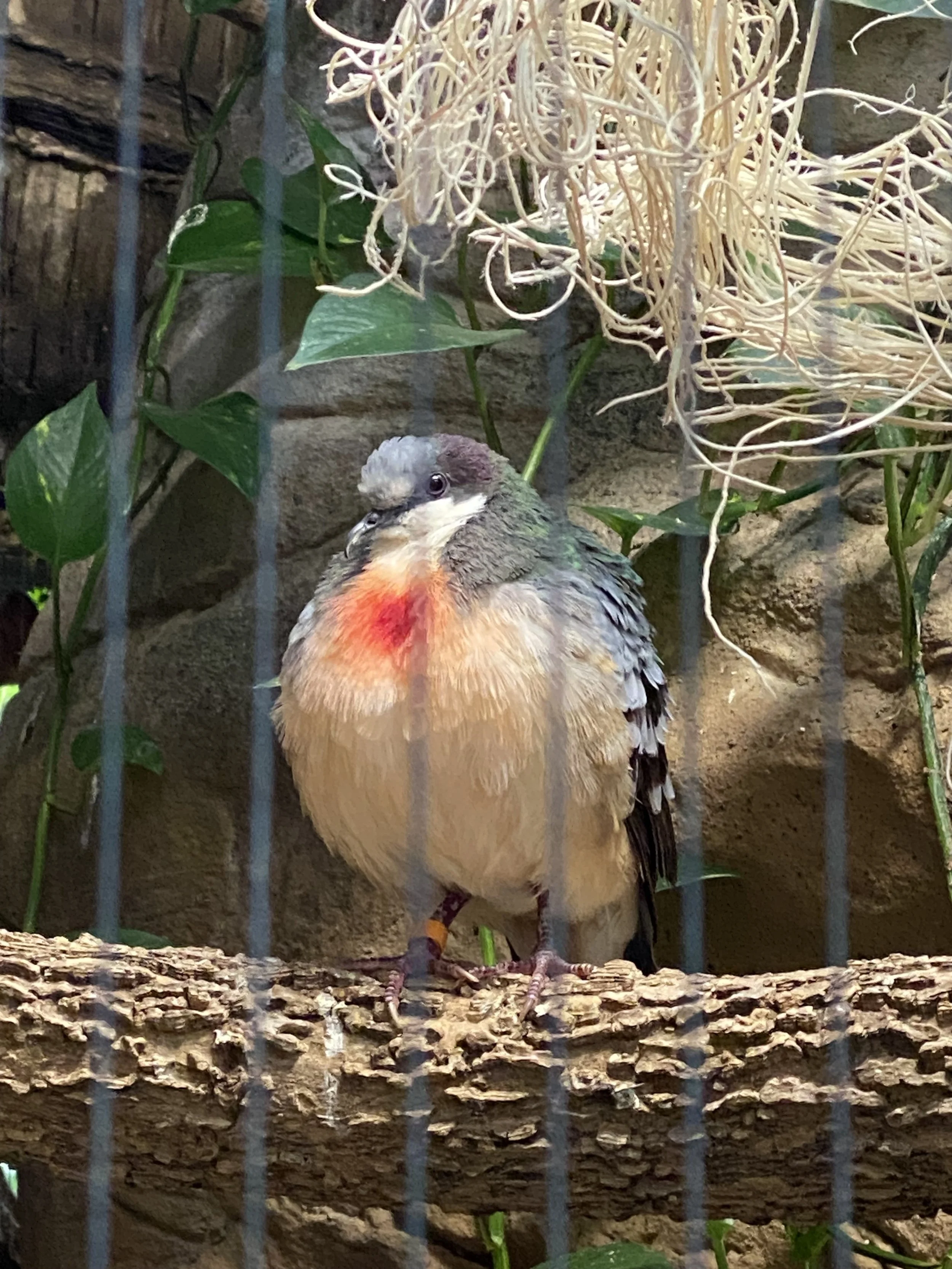
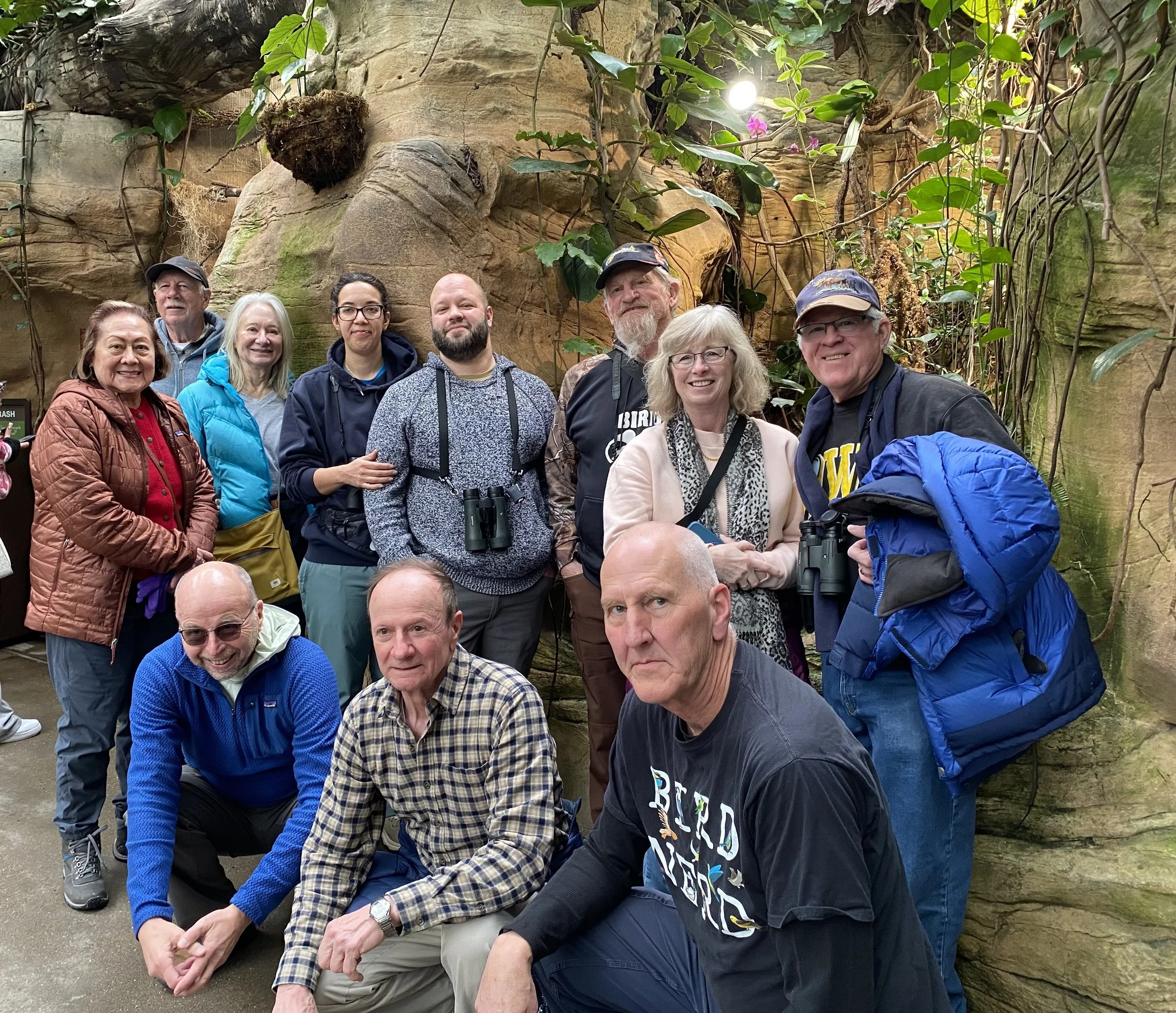

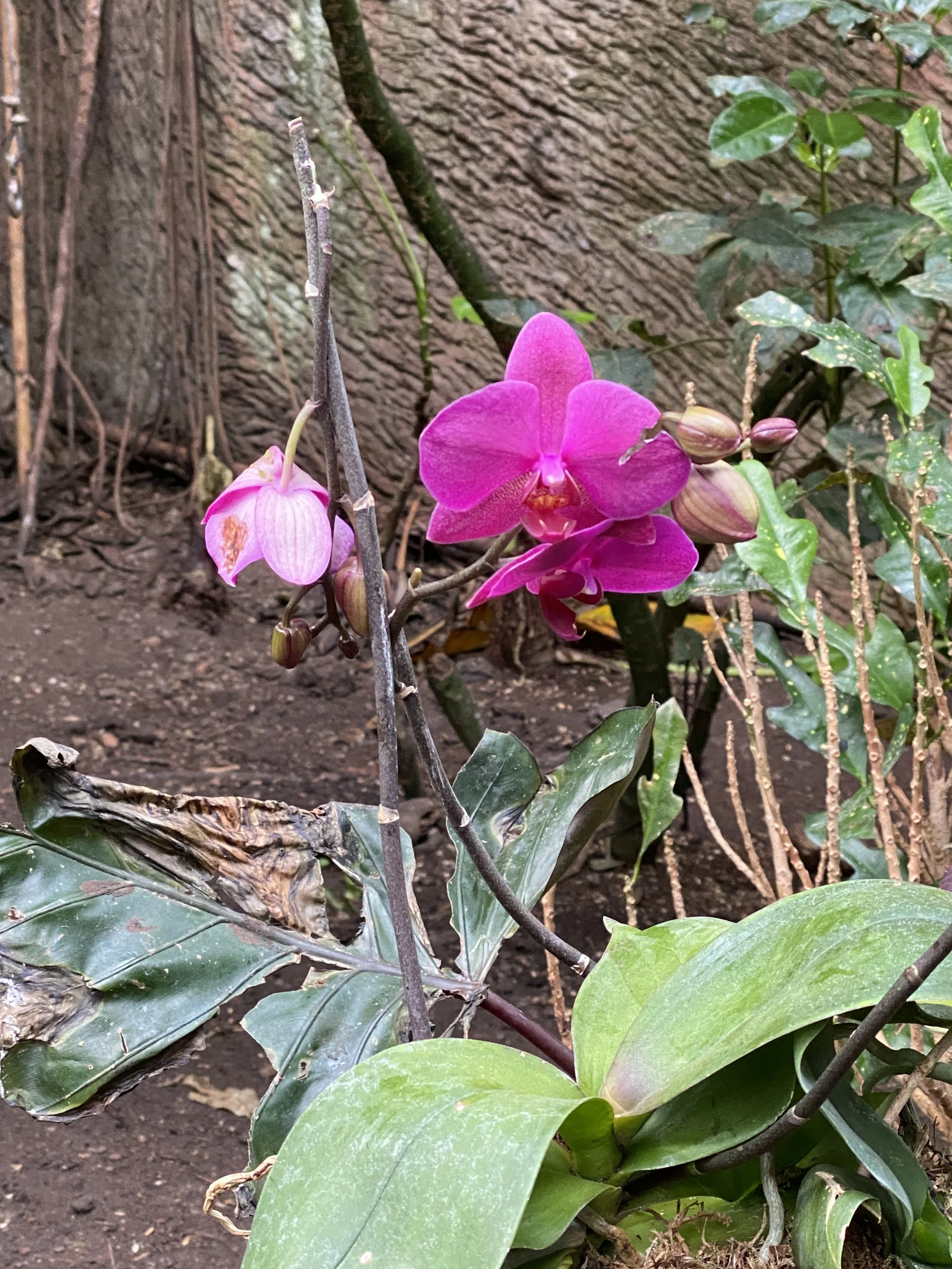

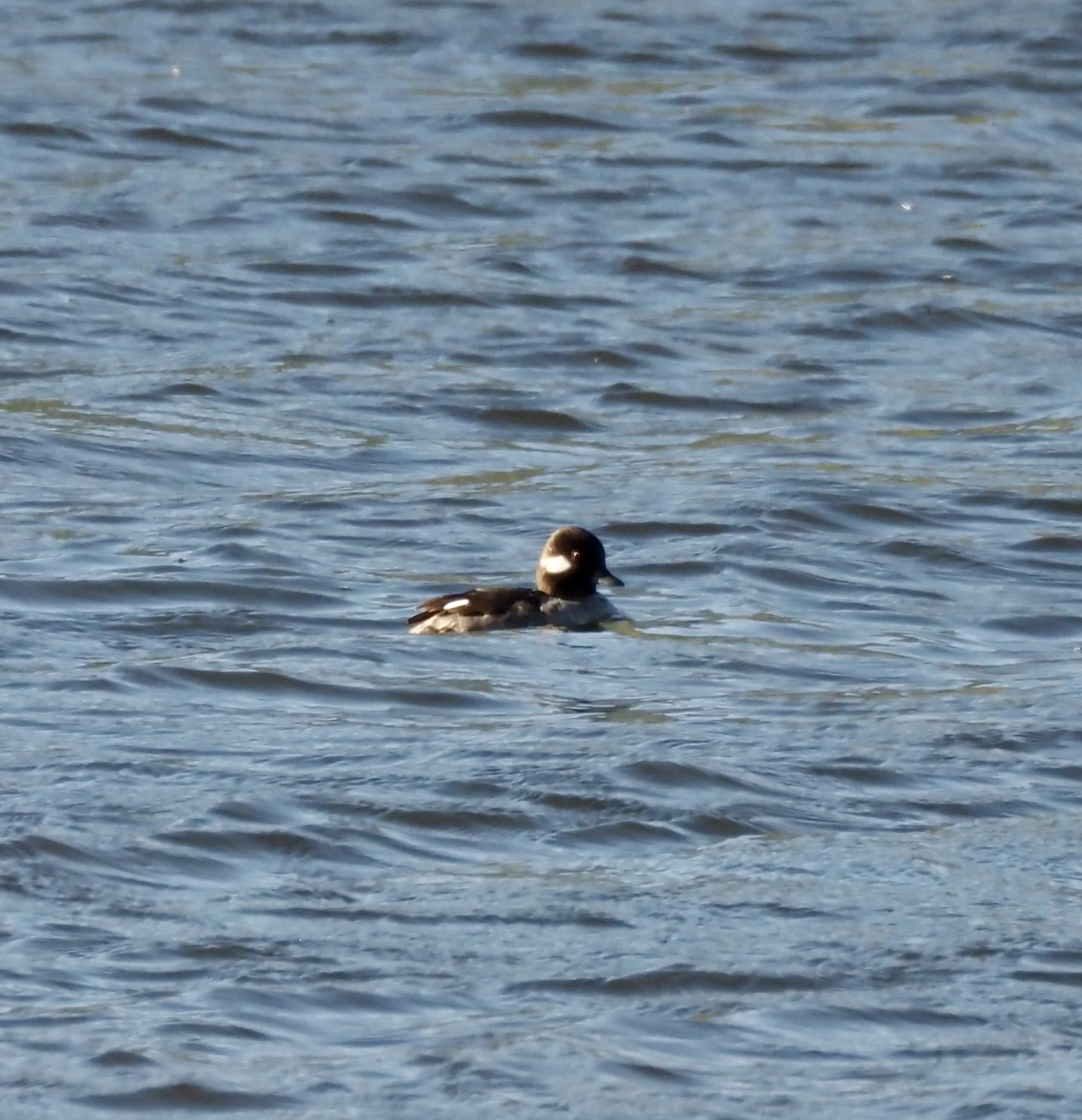
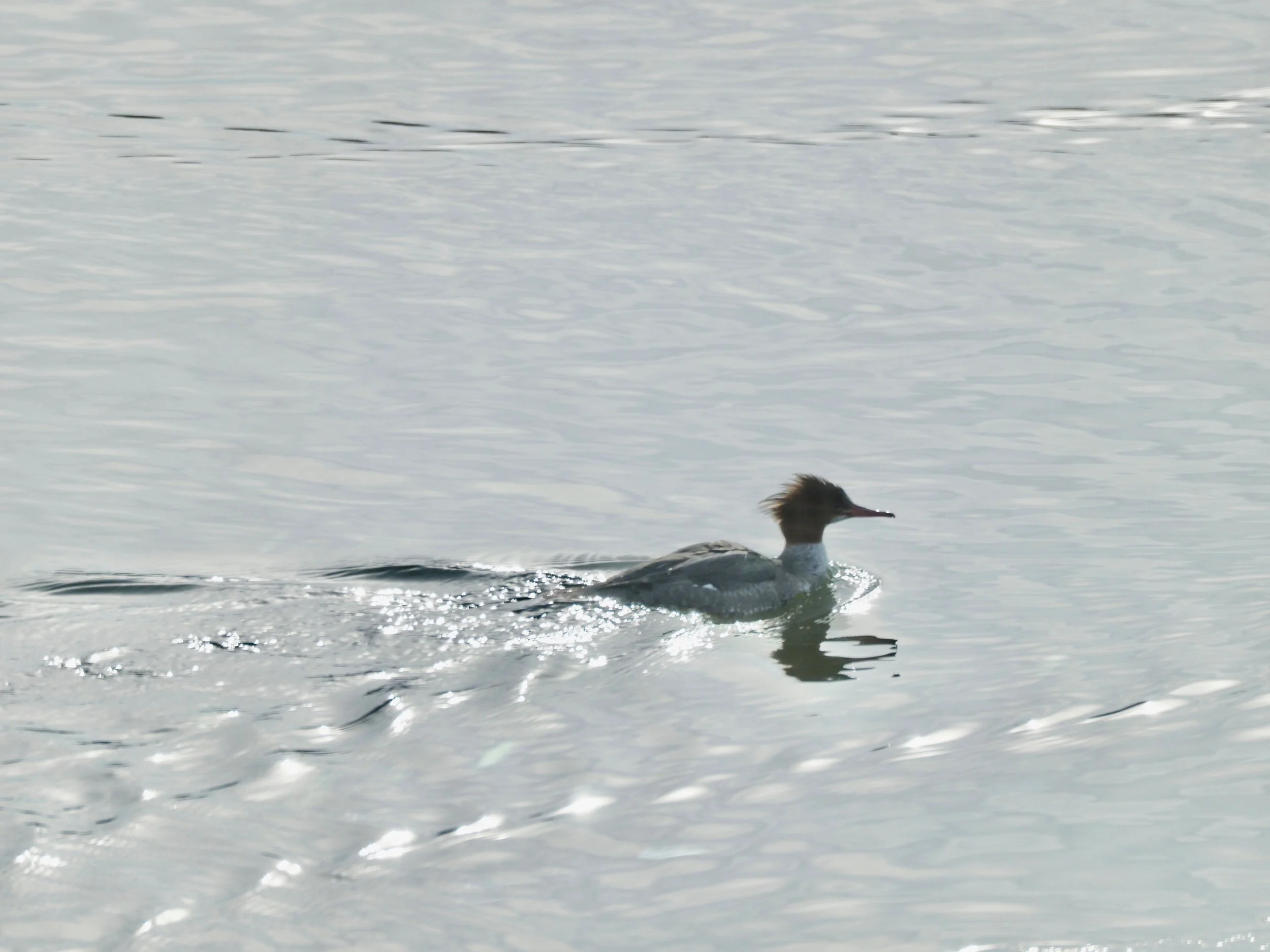
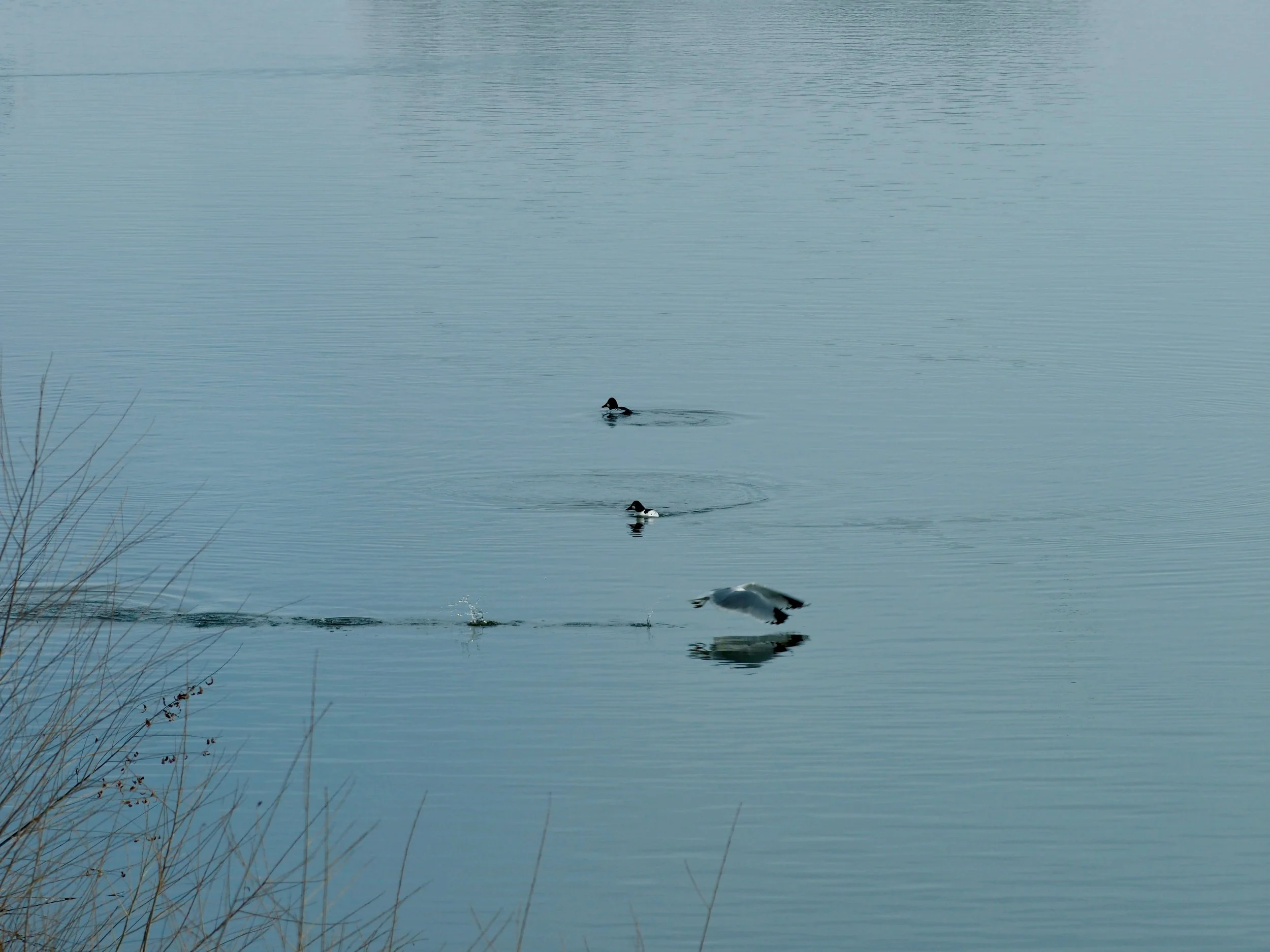
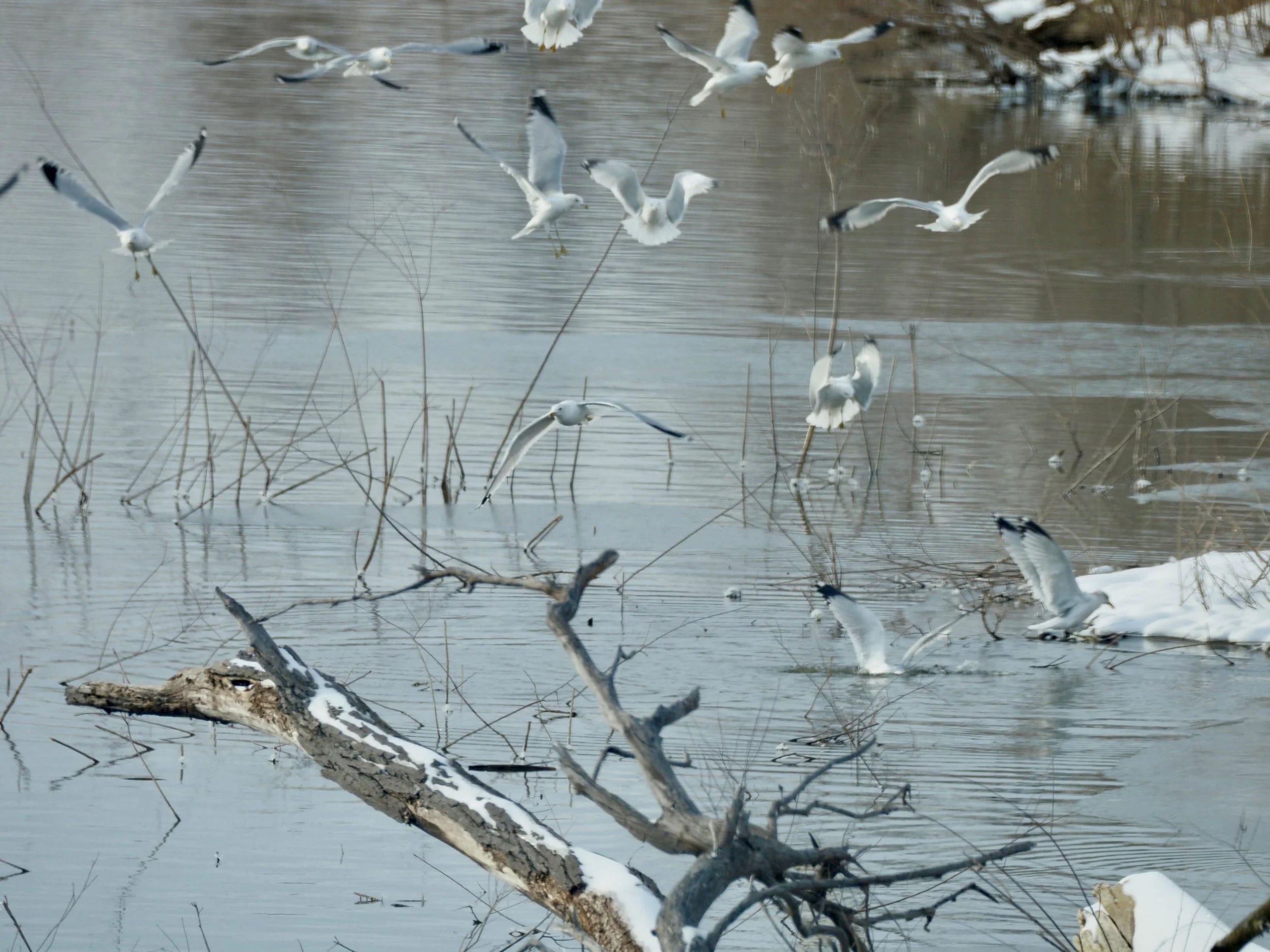
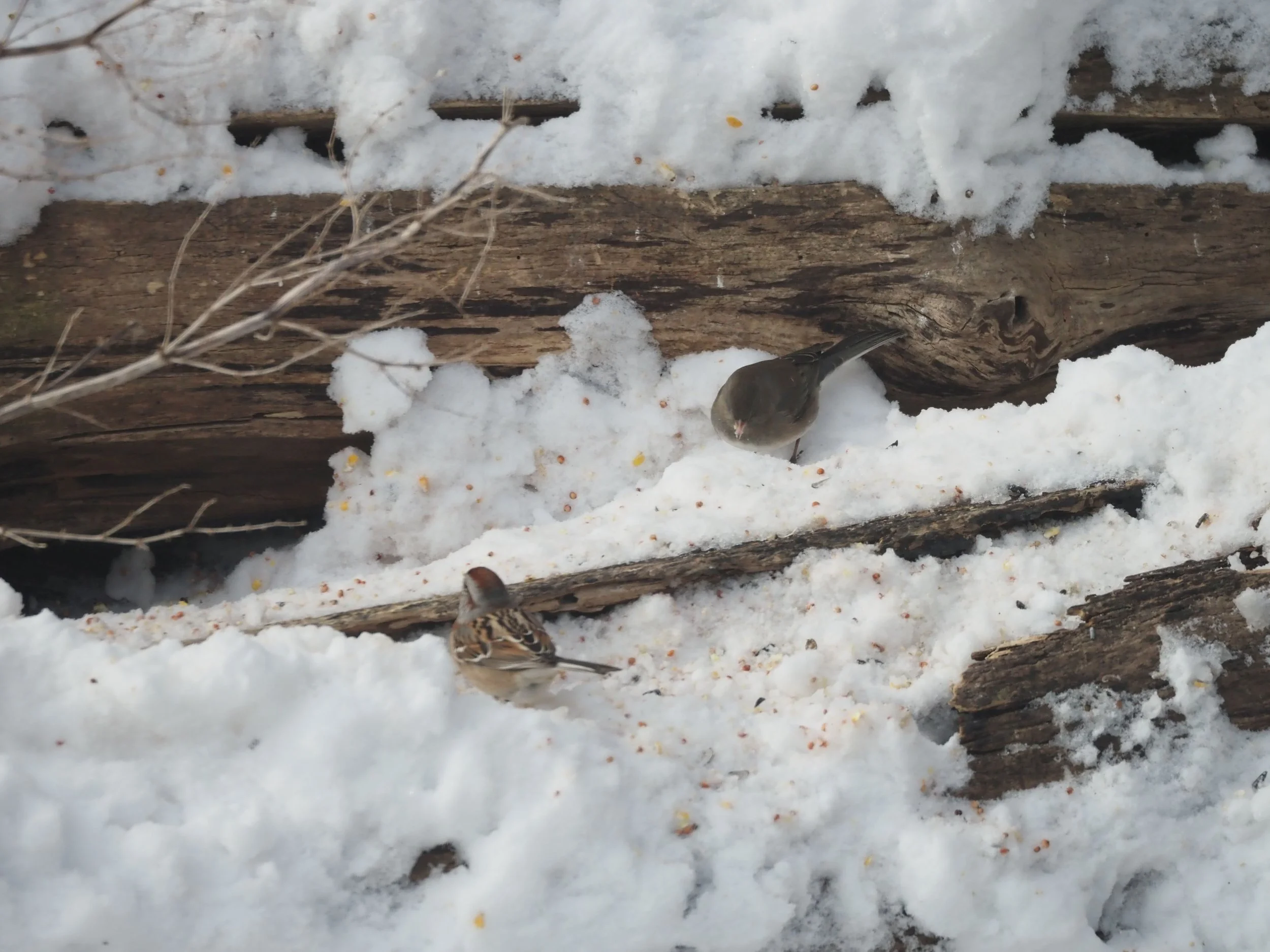
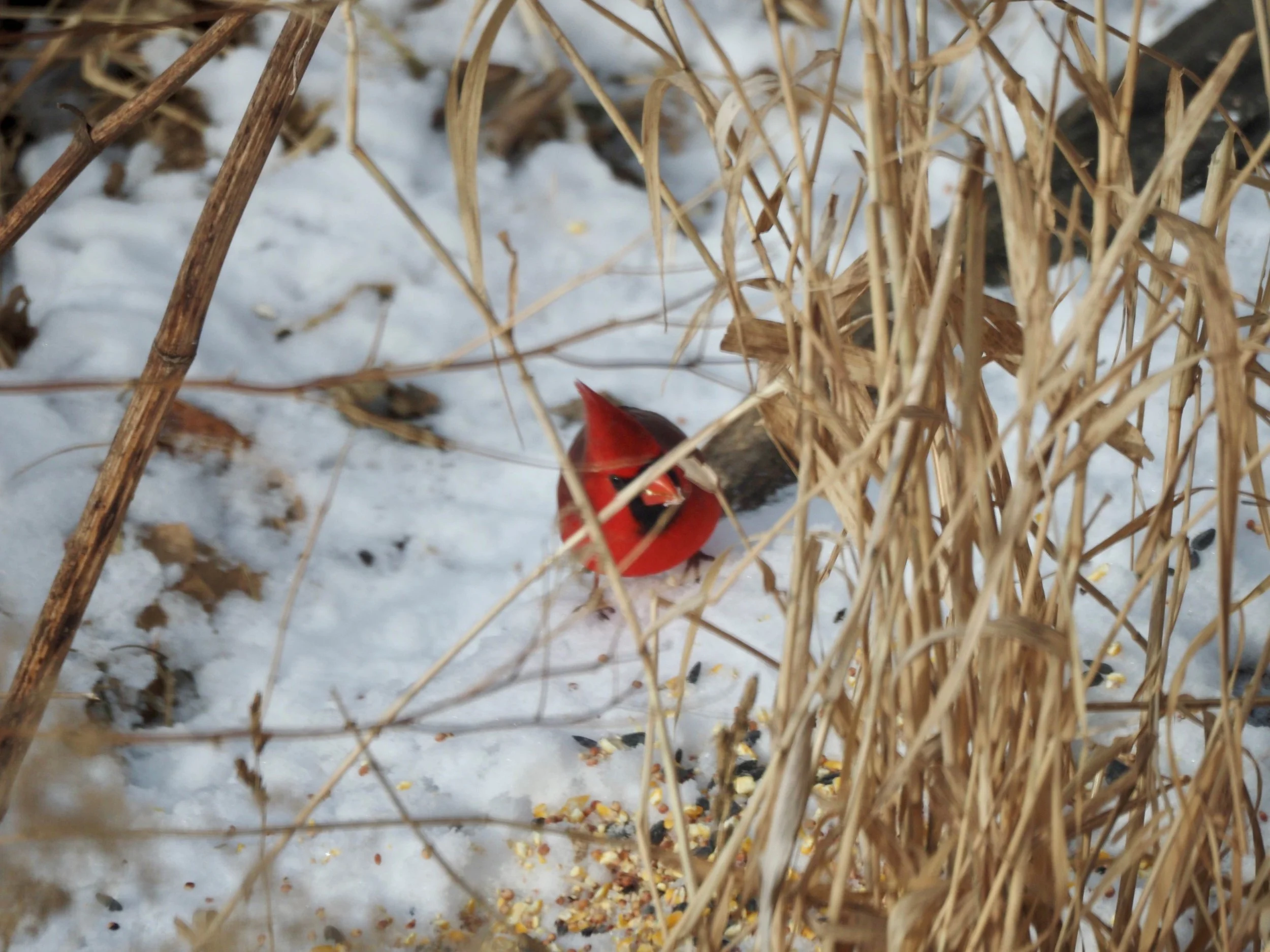
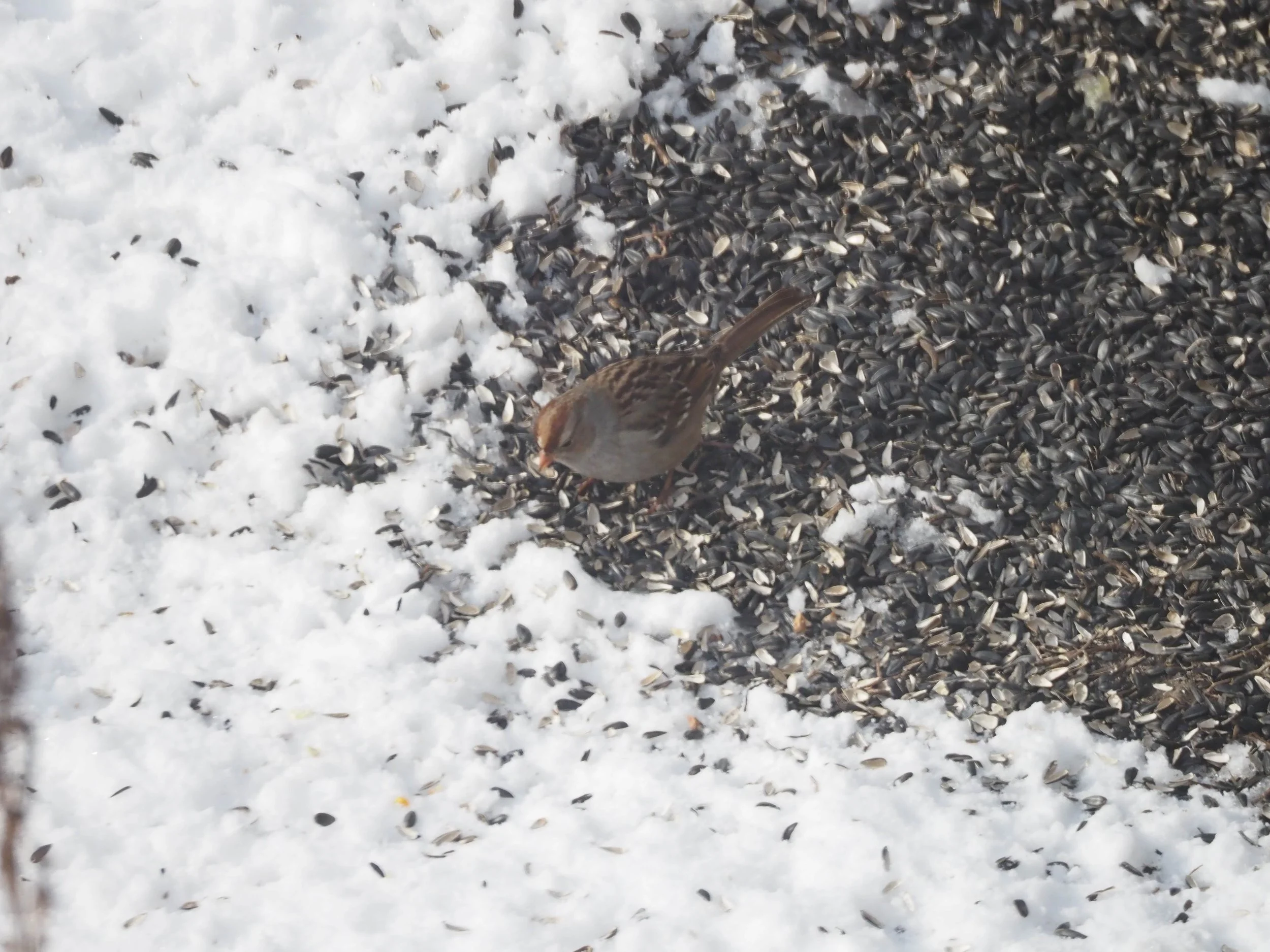
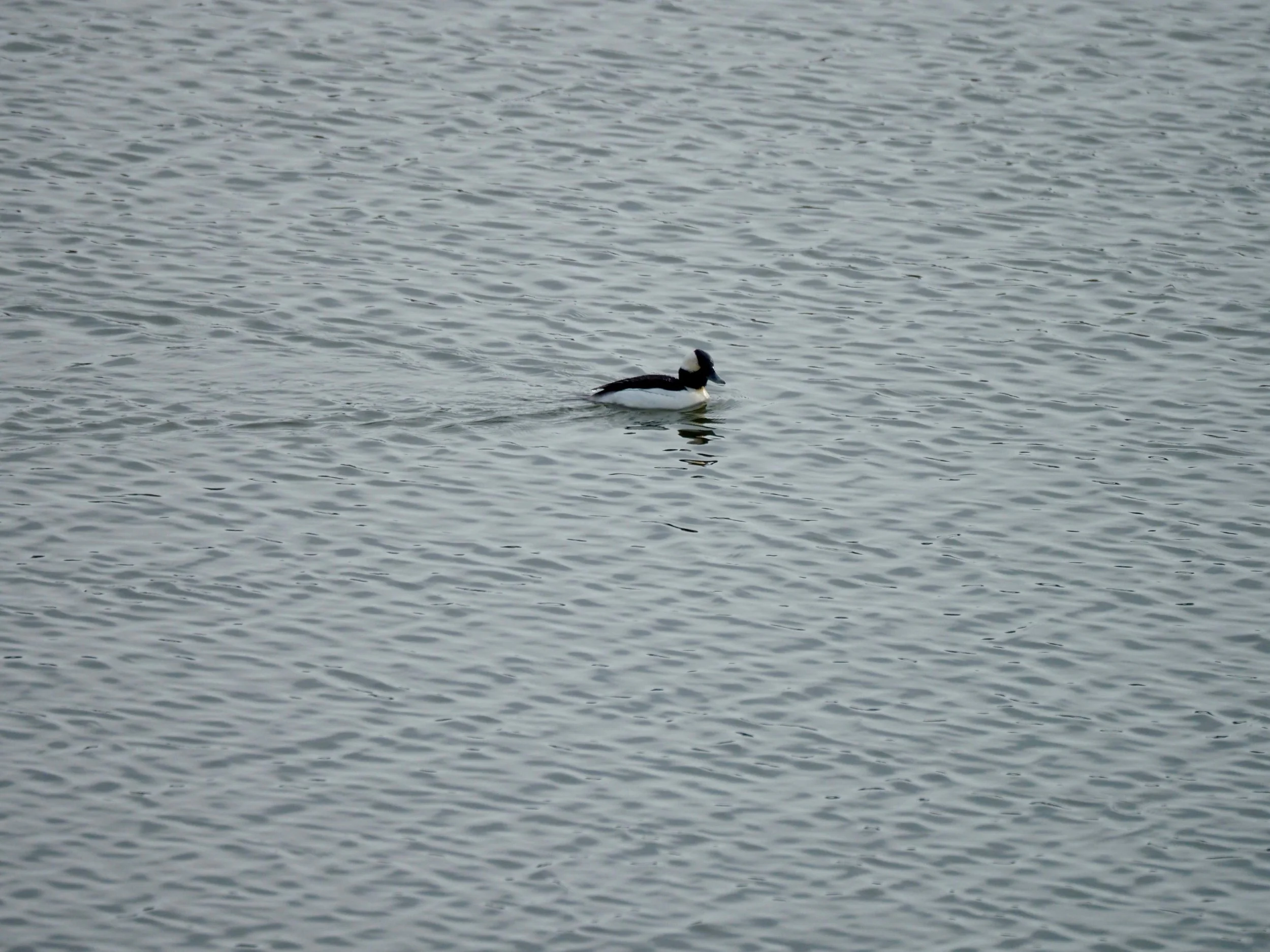
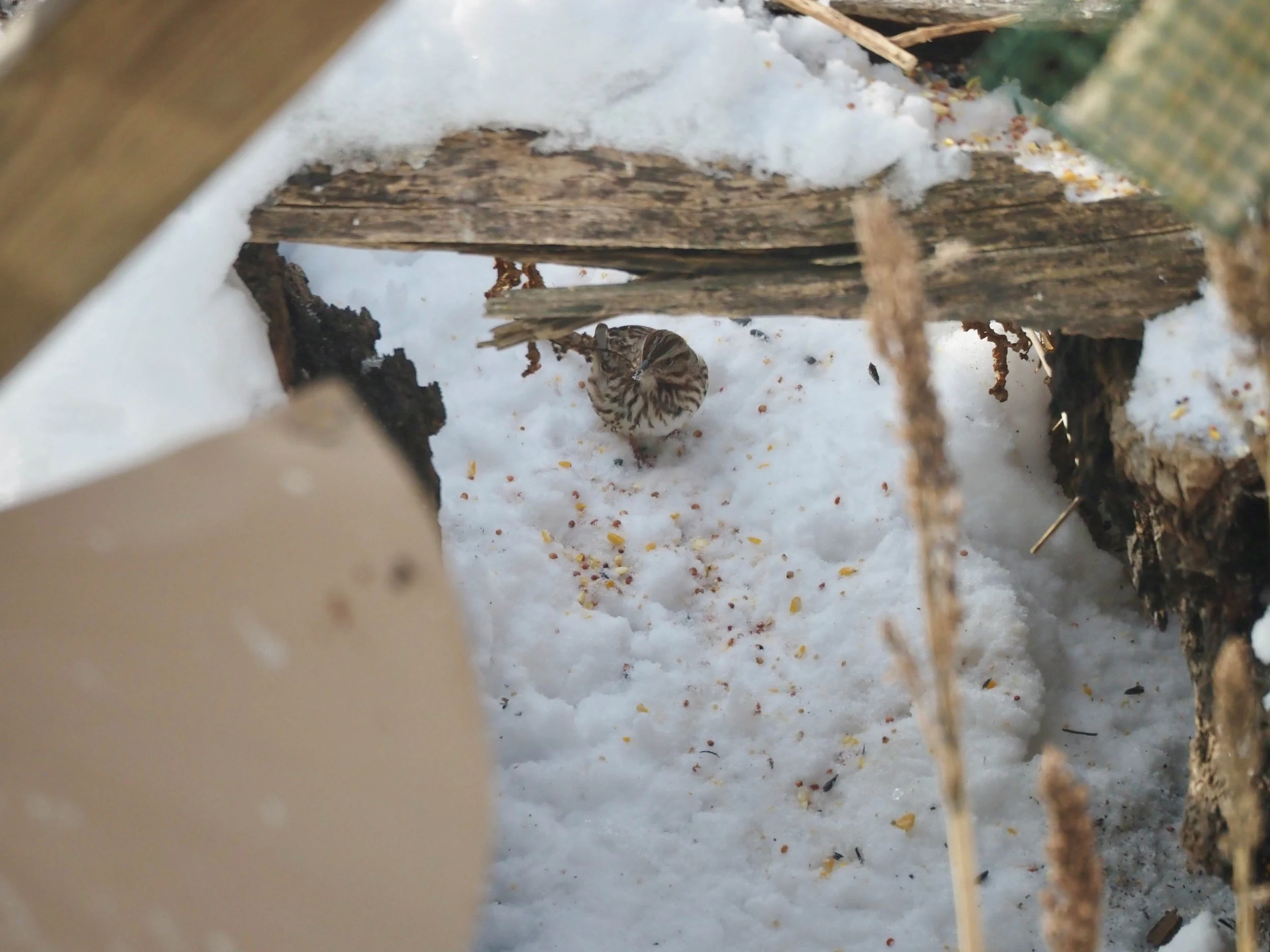
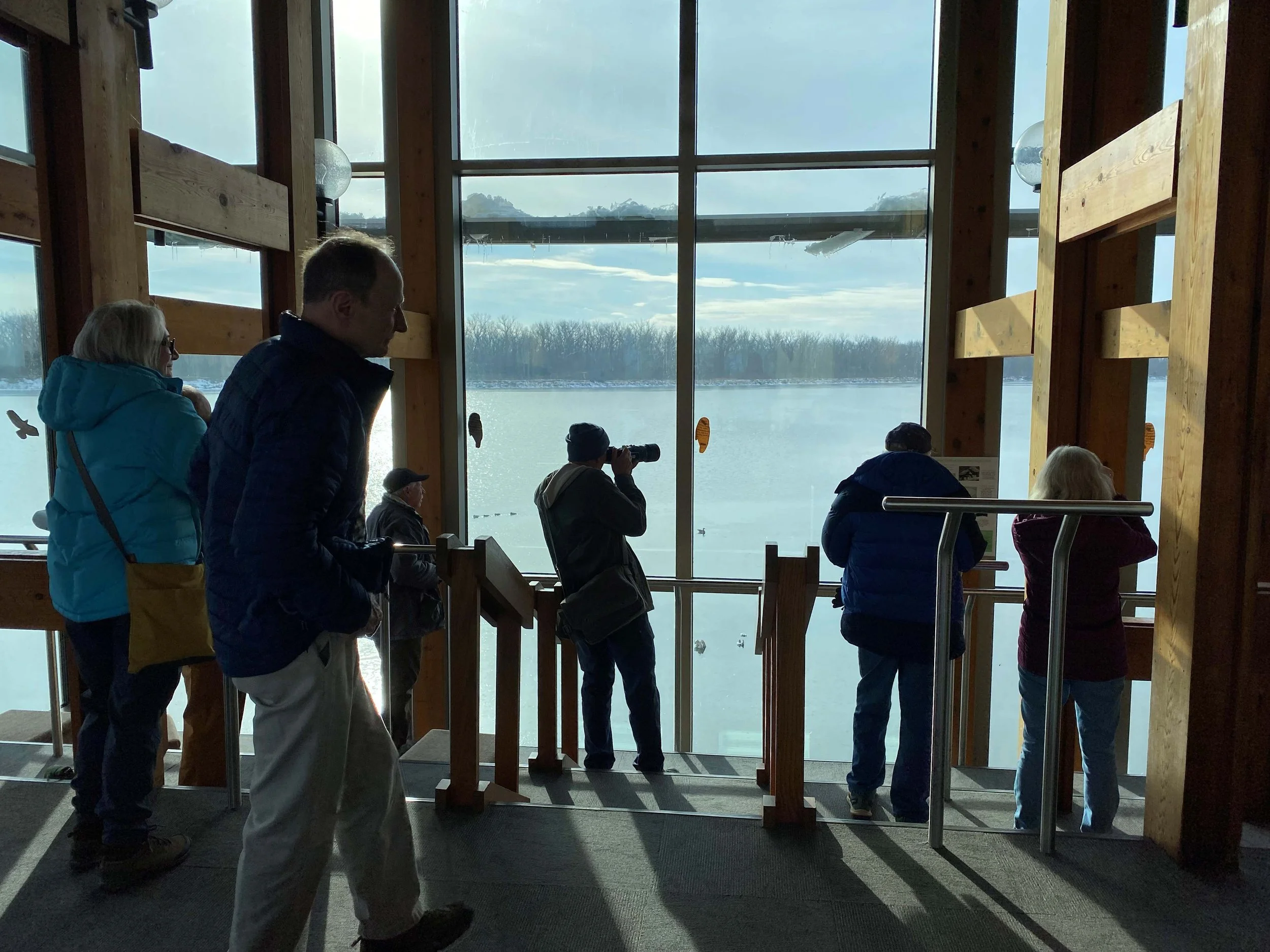
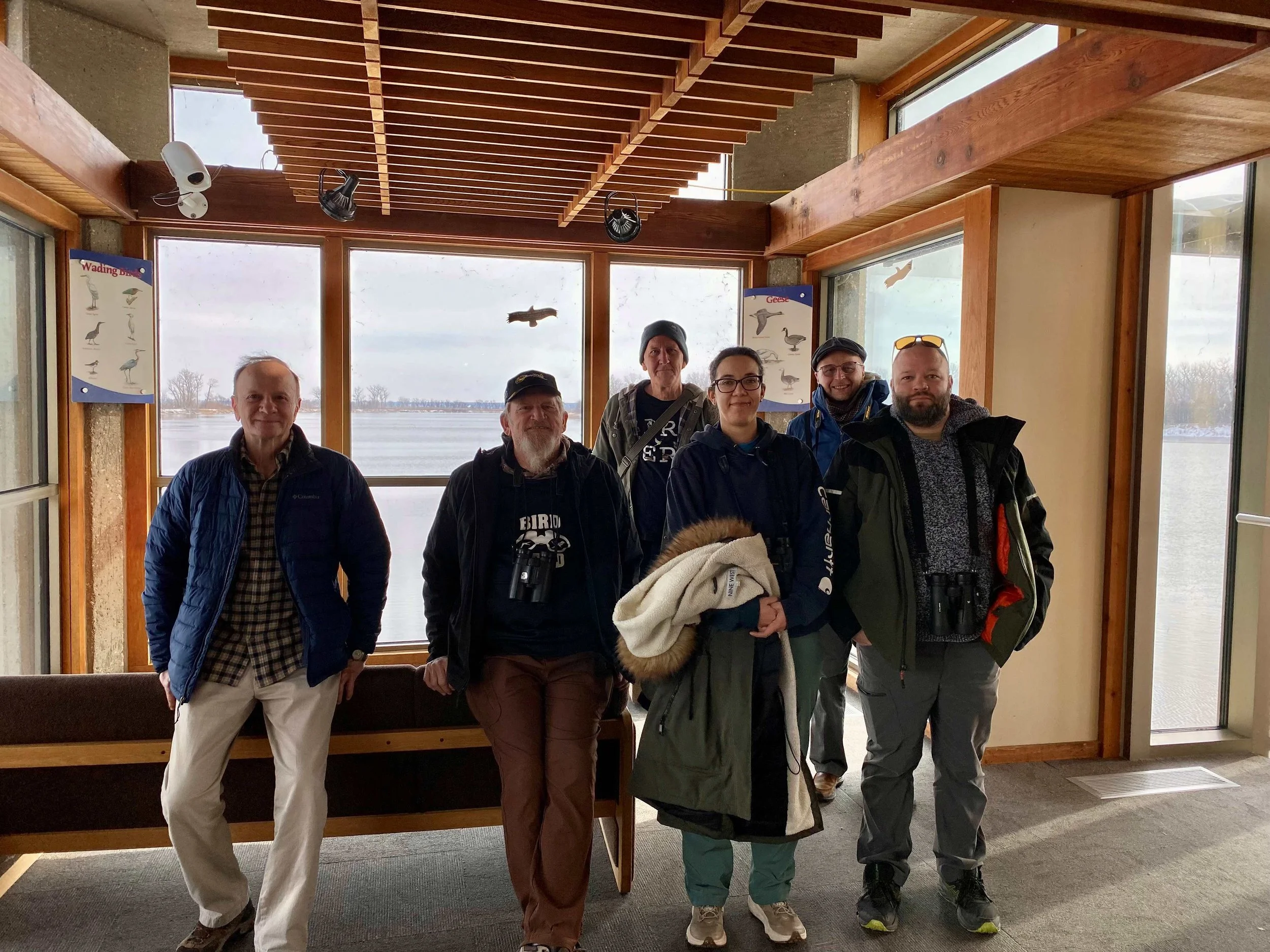
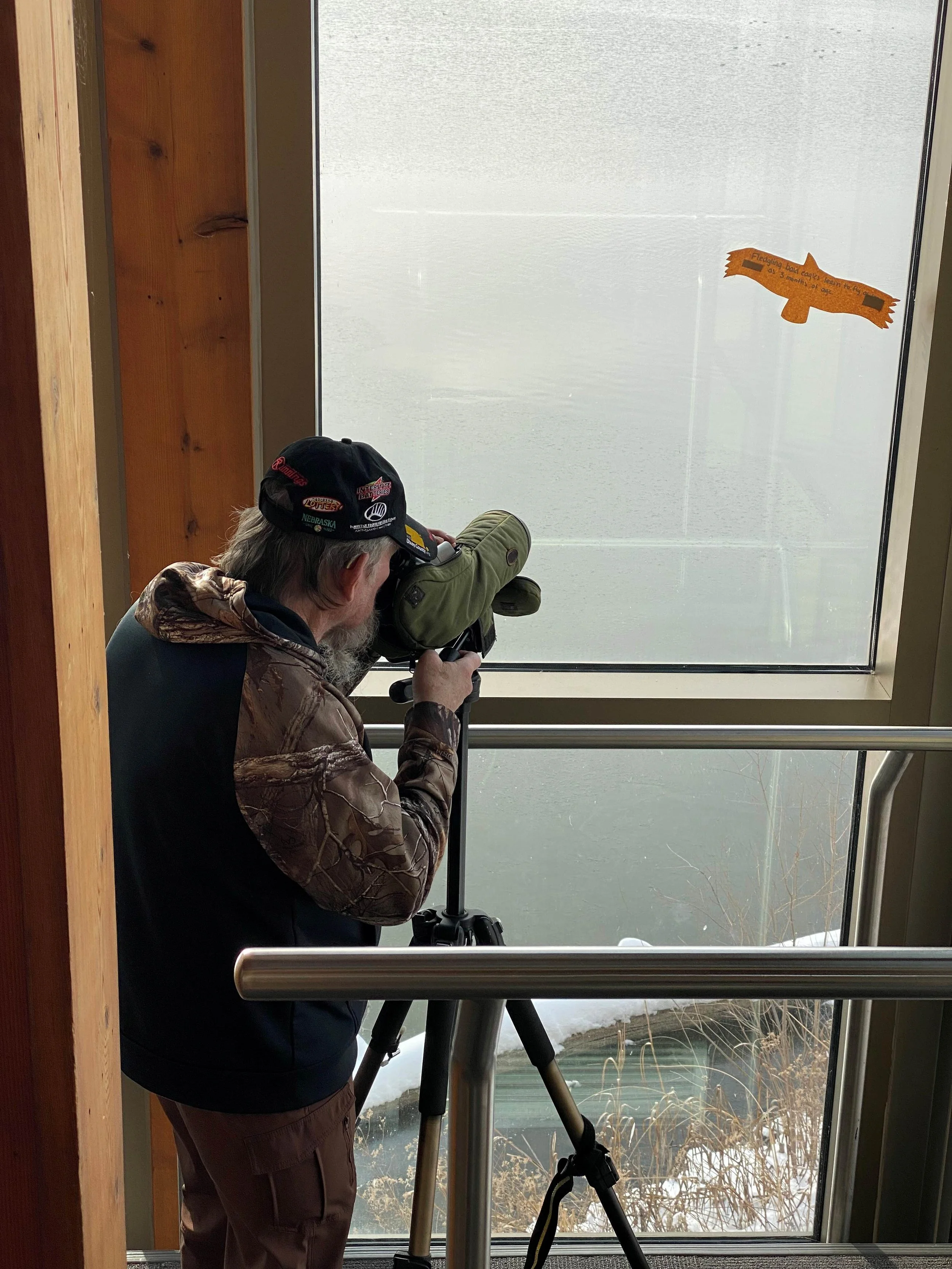
On the way down to the Zoo, we stopped at DeSoto Bend National Wildlife Refuge for a quick view from the observation windows. 22 species of birds were observed. A variety of sparrows under the feeders provided us with an opportunity to test our sparrow ID skills. Bufflehead and Merganser entertained us with their swimming and diving skills.
Marla Kerr
Below images copyright 2026 by Kevin and Marla Kerr, used with permission


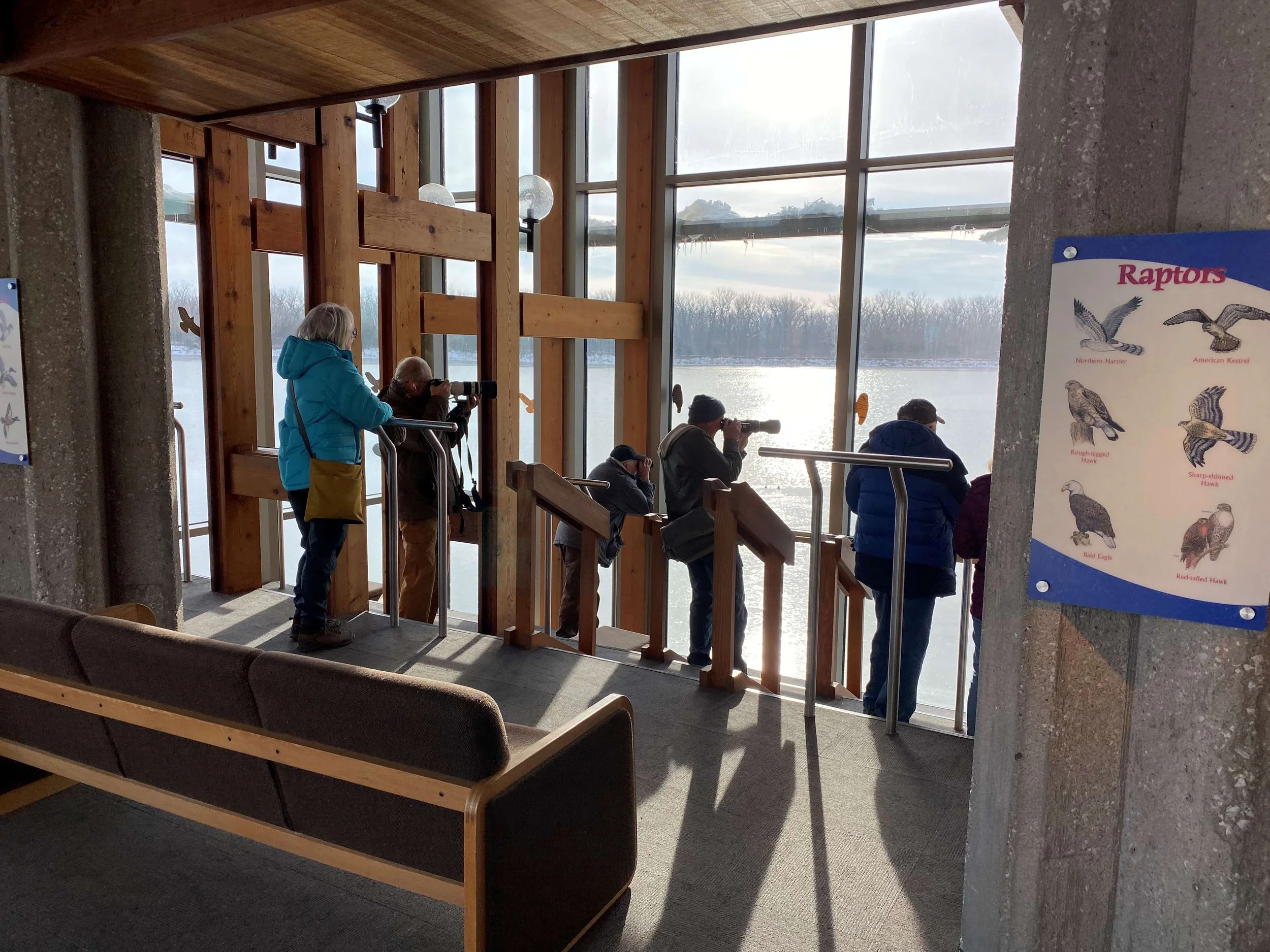
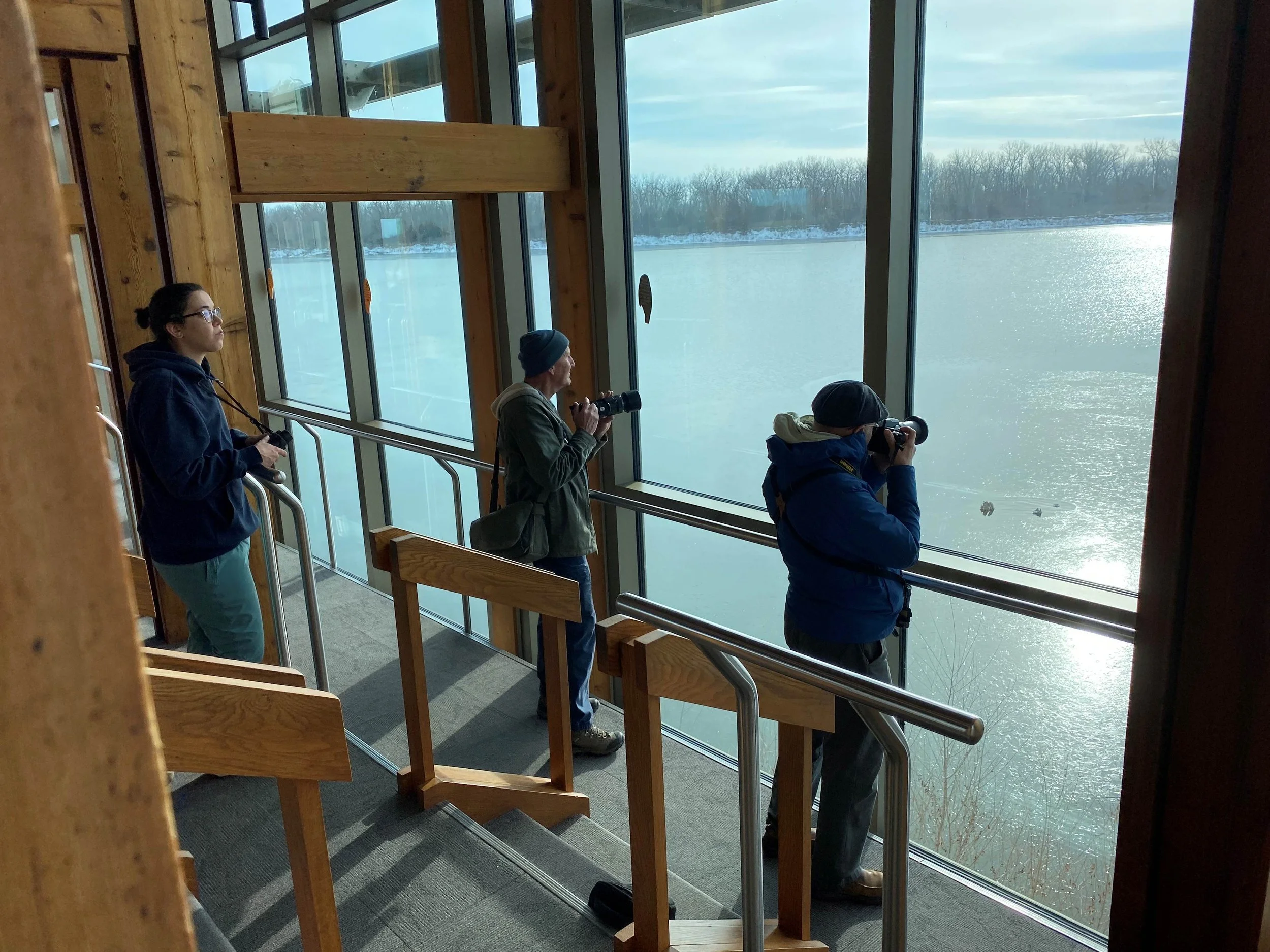
Show & Go Outing
saturday, january 10, 2026
owego wetland area & broken kettle grasslands area
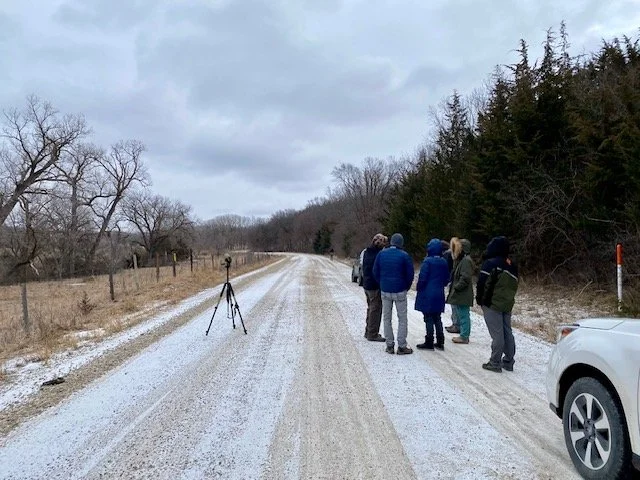
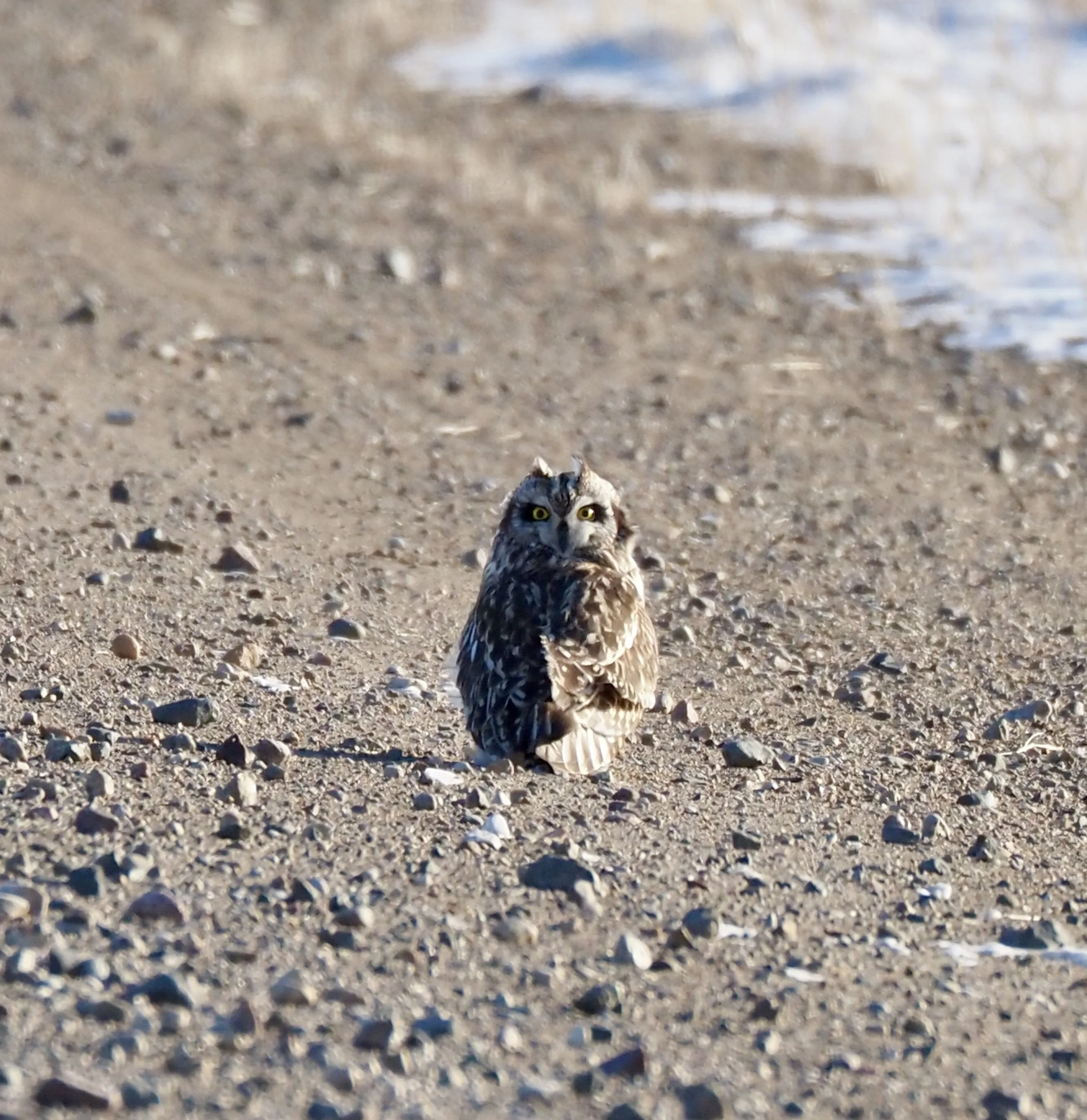
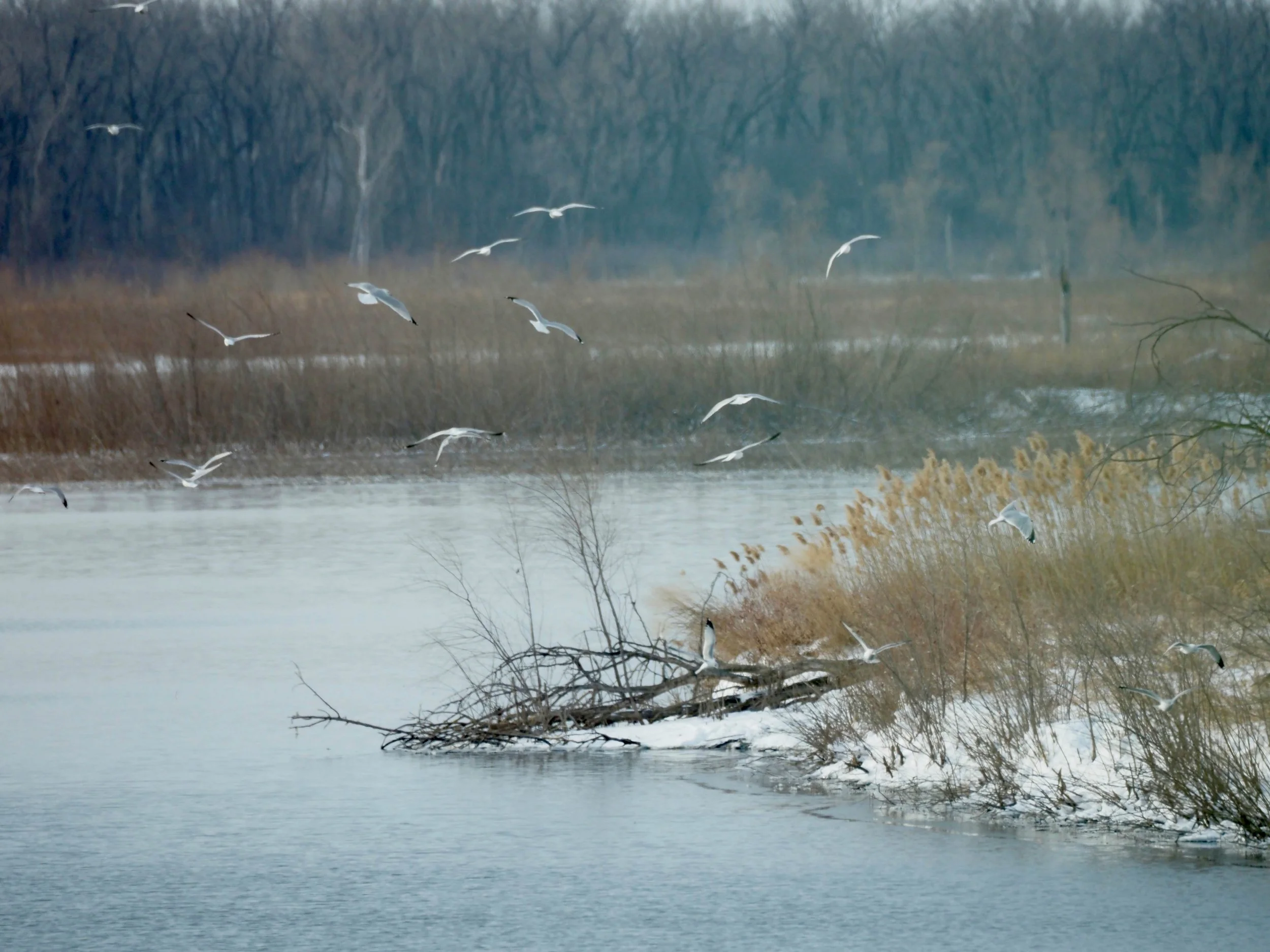
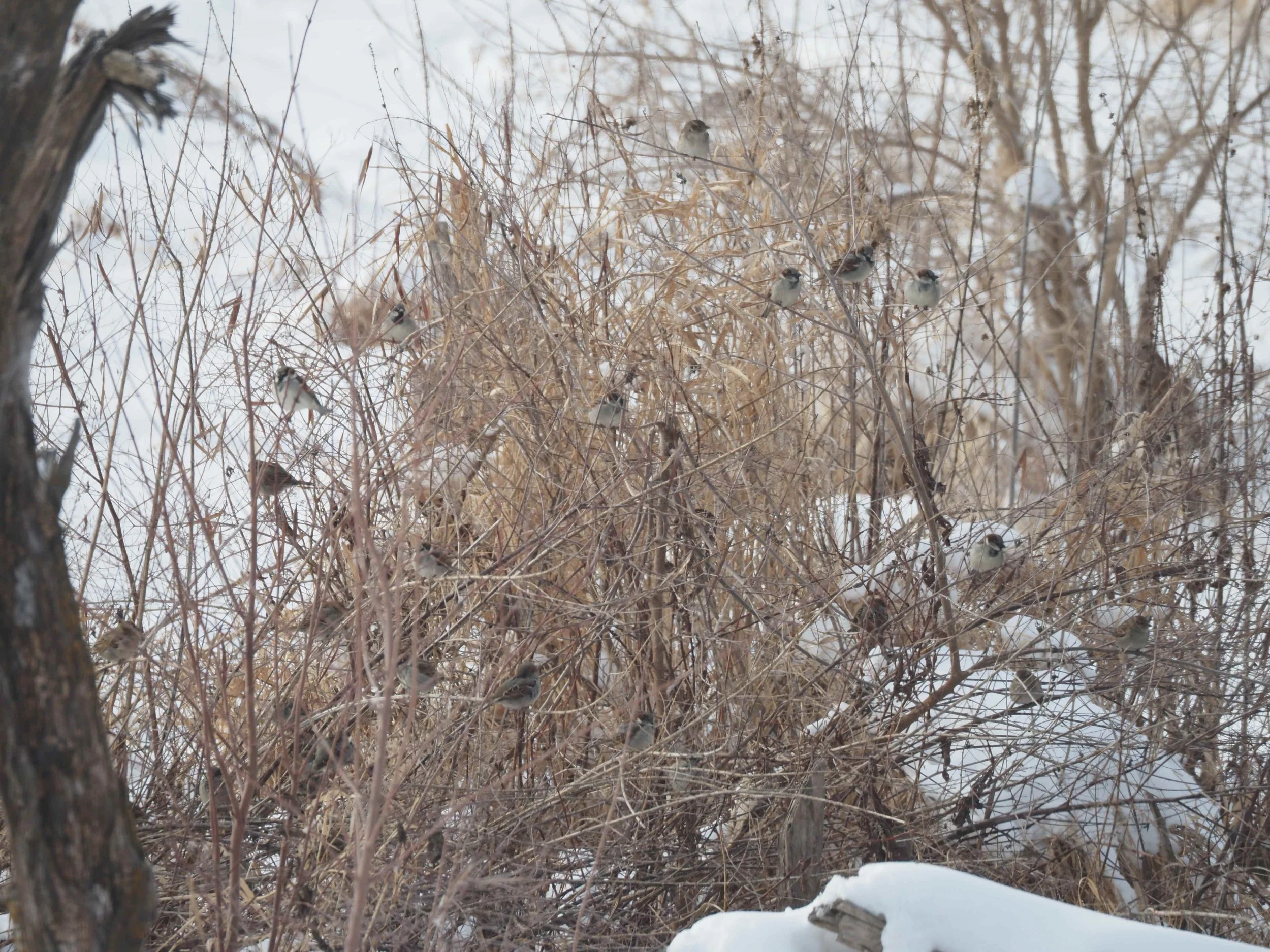
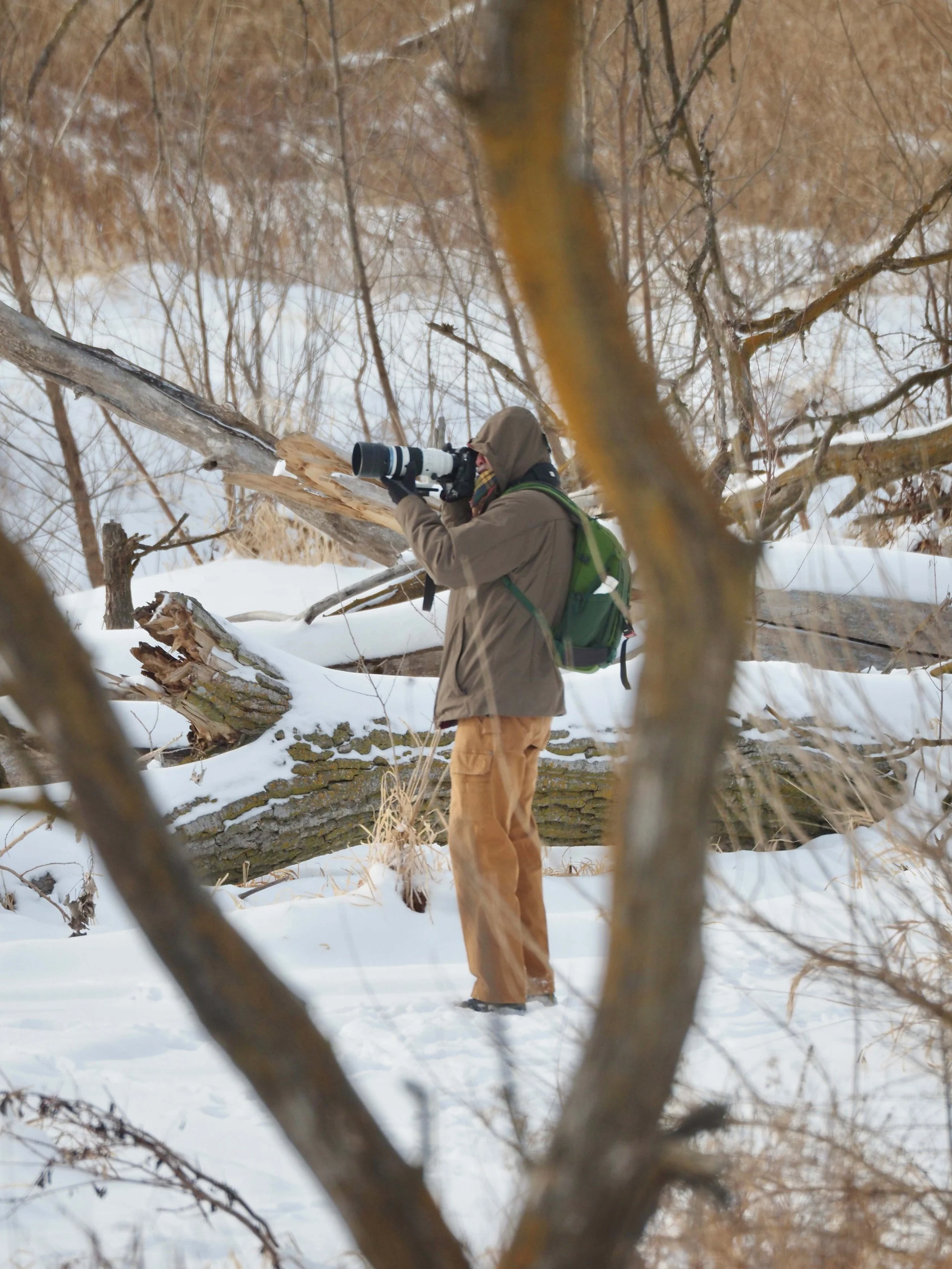
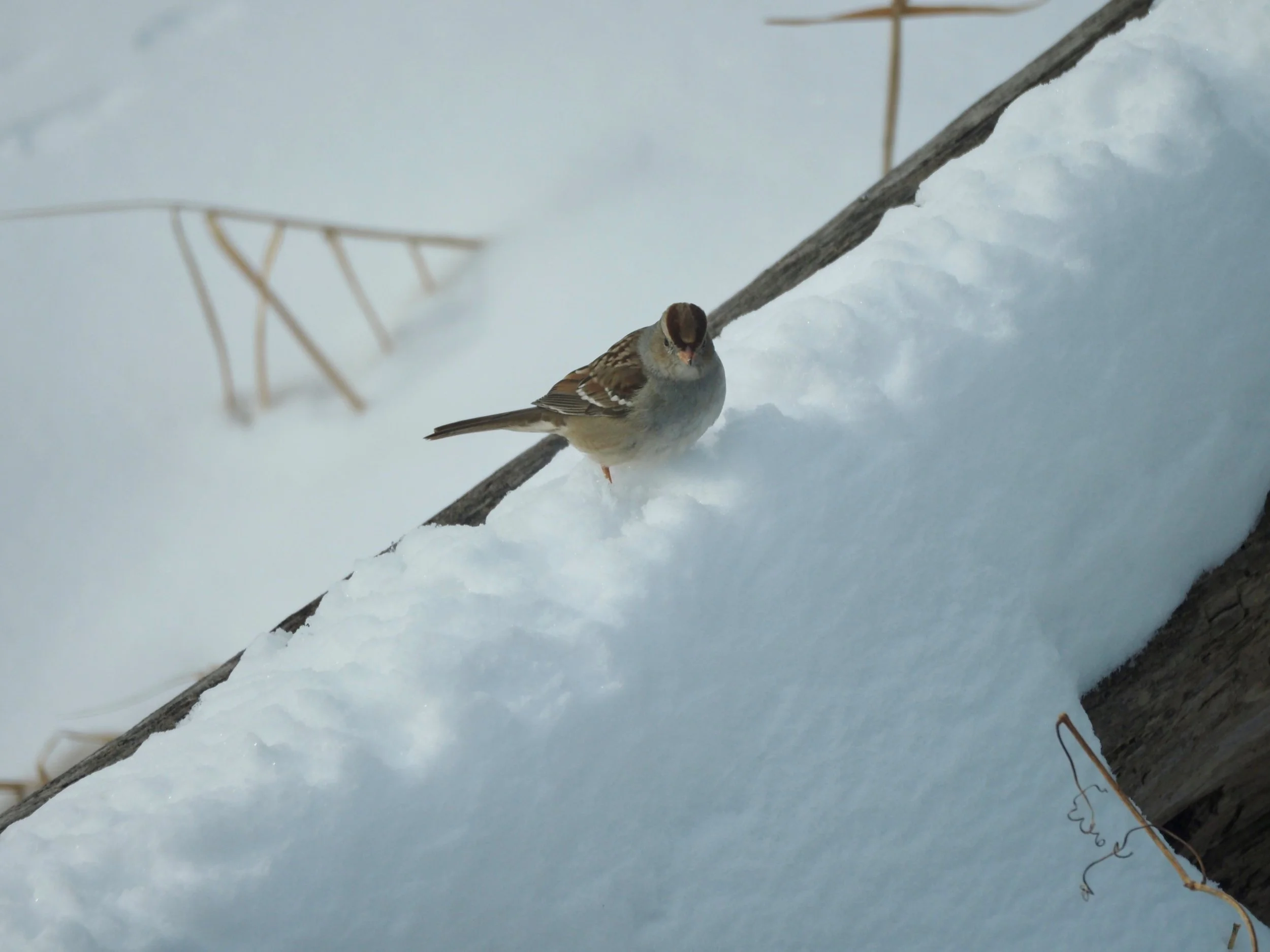
Knowing that birds are hard to find in midwinter, we had previously decided that the January outing would be a ‘Show & Go,’ where we would decide that morning what would be the most interesting destination. Reports of Trumpeter Swans at Blue Lake, Trumpeter Swans and a Long-tailed Duck at Gavin’s Point Dam, Short-eared Owls at Owego and a Townsend’s Solitaire at Broken Kettle Grasslands were all considered, but the intrigue of raptors won out; Short-eared Owls at Owego and Golden Eagle and the Solitaire at Broken Kettle was our plan.
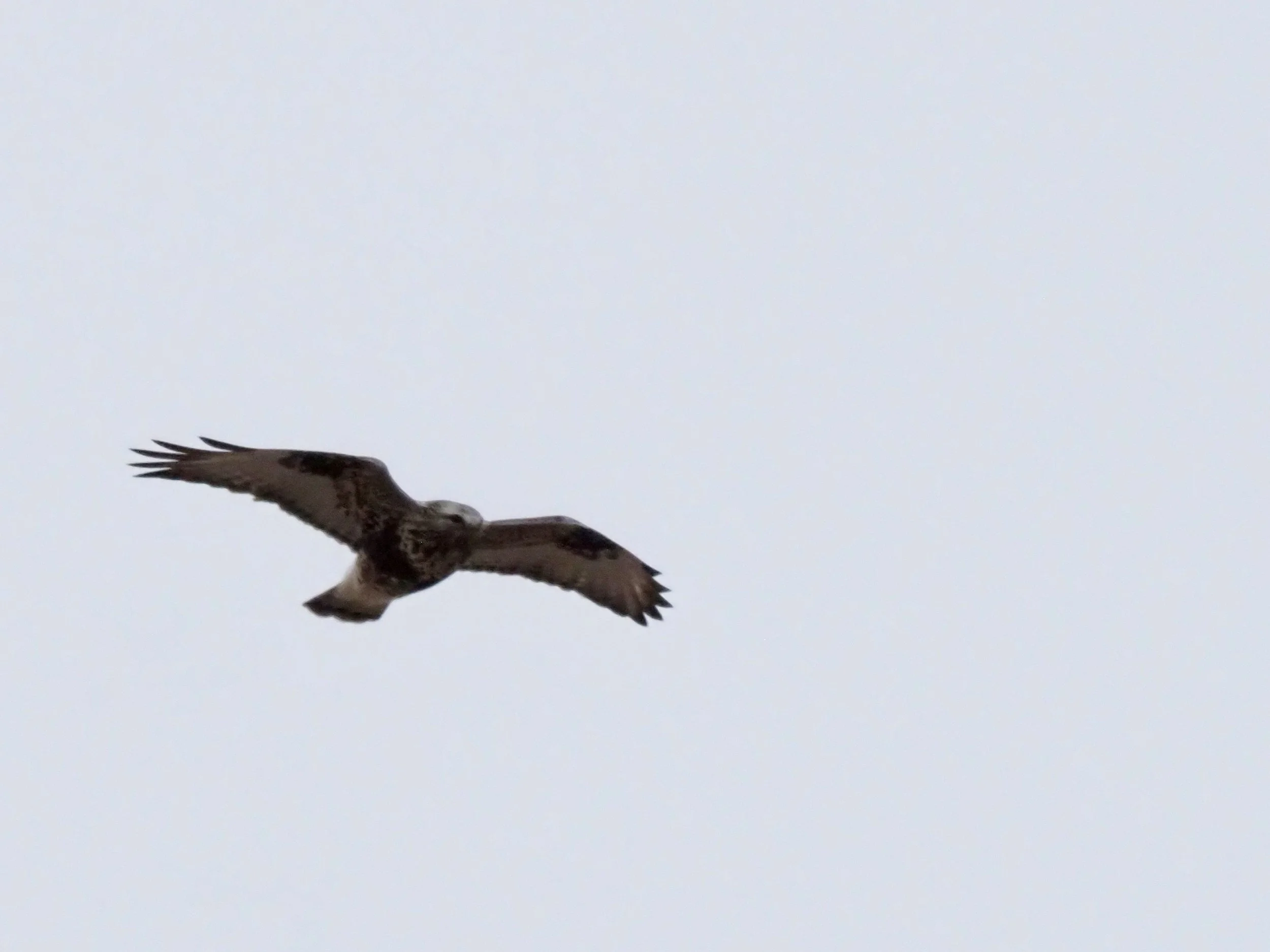
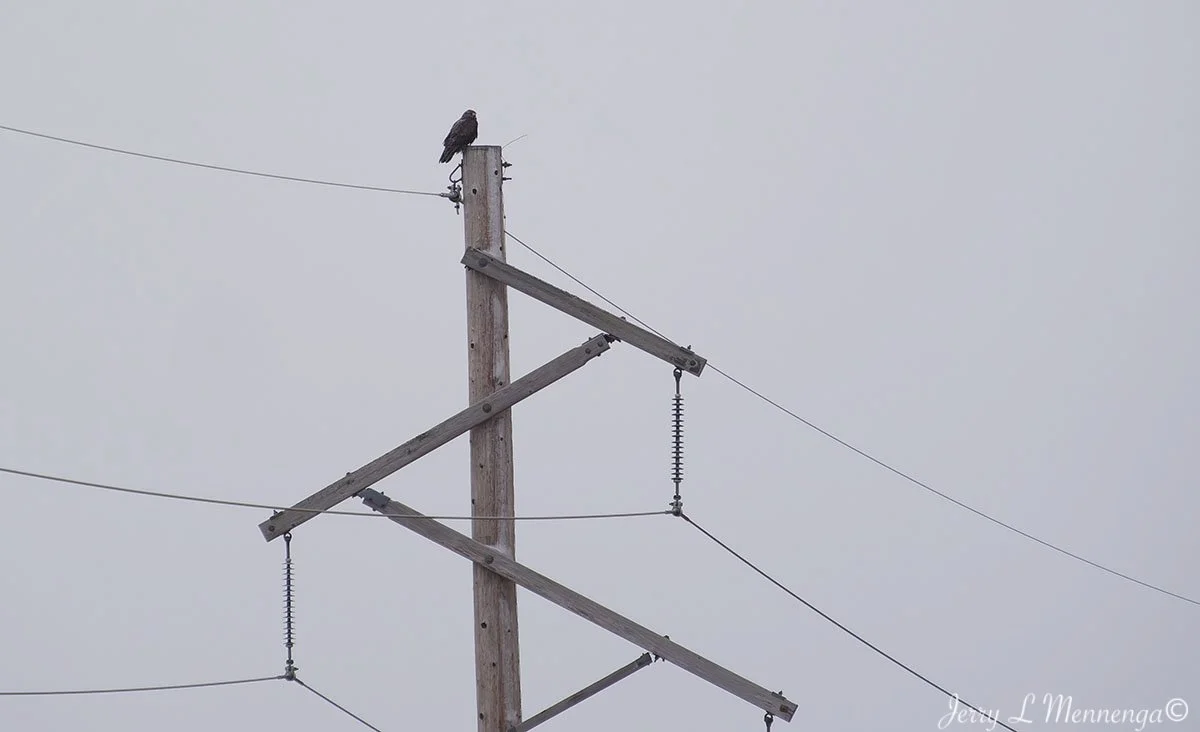
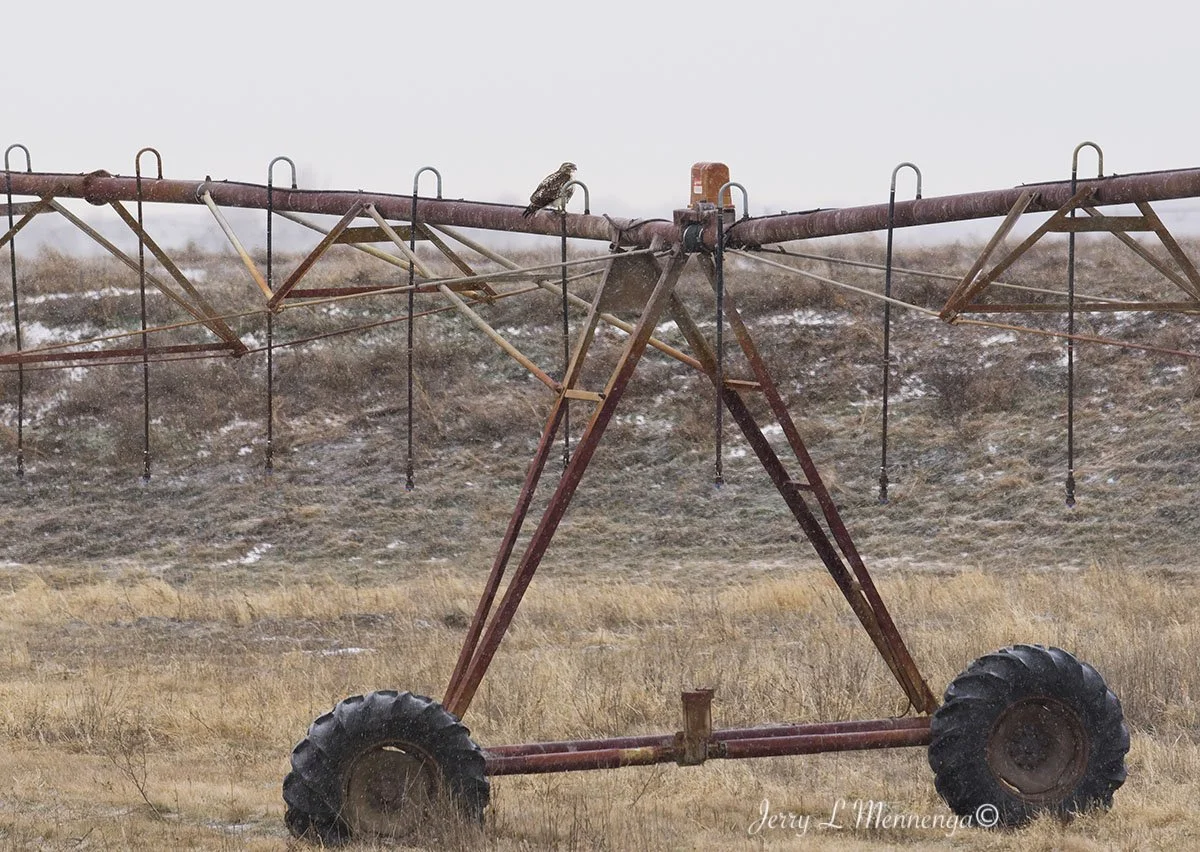
The eight members assembled hustled southward to try to see the Owls before they retired for the day. We apparently were too late despite the heavy cloud cover that darkened the morning. However, Red-tailed and Rough-legged Hawks were busy starting their day, as were Northern Harriers. Several light phase Rough-legged Hawks exhibited their standard field marks: heavy, dark belly band, dark patches at the bend of the wing, light-colored head, a white tail with a distinct dark terminal band and their hovering hunting technique. Another individual was an interesting dark phase Rough-legged Hawk with the previous marks obscured save for the tail pattern and hunting technique.
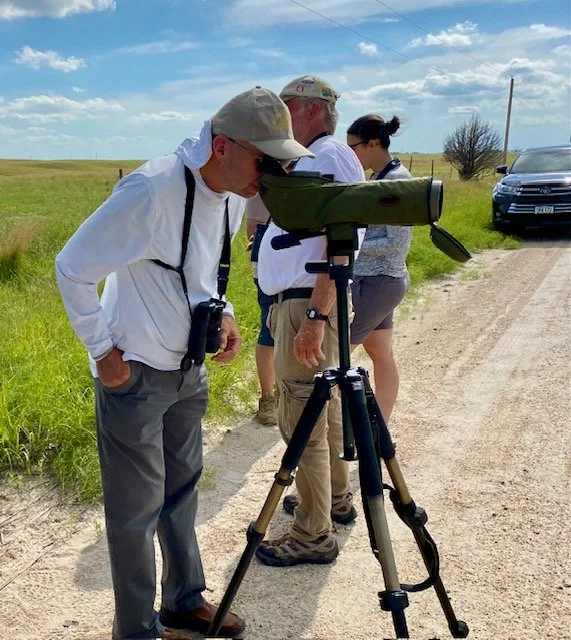
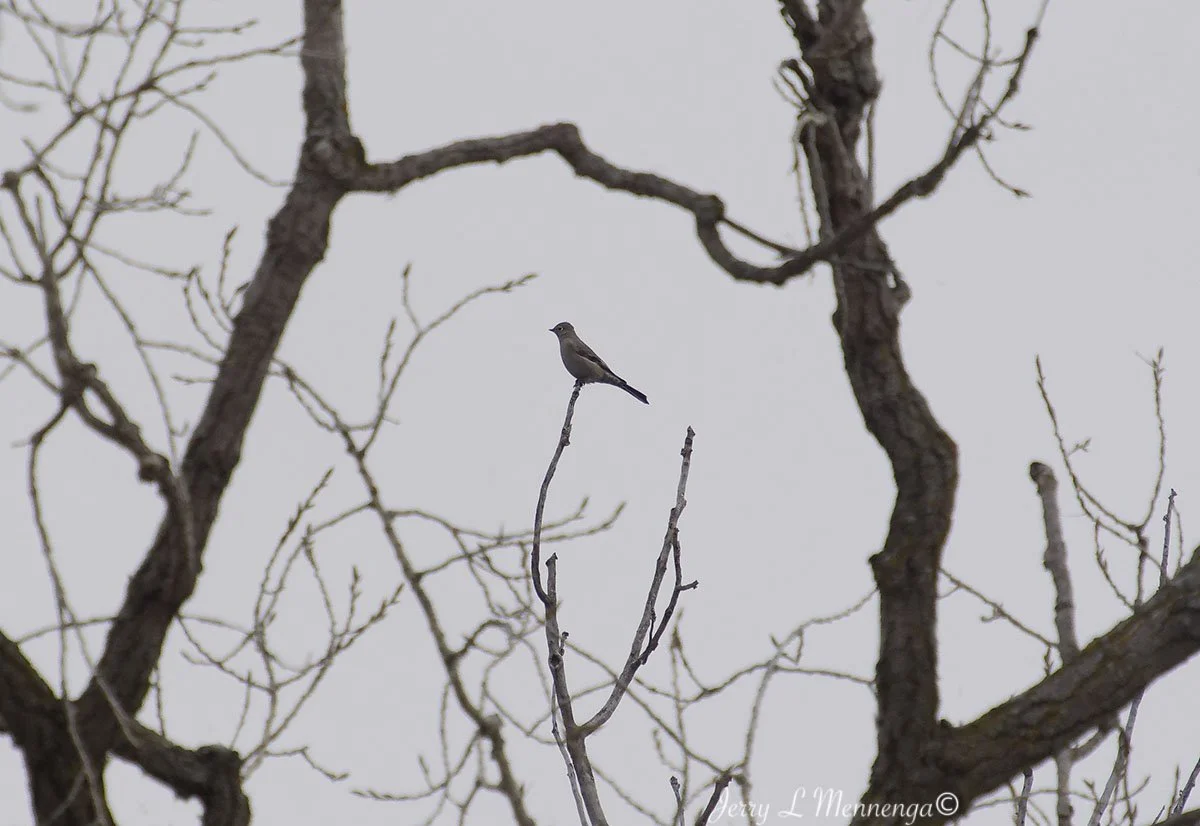
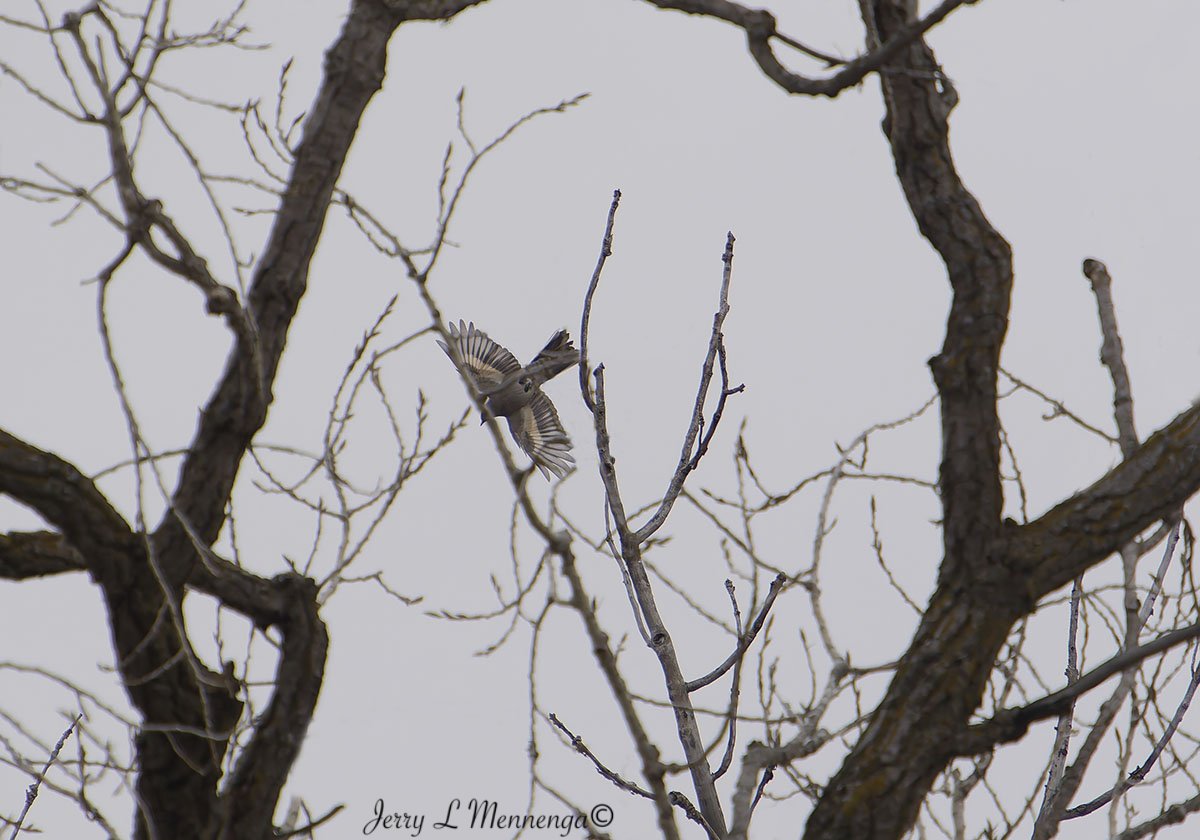
After the trip northward to Broken Kettle Grasslands we converged on the site of the Townsend’s Solitaire found earlier in the week by Tucker Lutter. We used a recording of the Solitaire’s winter call note to coax the bird from the dense stand of cedars and deciduous trees where the bird has been feeding and using for cover. Almost immediately, we noted a solitary bird at the very top of a cottonwood across the road. A quick look with binocs revealed a slender, gray bird with a relatively long tail. The bird cooperated and stayed on this perch while we set up a spotting scope for a better view that confirmed the gray color and revealed a small head and bill, eye ring and long tail. Though we did not see the salmon wing stripes on the extended wing, one of Jerry Mennenga’s photos captured that definitive field mark. The Solitaire was a life bird for 5 of the 8 participants.
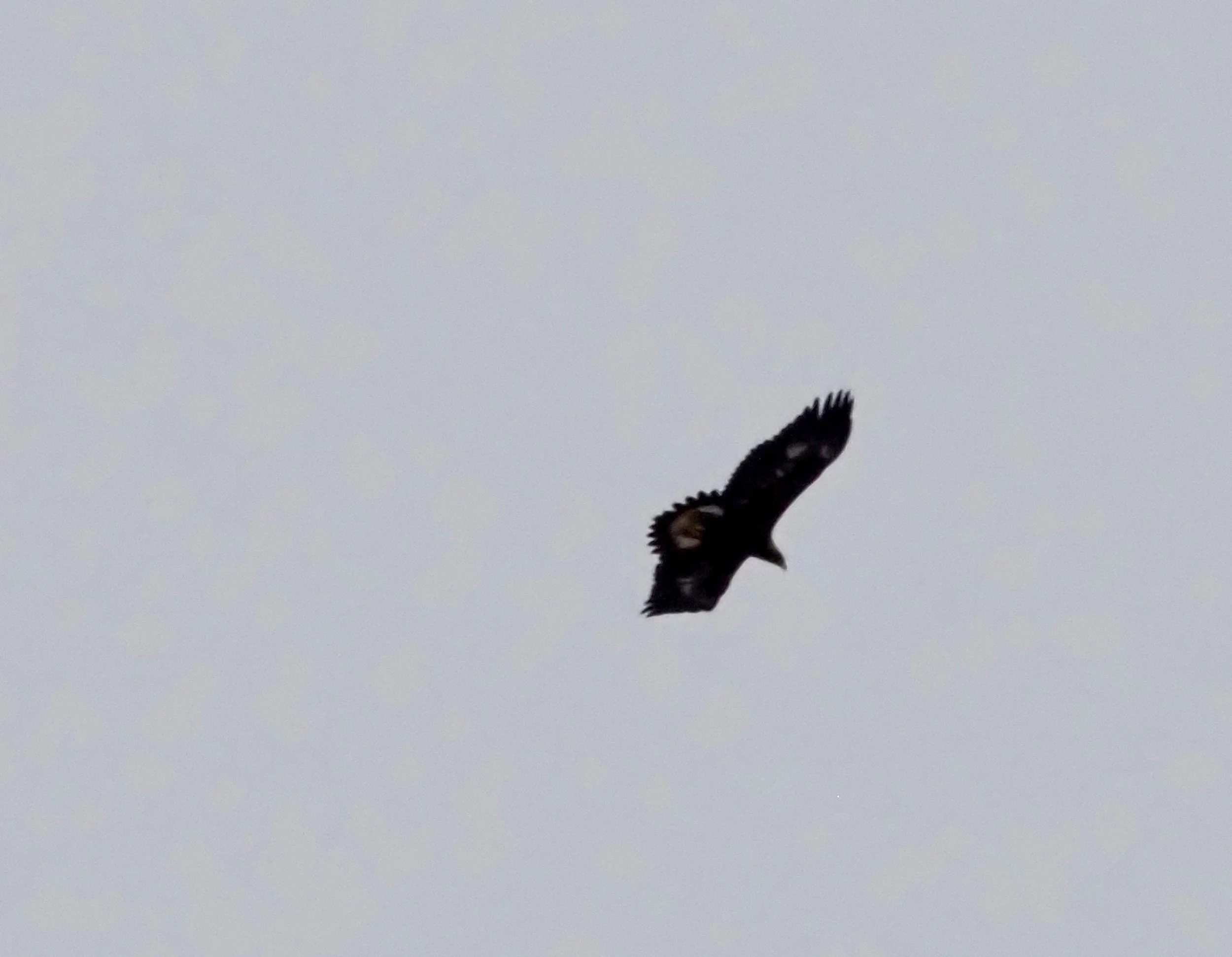
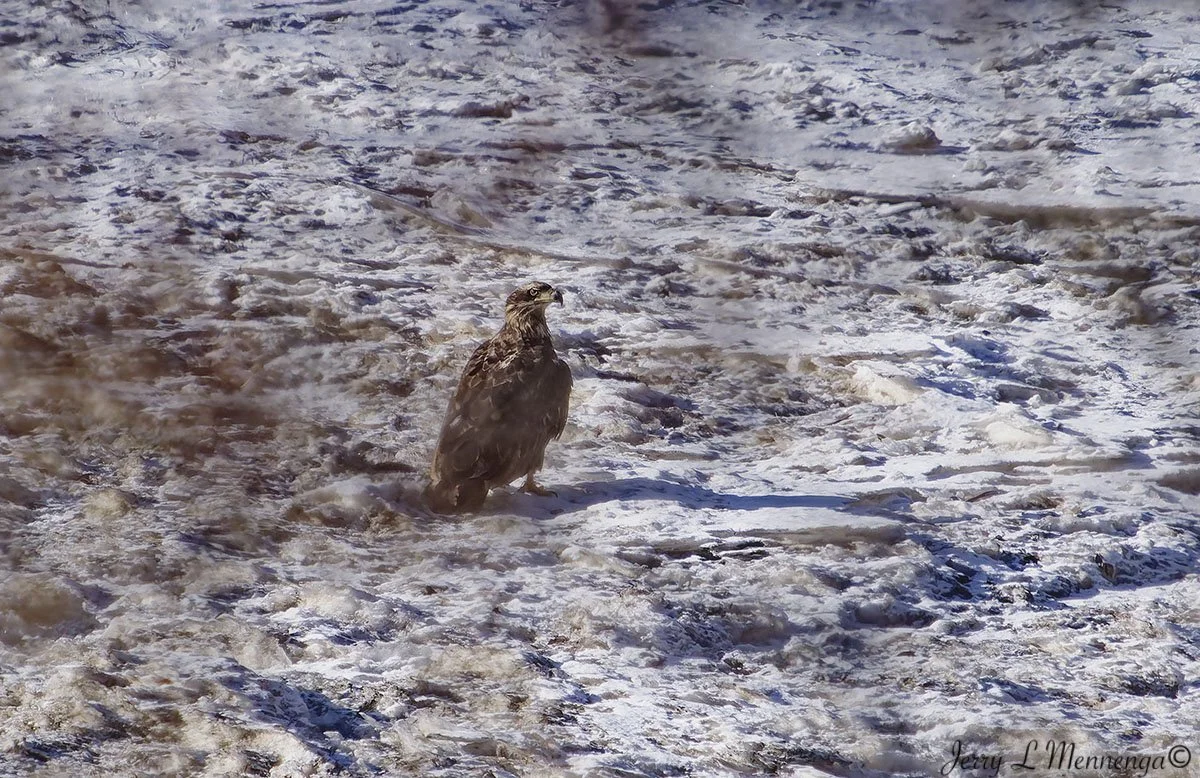
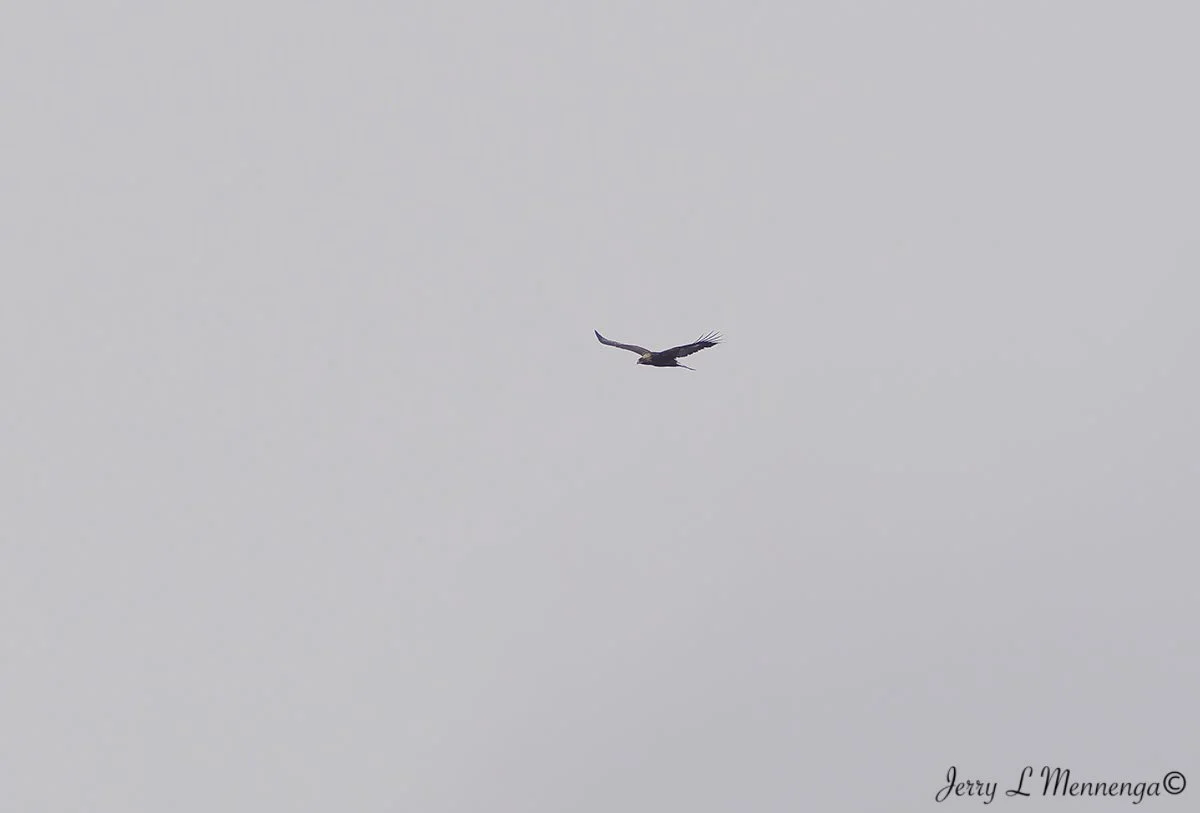
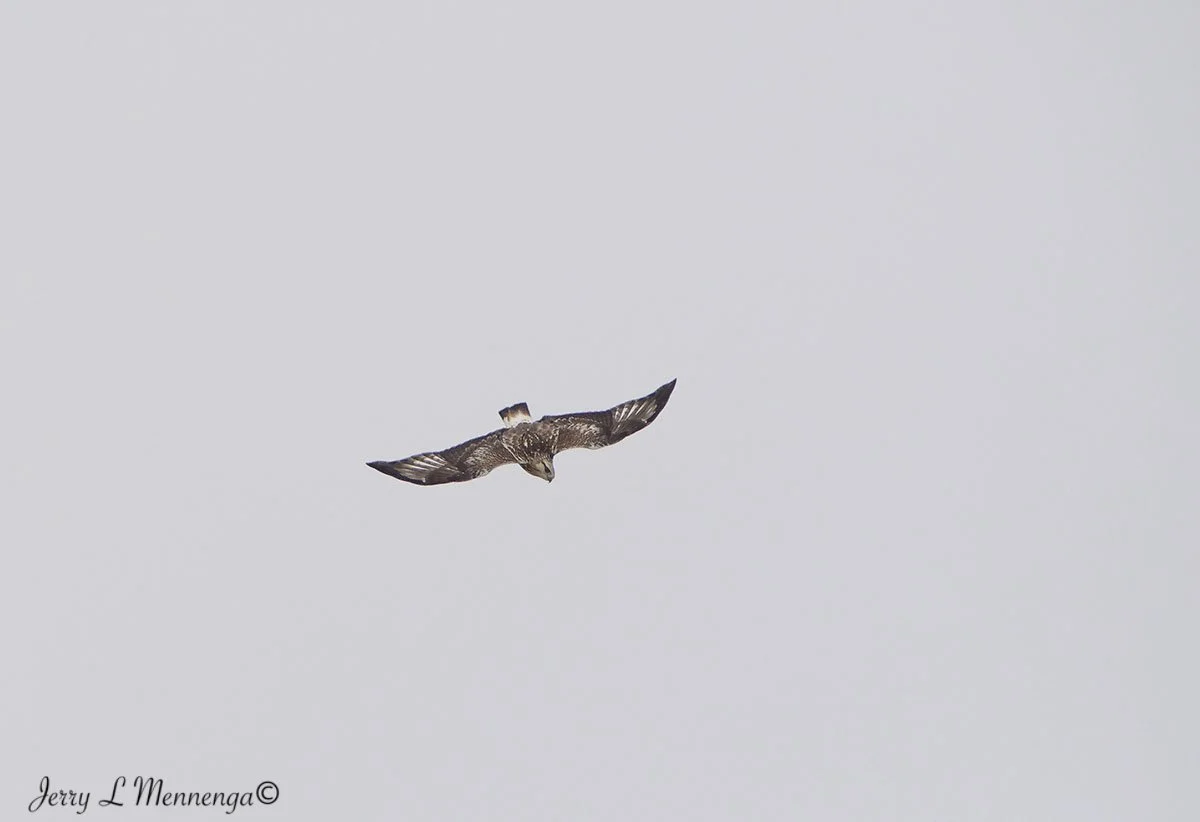
While all this transpired an immature Golden Eagle soared overhead. This large dark raptor showed a smaller head and bill, relative to a Bald Eagle, and more distinct white on the base of the tail and primaries. Again, Jerry got a definitive photo!
For a complete list and Jerry’s photos of the Golden Eagle and Townsend’s Solitaire see
https://ebird.org/tripreport/462966
Participants: Sharon & John Polifka, Marla & Kevin Kerr, Kayla Sheehan, Robert Sophere, Jerry Mennenga and Bill Huser.
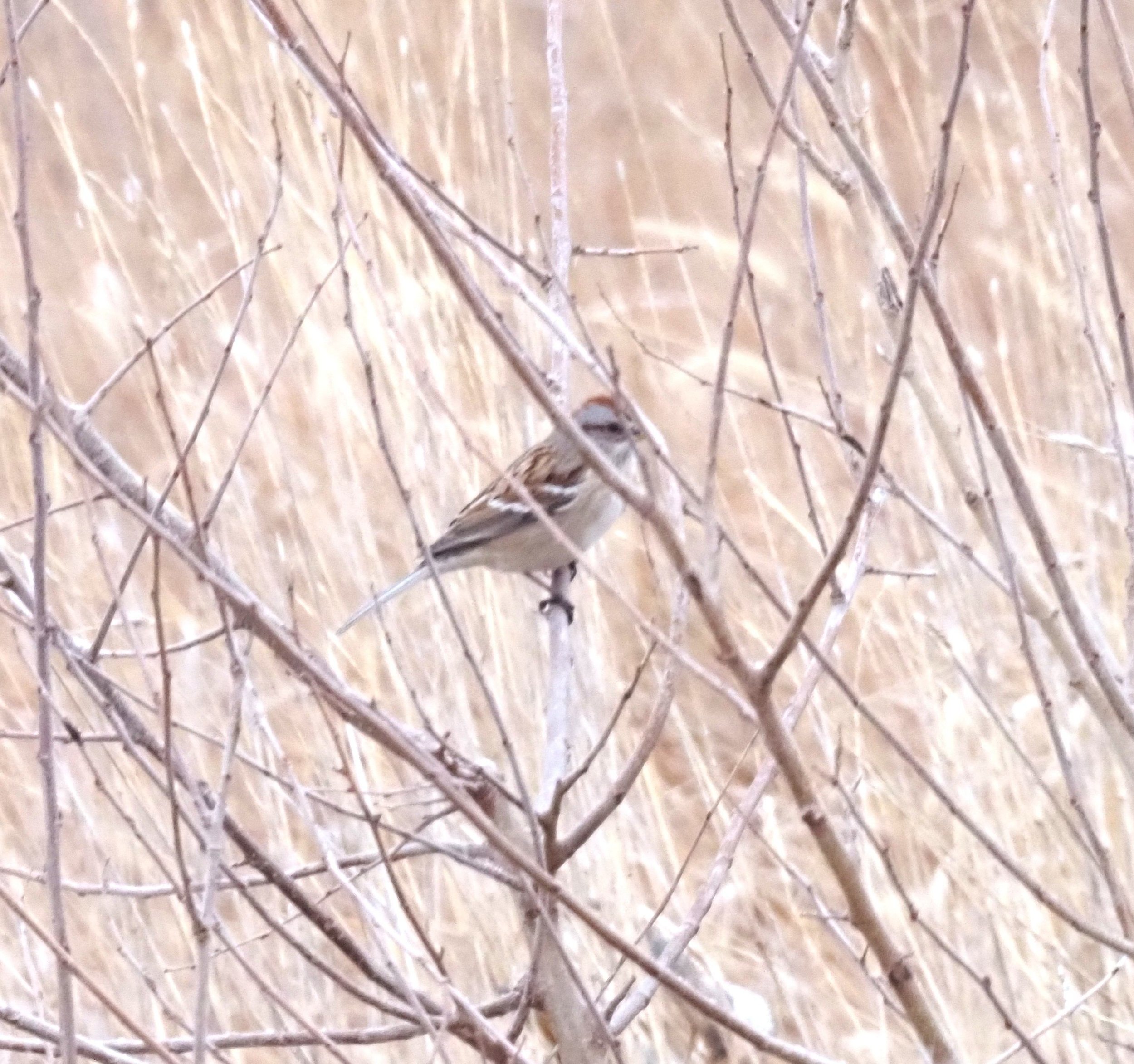
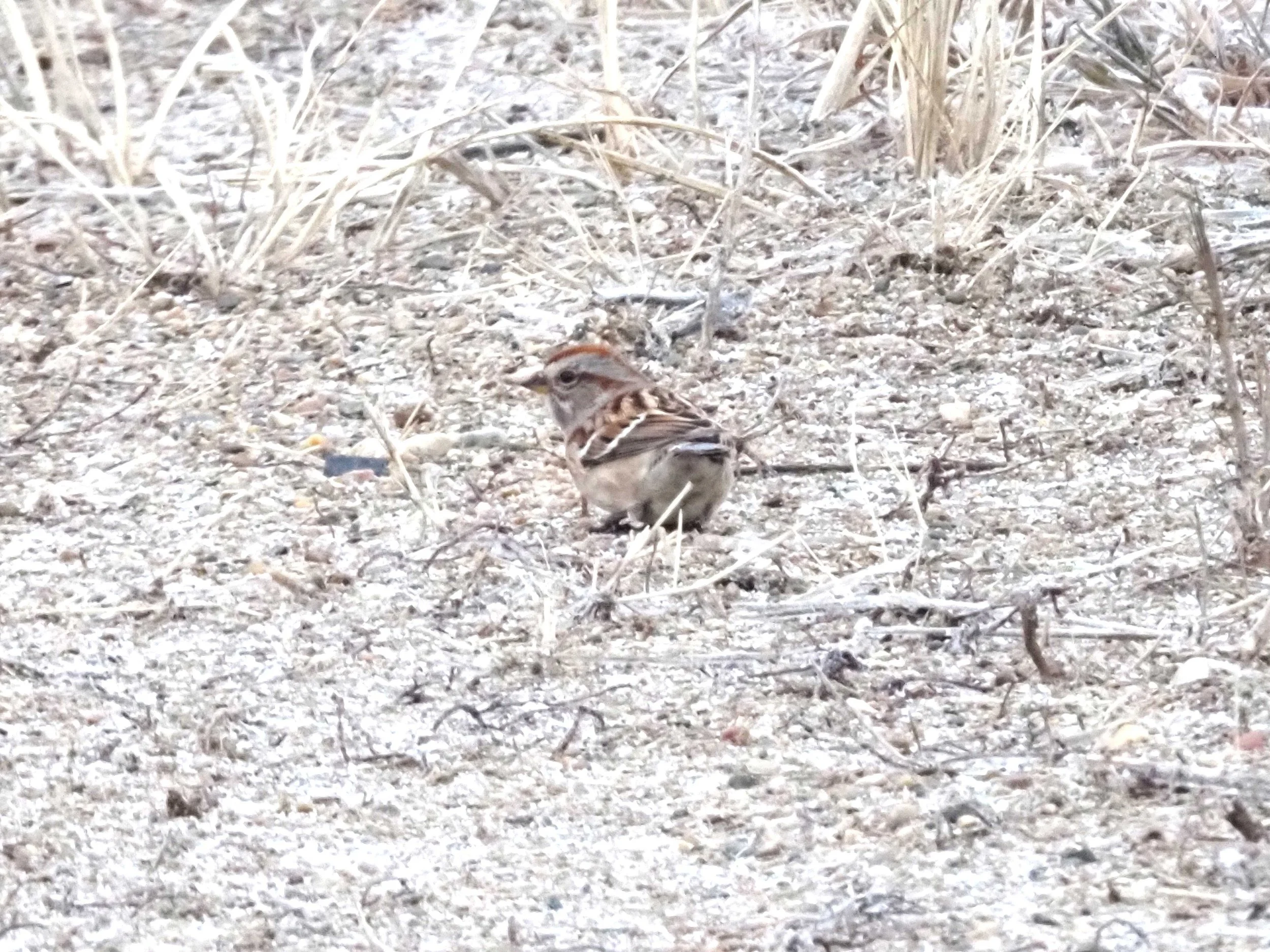
Twelve Species (and Meadowlarks): Rock Pigeon, Golden Eagle, Northern Harrier, Bald Eagle, Red-tailed Hawk, Rough-legged Hawk, Red-bellied Woodpecker, Northern Flicker, Merlin, American Crow, Townsend’s Solitaire, American Tree Sparrow.
Narrative Report by Bill Huser, Outing Coordinator and Vice-President
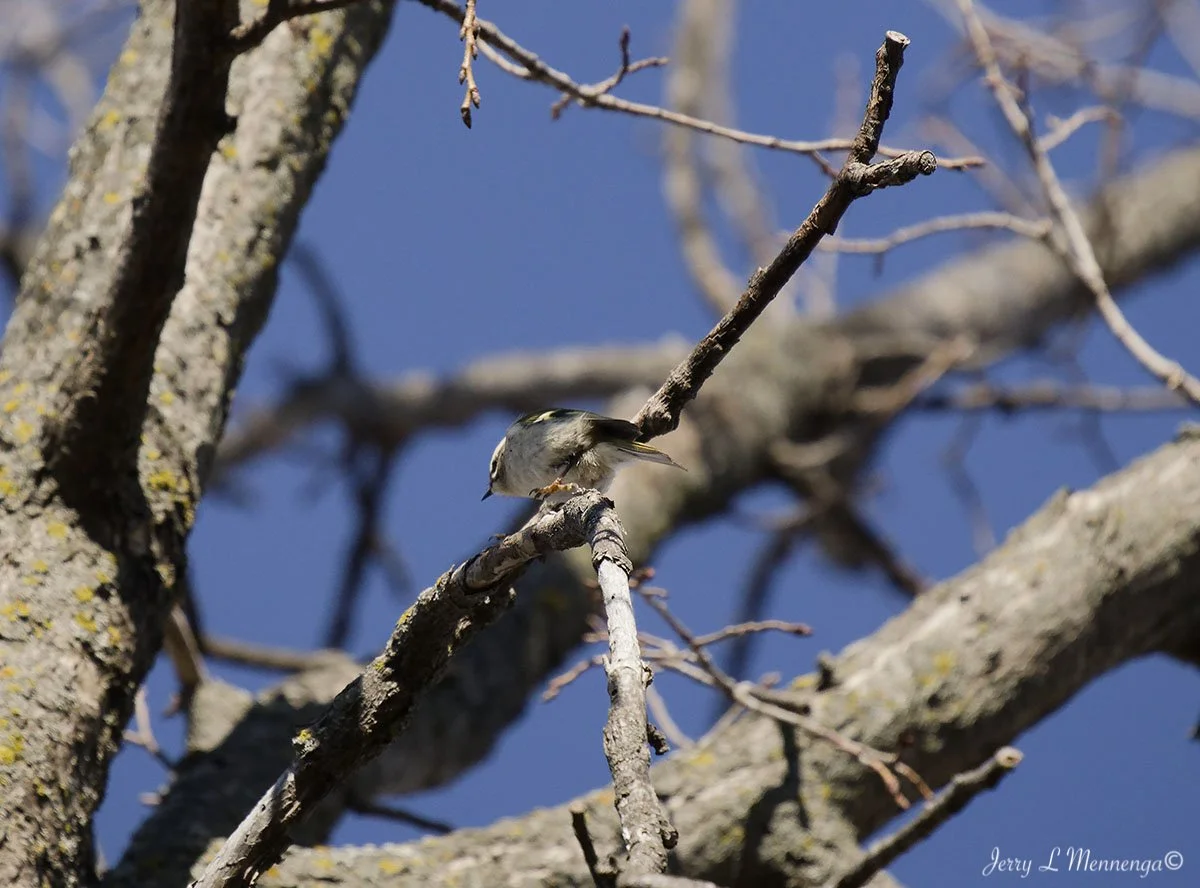
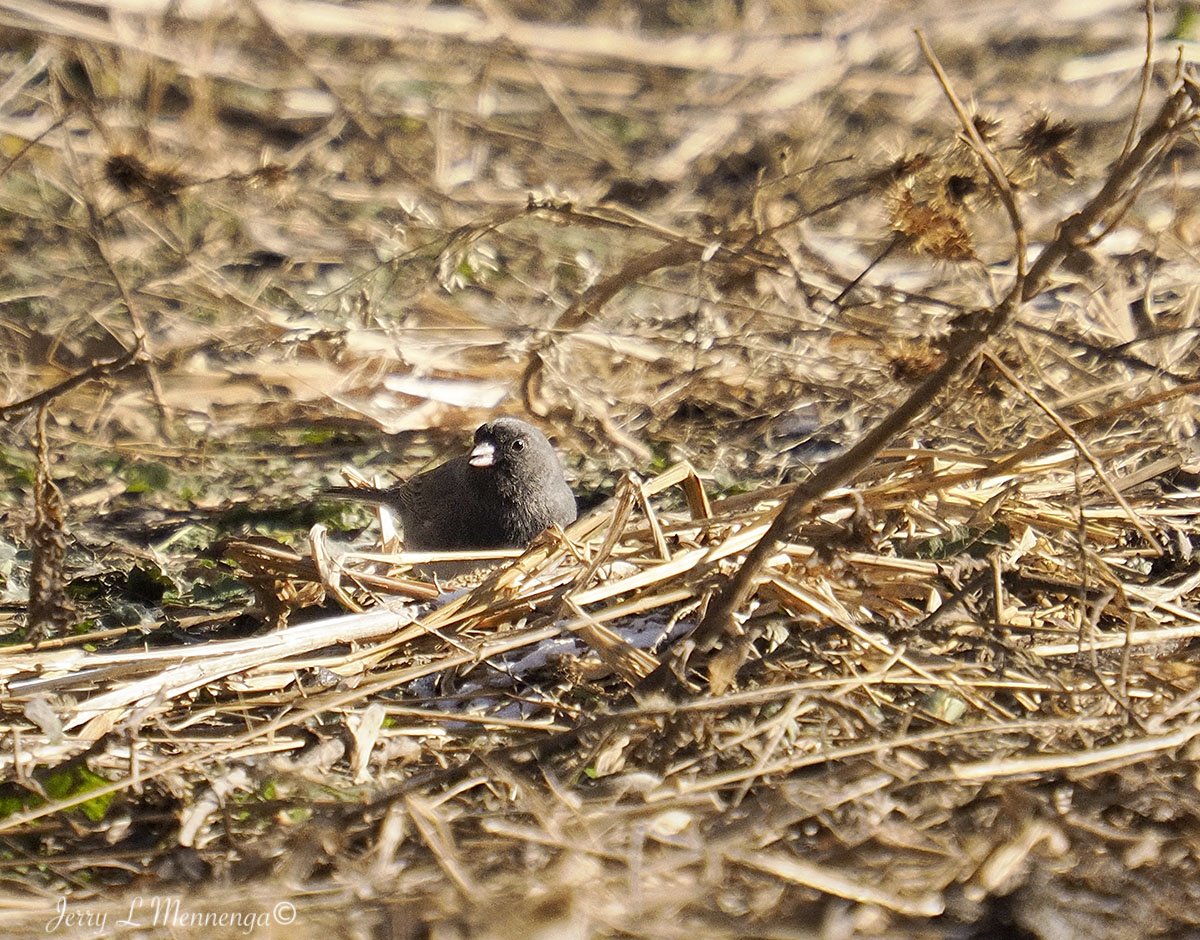
Jerry Mennenga: “Some photos from the LHAS outing this weekend. I brought a shorter lens with me for the trip so didn't have the reach for the Golden Eagle and the Solitaire birds. As well as for rhe Rough-legged hawks perched around The Square.
Did find some Bald Eagles along the Big Sioux River as I made my way back for lunch and upon a return, only found one willing to cooperate for a moment of two to get a couple pics of it.”
https://lostinsiouxland.wordpress.com/ OR https://www.jerrylmennengaphotographer.com/
Below images copyright 2026 by Jerry L Mennenga, used with permission
Below images copyright 2026 by Kevin J Kerr and Marla Kerr, used with permission
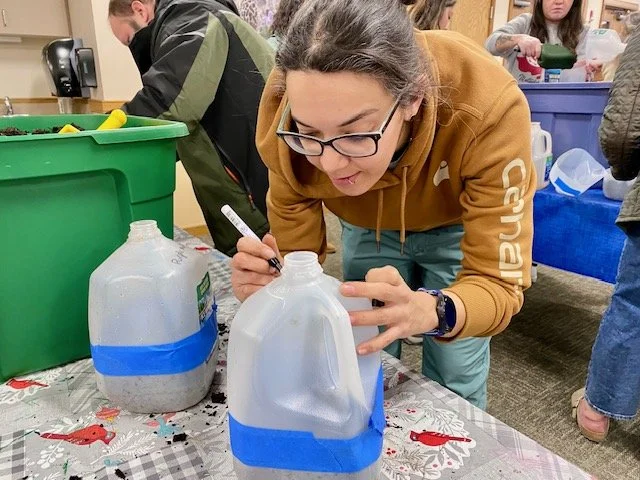
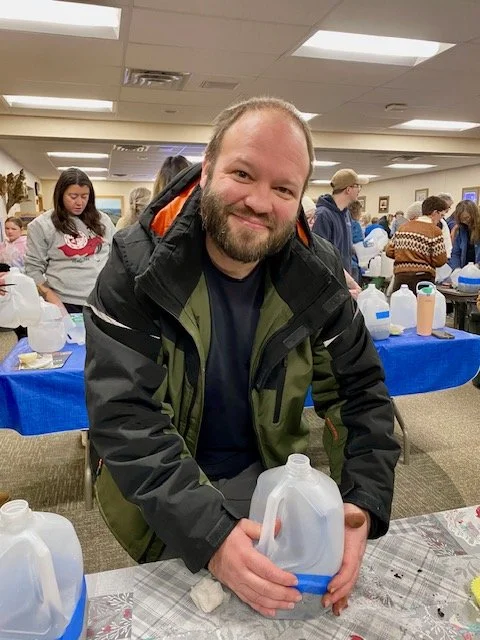
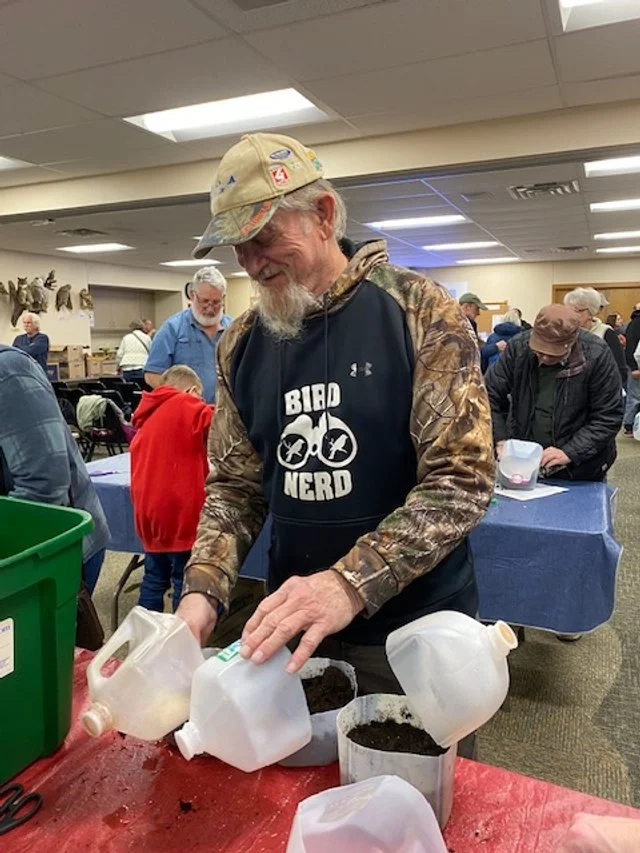
After leaving the Broken Kettle Grasslands area, we all headed to Harvey’s Restaurant in Riverside for lunch. Hot Beef Sandwiches and plate sized pancakes were popular lunch choices. After lunch, six birders headed to Dorothy Pecaut Nature Center to participate in the Loess Hills Wild Ones Winter Sowing Seeds Workshop (starting cold-hardy native seeds outdoors in recycled plastic containers during winter). The other two birders headed back to Highway 12 and the Big Sioux River area in search of Bald Eagles to photograph.
by Marla Kerr, Loess Hills Audubon Society President